
REVIEW · PORT STEPHENS & NELSON BAY
Anna Bay: Irukandji Entry Pass with Shallows Encounter
Feet-first shark time at Anna Bay. Irukandji turns a typical aquarium visit into a guided, hands-on shallow-water encounter where you feed, touch, and learn in natural-style lagoons.
I love the hands-on feeding (you get a stick and guided moments at the feeding spots), and I love that the experience moves through two separate lagoon areas so it feels like more than one repeat moment.
One thing to consider: this entry pass is built for the shallows, so you’ll be mostly barefoot and wading, which can limit how far you get into the deeper parts unless you choose wetsuit options.
In This Review
- Key things to know before you book
- Shallows at Anna Bay: what makes the Irukandji Entry Pass feel different
- Before you go: shoes, clothes, sunscreen, and the rules that matter
- Price and value: why $29 can feel like a lot, or a bargain
- Your 2 hours at Irukandji: how the visit flows in real life
- Fingill Lagoon: where rays become the main event
- Tropical Lagoon: zebra sharks, brown-banded bamboo sharks, and the Big Shark Talk
- Staying mostly dry vs going deeper: barefoot limits and wetsuit comfort
- After the lagoons: showers, gift shop time, and how to wrap up
- Who this is best for, and who might want a different ticket
- Should you book the Anna Bay Irukandji Entry Pass with Shallows Encounter?
- FAQ
- How long is the Irukandji Entry Pass with Shallows Encounter?
- Where is this experience located?
- What is included with the Entry Pass?
- Can I swim in the lagoon?
- Do I need to wear specific clothing in the water?
- Can I wear shoes in the lagoon?
- Are wetsuits available?
- Is the experience suitable for young children?
- Is there any sunscreen requirement?
- What time should I arrive for the full experience?
Key things to know before you book
- Shallows-only touch time: you wade in, no swimming, and shoes are not used in the lagoon.
- Two lagoons, different casts: rays lead in Fingill Lagoon, then you shift to Tropical Lagoon for more species and shark talks.
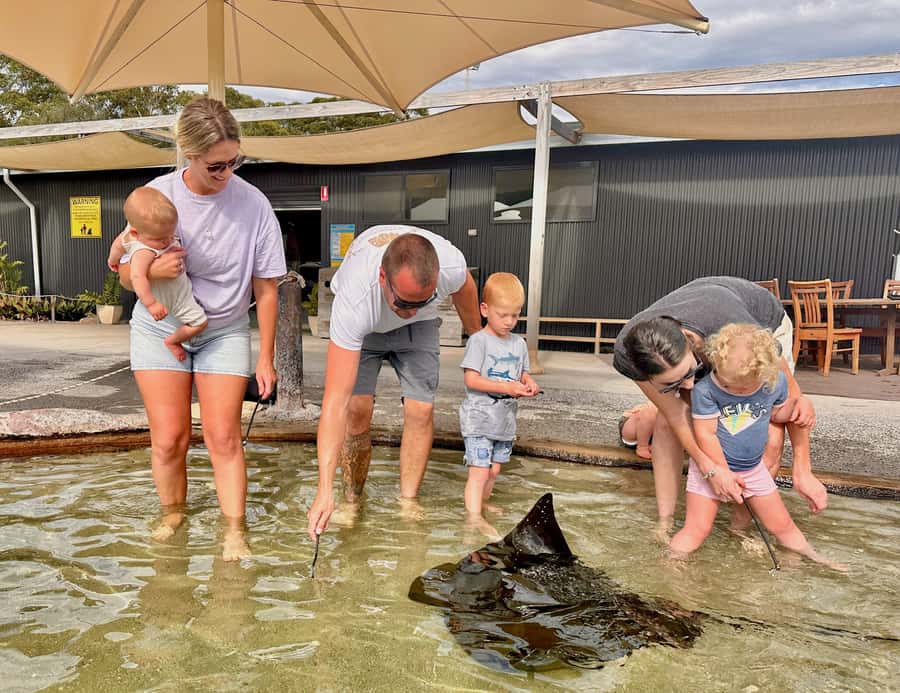
- Feeding is part of the fun: you’re given food and a feeding stick at set points, with keeper guidance.
- Big Shark Talk includes hands-on shallows time: keepers bring out large nurse sharks and whitetip reef sharks during a talk.
- You rinse after: warm shower facilities help you reset before you head to the gift shop.
- Talks are real, and kids have opinions: plan for keeper explanations mixed with action, not just constant play.
Shallows at Anna Bay: what makes the Irukandji Entry Pass feel different
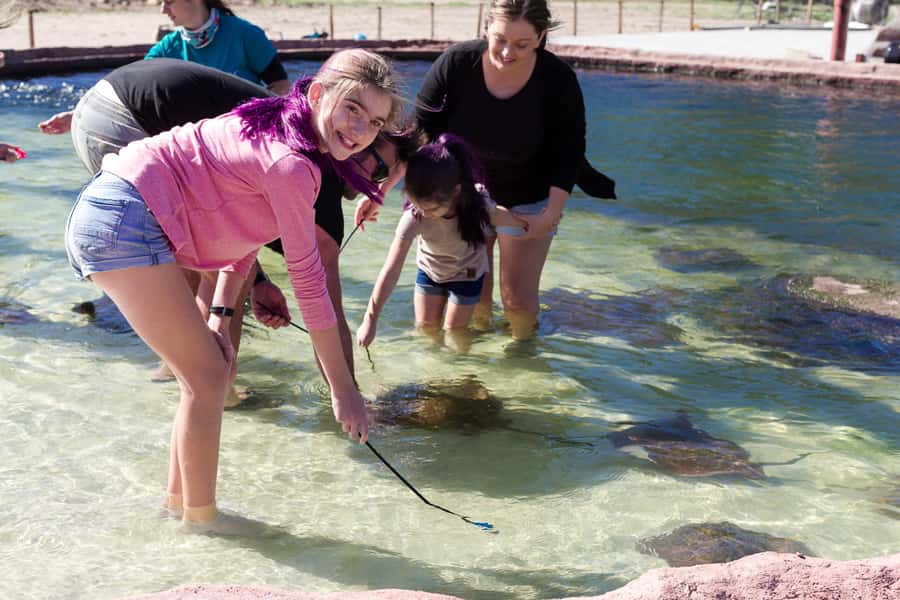
This is not a glass-wall aquarium. With the Irukandji Entry Pass with Shallows Encounter, you spend your time in lagoon edges and shallow pools, surrounded by sharks and rays that swim close enough for you to interact. That is the big appeal, and it is also why the experience feels more personal than most animal attractions.
The setup works like this: you start with a staff-led briefing on how to interact safely and what not to do. Then you move through lagoon stations where fish keepers guide you pool to pool. Each moment is structured, so you’re not just dropped into water with animals. You get direction on feeding and where to place your hands, and you also get short educational talks while you are there, not only before.
The other thing I like is the mix of fear and wonder. Sharks and rays can look scary until you’re close enough to see their calm behavior and understand what they are actually doing. In Irukandji’s lagoons, that shift happens fast.
Before you go: shoes, clothes, sunscreen, and the rules that matter
If you want the smoothest visit, read the rules like they are part of the itinerary, because they are.
Shoes are out in the lagoon. You can only enter the lagoon without shoes, and you’ll be walking on natural surfaces that can feel rough underfoot. If you’re sensitive to that, consider planning for socks if the venue provides wear options, or bring footwear you’re comfortable discarding outside the water.
Clothes must be worn on top of swimwear. Plan for a “swim base plus regular clothing” layer approach. This is one of those details that changes how you pack. I’d rather show up with fewer outfits to manage, then scramble later.
Sunscreen must be reef-friendly. That matters more than it sounds. Bring reef-safe sunscreen, not whatever is in your beach bag from last year.
No swimming, only wading. You’re in shallow water, and you should expect wading motions, not water play. This keeps the whole experience controlled for safety and animal welfare.
Kids have a participation rule. Unaccompanied minors are not allowed. Also, children under 12 must be accompanied by an adult in the water at all times. If you’re traveling with younger kids, this is crucial for planning who goes in when and how you’ll manage it without turning the experience into a scramble.
Price and value: why $29 can feel like a lot, or a bargain
At about $29 per person for the Entry Pass, you’re paying for a very specific format: human hands meet marine animals, in shallow lagoons, with keepers actively guiding the interaction. That kind of access is the expensive part. What makes it better value is that this is not a one-shot touch. You get repeated opportunities across multiple feeding points and pool areas.
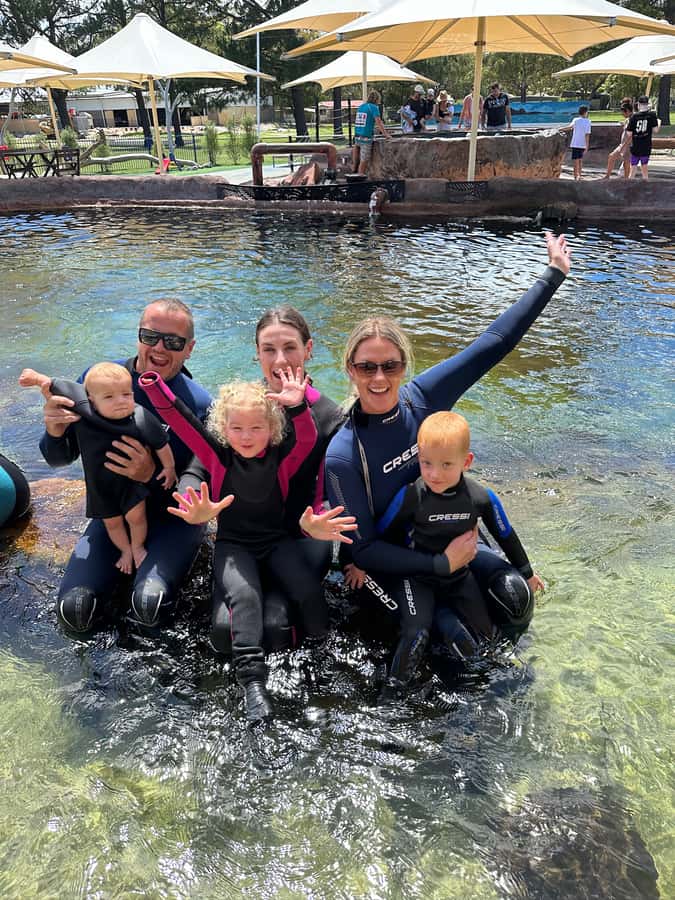
Is it perfect value for everyone? Not always. If you want a lot of time standing fully immersed, the Entry Pass is naturally limited because this ticket is centered on shallow interaction. In colder months, people often find the wetsuit option (offered via upgrades) makes the experience more comfortable and increases what feels like usable interaction time.
Still, even with the shallows focus, the experience tends to land well because the memories are immediate: feeding, petting, and watching rays glide over your feet. For families, it’s also a rare “everyone can participate” activity that keeps adults engaged, not just kids.
Your 2 hours at Irukandji: how the visit flows in real life
You’ve got a 2-hour experience window, and tours run all day from 9 AM to 5 PM. For a full experience, plan to arrive by 3:30 PM. That timing note matters because you want enough time for the full sequence across lagoon areas, feeding moments, and the rinse-and-reset at the end.
When you arrive, staff greet you and guide you through the process. This is where the visit either goes smoothly or feels slow, depending on how ready you are. You’ll get your equipment and instructions first, including the safe way to approach and interact. Then you move toward the lagoons.
During the lagoon time, you’ll typically go in guided loops. At feeding locations, you’re given food and a feeding stick. Then a keeper directs you around to different pools, where each pool has different species and information tied to what you’re seeing. This is key. It’s not one big generic talk. It’s information matched to the animals in front of you.
You also get animal talks, including a larger talk moment that brings you into the shallows to see larger sharks. After your lagoon time, you rinse off under a warm shower and towel down, then you can head to the gift shop area.
Fingill Lagoon: where rays become the main event
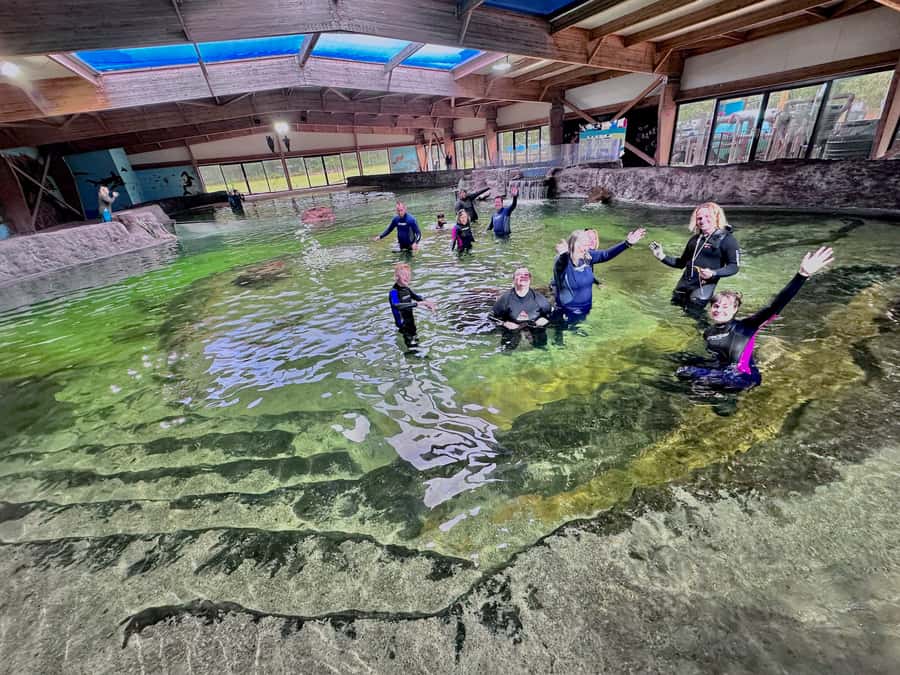
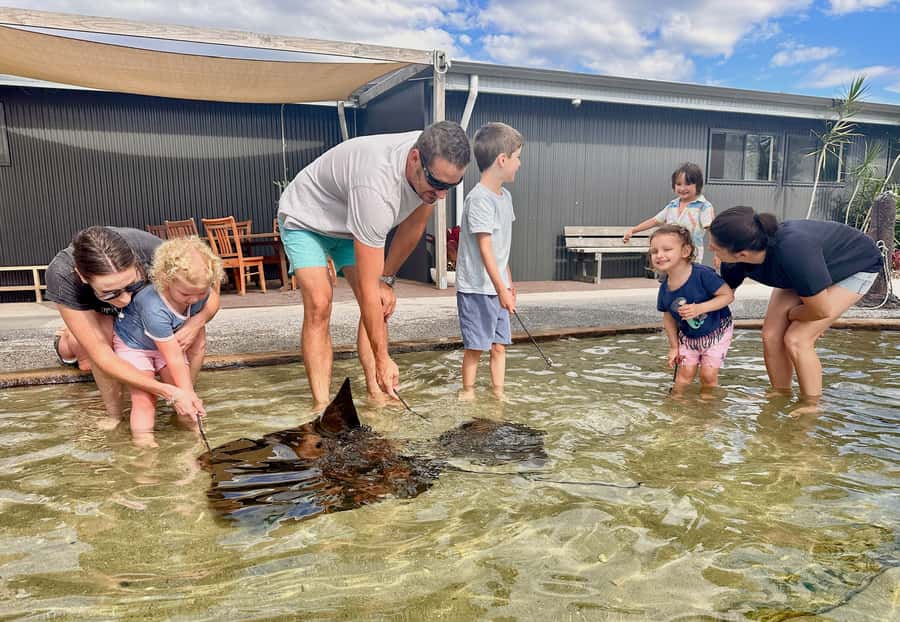
Fingill Lagoon is your rays first stop. This is the area where many visitors get that wide-eyed moment when rays glide over your feet and then eagerly snap food from the feeding stick. The experience is designed for calm contact, with keepers guiding you on how to reach down and pet them while they swim nearby.
What makes this part special is the texture and the close-up behavior. Rays have a different feel than people expect, and in shallow water, you’re not just watching them. You’re sharing the water space in a controlled, keeper-led way. You also get to feel the difference in their skin textures when you pet them, which is exactly the kind of detail that sticks in your memory.
You’ll also learn as you go. Each pool comes with specific information and feeding context, so you’re not just guessing what you’re seeing. That added layer helps you make sense of their movements instead of treating the whole encounter like a gimmick.
Practical tip: bring your patience. Even though you’re in the water, the keeper flow controls timing at each feeding point. If you rush ahead, you’ll miss the guidance and lose the best interaction windows.
Tropical Lagoon: zebra sharks, brown-banded bamboo sharks, and the Big Shark Talk
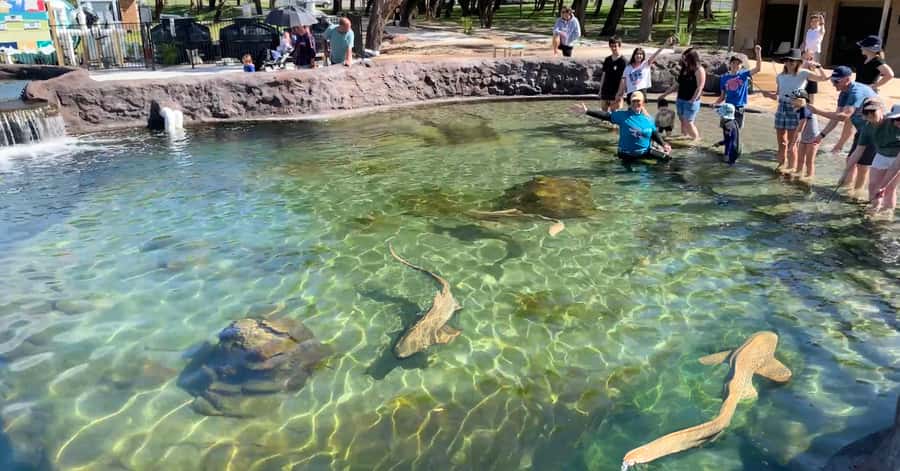
After the Fingill Lagoon ray focus, you shift to Tropical Lagoon. Here, you’ll meet more rays plus several shark species, including zebra sharks and brown-banded bamboo sharks. This is where the experience broadens from “mostly rays” to “a real shark encounter,” while still staying shallow and controlled.
You’ll also hear more keeper talk while you’re in the lagoon. The keepers focus on sharks, rays, and marine conservation. That conservation angle matters because the whole point is to reframe how people see these animals. Sharks and rays have a reputation problem, and the best antidote is learning how they actually behave and why protecting them matters.
One of the most talked-about moments is the Big Shark Talk. During this, keepers invite you into the shallows as they bring out larger sharks, including Tawny Nurse Sharks and Whitetip Reef Sharks. This is the moment where the visit feels biggest, because you’re not only interacting with smaller species in smaller pools. You’re getting a guided look at larger sharks while still keeping things safe and wading-based.
If you have kids, this can be a win. They often want action, and this talk is action plus learning, not just a lecture.
Staying mostly dry vs going deeper: barefoot limits and wetsuit comfort
This specific entry pass is designed for barefoot lagoon access, which keeps the experience simple and close to the waterline. But it also creates a tradeoff: barefoot interaction tends to be limited by depth and comfort.
Some people find their feet and lower legs get wet, but ankles and deeper contact can depend on where you’re guided within the lagoon. If you want more reach and more consistent time with animals right up close, you may find the wetsuit option (via the Discovery Pass upgrade) makes a noticeable difference. It’s also helpful if you’re visiting in cooler weather, because cold can shorten attention spans fast.
Even if you plan to stay mostly dry at first, I suggest you decide early. The longer you wait before choosing the wetsuit option, the more you risk losing time during the most active feeding moments.
There’s also an equipment detail to know: you can go barefoot, or cover up toes with wear and even use souvenir socks. That can help with comfort on rough surfaces without turning the experience into “I’m wearing water shoes,” because you still need to enter the lagoon without standard shoes.
After the lagoons: showers, gift shop time, and how to wrap up
When you’re done with the lagoon stations, you get to rinse off under a warm shower and towel down. That matters more than people think. Salt water, sand, and sticky hands add up. A warm reset makes the whole day feel civilized.
Then you head back through the spectator areas and toward the gift shop. If you like souvenirs, this is a good time. The shop has a range of sustainable gifts, plus snacks and cold drinks. It’s also a handy place to decompress while kids wind down after being excited for two hours.
Who this is best for, and who might want a different ticket
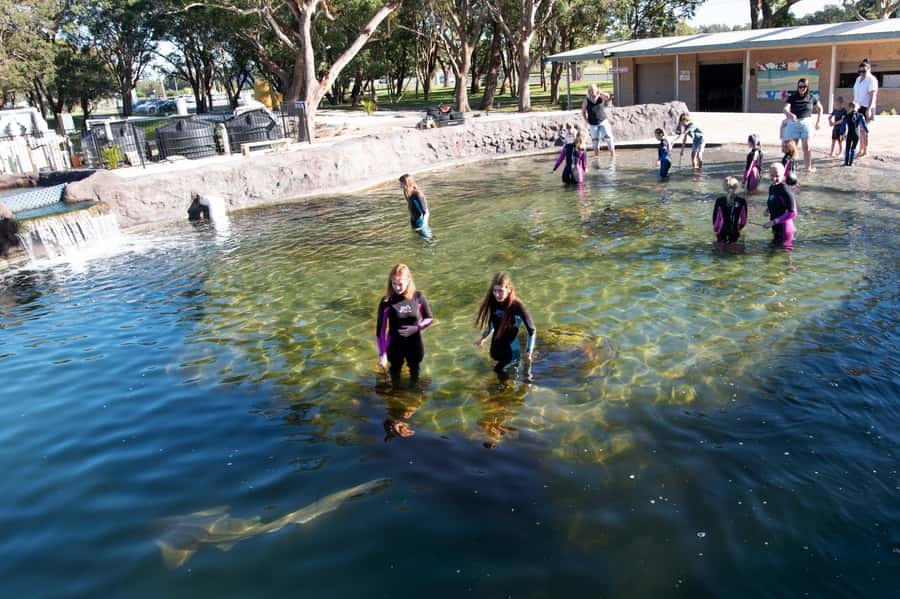
This is excellent for families who want a hands-on wildlife experience, not a passive look. It also fits well for people who care about animal welfare and education, because the keepers stay present with you in the water for personalized attention and interaction guidance.
It’s also great for mixed-age groups. The lagoon style works for many ages because the experience is structured, and the staff can manage your pace.
If you are someone who needs constant action and minimal talking, you might want to manage expectations. There are keeper talks, and not every child loves explanations. Still, the talks tend to happen alongside real interaction time, so it’s rarely one or the other. You just need to stay flexible.
If you want to spend lots of time standing deeper in the water or reaching farther into pools, you may prefer a wetsuit upgrade rather than relying only on barefoot shallow access.
Should you book the Anna Bay Irukandji Entry Pass with Shallows Encounter?
I’d book it if you want one of the few experiences where you can feed and pet sharks and rays in shallow lagoons, with keepers guiding you every step. The hands-on part is the core value, and the two-lagoon flow keeps it from feeling repetitive.
I’d think twice if you dislike getting wet, have trouble with wading on natural surfaces, or you expect a long, fully immersive swim-style activity. This ticket is about controlled shallows interaction, not swimming.
If you’re traveling with children, it’s a strong choice because it’s interactive and educational, and the rules are clear about adult involvement for under-12s. Just plan for a wetsuit decision early if comfort is a concern, and pack reef-friendly sunscreen.
If that sounds like your kind of day, the Anna Bay lagoons at Irukandji are the kind of wildlife encounter you remember for years.
FAQ
How long is the Irukandji Entry Pass with Shallows Encounter?
The experience lasts about 2 hours.
Where is this experience located?
It takes place in Anna Bay, in New South Wales, Australia.
What is included with the Entry Pass?
You get admission to the aquarium as a spectator, entry into the lagoon shallows, shark food at feeding locations, shark and ray interaction (petting and feeding), informative animal talks, and hot shower facilities.
Can I swim in the lagoon?
No. Swimming is not permitted. Wading in the water is allowed.
Do I need to wear specific clothing in the water?
Yes. Clothes must be worn on top of swimwear.
Can I wear shoes in the lagoon?
No. The lagoon can only be entered without shoes.
Are wetsuits available?
There is an option to wear a wetsuit, especially if you upgrade. With the Entry Pass, you’ll be able to access the shallow lagoon shallows in bare feet, and a wetsuit option may be available via an upgrade.
Is the experience suitable for young children?
Children under 12 must be accompanied by an adult in the water at all times. Unaccompanied minors are not allowed.
Is there any sunscreen requirement?
Yes. Only reef-friendly sunscreen is permitted.
What time should I arrive for the full experience?
Tours run all day from 9 AM to 5 PM. Plan to arrive by 3:30 PM for the full experience.
Port Stephens & Nelson Bay, compared.
 ★ 4.8Pinnacles Desert: Sunset BBQ & Stargazing Tour +SandboardingFrom $1761,555 reviews
 ★ 4.4Port Stephens: Dolphin Discovery CruiseFrom $28926 reviews
 ★ 4.5Moreton Island Day Trip (Kayak, Snorkel & Sandboard) frm Brisbane or Gold CoastFrom $128633 reviews
 ★ 5.0Full-Day 1770 Tour by LARC Amphibious Vehicle Including Sandboarding and Bustard Head LightstationFrom $120562 reviews
 ★ 4.5Port Stephens: Unlimited Sandboarding & 4WD Sand Dune TourFrom $30540 reviews
★ 4.5Port Stephens: Dolphin Discovery CruiseFrom $32401 reviews
★ 4.5Port Stephens: Unlimited Sandboarding & 4WD Sand Dune TourFrom $30540 reviews
★ 4.5Port Stephens: Dolphin Discovery CruiseFrom $32401 reviews
 ★ 4.5Unlimited SandboardingFrom $30285 reviews
 ★ 4.5Pinnacles Desert, Koalas and Sandboarding 4WD Day Tour from PerthFrom $179272 reviews
Browse the lists this tour appears in