
REVIEW · DARWIN HARBOUR & CROCODILE CRUISES
From Darwin: Litchfield National Park Day Trip
Waterfalls and crocs in one long day. This Darwin day trip strings together Litchfield National Park with an optional Jumping Crocodile Cruise on the Adelaide River, plus a mix of rainforest, pools, and wildlife viewing.
I love how the plan gives you real variety, especially the swim stops at places like Buley Rockholes or Wangi Falls, and the Magnetic Termite Mounds you can’t help but stare at.
One catch: some waterfall and swimming access can change with conditions, so you might end up doing more waterfall viewing than a full swim, especially around seasonal closures.
In This Review
- Key things that make this day trip worth your time
- From Darwin to Litchfield: the Top End in fast-forward
- Adelaide River crocodiles or Fogg Dam wetlands: picking your first wild moment
- Limilngan-Wulna country: why the viewpoints matter as much as the pools
- Magnetic Termite Mounds: the surprise science stop
- Buley Rockholes and Wangi Falls: the best way to handle the heat
- Florence Falls and Tolmer Falls: waterfall time that actually works
- Fogg Dam Conservation Centre: wetlands life in plain view
- How the tour stays smooth: minibus comfort, water, and real guide time
- Price and value: what $122 covers, and what you must budget for
- Who this tour fits best, and who should consider a different option
- Should you book the Darwin to Litchfield National Park day trip?
- FAQ
- How long is the Darwin to Litchfield National Park day trip?
- Where do I meet the tour in Darwin?
- What’s included in the price?
- Do I need to buy any passes?
- Is food provided during the tour?
- Do I have to do the crocodile cruise?
- What should I bring for the day?
- Will the weather affect the itinerary?
- Is this tour suitable for young children or wheelchair users?
- Are there any restrictions on luggage?
Key things that make this day trip worth your time
- Optional Adelaide River crocodile jumping cruise, or a Fogg Dam conservation stop
- Florence Falls and Tolmer Falls, where the water does most of the work for you
- Magnetic Termite Mounds, century-old structures with a built-in audience
- Swim-proof planning at Buley Rockholes and Wangi Falls, with walk distances that matter
- Guides who actually connect the dots, from nature to local human history
From Darwin to Litchfield: the Top End in fast-forward
The drive out of Darwin sets the tone right away. You head into thick tropical rainforest pockets, which is a welcome cool-down from the top-end heat, then you start seeing the park’s dramatic rock shapes and water features show up on the horizon.
What I like about this day format is that it feels like a sampler, not a blur. You get enough time at the swimming and waterfall points to cool off, then you rotate through the drier “look closer” stops like the termite mounds and viewpoints.
Adelaide River crocodiles or Fogg Dam wetlands: picking your first wild moment
This tour gives you an easy choice at the start. You can add the Adelaide River Jumping Crocodile Cruise (optional extra), or you can go to the Fogg Dam Conservation Centre.
If you go the croc route, you’re aiming for that iconic saltwater crocodile experience. The cruise is designed for close viewing, and in the best moments you’ll feel like you’re watching real wildlife behavior, not a staged show.
If you choose Fogg Dam, you trade jump-cruise energy for wetlands life. The Fogg Dam stop is built around observing the ecosystem, with chances to see birds, turtles, and water reptiles, and to appreciate how the wetlands support all that life.
Limilngan-Wulna country: why the viewpoints matter as much as the pools
Litchfield sits on traditional lands of the Limilngan-Wulna people, and your guide brings that context into the day. It makes a difference because you start noticing what you’d otherwise rush past: the floodplain views, the sandstone pillars, and the way water shapes the park.
Even when you’re just moving from stop to stop, you get panoramic angles that help you understand the “why” behind the scenery. You’re not only seeing waterfalls, you’re seeing how this region holds water, how it feeds wetlands, and why certain plants and animals show up where they do.
Magnetic Termite Mounds: the surprise science stop
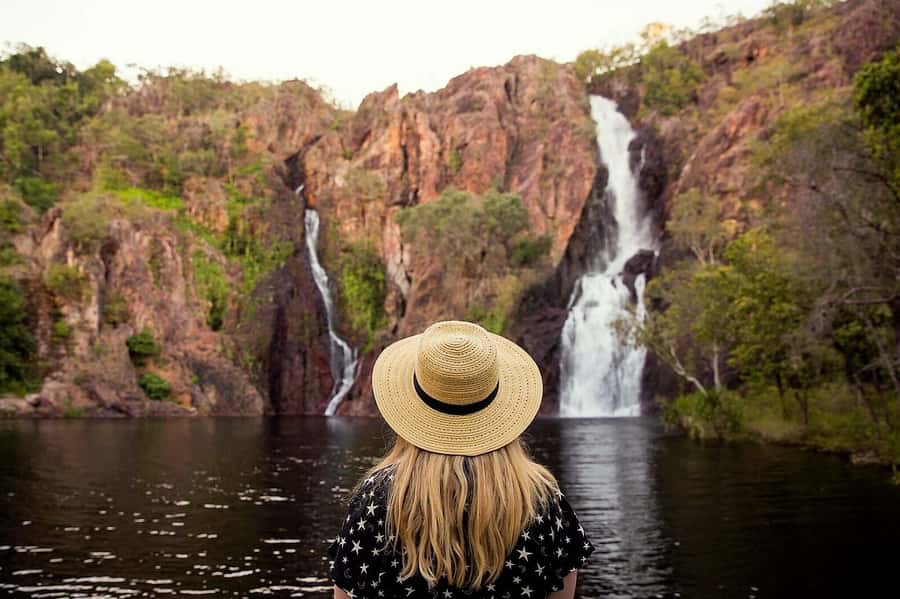
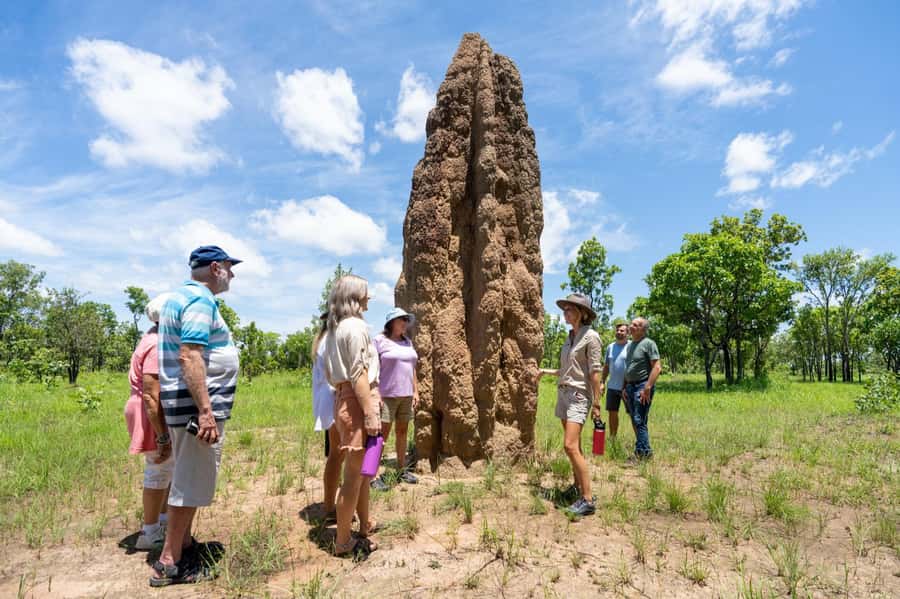
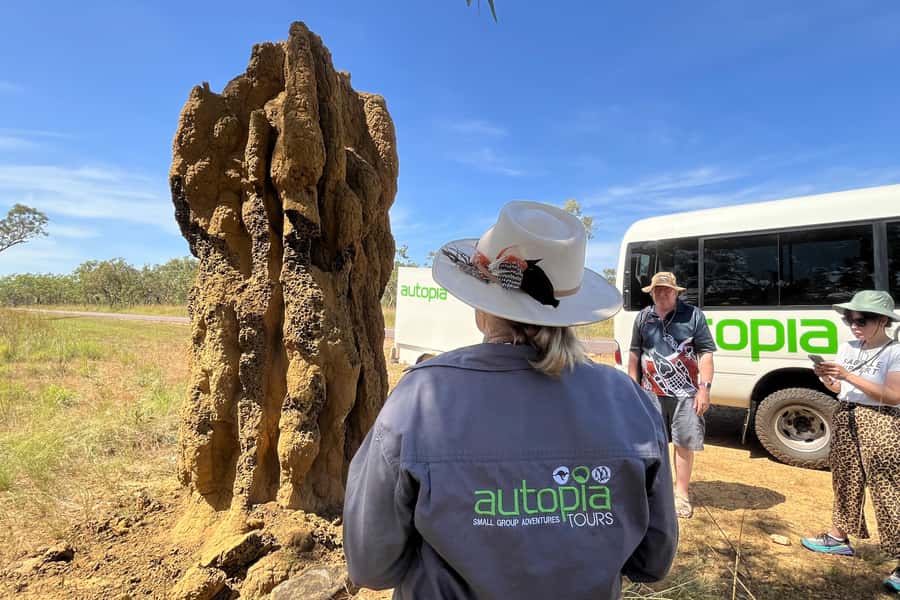
The Magnetic Termite Mounds are one of those stops that sounds weird until you’re standing next to them. These mounds are century-old, and they’re impressive for the simple reason that they look intentionally placed.
Your guide frames them as a natural engineering story, which helps you look at them like more than a pile of earth. I also like that this stop often breaks the day into a steady rhythm: you get a cool, shaded break for learning, then you’re back out toward water where you can literally feel the reward.
Practical tip: you’re likely to be on your feet for short stretches while you look around, so comfortable shoes really do matter here, not just for the swims.
Buley Rockholes and Wangi Falls: the best way to handle the heat
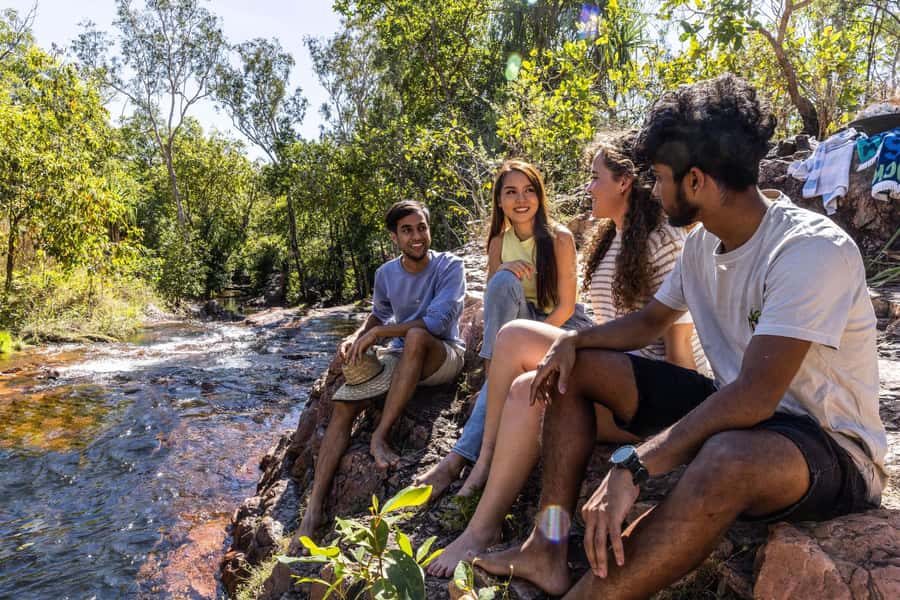
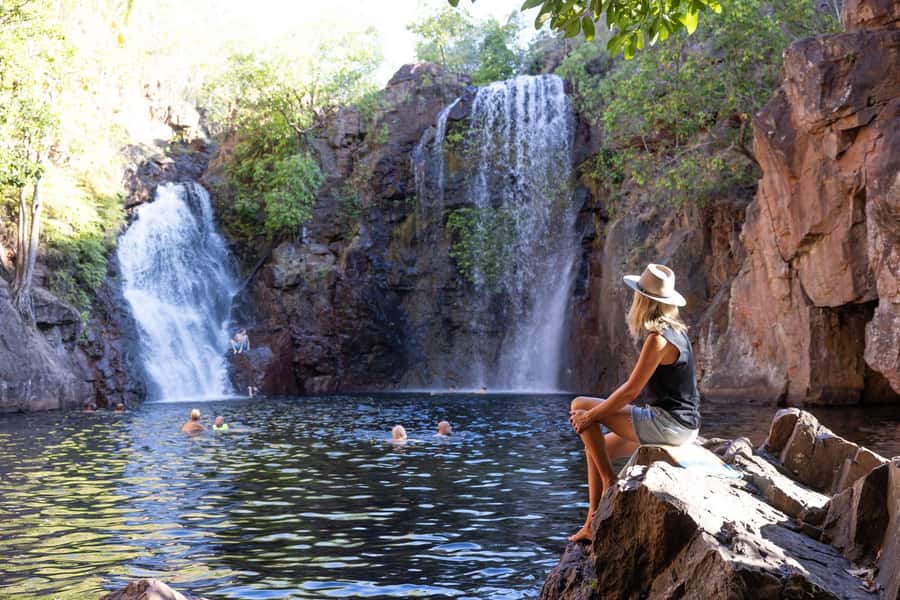
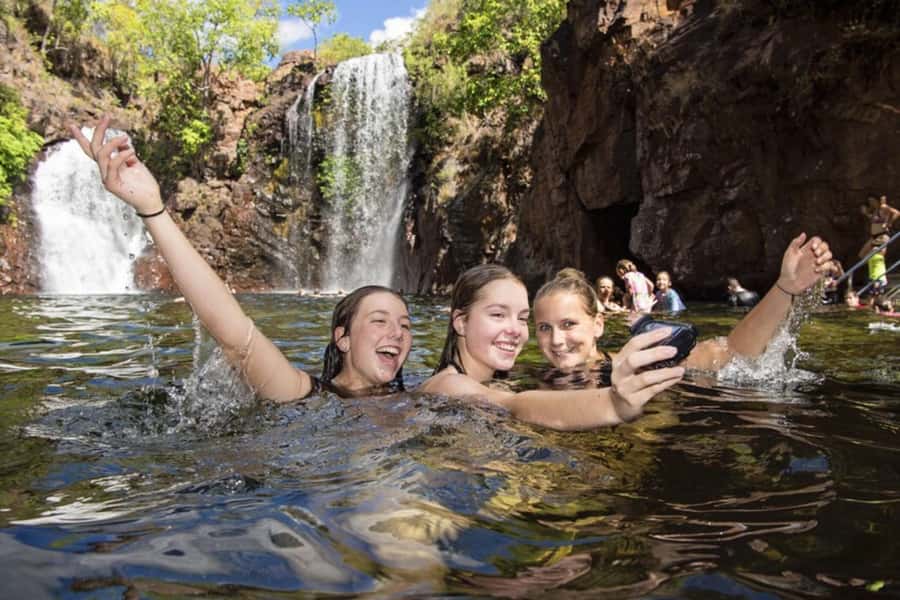
Swimming is the headline, and this tour builds it in with multiple options. You get a chance to cool off in shallow natural pools, commonly at Buley Rockholes or Wangi Falls, depending on conditions.
In my book, Buley Rockholes tends to be the easier win because the path back is short and straightforward. People have noted it can be just a couple of minutes from the car park to the water, which helps when you’re doing the classic swim, towel up, repeat.
Wangi Falls is another big target, but access can vary. Some days you may swim, and some days you might only be able to observe the waterfall due to seasonal closures. Either way, it’s worth dressing for the possibility of both: bring swimwear and expect you might switch from plan A to plan B.
Also, when you do swim, remember the “after” part. Water always makes the sun feel sharper once you climb out, so your sunscreen, hat, and sunglasses earn their keep.
Florence Falls and Tolmer Falls: waterfall time that actually works
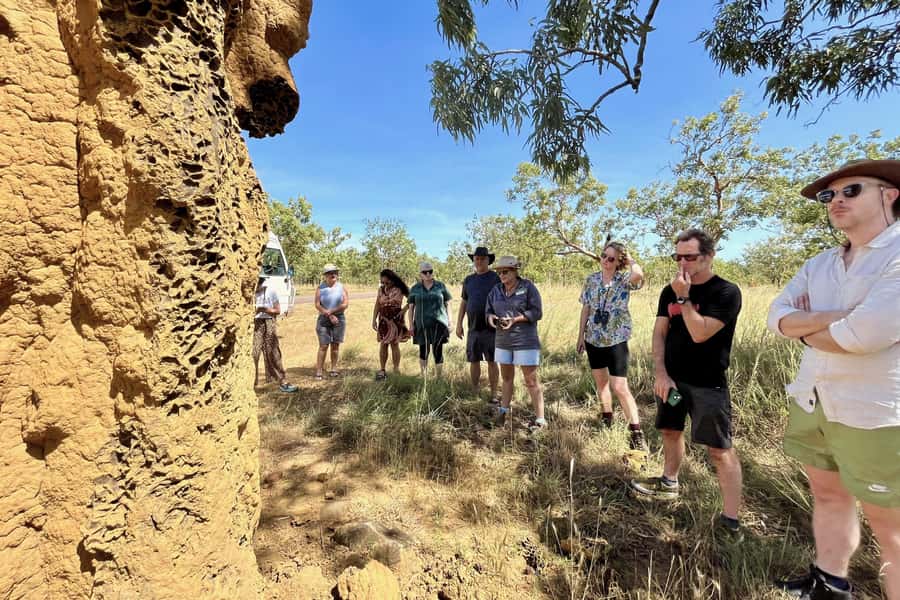
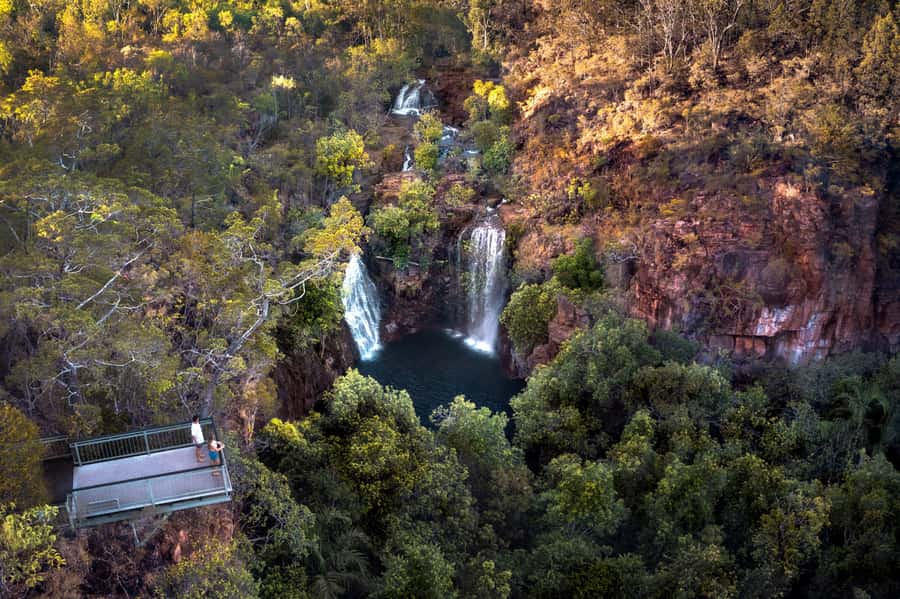
Then comes the waterfall finale, usually featuring Florence Falls or Tolmer Falls. These are the stops where you can hear the water before you see it, and then the sound takes over once you’re near the plunge pools.
Florence Falls is a major highlight on this route. The time you get there is what makes it land well, not just in photos. It’s also where the day can feel most rewarding if you’ve timed your earlier stops with the goal of having energy left for swimming and hanging out a bit.
Tolmer Falls is the other classic option. It delivers that same rocky escarpment feel, with water carved into the terrain over time. The value here is that you’re not sprinting through. You’re getting to experience waterfall scenery and still have time to cool off in the right conditions.
One small practical reality: the walk back to the bus after a swim can feel hot. When you plan your gear, think like a camper. You want a quick-dry towel situation, something easy to manage, and footwear that won’t punish you on rough ground.
Fogg Dam Conservation Centre: wetlands life in plain view
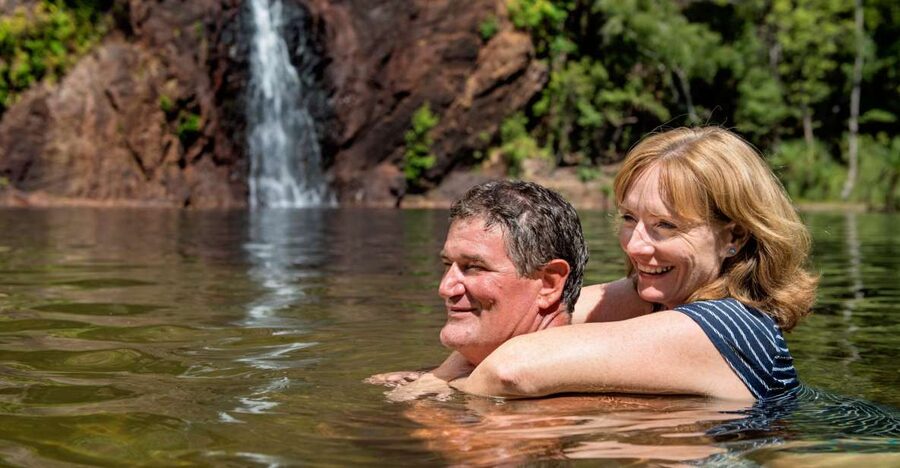
If your day includes Fogg Dam, you’ll see why this region earns its wildlife reputation. Wetlands are where the whole park starts making sense, because they act like feeding grounds and shelter hubs, not just pretty scenery.
The tour description points to thriving plant and animal life, including birds, turtles, water pythons, and saltwater crocodiles. Even when wildlife is quiet, the wetland setting helps you understand how those species share the same space.
What I like is that this stop doesn’t demand extreme walking. It’s more about observation and patience, and it gives your brain a break from the swim-and-sun cycle.
How the tour stays smooth: minibus comfort, water, and real guide time
This is a long day, but it’s designed to feel manageable. You’re in an air-conditioned minibus, and you get an experienced outback driver-guide who handles the flow of the day and keeps the commentary tied to what you’re seeing.
There’s also practical support for the “stay comfortable” game. You’ll have access to a water refill station, and the tour notes an eski onboard to keep items fresh. People have specifically appreciated cold water during the day, plus the ability to pick up small treats like coffee or icy poles when stops happen.
And yes, guide quality makes or breaks this kind of trip. Reviews highlight guides like Aron, Becs, Emily, Dani, and Tim for passing along stories that connect plants, animals, and Darwin-area context. That matters because Litchfield can feel like a natural theme park if nobody explains it. With the right guide, you start spotting details on your own.
Price and value: what $122 covers, and what you must budget for
At $122 per person for about 10.5 hours, this day trip is priced like a solid “anchor” excursion from Darwin. The value comes from doing multiple standout Litchfield experiences in one hit, rather than trying to stitch together transport and timed access yourself.
But you should budget for the one mandatory add-on that isn’t included: the NT Parks Day Pass. The tour also doesn’t include food and drinks, so you’ll need to either bring lunch or plan to buy it at local stops.
Here’s how I think about value in a practical way:
- You pay for transport, an outback driver-guide, and the structure that gets you to the main sights without day-long planning.
- You also pay for the time allocation, which is what lets swimming and waterfall stops feel worth it.
- Your real “extra spending” is the NT Parks Day Pass and your own meal choices.
If you’re the type who likes one-day tours, this is the kind that usually justifies itself because Litchfield is spread out, and wasting time on logistics is the last thing you want in heat.
Who this tour fits best, and who should consider a different option
This day trip is built for people who can handle a full day outdoors with stops that may involve short walks and climbing back and forth between viewpoints and water.
It’s not suitable for children under 6, and it’s not set up for wheelchair users or people with mobility impairments. The tour also lists items that aren’t allowed, including mobility scooters, non-folding wheelchairs, electric wheelchairs, oversize luggage, luggage or large bags, backpacks, and unaccompanied minors.
If you’re traveling light, love swimming in natural pools, and want a well-organized hit of Litchfield highlights, you’ll likely enjoy this route. If you need step-free access and a more flexible pace, you might want a different format.
Should you book the Darwin to Litchfield National Park day trip?
If your goal is a straightforward day that mixes waterfall time, termite-mound curiosity, and a wildlife or wetlands stop, I’d say yes, book it. The long-day length is real, but the stops are chosen so you get multiple payoff moments, not just one pretty location.
I’d especially recommend it if you’re the kind of traveler who likes being taught while you look. The guide names that keep showing up in praise tell a story: when the driver-guide is strong, the whole day feels easier, and you notice more.
On the other hand, if your trip is tied to guaranteed swimming at every waterfall, keep your expectations flexible. Seasonal closures can shift what you can do, and you may end up with waterfall viewing instead of a swim at certain spots.
If you tell me your travel month and whether you’re thinking of adding the Jumping Crocodile Cruise, I can help you plan your packing priorities for the weather and your preferred vibe.
FAQ
How long is the Darwin to Litchfield National Park day trip?
The tour lasts about 10.5 hours and is usually available in the morning.
Where do I meet the tour in Darwin?
Please wait outside the front of THE LEEA, 64 Cavenagh St, Darwin City, NT 0800. Arrive 10 minutes before departure time.
What’s included in the price?
Included items are an experienced outback driver-guide and transportation by air-conditioned minibus. The crocodile jumping cruise is described as optional.
Do I need to buy any passes?
Yes. An NT Parks Day Pass is required.
Is food provided during the tour?
No. Food and drinks are not provided, so you can buy lunch at local stops or bring your own.
Do I have to do the crocodile cruise?
No. The Adelaide River Jumping Crocodile Cruise is optional. If you don’t do it, you visit the Fogg Dam Conservation Centre instead.
What should I bring for the day?
Bring comfortable shoes, sunglasses, a sun hat, swimwear, a towel, sunscreen, insect repellent, and a reusable water bottle. The tour also asks for a 1.5L water bottle and a small day bag.
Will the weather affect the itinerary?
From October to April, expect high heat, humidity, and potential monsoonal rainfall. Some areas may be subject to last-minute closures or changes to road conditions due to flooding or weather.
Is this tour suitable for young children or wheelchair users?
No. It is not suitable for children under 6, wheelchair users, people with mobility impairments, or babies under 1 year.
Are there any restrictions on luggage?
Yes. Oversize luggage, luggage or large bags, backpacks, mobility scooters, and non-folding wheelchairs are not allowed.
Darwin Harbour & Crocodile Cruises, compared.
 ★ 5.0Litchfield National Park and Jumping Crocodile CruiseFrom $1722,119 reviews
 ★ 5.0Adelaide River Cruises – Jumping Crocodile ExperienceFrom $43997 reviews
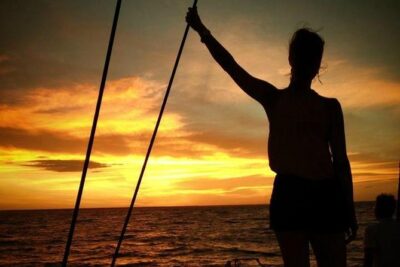 ★ 5.0Sunset 3-Hour Cruise from Darwin with Dinner and Sparkling WineFrom $132980 reviews
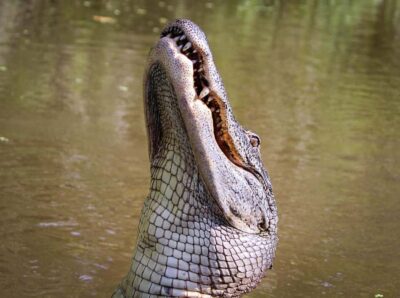 ★ 4.9From Darwin: Litchfield Park Tour & Jumping Crocodile CruiseFrom $162829 reviews
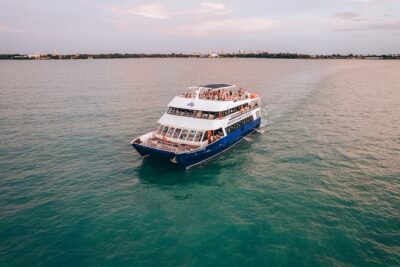 ★ 4.5Charles Darwin Dinner CruiseFrom $111820 reviews
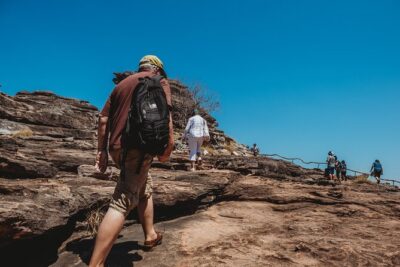 ★ 5.0Kakadu Day Tour from Darwin with Offroad DreamingFrom $243776 reviews
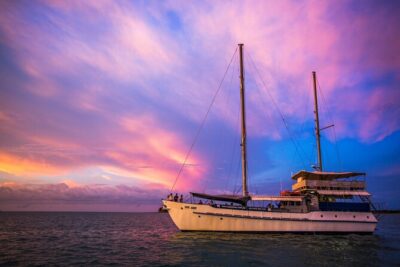 ★ 5.0Cape Adieu Darwin Sunset Dinner CruiseFrom $121750 reviews
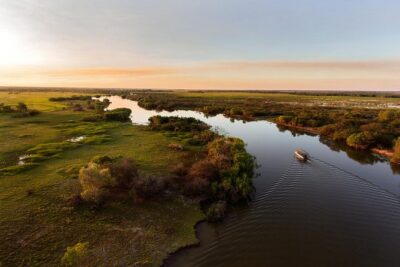 ★ 5.01 Day Corroboree Billabong Wetland Experience including 2.5 hour cruise + lunchFrom $168501 reviews
Browse the lists this tour appears in