
REVIEW · MELBOURNE CITY TOURS
Melbourne: Wilsons Promontory Morning Wilderness Cruise
Waves set the tone fast. A morning cruise to the southernmost tip of mainland Australia is a big dose of granite cliffs, marine life, and big-boat fun, all in about 2.5 hours. I especially like that you get an expert guide plus waterproof gear, so you are ready when Bass Strait gets moody.
Two things I think you will really enjoy are the chance to spot wildlife in a marine national park and the sheer novelty of riding the world’s largest custom-built amphibious boat. The ride also gives you a rare, close-up view of key features like Skull Rock without needing a full day of driving.
One possible drawback: the cruise needs good weather, and if wind and waves are strong, the trip can feel choppier and wildlife spotting may be tougher, like whales. Also note that the walk to the vessel can be muddy and tiring for some people.
In This Review
- Key highlights worth planning around
- Wilsons Promontory, but with a morning cruise twist from Melbourne
- Meeting point, timing, and what to wear so you feel comfortable fast
- South Point and Bass Strait: the first hit of drama and where wildlife shows up
- The Glennies, Anderson Islets, and Anser Island: rugged coast and the “islands are alive” feel
- Mount Oberon and Norman Beach: prehistoric boulders next to white quartz sand
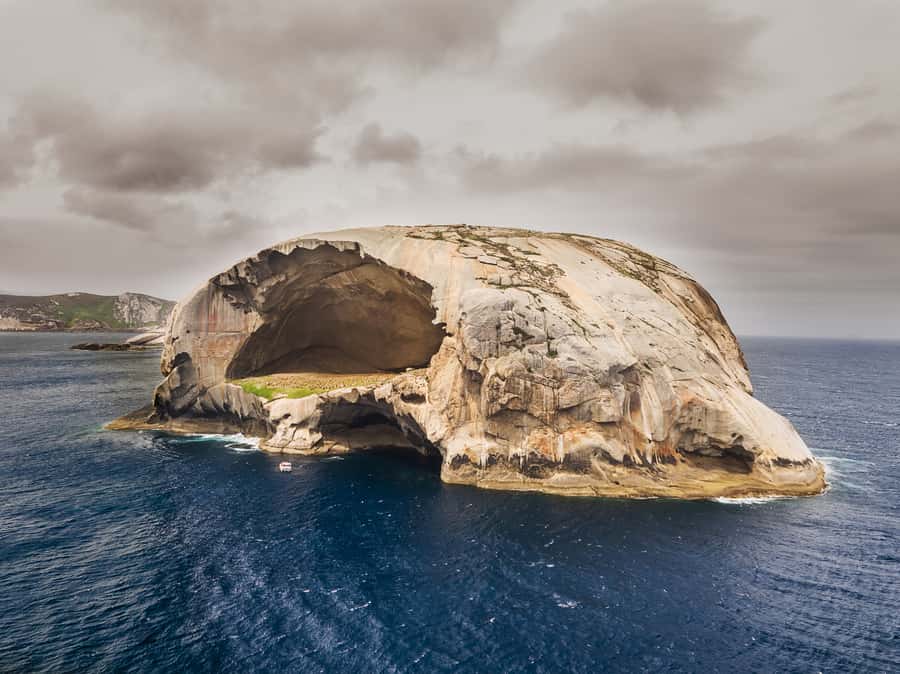
- Skull Rock: the monolith that turns eerie as you get closer
- Wildlife watching that is real, not guaranteed, and still fun
- Guides, safety, and why the ride feels organized instead of chaotic
- Price and value: what you get for $109 in 150 minutes
- Who this cruise suits best, and who should be cautious
- Should you book this Wilsons Promontory Morning Wilderness Cruise?
- FAQ
- How long is the Melbourne Wilsons Promontory Morning Wilderness Cruise?
- What is the price per person?
- What is included in the experience?
- Where do I meet for the tour?
- What should I bring?
- Is food or drinks included?
- What happens if the weather is poor?
- Can I get a refund if I book and then change plans?
Key highlights worth planning around
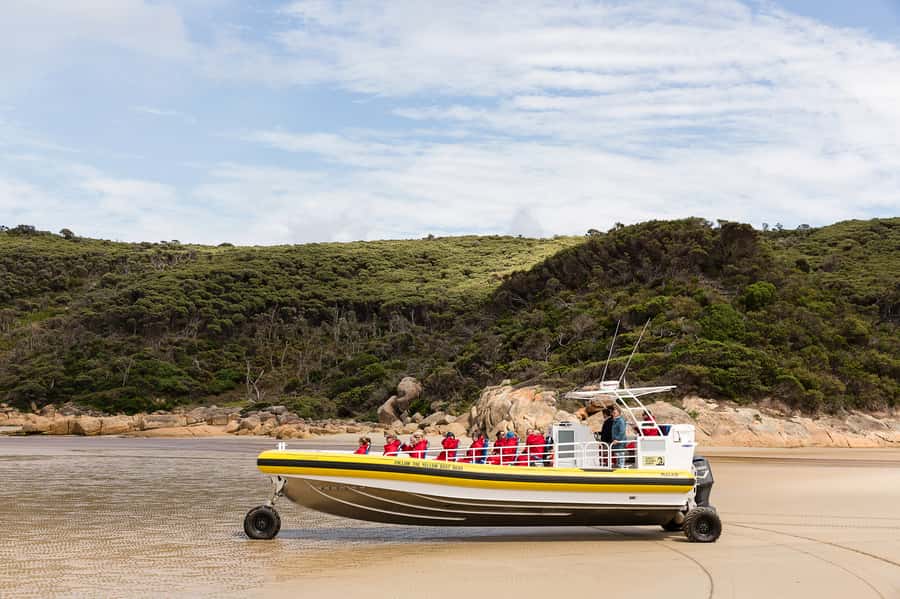
- World’s largest custom-built amphibious boat for a fun, different way to see Wilsons Promontory
- South Point view, the iconic southernmost mainland Australia marker
- Skull Rock and its wave-carved face that looks more skull-like as you get closer
- Wildlife potential including seals, dolphins, and migrating whales
- Guides who mix safety with history and nature in a way that keeps things moving
Wilsons Promontory, but with a morning cruise twist from Melbourne
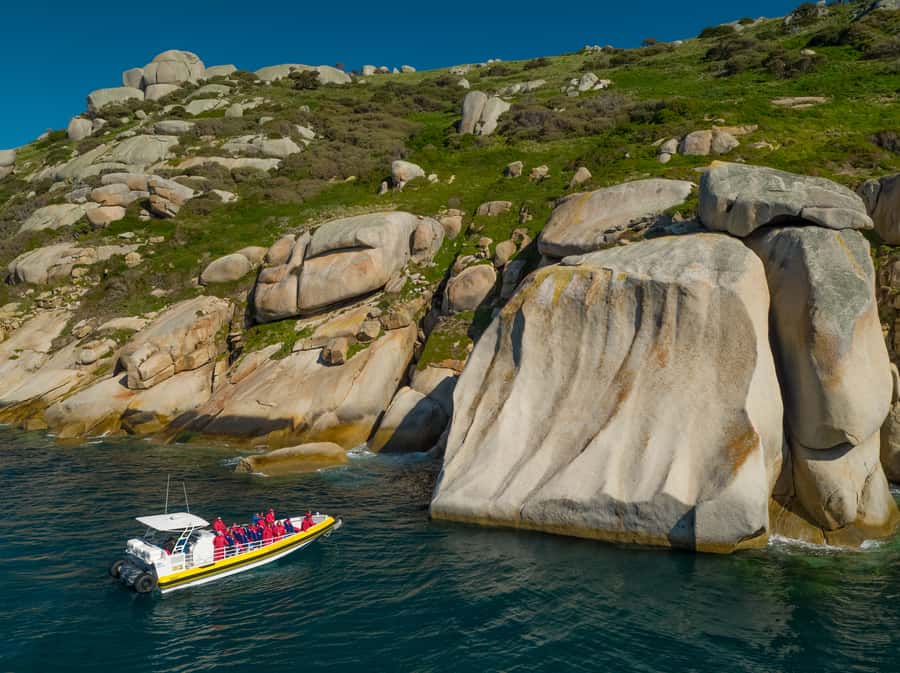
If your Wilsons Promontory plans need a “wow” activity that is shorter than a full day drive, this boat trip is a smart fit. You spend your morning on the water, with a front-row view of rugged granite coastline and island scenery inside a marine national park.
The biggest draw is the amphibious part. This is not a quiet, sightseeing-only skiff. You’re on a custom-built amphibious boat designed for rougher coastal conditions, so the experience feels more adventurous than a typical harbor cruise.
And yes, you get the headline sights. South Point and Skull Rock are built into the route, and that alone makes it worth considering, even if you are not a die-hard wildlife person.
Meeting point, timing, and what to wear so you feel comfortable fast
Check in at the ticketing office in the same building as Tidal River Open Air Cinema. Then build in a cushion, because check-in time is 30 minutes before departure.
Plan your outfit like you are going to the water, not just the coast. Warm clothing matters, and the tour includes a waterproof and windproof jacket, which is a huge help when the wind comes off Bass Strait. In one review, people also mentioned they were given sunscreen and ginger tablets if needed, which is nice if you get caught out by windburn or motion.
What I like about this setup is that it reduces decision fatigue. You do not have to guess how to dress for a boat day. You show up warm, you use the provided jacket, and you go.
Still, remember that this is weather dependent. If conditions are poor, the operator will offer a different date or a full refund. That is not a small detail in a place like this, where wind can change everything quickly.
South Point and Bass Strait: the first hit of drama and where wildlife shows up
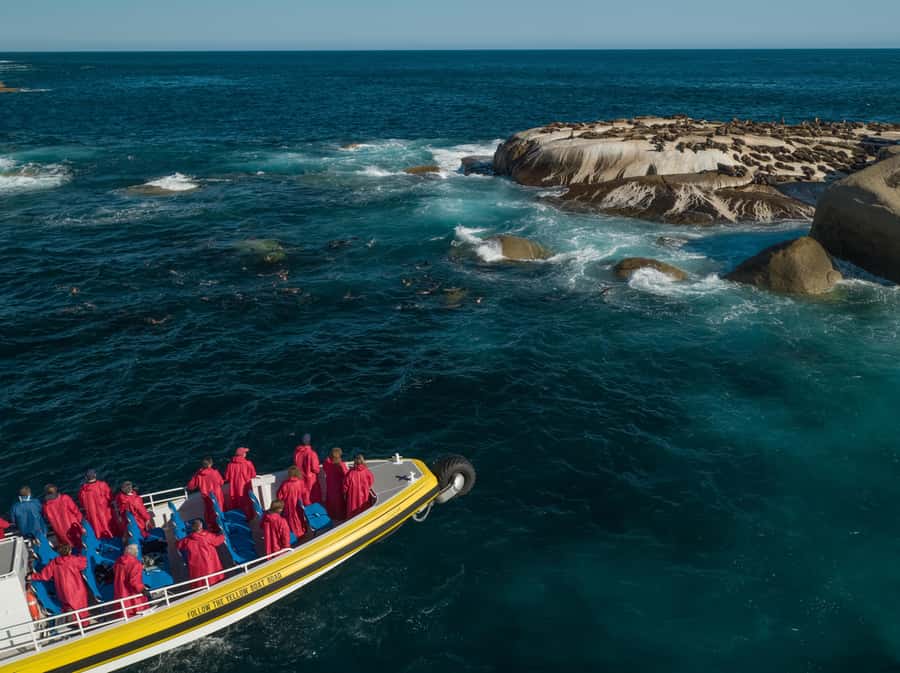
The cruise starts by putting you in the right mental place fast, with the iconic South Point, the southernmost tip of mainland Australia. Seeing that marker from the water changes the scale. It feels more real than it does on land.
From there, you head out into Bass Strait, the stretch of water that separates Tasmania from Victoria. That is where your wildlife search starts, and it is also where the trip can feel exciting in motion.
Wildlife is a big part of the pitch here. The experience highlights thousands of seals, plus dolphins and migrating whales. But one practical point from real-world experience: if the water is choppy, whale spotting can be harder. The ride can still be memorable, but your best “odds” are on days when conditions are calmer.
The Glennies, Anderson Islets, and Anser Island: rugged coast and the “islands are alive” feel
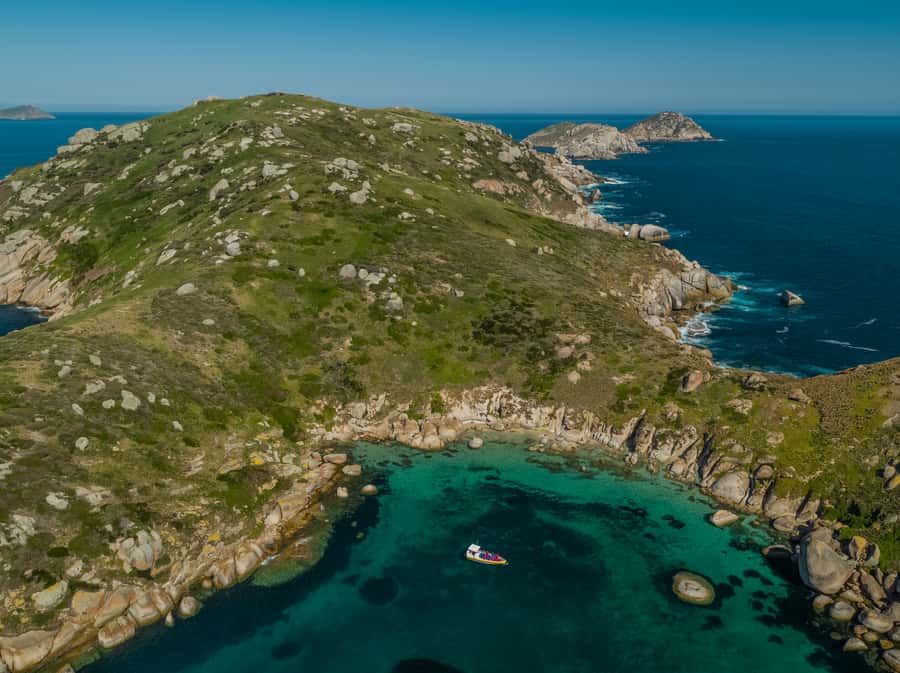
After the early South Point wow factor, the route moves along the rugged coastline with stops and viewing around areas called The Glennies, Anderson Islets, and Anser Island. This is the stretch where you start noticing the details, the granite shapes and the way waves carve the edges.
What makes these islands interesting is that they are not just scenery. They are part of the marine national park world. So when the guide points things out, it often connects to wildlife habitat and geology rather than just “look pretty.”
This is also a part of the cruise where the amphibious-boat ride has value. You are not stuck staring at a single shoreline angle. You are moving along, so your view shifts naturally, which helps you feel like you are exploring instead of just passing by.
Mount Oberon and Norman Beach: prehistoric boulders next to white quartz sand
Then you reach the kind of contrast photographers love, and you might also appreciate if you just like learning how nature formed what you see.
The route mentions Mount Oberon and its prehistoric boulders, and it places them in context with Norman Beach, known for its white quartz sands. Put simply, this is the geology-heavy moment of the cruise, the part where your guide’s storytelling can turn a quick sight stop into something you actually remember.
If you are traveling with kids, this is often the segment that helps the time feel “worth it.” There is a built-in reason to look longer, because the rocks and the sand are doing different jobs.
A small practical consideration: beaches and exposed coastal areas are where wind can hit hardest. Warm layers help even if you have the jacket, because mornings can cool down fast.
Skull Rock: the monolith that turns eerie as you get closer
Skull Rock is the headline stop for a reason. The description is simple, and the effect is not: waves sculpt the rock, it sits in crystal blue water, and its face looks stranger as you close the distance.
You are told to watch for the way the features shift, with the idea that skull shapes become more obvious as you get nearer. That is a rare “moving target” sight. Most attractions are fixed. This one changes with approach.
This is also where the guide’s timing matters. If you get a short window to look, you need direction to know where to focus. Several people praised the way guides explained landmarks and made the stops feel fast but not rushed.
If you care about photos, Skull Rock is the best bet on the route. Even if whales are not seen, you still get a strong signature landmark.
Wildlife watching that is real, not guaranteed, and still fun
This cruise has a clear wildlife promise: seals, dolphins, and migrating whales are all possible. And from the reviews, seals are one of the more common highlights, with many mentions of playful seal activity.
I think it helps to treat wildlife as an “expectation range,” not a checklist. One review specifically said strong wind and waves meant whales were not spotted, though seals and the overall experience were still great.
So your best strategy is mindset. Go for the seals, dolphins, and the chance at whales, and let the sea decide. A guide can only work with what the ocean gives that morning.
Also, if you are sensitive to motion, pay attention to the ride conditions. People mentioned ginger tablets were offered, and one note suggested that if waves are choppy and you get sea sick easily, you should lean toward a calmer day.
Guides, safety, and why the ride feels organized instead of chaotic
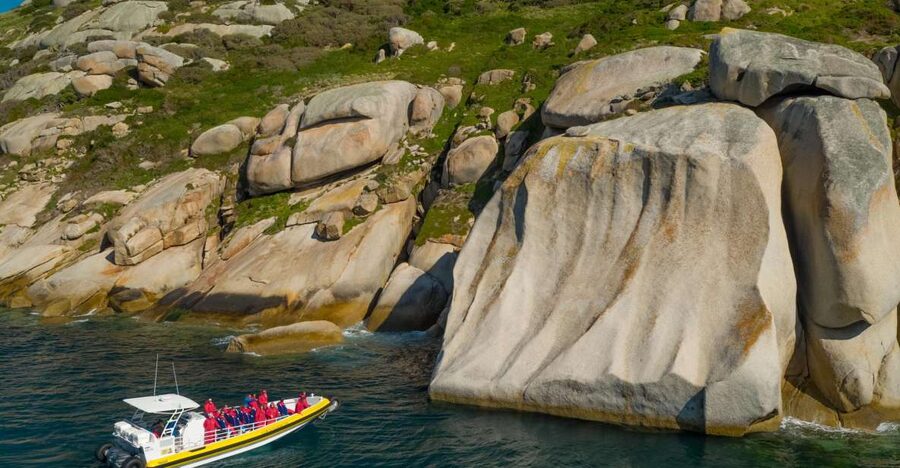
A good wildlife cruise can feel like chaos if safety is an afterthought. Here, the tone is the opposite. Guides are praised for keeping safety and comfort front and center.
Multiple reviews name guides, including Damo and Nash, and also Matt and Nash. Other reviews mention staff like Dave and Gareth. Across those names, a consistent theme shows up: they combine local facts with a friendly vibe, and they keep people on track without being annoying.
I also like that the operation sounds prepared beyond just safety talk. One review mentioned that staff offered lifts for older travelers on the way to the boat and back. Another mentioned ginger tablets for seasickness prevention, and several emphasized that staff asked if people were okay during the trip.
That matters for you if you are traveling with parents, a grandparent, or anyone who may get tired or unsettled in windy conditions. It also makes the cruise feel more welcoming if you are not used to boat days.
Price and value: what you get for $109 in 150 minutes
At $109 per person for a 150-minute cruise, you are paying for three things: access to Wilsons Promontory waters, a custom amphibious vessel, and an on-board guide.
If you tried to replicate this on your own, you would quickly spend time and money getting the right transport, and you would still be missing the interpretive layer. Here, you get history and nature explanations tied to what you can see right then.
What keeps this from feeling overpriced is that the essentials are included. The boat trip and guide are covered, and you get a waterproof and windproof jacket. That is a practical cost you do not have to add on your packing list.
One thing to plan around: food and drinks are not included. So if you get hungry in the morning, eat before you go. The cruise is short enough that you can time it, but you will not have an on-board meal as a backup.
Who this cruise suits best, and who should be cautious
This is a great choice if you want a high-impact nature outing without committing to an all-day itinerary. It is also strong if you like wildlife viewing that is supported by knowledgeable guides pointing out what to look for.
I also see it as family-friendly in real terms. One review mentioned a 9-year-old had it as a standout day. Another mentioned celebrating a dad’s 90th birthday, with staff support along the way, including help getting to and from the vessel.
Still, consider two cautions. First, the experience requires good weather, and windy conditions can make the ride bouncier. Second, if you easily get sea sick, take seriously the guidance about choppy days, and use any seasickness prevention options offered.
Also, there is a practical note: the way to the boat can be tiring and muddy for some people. If you have mobility limits, bring that up when you arrive, and be prepared for the ground to be imperfect near coastal facilities.
Should you book this Wilsons Promontory Morning Wilderness Cruise?
Book it if your priority is South Point plus Skull Rock in one smooth morning outing, with wildlife viewing as a real possibility. You will also like it if you value a guide who can turn scattered natural sights into a coherent story as you move along the coast.
Skip or at least think twice if weather looks rough for your day. Choppy conditions can reduce whale sightings and can be uncomfortable if you are prone to motion sickness.
My quick decision rule: if you can travel on a day with better conditions and you want a short, high-reward nature cruise from Melbourne, this is a very solid way to spend 150 minutes.
FAQ
How long is the Melbourne Wilsons Promontory Morning Wilderness Cruise?
The tour lasts 150 minutes.
What is the price per person?
The price is $109 per person.
What is included in the experience?
The included items are the boat trip, a guide, and a waterproof and windproof jacket.
Where do I meet for the tour?
You should find the ticketing office in the same building as Tidal River Open Air Cinema.
What should I bring?
Bring warm clothing.
Is food or drinks included?
No. Food and drinks are not included.
What happens if the weather is poor?
This experience requires good weather. If it is canceled due to poor weather, you will be offered a different date or a full refund. Check in on time, and plan for the day to depend on conditions.
Can I get a refund if I book and then change plans?
Yes. You can cancel up to 24 hours in advance for a full refund.
Melbourne City Tours, compared.
 ★ 5.0Great Ocean Road Small-Group Eco Tour from MelbourneFrom $1066,607 reviews
 ★ 4.7From Melbourne: Great Ocean Road, 12 Apostles, Wildlife TourFrom $946,020 reviews
 ★ 5.0Penguin Parade, & Wildlife Encounters Eco Tour from MelbourneFrom $1183,774 reviews
 ★ 5.0Melbourne: Yarra Valley Wine, Gin, Whisky and Chocolate TourFrom $933,667 reviews
 ★ 4.7Melbourne Great Ocean Rd Reverse Tour London Bridge WildlifeFrom $462,252 reviews
 ★ 4.5From Melbourne: Penguin Parade, Koalas & KangaroosFrom $1121,932 reviews
 ★ 4.5Melbourne: Great Ocean Road Extended–Top Stops&London BridgeFrom $421,920 reviews
 ★ 4.1Melbourne: 2-Hour City Highlights River CruiseFrom $491,804 reviews
Browse the lists this tour appears in