
REVIEW · CAPRICORN COAST & GREAT KEPPEL ISLAND
Rockhampton: Koorana Crocodile Farm Guided Tour
Baby crocs and conservation in 90 minutes. At Koorana Crocodile Farm near Rockhampton, you get a fully guided tour that mixes close-up encounters, feeding, and how crocodiles are managed on a working farm. I love the hands-on photo moment with a small croc, and I also like the clear, safety-minded way the guide explains behavior and answers questions, with standout guides like Kia and Mel. One drawback to plan for: it is a short, mainly behavior-focused visit, so if you want lots of extra behind-the-scenes on farming or product processing, you may feel like you want more time.
After the meet-and-greet, you get an intro talk and a video presentation on croc behavior, then you walk the grounds while staff feed the animals. Depending on the season, you may also see nest activity (December to February) or learn about baby hatching timing (February to May), which turns the farm walk into something more seasonal than a standard animal show.
A couple practical notes upfront. Food and drinks are not included, and the tour is not suitable for children under 3 or for pregnant women.
In This Review
- Key things that make this croc tour worth your time
- Why Koorana Crocodile Farm feels different from a “just look” attraction
- The 90-minute guided flow, step by step
- 1) Meet your guide and start with the croc conservation angle
- 2) Watch a video on croc behavior and farm history
- 3) Farm walk and feeding, where behavior becomes real
- 4) Eggs and hatching process, plus seasonal timing
- Up close with a small crocodile, the photo moment, and what “hold” can cost
- Crocodile feeding and behavior, explained without the scare tactics
- Eggs, hatching season, and why this timing changes the whole tour
- Conservation meets commerce, and the honest reality check
- Price and value: is $28 for 90 minutes fair?
- What to bring for a comfortable and safe visit
- Who should book this Koorana Crocodile Farm tour, and who should skip it
- Should you book it?
- FAQ
- How long is the Koorana Crocodile Farm guided tour?
- What is included in the $28 per person ticket?
- Are food and drinks included?
- What should I bring with me?
- Do I get to see eggs and learn about hatching?
- When can I expect nest raids or hatching-related activities?
- Can I hold a baby crocodile?
- Is the tour suitable for children?
- Is the tour in English, and what are the cancellation rules?
Key things that make this croc tour worth your time
- A small-croc photo moment that is fun without turning into a risky circus
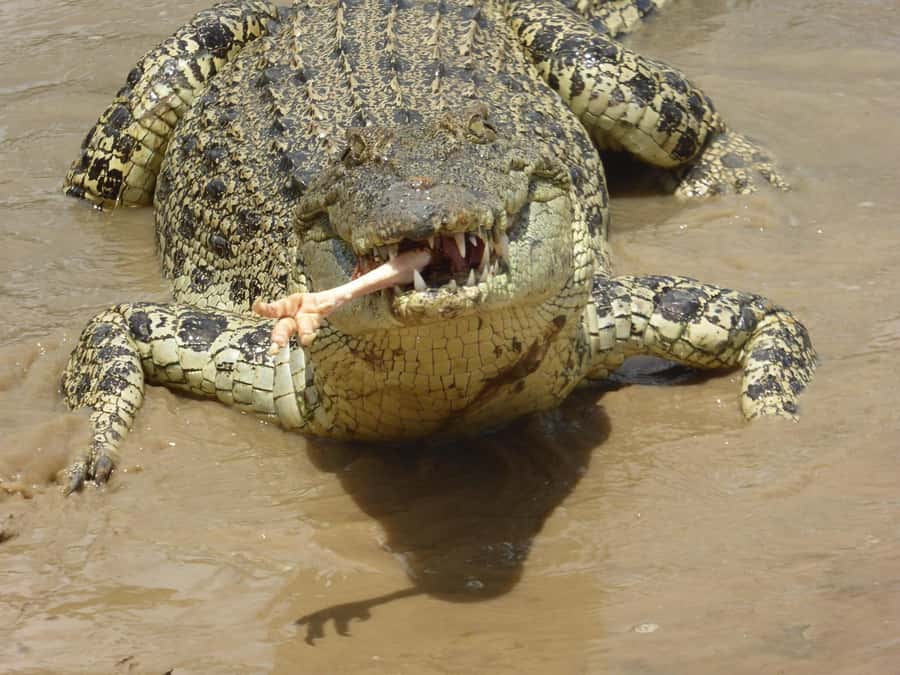
- Feeding demonstrations that help you understand how crocs behave around food
- A guide-led focus on behavior, not just facts read off a board
- Seasonal activities like nest raids (Dec to Feb) and hatching season learning (Feb to May)
- Eggs and the hatching process, which adds real story to the visit
- Strong safety emphasis, a big theme in the guide praise
Why Koorana Crocodile Farm feels different from a “just look” attraction
Koorana is Queensland’s first commercial crocodile farm, and that matters because you are not only watching animals. You’re seeing how a working operation tries to manage crocodiles responsibly, while also educating people about their behavior and conservation.
The tour runs for about 90 minutes, which is long enough to learn, short enough that you are not trapped in a half-day heat haze. The whole vibe is practical: you get guidance, you get explanations, and you get to see the animals up close in a controlled way.
And yes, the star moment is the baby croc experience. Even in the reviews, that photo or hold moment is the thing people remember most, but the tour layers it with context so it does not feel like empty thrills.
The 90-minute guided flow, step by step
Here’s how the visit usually unfolds, and what to pay attention to at each stage.
1) Meet your guide and start with the croc conservation angle
You begin with your guide and an introductory talk focused on crocodile conservation and why commercial farming exists in the conversation around conservation. This is where you get the baseline: what crocs do, how they behave, and how people can coexist with them safely.
Practical tip: come ready with one or two questions. The guide style on this tour is built around answering questions, and that is a big part of why people like Kia and Mel have so much repeat praise for the experience.
2) Watch a video on croc behavior and farm history
Next comes a video presentation. It is not just a generic nature clip. It is tied to crocodile behavior and how the farm fits into that story. For many first-timers, this is the moment where the tour stops being random animal spotting and starts making sense.
3) Farm walk and feeding, where behavior becomes real
Then you do the farm walk. This is the stage where croc feeding is built into the route, and it is usually the most visually exciting part of the tour.
What to watch for: how staff manage safety while feeding, how crocs respond, and how the guide connects that behavior back to what you learned earlier. If you go into this expecting a show, you might miss what you are actually getting. The best way to enjoy it is to treat feeding like a live behavior lesson.
4) Eggs and hatching process, plus seasonal timing
You also see the eggs and learn about the hatching process. On top of that, the farm may include seasonal activities depending on when you visit:
- Nest raids (December to February), when staff collect eggs
- Hatching season activities (February to May), when you learn about baby hatching
If you time your trip around those months, this tour feels more like an event. Even if you do not, the eggs and hatching explanation still add depth.
Up close with a small crocodile, the photo moment, and what “hold” can cost
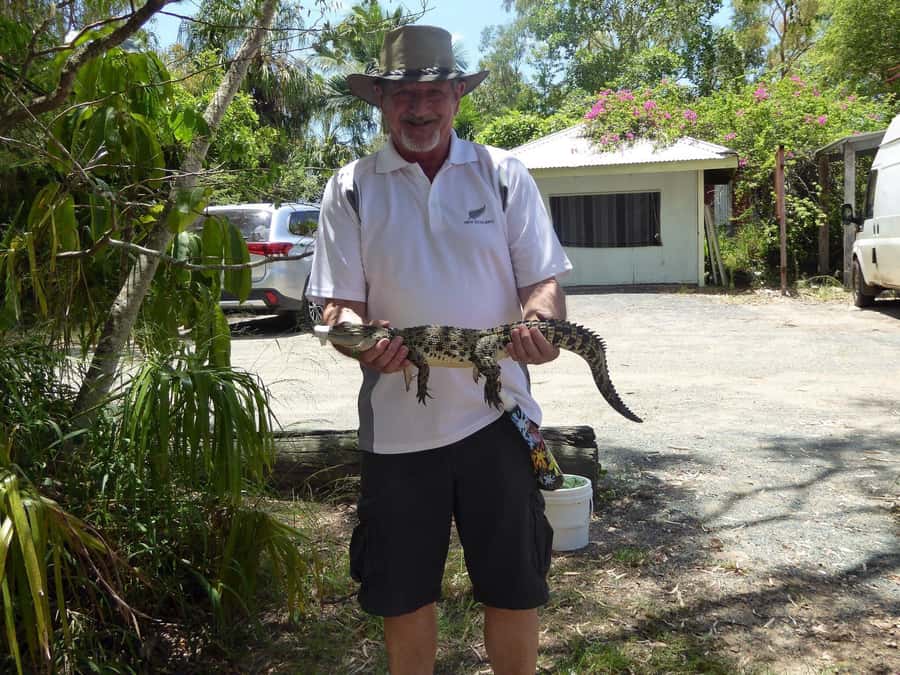
One of the tour highlights is getting close enough for a photo with a small crocodile. It is listed as a hands-on photo opportunity in the tour details, and it is also the part that keeps popping up as a memorable payoff in the reviews.
Worth knowing: the tour information emphasizes a photo with a small croc, and it also says that if you feel brave, you can hold one and take a photo. However, one review cited an extra cost of $40 for holding a baby croc.
So here’s the practical way to plan:
- Assume photo time with a small croc is included with admission.
- If you specifically want to hold, be ready for a possible extra fee and confirm on the day or when booking.
Either way, do not treat it like a casual selfie. Bring your patience. Listen to the guide about how to stand and handle yourself safely. This is a hands-on moment, so you want to do exactly what they ask.
Crocodile feeding and behavior, explained without the scare tactics
The tour’s main focus is crocodile behavior, and that is a refreshing change from attractions that only show animals and skip the why.
During feeding, your guide can tie what you see to real behavior patterns. That includes things like how crocs react around food and how staff handle proximity safely. Reviews repeatedly praise guides for safety emphasis, and that is important, because feeding is where a casual attitude could go wrong.
If you are learning-minded, this tour rewards that. You’ll leave with better instincts about how crocs think and act, not just a list of facts.
A small caution based on review themes: a couple people felt the talk leaned more toward behavior and did not spend as much time on how the farm’s meat and byproduct process fits in. If that is your specific interest, you might want to ask your guide directly, because the tour content is described as behavior-focused.
Eggs, hatching season, and why this timing changes the whole tour
Eggs are a big part of why this farm visit feels educational. You’re not just seeing animals; you are seeing the early life cycle part, which helps you understand why nest management happens in the first place.
The seasonal activity window is what turns it from interesting to extra special:
- Dec to Feb: nest raids by staff to collect eggs
- Feb to May: baby crocs hatching season activities
If you travel during those months, ask your guide what is likely to be possible for your specific day. The farm notes that seasonal activities are included, so there’s a good chance you’ll see more than just the standard “eggs and explanation” segment.
No matter when you go, the egg and hatching process piece helps you connect farm management to actual crocodile development. That is where conservation talk starts to feel less abstract.
Conservation meets commerce, and the honest reality check
This tour lives at the intersection of conservation and commercialization, and that can sound like a complicated message until someone explains it clearly. The guided intro and the video are designed to help you understand the logic of commercial crocodile farming in the conservation conversation.
What I like about this approach for your decision-making: it gives you context so you can judge for yourself. You’re not only getting a “croc cute and scary” story. You’re getting an explanation of behavior, management, and why people raise and handle crocodiles in structured ways.
That balance may be exactly what you want, especially if you’re on the Capricorn Coast and looking for something more meaningful than a quick stop. Just go in with an expectation that the tour is not trying to be a full lecture on every angle of crocodile farming. It is focused on behavior, eggs, and how the farm works day to day.
Price and value: is $28 for 90 minutes fair?
At $28 per person for about 90 minutes, this is priced like an accessible attraction, not a luxury experience. The value comes from three things that you cannot easily replicate on your own:
- A guided interpretation of crocodile behavior (this turns looking into learning)
- A farm walk with feeding where the timing and safety matter
- A photo opportunity with a small croc that is a memorable, hands-on moment
If you’re comparing against other animal experiences, this one stays reasonable because it is not asking you to buy multiple add-ons just to get the highlight.
One note to keep it fair in your planning: food and drinks are not included. Also, the holding-a-croc moment might have a separate cost, as suggested by one review. So the “true spend” can go up a bit depending on what you want to do beyond the included photo.
Still, for many people, the combination of close interaction plus strong education makes it feel like a solid deal.
What to bring for a comfortable and safe visit
The tour is outdoors and in Queensland sun, so pack like you’re doing a short walk in warm weather.
Bring:
- Comfortable shoes
- Camera
- Sunscreen
- Water
- Insect repellent
I’d also add a simple mindset: stay hydrated, move slowly near any animal viewing points, and treat the guide’s instructions as the main safety plan. Reviews mention safety emphasis, and that matches the way feeding and holding moments are handled.
Who should book this Koorana Crocodile Farm tour, and who should skip it
This tour fits best if you want:
- A guided education focused on croc behavior
- Close-up interaction through a small-croc photo opportunity
- A short, structured visit that is easy to slot into a day around Rockhampton and the Capricorn Coast
It may not be a fit if:
- You are traveling with very young kids, since it is not suitable for children under 3
- You are pregnant, since it is not suitable for pregnant women
- You are expecting a long, food-production heavy explanation, because the tour is clearly behavior-oriented
If you want something family-friendly in the sense of “engaging and hands-on,” it has worked well for kids in the feedback, but still check the age guidance before you assume it will work.
Should you book it?
Book the Rockhampton Koorana Crocodile Farm guided tour if you want an experience that is equal parts close-up fun and real education about crocodile behavior and conservation, and you like the idea of a controlled, safety-first interaction.
I’d hesitate only if you know you want a deeper, longer dive into farming production or you need food included, because food and drinks are not included and the tour focus is behavior.
If you’re visiting between February and May, or December to February, you’ll also get the extra seasonal value of hatching or nest activity. That timing can turn a good tour into the one you remember.
If you want, tell me your travel month and who’s in your group (adults, teens, kids). I can help you judge how much seasonal activity you’re likely to catch and how to plan your day around the 90 minutes.
FAQ
How long is the Koorana Crocodile Farm guided tour?
The tour lasts about 90 minutes, with a fully guided experience.
What is included in the $28 per person ticket?
It includes a 1.5-hour fully guided tour, an introductory talk, a video presentation on croc behavior, a farm walk with crocodile feeding, a hands-on photo opportunity with a small crocodile, and seasonal activities such as nest raids and egg collection or hatching activities.
Are food and drinks included?
No. Food and drinks are not included.
What should I bring with me?
Bring comfortable shoes, a camera, sunscreen, water, and insect repellent.
Do I get to see eggs and learn about hatching?
Yes. The tour includes seeing the crocodile eggs and learning about the hatching process. Depending on the season, you may also see related activities.
When can I expect nest raids or hatching-related activities?
Nest raids and egg collection happen from December to February. Hatching-related activities occur from February to May, depending on the season.
Can I hold a baby crocodile?
You will have a hands-on photo opportunity with a small crocodile. The experience also suggests you can hold a small crocodile if you feel brave, but holding may involve an extra cost.
Is the tour suitable for children?
It is not suitable for children under 3 years old.
Is the tour in English, and what are the cancellation rules?
The tour guide is in English. You can cancel up to 24 hours in advance for a full refund.
Capricorn Coast & Great Keppel Island, compared.
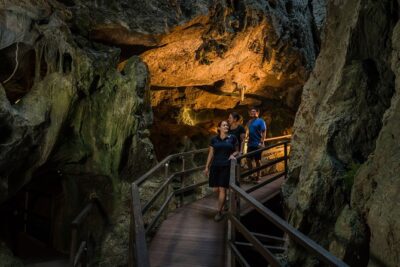 ★ 5.0Capricorn Caves Cathedral Cave TourFrom $28536 reviews
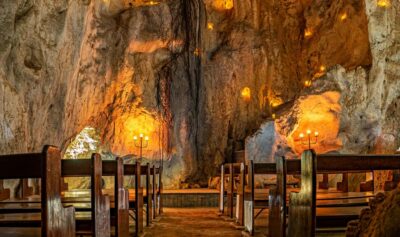 ★ 4.8Capricorn Caves, Australia: 45-Minute Cathedral Cave TourFrom $27470 reviews
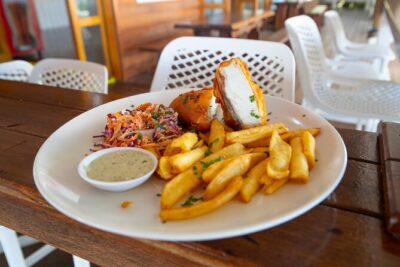 ★ 4.5Great Keppel Island Day Trip Bundle from YeppoonFrom $78227 reviews
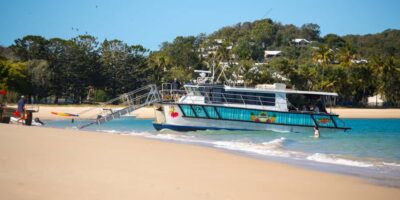 ★ 4.3From Yeppoon: Great Keppel Island Snorkeling Hire with LunchFrom $77164 reviews
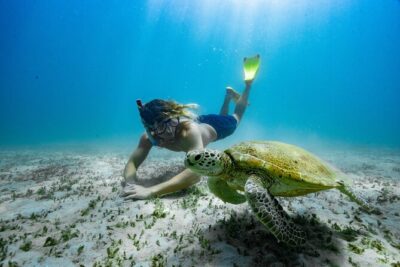 ★ 5.0Great Keppel Island Glass Bottom Boat Tour & Ferry TransferFrom $66124 reviews
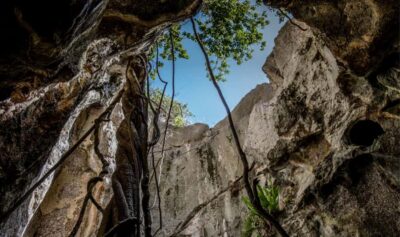 ★ 4.8Queensland: 90 Minute Capricorn Caves Explorer TourFrom $52123 reviews
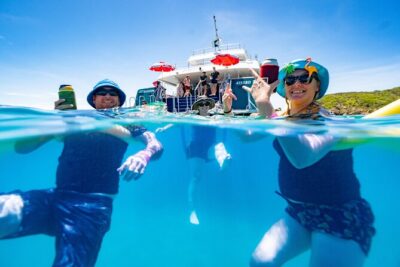 ★ 5.0Great Keppel Island Adventure Tour – Snorkel and BoomnetFrom $135122 reviews
 ★ 4.5Great Keppel Island Day Trip with LunchFrom $57104 reviews
Browse the lists this tour appears in