
REVIEW · DARWIN HARBOUR & CROCODILE CRUISES
Royal Flying Doctor Service Tourist Facility: Two Iconic Territory Stories
Darwin gets under your skin fast. This RFDS Tourist Facility brings two big Territory stories together in one air-conditioned stop: the vision behind the Royal Flying Doctor Service and the WWII Bombing of Darwin, told through hologram cinema, VR, and hands-on aircraft viewing. I especially like the hologram cinema telling Rev John Flynn’s story, and I like that you can climb aboard an aero-medically equipped aircraft to see what the team prepares for each day.
One possible drawback is that the most dramatic show moments run on timed sessions, so if you show up at the last second, you might miss the experience you care about most. Plan a little slack with your 2-hour visit window, and you’ll be happier.
In This Review
- Quick hits: what makes this ticket worth your time
- Two iconic stories, one air-conditioned stop in Darwin
- Price and timing: where your two hours really go
- Your first orientation: intro overview, then self-guided freedom
- Hologram cinema of Rev John Flynn’s vision and the RFDS mission
- Climb aboard the aero-medical Pilatus PC-12
- VR WWII Bombing of Darwin: emotional, but respectful
- VR, VR headsets, and interactive exhibits that actually work
- Learn about Darwin and Northern Territory history, without the lecture tone
- Practical tips for planning your visit
- Facilities and comfort: accessibility, animals, and languages
- Gift shop value: RFDS and WWII souvenirs that feel tied to the stories
- Should you book this RFDS Tourist Facility ticket?
- FAQ
- How long does the Royal Flying Doctor Service Tourist Facility experience take?
- Is the tour self-guided?
- Are there different times to enter the facility?
- What are the two main stories covered?
- Is the facility indoors and air-conditioned?
- Are hologram sessions available in other languages?
- Is the facility accessible for people with disabilities?
- Are service animals allowed?
- What is the price per person?
Quick hits: what makes this ticket worth your time
- Timed entry options help you match the experience to your day in Darwin
- Hologram cinema presents Rev John Flynn’s vision in a life-sized format
- Aircraft walkthrough shows the aero-medical setup up close (Pilatus PC-12)
- VR WWII bombing experience gives you a realistic sense of Darwin in 1942
- Self-guided layout lets you set your own pace after the intro overview
- Indoor, air-conditioned comfort makes it a win in Darwin heat
Two iconic stories, one air-conditioned stop in Darwin
This is not a sleepy museum corner. It is an interactive facility designed to move you between three modes: story showings, hands-on viewing, and a walk-through of an RFDS aircraft interior. You get a clean mix of inspiration and weight, covering both the medicine side of remote Australia and the damage of WWII in Darwin.
The two storylines are built around one core idea: distance and risk. The RFDS exists because outback care cannot wait. The Bombing of Darwin matters because even in wartime, people still had to keep operating, caring, and recovering. If you like museums that take their job seriously and still feel modern, this works well.
Sunset water and saltwater crocodiles, other options
- Litchfield National Park and Jumping Crocodile Cruise★ 5.0 · 2,119 reviews
- Adelaide River Cruises – Jumping Crocodile Experience★ 5.0 · 997 reviews
- Sunset 3-Hour Cruise from Darwin with Dinner and Sparkling Wine★ 5.0 · 980 reviews
- From Darwin: Litchfield Park Tour & Jumping Crocodile Cruise★ 4.9 · 829 reviews
Price and timing: where your two hours really go
The ticket price is $21.52 per person, and that is the kind of spending that makes sense in Darwin when you want high impact without burning daylight on transport. The facility is set up for about 2 hours, and most people find they need at least 1 to 1.5 hours, especially if you linger at the aircraft and VR.
A small planning tip: because entry times are scheduled, you should pick the time that matches your energy level. If you go in around late morning or lunchtime, you can often pair the visit with lunch right afterward and keep the day flowing instead of squeezing it in between other stops.
If you are booking ahead, do it early. The average booking window is about 18 days, which usually means popular slots can fill up.
Your first orientation: intro overview, then self-guided freedom
You do not have to follow a fixed route with no choices. You get an introductory overview, and then you explore at your own pace. That is a big deal for families and for anyone who gets pulled toward one exhibit and wants extra time there.
This format also helps with pacing. You can start with the cinema experience, then move into aircraft viewing while the VR is ready next, or you can do it the other way around. The self-guided flow keeps you from feeling rushed, which matters in interactive spaces where people naturally slow down for photos and readouts.
Also, your booking is treated as a private activity, meaning only your group participates. If you like a calmer vibe than a large mixed group, this setup tends to work in your favor.
Hologram cinema of Rev John Flynn’s vision and the RFDS mission
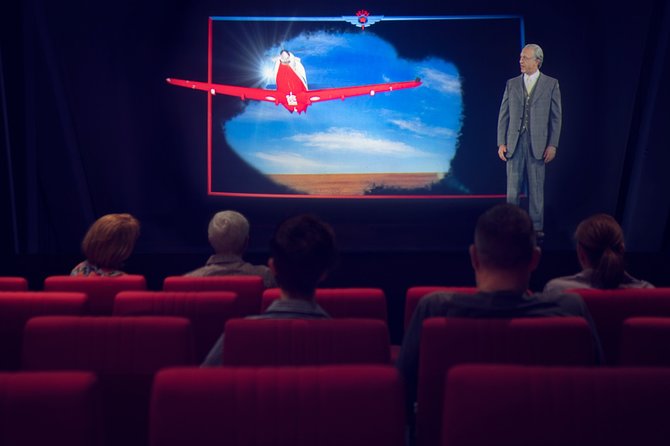
The standout storytelling tool here is the life-sized hologram cinema experience. It explains the vision of Rev John Flynn and how that idea became real in the RFDS as we know it today. It is built to be more than facts on walls, with a show-like feel that holds attention.
I like this approach because it gives you a baseline understanding quickly. Before you walk through the aircraft or hear rescue-type stories, you want to know what problem the RFDS was trying to solve. The Flynn origin story gives context for everything that comes after, including the tone of the facility and the way the team roles are explained.
Audio translation is available for the hologram cinema sessions in Japanese, German, French, and Simplified Chinese. If you are traveling with language needs, this is a strong advantage because the key show is not locked behind one language.
Climb aboard the aero-medical Pilatus PC-12
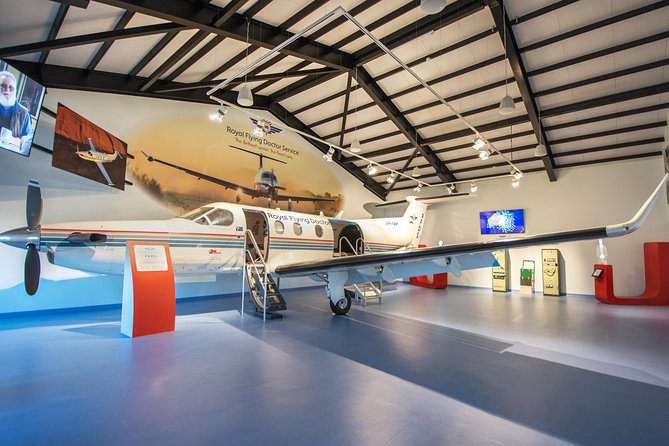
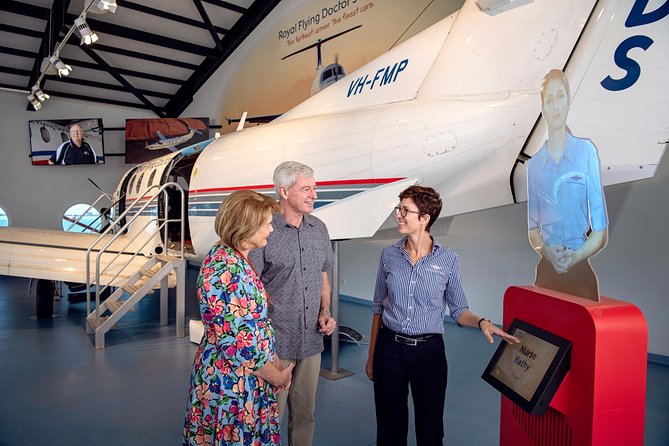
After the stories, you get the practical part: stepping into a decommissioned RFDS Pilatus PC-12 aircraft that is completely aero-medically equipped. This is where the museum stops being abstract.
Inside, you learn about the day-to-day activities of RFDS roles like pilots, engineers, doctors, and nurses, plus the kind of patient experiences the service supports. Seeing the aircraft setup makes the mission feel real, because you can connect the technology to the human purpose.
The aircraft walkthrough is also a great family win. It is visual, hands-on, and easier for kids to process than a wall of text. Even if you are not the type to read every panel, you will still get something meaningful from looking at how medical needs are carried through flight.
VR WWII Bombing of Darwin: emotional, but respectful
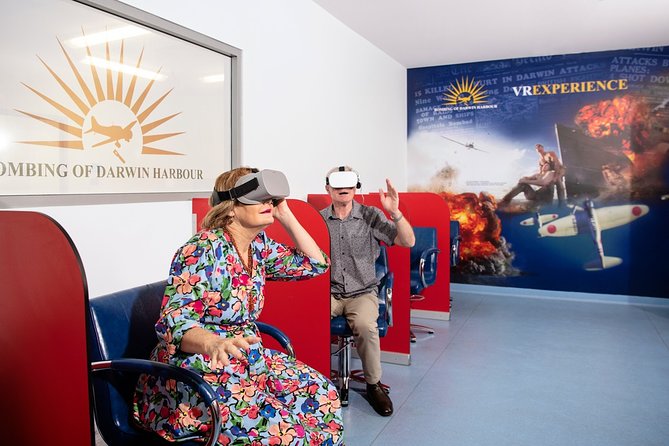
The facility includes a second iconic story: the Bombing of Darwin. The WWII portion is presented through interactive and virtual elements, including VR. The goal is not shock value. It is remembrance paired with context, so you understand what happened without losing the human focus.
I like that this part is paired directly with the RFDS mission. It helps you see Darwin as a place where major events shaped daily life and operations. When you finish the VR story, the earlier RFDS material hits differently, because you realize medical care in remote and crisis settings is about endurance as much as it is about technology.
One caution: VR can feel intense, depending on your comfort level. If your group includes kids who get overwhelmed easily, you can still enjoy the rest of the facility first and come back to VR when you are ready.
VR, VR headsets, and interactive exhibits that actually work
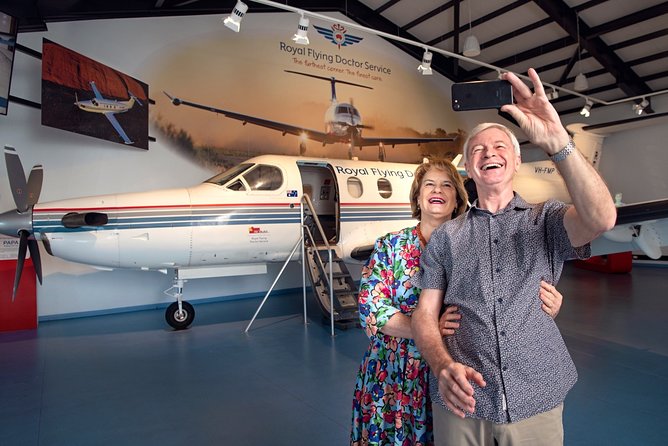
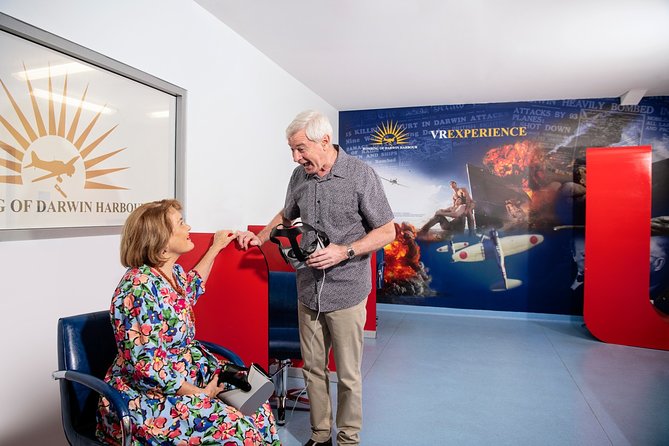
Beyond the hologram cinema, there is a VR presentation and other interactive displays. The VR component has a headset-style experience that makes the bombing story feel immediate. It is designed for understanding, not just entertainment, and many people find it one of the most memorable parts.
The interactive nature is also why this facility works as an easy recommendation for families. You can pick and choose how much participation you want. If someone needs a break, there are seating options throughout the facility so you can keep moving without everyone melting down.
The facility is fully indoors and air-conditioned. In Darwin, that matters as much as the content. You can take your time without worrying about weather pushing you out early.
Learn about Darwin and Northern Territory history, without the lecture tone
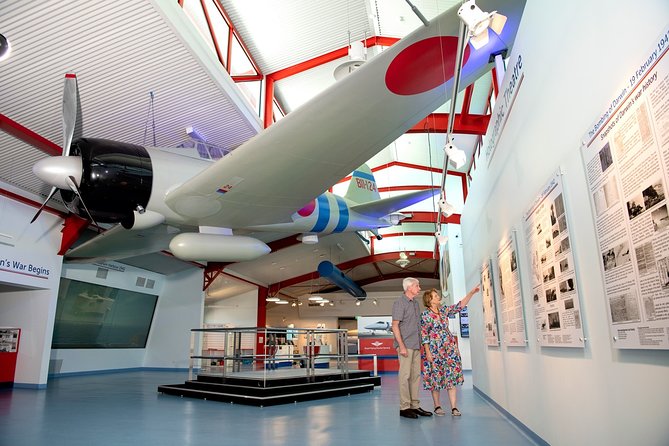
A lot of museums about big events can feel like a classroom. This one is different because it teaches through story and objects. You learn about multiple aspects of Darwin and Northern Territory history while keeping one foot in present-day purpose.
The RFDS mission piece also adds a layer that tourists sometimes miss. People see planes in the name and assume it is all aviation trivia. Here, it is clearly about medical teamwork and the logistics behind saving lives in remote areas. You come away with a stronger sense of how the service coordinates across roles, technology, and distance.
Practical tips for planning your visit
Here are a few practical moves that make the visit smoother.
Pick your entry time based on your must-sees. If hologram cinema is your priority, choose a slot that lines up with your schedule. If VR is your priority, plan enough time that you can sit through it without rushing the aircraft.
Give yourself at least 1.5 hours. Two hours is a good target. If you are reading exhibits closely and want time in the aircraft, 90 minutes feels comfortable.
Pair it with lunch nearby. A nice strategy is to go around lunchtime and then stay out on the wharf for a meal afterward. The museum timing works well with a relaxed Darwin morning that turns into a waterfront lunch.
If you are on a cruise, check transport options. If your cruise includes a shuttle bus from the wharf, it can be an easy way to reach the facility without wrestling with parking.
Use the seating. There are a number of seating options throughout the facility. It is not just a token chair in one corner, which helps when your group needs breaks.
Facilities and comfort: accessibility, animals, and languages
This is one of those tours where the basic logistics make the experience better.
The facility is fully disability accessible, and there are seating options throughout. Service animals are allowed, so you are not forced into awkward workarounds.
And again, the hologram cinema offers audio translation in Japanese, German, French, and Simplified Chinese. If you rely on translation for comprehension, this is a major plus because the key show is covered.
Gift shop value: RFDS and WWII souvenirs that feel tied to the stories
Yes, there is a gift shop, and it is not just a random checkout line. It is co-branded RFDS with RM Williams, with clothing and belt options plus RFDS-themed items. There are also Bombing of Darwin branded products, including T-shirts, hats, books, and other collectibles.
If you like buying something that connects to what you just learned, this shop is worth a stop. Just keep an eye on time if you are returning for a VR session after walking in.
Should you book this RFDS Tourist Facility ticket?
Book it if you want a Darwin activity that feels modern and meaningful, and if you like museums that use technology to tell real stories. This is especially strong for families because it combines interactive exhibits, VR, and a physical walkthrough of an aircraft.
Consider skipping or adjusting your expectations if your group is not interested in timed show experiences. Because some of the most memorable moments happen at set times, you will get the best value by planning your entry rather than arriving casually with no plan.
If you are only choosing one indoor museum-type stop in Darwin, this is a smart pick. You leave with two Territory stories connected by one theme: how people work to keep others alive, even when geography or war makes everything harder.
FAQ
How long does the Royal Flying Doctor Service Tourist Facility experience take?
The experience runs about 2 hours (approx.).
Is the tour self-guided?
Yes. The facility experiences are self-guided, and you also get an introductory overview.
Are there different times to enter the facility?
Yes. There is a choice of entrance times throughout the day to suit your schedule.
What are the two main stories covered?
You’ll learn about the Royal Flying Doctor Service and its origin, including Rev John Flynn’s vision. You’ll also experience stories connected to the Bombing of Darwin.
Is the facility indoors and air-conditioned?
Yes. The facility is indoors and air-conditioned.
Are hologram sessions available in other languages?
Audio translation is available for the hologram cinema sessions in Japanese, German, French, and Simplified Chinese.
Is the facility accessible for people with disabilities?
Yes. There is complete disability access and seating options throughout the facility.
Are service animals allowed?
Yes. Service animals are allowed.
What is the price per person?
The price is $21.52 per person. Confirmation is received at the time of booking.
Harbour Sunsets and Saltwater Crocs
Added lately from Darwin
- Darwin: Guided Jet Ski Tour
★ 5.0 · 55 reviews - Adelaide River Jumping Croc Cruise
★ 4.5 · 56 reviews - From Darwin: 3-Day Kakadu and Litchfield 4WD Camping Tour
★ 4.8 · 57 reviews - Darwin Shore Excursion: Hop-on Hop-off Bus Tour
★ 4.5 · 61 reviews - 3 Day Kakadu & Litchfield 4WD Expedition
★ 4.5 · 61 reviews - Darwin: Adelaide River Queen Original Jumping Crocodile Cruise
★ 5.0 · 63 reviews
Darwin Harbour & Crocodile Cruises, compared.
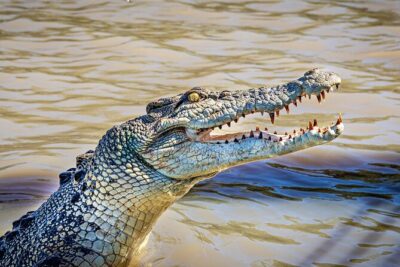
 ★ 5.0Litchfield National Park and Jumping Crocodile CruiseFrom $1722,119 reviews
 ★ 5.0Adelaide River Cruises – Jumping Crocodile ExperienceFrom $43997 reviews
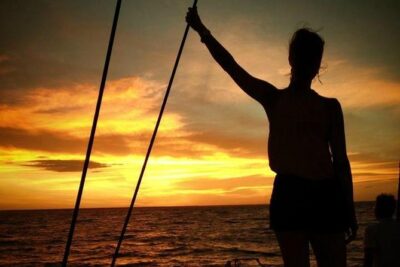 ★ 5.0Sunset 3-Hour Cruise from Darwin with Dinner and Sparkling WineFrom $132980 reviews
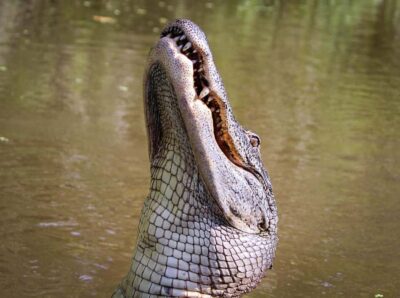 ★ 4.9From Darwin: Litchfield Park Tour & Jumping Crocodile CruiseFrom $162829 reviews
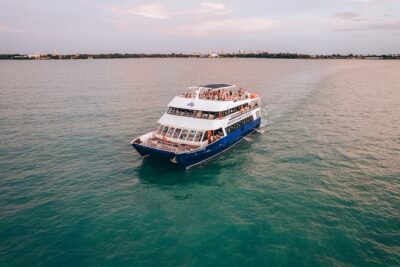 ★ 4.5Charles Darwin Dinner CruiseFrom $111820 reviews
 ★ 5.0Kakadu Day Tour from Darwin with Offroad DreamingFrom $243776 reviews
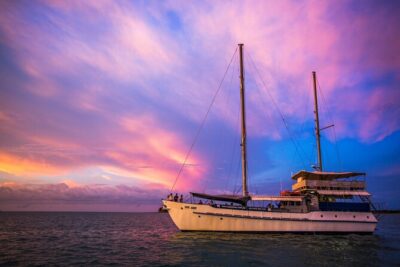 ★ 5.0Cape Adieu Darwin Sunset Dinner CruiseFrom $121750 reviews
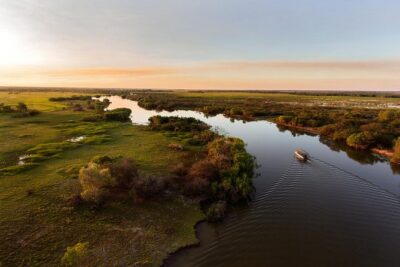 ★ 5.01 Day Corroboree Billabong Wetland Experience including 2.5 hour cruise + lunchFrom $168501 reviews
Browse the lists this tour appears in