
REVIEW · SKYDIVING EXPERIENCES
Sydney: Tandem Skydive with Optional Transfers
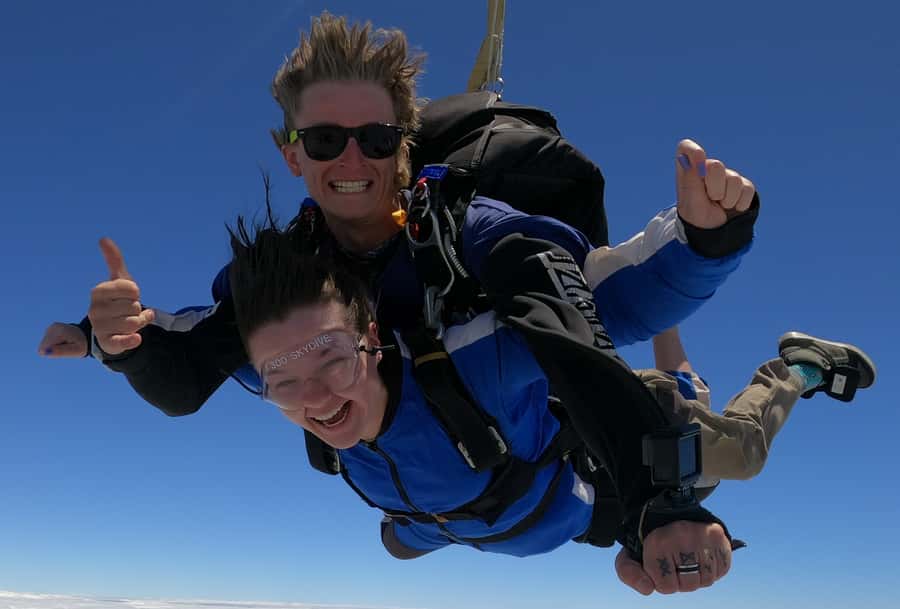
You only get one chance to feel freefall over Sydney. This tandem parachute jump sends you up to 15,000 feet for a fast, controlled exit and a calm ride under canopy. I love the combination of 200 km/h freefall plus a top-notch, experienced instructor pairing like Phil and Hayley, both called out for keeping people relaxed. The one drawback to plan around is weather and the strict limits, especially the 115 kg maximum.
The whole setup is built for first-timers: check-in, gear, a safety talk, then you’re assigned your flight number and strapped to your instructor. I also like that the center keeps you comfortable before and after with space for snacks, drinks, and barista coffee. Just know this is not the best choice if you’re pregnant, under 16, or you’re likely to feel unwell in cool high-altitude air.
In This Review
- Key things to know before you book
- Tandem parachute jump over Sydney, what you’re really buying
- The real timeline, from check-in to the ground in 3 to 5 hours
- Meeting the team and your instructor, why it matters more than speed
- Up in the plane: what to watch for during the 20 to 25 minute climb
- The exit and freefall: 200 km/h, one minute, and your instructor handling the rest
- Under canopy: the gentle ride and the moment you can actually breathe
- Landing, certificate, and how to turn adrenaline into a souvenir
- Value and pricing: is $247 worth it for what’s included?
- Optional transfers and getting there without stress
- What to bring and what not to wear
- Weight limits, health notes, and who this experience fits best
- Booking smart: timing, rescheduling, and weather realities
- Should you book this tandem parachute jump?
- FAQ
- How long does the tandem parachute jump experience take?
- How high do you fly, and how fast do you freefall?
- Is pickup and drop-off included?
- What is included in the price?
- Are photos and video included?
- What should I wear or bring?
- What are the weight limits and extra charges?
- Who is this not suitable for?
- What happens if weather prevents the jump?
Key things to know before you book
- Up to 15,000 feet with a 20-25 minute climb before you exit
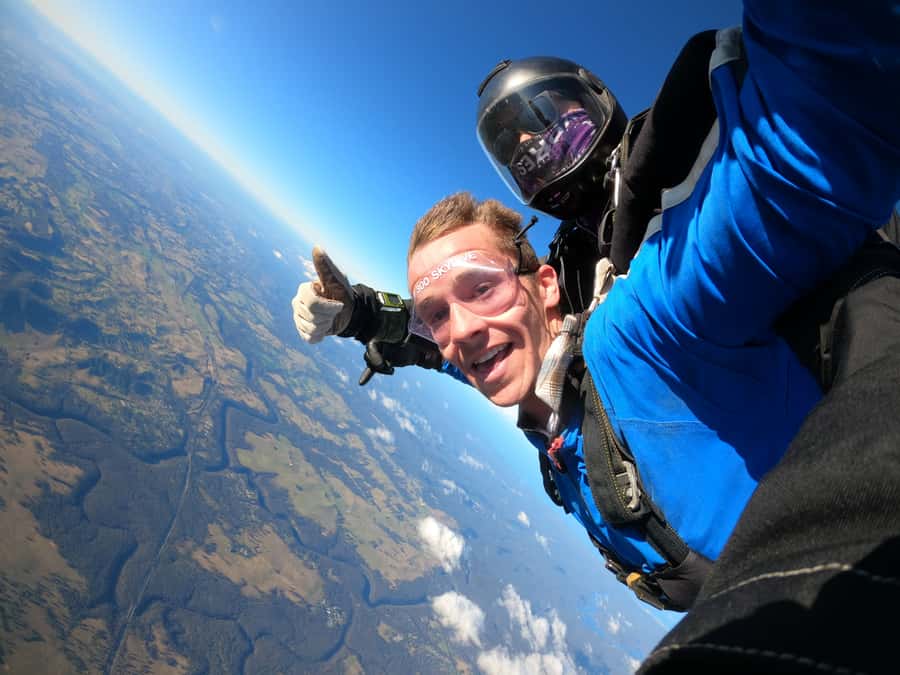
- About 60 seconds of freefall reaching around 200 km/h with your instructor in control
- A true on-site flow from check-in to aircraft to drop zone at this Sydney centre
- Comfort time built in, including a BBQ or picnic setup with snacks and barista-served coffee
- You get training and gear plus APF membership, not just a jump
- Photo and video are extra, so decide what you want before you land
Tandem parachute jump over Sydney, what you’re really buying
You’re paying for a complete, guided experience, not just the moment you leave the plane. At $247 per person, the value is strongest if you want the full package: training, equipment, and APF membership are included, and you get to do the whole thing in one organized block of time (3 to 5 hours). That matters because a first jump has a lot of small steps, and you don’t want to be improvising any of them.
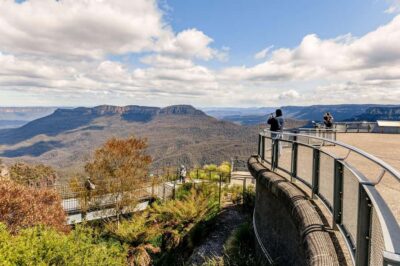
The scenery promise is clear. You’ll get panoramic views that can stretch from the Blue Mountains toward the coast, depending on conditions and where you fly out from. The key is that you’re not just chasing adrenaline. You’re also getting that “look down and realize how big everything is” moment on the way up and again when you’re under canopy.
This is also a good deal if you’re the type who wants confidence, not chaos. In the feedback I saw, instructors were repeatedly praised for being punctual, professional, and calm, with multiple guides named (like John and Hayley) described as making first-timers feel safe. That’s the kind of detail that changes the whole experience.
Other drop zones and what you land next to
- From Sydney: Tandem Skydive Experience over Wollongong Beach★ 4.5 · 83 reviews
The real timeline, from check-in to the ground in 3 to 5 hours
You should treat this as a half-day outing. From the moment you arrive, plan for time to settle in, get kitted out, and handle the paperwork and safety briefing. Total duration is listed as 3 to 5 hours, and that range usually depends on your jump time and weather window.
Here’s the flow you can expect:
- Pick-up or meet on site. If you choose optional transfers, you’ll be picked up for the adventure. If not, you meet at the building.
- Check-in and assignment. You’ll get processed, assigned your flight number, and matched with an instructor.
- APF membership handling. You’ll hand over your APF membership as part of the setup and get through the required steps.
- Safety briefing. This is where you learn exactly what to expect during the jump and how to work with your tandem instructor.
- Gearing up. You’ll suit up with the provided equipment, including goggles, then head toward the aircraft.
- Flight time to altitude. You’ll rise through the air for about 20 to 25 minutes, up to 15,000 feet.
- Exit and freefall. You’ll be strapped to your instructor, exit the plane, and reach speed around 200 km/h during roughly 60 seconds of freefall.
- Canopy ride to landing. Then you’ll experience a gentle ride under the parachute to the ground.
- After-jump wrap-up. You’ll receive a jump certificate to prove you went through with it.
The pacing is designed so you are not rushed. The only thing you can’t control is timing due to weather, which is why you should keep your schedule flexible.
Meeting the team and your instructor, why it matters more than speed
The most important part of any tandem jump is not the max speed. It’s how confident you feel right when you’re about to leave the plane. This experience is set up around that idea: you get an instructor strapped behind you, plus a safety briefing and practical instructions before you climb.
Multiple instructor names came up in the feedback I reviewed. Phil was described as a legend with 55 years in the sport and over 40,000 skydives. Hayley was described as friendly and funny, with a calming presence that helped people manage nerves. John was repeatedly mentioned for making people feel safe and comfortable.
Even if you don’t get those exact instructors, the pattern is consistent: professional gear checks, clear communication, and a focus on helping you stay calm through the hardest mental step, the exit.
If you’re the kind of traveler who worries about doing something wrong, you’ll probably relax faster here than you expect. You’re not learning skills for control in midair. Your job is to follow instructions at key moments and stay comfortable in the harness.
Up in the plane: what to watch for during the 20 to 25 minute climb
The plane ride is not filler. It’s where you mentally switch from thinking about the jump to actually experiencing it.
As you climb toward 15,000 feet, you’ll have time to check out the view and settle into the harness. You’ll also be learning the basics of what your body might feel like at altitude and during exit. Because the instructor is already connected to you, your attention can stay on simple cues.
Also, remember the practical reality: it may be cooler at high altitudes. Dress for that. Bring weather-appropriate clothing, and if you’re usually fine in Sydney’s warmth, you still might feel chilly once you’re higher up and moving slower in the air.
Finally, I like that this jump includes a proper pace. You’re not dragged straight from check-in to the door. That gives you a buffer to ask questions, get comfortable with gear, and mentally prepare.
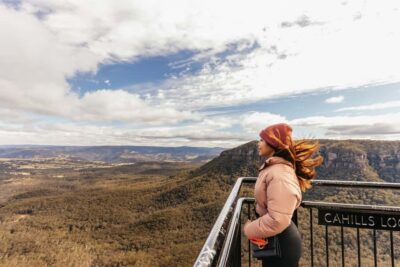
The exit and freefall: 200 km/h, one minute, and your instructor handling the rest
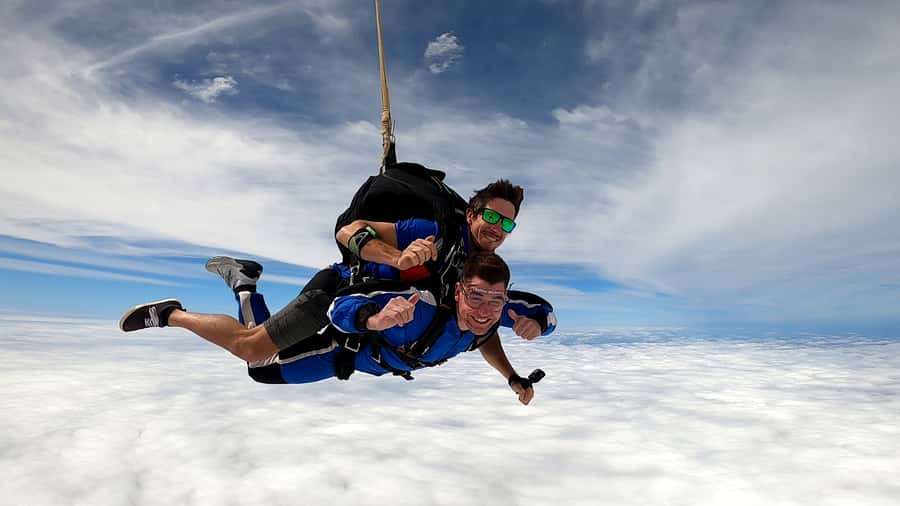
The headline is the freefall. You’ll exit the plane and hit speeds around 200 km/h, with the freefall lasting roughly 60 seconds. That’s intense, fast, and short enough that it doesn’t turn into a long panic. It’s also long enough for you to feel like you actually did something, not just passed through it.
What makes this feel manageable is the tandem setup. Your instructor is controlling the jump, and your job is to stay aligned and follow their cues. That means you’re not trying to steer, control altitude, or worry about timing decisions. The speed is real, but so is the structure around it.
If you’re nervous, here’s the mindset that helps: the hardest part is often the instant before exit, not the freefall itself. Once you’re moving, your brain shifts gears. And you get your payoff quickly, then you’re into the next phase.
Under canopy: the gentle ride and the moment you can actually breathe
After the freefall, you’ll experience a parachute ride back down in a gentler way. This is the part where the experience changes tone. The sensation becomes less about speed and more about awareness, wind, and enjoying the view.
This is also when the scenery promise becomes real. You’ll see broad stretches, potentially including the Blue Mountains and the coast. Even if cloud or haze changes what’s most visible, you still get that “Sydney from above” perspective that most people never get.
It’s also the phase where you can slow down your thoughts. You’ll feel the contrast between the sprint of freefall and the calmer glide to landing. That contrast is one reason tandem jumps feel so complete, not just extreme.
Landing, certificate, and how to turn adrenaline into a souvenir
After you touch down, you’ll get the jump certificate. That sounds simple, but it’s a nice way to lock in the memory, especially if you’re planning to compare notes with friends later.
You should also think about souvenirs before you go. Video and photo packages are not included. In one booking I saw, an add-on for photos was noted at 150 AUD, and photo with video at 190 AUD. If you care about having something to take home, budget for it now so you’re not deciding on the spot while you’re still hyped.
And if you’re traveling with a friend or partner, don’t underestimate the value of having a place to settle afterwards. The center offers room for snacks, drinks, and barista-served coffee. That kind of setup turns the post-jump hour from a scramble into a proper decompression.
Value and pricing: is $247 worth it for what’s included?
Let’s talk value plainly. At $247 per person, this isn’t a budget activity. But it is priced like a fully managed, equipment-supported, safety-led experience.
What you’re getting for that money includes:
- Tandem jump instruction and training
- All equipment, including goggles
- APF membership
- A coordinated jump day flow, including your flight number and assigned instructor
- Optional pickup and drop-off if you choose that format
What you are not getting:
- Food and drinks (though the center does have a BBQ or picnic-style setup with snacks and coffee options)
- Video and photo packages
For first-timers, included training plus equipment is where value shows up. You’re not paying separately for basic gear, and you’re not trying to piece together the membership requirement alone. The APF membership part can make the total feel less like you’re buying just an adrenaline hit.
If you already know you want photos or video, check your budget. Since photo and video are extra, decide ahead of time what’s worth it for your personal souvenir level.
Optional transfers and getting there without stress
The experience offers pickup and drop-off if you select that option. If you don’t, you meet at the building. The meeting point can vary depending on what you book, so you’ll want to confirm the exact location before the day.
One practical advantage is that transport has a strong satisfaction score, with 85% of reviewers giving it a perfect score. That doesn’t guarantee your experience, but it is a good signal that logistics are handled well and the day stays on schedule.
If you’re staying in Sydney and you don’t want to deal with last-minute transport planning, the transfer option is usually the easy win. If you’re local or comfortable getting yourself there on time, you can save effort by meeting on site.
Either way, the key is timing. Keep a flexible half-day window, because weather can affect jump times and the day’s flow.
What to bring and what not to wear
This is the kind of activity where what you wear matters more than you think. Your info list is straightforward, so follow it and you’ll be comfortable.
Bring:
- Comfortable shoes
- Sunscreen
- Weather-appropriate clothing
- Closed-toe shoes
Don’t bring:
- Sandals or flip flops
Also keep in mind that it may be cooler at altitude, so light layers are smart.
And avoid eating a huge amount right before the jump. The guidance is to avoid copious food immediately beforehand. If you’re hungry, plan a normal meal earlier in the day and keep the pre-jump time simple.
Weight limits, health notes, and who this experience fits best
There are clear boundaries, and they’re there for safety and instructor matching.
- Maximum weight is 115 kg (254 lbs)
- Weight surcharges apply for 95 kg and up:
- 95 to 99 kg: +$25
- 100 to 109 kg: +$50
- 110 to 115 kg: +$100
- Not suitable for children under 16
- Not suitable for pregnant women
If you’re close to the upper weight limit, double-check your category early so there are no surprises. It also helps you plan your day and budget.
If you’re under 16 or pregnant, skip this option and look for alternatives that match your situation. And if you have any medical concerns, you should discuss them directly with the operator before booking, since the provided details only cover the stated restrictions.
Booking smart: timing, rescheduling, and weather realities
Sky is the wildcard here. The experience notes that if you can’t jump due to weather or other unforeseen circumstances, it will be rescheduled free of charge. That’s the kind of protection you want when you’re planning around a tight trip schedule.
If you need to reschedule, you’ll need to inform the team at least 48 hours before your booked time, and the change is done without additional charges. If cancellations happen within 48 hours of jump time, a cancellation fee applies.
The overall lesson is simple: keep your schedule flexible enough to handle rescheduling. Then you’ll get the best chance at a smooth day.
Should you book this tandem parachute jump?
I think you should book if you want a first-time friendly, instructor-led experience with a real focus on safety and a big reward: a fast freefall around 200 km/h, then a calmer canopy ride with serious Sydney views. The included APF membership and all gear reduce friction, and the post-jump comfort (snacks, drinks, and barista coffee) makes it feel like an actual outing, not just a drop-off and run.
Skip or rethink it if you’re not within the stated limits, if you’re pregnant, or if you can’t handle the idea of a cool high-altitude environment. Also, if you’re expecting photos and video included, plan to add them only if you truly want them.
If you’re choosing between doing this on a trip day that’s packed or a half-day with buffer, pick the half-day with buffer. That’s where this experience shines, because you can enjoy the climb, not just survive the jump.
FAQ
How long does the tandem parachute jump experience take?
It runs about 3 to 5 hours total. The operator lists starting times based on availability.
How high do you fly, and how fast do you freefall?
You can go up to 15,000 feet, with freefall reaching around 200 km/h. The freefall portion is about 60 seconds.
Is pickup and drop-off included?
Pickup and drop-off are included only if you choose the option with transfers. Otherwise, you meet at the building.
What is included in the price?
The package includes tandem jump instruction, all training and equipment (including goggles), and APF membership. Food and drinks are not included.
Are photos and video included?
No. Photo and video packages are listed as not included.
What should I wear or bring?
Bring comfortable shoes and sunscreen, and wear weather-appropriate clothing with closed-toe shoes. Sandals or flip flops are not allowed.
What are the weight limits and extra charges?
The maximum allowed weight is 115 kg. A surcharge applies for 95 kg and up: +$25 (95 to 99 kg), +$50 (100 to 109 kg), and +$100 (110 to 115 kg).
Who is this not suitable for?
It is not suitable for children under 16 and for pregnant women. It also has the 115 kg maximum weight limit.
What happens if weather prevents the jump?
If you cannot jump due to weather or other unforeseen circumstances, the operator will reschedule your skydive free of charge. You can also reschedule if you notify them at least 48 hours ahead.
Drop Zones Elsewhere
Added lately from Sydney
- Sydney: Hunter Valley Sunrise Balloon Flight with Transfer
★ 4.4 · 20 reviews - Sydney: Discover Scuba Dive at Australia’s most Iconic Beach
★ 4.8 · 20 reviews - Vivid 90-Minute Sydney Harbour Intimate Catamaran Cruise with Canapes
★ 5.0 · 21 reviews - RENT at the Sydney Opera House
★ 4.5 · 21 reviews - Sydney: PRIVATE City Highlights & Ocean Front Luxe Tour (4h)
★ 5.0 · 21 reviews - Badass Women of Sydney: Meet the Women Who Shaped the City
★ 5.0 · 21 reviews
Skydiving Experiences, compared.
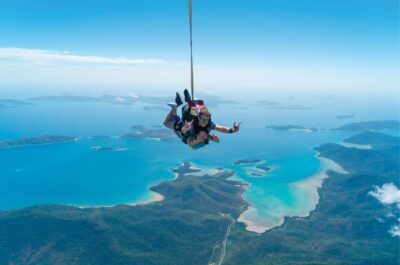 ★ 4.8Airlie Beach: Tandem Skydive over the WhitsundaysFrom $218726 reviews
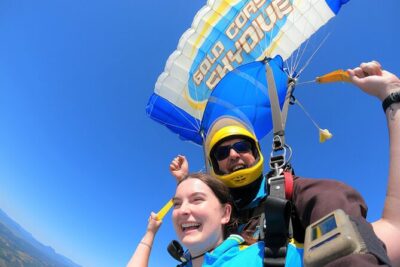 ★ 5.0Gold Coast Tandem SkydiveFrom $355467 reviews
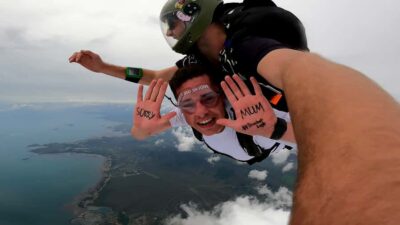 ★ 4.9Airlie Beach: Tandem Skydiving Experience with Beach LandingFrom $247382 reviews
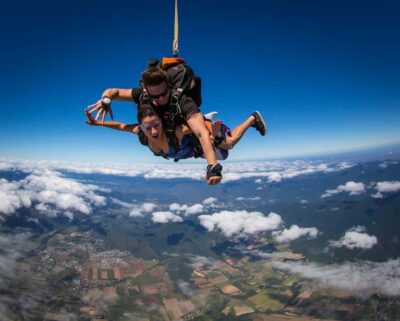 ★ 4.9Cairns: Tandem Skydive ExperienceFrom $247282 reviews
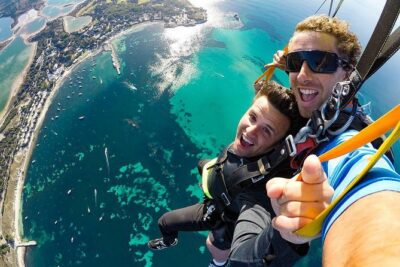 ★ 5.0Rottnest Island Tandem SkydiveFrom $273258 reviews
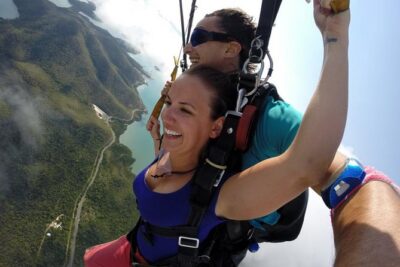 ★ 4.5Airlie Beach Tandem Skydive Over the Whitsunday IslandsFrom $250247 reviews
 ★ 4.8Cairns: Tandem SkydiveFrom $247192 reviews
 ★ 4.8Byron Bay: Tandem Skydive ExperienceFrom $268165 reviews
Browse the lists this tour appears in