
REVIEW · MELBOURNE CITY TOURS
Ultimate Melbourne Walking Tour: History, Laneways & Culture
Laneways make Melbourne feel like a live museum. This small-group walk pairs guidebook-style highlights with stories you will not find elsewhere, plus stops built around the city’s street art and golden-era architecture.
I especially liked the street art lanes and the way the guide turns big landmarks into human stories. One heads-up: it is a solid 3-hour on-your-feet outing, so you’ll want to wear comfy shoes and stay close if you want to catch every bit of commentary.
In This Review
- Key points before you set off
- Why this Melbourne walking tour works for first-timers
- The money question: what you get for $92.52
- Meet at Spring Street, end at Captain Melville
- Stop-by-stop: what to watch for as you walk the route
- Gordon Reserve: views first, then context
- Old Treasury Building: Gold Rush architecture
- Collins Street: where commerce meets heritage
- Melbourne laneways: Duckboard Place, AC/DC Lane, and often Hosier Lane
- Federation Square: modern culture in the middle of it all
- Melbourne Cricket Ground: a quick peek at sport’s temple
- Flinders Street Station: Melbourne’s postcard landmark
- Degraves Street: café culture with a complimentary hot drink
- The Block Arcade: old-school elegance underfoot
- The city’s highest tower option: only if you want it
- AC/DC Lane again: rock-and-roll murals
- Little Collins Street: laneway side streets and hidden bars
- Royal Arcade: Gog and Magog figures
- Bourke Street Mall: pedestrian shopping flow
- State Library Victoria: heritage and Ned Kelly
- Yarra River: a breather along the water
- Old Melbourne Gaol: bluestone prison history
- Chinatown: authentic food energy with history behind it
- Captain Melville: the finish with your included drink
- Pace, group size, and how to get the most out of your guide
- Who should book this tour
- Should you book the Ultimate Melbourne Walking Tour?
- FAQ
- How long is the Ultimate Melbourne Walking Tour?
- What does the tour cost?
- What time does the tour start?
- Where do I meet the guide?
- Where does the tour end?
- Is the ticket digital?
- What is included in the price?
- How large is the group?
- Are children allowed?
- Can I get a full refund if I cancel?
Key points before you set off
- Small group size (max 12) keeps it easy to hear the guide and ask questions.
- Coffee plus an alcoholic drink or soft drink makes the walking feel like a proper Melbourne start.
- Laneway focus includes Duckboard Place and AC/DC Lane, with Hosier Lane often on the route depending on the day.
- Classic City links up fast by foot, from Flinders Street Station to Federation Square and the shopping arcades.
- Local recommendations come with the map, so you can plan what to do next without guessing.
Why this Melbourne walking tour works for first-timers
If Melbourne is your first stop in Australia, you can feel overwhelmed fast. This tour helps you get your bearings without the usual stress of planning stops, lining up, and trying to park your way through the city. You also get a guided route that connects the dots between the big names and the little lanes that make Melbourne feel different.
I like that the tour is set up as an introduction. You spend time on the highlights you expect, but you also get context that makes them click. Federation Square feels less like a landmark and more like part of how the city gathers. Hosier Lane and the laneways stop being random graffiti and start making sense as an ongoing local art conversation.
One practical note: with a walking route like this, you’re moving nearly the whole time. Reviews and operator notes point to an easy pace, but it still adds up. If you have mobility limits or you hate walking between tightly packed sights, plan to take it slow and hydrate.
Melbourne written up laneway by laneway
- From Melbourne: Great Ocean Road, 12 Apostles, Wildlife Tour★ 4.7 · 6,020 reviews
- Penguin Parade, & Wildlife Encounters Eco Tour from Melbourne★ 5.0 · 3,774 reviews
- Melbourne: Yarra Valley Wine, Gin, Whisky and Chocolate Tour★ 5.0 · 3,667 reviews
- Melbourne Great Ocean Rd Reverse Tour London Bridge Wildlife★ 4.7 · 2,252 reviews
The money question: what you get for $92.52
At $92.52 per person for about 3 hours, you’re paying for more than just walking. The value is in the combination:
- A professional local English-speaking guide doing the work of turning sights into stories.
- Included coffee (flat white, long black, or hot chocolate).
- Included drink at the end (house beer, wine, cider, or soft drink).
- A free Melbourne map plus guided recommendations for what to do after the tour.
- A small group capped at 12, which usually means less standing around and more attention on you.
If you were to pay separately for a guided introduction, plus coffee somewhere central, the price starts to look reasonable. The tour also has a smart design choice: it focuses on outdoor viewpoints and well-known city spots, so you spend your time on the streets rather than waiting in lines or shuffling around transport.
The one consideration is that you should not expect a bus. If you want comfort like wheels and air-conditioning, a walking format will be more demanding. It is still a manageable pace, and the tour includes built-in breaks at key stops like the café time.
Meet at Spring Street, end at Captain Melville

The tour starts at 108 Spring St, East Melbourne and begins at 11:00 am. You finish at 34 Franklin St, Melbourne, at the Captain Melville Bar. That end point is practical because it lands you near the laneway and pub end of the city, perfect for continuing your day without a second transit plan.
You’ll also get a mobile ticket, and the tour confirmation comes at booking time. For planning, it helps that the walking route is built around central Melbourne, so you’re not zigzagging across the suburbs.
Stop-by-stop: what to watch for as you walk the route
This route is built like a story arc. It moves through colonial-era architecture, then into the shopping and financial core, then the laneway art scene, and finally down into river and history, ending with a drink.
Gordon Reserve: views first, then context
You begin at a small park across from historic Hotel Windsor at Gordon Reserve. From here, you get distant views toward the seat of Victorian state government, where the colonial architecture shows up clearly in the skyline. It’s a great warm-up, because it sets the theme right away: Melbourne grew fast, and the buildings reflect that ambition.
What to pay attention to: the geometry and scale of the government buildings in the distance, and how the surrounding streets feel planned but still human.
Old Treasury Building: Gold Rush architecture
Next is the Old Treasury Building, known for its Gold Rush-era design. Melbourne’s wealth from the gold boom shows up in the confidence of the architecture, and the guide typically connects why those structures appeared when they did.
Why it matters: the city’s identity is not only about modern cranes. These older buildings explain the money and power story behind today’s streets.
Collins Street: where commerce meets heritage
You move into Collins Street, Melbourne’s premium shopping and financial district, lined with historic buildings. Even if you only do window-shopping, it gives you a sense of how the city’s present-day pace sits on top of older streetscapes.
Possible drawback: this stretch is popular, so the sidewalks can feel busy. Stay aware of your footing, especially if you’re taking photos while walking.
Melbourne laneways: Duckboard Place, AC/DC Lane, and often Hosier Lane
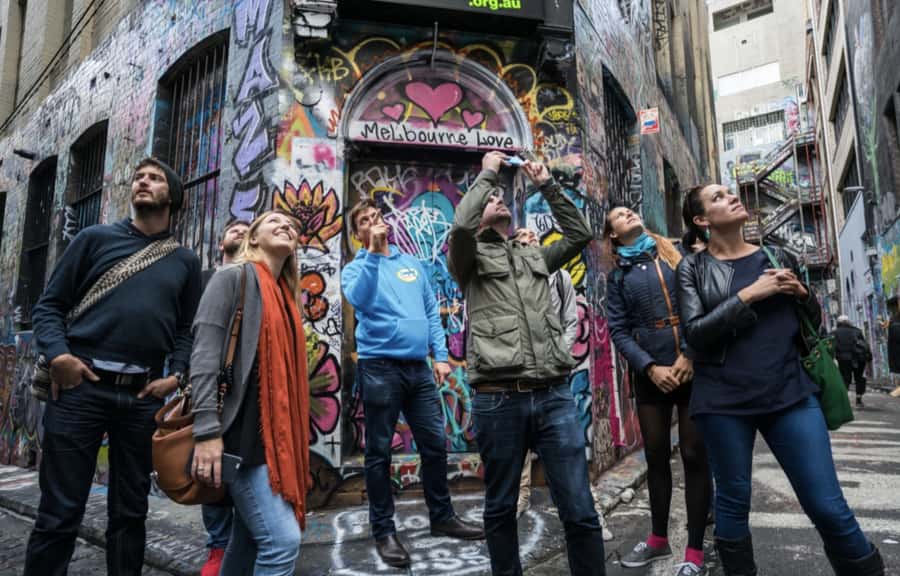
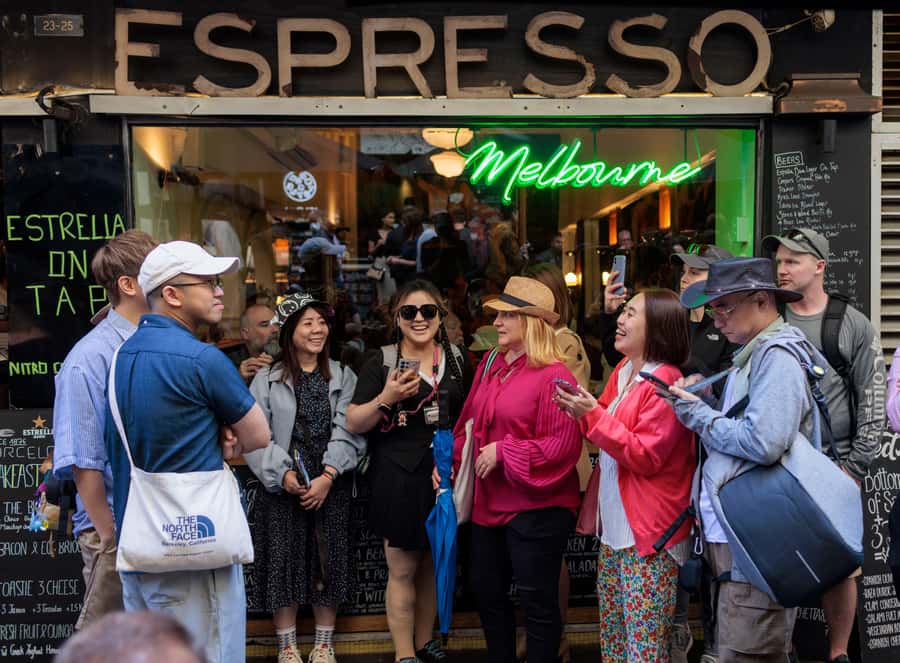
This is one of the main reasons to pick the tour. You spend time at Duckboard Place and AC/DC Lane, where street art is part of the city’s daily look. The guide points out how murals change over time, and you’ll start seeing laneways as cultural corridors rather than shortcuts.
Depending on the day, the route may also include Hosier Lane, Melbourne’s most famous street art destination. If it’s on your day, treat it like a living gallery. Even when the art is new, the lane still carries that sense of local voice.
What I’d do: when you stop, scan wider than the nearest wall. Look for layers, different styles, and how the art relates to nearby buildings.
Federation Square: modern culture in the middle of it all
Next is Federation Square, Melbourne’s main cultural square with iconic modern architecture. This stop is useful because it anchors you. After the laneways, Federation Square feels like the city’s bigger stage, where events and people tend to gather.
Melbourne Cricket Ground: a quick peek at sport’s temple
You get distant views of the MCG, the world’s largest cricket stadium, plus talk about the surrounding sporting precinct. This is brief, but it’s worth it because it shows how deeply Australian sport is woven into Melbourne’s identity.
Flinders Street Station: Melbourne’s postcard landmark
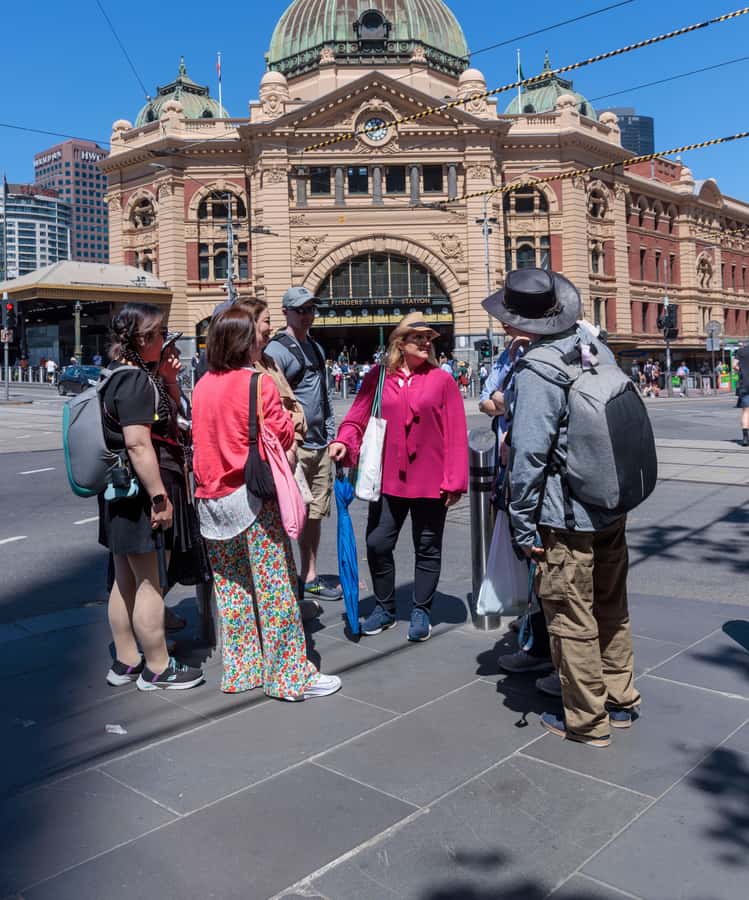
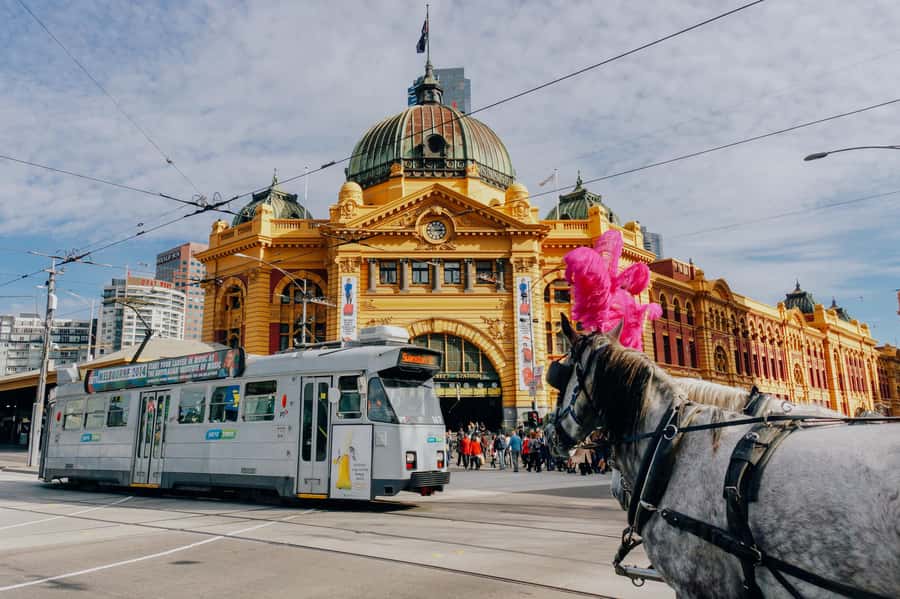
Then you reach Flinders Street Station, the city’s most recognizable railway landmark. There’s a reason this spot becomes a default photo stop. It looks classic from every angle, and the guide can connect it to how Melbourne’s rail shaped daily life.
Tip for photos: take at least one shot from across the street and one closer up. You’ll notice how perspectives change the façade and clock area.
Degraves Street: café culture with a complimentary hot drink
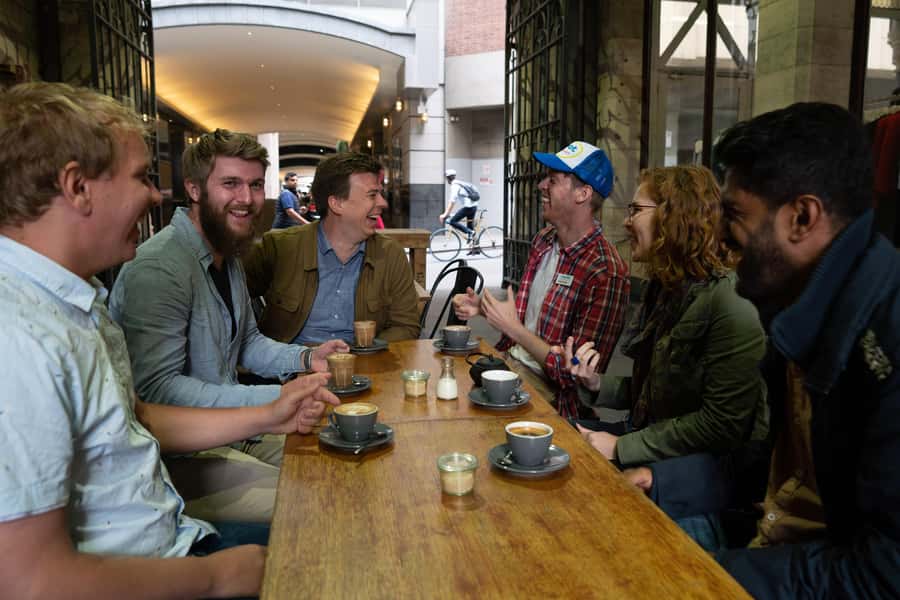
You’ll spend time in Degraves Street, famous for its café culture and European-style dining atmosphere. This is where the tour gives you a real break: you get a complimentary hot drink at a well-known local café, with options like flat white, long black, or hot chocolate.
Why this stop is valuable: it’s not just about caffeine. It’s your chance to regroup, use your phone map, and think through what you want to do next while you are still in the heart of the city.
The Block Arcade: old-school elegance underfoot
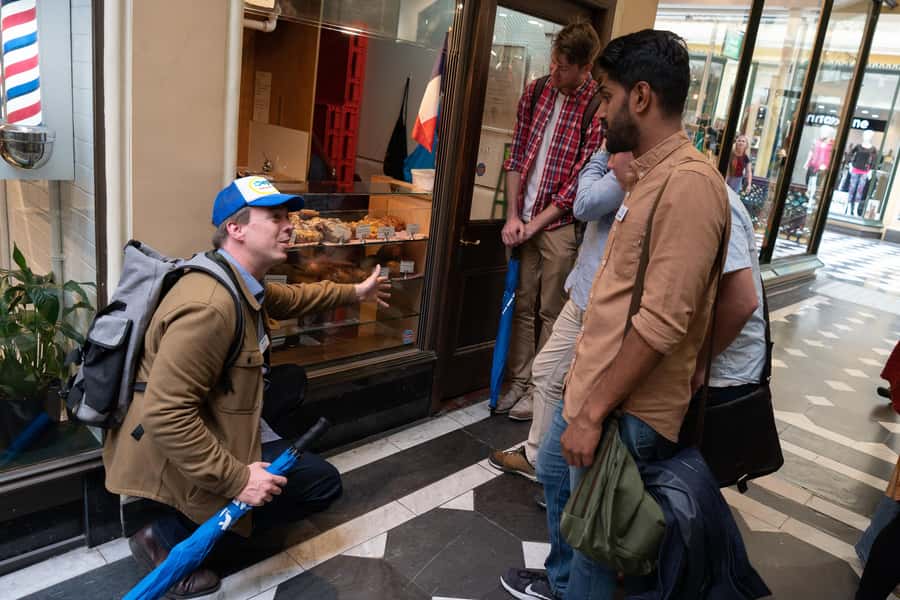
Next is the Block Arcade, an historic Victorian shopping arcade. Expect mosaic floors and elegant architecture. This stop works well on a walking tour because you can slow down, look up, and appreciate the design without needing tickets for entry.
The city’s highest tower option: only if you want it
The route notes a high tower that is hard to miss. If you want to go up, you can let the guide know, and they can arrange a special rate. The tour itself keeps things simple, but it’s nice to have the option if your budget allows.
Consideration: treat this as a choice, not a requirement. Your best value is the main walking program and the included food and drink.
AC/DC Lane again: rock-and-roll murals
You return to AC/DC Lane, leaning further into the rock-and-roll mural vibe. This is one of those stops that keeps paying off the longer you look. If you like street art, you’ll naturally spend extra time reading details and spotting artists’ styles.
Little Collins Street: laneway side streets and hidden bars
Next is Little Collins Street, where you find boutique laneways and hidden-bar energy close to the cultural heart of the city. It’s a short stop, but it helps you understand Melbourne’s nightlife geography without needing to Google your way around at night.
Royal Arcade: Gog and Magog figures
The Royal Arcade is Australia’s oldest arcade. The guide points out the famous Gog and Magog mythical figures, which add personality to the shopping setting.
What to look for: take a moment to spot the characters and the details around them. They’re easy to miss if you keep moving too fast.
Bourke Street Mall: pedestrian shopping flow
You pass through Bourke Street Mall, Melbourne’s main shopping precinct and pedestrian mall. It’s a useful way to feel the scale of the central city and understand where people concentrate.
State Library Victoria: heritage and Ned Kelly
Next is State Library Victoria, a magnificent heritage building and premier research library. This stop includes a focus on Ned Kelly’s legendary story. It’s a smart pivot because it shifts you from architecture and street art into the broader Australian narrative.
Yarra River: a breather along the water
You then walk alongside the Yarra River. This is your reset. The city feels a bit more open and calming, and you get a change of pace from tight lanes and retail streets.
Why it matters: the tour has a lot of visual stimulation. The river helps you breathe before the history-heavy finale.
Old Melbourne Gaol: bluestone prison history
Next comes Old Melbourne Gaol, a historic bluestone prison that operated from 1845 to 1929. Even though this is short, it adds weight to the city story. Melbourne’s glamour is real, but so is the harder past.
Chinatown: authentic food energy with history behind it
You reach Chinatown, described as the world’s oldest continuously operating Chinatown. The stop is timed for a quick look, but it’s enough to orient you if you want to return later for dinner.
Captain Melville: the finish with your included drink
The tour ends at Captain Melville Bar with a complimentary beverage: house beer, wine, or cider, or a soft drink. This is a fun way to cap it off because it turns the tour from walking time into real-life Melbourne time.
Pace, group size, and how to get the most out of your guide

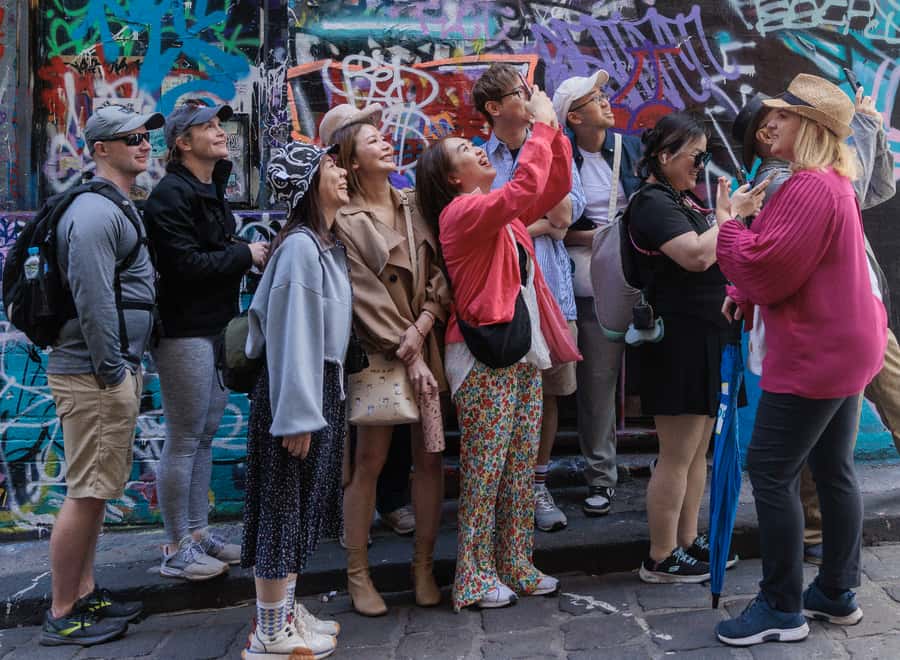
This is a small-group tour with a maximum of 12 travelers, and the format is designed to keep it social without turning it into a traffic jam. The included map and recommendations also mean you are not just consuming information. You’re leaving with a plan.
A couple of practical reminders:
- Wear comfortable shoes. This is central city walking plus laneway surfaces.
- If you want to hear every story, stay close to the guide. Some stops involve moving and the route can get loud.
- Bring your curiosity. The tour does a great job connecting the visible parts of Melbourne to the reasons they matter.
Guides are often praised by name for their energy and love of the city, including people like Emily, Bo, Hugo, Ian, Mike, and Beau. You can expect a mix of historical context and modern perspective, with time for questions.
Who should book this tour
This walking tour is best if you:
- Want an efficient first-day Melbourne orientation.
- Love street art, especially laneways like Duckboard Place and AC/DC Lane.
- Prefer a guided route that connects major sights like Federation Square and Flinders Street Station to smaller cultural spots.
- Like structured sightseeing but still want flexibility for your own plans afterward using the free map and recommendations.
You might want to look elsewhere if you dislike walking for three hours, you struggle with crowded sidewalks, or you need a fully seated format.
Should you book the Ultimate Melbourne Walking Tour?
Yes, if you want a smart start that feels local. The tour hits the big landmarks, but the laneway street art focus is what makes it memorable. The included coffee and end drink turn it into a Melbourne experience, not just a sightseeing checklist. And because it is a maximum 12-person group, you get a better chance of hearing stories and asking questions.
Book it early in your trip. You’ll leave with a map, a better sense of the city’s neighborhoods, and clear ideas for what to revisit on your own.
FAQ
How long is the Ultimate Melbourne Walking Tour?
The tour lasts about 3 hours.
What does the tour cost?
It costs $92.52 per person.
What time does the tour start?
The start time is 11:00 am.
Where do I meet the guide?
Meet at 108 Spring St, East Melbourne VIC 3002, Australia.
Where does the tour end?
It ends at 34 Franklin St, Melbourne VIC 3000 at Captain Melville Bar.
Is the ticket digital?
Yes, it uses a mobile ticket.
What is included in the price?
You get complimentary Melbourne coffee, a complimentary alcoholic beverage or soft drink, a professional local English-speaking guide, a free Melbourne map with guided recommendations, and access to outdoor attractions and viewpoints.
How large is the group?
The tour is a small group with a maximum of 12 travelers.
Are children allowed?
Children must be accompanied by an adult.
Can I get a full refund if I cancel?
Free cancellation is available if you cancel at least 24 hours in advance of the experience start time for a full refund.
Melbourne, Block by Block

Added lately from Melbourne
- Melbourne: Progressive Dinner Tour – Chinatown, Laneways & Drink
★ 5.0 · 53 reviews - Melbourne: Sunrise Hot Air Balloon Experience
★ 4.5 · 53 reviews - Melbourne: Melbourne Gardens Explorer Minibus Tour
★ 4.7 · 53 reviews - Yarra River: 1.5-Hour Scenic Sunset Public Cruise
★ 4.3 · 57 reviews - Melbourne Premium Balloon Flight
★ 5.0 · 57 reviews - Mornington Peninsula Wine Day Tour
★ 5.0 · 58 reviews
Melbourne City Tours, compared.
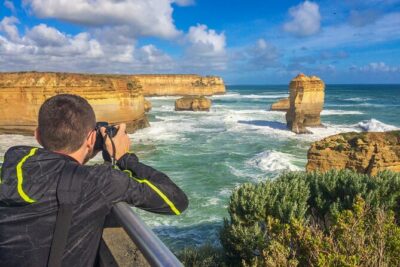 ★ 5.0Great Ocean Road Small-Group Eco Tour from MelbourneFrom $1066,607 reviews
 ★ 4.7From Melbourne: Great Ocean Road, 12 Apostles, Wildlife TourFrom $946,020 reviews
 ★ 5.0Penguin Parade, & Wildlife Encounters Eco Tour from MelbourneFrom $1183,774 reviews
 ★ 5.0Melbourne: Yarra Valley Wine, Gin, Whisky and Chocolate TourFrom $933,667 reviews
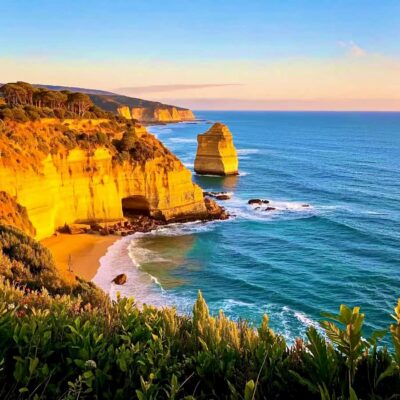 ★ 4.7Melbourne Great Ocean Rd Reverse Tour London Bridge WildlifeFrom $462,252 reviews
 ★ 4.5From Melbourne: Penguin Parade, Koalas & KangaroosFrom $1121,932 reviews
 ★ 4.5Melbourne: Great Ocean Road Extended–Top Stops&London BridgeFrom $421,920 reviews
 ★ 4.1Melbourne: 2-Hour City Highlights River CruiseFrom $491,804 reviews
Browse the lists this tour appears in