
REVIEW · PORT DOUGLAS & PALM COVE
Wildlife Habitat Port Douglas
Wildlife up close, without a long drive. Wildlife Habitat Port Douglas strings together several natural-looking areas in one visit, so you can go from rainforest to wetlands to savannah and then look up in the canopy walk. I love the close encounters (including hand-feeding options) and the five-day re-entry, which lets you return if you arrive late or just want more time.
One thing to plan for: it is still a wildlife facility, so some enclosures can feel tight compared with true wild habitat. If you are picky about animal comfort, slow down and watch the behavior, not just the photo spots.
In This Review
- Key points to know before you go
- Wildlife Habitat Port Douglas: one ticket, lots of Australia
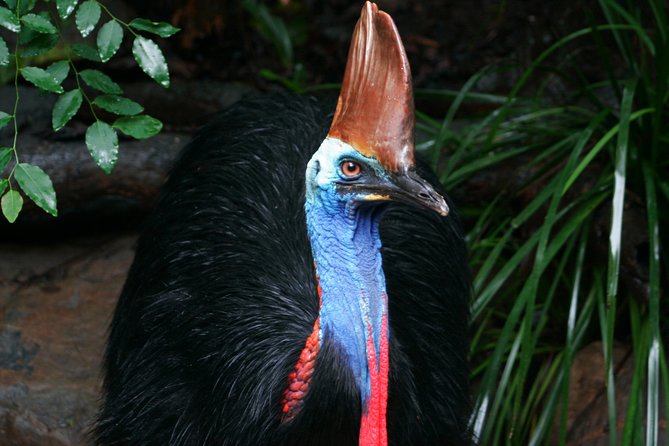
- Rainforest layers and the southern cassowary
- Wetlands stork walk and birds that land close
- Savannah habitat: emus, hand-feeding roos, wallabies, and tree kangaroos
- Treetop canopy walk for rainforest views
- Nocturnal habitat: starry-sky critters and label-light reality
- Crocodiles, croc talks, and the saltwater swimming upgrade
- Breakfast with the birds and other add-ons worth thinking about
- Price and value: is it worth $36.22?
- Timing, transport, and what to bring for a smoother visit
- Who this is best for, and who should set expectations
- Should you book Wildlife Habitat Port Douglas?
- FAQ
- How long does Wildlife Habitat Port Douglas take?
- What is included in the ticket price?
- Is hotel pickup and drop-off included?
- What does five-day re-entry mean?
- What is the last entry time to the park?
- Is breakfast with the birds available?
- Is there an option to swim with crocodiles?
- Are food and drinks included with the ticket?
Key points to know before you go
- Five habitats in one location, making it easy to see a lot without hopping between tours
- Free tours and daily presentations at the center with wildlife talks
- Five-day re-entry so you can come back another day if you miss a talk or want a calmer rerun
- Hand-feeding experiences including kangaroos and wallabies, plus the chance to see emus and other species
- Nocturnal habitat and starry-sky viewing, timed differently than the daytime areas
- Optional upgrades like breakfast with the birds or swimming with crocodiles
Wildlife Habitat Port Douglas: one ticket, lots of Australia
This is a compact way to experience Australian wildlife in Port Douglas. Instead of chasing animals across the region, you walk through different habitats on site, with staff presentations sprinkled through the day. The format is practical too: most people can handle it, you’re not locked into a rigid schedule, and you can choose how interactive you want it to be.
Value is strong for the price because the ticket covers free tours and presentations running at the center, plus five-day re-entry. That matters when you’re traveling, since schedules, weather, and fatigue happen. If you’re with kids, it also gives you breathing room. You can do one quick pass today, then return when your toddler has more energy, or when you want to catch a particular talk.
The main consideration is timing. Last entry is 3:30pm, so if you arrive in the afternoon with a tight cruise schedule, you may not see every presentation. Plan to arrive earlier if you can, and accept that a 1 to 4 hour visit can swing a lot depending on how long you stop at each habitat.
Other days based up the coast at Port Douglas
- Daintree Rainforest, Mossman Gorge Small-Group from Port Douglas★ 5.0 · 2,326 reviews
- Calypso Outer Great Barrier Reef Cruise from Port Douglas★ 5.0 · 1,385 reviews
- Daintree, Cape Tribulation & River Cruise from Port Douglas★ 5.0 · 797 reviews
- Quicksilver Great Barrier Reef Snorkel Cruise from Port Douglas★ 4.5 · 782 reviews
Rainforest layers and the southern cassowary
Start your walk in the rainforest environment, where the idea is simple: you move through layers and get a feel for how wildlife uses the canopy, understory, and ground level. In this area, you’re looking for the southern cassowary, plus other creatures that share rainforest space.
What I like here is the storytelling approach. The rainforest portion is not just “walk and look.” There are wildlife talks available daily, and the displays are meant to help you notice what you might otherwise miss. Cassowaries are famous in the tropics, and seeing one in a controlled habitat usually beats the stress of trying to spot one during a fast day trip.
Practical tip: rainforest paths can be uneven, and there can be steps as you move around the site. Wear shoes you trust, and give yourself a few minutes at each viewpoint rather than rushing for the big animals first.
Wetlands stork walk and birds that land close
Next up is the wetlands area, with a stork walk that’s designed for birdwatching. This is where the experience can turn magical fast, because the birds here are comfortable around people. In real-world terms, that means you’re more likely to get close, not just far-off silhouettes.
A standout theme from on-site experiences is that some birds behave like they own the place. People often describe parrots landing on shoulders near the bird areas, and it’s the kind of moment you can’t really recreate on a bus tour. If you like photos, this is a strong candidate for your camera roll.
Two cautions from the ground-level experience side of things:
- Bring a calm attitude. If you yank your body forward for a shot, you increase the chance of unwanted attention.
- If you are someone who hates bites, know that cockatoos can be spirited. They may nip when they feel crowded or curious. I’d keep your hands close to your body and avoid sudden movements near the birds.
Savannah habitat: emus, hand-feeding roos, wallabies, and tree kangaroos
The savannah area is where you get the classic “Australia wildlife” cluster, including emus and opportunities to get closer to kangaroos and wallabies. One of the biggest appeals is the chance to hand-feed kangaroos and wallabies, which turns your visit from observation into interaction.
This is also the section where people tend to slow down. When you’re standing near animals that are relaxed enough to approach, you notice more than you expect: body language, how they pause, and when they decide they do not want interaction. If you want a smooth experience, buy and use the food appropriately, then give the animals space to come and go without crowding.
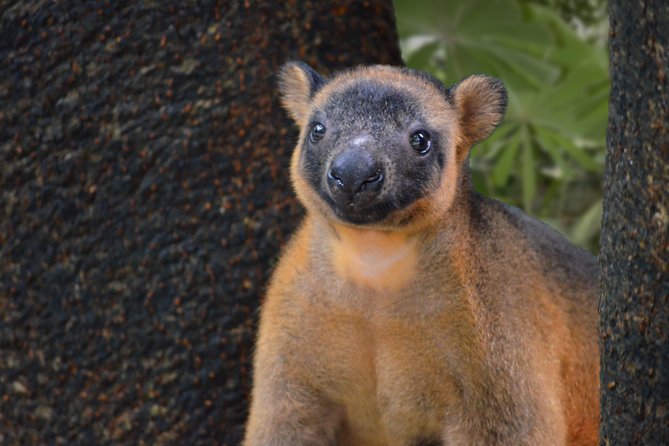
Also keep an eye out for Lumholtz’s Tree Kangaroo. This is a less common species, and it can be a highlight even for people who think they already know Australian animals. A tree kangaroo is different enough from kangaroos on the ground that it breaks up the “same look” feeling some wildlife visits can have.
Here’s how to make savannah time feel better:
- Plan to arrive hungry for the experience, not hungry for speed. If you rush, you’ll miss the small behavior cues.
- Expect shade and sun shifts. Depending on the day and your path, you may be in bright areas and then in cooler pockets. Pace yourself.
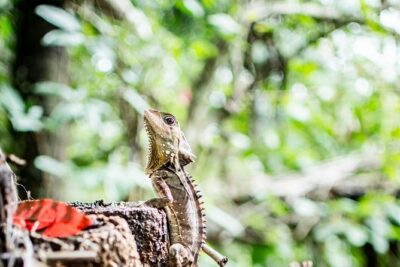
Treetop canopy walk for rainforest views
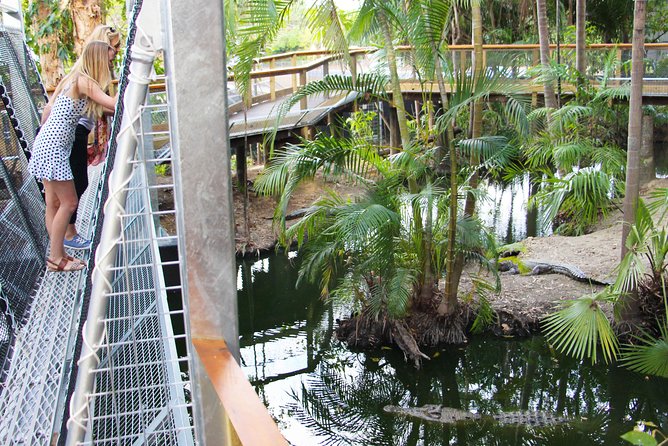
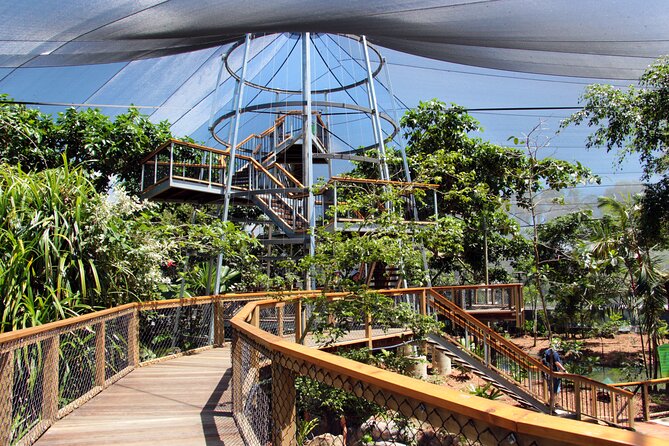
After you’ve worked your way through the habitats, the treetop canopy walk gives you a change of pace. Instead of staring level with animals, you look down and up, and that shift alone can make the whole visit feel more complete.
Canopy walks are often about views and perspective, and this one does the job. You get rainforest outlooks from above, which also helps you understand how animals might move through the system even if you do not see every species on your route.
If you do not love heights, don’t force it. But if you can handle a simple walk above ground level, this is one of the easier ways to add variety without needing a separate tour.
Nocturnal habitat: starry-sky critters and label-light reality
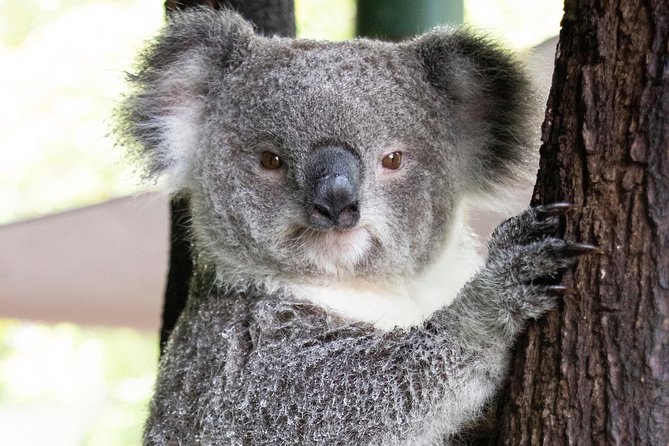
The nocturnal habitat is a different tempo. You’re not just switching location, you’re switching timing and atmosphere. The center sets up the space so you can meet nocturnal critters under a starry-sky concept, and it’s a good contrast to the daytime feeding and bird encounters.
One practical note: the lighting in this part can make labels harder to read. If you want the names and facts, bring your eyes and your patience, and plan on slowing down near the displays where you can actually see them. It’s not about staring into darkness. It’s about letting your eyes adjust and choosing where to linger.
I also like this area for families because it broadens the “wildlife” definition beyond what kids imagine. Daytime animals get all the attention. Nocturnal habitats remind you that wildlife activity is not limited to sunny hours.
Crocodiles, croc talks, and the saltwater swimming upgrade
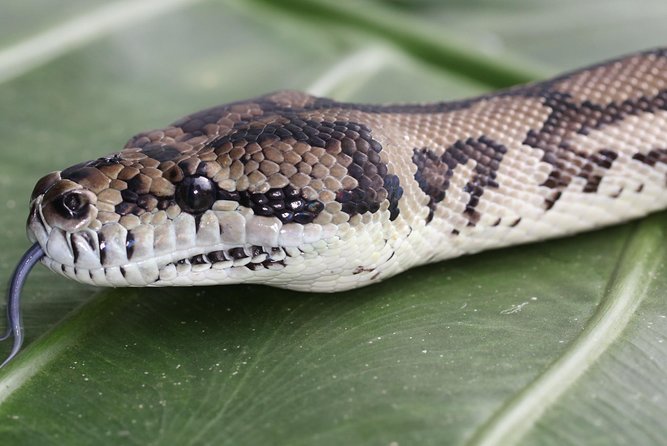
Crocodiles are a big draw here, and you have more than one way to experience them. There are crocodile-focused presentations daily, and you can meet crocs in a way that is educational rather than just sensational.
If you want the most intense upgrade, there is an option to include swimming with the crocodiles, with the experience described as a separate arrangement where you are separated by a plastic partition. That matters for safety expectations. It is not free-for-all interaction, and it is designed as an organized activity.
Even if you do not choose the swimming option, the croc portion is usually where you learn the most. Watching the animals’ behavior alongside staff guidance helps you understand how crocs live in their own aquatic territory, not just how they look in a photo.
Caution note based on on-site dynamics: people also report bird interactions around shared spaces. If you see any aggressive birds near pathways, step aside rather than threading through. The same goes for areas where the croc talk is happening. Watch where the staff indicates safe viewing spots.
Breakfast with the birds and other add-ons worth thinking about
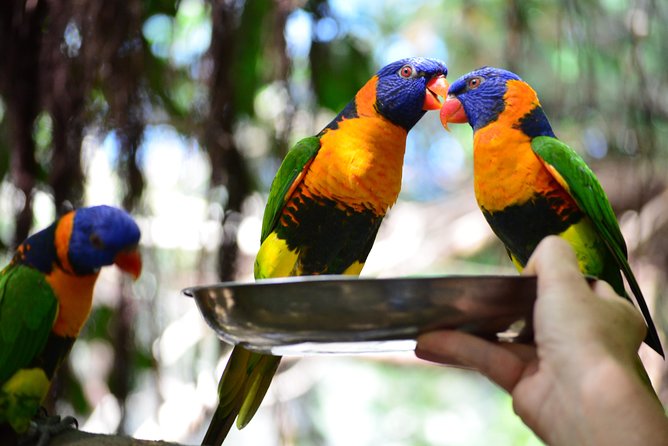
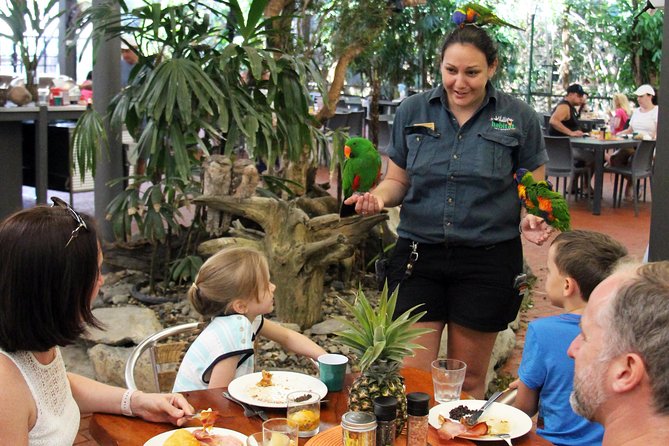
If you want to make your ticket feel like more than “walk around,” upgrades can help. The big one is breakfast with the birds, described as an included upgrade option. In practice, this is great when you want a guided start and extra time in a bird-heavy area.
There are also other photo experiences you might see on-site, including options related to koalas and crocodiles. Those are add-ons, not included by default, so treat them like keepsakes you buy only if you really want them.
My rule: choose one upgrade, not three. If you load up on add-ons, you can end up spending less time wandering and more time waiting for the next session. One upgrade plus free presentations is usually the sweet spot.
Price and value: is it worth $36.22?
At $36.22 per person, the value depends on what you’re hoping to get out of it. The ticket includes free tours and presentations, and it comes with five-day re-entry. That combination is what makes the price feel fair.
If you’re doing a short Port Douglas stay, five-day re-entry might not matter much. But if you’re staying a few nights, it’s a real perk. Weather changes, energy changes, and your interests can change once you arrive. A return visit also lets you catch a different set of talks or spend longer in your favorite habitat.
The experience duration is listed as 1 to 4 hours, and that range matches reality. If you’re mostly watching, it can be faster. If you’re feeding animals, lingering for talks, and taking your time in bird areas, you’ll drift toward the longer end.
Finally, remember what’s not included: food and drinks are not included unless specified, and hotel pickup and drop-off are not included. If you’re budget-conscious, bring water and plan meals separately unless you’re adding an upgrade like breakfast.
Timing, transport, and what to bring for a smoother visit
This park is near public transportation, and hotel pickup is not part of the deal. That’s good if you like flexibility and independent travel, but it means you’ll want to plan your route.
Two timing facts are worth tattooing on your day:
- Last entry is 3:30pm
- Wildlife talks run daily, so earlier arrival usually gives you more overlap with presentations
What to bring:
- A bit of patience with birds, and a calm posture for shoulder-feeders
- Insect repellent, since people recommend using spray to reduce being bitten by small pests
- Sunscreen and water, especially if you’re walking between sunlit areas and canopy shade
- Comfortable shoes for steps and uneven sections
- Cash or card for on-site food, and for any optional photo or upgrade you choose
If you’re visiting with kids, aim for a time when they are not already wiped out. This is one of those places where kids stay engaged because there is always something new within a short walk.
Who this is best for, and who should set expectations
This is a strong pick for families. You get a mix of animals, lots of interaction, and staff presentations that make it easier for kids to stay interested. It also works for adults who want an easy introduction to Australian wildlife without booking multiple separate tours.
It can also be a good “first wildlife stop” if you are coming from a cruise day or you have not seen much wildlife yet. The design of walking between habitats means you can check a lot of boxes quickly.
Set expectations if:
- You are extremely sensitive to animals being in enclosures, even when the habitats are designed to allow movement and natural behavior
- You have a strict “only wild” mindset. This is a facility, and it will never replace the experience of seeing wildlife in its natural range
The balanced approach is this: treat the visit like an educational wildlife day, not a substitute for safari-level wilderness.
Should you book Wildlife Habitat Port Douglas?
Yes, if you want a compact, high-value wildlife experience with lots of encounters in one place. The combination of free tours and presentations plus five-day re-entry makes it easy to fit into your trip, and the chance to get close to kangaroos, wallabies, koalas, and crocodiles is the kind of variety that’s hard to duplicate elsewhere in Port Douglas.
I’d say book it early in your stay if you can, so you have time to return if you miss a talk or want more time in a favorite habitat. If you are worried about animal comfort, go in thoughtfully, watch behavior, and enjoy the parts that feel good to you.
If you want a straightforward wildlife hit without logistical headaches, Wildlife Habitat Port Douglas is one of the simplest ways to do that.
FAQ
How long does Wildlife Habitat Port Douglas take?
The experience is listed as 1 to 4 hours, depending on how much time you spend in each habitat and whether you attend the on-site presentations.
What is included in the ticket price?
Your ticket includes free tours and presentations run at the center, plus a five-day re-entry ticket.
Is hotel pickup and drop-off included?
No. Hotel pickup and drop-off are not included.
What does five-day re-entry mean?
It means your ticket allows you to come back for another day within a five-day period.
What is the last entry time to the park?
Last entry to the park is at 3:30pm.
Is breakfast with the birds available?
Yes. You can upgrade to include breakfast with the birds.
Is there an option to swim with crocodiles?
Yes. There is an upgrade option described as swimming with the crocodiles.
Are food and drinks included with the ticket?
No, food and drinks are not included unless specified.
Based Up the Coast
Added lately from Port Douglas
- Walkabout Cultural Adventures – Ngana Kulkinga Dungay Full Day
★ 5.0 · 54 reviews - Kuranda Scenic Railway Day Trip from Port Douglas
★ 4.5 · 61 reviews - Premium Guided Dive Trip – Outer Great Barrier Reef
★ 5.0 · 63 reviews - Great Barrier Reef or Rainforest Scenic Flights from Port Douglas
★ 5.0 · 63 reviews - Port Douglas: Kuranda tour with Skyrail or Scenic Train
★ 4.5 · 64 reviews - From Port Douglas: Atherton Tablelands Adventure
★ 4.7 · 67 reviews
Port Douglas & Palm Cove, compared.
 ★ 5.0Daintree Rainforest, Mossman Gorge Small-Group from Port DouglasFrom $1902,326 reviews
 ★ 5.0Barron Gorge White Water Rafting from Cairns or Port DouglasFrom $911,596 reviews
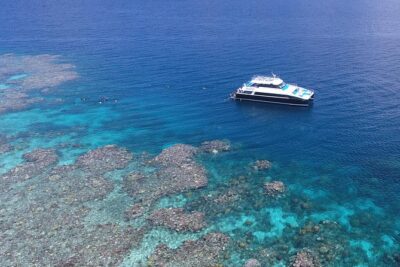 ★ 5.0Calypso Outer Great Barrier Reef Cruise from Port DouglasFrom $2271,385 reviews
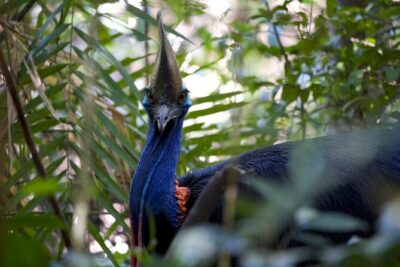 ★ 5.0Daintree, Cape Tribulation & River Cruise from Port DouglasFrom $193797 reviews
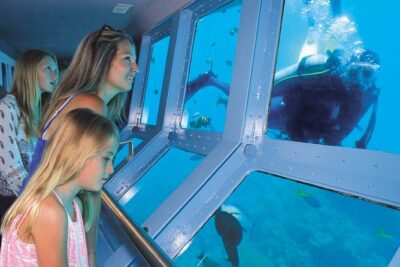 ★ 4.5Quicksilver Great Barrier Reef Snorkel Cruise from Port DouglasFrom $233782 reviews
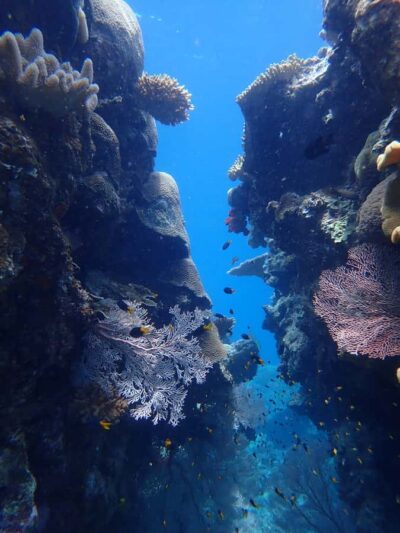 ★ 4.9Port Douglas: Outer Great Barrier Reef Snorkeling CruiseFrom $210711 reviews
 ★ 5.0Full Day Low Isles Sailing & Snorkelling Cruise from Port DouglasFrom $243565 reviews
 ★ 4.5Sunset Sailing Cruise from Port DouglasFrom $67558 reviews
Browse the lists this tour appears in