
REVIEW · ADELAIDE CITY & COAST TOURS
Adelaide: Dolphin Sanctuary Eco Kayaking Tour
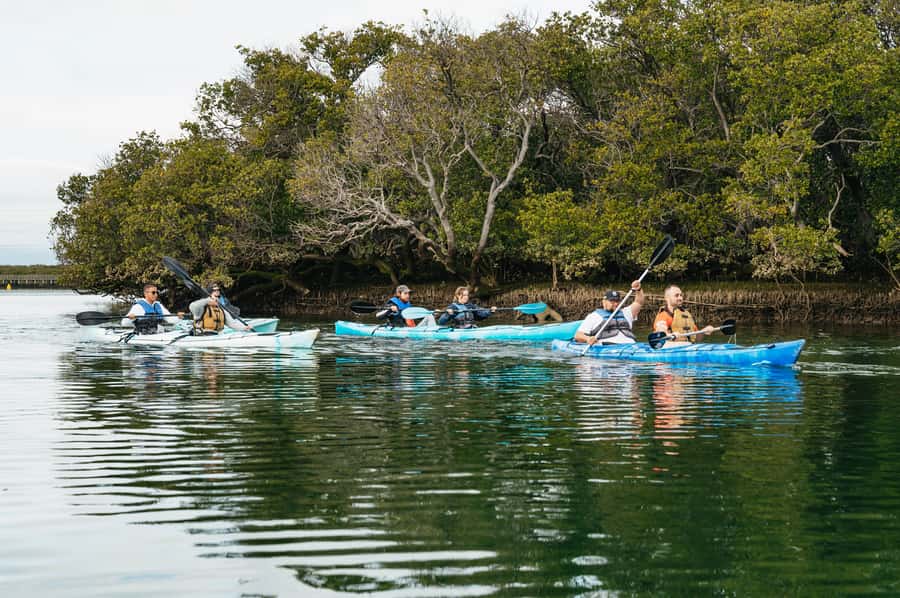
Mangroves plus dolphins equals a calm kind of adventure. I love how you paddle through 10,000-year-old mangrove creeks with a marine biologist guide who helps you understand what is happening in this nursery-like ecosystem. You also get the shipwreck story to layer on top of the wildlife, so the trip feels like more than a simple nature cruise.
One possible drawback: dolphin sightings and even the closer shipwreck paddling can vary with wild animals, tides, and weather, so it is not a guaranteed dolphin photo every time.
In This Review
- Key things that make this tour worth your time
- Launching at Angas Inlet Boat Club: the Port Adelaide start that keeps it easy
- The 15-minute safety briefing: fast basics before you glide into the mangroves
- 3 hours on the water: what the mangrove creeks actually feel like
- Dolphins in their natural habitat: great odds, but not a promise
- Shipwrecks and tidal reality: when you get close, and when you do not
- Birds, plants, and a living food web you can actually see
- Effort level: comfortable for beginners, but it is still paddling
- What’s included in the $55 price, and how to get the best value
- What to bring: small items that make your day smoother
- Weather, wind, and tides: how to choose the day you book
- Who should book this eco kayak tour, and who should skip it
- Should you book the Adelaide Dolphin Sanctuary Eco Kayaking Tour?
- FAQ
- Do I need prior kayaking experience?
- How long is the Adelaide Dolphin Sanctuary eco kayaking tour?
- What’s included in the ticket price?
- Are dolphin sightings guaranteed?
- What should I bring?
- Is it suitable for young children?
- Can the tour be cancelled due to weather?
Key things that make this tour worth your time
- Marine biologist guidance that turns what you see into real meaning, from mangroves to marine life
- Beginner-friendly pacing, with basics taught so you can focus on staying comfortable and aware
- Mangroves built for dolphins, since seagrass, saltmarsh, tidal flats, and creeks make rich feeding grounds
- Shipwrecks with a caveat, because conditions can limit how close you can paddle
- Wildlife etiquette matters, and the safest sightings tend to come from quiet, respectful paddling
Launching at Angas Inlet Boat Club: the Port Adelaide start that keeps it easy
The tour starts at Angas Inlet Boat Club (Lot 204 Garden Island Road) in Port Adelaide. There is no hotel pickup listed, so plan on getting yourself there with your own car or a local taxi. This is one of those activities where getting there matters, because once you are on the water, the pace is set by the guide and the sea conditions.
What I like about the setup is that it keeps the focus on the actual experience. You are not spending the afternoon trapped in a bus, and you are not arriving late after a long transfer. The meeting point also feels purpose-built for water time, so the transition from land to kayak is pretty straightforward.
If you are traveling from elsewhere in Adelaide, give yourself buffer time. A lot of people come in to see dolphins, then stay in the area a bit afterward, so it is smart to build in some slack rather than rushing at the last moment.
City days, jetty towns and what fills the gaps
- Adelaide: Barossa Premium Wine Tasting tour & Winery Lunch★ 4.8 · 1,452 reviews
- Adelaide: River Torrens Popeye Sightseeing Cruise★ 4.6 · 949 reviews
- From Adelaide: Barossa to Hahndorf Wine Tasting and Lunch★ 4.6 · 877 reviews
- Adelaide Oval Stadium Guided Tour★ 4.8 · 760 reviews
The 15-minute safety briefing: fast basics before you glide into the mangroves
Before you paddle, you get a safety briefing (about 15 minutes). This matters because mangrove creeks are narrow and the kayak is part of your balance, not just a seat. You do not need prior kayaking experience, and the tour is set up to work at a comfortable pace.
Expect instruction on the basics: how to hold the paddle, how to keep your kayak pointed, and how to move as a group. People mention being supported if technique is not great yet, and that is exactly what you want on a water trip where the goal is enjoying wildlife, not wrestling a boat.
You also get the essentials for comfort and safety: kayak and life jacket. Add to that a waterproof bag so you can bring a phone or camera without babying your gear every time you move.
If you get easily nervous about water, this is the kind of tour where the early briefing helps. You will still feel the work in your arms once you start, but you should not feel lost.
3 hours on the water: what the mangrove creeks actually feel like
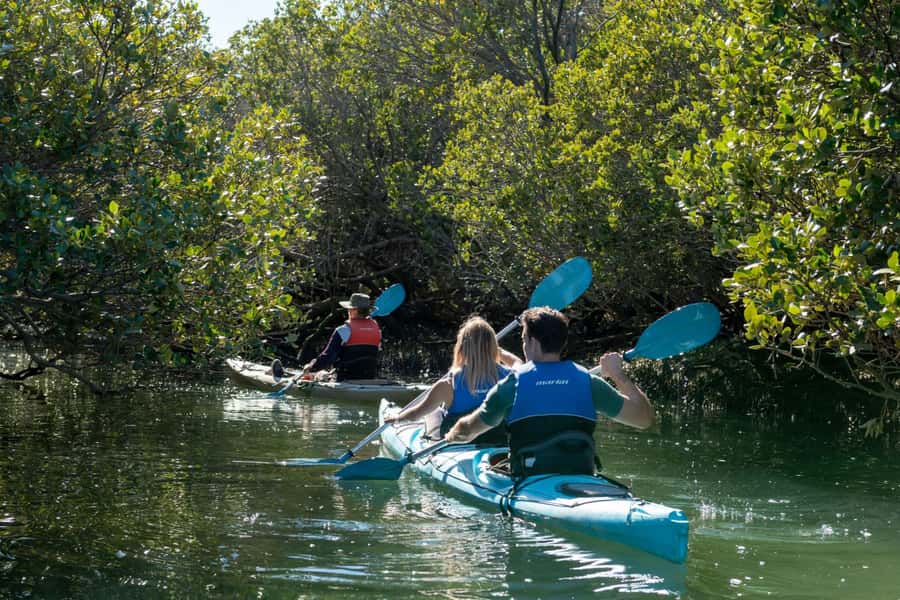
Your main action is a guided paddle through Adelaide’s dolphin sanctuary zone. You start by moving through mangrove-lined creeks that are described as 10,000-year-old, and that detail is more than trivia. Older mangroves mean stable feeding habitat. In practical terms, that is why this area attracts marine life and keeps the ecosystem active.
The experience is often described as serene, but not silent. You are close to birds, you hear movement in the water, and you watch how channels open and narrow as you follow the guide. Mangroves create a natural “tunnel” effect, and paddling under low branches can feel like you are in a sheltered world instead of a typical coastline.
You should also expect that the pace is managed so everyone can stay together. People note that even first-time paddlers can keep up, and that the guides adjust for technique when needed. That is a big deal because group kayaking can turn into a stress fest if you are the slow one.
Dolphins in their natural habitat: great odds, but not a promise
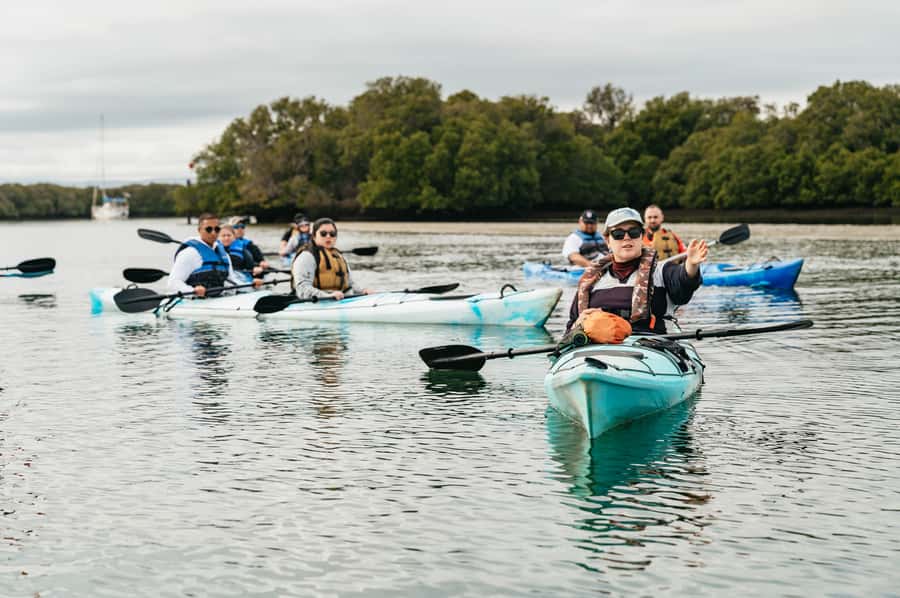
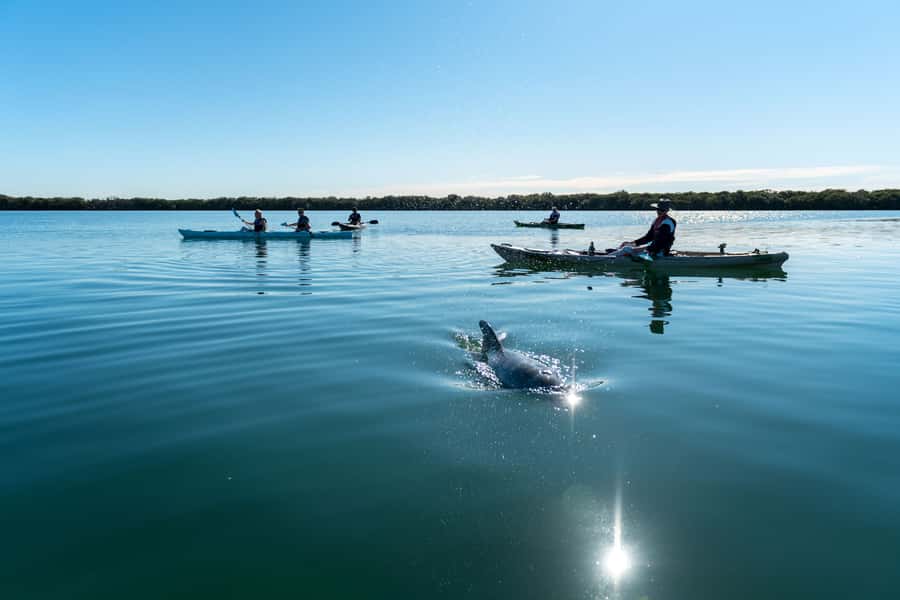
The headline here is dolphin viewing in the sanctuary. You may see dolphins at close range, including family groups like a mother and calf in the wild. But the important word is wild. This tour explicitly says dolphin sightings cannot always be guaranteed because of wild animals, weather, and tides.
I think this matters because it changes how you should approach the trip. If you go thinking every kayak will have dolphins within minutes, you will be disappointed when conditions are quieter. If you go knowing the mangroves and birds are the base layer, dolphin sightings become a bonus, not a make-or-break moment.
The tour also notes you might not always paddle within the shipwreck area, which ties into the same reality. Conditions decide how close you can safely go, especially when there are animals moving through a space that you share with them.
One more point I appreciate from the chatter around this activity: people have been happy that the team does not use bait or sounds to lure dolphins. Even when sightings are not guaranteed, respectful wildlife handling is a big part of whether the experience feels ethical and calm.



Shipwrecks and tidal reality: when you get close, and when you do not
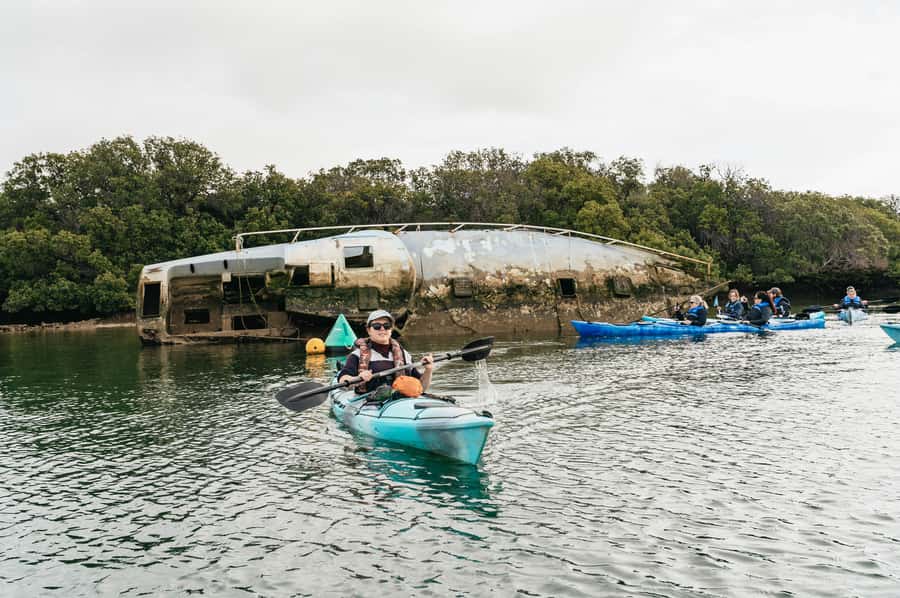
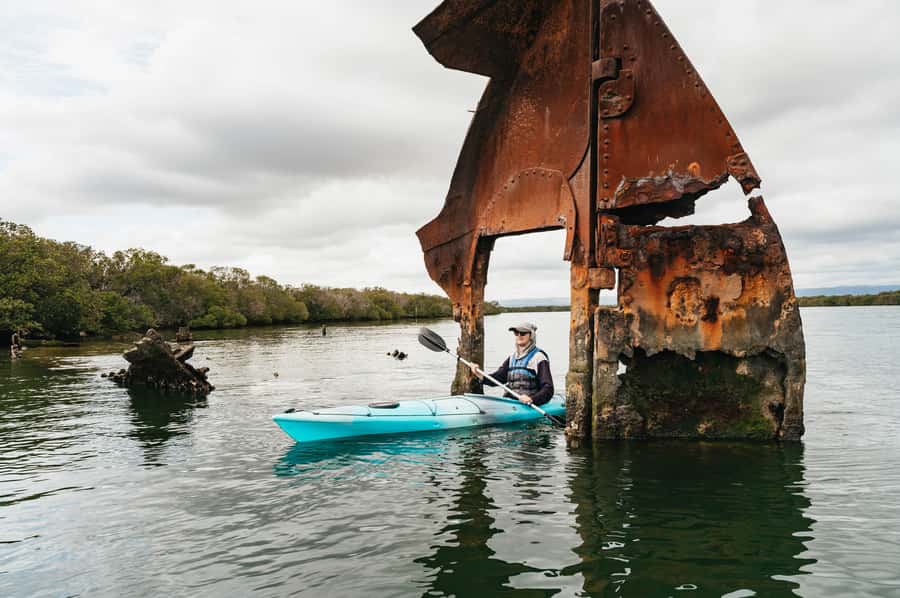
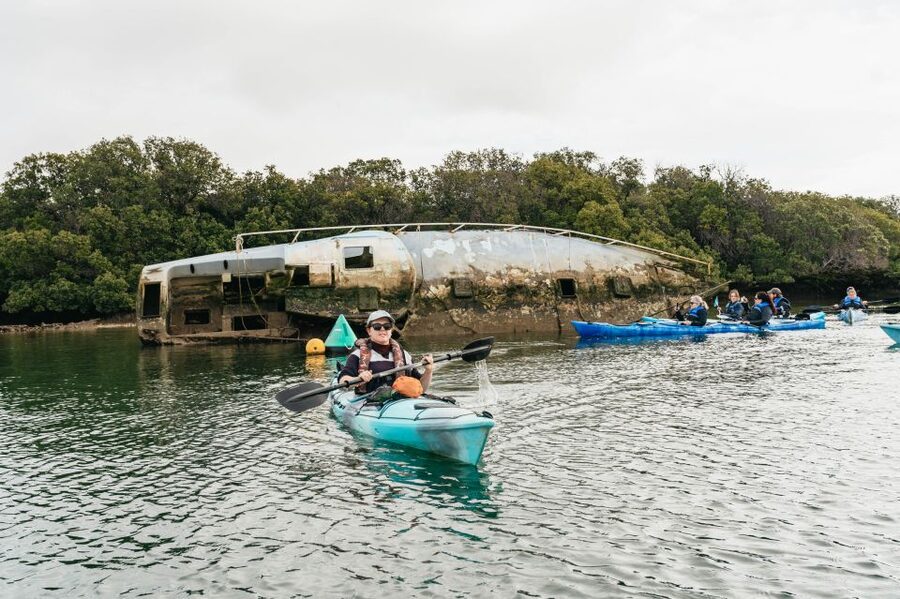
Along the route, you have the opportunity to paddle close to shipwrecks abandoned from a bygone era. This is one of the more “story” parts of the tour, because the mangroves are not just scenery. They wrap around a piece of maritime history, and the guide can connect the wildlife to the human changes over time.
But here’s the practical consideration: you are kayaking, and the area is affected by tides and weather. The tour notes you cannot always guarantee paddling within the shipwreck area. Some days you may see fewer wreck features, even if dolphins are present. Other days you may get the wreck segment but with different conditions than you expected.
You might also encounter shallow edges depending on the water level. In low tide situations, you could be asked to step out briefly and walk a short stretch to get to deeper water. That is not a problem if you are comfortable on uneven surfaces, but it is a real factor for anyone worried about effort or footing.
Birds, plants, and a living food web you can actually see
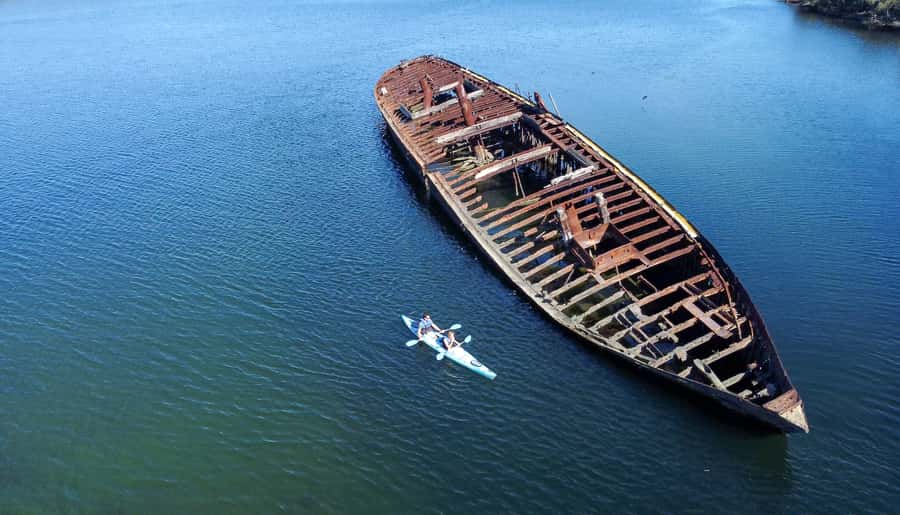
One reason I like this kind of eco kayak experience is that you stop treating wildlife as a separate topic. You can see how the system works. The tour goes through mangrove habitat where seagrass, saltmarsh, tidal flats, and creeks support marine life.
Your guide is a marine biologist, and that is the difference between random spotting and understanding why something is there. You are not just looking for movement. You learn what the plants do, why the ecosystem feeds dolphins, and which birds fit the habitat.
You should also keep your eyes on details near the waterline. The ecology here is in layers: the roots, the water surface, and the pockets where fish and invertebrates hang out. When you understand that, dolphins feel less like a separate event and more like a natural outcome of the habitat.
This is also a trip where the “not perfect weather” versions still have value. Even if dolphins are farther away, you can still enjoy the mangroves, the birdlife, and the guide’s explanations of how the sanctuary works.
Effort level: comfortable for beginners, but it is still paddling
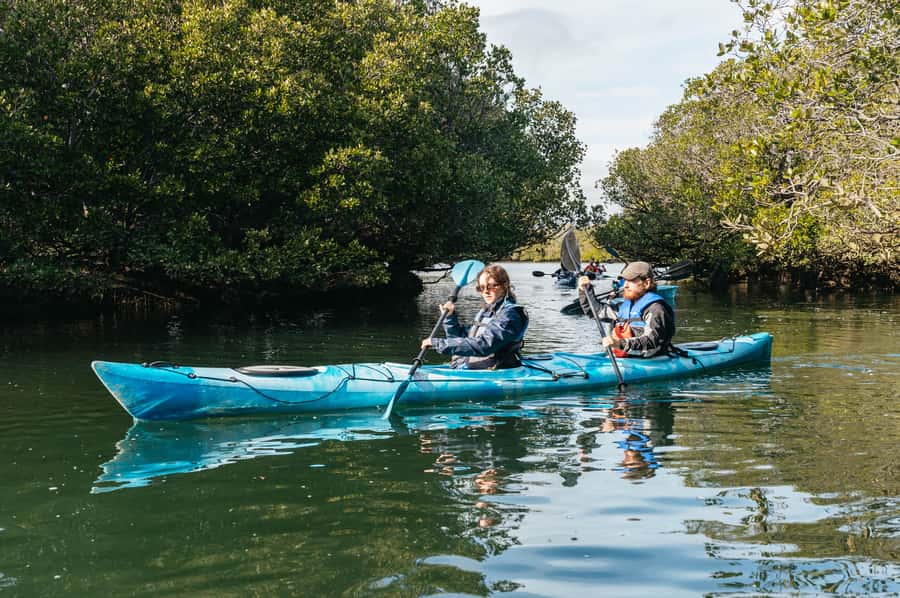
The tour is set up so you do not need prior kayaking experience, and the pace is described as comfortable. People specifically mention feeling safe with minimal chance of falling, and guides helping beginners who struggle with technique. That said, you will still paddle for three hours, and paddling is work in a simple way. Your shoulders and back will feel it afterward, even if you are not doing a workout.
A practical tip: wear sun protection and expect a hot day. The mangroves can protect you from direct glare, but you are still on the water, exposed in between the roots and channels.
Also plan for breathing room in your expectations. This is not a sprint. The best moments often come when the guide slows down to let you watch, when dolphins are moving through, or when the group needs to regroup for a safe, clear paddling line.
If you are someone who likes steady activity over rushed sightseeing, you will probably love the rhythm here.
What’s included in the $55 price, and how to get the best value
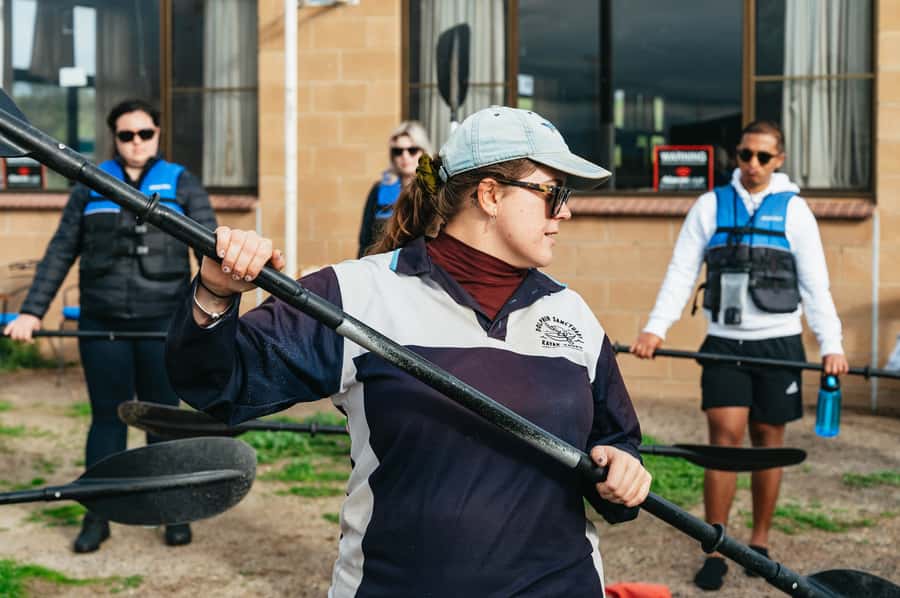
At $55 per person for about three hours, the value comes from what you get alongside the kayaking. Included items are guided tour with a marine biologist, kayak and life jacket, water to refill your drink bottle, and a waterproof bag.
That combination matters because it removes the guesswork. You do not have to buy gear, and you do not have to find a guide who can explain what you are seeing. The waterproof bag is also a practical inclusion, especially if you plan to take photos without worrying about sand, spray, or the occasional splash.
What is not included is food and drinks beyond refill water. So if you get light-headed easily, bring a simple snack and plan to eat before you feel hungry. Pack water you can top up, plus your own food.
Also, double-check that you are bringing the right sun protection and wildlife-safe supplies. The tour specifically suggests biodegradable sunscreen, plus a sun hat and waterproof camera. This is not just about comfort. Using sunscreen you can live with matters in a mangrove ecosystem where you want to minimize unnecessary impact.
What to bring: small items that make your day smoother
Use the given packing list as your baseline:
- Sun hat
- Food and drinks (bring your own; only refill water is provided)
- Waterproof camera
- Biodegradable sunscreen
- Biodegradable sunscreen pairs well with mosquito protection too, and people advise taking mosquito repellent before you go
I also recommend you bring a little buffer in your routine. If you want photos, keep your camera secure inside the waterproof bag when you are not actively shooting. When you paddle under low mangrove branches, it helps to stay organized rather than fumbling with gear.
If you are doing this in warmer months, wear breathable clothes and consider something quick-drying. Even with a waterproof setup, you are near water, and the point is to enjoy the trip, not constantly dry off and worry.
Weather, wind, and tides: how to choose the day you book
This is one of those tours that is very weather dependent. The tour can be canceled due to unsuitable weather conditions, and even when it runs, wind and tides can change what you can do.
Here is my practical advice: if you have flexibility, choose a calmer day. People mention windy days affecting what they could do, including less access to the shipwreck portion. If it is windy, your kayak work might feel harder, and the route may be adjusted.
Tides also matter because shallow areas can change quickly. The tour is designed around the idea that you will get a safe, managed route, but water levels can still lead to moments where you might need to step out and walk briefly.
If you get nervous about changes, that is exactly why a free cancellation window is useful. But the bigger lesson is simple: accept that nature sets the schedule here. When you do, the trip feels more like an experience with the ecosystem than a checklist you try to force.
Who should book this eco kayak tour, and who should skip it
This tour fits best if you want nature plus a hands-on activity. You get a calm, guided paddle, plus real education from a marine biologist. You are also close to birds and marine life in a habitat dolphins actually use.
It is also a good match for families with older kids. Children must be 10 years or older, and those ages 10 to 15 must kayak in a double kayak with an adult, and must be able to paddle.
For anyone with mobility impairments or wheelchair users, this is not suitable based on the provided information. If you are able-bodied but not confident on your feet, be aware that low tide conditions could mean short walking moments to manage shallow water.
If you are traveling solo, this is still a strong option because the guided structure keeps you from feeling overwhelmed. If you are traveling with a partner, you can enjoy the shared focus, then decompress at Port Adelaide after.
Should you book the Adelaide Dolphin Sanctuary Eco Kayaking Tour?
I think you should book if you want something different from a standard city outing and you like wildlife experiences that feel respectful. The combination of mangrove habitat, dolphin viewing in the wild, and a marine biologist guide is a lot to pack into three hours, and the $55 price reflects that.
I would not book it only for one thing, like guaranteeing dolphins or guaranteeing shipwreck closeness. Since conditions drive what you can access, go in ready to enjoy the habitat even when dolphins are distant or the wreck segment is limited.
If you are comfortable doing a fair amount of paddling and you bring the right sun and bug protection, you will likely come away feeling like you spent your time in one of South Australia’s most practical wildlife classrooms.
FAQ
Do I need prior kayaking experience?
No. The tour is described as beginner-friendly with instruction and a comfortable pace. You still should be ready for real paddling effort during the 3 hours.
How long is the Adelaide Dolphin Sanctuary eco kayaking tour?
It is 3 hours on the water, with a short safety briefing before you start.
What’s included in the ticket price?
Your price includes a guided tour with a marine biologist, a kayak and life jacket, water to refill your bottle, and a waterproof bag.
Are dolphin sightings guaranteed?
No. Because dolphins are wild and the area is affected by weather and tides, the tour cannot always guarantee dolphin sightings or paddling within the shipwreck area.
What should I bring?
Bring a sun hat, your own food and drinks, a waterproof camera, and biodegradable sunscreen. Mosquito repellent is also a smart idea based on practical on-the-ground advice.
Is it suitable for young children?
Children must be 10 years or older. Ages 10 to 15 must be in a double kayak with an adult and must be able to paddle. Children under 10 are not suitable.
Can the tour be cancelled due to weather?
Yes. The tour may be canceled due to unsuitable weather conditions. Free cancellation is available up to 24 hours in advance for a full refund.
Adelaide, City and Coast


Added lately from Adelaide
- Adelaide: Central Market Morning Tour
★ 4.8 · 53 reviews - Adelaide: Dolphin Sanctuary Mangroves Kayak Tour
★ 4.2 · 54 reviews - Wild Dolphin Swim Cruise
★ 5.0 · 55 reviews - Hahndorf food and wine E-Bike Tour
★ 5.0 · 55 reviews - Adelaide: Sunset Rooftop Tour at Adelaide Oval
★ 4.7 · 55 reviews - Learn to Surf at Middleton Beach
★ 5.0 · 57 reviews
Adelaide City & Coast Tours, compared.
 ★ 4.8Adelaide: Barossa Premium Wine Tasting tour & Winery LunchFrom $1261,452 reviews
 ★ 5.0Adelaide River Cruises – Jumping Crocodile ExperienceFrom $43997 reviews
 ★ 4.6Adelaide: River Torrens Popeye Sightseeing CruiseFrom $19949 reviews
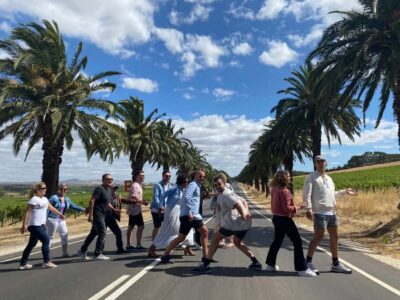 ★ 4.6From Adelaide: Barossa to Hahndorf Wine Tasting and LunchFrom $114877 reviews
 ★ 4.8Adelaide Oval Stadium Guided TourFrom $20760 reviews
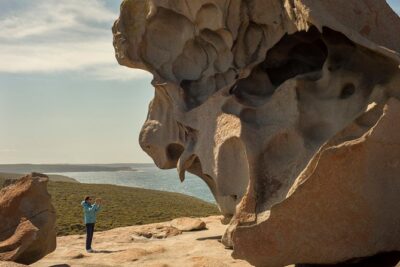 ★ 4.5Kangaroo Island in a Day Tour from AdelaideFrom $271722 reviews
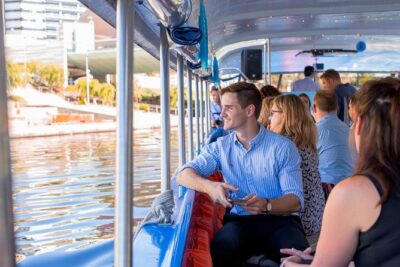 ★ 4.5Torrens River Cruise in AdelaideFrom $19624 reviews
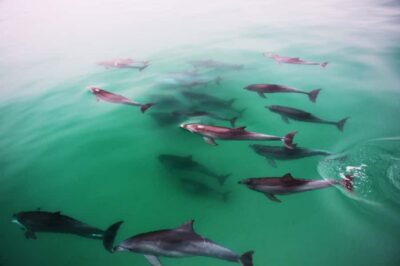 ★ 4.7Adelaide: 4-Hour Swimming with Dolphins ExperienceFrom $105439 reviews
Browse the lists this tour appears in