
REVIEW · HISTORICAL TOURS
Albany’s Historic Whaling Station Admission Ticket
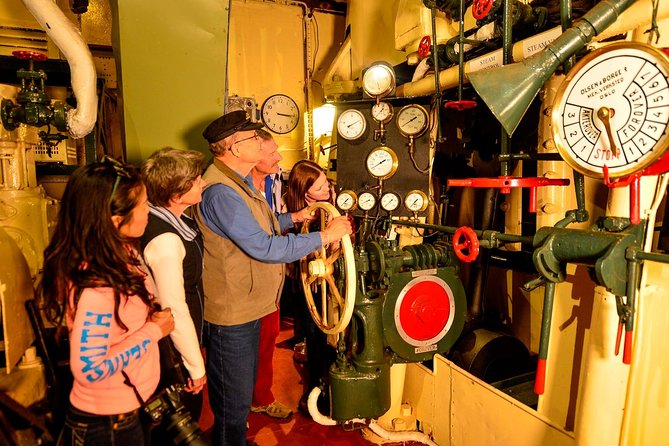
Whaling history meets real artifacts. At Albany’s Historic Whaling Station, you get self-guided time plus the Cheynes IV whale chaser ship, with short films inside converted whale-oil tanks.
I especially like the way the site uses real industrial spaces, not just glass cases. You can move from the film moments in the tanks to the ship and back through the exhibits at a comfortable pace, which is great if you want to linger.
One thing to consider: this is whaling-focused history, and it can feel intense. Also plan for moderate walking and climbing aboard the ship, and dress for all-weather conditions.
In This Review
- Key things to know before you go
- Entering Albany’s whaling station, not a generic museum stop
- Converted whale-oil tanks and short films, where the setting does the talking
- The Cheynes IV whale chaser ship, the visit’s biggest visual payoff
- Blue whale skeleton, marine animal art, and scrimshaw that feels personal
- Whaling artifacts and memorabilia, plus a café view that helps you reset
- Using your 2 to 3 hours well, without feeling rushed
- BBQ in the flower garden, turning a museum ticket into a small day out
- Price and value: what $26.49 gets you in real terms
- Weather and comfort, since the station runs in all conditions
- Who should book this ticket, and who might want to think twice
- Should you book Albany’s Historic Whaling Station?
- FAQ
- How long does the Albany Historic Whaling Station experience take?
- Is the museum self-guided?
- What does the $26.49 ticket include?
- Are food and drinks included with the ticket?
- What are the opening hours?
- What is the cancellation policy?
Key things to know before you go
- Cheynes IV is the only preserved whale chaser ship in the world
- Converted whale-oil tanks show short films in a setting that fits the story
- Blue whale skeleton plus marine animal art and precious scrimshaw pieces
- Self-guided museum time lets you set your own pace for 2 to 3 hours
- Free BBQ facilities are available in the flower garden, so you can make it a longer stop
- Operates in all weather, so plan clothes that handle wind, rain, or glare
Entering Albany’s whaling station, not a generic museum stop
Albany’s Historic Whaling Station is the kind of place you go to understand an industry that shaped this coastline. The buildings and displays focus on the whaling trade, from processing and artifacts to life on the water, so the experience feels grounded in the real setting.
What helps most is that your ticket is built for independence. You are not locked into a tight scripted tour, so you can spend more time on the parts that interest you, whether that’s ships and tools, marine art, or the big skeleton display.
The location also gives you a bonus travel rhythm. The drive from Albany CBD is about 20 minutes and is described as scenic, which turns the visit into more than just a quick museum check-in.
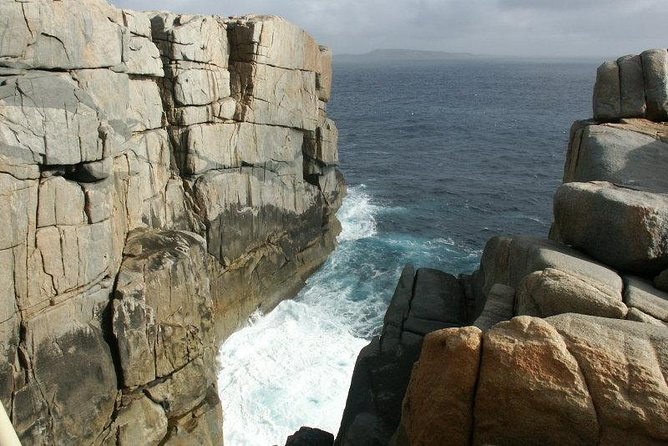
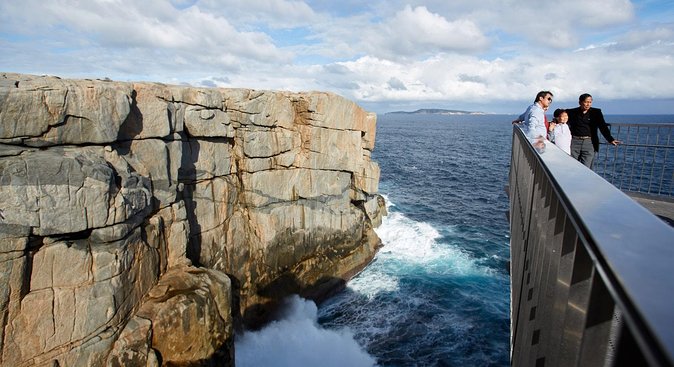
Southern Ocean cliffs and the whaling history
- National Anzac Centre General Entry Ticket★ 4.5 · 210 reviews
- Albany Wildlife and Scenic Cruise★ 5.0 · 74 reviews
Converted whale-oil tanks and short films, where the setting does the talking
A standout part of your visit is time inside the converted whale-oil tanks. The station uses these old structures as film spaces, so the story connects to the original purpose of the site.
This format matters because you get context without needing to read every label. You can watch the short films, then return to the displays around you and make the connections in your own order.
If you like museums where you can choose your route, this setup is ideal. You can do the tank films first for orientation, or save them for later if you want to see objects first and then fill in the why.
Practical tip: bring a little patience for pacing. Moving between tank rooms, exhibit areas, and the ship takes time, even when everything is self-guided.
The Cheynes IV whale chaser ship, the visit’s biggest visual payoff
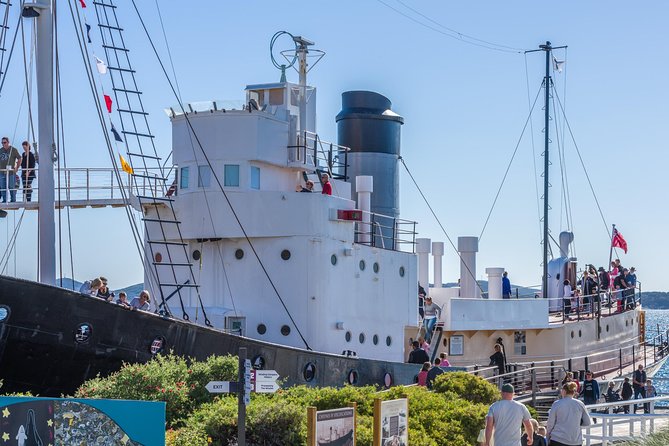
One of the main reasons people choose this ticket is the ship. You can climb aboard the Cheynes IV, and it is specifically noted as the only preserved whale chaser ship in the world. That makes the experience feel more rare than a typical heritage boat.
This is also where your physical comfort matters. The visit is listed as requiring moderate fitness, and ship access usually means stairs or uneven footing and at least some climbing. It is not a problem if you are used to walking, but it is worth taking seriously if you have mobility limits.
The payoff is scale and atmosphere. Being on an old working vessel is different from seeing a photo, because you notice space, layout, and how a crew might have moved around.
Blue whale skeleton, marine animal art, and scrimshaw that feels personal
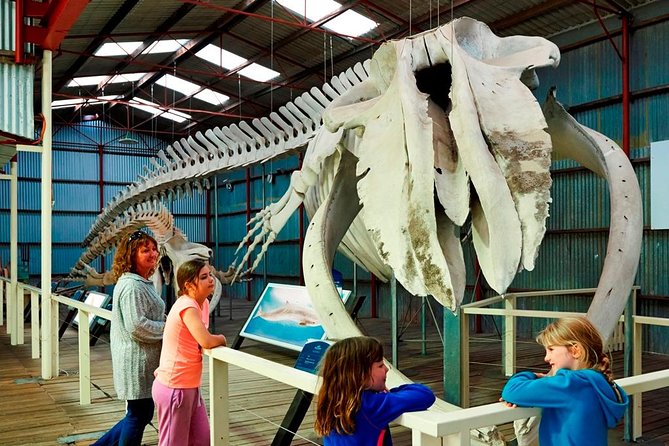
Albany’s station goes beyond whaling tools. You will see a giant blue whale skeleton, and it creates a strong visual contrast to the industrial story. It’s one of those displays that forces you to slow down, because the size reads instantly, even if you are skimming at first.
Then the station shifts to art connected to marine life. You can admire a world-renowned marine animal art collection and also view precious scrimshaw. Scrimshaw pieces tend to stop people, because the details feel crafted by hand, not mass-produced.
This is one reason the visit works even if you are not a whaling history buff. The station balances hard history with marine-focused artistry, so the emotional tone changes as you move through the rooms and galleries.
Practical tip: give yourself a few minutes to look at the artwork more than once. First pass is about finding the pieces. Second pass is when details start to pop.

Whaling artifacts and memorabilia, plus a café view that helps you reset
Beyond the tanks, ship, and whale skeleton, you’ll find exhibits of whaling artifacts and memorabilia. These displays are arranged for self-guided exploration, so you can choose how much to read versus how much to look.
If you have spare time before you settle into the main flow, there is also a café on site with views over one of Albany’s picturesque bays. That matters because intense topics can tire your brain. A break with a view can help you come back to the exhibits with fresh focus.
Some visitors also point out that the site includes an Australian wildlife enclosure (often described as a Willie Park area). If this is your thing, it’s a nice change of pace after you’ve spent time on ships and industrial history.
Using your 2 to 3 hours well, without feeling rushed
The visit is designed to take about 2 to 3 hours. That range is helpful because it lets you right-size the time to your interests. If you like ships, you’ll probably drift longer around the Cheynes IV. If art and labels are your thing, you might spend extra time with scrimshaw and the marine art collection.
Since it’s self-guided, you’re in charge of how the day unfolds. Here is a simple rhythm you can use:
- Start with the tank films for orientation, then head to the main displays
- Walk to the blue whale skeleton when you want a visual anchor
- Plan the ship climb when your energy feels good
- Finish with the art rooms and any exhibits you want to re-check
Practical tip: wear shoes you trust. You will be on-site for a couple hours and you may move between surfaces that are not totally flat.
BBQ in the flower garden, turning a museum ticket into a small day out
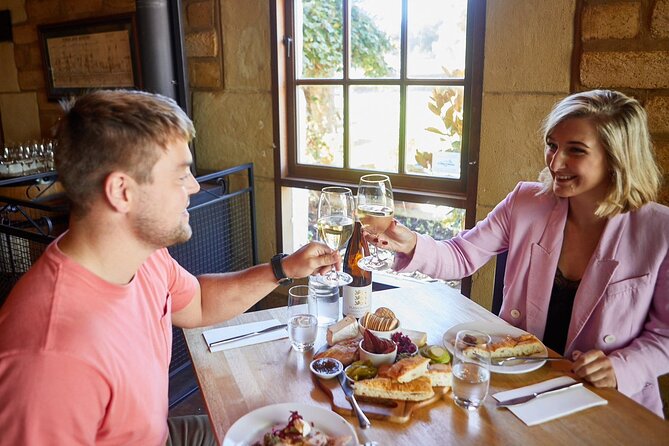
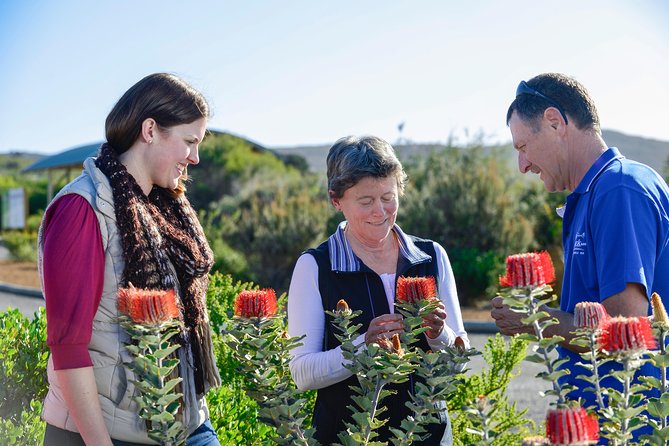
A big value add is that free BBQ facilities are available in the flower garden. The ticket includes this, while food and drinks are not.
So you can think of it like a half-day plan. If you want to make it more than a quick museum stop, you can time your visit so you still have energy to use the BBQ area.
You will want to plan what you bring. The information here is clear that lunch is not included, and food and drinks are not included. That means the BBQ is an option, not a catered meal.
If you are traveling with family or friends, this feature can be the difference between paying for a ticket and getting a memorable, social experience.
Price and value: what $26.49 gets you in real terms

At $26.49 per person, the ticket sits in a reasonable range for a site that includes multiple types of experiences. You’re paying for admission that covers all activities, with GST included.
Here’s how I judge value in places like this:
- Are you getting more than one “wow” moment?
- Is it self-guided enough to match different interests?
- Do you get on-the-ground access, like a preserved ship?
- Does the ticket include a meaningful extra facility?
This ticket checks those boxes. You can access the ship, the tank film spaces, the skeleton display, the art collections, and the general exhibits. And you also get free BBQ facilities, which can add value if you are planning to eat on site.
The only clear cost you’ll still face is food and drinks, including lunch if you don’t plan ahead. If you come prepared with snacks and water, you can keep the total day cost under control.
Weather and comfort, since the station runs in all conditions
The station operates in all weather conditions, so you should dress for rain, wind, or strong sun. That’s not just a line in the fine print. For a site that includes a ship climb and walking between exhibits, discomfort can slow you down.
A smart approach is simple: pack layers you can adjust. Wear shoes that handle wet surfaces, and bring a light rain layer if the forecast looks unsettled.
Also remember the moderate physical fitness note. You do not need to be an athlete, but you should expect some walking and standing, plus the ship area.
Who should book this ticket, and who might want to think twice
This is a good fit if you:
- Want a practical, self-guided visit in about 2 to 3 hours
- Like hands-on heritage, especially preserved vehicles or working sites
- Enjoy marine themes, from whale-size displays to scrimshaw and marine art
- Would use the free BBQ facilities to stretch the visit into a small day plan
It may be less ideal if you:
- Prefer light, cheerful museum topics only
- Struggle with moderate walking or climbing aboard boats
- Want food included in the price, since food and drinks are not part of the ticket
One more reality check: because it covers whaling history, it can feel heavy. If that sort of topic affects you, plan your pace and take breaks in the café area when you need them.
Should you book Albany’s Historic Whaling Station?
I’d book it if you want an authentic Albany stop that mixes industrial history with marine-scale displays and art. The Cheynes IV ship and the converted whale-oil tanks give you atmosphere, not just information, and the blue whale skeleton plus scrimshaw collection adds variety so the visit doesn’t feel one-note.
If you’re short on time in Albany, the 2 to 3 hour window is manageable. And if you’re traveling with others, the self-guided format plus the free BBQ option can turn it into a more flexible outing.
Go in with the right expectation: it’s not a casual stroll through a kids museum. It’s a real whaling processing site and ship story, presented at a pace you control.
FAQ
How long does the Albany Historic Whaling Station experience take?
It is listed as taking about 2 to 3 hours.
Is the museum self-guided?
Yes. You can explore the museum at your own pace.
What does the $26.49 ticket include?
The ticket includes GST, all activities, and free BBQ facilities.
Are food and drinks included with the ticket?
No. Food and drinks, including lunch, are not included.
What are the opening hours?
The station is open daily, Monday to Sunday, from 9:00 AM to 5:00 PM.
What is the cancellation policy?
Free cancellation is available up to 24 hours in advance for a full refund. If you cancel less than 24 hours before the start time, the amount you paid is not refunded.
Facing the Southern Ocean

Added lately from Albany
- Albany Wildlife and Scenic Cruise
★ 5.0 · 74 reviews - National Anzac Centre General Entry Ticket
★ 4.5 · 210 reviews - Kalgan Queen Scenic Cruises a four hour sheltered water wildlife tour daily fun.
★ 5.0 · 474 reviews
Historical Tours, compared.
 ★ 5.0Ultimate Melbourne Walking Tour: History, Laneways & CultureFrom $921,451 reviews
 ★ 4.6Puffing Billy Railway: Heritage Steam Train JourneyFrom $291,195 reviews
 ★ 5.0Morning World Heritage Cruise on the Gordon River from StrahanFrom $1111,193 reviews
 ★ 4.8Strahan: World Heritage Cruise on Gordon River with LunchFrom $1091,143 reviews
 ★ 4.7Sydney: The Rocks 90-Minute History Walking TourFrom $321,092 reviews
 ★ 5.0Experience History onboard The Mary Valley RattlerFrom $49963 reviews
 ★ 4.5Snorkel & Dive the Reef: Sustainable, Scientific & Cultural TourFrom $232841 reviews
 ★ 4.5Derwent River Historic Harbour Cruise From HobartFrom $25570 reviews
Browse the lists this tour appears in