
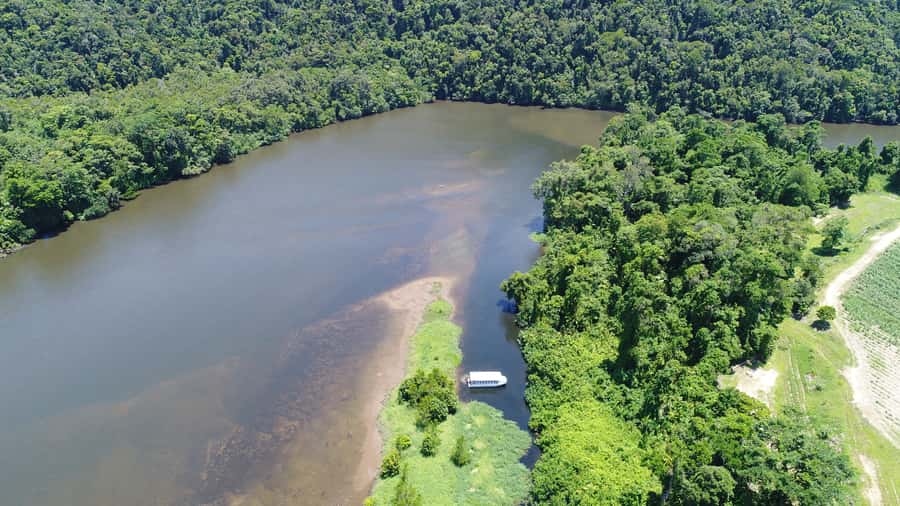
REVIEW · CAIRNS TOURS & DAY TRIPS
Cairns: Daintree Rainforest Wildlife Experience Cruise
Crocodiles, close but controlled. This Daintree River wildlife cruise is a one-hour ride through a system older than 180 million years, and it’s built around spotting the key residents like estuarine crocodiles. I really like how the guides work for safe, close viewing, and I also like that you get the big picture of the UNESCO-listed Daintree Rainforest and the mangroves that feed it. One consideration: it’s wildlife viewing, so sightings depend on conditions, and very hot or rainy weather can change what you end up seeing.
If you want to go beyond the scenic part and actually understand what you’re looking at, this tour is set up for questions and fast spotting. You’ll cruise the Daintree River, learn what makes the mangrove estuary special, and use time efficiently instead of spending hours driving around to try your luck.
In This Review
- Key highlights at a glance
- A 1-hour Daintree River wildlife cruise with real crocodile focus
- Why the Daintree’s 180 million years changes how you see the rainforest
- Mangroves and the estuary: where the wildlife is supposed to be
- Estuarine crocodiles: how the cruise maximizes sightings safely
- What you’ll actually do on the cruise, from start to finish
- How guides change the experience, from Charly to Adam to Chris
- Timing and weather: when you might see more crocs
- Price and value for $24: what you’re really paying for
- Who should book this, and who should reconsider
- Should you book the Cairns Daintree River cruise?
- FAQ
- How long is the Cairns Daintree Rainforest Wildlife Experience Cruise?
- What’s included in the ticket price?
- Where do I meet for the cruise?
- Do I need transfers from Cairns?
- What animals can I expect to see?
- Is it wheelchair accessible?
Key highlights at a glance
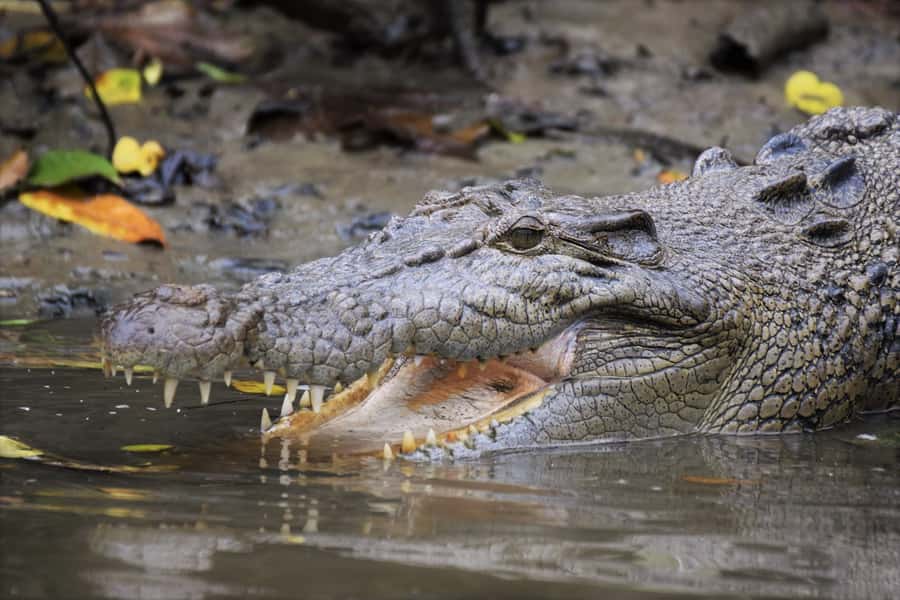
- Estuarine crocodiles: the largest living reptiles in the region, with chances to see adults and smaller crocs
- Daintree UNESCO rainforest: over 180 million years old, with a living ecosystem you can observe from the water
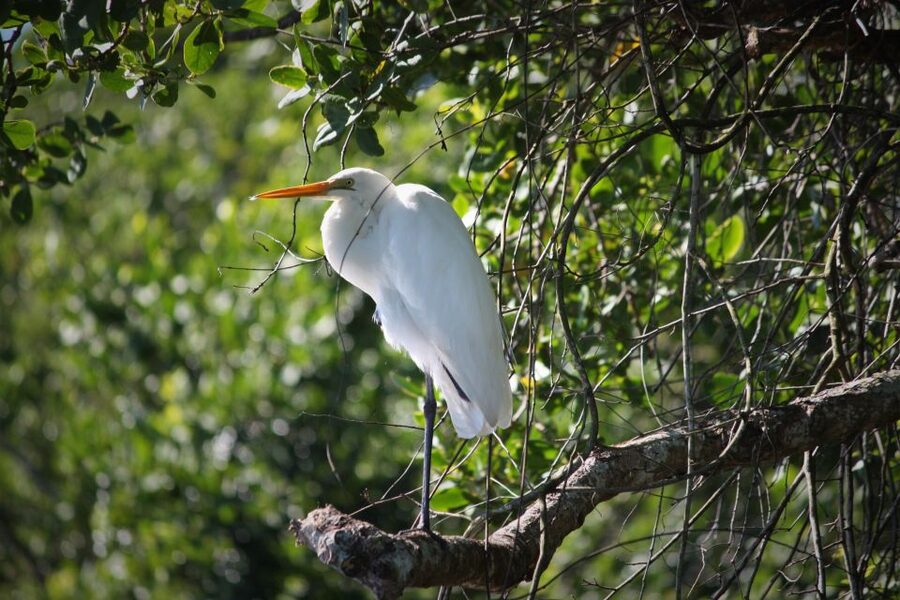
- Mangrove ecosystem viewing: mangrove roots, birds, fish, snakes, and other creatures tied together by this habitat
- Guides who spot fast: many departures are built around finding animals without pushing them or disturbing them
- Tea included: morning or afternoon tea helps make the hour feel complete
- Short and easy: one hour on the river is a good fit when you want wildlife without a full day
A 1-hour Daintree River wildlife cruise with real crocodile focus
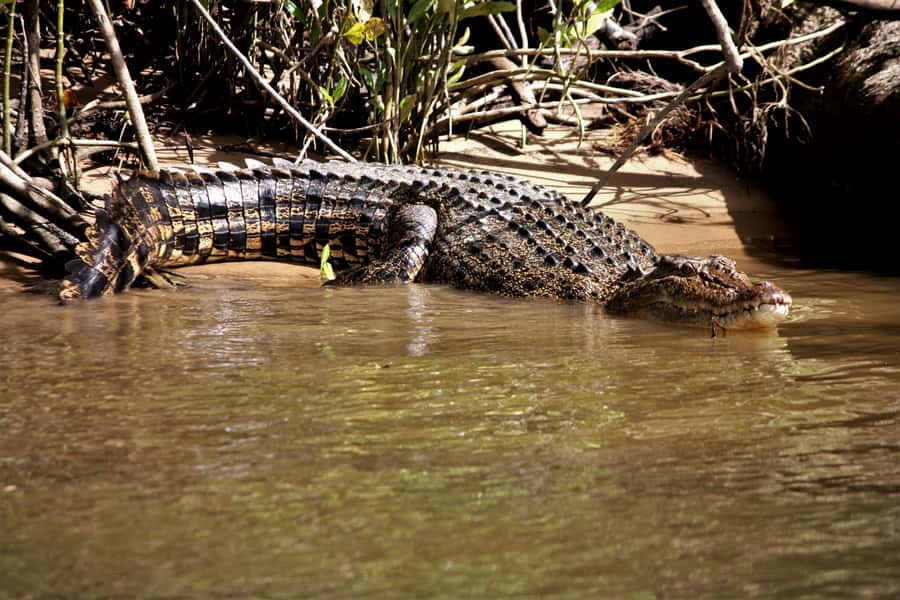
This is not a long, slow sightseeing boat tour. It’s a focused 1-hour cruise on the Daintree River, aimed at wildlife spotting in the mangrove estuary. In that short time, the difference-maker is the guide’s ability to read the river, anticipate where animals might be, and position you for views while staying safe.
The value here starts with the basics you’d otherwise pay for: a fully guided experience plus morning or afternoon tea. At $24 per person, the math works best if you’re already in the Cairns area and want something short, practical, and genuinely connected to the rainforest instead of just passing through it.
Because the cruise is built around spotting, you should go in with the right expectations. You are there for a chance at seeing wildlife in its home, especially estuarine crocodiles. That means nature sets the rules. Some trips get multiple sightings; others might be quieter depending on weather and animal activity.
Undecided? The Daintree National Park reviews closest to this one sit below.
- Daintree: River Rainforest Crocodile & Wildlife Cruise (DV)★ 4.6 · 346 reviews
Why the Daintree’s 180 million years changes how you see the rainforest
The Daintree Rainforest isn’t just old in a poetic way. It’s described as one of the world’s oldest living rainforests, over 180 million years old, and it’s a registered UNESCO World Heritage site and a natural wonder. When you understand that age, the cruise feels different.
Instead of treating the riverbanks like scenery, you start noticing connections. The mangrove estuary is not random. It’s a system that supports predators and prey, birds and fish, and reptiles and insects. You’re seeing an ecosystem that has been adapting for a very long time, which helps explain why the guides emphasize the roles different creatures play.
That context also makes the wildlife sightings more meaningful. When a crocodile floats or lies along the bank, it’s not just an exciting photo. It’s part of a larger food web shaped by the tide, shelter in mangrove roots, and hunting opportunities in the waterway.
Mangroves and the estuary: where the wildlife is supposed to be
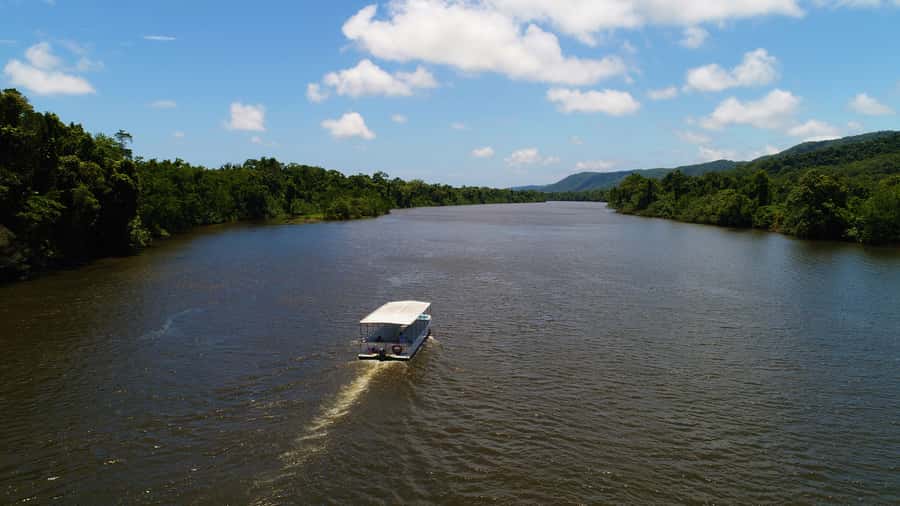
One of the best things about this cruise is that the mangrove ecosystem isn’t treated like a background detail. It’s treated like the main character. The tour focuses on how the mangrove estuary concentrates life along the Daintree River.
From the water, you get a viewpoint that’s hard to match on land. Mangrove roots and sheltered edges create cover, feeding zones, and travel paths for animals. That’s why the cruise is so well suited to spotting a mix of creatures. The experience description highlights the chance to see a range of tropical wildlife, including birds, snakes, butterflies, and fish, alongside crocodiles.
You’re also learning what makes mangroves different from typical forest. This isn’t just thick trees. It’s a brackish, constantly changing habitat where saltwater influence and river flow shape what can live there. Even if you only remember one thing, remember this: mangroves exist because the water keeps moving, and wildlife benefits from that movement.
Estuarine crocodiles: how the cruise maximizes sightings safely
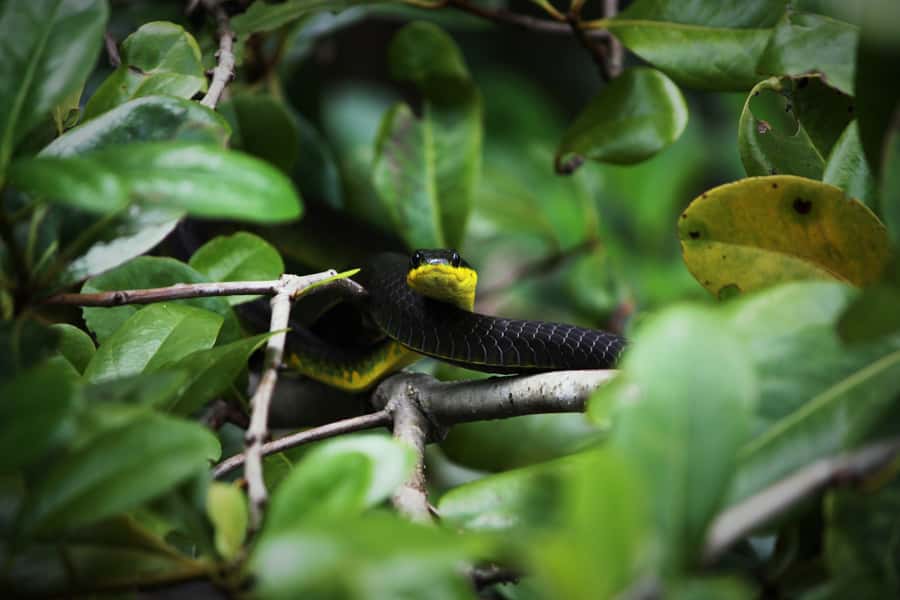
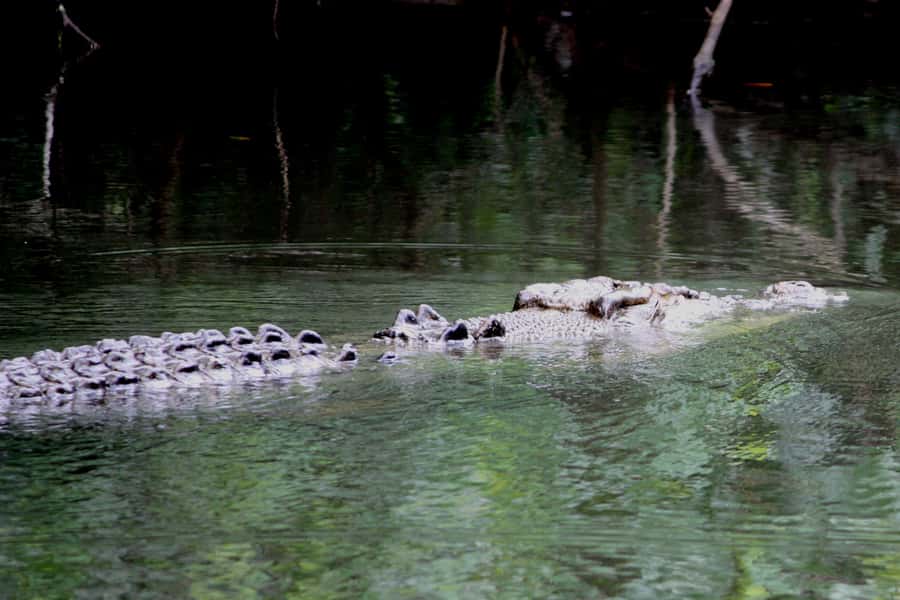
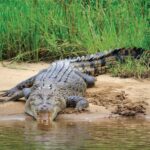
Let’s talk crocodiles, because that’s why most people book. The star is the estuarine crocodile, the largest living reptile. These saltwater crocodiles are described as hypercarnivorous apex predators, and the key point is behavior. They may look deceptively calm at a distance, but they can react with impressive agility when prey is around.
The guides do two things that make a big difference for your experience. First, they focus on safe positioning. The goal is close enough to see details, not close enough to stress animals. Second, they actively search for spots where crocodiles are likely to be visible, then they pace the viewing so you have time to watch rather than just hurry past.
A few names pop up in the guide chatter on some departures, which makes the whole thing feel more personal and real. People have mentioned crocodiles such as Scarface and Scooter, and a larger male called Lumpy. Whether you see the famous ones or just an anonymous croc in the right place, the principle is the same: this cruise is designed to help you view crocodiles in natural settings without disrupting them.
You’ll also hear about how crocodiles can show up at different sizes. Some departures include hatchlings or baby crocs alongside larger adults. That variety is exactly what you want when you’re trying to understand how the species uses the habitat.
What you’ll actually do on the cruise, from start to finish
The experience is simple by design, which I like. You don’t need a complex plan. You just need to show up ready to look.
1) Check in and settle before the hour starts
You meet at the Daintree River Cruise Centre. The practical instruction is to arrive about 15 minutes early and exchange your voucher at the ticket counter before the tour begins. Those small timing details matter because the cruise window is short.
2) Cruise along the Daintree River
Once you’re onboard, the boat heads through the river system where the mangroves line the banks. The experience description uses phrases like densely populated mangrove estuary and cruising through the heart of the area. In plain terms, you should expect lots of time spent scanning the edges of the water, especially where roots and shallow channels create cover.
3) Spot wildlife with the guide’s help
The guide’s job is to connect what you see to what it means. Expect talk about the ecosystem, predator-prey relationships, and specific types of animals that show up in this environment. Based on guides’ efforts noted in the experience feedback, the best tours are the ones where the guide keeps working to ensure everyone sees something.
4) Morning or afternoon tea
Tea is included. That matters more than it sounds, because it turns the cruise into a complete activity instead of a quick ride where you’re cold, hungry, or rushing. It also makes a difference if you’re pairing the cruise with a longer day on the Cairns side.
5) Back to land within an hour
You’re done after 60 minutes. That short duration is great when your schedule is tight or you don’t want a full day in the rainforest.
How guides change the experience, from Charly to Adam to Chris
Guides are the engine of this tour. The core wildlife is there whether you have a guide or not, but your chance of seeing it well is much higher with someone who knows what to look for and how to position people without causing problems.
You’ll hear lots of info about the environment, the fauna in the river, and why mangroves matter. Several guide names come up in the experience feedback: Charly is mentioned for being informative and knowledgeable, and Adam is mentioned for bringing the boat as close as possible to a large crocodile while maintaining safety. Chris is noted for giving trip details and aiming to make sure everyone can see animals.
The pattern across the strongest experiences is effort. Some guides try to find crocs fast so you spend less time waiting for a sighting and more time actually watching. Others are praised for explaining what’s happening in the ecosystem, like how different creatures use the river and how the hunting behavior of crocodiles fits into what you’re seeing.
One more human touch: you may get small moments of personality, including mention of a cute French bulldog that says hello. That kind of welcome doesn’t change the wildlife, but it makes the whole stop feel friendlier and less like a rushed factory line.
Timing and weather: when you might see more crocs
Weather affects visibility and animal behavior, and you should plan around that. One piece of practical feedback is that it was very hot and humid during late October, and the sightings were fewer on that day. Another note says rainy conditions still produced good results, including strong spotting.
So here’s the common-sense advice: if your schedule allows, aim for times when conditions are comfortable for you and the river visibility is decent. If it’s extremely hot, accept that wildlife can still show up, but your best results may be tougher.
Also, with a crocodile cruise, there’s always a randomness factor. Even on a good day, you might see one big animal instead of multiple. The safest way to handle this is to come with patience for scanning and a willingness to watch quietly. The guides generally do the moving and the searching. Your job is to keep your eyes on the waterline and listen.
Price and value for $24: what you’re really paying for
At $24 per person for a one-hour guided wildlife cruise, you’re paying for three things:
1) Guided spotting in a habitat that’s hard to read from the shore
Mangroves and estuaries aren’t like open wetlands. From a distance, wildlife can look like rocks, logs, or shadows. A guide helps you spot what matters.
2) Access to a concentrated habitat
The cruise format puts you in the right place quickly, without you needing to do your own navigation or waste time searching different areas.
3) Included tea and on-site comfort
Morning or afternoon tea is included, and the tour includes use of amenities at the centre like displays, picnic areas, and bathrooms. That’s part of the value, because it makes the experience easier before and after you’re on the water.
If you’re comparing it to bigger half-day tours, the standout here is focus. You get a tight, wildlife-first outing that still includes background learning about what you’re seeing.
Who should book this, and who should reconsider
This cruise fits best if you want wildlife without a long itinerary. It’s also a good choice for families, including mention of young kids who enjoyed it. The hour format helps kids stay engaged, and the guide-driven spotting keeps the attention on what’s happening right now.
It’s also a smart add-on if you’re already doing Daintree region activities. You get a different angle, literally from the water, and a specific focus on crocodiles and the mangrove estuary.
One important consideration: wheelchair suitability is inconsistent in the provided information. It’s listed as wheelchair accessible, but it’s also marked as not suitable for wheelchair users. If mobility is a concern for you, I’d contact the operator directly before booking so you get a clear, accurate answer for your specific situation.
If you’re hunting for a guaranteed number of crocodiles, don’t book with that mindset. Book with the right mindset: best chance possible, guided safety, and a good shot at seeing the Daintree’s signature animals.
Should you book the Cairns Daintree River cruise?
I’d book this cruise if you want an efficient, wildlife-focused way to experience the Daintree without turning your day into a full logistics puzzle. The biggest reasons are the safety-first approach to close viewing, the guide effort to spot animals, and the added context about the mangrove ecosystem and the UNESCO rainforest age.
Skip it only if you need complete predictability on animal sightings, or if you have mobility needs and you cannot confirm wheelchair access details. Otherwise, it’s a strong value move at $24, especially when time is tight and you still want the Daintree to feel real, not just viewed from afar.
FAQ
How long is the Cairns Daintree Rainforest Wildlife Experience Cruise?
It runs for 1 hour. Starting times vary, so check availability for the specific session you want.
What’s included in the ticket price?
The tour includes a fully guided wildlife spotting cruise and morning or afternoon tea. You also get use of amenities at the Centre, like displays, picnic areas, and bathrooms.
Where do I meet for the cruise?
Meet at the Daintree River Cruise Centre. Arrive 15 minutes before the activity starts and exchange your voucher at the ticket counter before the tour begins.
Do I need transfers from Cairns?
Transfers are not included. The recommendation is to hire a car close to your accommodation.
What animals can I expect to see?
The experience highlights include estuarine crocodiles, plus chances to see birds, snakes, butterflies, fish, and other tropical creatures in the mangrove estuary.
Is it wheelchair accessible?
The information provided lists it as wheelchair accessible, but it also says it is not suitable for wheelchair users. If you use a wheelchair, confirm details with the provider before booking.
North of the Daintree River
Added lately from Daintree National Park
- Cairns: Daintree Rainforest Wildlife Experience Cruise
★ 4.6 · 349 reviews
Cairns Tours & Day Trips, compared.
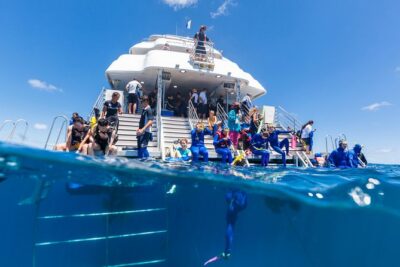 ★ 4.5Great Barrier Reef Snorkeling and Diving Cruise from CairnsFrom $1903,714 reviews
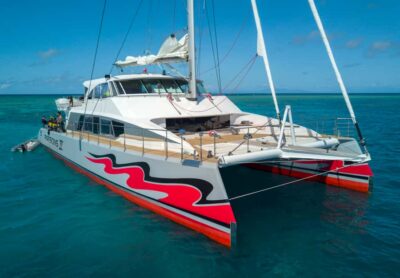 ★ 4.9From Cairns: Great Barrier Reef Cruise by Premium CatamaranFrom $1903,567 reviews
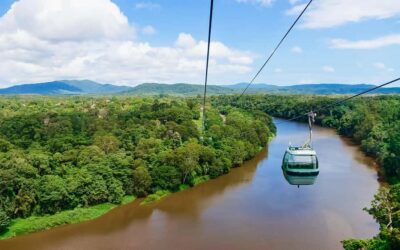 ★ 4.6From Cairns: Self-Guided Kuranda Trip with Train and SkyrailFrom $1273,392 reviews
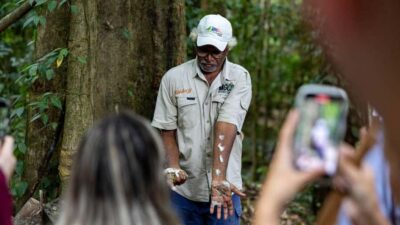 ★ 4.6Cairns: Daintree Rainforest and Mossman Gorge TourFrom $1452,485 reviews
 ★ 4.9Cairns: Outer Edges of The Great Barrier Reef Scenic FlightFrom $1512,376 reviews
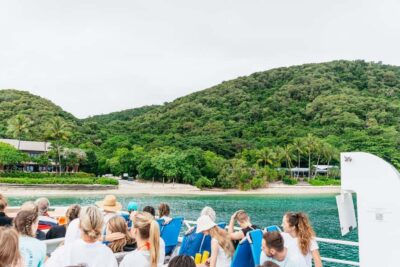 ★ 4.6Cairns: Fitzroy Island Full-Day Trip with Optional ExtrasFrom $671,668 reviews
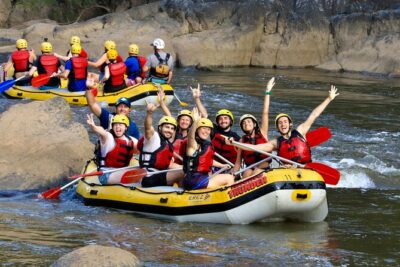 ★ 5.0Barron Gorge White Water Rafting from Cairns or Port DouglasFrom $911,596 reviews
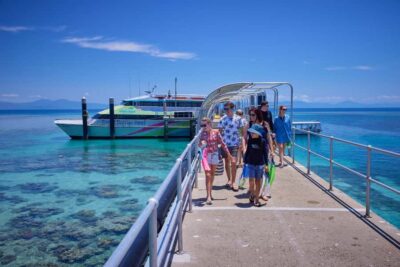 ★ 4.5From Cairns: Full-Day Green Island CruiseFrom $771,584 reviews
Browse the lists this tour appears in