
REVIEW · CRADLE MOUNTAIN & THE WEST COAST
Cradle Mountain: After Dark Tasmanian Devil Feeding Tour
Tasmanian devils feel wilder at night. This after-dark feeding tour at Devils@Cradle turns a sanctuary visit into real-life biology and behavior in action. I especially loved how close you get during the keeper-led feed, and how the guides (like Prue or Renee) mix caring conservation talk with clear, human explanations that keep pace with what you’re watching.
The main thing to plan for is the weather. It can be cold, windy, or rainy after sunset, and in a couple cases the tour needed to be adjusted or shortened when the conditions got too much.
If you come prepared, though, this is one of the most satisfying “see the animals” experiences around Cradle Mountain because it feels interactive, not just observational.
In This Review
- Key things to know before you go
- Devils@Cradle at night, why it feels worth the trip
- Enter Devils@Cradle: self-guided time before the feeding tour
- The 90-minute flow: intro, then the guided walk and feeding
- Watching feeding up close: what to notice during the keeper-led moment
- Conservation context you can actually carry home
- Weather and comfort: how to dress for an after-dark Cradle Mountain visit
- Price and value: is $26 a good deal
- Who this tour suits best, and who should think twice
- Final verdict: should you book the After Dark Tasmanian Devil tour?
- FAQ
- How long is the Cradle Mountain After Dark Tasmanian Devil Feeding Tour?
- How much does it cost?
- Where do I meet for the tour?
- Is there time to explore Devils@Cradle before the feeding tour?
- What animals are included in the feeding tour?
- Is the tour wheelchair accessible?
- Do I get hotel pickup and drop-off?
- What should I bring since it happens at night?
- Is food or drinks included?
- Can I cancel or pay later?
Key things to know before you go
- Night feeding is the point: you’re there when devils are naturally more active.
- Self-guided time included: enter Devils@Cradle first and roam at your own pace before the tour.
- Keeper enters the enclosures: you get a rare up-close view of feeding and behavior.
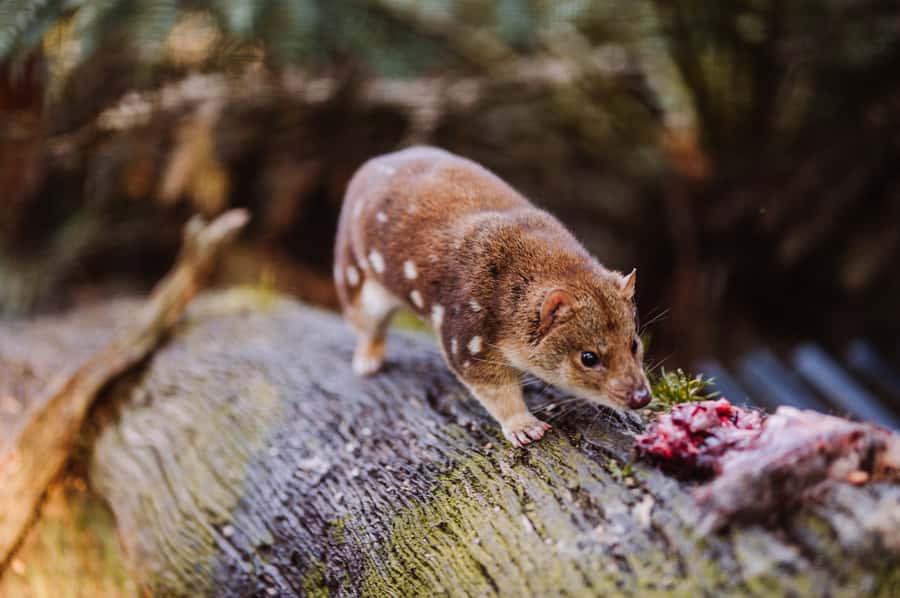
- More than Tasmanian devils: you’ll also learn about spotted-tail and eastern quolls.
- It gets chilly fast: wrap up warm, even if the afternoon is mild.
- Great value for $26: entry plus a guided feeding experience with conservation education.
Devils@Cradle at night, why it feels worth the trip
Cradle Mountain is already a headliner in Tasmania, but the after-dark Tasmanian devil feeding tour gives you something different from the usual “look at wildlife from a distance” routine. Devils are nocturnal, so the sanctuary’s nighttime rhythm matches the animals’ real world habits. That matters, because you’re not forcing a daytime behavior you rarely get to see.
I also like that this isn’t only about the drama of feeding. The tour is designed around biology, conservation, and threats, with a zookeeper guiding what you’re seeing instead of just letting you guess. When guides are clearly passionate, the whole place starts to make sense, from the way devils interact to why conservation programs matter.
One more thing I appreciate: you get a sanctuary visit first, then the feeding tour. That two-part structure helps you enjoy the setting, not just sprint from stop to stop.
Dove Lake, wild rivers and the mining west
- Cradle Mountain: After Dark Tasmanian Devil Feeding Tour★ 4.8 · 161 reviews
Enter Devils@Cradle: self-guided time before the feeding tour
Your experience starts at Devils@Cradle, at the entry gate. You’ll have sanctuary entry included, which means you can do a self-guided walk before the nighttime feeding tour begins. This is a big deal for value because it gives you time to orient yourself, find the best viewing spots, and take in the environment at your own pace.
If you can, arrive with enough time to settle in and look around. People often find a half hour to 45 minutes works well. That way you’re not arriving right when the group is already gathering, and you can calmly enjoy the sanctuary layout.
Devils@Cradle is located at the entrance to the World Heritage listed Cradle Mountain National Park, and that context adds weight to the visit. You’re not only learning about wildlife, you’re also right at the edge of a landscape that’s famous for conservation value.
During this self-guided portion, you may also spot other residents beyond devils and quolls. Some visitors mention seeing a wombat named Pancake during the experience, so keep your eyes open even before the keeper-led feeding begins.
The 90-minute flow: intro, then the guided walk and feeding
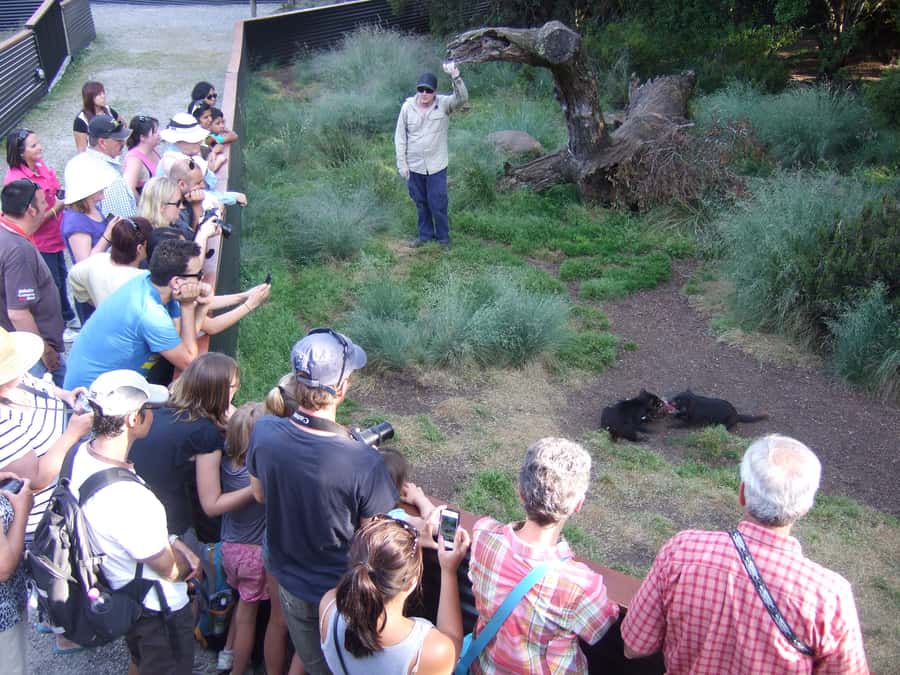
The full tour runs about 90 minutes. It starts with a short introduction on the main wildlife viewing deck, where you’ll learn about the three species managed within the sanctuary: Tasmanian devils, plus spotted-tail and eastern quolls.
From a planning point of view, the intro is useful because it gives your brain a framework. Instead of watching random chaos, you’ll understand what to look for, and why certain behaviors are important. If you tend to forget facts in the moment, this intro helps you anchor everything.
After the introduction, the larger part of the tour is a guided walk outside and inside the sanctuary itself. This is where the experience becomes more “you are in the process” and less “you are standing and waiting.” The lighting is designed to be environmentally sensitive, which helps protect the animals while still allowing you to see what’s happening.
Then comes the key moment: your zookeeper guide will enter the enclosures and feed a number of the animals while explaining behavior and answering questions. The tour is built so that you get repeated chances to observe, not just a single brief glimpse.
Watching feeding up close: what to notice during the keeper-led moment
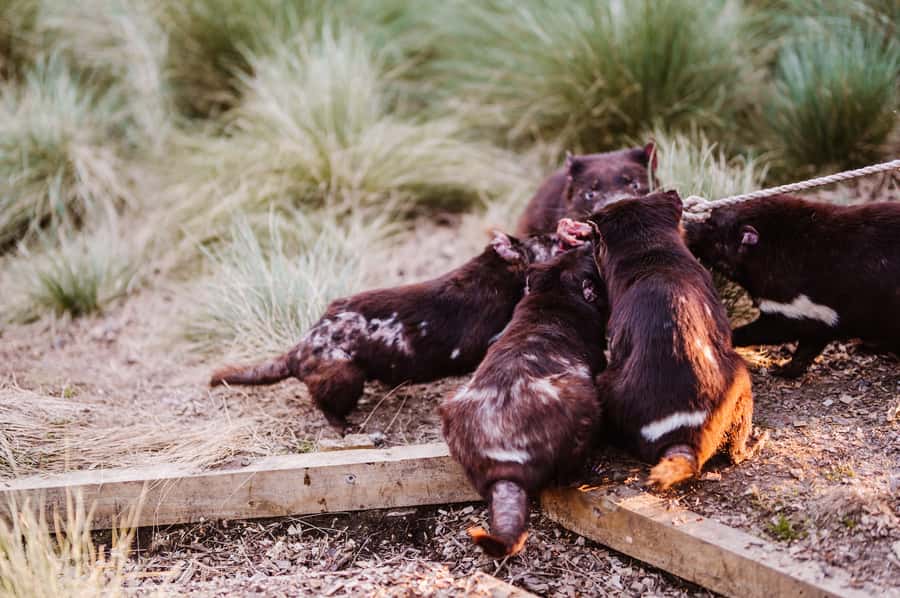
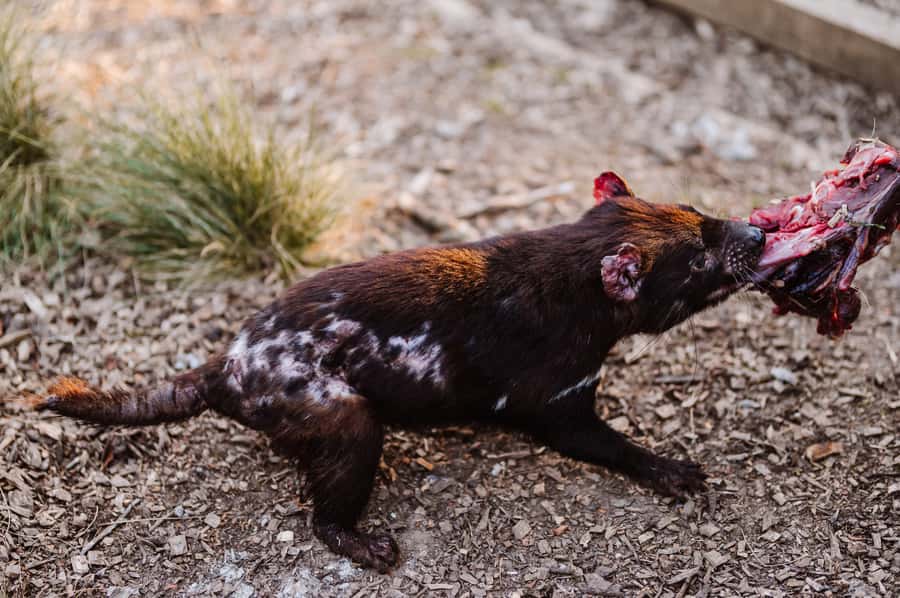
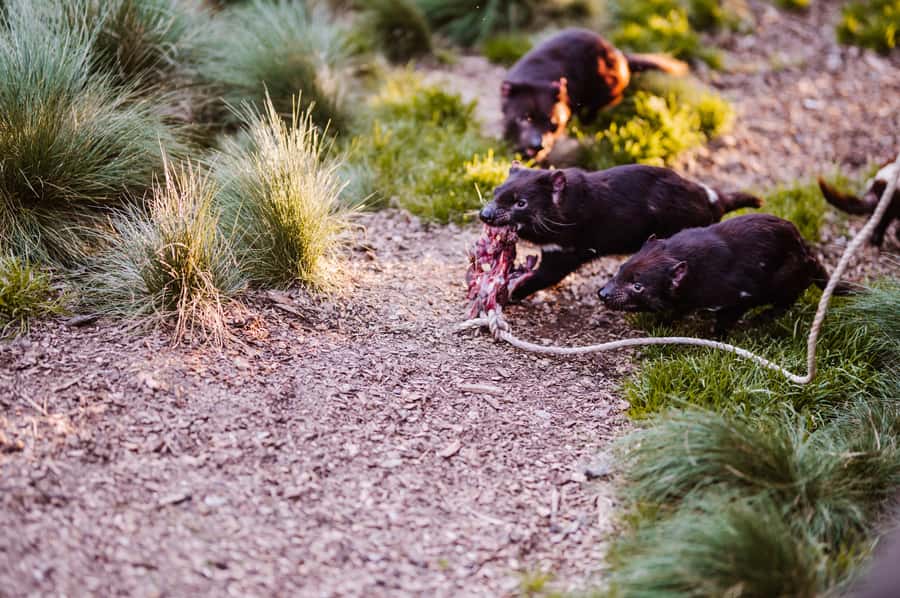
The highlight is the feeding. The difference here is that the keeper is not just demonstrating from a platform. During the tour, the guide enters the enclosures and feeds multiple animals, and the group stays close enough to really observe the way the devils and quolls react.
Here’s what I’d watch for, so you get more out of the night than just a photo or two:
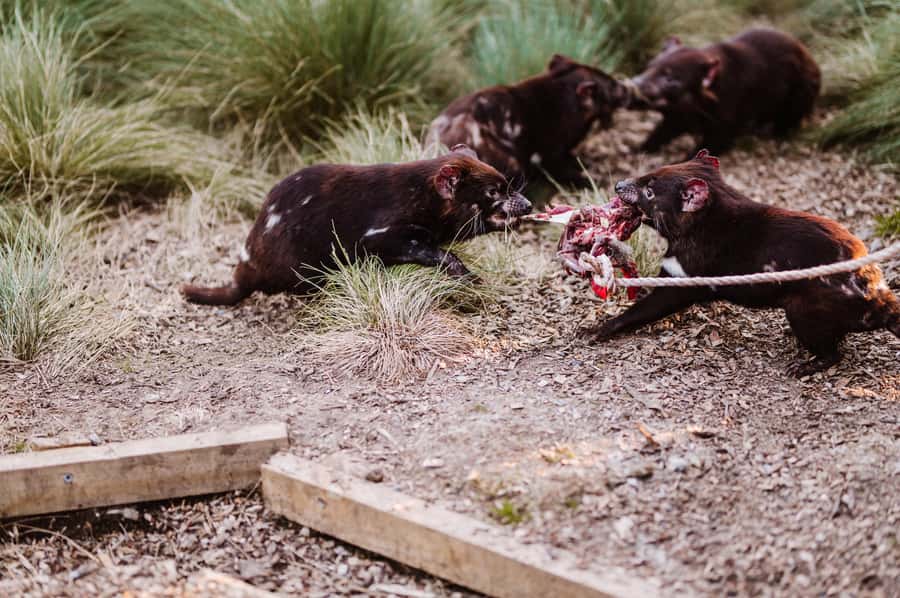
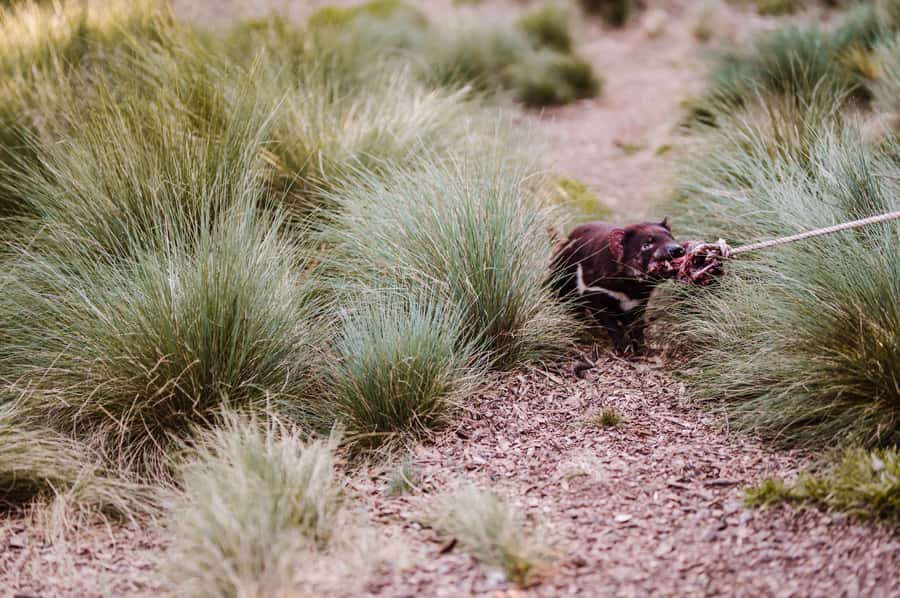
- How the animals react to the keeper and each other. Devils can be lively and sometimes intense when meal time begins, and the tour is set up to let you see that social behavior.
- Body language and timing. Because it’s feeding time, you’re watching behavior that’s naturally underway, not a staged performance.
- Quolls alongside devils. Even if you came for the devils, the quoll feeding and explanations add variety and help you understand the whole carnivorous marsupial story in Tasmania.
One reason people rate this highly is that the guide doesn’t treat feeding like a magic trick. The best guides, including people like Prue and Renee, explain what you’re seeing in plain language and keep the tone friendly and even funny. You’re allowed to ask questions, and you’re usually answered right where it matters, while you’re still looking at the animals.
Also, because the tour focuses on night behavior, you’ll notice how much more active the animals appear compared to daytime viewing. That is exactly what you’re paying for.
Conservation context you can actually carry home
It would be easy for a devil-focused tour to become only about feeding spectacle. This one keeps pulling you back to conservation and biology, and that makes the whole thing feel grounded.
Devils@Cradle focuses primarily on Tasmanian devils, but it also manages closely related species such as spotted-tail and eastern quolls. The sanctuary messaging also connects to a bigger reality: Tasmania’s three largest carnivorous marsupials are threatened in the wild in one way or another. That’s a strong motivator for visitors because you’re seeing animals that need protection, not just entertainment.
During the nighttime feeding, the zookeeper discusses threats and conservation efforts while explaining the animals’ biology. Some visitors specifically mention breeding program efforts to help save the species, so expect the conservation part to include more than general statements. The goal is for you to leave understanding that what you saw tonight connects to long-term work, not only a one-time show.
For many people, the most memorable moment is realizing how much effort goes into keeping the animals healthy and active in a carefully managed sanctuary environment. Visitors also comment that the devils are in amazing condition, which reinforces that this is a living conservation setting, not a roadside attraction.
Weather and comfort: how to dress for an after-dark Cradle Mountain visit
This is the practical section, because the night can be a reality check.
The sanctuary tour goes on after dark, and visitors repeatedly mention the cold. Wind can cut right through you, and some nights include rain or even heavy drizzle. One review notes lashing rain interrupted the tour, but the guide continued with strong delivery and useful information. Another review said they had to leave early because they were too cold about 25 km away.
So, do this:
- Wear warm layers. Think thermal base layer, warm mid layer, and a jacket.
- Bring a rain layer even if the day looks fine. Nights can change.
- Wear comfortable shoes you can stand in during the guided walk.
If you’re traveling with kids, it’s even more important to prepare. When you’re cold, you can’t enjoy the behavior you paid to see.
The upside is that once you’re dressed for the weather, the chill becomes part of the fun. You’ll feel the night atmosphere and understand why the animals behave as they do.
Price and value: is $26 a good deal
At $26 per person, the price sounds modest for a 90-minute night experience that includes both sanctuary entry and a guided feeding tour. What makes it feel like good value is the combination of:
- Entrance included, so you can self-guide first.
- A live guide, not a canned script.
- Feeding access with keeper explanation, which is the real differentiator.
- Free onsite parking, which reduces your hassle if you’re driving.
It also helps that people call it more than just watching devils destroy something. The tour connects feeding behavior to conservation effort and biology. That means you’re paying for education, not only for close views.
If you only have one night around Cradle Mountain, this is the kind of add-on that tends to feel like a highlight rather than a quick stop, because it adds a specific, time-dependent experience.
Who this tour suits best, and who should think twice
This tour fits best if you:
- Want an up-close Tasmanian devil experience at the time the animals are naturally more active.
- Like learning from a guide while you watch, not after the fact.
- Appreciate conservation context and want your time to support a sanctuary setting.
- Are okay dressing for the cold. Multiple reviews stress warmth.
It may be less ideal if you:
- Hate being outside at night in wind or drizzle.
- Expect a warm, indoor-style program.
- Have trouble with standing and walking during the 90-minute flow.
For families, this is often a hit. One family used it as a kid-friendly highlight, and the general vibe is interactive. Just remember the weather piece, especially with younger travelers.
Final verdict: should you book the After Dark Tasmanian Devil tour?
Book it if you want your Cradle Mountain trip to include a true night-time wildlife moment, with a guide who helps you understand what you’re seeing and why it matters. The strongest reason to choose this tour is the keeper-led feeding in a sanctuary setting, paired with enough self-guided time to make the visit feel unhurried.
Pass or switch plans only if you’re not prepared for chilly, wet conditions after sunset. The animals are worth it, but comfort matters because you’ll be outside for the show.
If you do book, pack warm layers and be ready to pay attention during the guided walk. That’s when this tour turns from a ticket into a memory.
FAQ
How long is the Cradle Mountain After Dark Tasmanian Devil Feeding Tour?
The tour is 90 minutes long.
How much does it cost?
The price listed is $26 per person.
Where do I meet for the tour?
Go to the entry gate at Devils@Cradle.
Is there time to explore Devils@Cradle before the feeding tour?
Yes. You get entry to the sanctuary and can do a self-guided visit before the after-dark feeding begins.
What animals are included in the feeding tour?
The tour focuses on Tasmanian devils, and it also includes other species managed within the sanctuary, including spotted-tail quolls and eastern quolls.
Is the tour wheelchair accessible?
Yes, it is wheelchair accessible.
Do I get hotel pickup and drop-off?
No, hotel pickup and drop-off is not included.
What should I bring since it happens at night?
Plan to dress warmly, since it gets chilly at night. Weather can include rain, so a warm layer and rain protection can help.
Is food or drinks included?
No. Food and drinks are not included.
Can I cancel or pay later?
You can reserve now and pay later, and you can cancel up to 24 hours in advance for a full refund.
Cradle Country and the Mining West
Added lately from Cradle Mountain
- Cradle Mountain: After Dark Tasmanian Devil Feeding Tour
★ 4.8 · 161 reviews
Cradle Mountain & the West Coast, compared.
 ★ 5.0Gordon River Cruise departing from StrahanFrom $1111,577 reviews
 ★ 5.0Morning World Heritage Cruise on the Gordon River from StrahanFrom $1111,193 reviews
 ★ 4.8Strahan: World Heritage Cruise on Gordon River with LunchFrom $1091,143 reviews
 ★ 4.7Cradle Mountain: Day Trip from Launceston with LunchFrom $138540 reviews
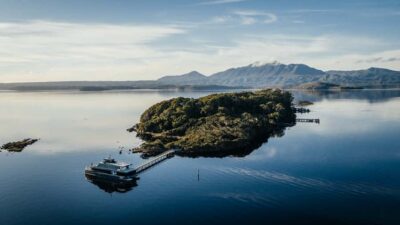 ★ 4.8Strahan: Gordon River Cruise with Lunch & Sarah Island WalkFrom $109382 reviews
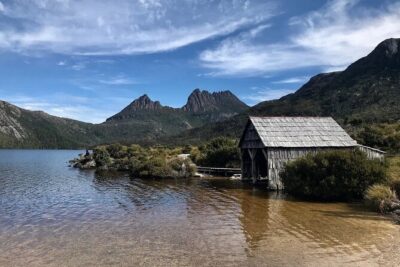 ★ 4.5Cradle Mountain Day Tour from Launceston Including LunchFrom $139360 reviews
 ★ 5.0After Dark Tasmanian Devil Feeding Tour at Cradle MountainFrom $30243 reviews
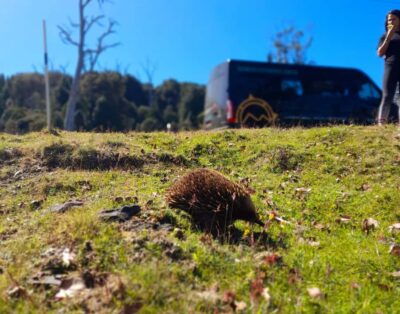 ★ 4.9From Hobart: Active Day Trip to Cradle MountainFrom $184164 reviews
Browse the lists this tour appears in