
REVIEW · TOURS
Day Keeper Tour
Tasmania has a way of catching you off guard. A Day Keeper Tour at Devils@Cradle puts you face to face with Tasmanian devils and quolls in a setting built for learning, not just photos. I love that you get a relaxed, keeper-led wander, then you can keep exploring on your own before and after the tour. I also like the practical focus on real daily behaviors, plus the guide energy, with standouts like Chris and Prue. The only real heads up is that it is mostly outdoors with a bit of walking on uneven surfaces, so wear grippy shoes and be ready for weather.
You will get about 45 minutes to an hour of guided time (the length can feel a touch variable based on pacing), capped by a longer self-paced window to look around. The small-group feel (up to 45 people) helps keep the talk clear, and the chance to watch animals during daylight rhythms makes the visit feel more alive than a quick, one-stop exhibit. The big plus, though, is the purpose behind the day, because the keepers explain how care and breeding programs help these animals hang on in the wild.
In This Review
- Key things to know before you go
- A quick snapshot of Devils@Cradle and the Day Keeper Tour
- Why you get more time than just the guided talk
- The guided hour: what the keeper actually shows you
- Seeing Tasmanian devils up close (and why timing matters)
- Quolls and the conservation angle that turns photos into meaning
- What the walking feels like on site
- Weather and clothing tips that actually help
- Getting there: parking, where it starts, and how the tour ends
- Price and value: is $17.93 a good deal?
- Who will enjoy this most
- Small group feel and why it helps your experience
- The bottom line: should you book the Day Keeper Tour?
- FAQ
- Where does the Day Keeper Tour start?
- How long is the Day Keeper Tour?
- What is included in the price?
- Do I need hotel pickup or drop-off?
- Is parking available for rental cars?
- Is it suitable for children?
- Can I cancel and get a refund?
Key things to know before you go
- Keeper-led, low-pressure pace: You walk slowly through enclosures and learn what you are seeing in real time.
- See daylight habits, not just the species label: Expect sleeping, basking, playing, and food-search behavior.
- Morning and afternoon tours: You can pick the time that fits your Cradle Mountain plans.
- Explore before and after: The sanctuary time does not end when the talk ends.
- Family-friendly with limits: Discounts for under-16s, and children must be with an adult.
- Outdoors in all weather: Dress for cold, wet, and shifting conditions.
A quick snapshot of Devils@Cradle and the Day Keeper Tour
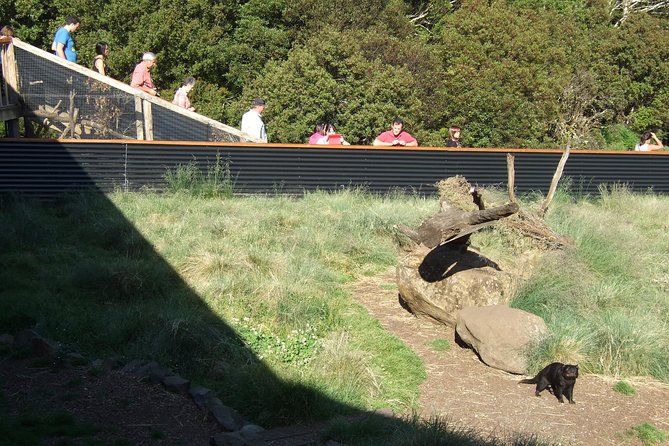
If you are aiming for an authentic Tasmania nature stop, this one is hard to beat for sheer charm. The Day Keeper Tour is built around a simple idea: watch animals in a sanctuary during their daylight routine, then learn how that routine fits into long-term conservation.
You are not rushing through a maze of cages. You are doing a calm circuit where the keepers point out what matters and what you can actually notice with your own eyes.
Also, the setting is close to Cradle Mountain-Lake St. Clair National Park, so it pairs nicely with a wider day out in the region.
Undecided? The Cradle Mountain Lake St Clair National Park reviews closest to this one sit below.
- After Dark Tasmanian Devil Feeding Tour at Cradle Mountain★ 5.0 · 243 reviews
- Wildlife Night Spotting at Cradle Mountain★ 5.0 · 84 reviews
- 1-Hour Tasmanian Devil Feeding Day Tour at Cradle Mountain★ 5.0 · 65 reviews
Why you get more time than just the guided talk
One of my favorite parts is that the experience is not a single timed show. You can explore the sanctuary at your own pace before and after the keeper-led portion, so you are free to linger where the animals are most active.
This is a smart format for wildlife viewing because animal behavior follows its own schedule. Sometimes an enclosure is quiet. Sometimes it suddenly turns into a burst of movement, and you want the chance to stay put without feeling like you missed the one moment.
Also, having that self-paced buffer makes the visit easier on kids and grandparents. You can move at your pace, not only the guide’s pace.
The guided hour: what the keeper actually shows you
The keeper-led segment is designed as a relaxed wander where the guide explains how Tasmanian devils and quolls behave in daylight. You are encouraged to watch what they do, and then connect the behavior to the reasons the sanctuary cares for them.
In plain terms, you will likely see a mix of:
- sleeping in dens
- basking
- playing and exploring
- fossicking for food
That list might sound basic, but it becomes interesting fast because you start noticing patterns. For example, when the animals are active, you can better understand how their bodies and instincts are working in a sanctuary setting.
The guides bring it to life with stories and conservation context. Reviews highlight guides who were engaging and clearly passionate, with people praising Chris for being professional and deeply invested, and Prue for thorough, thoughtful explanations.
Seeing Tasmanian devils up close (and why timing matters)
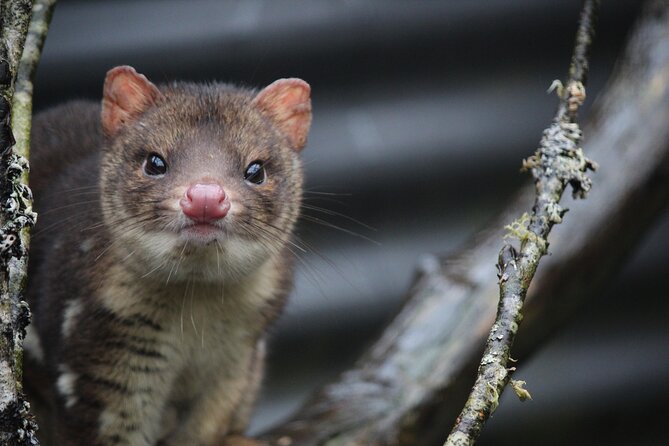
The point of the Day Keeper Tour is close viewing. The enclosures are laid out so you can get an intimate look at devils and quolls, the kind of look that is rare if you are only imagining what these animals might do in the wild.
There is a big practical upside here. Up close viewing teaches you what to look for. You stop thinking of them as just a face on a brochure and start thinking of them as animals with rhythms.
Still, here is the reality check you should plan for: animals do not perform on cue. If a devil is asleep, it will stay asleep until it does not. That is not a failure of the tour, it is wildlife viewing logic.
One review mentioned that a resident wombat did not make an appearance. That is a good example of why you should treat the tour as an opportunity to observe behavior, not as a guarantee that every resident animal will be visible every time.
Quolls and the conservation angle that turns photos into meaning
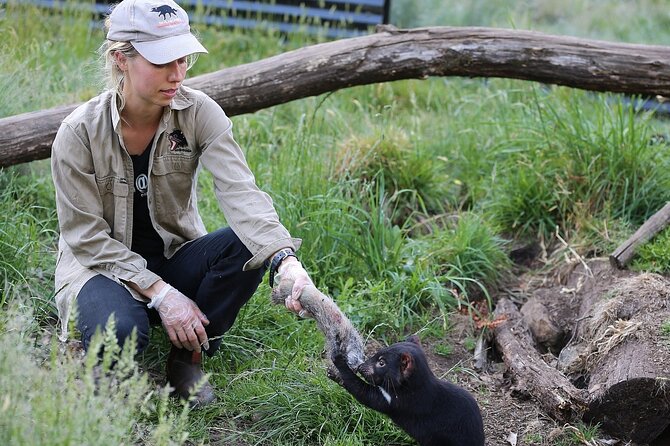
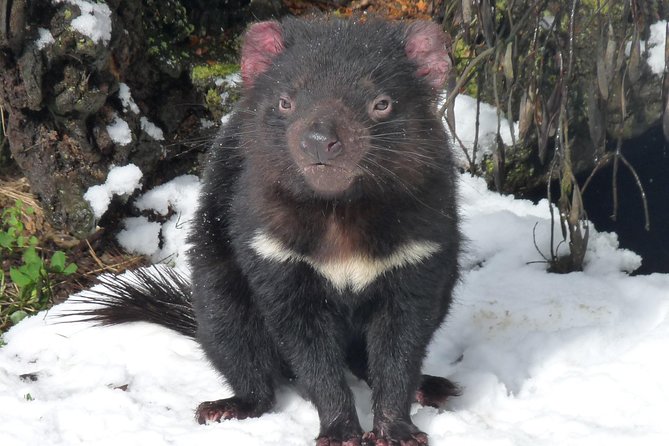
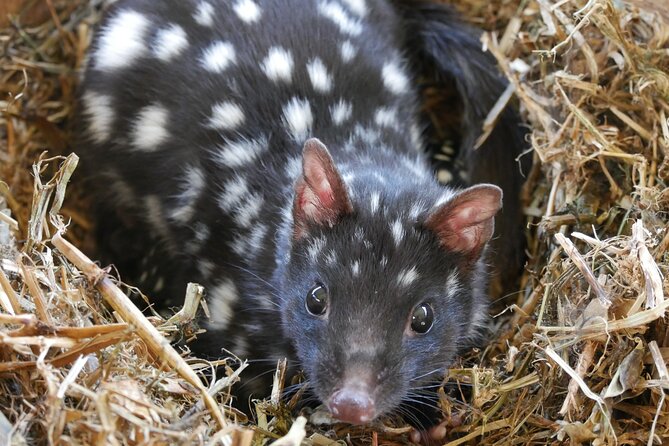
Tasmanian devils grab attention first, but quolls are a major part of the story. The tour includes both, and the keeper explanations help you understand why the sanctuary’s work matters beyond this one visit.
This is where the experience gets more than just cute. The guide talks about long-term survival efforts and conservation programs aimed at keeping these marsupials thriving in Tasmania.
If you care about responsible travel, this matters. You are paying for an experience tied to animal care and breeding support, not just a temporary look with no follow-through.
Also, because the talk covers behavior and daily life, the conservation message lands better. You are not just hearing statistics. You are seeing the animals as living creatures with needs, schedules, and stressors.
What the walking feels like on site
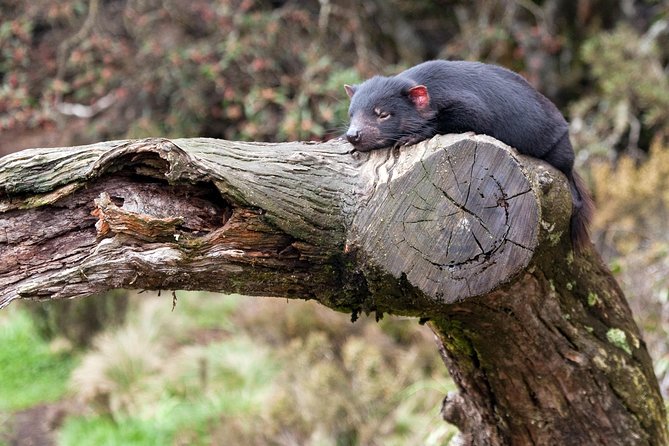
Expect a small amount of walking. The sanctuary paths have some uneven surfaces, so you want grippy footwear, especially if the weather turns.
The good news is that the tour is described as suitable for most people, and service animals are allowed. You are not looking at steep hikes or long, punishing distances.
Just keep your expectations realistic. This is a gentle wander through a sanctuary, not a fast museum loop.
Weather and clothing tips that actually help
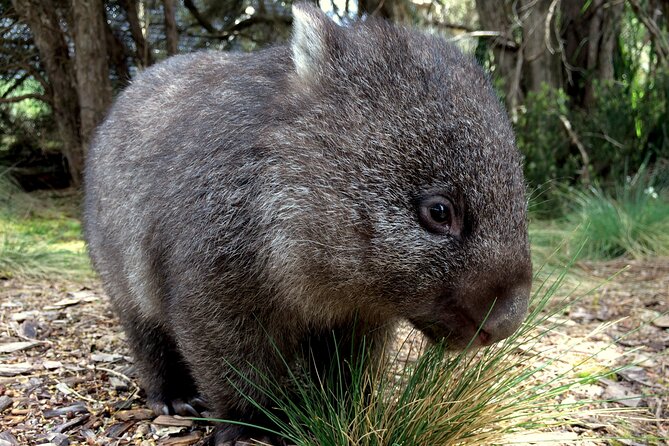
This tour runs in all weather conditions, and a large portion happens outdoors. That means you should plan for cold, wind, or rain even if your day starts sunny.
I recommend dressing in layers and bringing a rain shell or waterproof outer layer if you have one. If you are in the Cradle Mountain region, the temperature can shift, and being comfortable makes it easier to stay put when you finally catch an animal doing something interesting.
Photography is welcome, so having a warm, dry spot to keep your hands usable helps too.
Getting there: parking, where it starts, and how the tour ends
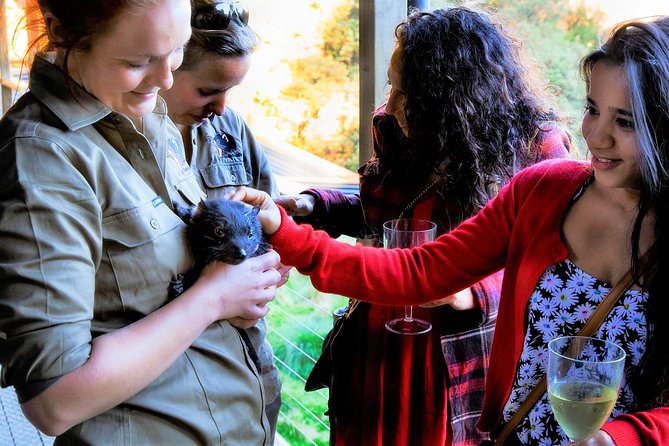
You will make your own way to Devils@Cradle. The meeting point is Devils at Cradle, 3950 Cradle Mountain Rd, Cradle Mountain TAS 7306, Australia.
If you are driving a rental car, you can use free onsite parking. That is a big practical advantage in this part of Tasmania, where the “just take a bus” option is not always friendly.
The tour ends back at the meeting point, so you can pair it with other stops in the area without needing to organize a transfer.
You also get a mobile ticket, which is convenient when you are juggling plans across a busy day.
Price and value: is $17.93 a good deal?
At $17.93 per person, this is priced like an activity that wants to be accessible, not premium-priced entertainment. You get a local guide and the guided admission experience, plus free onsite parking.
What makes it good value is the blend of formats: a short guided wander for context, then extra time to observe on your own. That means you are not only buying the talk, you are buying the chance to keep watching once you know what to look for.
Also, because it supports conservation efforts tied to breeding and long-term protection, the money has a clearer purpose. It is easier to feel good about spending on a wildlife attraction when the animal care angle is part of what you came for.
The one caveat on value is simple: you still need to show up expecting wildlife viewing uncertainty. If you want guaranteed animal action every minute, no sanctuary can promise that.
Who will enjoy this most
This tour is a strong fit if you like nature, animals, and learning without being put through a rigid schedule.
You will especially like it if:
- you want to see Tasmanian devils and quolls up close in a sanctuary setting
- you enjoy interpretive talks that connect behavior to conservation
- you are traveling with family, since it is described as good for all ages with under-16 discounts
- you appreciate a small amount of walking and time outdoors
It may be less ideal if you dislike uneven surfaces or you are not comfortable spending time outside in changing weather. If that is you, plan to dress well and consider going at a time when conditions feel calm.
Small group feel and why it helps your experience
The tour caps at 45 travelers. That size matters more than you might think.
A smaller group helps the guide keep explanations clear and gives you more chances to stand where you can actually see, instead of feeling constantly squeezed by the crowd. It also makes the experience feel more personal when the guide points out behaviors and answers questions.
That is a big part of why guides like Chris and Prue show up in reviews with such positive emphasis. When you can hear and see what is being pointed out, the conservation message sticks.
The bottom line: should you book the Day Keeper Tour?
Book it if you want a genuinely practical, animal-focused experience at Cradle Mountain that mixes close viewing with conservation context. The keeper-led part helps you understand what you are seeing, and the extra on-your-own sanctuary time gives you control when animals decide to move.
Skip or rethink if you are not up for short outdoor walks, uneven surfaces, or weather changes. If you can handle those basics, this is one of the most worthwhile ways to spend time at Devils@Cradle, especially if Tasmania wildlife is a top goal for your trip.
FAQ
Where does the Day Keeper Tour start?
The tour starts at Devils at Cradle, 3950 Cradle Mountain Rd, Cradle Mountain TAS 7306, Australia.
How long is the Day Keeper Tour?
The duration is listed as approximately 45 minutes, and the guided stop includes a set visit time.
What is included in the price?
The price includes a local guide, and free onsite parking for visitors.
Do I need hotel pickup or drop-off?
No. Hotel pickup and drop-off are not included, so you need to make your own way to Devils@Cradle.
Is parking available for rental cars?
Yes. There is free onsite parking for visitors.
Is it suitable for children?
It is described as good for the whole family, with discounts available for under-16s. Children must be accompanied by an adult.
Can I cancel and get a refund?
Yes. You can cancel for a full refund up to 24 hours before the experience starts. If you cancel less than 24 hours before start time, the amount paid is not refunded.
Added lately from Cradle Mountain Lake St Clair National Park
- Day Keeper Tour
★ 5.0 · 67 reviews - Wildlife Night Spotting at Cradle Mountain
★ 5.0 · 84 reviews - After Dark Tasmanian Devil Feeding Tour at Cradle Mountain
★ 5.0 · 243 reviews
Tours, compared.
 ★ 4.8Sydney: Opera House Guided Tour with Entrance TicketFrom $338,312 reviews
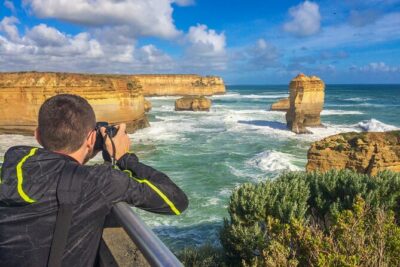 ★ 5.0Great Ocean Road Small-Group Eco Tour from MelbourneFrom $1066,607 reviews
 ★ 4.7From Melbourne: Great Ocean Road, 12 Apostles, Wildlife TourFrom $946,020 reviews
 ★ 5.0Laid back, Yarra Valley Wine Tour: Wine, Cider, Gin, Beer + ChocFrom $934,552 reviews
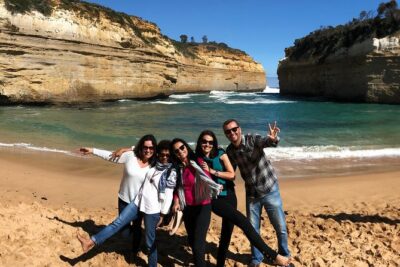 ★ 5.0Great Ocean Road Reverse Itinerary Boutique Tour – Max 11 GuestsFrom $1064,186 reviews
 ★ 5.0Penguin Parade, & Wildlife Encounters Eco Tour from MelbourneFrom $1183,774 reviews
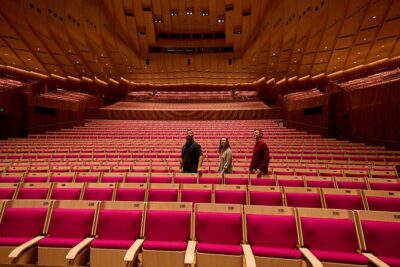 ★ 4.5Sydney Opera House Official Guided Walking TourFrom $343,770 reviews
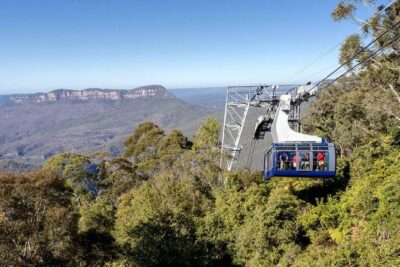 ★ 5.0Blue Mountains Small-Group Tour from Sydney with Scenic World,Sydney Zoo & FerryFrom $1613,709 reviews