
REVIEW · KOALA & WILDLIFE ENCOUNTERS
Devils at Cradle: Day Keeper Tour and Entry to Wildlife Park
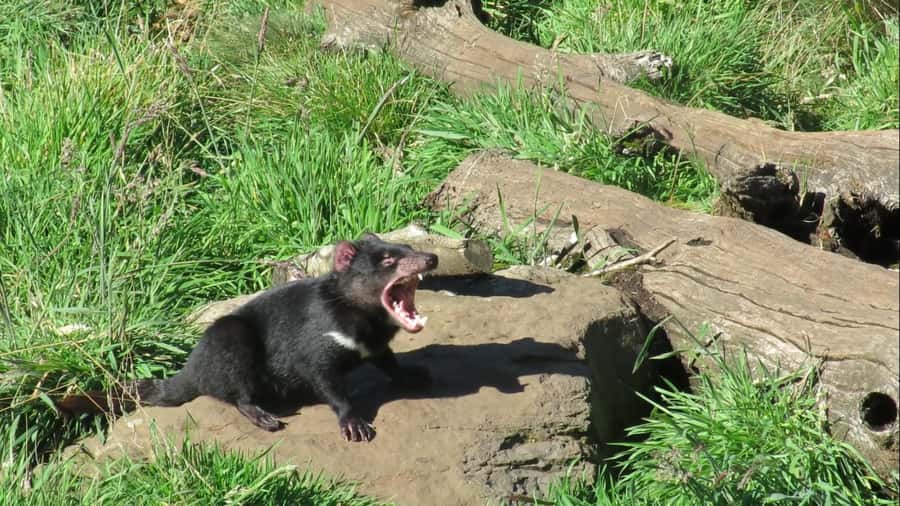
Screams in the woods, plus a lesson on survival. At Devils@Cradle, right by Cradle Mountain National Park, a keeper-led walk brings you up close to Tasmanian devils and their related quolls, with practical conservation context behind what you see.
I love the 45-minute pace, it gives you enough time to learn without feeling stuck in a long talk. I also like that after the guided portion, you can continue at your own pace and watch the animals’ daytime rhythm.
One thing to plan for is the terrain. The sanctuary includes uneven ground, steps, and natural paths, so it is not a walk-everywhere sort of visit for anyone with mobility limits.
In This Review
- Key highlights you should care about
- Devils@Cradle at the gateway to Cradle Mountain
- The 45-minute keeper walk, from first viewing to your free roaming time
- Seeing Tasmanian devils, plus spotted-tail and eastern quolls
- Daytime habits, and why you should watch longer than you expect
- The screams in the wilderness, and how to interpret what you hear
- Practical walk tips for uneven paths and changing weather
- Value for money: what you get for $17 in a conservation setting
- Who this Day Keeper tour suits best
- Booking yes or no: should you do this tour?
- FAQ
- How long is the Devils at Cradle Day Keeper tour?
- What is the price for this experience?
- What does my ticket include?
- What are the opening hours?
- Does the tour run in bad weather?
- What should I bring for the visit?
- Are unaccompanied minors allowed?
- Is wheelchair access available?
- Is there flexible booking and cancellation?
Key highlights you should care about
- Tasmanian devils in a conservation sanctuary right at the gateway to Cradle Mountain National Park
- Keeper-led tour that explains the why behind the programs, not just the what
- Up-close viewing through well-placed enclosures along the sanctuary walk
- Chance to see daytime habits like sleeping in dens, sun baking, play fighting, and food searching
- Screams and marsupial sounds that feel real in the Tasmanian wilderness setting
- Explore after the tour with general entry included, so you can linger where you like
Devils@Cradle at the gateway to Cradle Mountain
This is a wildlife stop with a strong sense of place. Devils@Cradle sits at the entrance to World Heritage listed Cradle Mountain National Park, so the setting is part of the experience, not just scenery on the way to somewhere else. If you are basing yourself in Launceston, it is about a 2-hour drive out to the facility, which is long enough to feel like a real excursion.
What makes the location extra useful is how it fits into a road-trip day. You can make this a focused visit that does not swallow your whole schedule. The guided portion is 45 minutes, and the facility itself runs from 9:30 AM to 5:00 PM, giving you room to line it up with other Cradle Mountain area plans.
Undecided? The Tasmania reviews closest to this one sit below.
- Cape Bruny Lighthouse Tour – Bruny Island★ 5.0 · 305 reviews
- Ile Des Phoques and Maria Island Cruise and Walk Day Tour with Lunch★ 5.0 · 225 reviews
- From Triabunna: Maria Island Cruise & Guided Walk with Lunch★ 4.9 · 126 reviews
The 45-minute keeper walk, from first viewing to your free roaming time
The experience is built around a straightforward rhythm: you join a keeper for the guided part, then you continue exploring on your own with your general entry ticket.
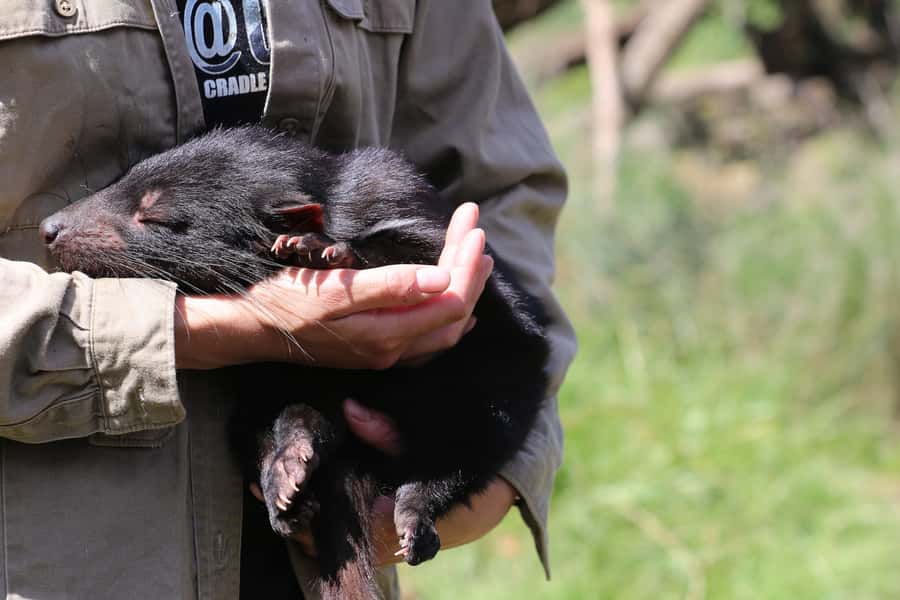
During the keeper tour, you follow your guide through the sanctuary grounds. The walkthrough is designed to help you connect animal behavior with the sanctuary work being done for the devils and their closest relatives, the quolls. Expect explanations as you go, not just a single talk at the start. This matters because the animals you see are behaving all the time, and the guide helps you notice the patterns.
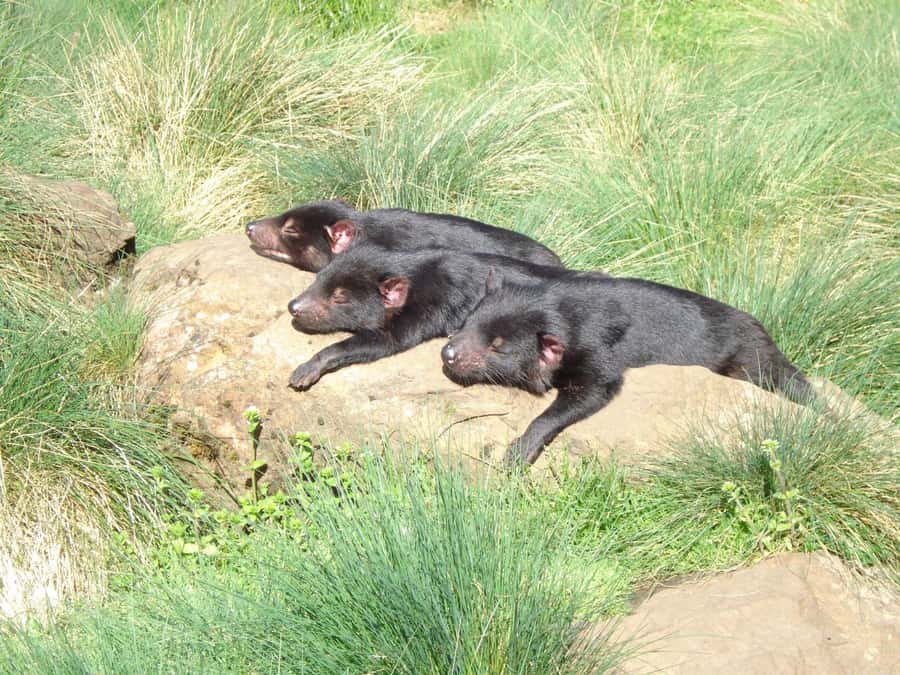
You also get time during the visit to observe the animals in their daytime mode. You might catch them sleeping in dens, sun baking, doing playful tussles, or fossicking for food. The whole point is learning how these carnivorous marsupials use their space and time, rather than treating the visit like a checklist of sightings.
After the guided segment, you can wander at your leisure. That extra freedom is one of the main reasons this works so well. If you want to slow down near a particular enclosure or spend extra minutes waiting for movement, you can.
Seeing Tasmanian devils, plus spotted-tail and eastern quolls
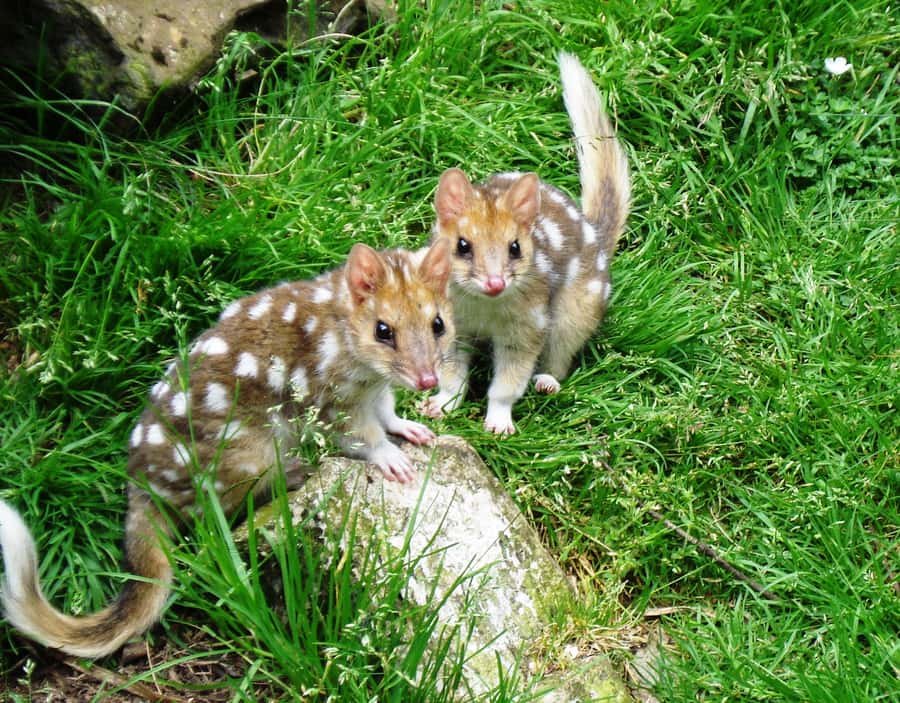
You are not just meeting one species here. Inside the wildlife park, you will see Tasmanian devils, as well as the closely related Spotted-tail and Eastern quolls. If you have never heard the word quoll before, this is a nice way to expand your Tasmanian wildlife knowledge without adding another entire stop.
What I like about having three carnivorous marsupials in one place is how it changes your mental picture. A Tasmanian devil can be the star, but the quolls help you understand the broader group and why conservation work often has to be bigger than one animal. These are also described as threatened in one way or another in the wild, which gives your visit a stronger purpose than a standard roadside zoo moment.
The guide ties what you are seeing to the Devils@Cradle conservation programs. That is the core idea of the Day Keeper tour. You come away with more than a memory of screeching and snuffling, you learn why the sanctuary exists and how the programs support survival.
Daytime habits, and why you should watch longer than you expect
This is not a visit where everything is guaranteed to be active at the exact moment you arrive. The sanctuary is designed so you can watch real animal behavior, including times when they are sleepy, still, or focused on foraging.
In a good wildlife visit, you learn how to look. Here, daytime habits like sun baking and playing help you see temperament and routines, and food searching helps you understand hunting style. Even dens matter, because they show you what the animals do when they are not performing for you.
If you are the type who wants action, aim for a time when you are more likely to see movement. One session noted animals were healthy and active, which is a reminder that timing can change what you catch. The big trick is to give it enough minutes. This tour is 45 minutes for the guided part, but your self-exploration time can help you wait out the still moments.
The screams in the wilderness, and how to interpret what you hear
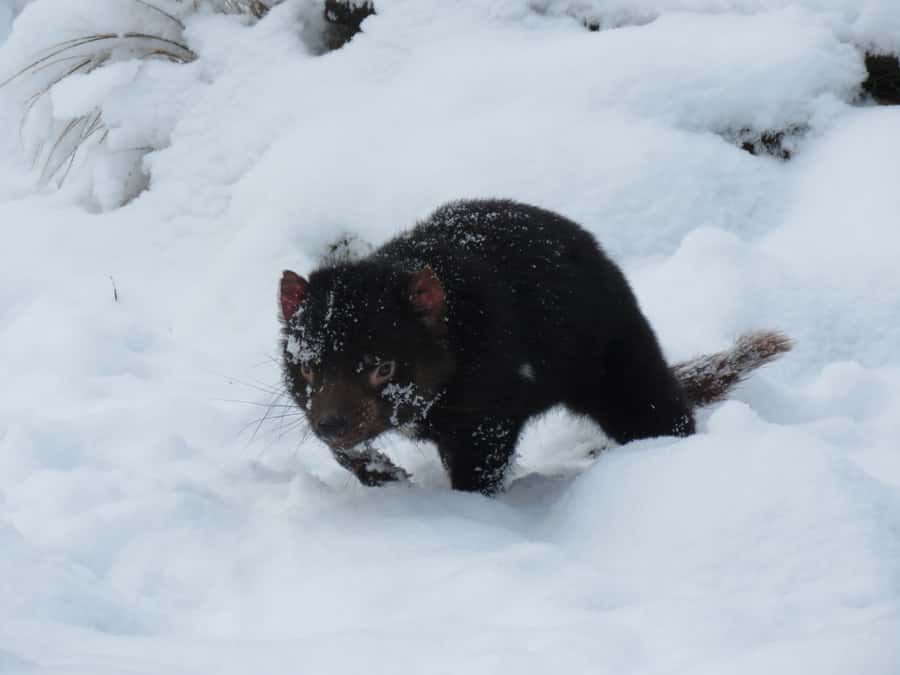
Tasmanian devils are known for loud, sharp vocalizations, and you may hear those screams during the experience. The tour description even frames it that way, which is helpful because it sets expectations. In other words, you are not secretly worried something is wrong. You are hearing normal devil communication and behavior in a sanctuary environment.
Here is what I think you should do when you hear it: look first, then ask questions. When the guide is with you, use that moment. The best tours teach you how to match sound to behavior. That is where the guided walking really helps, because you are not stuck wondering what you are hearing or what you are supposed to look for next.
Also, do not expect every scream to mean a fight is happening. Sometimes it is social behavior, stress, or excitement. A keeper-led explanation turns that noise into information instead of just background drama.
Practical walk tips for uneven paths and changing weather
This is a rain or shine tour. The sanctuary experience includes natural woodchip paths, platforms, and compacted gravel, plus uneven ground and steps. That is why warm clothing matters, and why sensible footwear makes a real difference. If the weather turns, the paths can feel more demanding, even if you are not planning any extreme hiking.
It is also useful to know that while wheelchair access is available, not all parts of the sanctuary are accessible. Wheelchair access is via reception to the main viewing deck, or you can use a side gate that leads directly into the sanctuary grounds. If you have accessibility needs, tell the staff what you want to see. The information you are given says they can be flexible, with requests handled through prior organisation.
If you are traveling with kids, note that unaccompanied minors are not allowed. So plan on staying with your group the whole time.
Value for money: what you get for $17 in a conservation setting
At $17 per person for a 45-minute keeper tour plus general entry, this is priced like a solid add-on, not a big splurge. And you are not just buying access to animals. You are paying for interpretation by a keeper guide who helps connect what you see to the conservation programs behind Devils@Cradle.
For me, the value comes from three things working together:
- Guidance during the part when you are most likely to miss details on your own
- General entry that lets you return to your favorite enclosures after the tour
- Clear conservation link that gives the visit purpose beyond entertainment
One more value point: the tour feels built for short attention spans. The guided portion is just 45 minutes, so you do not need to reserve half your day. That makes it a smart choice if you want wildlife time without sacrificing the rest of your Cradle Mountain plans.
Who this Day Keeper tour suits best
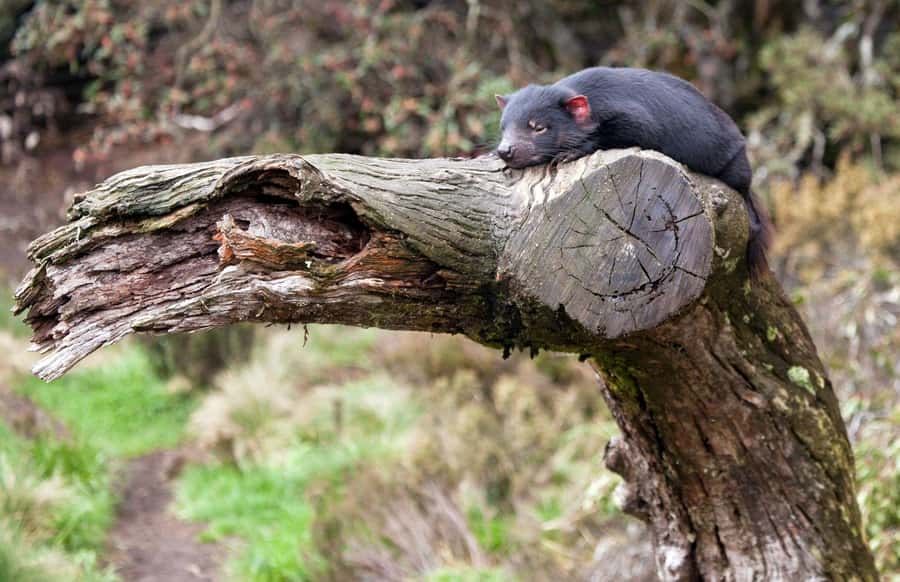
This tour fits best if you want a conservation-focused wildlife experience rather than a self-guided walk only. I especially like it for people who learn best by asking questions while standing in front of the animals.
It is a good match for:
- Families who want a keeper-led explanation and a safe, structured visit time window
- First-time devils fans who want context on why they are threatened
- Anyone traveling with older kids or adults who can appreciate conservation effort, not just a quick photo stop
If you are hoping for a purely relaxed stroll with zero walking, be aware the sanctuary includes steps and uneven ground. You can still have a great time, but you will want to plan your pace.
Booking yes or no: should you do this tour?
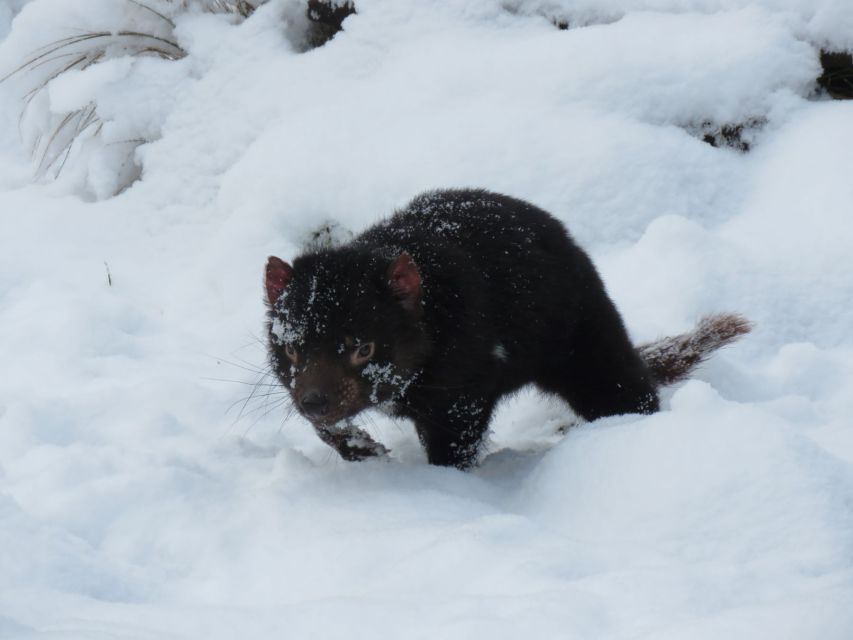
Book it if you want devils and quolls with guided interpretation, and you like the idea of learning how conservation programs support threatened wildlife. The price is reasonable for what you get, and the mix of keeper tour plus self-exploration makes it feel like more than a single short talk.
Skip it only if your schedule is so tight that you cannot spare 45 minutes, or if uneven ground and steps would make it too uncomfortable. If mobility is a concern, check with staff about what access routes are realistic for your needs before you go.
If you are doing Cradle Mountain area time, this is a strong, practical wildlife stop that actually explains the mission while you watch the animals.
FAQ
How long is the Devils at Cradle Day Keeper tour?
The guided keeper tour is 45 minutes.
What is the price for this experience?
The price is listed as $17 per person.
What does my ticket include?
Your ticket includes general entry tickets to the sanctuary, free parking at the sanctuary, and the guided keeper tour.
What are the opening hours?
Devils@Cradle opening hours are 9:30 AM to 5:00 PM.
Does the tour run in bad weather?
Yes, this tour will take place rain or shine.
What should I bring for the visit?
You should bring warm clothing.
Are unaccompanied minors allowed?
No, unaccompanied minors are not allowed.
Is wheelchair access available?
Wheelchair access is available via reception to the main viewing deck, or by using a side gate leading directly into the sanctuary grounds. The sanctuary includes uneven ground, steps, natural woodchip paths, platforms, and compacted gravel, and not all areas are accessible, but staff are flexible and can accommodate most requests with prior organisation.
Is there flexible booking and cancellation?
There is free cancellation up to 24 hours in advance for a full refund, and you can reserve now and pay later, meaning you pay nothing today.
Added lately from Tasmania
- Devils at Cradle: Day Keeper Tour and Entry to Wildlife Park
★ 4.9 · 55 reviews - From Triabunna: Maria Island Cruise & Guided Walk with Lunch
★ 4.9 · 126 reviews - Cape Bruny Lighthouse Tour – Bruny Island
★ 5.0 · 305 reviews
Koala & Wildlife Encounters, compared.
 ★ 5.0All Inclusive Blue Mountain,Scenic World,Lunch,Koalas,ferryFrom $2047,832 reviews
 ★ 4.7Blue Mountains Adventure: Scenic World, Zoo & Koala PhotoFrom $1442,062 reviews
 ★ 4.5From Melbourne: Penguin Parade, Koalas & KangaroosFrom $1121,932 reviews
 ★ 4.9From Brisbane: Australia Zoo Transfer and Entry TicketFrom $1261,539 reviews
 ★ 4.5Brisbane River Cruise with entry to Lone Pine Koala SanctuaryFrom $821,522 reviews
 ★ 5.0Blue Mountains: Three Sisters, Scenic World and Wildlife parkFrom $1821,481 reviews
 ★ 4.7Brisbane River Cruise and Koala Sanctuary VisitFrom $811,397 reviews
 ★ 4.6From Melbourne: Penguin Parade and Koalas TourFrom $1151,287 reviews
Browse the lists this tour appears in