
REVIEW · AUSTRALIA
Flying Fox Experience, Thousands of Australia’s Largest Bat
Sydney has bat magic near the city.
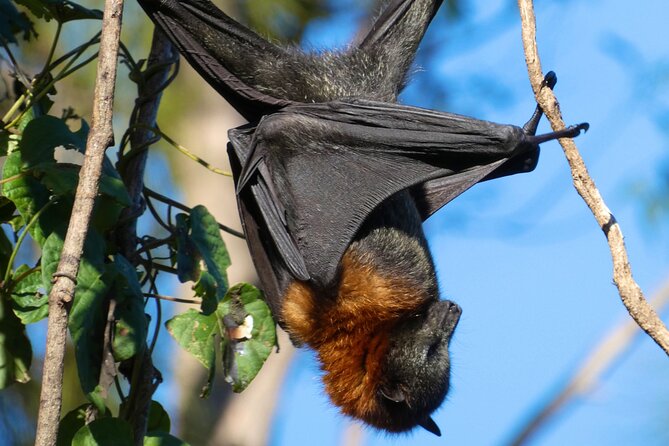
On this small-group flying fox experience, you get an eye-level look at Australia’s largest bat colony, plus help for wildlife photography with high-zoom gear. The guide Dave keeps things relaxed, but you still get the why behind what you’re seeing, including why these endangered fruit bats matter.
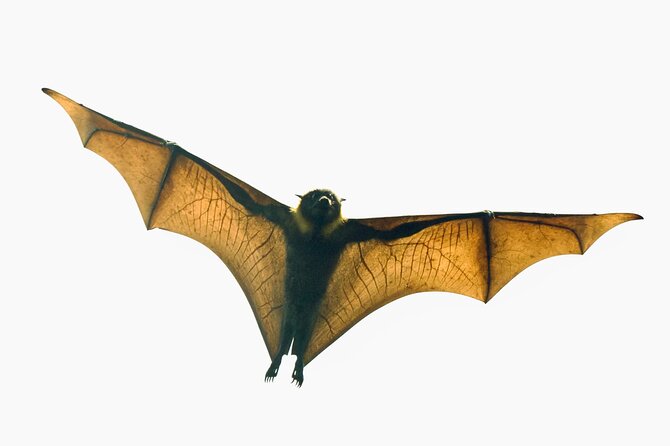
I especially like the up-close scale. You’re not watching from a distant viewpoint, you’re seeing bats in big numbers with a roughly 1-meter wingspan. I also like the photo setup, since you’re given camera tools to help you capture what your phone can’t.
One thing to consider: you’re going in the middle of the day, and bat activity can be lively but also unpredictable. If you hate getting around wildlife in the open, this might feel intense, even though it’s all done in a respectful, wild setting.
In This Review
- Quick take on the flying fox colony experience
- Australia’s largest flying fox colony is right by Sydney
- Meeting at Thomas Sutcliff Mort and the calm drive to the reserve
- What you actually do with the bats: eye-level viewing and photo time
- Guide Dave’s role: small group attention that makes it feel personal
- Snacks, water, and why that small comfort matters
- Photo help you can actually use on flying fox wings
- Why learning about endangered fruit bats changes the whole vibe
- How the daytime timing affects what you might see
- Price and value: what $57.38 includes
- Who should book, and who might skip
- Final call: should you book the Flying Fox experience?
Quick take on the flying fox colony experience
- Eye-level fruit bats in a real colony, not a “spotting from far away” setup
- High-zoom camera support so you can actually photograph moving wings
- Small group limit (max 14) for more guide attention and less waiting around
- Guide Dave’s hands-on help, including binocular-style viewing and photo assistance
- Snacks and bottled water to keep the morning comfortable
- Photos made easier, including access to images taken with longer reach gear
Australia’s largest flying fox colony is right by Sydney
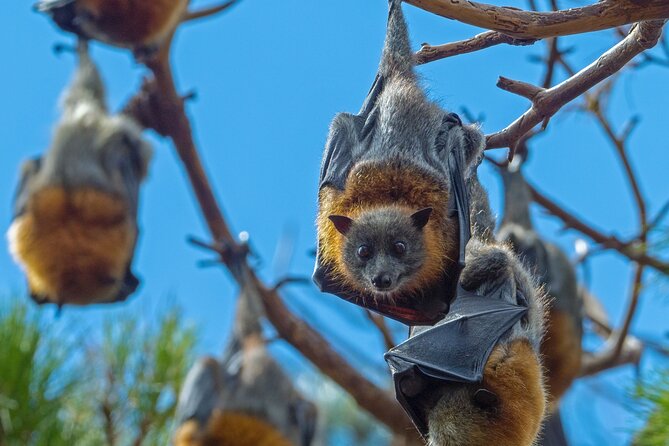
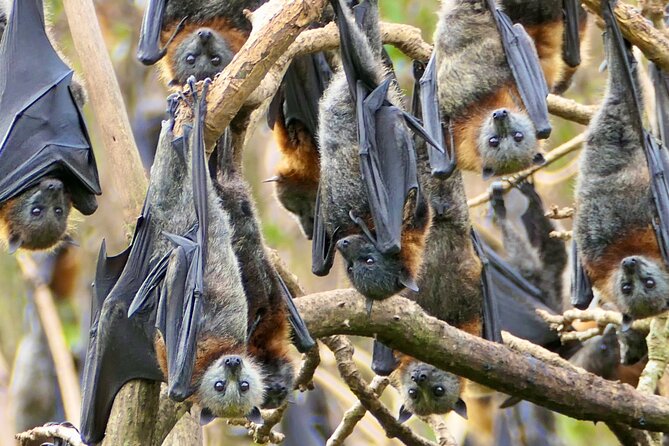
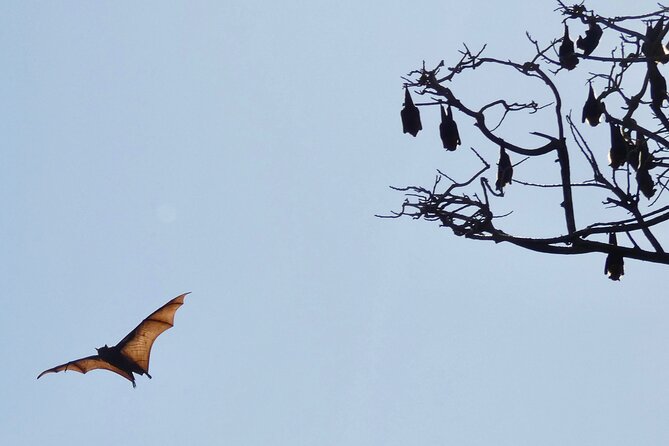
This is one of those Sydney experiences that feels like a cheat code. You get to swap city traffic for a reserve where thousands of flying foxes hang out, active enough to make the whole hour-and-a-bit feel like a real wildlife show.
These are endemic fruit bats, also called flying foxes, and the tour frames them as endangered wildlife with real ecological importance. That matters, because once you understand what they eat and how colonies work, the sight becomes more than just cute and spooky at the same time.
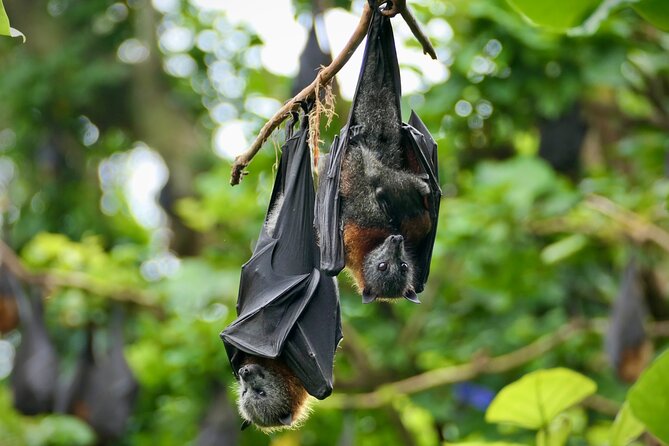
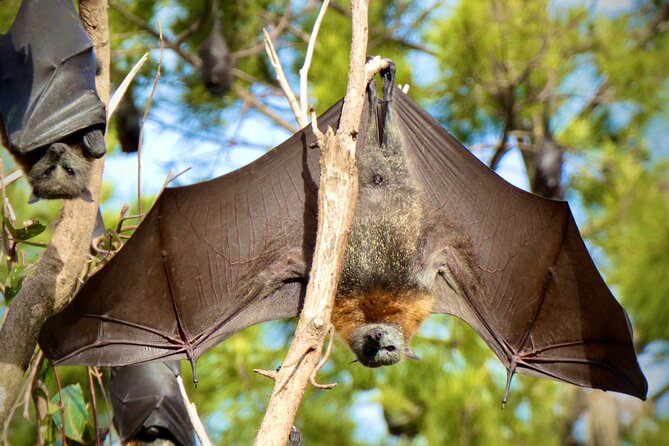
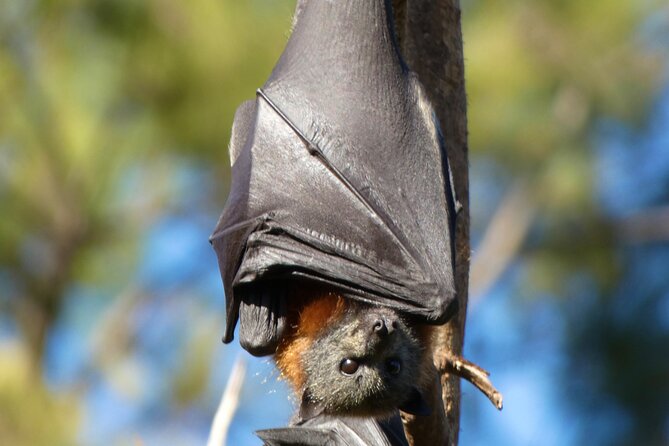
The biggest draw is simple: you see massive bats up close. The tour highlights a wingspan around 3 feet (1 meter), and in the colony setting you’ll notice how size changes everything, from their silhouettes to how they shuffle and fan out.
Undecided? The Sydney reviews closest to this one sit below.
- Sydney: Opera House Guided Tour with Entrance Ticket★ 4.8 · 8,312 reviews
- All Inclusive Blue Mountain,Scenic World,Lunch,Koalas,ferry★ 5.0 · 7,832 reviews
- From Sydney: Blue Mountains Full-Day Trip★ 4.5 · 4,471 reviews
- Sydney Opera House Official Guided Walking Tour★ 4.5 · 3,770 reviews
Meeting at Thomas Sutcliff Mort and the calm drive to the reserve
You start at Thomas Sutcliff Mort, 36 Bridge St, Sydney NSW 2000, which is a practical jump-off point if you’re already planning time near Circular Quay. The tour starts at 10:00 am, so you’re not stuck doing a late afternoon scramble.
You’ll meet the guide near the area and then travel by car to the reserve where the colony lives. It’s a short, straightforward transfer that keeps the morning efficient, and it also helps you get everyone into position without the stress of figuring out the route yourself.
One small practical note: this is a “meet up, then go” format. You’ll want to arrive a few minutes early so you’re not rushing right when the guide starts the first round of explanations.
What you actually do with the bats: eye-level viewing and photo time
The main event is the encounter at the colony. You’ll walk into position where you can meet these flying foxes at eye level, and that changes the experience fast. It’s not just watching bats, it’s sharing airspace with them, watching how they react to movement and to each other.
The guide talks through what you’re seeing, including interesting facts about endemic fruit bats and why they are endangered. That context gives your photos and memories more meaning, because you’re not just capturing wings, you’re learning what survival pressures exist and why the colony is protected.
You also get high-zoom cameras provided to capture close-up details. The key word here is details. With long reach gear, you can frame bats without needing to crowd them, and you can catch facial features, fur textures, and the way wings spread and fold.
And yes, there’s movement. The colony can look chaotic in the best way, with bats climbing, flapping, and gliding through the open air. In the middle of daytime, activity can be especially noticeable, so keep your eyes up and your camera ready for sudden wing lifts.
Guide Dave’s role: small group attention that makes it feel personal
A lot of wildlife tours fail on one thing: you end up waiting for your turn. This one uses a small group size, with a maximum of 14 travelers, which helps the guide keep tabs on everyone’s comfort, questions, and camera questions.
In the field, Dave doesn’t just point and talk. He helps you find good viewing angles and makes sure you can use the provided gear. Multiple people highlighted that he takes time for photos and offers guidance that goes beyond basic “press the button” instructions.
You’ll also notice the tour feels organized but relaxed. That matters with wildlife, because you don’t want constant time pressure while animals are doing their thing. A calm pace lets you react naturally, linger when bats cluster, and move only when it helps your view.

Snacks, water, and why that small comfort matters
On a 2.5-hour tour, comfort affects how much you enjoy the wildlife. Here, snacks and bottled water are included, and that’s a nice detail for anyone who doesn’t want to burn a whole morning on food before getting to the reserve.
It also keeps you steady. When you’re staring up at moving animals with cameras, fatigue sneaks in fast. A quick snack and a drink can turn the experience from “great but tiring” into “great and actually enjoyable the whole time.”
Think of it as part of the value, not just a freebie.
Photo help you can actually use on flying fox wings
If you’ve tried photographing wildlife before, you know the problem. Animals move, light changes, and your phone lens usually can’t get the reach you want. This tour solves that with high-zoom options and additional camera support.
Here’s how I’d use the photo time to get the most out of it once you’re at the colony. First, watch the bats for five seconds before shooting. Then start tracking small motions, like a head turn or wing stretch, because those micro moments often look more dramatic in a photo than the biggest single flap.
Second, keep expectations realistic. These are wild animals, so you won’t control pose. What you can control is getting sharp frames when wings open and when bats cluster. Using any provided zoom gear, take bursts during wing spread, then pause when activity settles to avoid blurry shots.
Lastly, use the sharing workflow. People reported being able to access photos taken with longer reach gear afterward, including downloads connected to phones. That’s useful if you’re traveling and want keep-the-moment memories without spending your whole night editing.
Why learning about endangered fruit bats changes the whole vibe
The tour doesn’t treat bats as a simple novelty. The guide explains why these flying foxes are endangered and why they’re important. That turns the experience into wildlife viewing with a reason behind it.
Flying foxes play an important role in ecosystems as fruit-eating bats, which is part of why conservation matters. When you understand they’re not just hanging around, you start noticing patterns, like where they gather and how the colony behaves as a group.
You’ll also likely pick up the big-picture message behind an “up close” encounter: you’re seeing wildlife in a protected habitat. That gives you the right mindset. You can be amazed by the wingspan and still act like you’re visiting a home, not a zoo exhibit.
How the daytime timing affects what you might see
The tour runs at 10:00 am for an experience of about 2 hours 30 minutes. In practice, that can be a sweet spot for active wildlife, because colonies may look busy and responsive in daylight.
From what people describe, bats can be surprisingly active even when it’s not dawn or dusk. You may see them interacting, making noise, and occasionally flying through open space. Still, keep in mind wildlife timing is never fully scripted, so you should come with a flexible mindset.
If your goal is guaranteed “maximum chaos,” this is not that kind of experience. If your goal is a genuine wild encounter with strong photo support and clear explanations, the timing works well.
Price and value: what $57.38 includes
At $57.38 per person, this isn’t a huge splurge, but it also isn’t just a quick walk in the park. The value comes from the mix of things that would cost you separately: a guide, local transport out to the reserve, photo support with high-zoom gear, and time spent in a real colony.
Add in snacks and bottled water, and it starts to feel like a well-planned morning rather than a bare-bones wildlife ticket. The small group cap matters too, because you’re not competing for attention when something interesting happens.
If you’ve ever tried to photograph wildlife solo around Sydney, you know the hidden costs are time, gear, and figuring out where to stand for decent shots. This tour gives you the setup and the guidance so you can focus on the bats instead of logistics.
Who should book, and who might skip
This tour is a great match if you want a high-impact Sydney nature experience without a full-day commitment. It’s ideal for wildlife lovers, photographers, and anyone who likes learning while seeing animals in their natural habitat.
It’s also a good pick if you’re curious about Australian wildlife but not sure where to start. The guide helps you understand flying fox behavior and why conservation matters, which turns a “cool sight” into a story you’ll remember.
Who might skip it? If you’re strongly uncomfortable around bats, this probably won’t be for you. You should also avoid it if you only want guaranteed, structured sightseeing like museums. This is wildlife time, and wildlife does what wildlife wants.
Final call: should you book the Flying Fox experience?
I’d book it if you want up-close Sydney wildlife with strong photo support and a guide who keeps the whole thing easy to enjoy. The small group size, the high-zoom camera help, and the eye-level colony viewing make it feel like more than a ticket, it’s a guided encounter you can learn from and photograph.
Book it especially if you’re the type who gets more excited by real behavior than by tidy exhibits. And go in with patience, because the payoff is watching bats do their thing at scale, not forcing a fixed script onto wild animals.
Added lately from Sydney
- Sydney Private Food Walking Tour With Locals: The 10 Tastings
★ 4.0 · 53 reviews - Shuttle Transfer from Cruise Ship Terminal at Circular Quay to Sydney Airport
★ 4.0 · 53 reviews - Paint and Sip Classes Sydney: Acrylic Art, Canvas & Wine
★ 5.0 · 53 reviews - Historical True Crime Walking Tour of East Sydney
★ 5.0 · 53 reviews - Hunter Valley Wine Tour from Sydney with Lunch and 3 Cellar Door Tastings
★ 4.5 · 54 reviews - Hunter Valley: Wine, Chocolate and Lunch All Inclusive Tour
★ 4.3 · 54 reviews