
REVIEW · WALKING TOURS
Historical True Crime Walking Tour of East Sydney
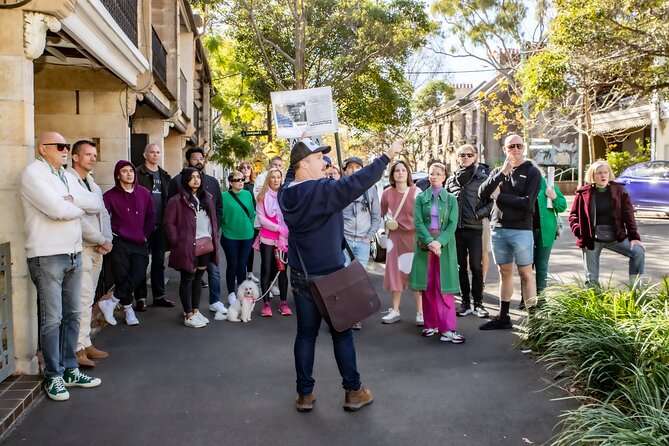
East Sydney has a darker side. This 2-hour Historical True Crime Walking Tour turns Hyde Park and Darlinghurst into an easy-to-follow story route, guided by Elliott and priced at $24. I love how the meeting point at MuseumSydney keeps things simple, and how the pace feels manageable while the stories reach from the 1920s into the 1970s.
I also love the mix of Victorian and Edwardian streets with real locations: Darlinghurst gaol, an old police station and courthouse, and the 1930s Kinselas Hotel on Taylor Square. You get enough built-in detail that you can picture the past without feeling like you’re reading a textbook.
One drawback to keep in mind is the tone. The tour focuses on murders, prostitution, drug dealers, and gang activity, so it may feel heavy if you prefer lighter sightseeing. It also runs on good weather, since it is still a walking tour.
In This Review
- Quick hits before you go
- Why East Sydney is the right setting for dark stories
- Price and timing: what $24 buys you in the real world
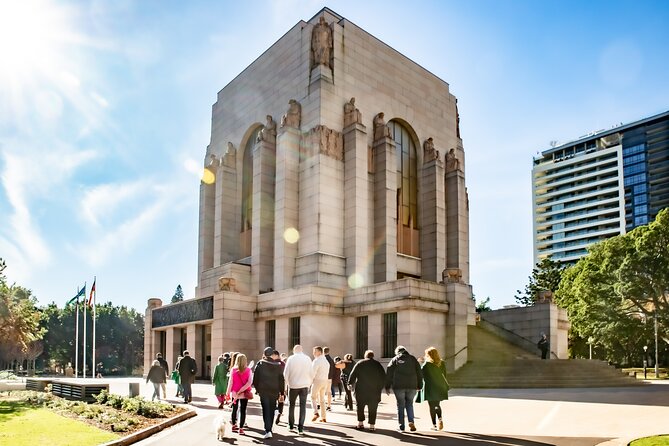
- Stop 1: Hyde Park, ANZAC Memorial views, and a 1920s cold case
- Stop 2: Darlinghurst laneways, convict gaol, and the Kinselas Hotel ending
- Parkland Killer and Mutilator Murders: how the guide ties crime to street corners
- Beyond crime scenes: the sociological angle you don’t get in most walks
- What to expect from the route and your guide, in plain terms
- Practical tips so you enjoy the walk (and not just survive it)
- Should you book the Historical True Crime Walking Tour of East Sydney?
- FAQ
- Where does the tour start and end?
- What time does the tour begin?
- How long is the tour?
- How much does it cost?
- Is a mobile ticket used?
- How many people are on the tour?
- Do I need a certain fitness level?
- Is service animal access allowed?
Quick hits before you go
- MuseumSydney start, Kinselas Hotel finish on Taylor Square makes the route feel complete
- Hyde Park Stop includes the ANZAC Memorial and pond, plus a 1920s cold case
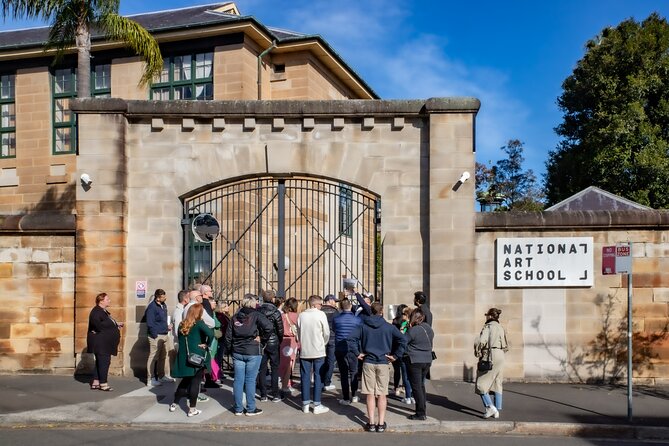
- Darlinghurst Stop covers a convict-built gaol from 1841, plus old police and courthouse buildings
- Parkland Killer and Mutilator Murders of the 1960s are part of the guided case stories
- Razorhurst is used as a name for older gang-fight history in the area
- Small group size (max 25) helps keep the guide chatty and the walk social
Why East Sydney is the right setting for dark stories
East Sydney is not just an in-between part of the city. It’s a tight cluster of streets where the past still shows up in architecture and street shape, and that matters for a true crime walk. Over time, Darlinghurst earned a reputation as one of Australia’s most dangerous areas between 1890 and 1960, shaped by slums and gang activity.
What I like most is that the tour doesn’t treat the area as a blank backdrop. It starts with Hyde Park, which includes Aboriginal use before colonization, then shifts into Darlinghurst’s old criminal justice buildings and street-level history. That jump helps you understand why crimes happened where they did.
You also get a street-level reminder that history often lives under the surface. The guide’s job is to show you how the city’s layers connect, from convict-era foundations to 1960s case stories, without turning it into a gloomy lecture.
Darker evening walks, city by city
- Sydney: True Crime Tour★ 4.8 · 554 reviews
- The Rocks Ghost Tours with Guide in Sydney★ 4.5 · 482 reviews
- Sydney Dark Stories True Crime Tour★ 5.0 · 453 reviews
- Sydney Ghost Walking Tour★ 3.5 · 156 reviews
Price and timing: what $24 buys you in the real world
For $24, you’re buying a focused route for about two hours in central Sydney, with a mobile ticket. That’s good value if you’re trying to make the most of a shorter visit, since the walk is designed around specific stops rather than a long meander.
The tour runs from 11:00 am, starting at MuseumSydney (Sydney NSW 2000) and ending at Kinselas Hotel (383 Bourke St, Darlinghurst NSW 2010). Because it finishes at Taylor Square, you’re not stuck far from transit or your next plan.
The group size cap is 25 travelers, and that’s a sweet spot for a walking tour. It usually means you can hear the guide clearly and still ask questions when something clicks.
Physically, you should plan for a moderate fitness level. The itinerary includes two main segments, about 30 minutes in Hyde Park and about 1 hour 30 minutes in Darlinghurst, so you’ll want comfortable walking shoes and an easygoing attitude about stopping often.
Stop 1: Hyde Park, ANZAC Memorial views, and a 1920s cold case
Hyde Park is where the story gains context. You’ll spend about 30 minutes here, and the tour uses the park to set the stage before it gets heavy.
You’ll hear about the ANZAC Memorial and the pond, and you’ll also get broader historical anchors that many guidebooks skip. One example is the mention of an early cricket moment, the first match between Australians and English in 1830. Another is the note that Aboriginal people used Hyde Park before colonization, which helps you see the site as older than the colonial crime narratives that often dominate tours.
Then the tour turns to a darker thread, a cold case murder from the 1920s. The key value of this stop is pacing. You’re not thrown into gangland straight away. Instead, you learn how this part of Sydney fits into longer timelines, then you move into Darlinghurst with stronger context for why the next neighborhoods mattered.
A practical consideration: if you only want the loudest crime scenes and you are impatient with broader history, this first stop might feel slower. But even if you’re mainly there for true crime, Hyde Park’s setup makes the rest of the walk easier to follow.
Stop 2: Darlinghurst laneways, convict gaol, and the Kinselas Hotel ending
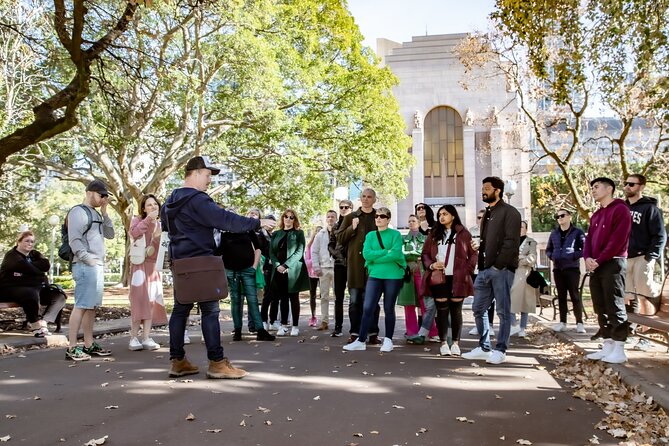
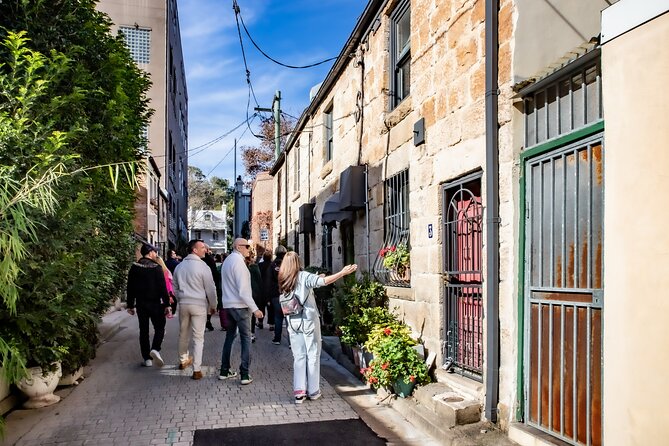
Darlinghurst is where the tour becomes a real walk through old Sydney. After Hyde Park, you move into the old suburb often described as East Sydney. This portion runs about 1 hour 30 minutes, and you explore lanes and streets tied to crime stories stretching roughly from 1860 to 1970.
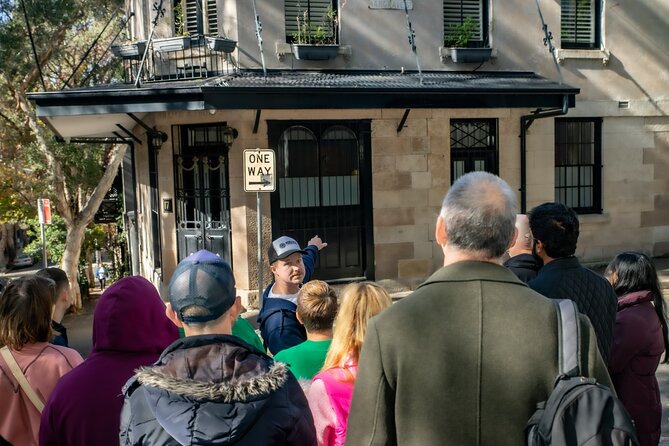
Darlinghurst is also where you see the architectural payoff. The tour highlights Victorian and Edwardian architecture, which helps you understand what people would have been walking past, working around, and hiding within. When you can picture the buildings, the stories feel less abstract.
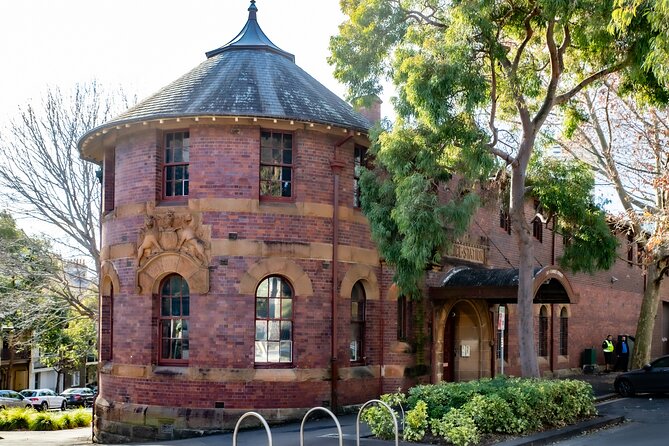
The main historic anchor is the Sydney gaol built by convicts in 1841. You’ll hear about the inmates and the hangmen, which gives the site more than a spooky label. Next comes another cluster of law-and-order buildings, the old Police Station and Courthouse, which helps connect street crime to the institutions that responded to it.
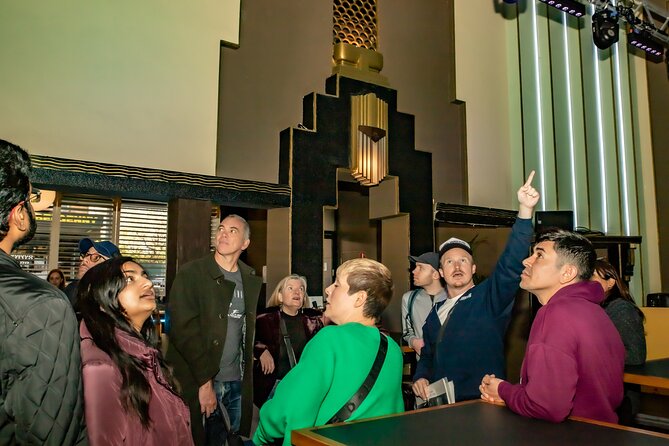
Finally, you finish at Kinselas Hotel, a building with a layered past. It was originally a 1930s funeral parlour that has since been converted into a bar on Taylor Square, and it’s also known as the backdrop of Sydney’s LGBT Mardi Gras. Ending here is smart, because it contrasts the neighborhood’s rougher reputation with a modern community landmark.
One drawback to plan for: Taylor Square can be lively. If you want quiet reflection at the end, you might need to step a bit away from the center of the Square for a breather before your next stop.

Parkland Killer and Mutilator Murders: how the guide ties crime to street corners
The tour isn’t just a list of cases. It’s built around the idea that crimes make sense when you understand the places they connect to.
You’ll hear stories about criminals, prostitutes, and drug dealers, and the guide points you toward specific locations tied to infamous case narratives. The big named cases include the Parkland Killer and the Mutilator Murders of the 1960s. You’ll also hear about an area once nicknamed Razorhurst, known for older gang fights.
What makes this part work is the “show you where” approach. Rather than telling you a story and moving on, the guide uses the street layout as a memory tool. You start to notice how lanes can funnel foot traffic, how blocks can feel separate from main roads, and how buildings can hide what happens behind them.
To keep the experience enjoyable, you need to go in with realistic expectations. This is true crime told through place. It’s not presented as a courtroom exhibit, and it’s not the same as sitting down with a documentary. If you want atmosphere, location cues, and context, this format fits well.
Beyond crime scenes: the sociological angle you don’t get in most walks
One of the strongest reasons to do this tour is the way the stories get connected to social conditions. The guide doesn’t only focus on the headline events. Instead, you get a sense of how different eras shaped crime and punishment.
That includes the shift from the convict years into later decades, including the 1970s era mentioned in the tour’s framing. When you understand the social pressures around housing, policing, and survival, the crime stories stop feeling like isolated monsters and start feeling like outcomes of their time.
This is also where the group dynamic helps. With a smaller cap and a route packed with pauses, you’re more likely to hear questions and follow-up points. That turns the tour from a one-way lecture into a shared walk.
The result is a tour that feels entertaining without being careless. You get story, but you also get context, and that makes the walk more memorable when you’re comparing it later to other city tours.
What to expect from the route and your guide, in plain terms
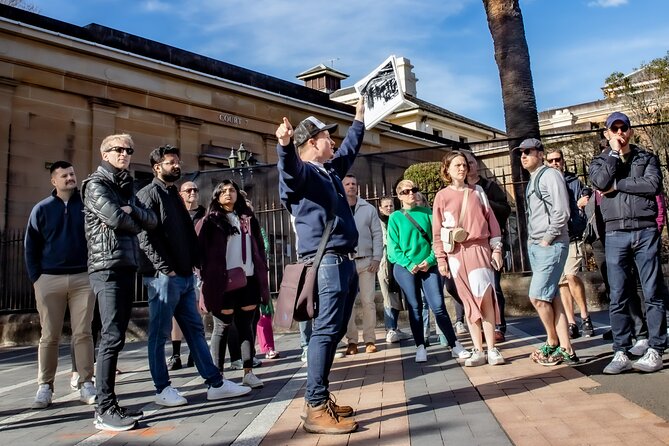
The tour is structured around clear stops, and it is designed to be easy to manage. You’ll know where you are going next, and you’ll spend enough time at each location to actually take in what you’re seeing.
Your guide, Elliott, sets a tone that keeps things moving. In my experience with well-run walking tours like this, the best ones do two things: they keep the facts straight and they keep you engaged. Elliott’s style leans into both, with an emphasis on story plus place, rather than dry dates and names that blur together.
Because it is a group walk, you’ll also make small connections along the way. That matters if you’re traveling solo or you want to meet a few people without forcing it. You’re walking together, pausing together, then talking a bit when something lands.
And yes, it is walking, but it is not built like a marathon. The focus is the stop-to-stop experience, and you’ll spend more time looking at buildings and listening than trekking across Sydney.
Practical tips so you enjoy the walk (and not just survive it)
This is a weather-dependent tour, so check the forecast before you commit. If rain or bad conditions hit, plan on rescheduling or a refund option being offered rather than pushing through in unpleasant weather.
Wear comfortable shoes. You’ll be on city sidewalks and near historic sites, which can mean uneven pavement and frequent stops. Bringing a small water bottle is a good idea since the tour runs roughly two hours.
For photos, aim for a mix: wide shots of street facades and close-ups of architectural details. The tour highlights Victorian and Edwardian streets, so windows, ironwork, and building shapes can be worth capturing. At the same time, don’t spend every minute behind your camera. The story part is the reason you’re here.
Finally, if you are sensitive to violent true crime themes, consider that ahead of time. The tour covers murder cases and other serious subject matter. You can still enjoy it, but go in prepared to handle the tone.
Should you book the Historical True Crime Walking Tour of East Sydney?
Book it if you want a guided way to see central Sydney that goes past the usual postcard stops. I’d especially recommend it if you like true crime told with context, and if you appreciate how architecture and location can explain more than a simple summary. At $24 for roughly two hours, the value is strong, and the small group size helps you stay connected to the guide.
Skip it if your ideal Sydney day is light and breezy with minimal dark material. This walk leans into murders, gangs, and other grim themes, and Hyde Park to Darlinghurst is intentionally a progression into the darker side of the city.
If you’re choosing one “special interest” walk in Sydney and you enjoy hearing stories tied to exact street corners, this one is a smart pick.
FAQ
Where does the tour start and end?
The tour starts at MuseumSydney, Sydney NSW 2000, and ends at Kinselas Hotel, 383 Bourke St, Darlinghurst NSW 2010.
What time does the tour begin?
The start time listed is 11:00 am.
How long is the tour?
It runs for about 2 hours.
How much does it cost?
The price is $24.
Is a mobile ticket used?
Yes, it uses a mobile ticket.
How many people are on the tour?
The tour has a maximum of 25 travelers.
Do I need a certain fitness level?
The tour notes a moderate physical fitness level.
Is service animal access allowed?
Yes, service animals are allowed.
After Dark, and Older Crimes
Added lately from Sydney
- Sydney Private Food Walking Tour With Locals: The 10 Tastings
★ 4.0 · 53 reviews - Shuttle Transfer from Cruise Ship Terminal at Circular Quay to Sydney Airport
★ 4.0 · 53 reviews - Paint and Sip Classes Sydney: Acrylic Art, Canvas & Wine
★ 5.0 · 53 reviews - Historical True Crime Walking Tour of East Sydney
★ 5.0 · 53 reviews - Hunter Valley Wine Tour from Sydney with Lunch and 3 Cellar Door Tastings
★ 4.5 · 54 reviews - Hunter Valley: Wine, Chocolate and Lunch All Inclusive Tour
★ 4.3 · 54 reviews
Walking Tours, compared.
 ★ 4.5Sydney Opera House Official Guided Walking TourFrom $343,770 reviews
 ★ 4.8From Sydney: Blue Mountains Tour with Waterfall Walk & LunchFrom $852,400 reviews
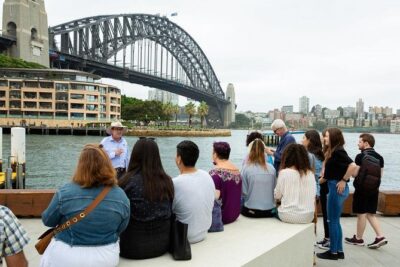 ★ 5.0Sydney The Rocks Guided Walking TourFrom $321,546 reviews
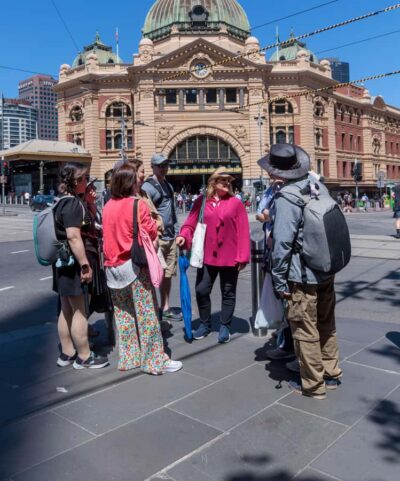 ★ 5.0Ultimate Melbourne Walking Tour: History, Laneways & CultureFrom $921,451 reviews
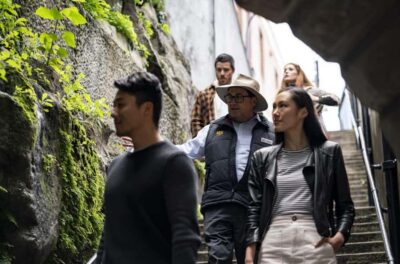 ★ 4.7Sydney: The Rocks 90-Minute History Walking TourFrom $321,092 reviews
 ★ 4.5Great Ocean Road Tour Plus Koalas, Forest Walk and Morning Tea1,068 reviews
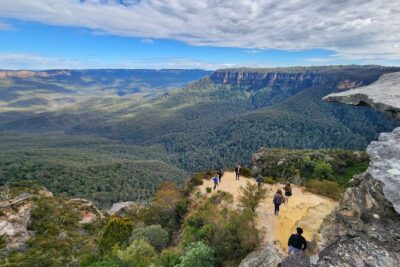 ★ 5.0Blue Mountains Small Group Tour with Waterfall Walk & Fresh LunchFrom $86628 reviews
 ★ 5.0Maria Island Cruise and Guided Walk Day Tour with Lunch and DrinksFrom $211617 reviews
Browse the lists this tour appears in