
REVIEW · HOBART & MOUNT WELLINGTON
Hobart: 2.5-hour Iron Pot Lighthouse Cruise
Lighthouse views beat any postcard. This 2.5-hour Iron Pot Lighthouse Cruise pairs Derwent River landmarks with Australia’s oldest working lighthouse.
I like that you travel on a brand-new, enclosed boat in a small group, so the views stay big and the ride feels well handled.
You also get wildlife time that feels earned, not rushed. Cruising past the sea birds around Betsey Island and close to Hope Beach, you’re likely to come away with photos and real nature talk from the captain and guide.
One thing to plan for: weather can mean wind and a choppier water ride, so dress for conditions and bring your camera patience.
In This Review
- Key highlights worth your attention
- Hobart to the Iron Pot Lighthouse: what this cruise is really for
- The boat and onboard setup: comfortable viewing beats big crowds
- Derwent River landmarks: the route that teaches you Hobart’s geography
- Australia’s oldest lighthouse: Iron Pot, Storm Bay, and the story behind it
- Betsey Island and seabirds: wildlife time that doesn’t feel random
- Hope Beach and the Southern Ocean swell: when the coast feels alive
- Caves and secluded beaches: the stops that change the photos
- Wildlife bonuses: dolphins, seals, and when luck makes it special
- Price and value: why $102 feels fair for what you get
- When to go and what to wear: make the ride work for you
- Best for who: match your travel style to this cruise
- How to plan this into your Hobart days
- Should you book the Iron Pot Lighthouse Cruise?
- FAQ
- Where is the meeting point for the cruise in Hobart?
- How long is the Iron Pot Lighthouse Cruise?
- How many people are on the boat?
- What should I bring?
- Is the tour guided in English?
- Does the cruise have a minimum age or minimum group size?
- Can I cancel and get a refund?
- How often do these cruises depart?
Key highlights worth your attention
- Small group on a modern vessel with comfortable leather seating and large awning windows for easy viewing
- Iron Pot Lighthouse viewing plus early settlement stories from the local guide
- Betsey Island circumnavigation with seabirds like gulls, cormorants, and a chance of a white-bellied sea eagle
- Hope Beach passes close to shore where swell and offshore winds make it a surfer favorite
- Caves and secluded beaches that add variety beyond just “more coastline”
- Guides who mix humor and practical explanations, with captains and skippers such as Hugh, Sam, Tom, Luke, Kate, Hamish, and Earl mentioned in customer feedback
Hobart to the Iron Pot Lighthouse: what this cruise is really for
If you’re in Hobart and want the fastest path to the city’s working seascape, this cruise nails the formula. You start with the Derwent River and its famous waterfront points, then turn toward Storm Bay and the island-and-coast feel changes fast.
I like that the trip is built for perspective. From the land, Hobart can look compact. From the water, Mount Wellington suddenly feels close and huge, and places like Battery Point and the Shot Tower stop being just names on a map.
The tone onboard is another reason to consider it. The guide work is interactive, and people specifically call out the way captains explain what you’re seeing, not just where you are going. You may hear the same mix of humor and practical detail whether your skipper is Sam or Tom, or someone like Hugh who guides with a very personal style.
The mountain, the docks and the Saturday market
- Full-Day Guided Bruny Island Tour from Hobart★ 5.0 · 1,331 reviews
- kunanyi/Mt Wellington Explorer Bus- Return Tour (2.5 hours)★ 5.0 · 1,249 reviews
- Hobart: Bruny Island Food, Sightseeing & Lighthouse Day Tour★ 4.8 · 960 reviews
- Hobart: kunanyi/Mt Wellington Explorer Bus Pass★ 4.8 · 848 reviews
The boat and onboard setup: comfortable viewing beats big crowds
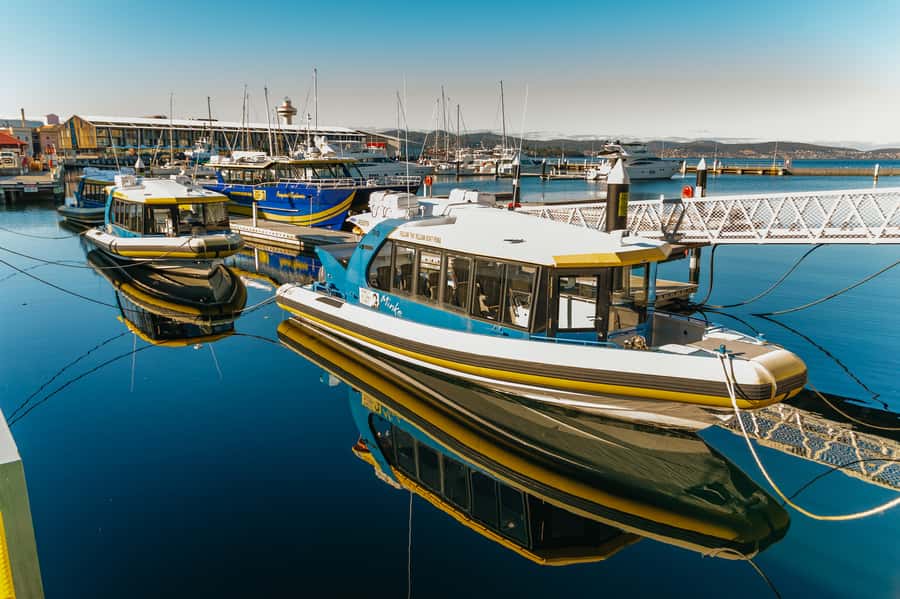
This is a small-group cruise, capped at up to 14 passengers. That matters more than you’d think. Smaller groups make it easier to hear the guide, ask questions, and shift around your seat when the best photo angle pops up.
You’ll be on a brand-new vessel with an enclosed cabin and spacious leather seating. Large awning windows help you keep a steady view without constantly leaning forward. In plain terms, it’s set up for comfort while still feeling close to the coastline.
Bring a camera. People consistently mention great opportunities for photos, especially when the captain steers into caves or close to rocky features. Even if the lighting isn’t perfect, the guide’s running commentary helps you know what you’re looking at before you raise the lens.
One more practical note from real-world experience: when conditions turn windy, the ride can get bouncy. A few passengers specifically mention it felt rocky or bumpy at times. If you’re sensitive to motion, dress warm, take a seat where you feel most stable, and plan to slow your expectations down. The scenery is worth it, but you should go in knowing the water can be a little enthusiastic.
Derwent River landmarks: the route that teaches you Hobart’s geography
The cruise begins in Hobart and runs along waterways that shape local life. Early on, you’ll pass Battery Point, which is now one of Tasmania’s premium residential areas. That stop isn’t just pretty. It helps you connect what you see later around the harbour, because this coast is all about access, shelter, and shipping lines.
You’ll also spot major landmarks such as the Wrest Point Casino and the Shot Tower. These points act like wayfinding anchors. Once you’ve seen them from the water, the harbour layout makes more sense for the rest of your trip, even if you’re only in Hobart a couple days.
As you move south, Mount Wellington grows in your frame until you really feel the scale of it towering over the city. This is the moment where the cruise stops being a simple sightseeing run and becomes a spatial lesson. You start to understand why people built where they did and how the city relates to weather, water, and elevation.
Australia’s oldest lighthouse: Iron Pot, Storm Bay, and the story behind it
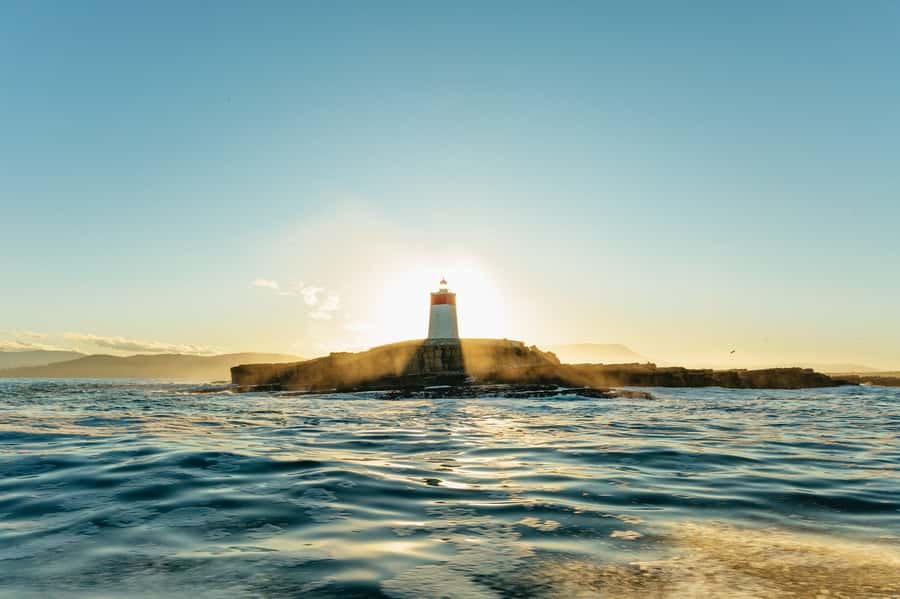
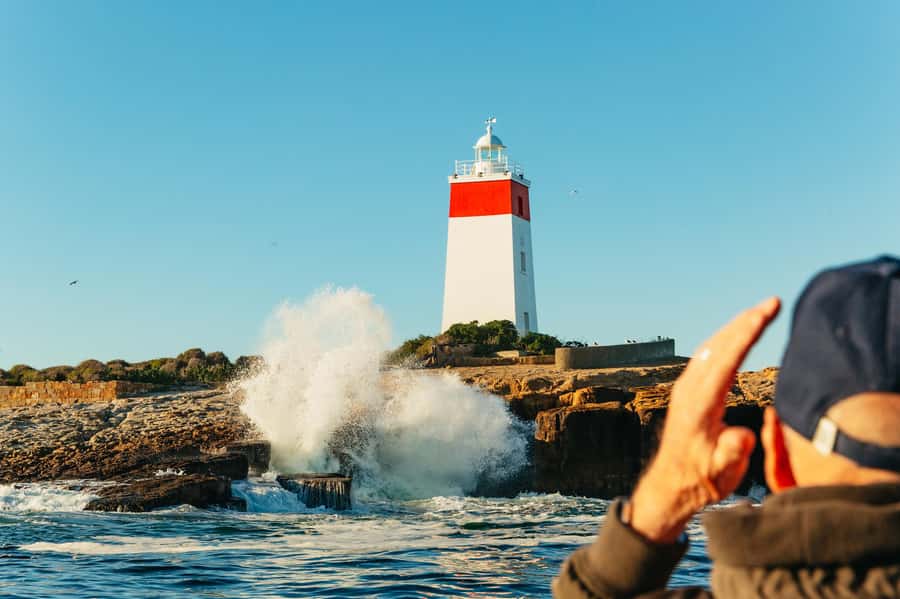
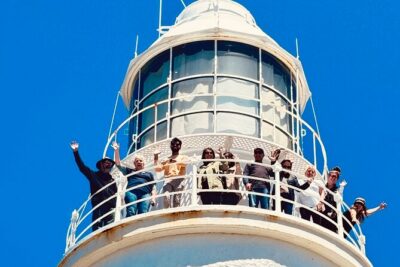
The trip’s name target is the Iron Pot Lighthouse, described as Australia’s oldest lighthouse. When you arrive, the guide shares stories tied to Hobart’s early settlement. The payoff here is that you don’t just see a lighthouse. You understand why it mattered to ships and people navigating these waters.
You’re also cruising into Storm Bay, and the mood changes as the coastline opens up. This part is where the cruise earns its “lighthouse” identity, because the water isn’t calm-lake calm. It has real ocean energy, so the lighthouse feels like something built for a purpose, not just a photo stop.
If you love maritime trivia, this is your time. Several onboard narratives mention both history and nature, with guides keeping the flow steady and making sure everyone stays engaged, from kids to people who simply love lighthouses and remote coasts.
Betsey Island and seabirds: wildlife time that doesn’t feel random
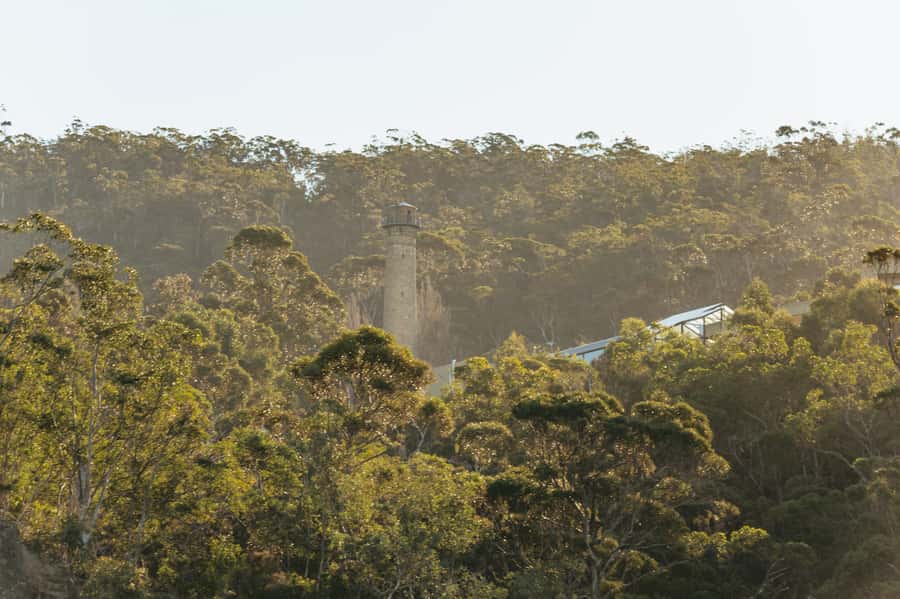
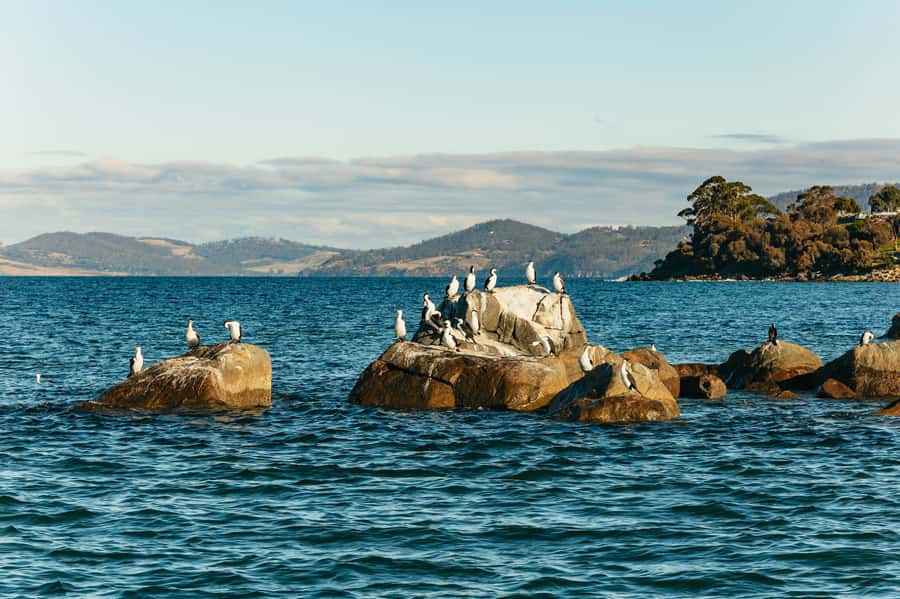
After the lighthouse and Storm Bay, you head toward Betsey Island. This island is uninhabited, and that’s a big part of why the wildlife story works. The cruise gives you a circumnavigation, so you’re not just looking at one side of land.
You can expect seabird variety, with mentions of gulls, cormorants, and the majestic white-bellied sea eagle. Even if you don’t see every species on your day, the habitat makes sense. This is exactly the kind of coastline seabirds use to hunt and ride thermals.
What I like about this segment is how it connects ecology to the route. The captain’s steering decisions are part of the experience. If the sea birds are feeding in a particular direction, you may angle the boat for the best viewing. That’s why the small group size matters again, since it’s easier to manage those viewing moments.
Hope Beach and the Southern Ocean swell: when the coast feels alive
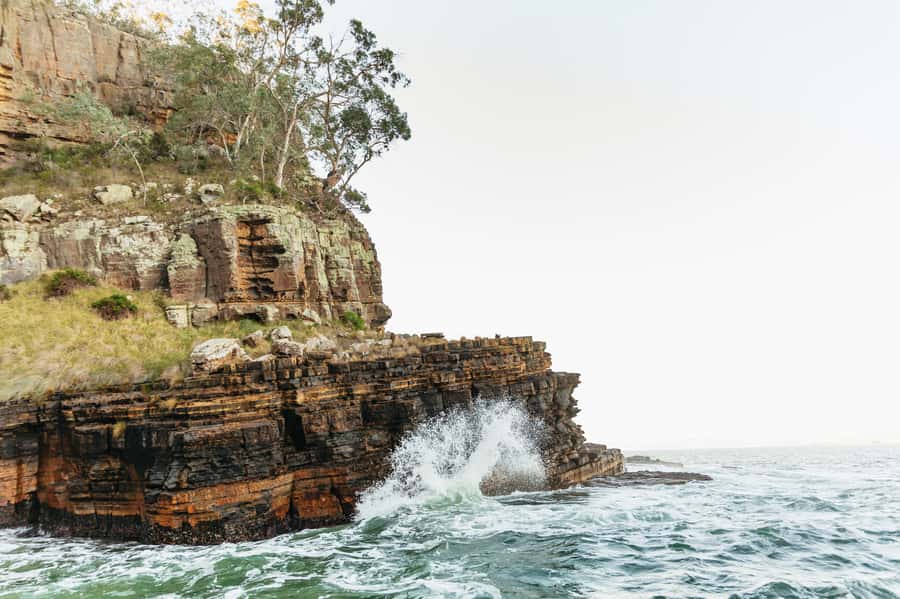
One of the most memorable stretches is the pass near Hope Beach. It’s isolated, known for large breaks, and exposed to offshore winds. The cruise comes close enough for you to feel the swell, and you get that sense that the Southern Ocean is doing the work here, not the harbour.
This is also a practical reality check. If you’re used to beaches that feel sheltered, Hope Beach reminds you Tasmania is an island with a real edge. The offshore wind and wave energy make it a favourite for local surfers, and you can see why once you experience the water movement from the boat.
If you’re hoping for a calm, glassy-coast day, keep your expectations flexible. Conditions can affect how close the cruise can get in certain spots, and some days feel more bouncy than others. That’s not a downside so much as the reality of doing real coastal cruising, not staged lake touring.
Caves and secluded beaches: the stops that change the photos
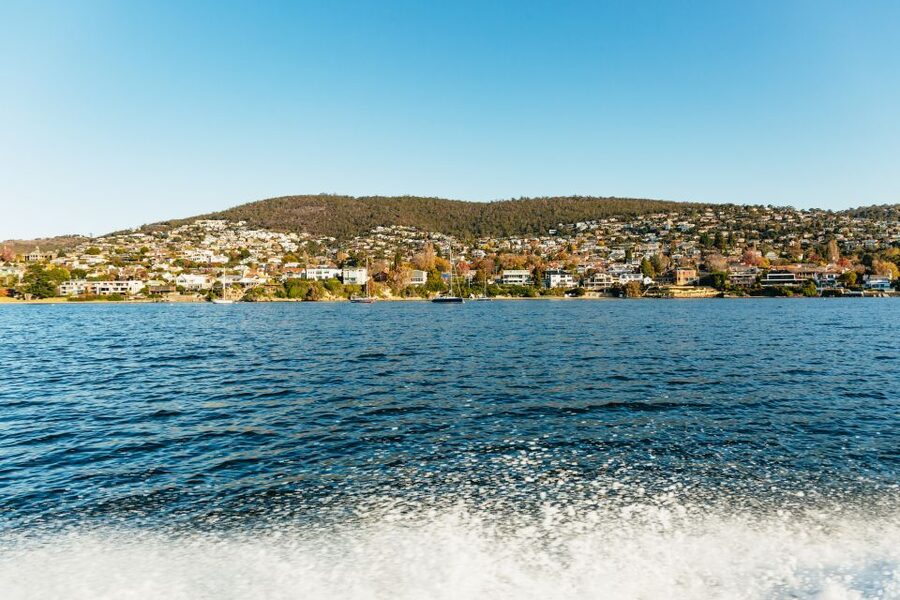
Beyond the big lighthouse and island moments, the cruise includes caves and secluded beaches. These are where you get variation in rock and shoreline texture, and where the captain’s skill shows up in the form of approach lines and safe proximity.
A couple of passengers mention the captain steering right up to rocky features and into cave-like areas for photo opportunities. That kind of maneuvering isn’t about thrill for its own sake. It helps you get shots and angles you’d never get on a typical open-water pass.
These stops also break the rhythm. After a couple of landmark scenes and bird viewing, you need a “new visual category.” Caves and tucked beaches do that. They also make the 2.5 hours feel fuller without stretching it into a longer day.
Wildlife bonuses: dolphins, seals, and when luck makes it special
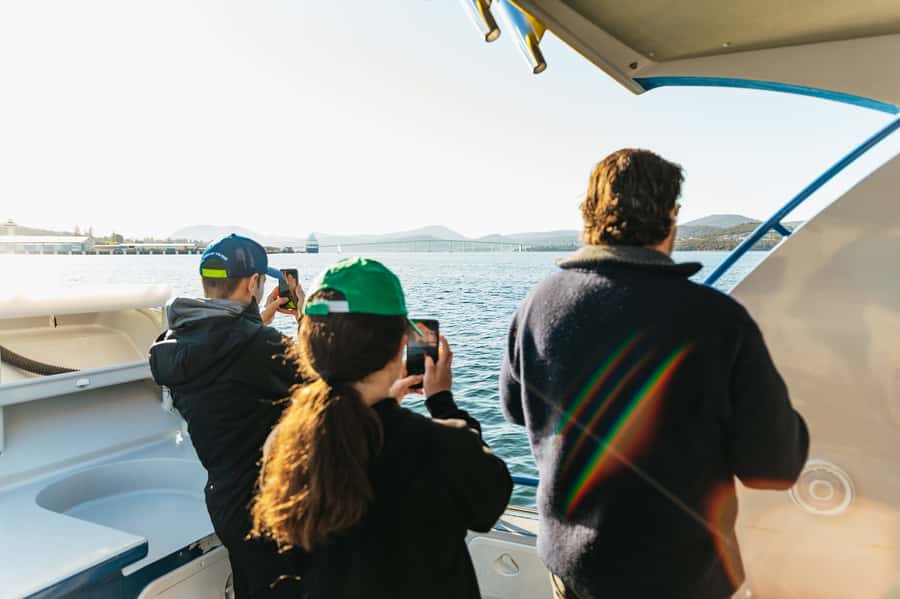
The cruise is set up for birds and coastal scenery, but wildlife luck can add extra sparkle. Several people mention seeing dolphins, fur seals, and even humpback whales on certain departures. That kind of add-on can completely change how you remember the afternoon.
Still, I recommend you book for the lighthouse and the coast first, not for a specific animal. Wildlife timing is real. Your best strategy is to stay focused on what you can control: keep your camera ready, listen to the guide, and don’t zone out when the captain slows or changes course.
If you do get dolphins or seals, it’s usually during the cruising portions where the water opens up. This is also where passengers mention good comfort onboard, including practical touches like a toilet on board and free water and juice reported in customer feedback. Those are the small things that make the time on the water feel easier.
Price and value: why $102 feels fair for what you get
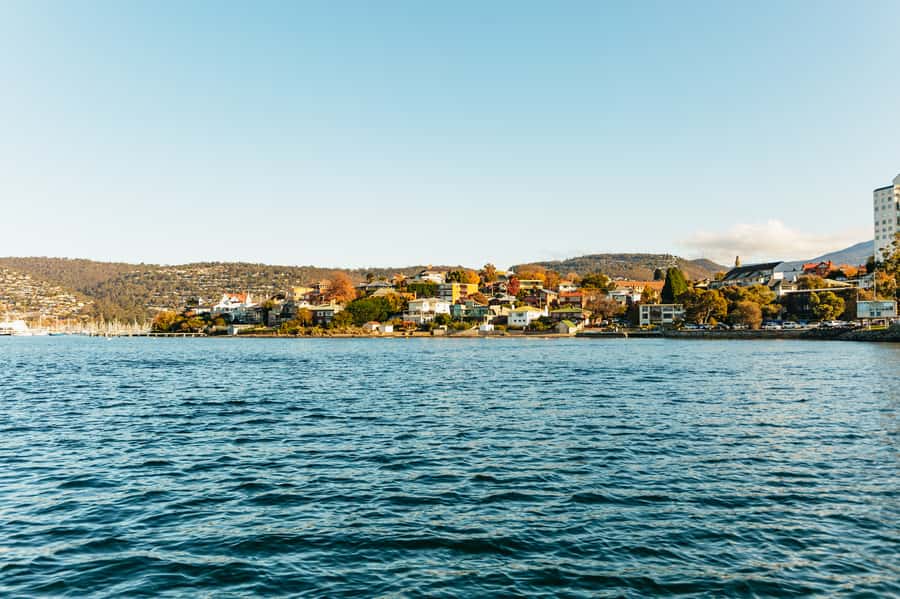
At $102 per person for a 150-minute cruise, you’re paying for two main things: time on the water and high-touch guiding in a small group.
A large tour might save money, but you’d be trading away the ability to hear the guide and reposition for views. With up to 14 passengers, you’re more likely to get the full story behind Iron Pot, Betsey Island, and the coastal features you’re seeing.
You’re also paying for a real sailing route. This isn’t just a short harbour loop. You’re cruising along the Derwent, passing major Hobart landmarks, reaching the lighthouse area, then continuing into Storm Bay. That distance and variety are exactly what makes the half-day feel worth it.
When to go and what to wear: make the ride work for you
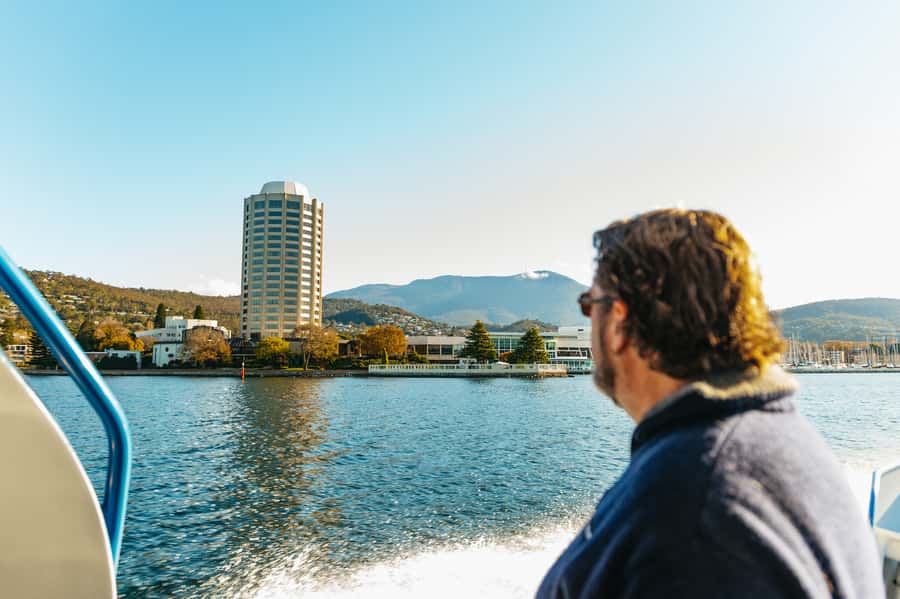
There’s no perfect day guaranteed, but you can improve your odds of a comfortable cruise. Plan to dress to the conditions. Even warm days can turn cool fast when you’re moving over exposed water.
If it’s windy, expect a more active ride. Some passengers describe it as bumpy, rocky, or bouncing around on waves. That doesn’t mean unsafe. It just means you should dress for it like you would for coastal boating, and keep your phone and camera secured.
Comfortable shoes are the main bring item listed. I’d add a practical mindset: wear clothing you don’t mind getting a little damp, and bring a lens cloth or towel so you can wipe salt spray when you’re shooting close coastline.
Best for who: match your travel style to this cruise
This tour fits best if you want a high-impact way to see Hobart’s waterfront without spending a full day. It’s also ideal if you like lighthouses, coastal geology, and wildlife explanations that connect directly to what you can see from the window.
It works well for couples, solo travelers, and small families because the guide style is described as engaging across ages. If you’re bringing kids, the interactive nature helps keep attention, especially during bird viewing and lighthouse storytelling.
If you strongly dislike boats or get motion sick easily, you should think carefully. The itinerary is short, but the water can be choppy depending on weather. That said, one passenger specifically notes they’re prone to motion sickness and still felt fine on their departure, so sensitivity can vary by day and by seat position.
How to plan this into your Hobart days
Timing-wise, this cruise is long enough to feel like a main activity, not a filler. With a 150-minute duration, you can still do dinner and a casual stroll through Hobart afterwards.
I’d pair it with other harbour-side exploring rather than a far-out day trip. The cruise gives you your bearings fast. Once you’ve seen Battery Point, Wrest Point Casino, the Shot Tower, and Mount Wellington from the water, you’ll understand what to prioritize on land.
Also, bring some flexibility. If weather changes visibility or comfort, the captain can adjust the ride to make it work. That’s another reason small group boating often feels smoother. There’s less chaos on board when adjustments happen.
Should you book the Iron Pot Lighthouse Cruise?
Book it if you want a short, scenic Hobart experience with lighthouse focus, seabird viewing, and real storytelling from a small-boat team. The value looks strongest when you care about how the coastline works, not just ticking off a landmark.
Skip it or think twice if you’re very weather-sensitive or hate anything that involves bumpy water. This cruise is coastal, so wind and waves are part of the deal.
FAQ
Where is the meeting point for the cruise in Hobart?
You meet at Dock Head Building, Franklin Wharf, Hobart.
How long is the Iron Pot Lighthouse Cruise?
The cruise duration is 150 minutes, about 2.5 hours.
How many people are on the boat?
The cruise is run in a small group of up to 14 passengers.
What should I bring?
Wear comfortable shoes. It also helps to bring your camera.
Is the tour guided in English?
Yes, the live tour guide provides the tour in English.
Does the cruise have a minimum age or minimum group size?
No minimum age and no minimum numbers are listed.
Can I cancel and get a refund?
Free cancellation is available up to 24 hours in advance for a full refund.
How often do these cruises depart?
Tours depart daily.
Hobart, Under the Mountain

Added lately from Hobart
- Wineglass Bay and Maria Island Scenic Flight Experience
★ 4.7 · 54 reviews - Hobart: Tahune Airwalk & Hastings Caves – Active Day Tour
★ 4.8 · 56 reviews - Hobart: Mt Wellington, Richmond, & Bonorong Wildlife Tour
★ 4.6 · 59 reviews - Tasmania: Wilderness and Wildlife Guided 6-Day Tour
★ 4.6 · 60 reviews - Port Arthur, Richmond and Lavender Active Day Tour
★ 4.5 · 61 reviews - kunanyi/Mt Wellington Explorer Bus – One Way Tour
★ 5.0 · 63 reviews
Hobart & Mount Wellington, compared.
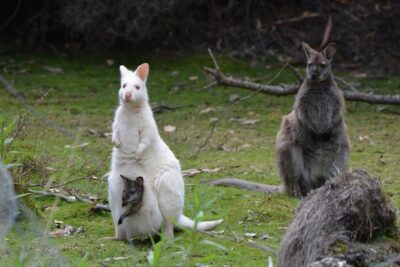 ★ 5.0Full-Day Guided Bruny Island Tour from HobartFrom $1291,331 reviews
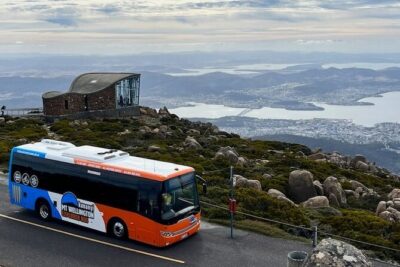 ★ 5.0kunanyi/Mt Wellington Explorer Bus- Return Tour (2.5 hours)From $351,249 reviews
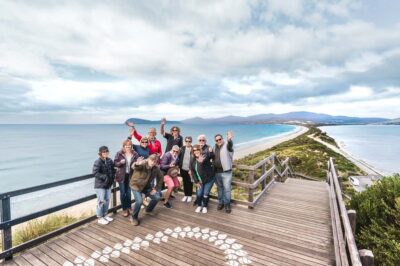 ★ 4.8Hobart: Bruny Island Food, Sightseeing & Lighthouse Day TourFrom $198960 reviews
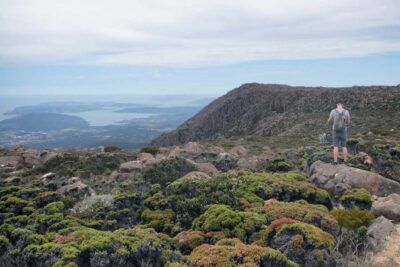 ★ 4.8Hobart: kunanyi/Mt Wellington Explorer Bus PassFrom $35848 reviews
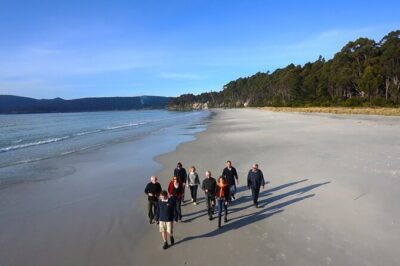 ★ 5.0Bruny Island Traveller – Gourmet Tasting and Sightseeing Day Trip from HobartFrom $197786 reviews
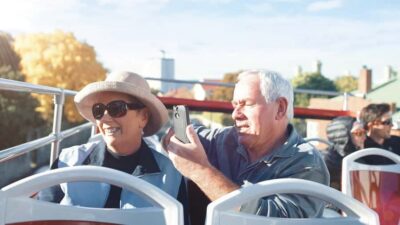 ★ 4.5Hobart: 24-Hour Hop-on Hop-off Sightseeing Bus TicketFrom $31770 reviews
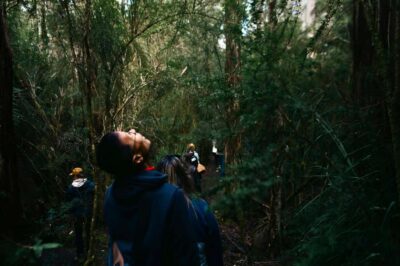 ★ 4.7From Hobart: Full-Day Bruny Island Tour with GuideFrom $127755 reviews
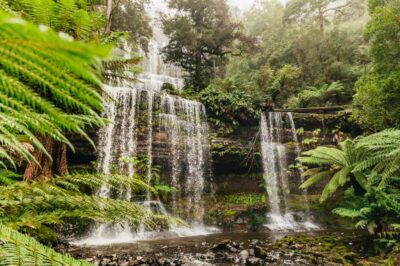 ★ 4.8Hobart: Mt Wellington, Mt Field, Bonorong and Richmond TripFrom $126722 reviews
Browse the lists this tour appears in