
REVIEW · HOBART & MOUNT WELLINGTON
Hobart: Admission Ticket to Bonorong Wildlife Sanctuary
Bonorong Wildlife Sanctuary is a hands-on wildlife day in Tasmania. The best part for me is the mix of up-close Aussie animals and the conservation story behind them, including Tasmanian devils and free-roaming kangaroos. It feels less like a quick zoo stop and more like meeting species with a purpose.
I particularly like the fact that you join a daily guided tour with staff who explain what you are seeing and why it matters. You also get a provided bag of kangaroo food, so the experience stays interactive instead of purely observational. The day includes a lot of the sanctuary’s best-known animals, with many visitors walking away with that one big wish satisfied, especially a devil sighting.
One thing to plan for: the sanctuary can be sunny, and shade is limited. Bring sun protection and expect that if it is hot, you will feel it.
In This Review
- Key things to notice before you go
- Bonorong in Hobart country, what the ticket really includes
- Kangaroo feeding with provided food, close encounter etiquette that works
- The guided tour with staff, why the animal facts feel more useful
- Tasmanian devils, wombats, echidnas and other icons you might not expect
- Animal hospital viewing and the conservation work you can actually witness
- Walking the sanctuary on your own, how to time it for photos and breathing room
- Price and value, is $25 for Bonorong actually worth it
- Practical tips for a smooth day in the sanctuary
- Who Bonorong fits best, and who should think twice
- Should you book Bonorong Wildlife Sanctuary near Hobart?
- FAQ
- Where is Bonorong Wildlife Sanctuary?
- How much is the admission ticket?
- How long is the ticket valid?
- What is included with the admission ticket?
- Is food and drink included?
- Is there parking available?
- Are guided tours included?
- Is the sanctuary wheelchair accessible?
- What are the animal and safety restrictions?
Key things to notice before you go
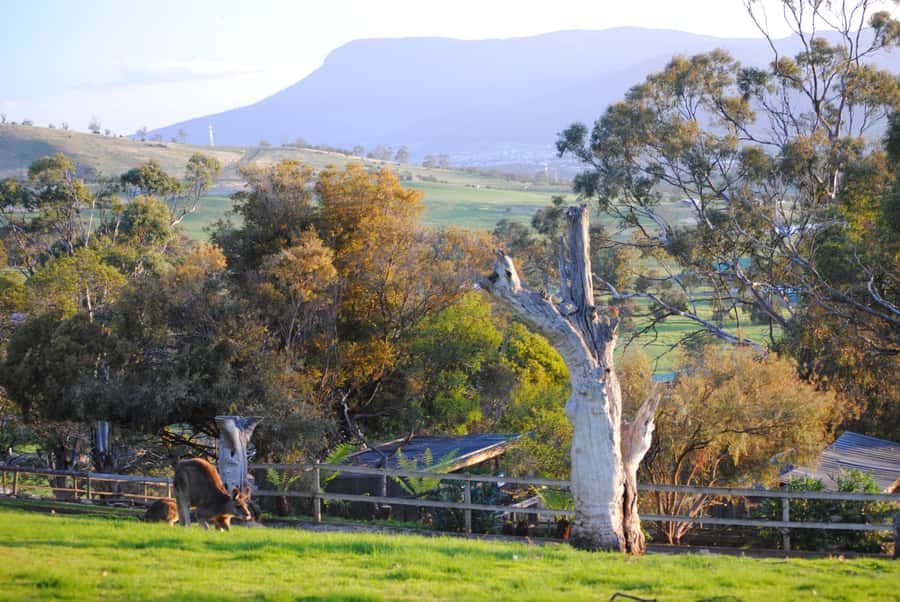
- Free-roaming kangaroos you can hand feed with the provided food bag
- Daily guided tours led by on-site staff who explain threats and protection work
- Tasmanian devils and other unique wildlife like wombats and echidnas
- Conservation in action, including care for injured and endangered animals
- Photo opportunities up close, since many animals are easy to watch at short distance
- Visitor rules that keep animals safe, including restrictions on what you can bring in
Bonorong in Hobart country, what the ticket really includes
Bonorong is in Tasmania, and it is often booked as a day plan from the Hobart area. Your admission covers the essentials that make the visit feel complete, not rushed. For about $25 per person, you get entry, a bag of kangaroo food, access to daily guided tours, and on-site car parking.
This matters because you are not just paying for animal viewing. You are paying for guided time with staff plus the interactive kangaroo moment. Food and drink are not included, so I treat the ticket like a wildlife core experience and plan my own snacks.
Your ticket is also flexible in a practical way. It is valid for 365 days, so you can book now and still match the day to your weather and your itinerary. Starting times depend on availability, so it is worth checking the schedule once you know your visit day.
The mountain, the docks and the Saturday market
- Full-Day Guided Bruny Island Tour from Hobart★ 5.0 · 1,331 reviews
- kunanyi/Mt Wellington Explorer Bus- Return Tour (2.5 hours)★ 5.0 · 1,249 reviews
- Hobart: Bruny Island Food, Sightseeing & Lighthouse Day Tour★ 4.8 · 960 reviews
- Hobart: kunanyi/Mt Wellington Explorer Bus Pass★ 4.8 · 848 reviews
Kangaroo feeding with provided food, close encounter etiquette that works
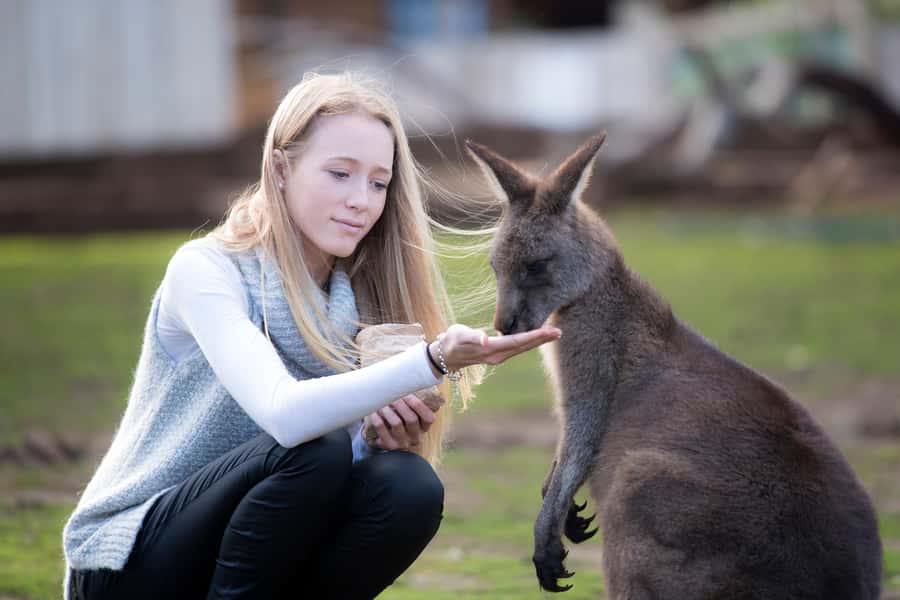
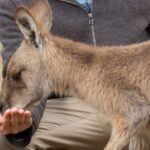
Feeding kangaroos at Bonorong is the part most people remember. You get a bag of kangaroo food, and you can hand feed the free-roaming kangaroos in the sanctuary. That is a real contrast from typical animal attractions where food is out of reach.
What makes it special is the control you get. You are not trying to scramble for a moment. Staff set the tone during the experience, and you follow instructions while the kangaroos move naturally through the area. Keep it calm, move slowly, and focus on listening to staff directions instead of chasing photos.
Two practical tips:
- Dress for contact with animals, even if it is brief. Wear clothes and shoes you are okay getting a little dusty.
- Bring a small towel or wipes. Not because the sanctuary asks for it, but because outdoor animal visits can get messy fast.
Also, note the safety-minded rules. The sanctuary prohibits things like sporting equipment, and it does not allow you to bring animals onto the property without permission. That is the reason the feeding experience stays friendly and controlled.
The guided tour with staff, why the animal facts feel more useful
The guided tours are where Bonorong becomes more than a photo stop. I like that the staff do not just point and name. They explain species, threats, and what the sanctuary is doing to protect them. You see the animals, then you get the context that turns a sighting into understanding.
In the experience format, you join a tour, meet or view specific animals, and then you can keep exploring at your own pace afterward. One visitor described a guided look at three specific animals with a basic ticket option, including a Tasmanian devil, plus echidna and wombat. Even if your schedule highlights different animals, the structure is the same: staff connect the animal you are seeing to its conservation needs.
This is also where the sanctuary’s mission becomes real. Bonorong is caring for animals that are injured, endangered, or otherwise not able to return safely to the wild. One review made that clear, explaining that many animals either are too young or have injuries or handicaps that prevent release. That means you are not always seeing wildlife that will be released soon, and that is important to understand before you go in with expectations of a quick rescue and return story.
Tasmanian devils, wombats, echidnas and other icons you might not expect
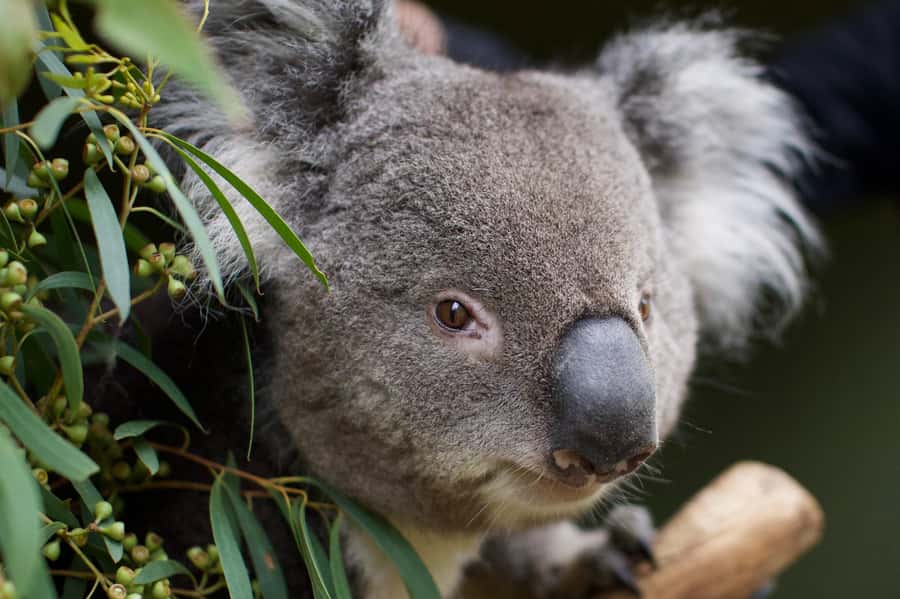
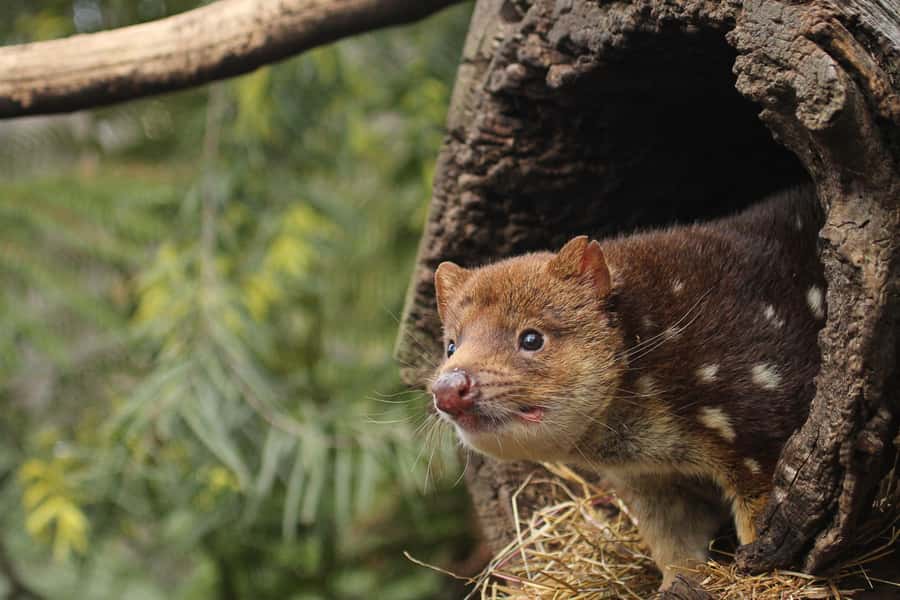
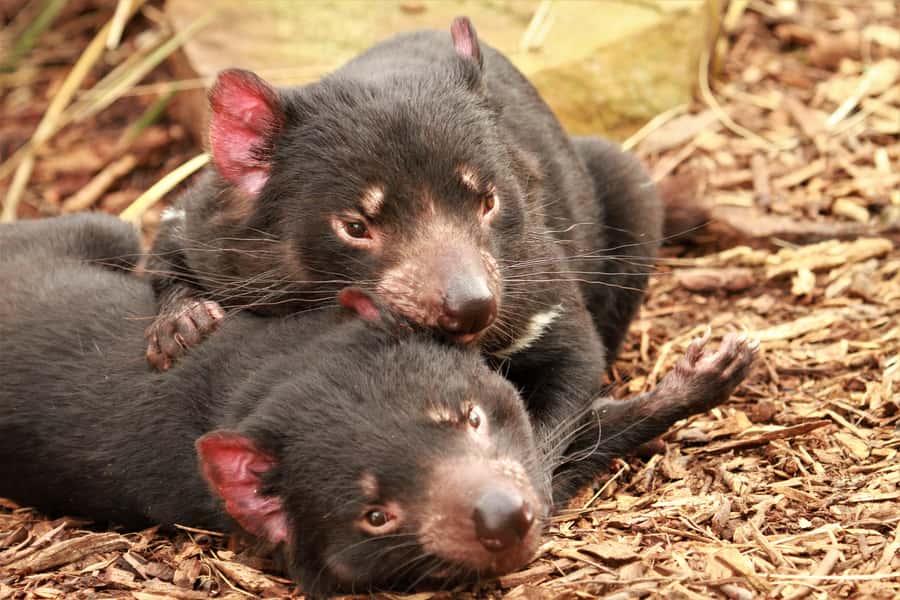
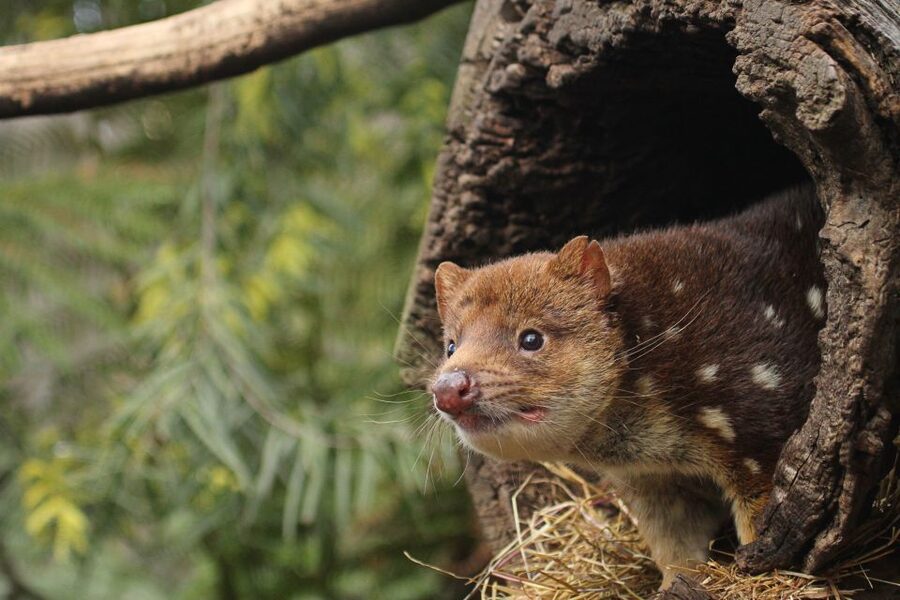
If you have ever tried to plan an Australia wildlife day around one target species, this is a strong place to start. Tasmanian devils are a major draw, and multiple reviews highlighted how satisfying it was to finally see them up close.
Bonorong is also known for classic Tasmanian and Australian species you will want to compare visually:
- Wombats, often easy to spot at close range depending on the day’s activity
- Echidnas, usually presented with clear explanations so you understand what you are looking at
- Other animals you might see while walking through, including mentions of sugar gliders, eastern quoll, and birds like kookaburras and parrots
Here is the key point for your planning: you will get the most out of the day if you show up willing to be patient. Wildlife is active on its schedule, and the sanctuary setup encourages watching rather than rushing. If your main goal is a specific animal, ask staff during your tour and then re-check common viewing spots later.
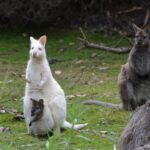
One review mentioned a wallaby patting moment as a highlight. That is the kind of memory that can happen when animals are part of the scheduled viewing and handling routine, so it is worth paying attention during the tour and following staff guidance closely.
Sandstone bridges and devils, in other write-ups
Animal hospital viewing and the conservation work you can actually witness
Bonorong is a sanctuary, not a typical drive-by zoo. Some of the most convincing moments are when you can see that the place is built around animal care and rehabilitation.
One review described being able to watch vets examine and operate in the animal hospital area. Even if you do not see a procedure every time, the general message is the same: the sanctuary is actively treating animals that need help, then making decisions based on whether release is safe or whether long-term care is required.
This matters because it changes how you interpret every animal you see. Instead of thinking about a performance, you start thinking about welfare and recovery. That is why so many visitors specifically praised the team for caring for injured or endangered animals and for explaining protection initiatives in plain language.
Walking the sanctuary on your own, how to time it for photos and breathing room
After the guided portion, you will likely spend time wandering. I recommend you do that with a simple rhythm: watch first, then move. Many animals are easier to photograph when you give them time to approach or settle.
A few things that help your day feel less chaotic:
- Start your walk with the animals that matter most to you, then loop back once you know where the best visibility spots are.
- Take photos during calmer moments, not every second. If animals are moving, you will get better shots when you slow down.
- Revisit bird areas. One review specifically called out good access and visibility of birds.
Also, plan around the heat. A visitor wished for more shade during hot sunny weather. That is a real hint for your day-planning. Wear a hat, bring sunscreen, and consider an earlier start or a later tour slot if the schedule offers it.
Food and drink are not included, so you may want to bring your own water and simple snacks, then check the concession for additional options once you see what is available on-site.
Price and value, is $25 for Bonorong actually worth it
At $25 per person, the value depends on what you want from Tasmania wildlife time. If you just want a quick animal look, it may feel like a ticket price for a standard attraction. But if you want a mix of guided education plus an interactive moment, it reads very differently.
Here is why it is good value for the right person:
- Admission gets you in, and you are not paying extra just to watch animals.
- The bag of kangaroo food is included, and that is often the most memorable activity for first-timers.
- Daily guided tours are included, which means you get staff explanations rather than random self-guided guesswork.
- You also get on-site car parking, so you are not scrambling for transport in the middle of your day.
If you are traveling with kids, the animal closeness and the guided story format often beat a longer drive to catch a specific species. One review even suggested more kids story books about animals, which tells me families engage deeply with the learning side.
Practical tips for a smooth day in the sanctuary
A few rules and comfort points can make or break your day.
Bring
- Sun protection, since shade may be limited
- Comfortable walking shoes for outdoor paths
- A camera or phone with enough battery, because close watching is the goal
- Water and any snacks you want, since food and drink are not included
Plan around the rules
- No smoking or vaping within the sanctuary
- No skateboards, rollerblades, bicycles, tricycles, or sporting equipment that could endanger animals or people
- You cannot bring animals onto the property without permission, including assistance dogs
That last one is important. If you rely on an assistance animal, contact the sanctuary ahead of time so you are not stuck at the gate.
Accessibility
Bonorong is listed as wheelchair accessible, so you can plan with that in mind. If you or someone in your group uses mobility aids, it is still smart to bring patience and a backup plan for animal viewing spots.
Who Bonorong fits best, and who should think twice
Bonorong works especially well if you:
- Want Tasmanian icons without a full-day expedition
- Love hands-on moments like feeding kangaroos
- Enjoy learning why conservation matters, not just seeing the animals
- Are traveling with family and want a day that mixes fun and education
It can also be a great choice if you are short on time in Tasmania but want a wildlife experience that feels purposeful.
You may think twice if:
- You want a fully indoor experience on a rainy or very hot day. Outdoor walking and waiting for animals to be active are part of the deal.
- You do not like close animal interaction. Feeding kangaroos is central here, so the sanctuary is not for people who prefer wildlife viewing from far away.
Should you book Bonorong Wildlife Sanctuary near Hobart?
Yes, if your priority is a wildlife day with a real conservation heart. The biggest wins are straightforward: feeding free-roaming kangaroos, seeing Tasmanian devils up close, and getting a guided tour that explains threats and protection work. At $25, the ticket feels like a solid value when you treat it as the main activity of your day, not a quick add-on.
I would book it with these expectations:
- Expect outdoor time and plan for sun.
- Expect learning, not just viewing.
- Expect rules that protect animals first, and plan your gear around that.
If you are building a Tasmania itinerary around wildlife, Bonorong is one of the more satisfying single-day choices, especially for first-timers who want a mix of Aussie favorites and the species you do not see anywhere else.
FAQ
Where is Bonorong Wildlife Sanctuary?
Bonorong Wildlife Sanctuary is located in Tasmania, Australia.
How much is the admission ticket?
The price listed is $25 per person.
How long is the ticket valid?
The ticket is valid for 365 days.
What is included with the admission ticket?
Included items are admission, a bag of kangaroo food, access to daily guided tours, and on-site car parking.
Is food and drink included?
No. Food and drink are not included.
Is there parking available?
Yes. On-site car parking is included.
Are guided tours included?
Yes. You get access to daily guided tours with your admission.
Is the sanctuary wheelchair accessible?
Yes. Wheelchair accessibility is listed as available.
What are the animal and safety restrictions?
Smoking and vaping are not allowed. You cannot take or bring animals onto the property without permission, including assistance dogs. You also cannot use or bring skateboard, rollerblades, bicycles, tricycles, or sporting equipment, and you cannot light or smoke cigarettes or e-cigarettes within the sanctuary.
Meeting the Wildlife
Sandstone and Devils
Hobart, Under the Mountain
Added lately from Hobart
- Wineglass Bay and Maria Island Scenic Flight Experience
★ 4.7 · 54 reviews - Hobart: Tahune Airwalk & Hastings Caves – Active Day Tour
★ 4.8 · 56 reviews - Hobart: Mt Wellington, Richmond, & Bonorong Wildlife Tour
★ 4.6 · 59 reviews - Tasmania: Wilderness and Wildlife Guided 6-Day Tour
★ 4.6 · 60 reviews - Port Arthur, Richmond and Lavender Active Day Tour
★ 4.5 · 61 reviews - kunanyi/Mt Wellington Explorer Bus – One Way Tour
★ 5.0 · 63 reviews
Hobart & Mount Wellington, compared.
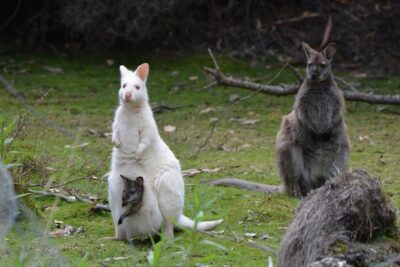 ★ 5.0Full-Day Guided Bruny Island Tour from HobartFrom $1291,331 reviews
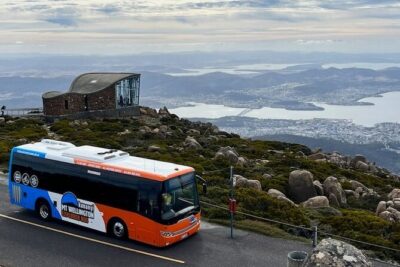 ★ 5.0kunanyi/Mt Wellington Explorer Bus- Return Tour (2.5 hours)From $351,249 reviews
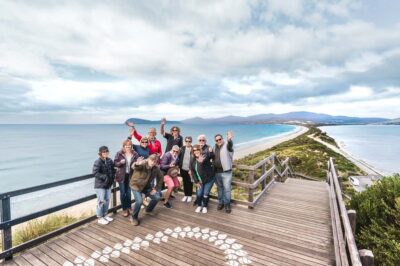 ★ 4.8Hobart: Bruny Island Food, Sightseeing & Lighthouse Day TourFrom $198960 reviews
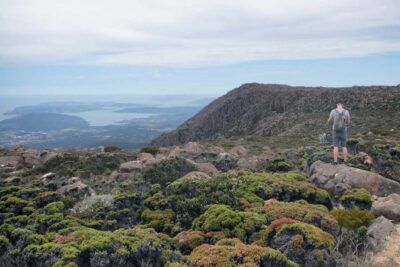 ★ 4.8Hobart: kunanyi/Mt Wellington Explorer Bus PassFrom $35848 reviews
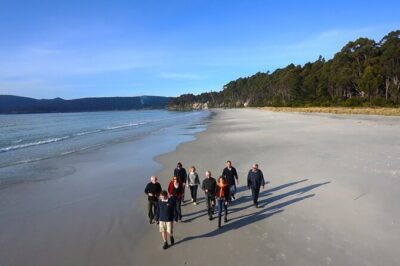 ★ 5.0Bruny Island Traveller – Gourmet Tasting and Sightseeing Day Trip from HobartFrom $197786 reviews
 ★ 4.5Hobart: 24-Hour Hop-on Hop-off Sightseeing Bus TicketFrom $31770 reviews
 ★ 4.7From Hobart: Full-Day Bruny Island Tour with GuideFrom $127755 reviews
 ★ 4.8Hobart: Mt Wellington, Mt Field, Bonorong and Richmond TripFrom $126722 reviews
Browse the lists this tour appears in