
REVIEW · HOBART & MOUNT WELLINGTON
Hobart History, People & Places – 2 hour city walk
Hobart gets real fast on foot. This 2-hour city walk threads together Hunter Street, the waterfront, parks, and landmark heritage buildings, with stories that cover colonial Hobart and the Indigenous peoples of the area. It meets at Henry Jones Art Hotel and finishes at Salamanca Place, so you end close to coffee and the weekend buzz.
I love how the tour focuses on the details of Georgian and Victorian architecture without turning into a lecture. I also love the relaxed pace, with lots of photo moments and time to ask questions, which is a big part of why so many people rate it 4.9 out of 5.
The main consideration is simple: it’s a walking tour along city pavements. If you need frequent breaks, plan for it, wear good shoes, and take advantage of the places to sit or perch along the route.
In This Review
- Key things that make this Hobart walk worth your time
- Entering Hobart’s colonial core in just two hours
- Starting at Henry Jones Art Hotel, then following Hunter Street
- The waterfront and waterfront viewpoints, with history you can see
- Heritage buildings plus Indigenous and British stories, not just dates
- The city power stop: church, court, and prison
- City parks and statues: easy walking, big storytelling
- Salamanca Place: finishing with the markets atmosphere
- Guides, small groups, and why the stories land
- Price and value: is $27.26 for two hours fair?
- Weather, walking surfaces, and how to plan your day
- Who should book this Hobart History, People & Places walk?
- Should you book Hobart History, People & Places?
- FAQ
- Where does the tour start and end?
- How long is the Hobart History, People & Places walking tour?
- How much does it cost?
- How many people are in the group?
- Is the tour wheelchair accessible?
- Is it a walking tour on pavement?
- Does it run in bad weather?
- What’s included in the price?
- What should I bring for after the tour?
- Are there rules for children?
- What if I miss the tour or cancel close to the start time?
Key things that make this Hobart walk worth your time

- Small-group format (maximum of 10 people), with time for questions and a more personal feel
- Heritage buildings and street-level details across Hunter Street and the CBD
- Colonial and Indigenous stories, including the British settlers’ struggles and successes
- Church, court, and prison area, tied to the city’s early seat of power
- Salamanca Place finish, right where the Saturday markets bring the waterfront to life
- Works in all weather, so you’ll learn what to pack instead of waiting for perfect conditions
Entering Hobart’s colonial core in just two hours
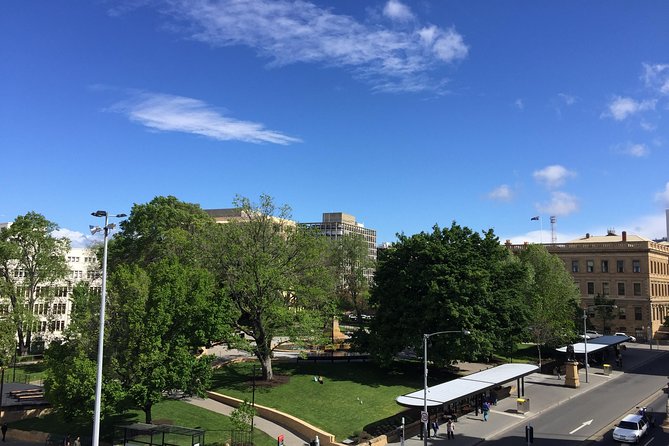
If you want an efficient first look at central Hobart, this walk does that job. You get a guided route that connects the city waterfront, key city streets, and two park stops, all in a time window that feels manageable. At the end, you’re not stuck far away from everything, because the finish point is Salamanca Place.
What makes the experience more than a generic highlights loop is the way the guide links place to story. The route is built around what Hobart looked like as it grew, what the British settlers were trying to do, and how Indigenous peoples responded to invasion. You’ll hear about both the troubles and the successes that came with early settlement, which helps the buildings and street layout make more sense.
It’s also a nice option if you like photos but don’t want to spend your whole day doing them. The tour is designed with stops that give you chances to look closely and shoot a few frames, and multiple guides incorporate historical pictures and maps to help you compare what you see now with the past.
The mountain, the docks and the Saturday market
- Full-Day Guided Bruny Island Tour from Hobart★ 5.0 · 1,331 reviews
- kunanyi/Mt Wellington Explorer Bus- Return Tour (2.5 hours)★ 5.0 · 1,249 reviews
- Hobart: Bruny Island Food, Sightseeing & Lighthouse Day Tour★ 4.8 · 960 reviews
- Hobart: kunanyi/Mt Wellington Explorer Bus Pass★ 4.8 · 848 reviews
Starting at Henry Jones Art Hotel, then following Hunter Street
You begin at 25 Hunter St, outside the Henry Jones Art Hotel. That matters because Hunter Street is one of Hobart’s main spines, and starting there puts you right where the early city story can be read in layers. From the first minutes, the guide points out street-level details, like how heritage-listed buildings were built and how they relate to the way the CBD grew.
This part of the walk is also where you feel the benefit of a small group. When there are fewer people, it’s easier to slow down for a question, step closer for a photo, or get a quick explanation without everyone falling behind. Reviews highlight that the guides often keep the pace leisurely and respond well to questions, and that matches what you’ll feel on the ground.
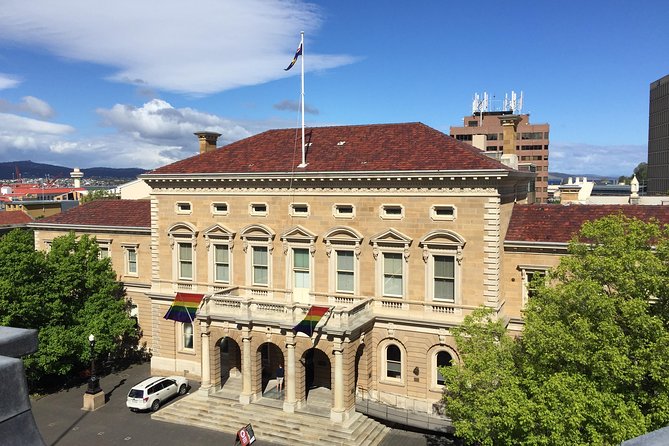
You’ll also spend time seeing well-preserved buildings with that classic Hobart look, tied to Georgian and Victorian architecture. Even if you are not a building-nerd, this is still fun. The guide’s job is to translate architecture into everyday meaning: why these buildings survived, what they were used for, and what their presence says about the city’s early priorities.
The waterfront and waterfront viewpoints, with history you can see
After Hunter Street, the walk heads to the Hobart waterfront area. This is where the city’s geography does some of the storytelling for you. The waterfront is the obvious gateway for settlement and trade, so it’s a natural place to hear about early roots of the capital of Tasmania.
You should expect a mix of viewpoints and explanations, rather than one long stretch with no stopping. The guide will connect what you can see nearby to the larger themes: settlement patterns, how Hobart functioned, and why certain areas gained importance as the colony developed.
If you care about authenticity, pay attention to the way the tour balances romance with realism. The city gets presented as a place where people were building systems, coping with hardship, and negotiating cultural change. That makes the waterfront walk feel more grounded than a simple sightseeing stroll.
And yes, it’s also a good break for your eyes. The route gives you a change of scenery and a few fresh photo angles, which helps keep a two-hour walk from feeling like you’re just walking in a straight line with facts dropping in your ears.
Heritage buildings plus Indigenous and British stories, not just dates
One of the best parts of this tour is that it doesn’t treat history like a list of dates. The guide weaves together colonial beginnings of the city with Indigenous history in the same walking thread.
As you move along the CBD, you’ll hear about the British settlers’ troubles and successes. That includes the practical side of starting a colony and the bigger social impact of invasion. The tour also includes stories about Indigenous people in the area and their responses to British arrival, which adds context to what you see on the street.
This is exactly why the tour works for first-timers. When you understand how and why a city developed, you start noticing things you would otherwise walk past. Instead of just thinking, That building looks old, you start thinking, What did people need it for, and what was happening around it?
You will likely get at least a few “wait, I never noticed that” moments. That theme shows up again and again in feedback, and it’s the practical value: the walk teaches you how to look at Hobart.


The city power stop: church, court, and prison

Halfway through, the tour moves toward the areas described as the seat of power, where you get the cluster of church, court, and prison. This is where the early city story shifts from building and settlement to control and institutions.
Why this matters is that it helps you understand what “power” meant in a colonial town. Those institutions weren’t just impressive architecture. They were how a new society tried to organize law, order, and moral authority.
Some guides also weave in convict history as part of this story, which is a big reason many people come away feeling they learned more than they expected in a short time. Even if you only know the basics, this stop gives you a clearer sense of the forces shaping Hobart during its early years.
The pacing here is also important. You’re walking, but the guide’s explanations help you slow down mentally. It feels like the tour turns a few blocks into a timeline.
City parks and statues: easy walking, big storytelling
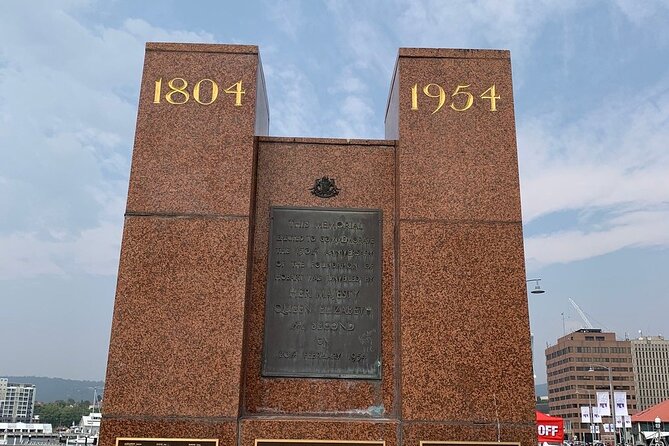
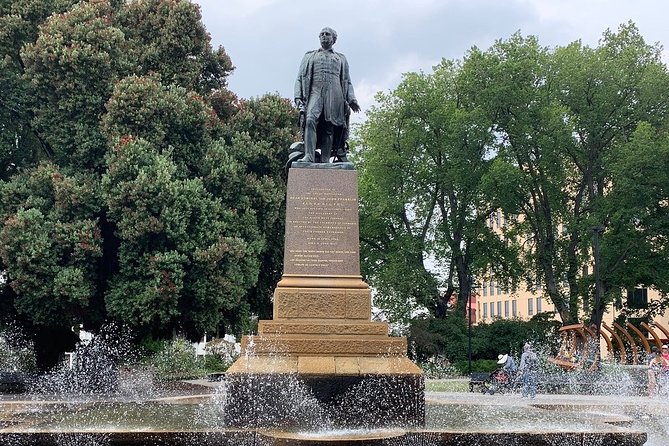
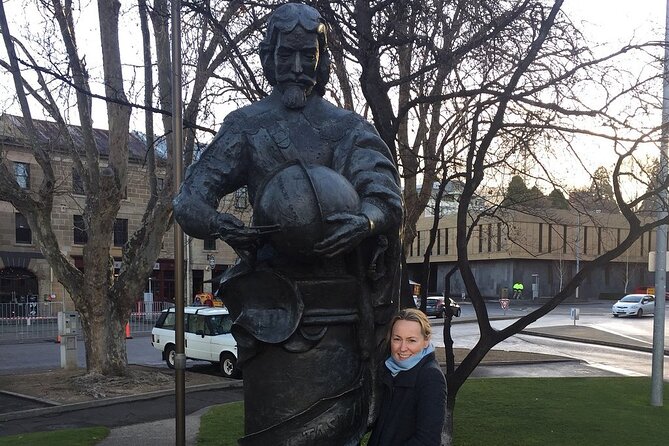
Two park stops are built into the route, and they’re not filler. The first park stop includes statues and the stories behind them, which is a smart move for a history walk. Parks are where you can pause without feeling trapped, and statues often point to the values and myths people wanted to project at different times.
You’ll get a chance to look at the symbols, then hear what they represent and why they ended up there. That makes the parks feel like extensions of the historical narrative instead of quick rest spots.
Then you reach another park area with a “dark secret” that many locals still don’t know about. The exact details are not listed in the public tour summary, so don’t expect names and dates to be handed to you like a worksheet. What you can expect is a story-driven pause that adds an edge to the walk and gives you something memorable to talk about later.
Both parks also support an easy rhythm. The tour notes that there are places to sit or perch along the route, so if your legs need a breather, you’re not forced to just stand and listen.
Salamanca Place: finishing with the markets atmosphere

The walk ends at Salamanca Place on the waterfront. This is a great finish because it ties the historical story to a living place. Salamanca Place is world famous for its Saturday markets, often described as the oldest markets in Australia.
Even if you are not there on a Saturday, you’ll still benefit from ending here. It’s a natural spot to regroup, grab a snack, or pick up coffee and keep exploring on your own. And because you’ve just walked the city’s central threads, the market area feels like a reward instead of a random endpoint.
The guide can also point you toward favorite cafes for a reviving coffee after the tour. That’s practical advice that saves you time, especially if you want something easy to reach without guessing.
Guides, small groups, and why the stories land
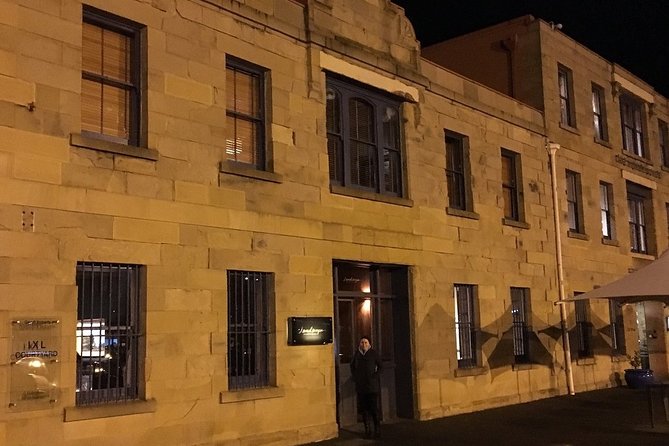
Hobart Walking Tours runs this walk with a local guide, and the names that show up in feedback include Lisa, Deb, and Jan. The common thread in the praise is how they bring Hobart’s history to life with clear storytelling, a sense of humor, and strong answers to questions.
The best part of having a guide in a city-walk format is the flexibility. If you’re curious about convict history, Indigenous context, specific architecture, or why certain buildings were placed where they were, you can ask. A larger group can turn questions into delays, but the small-group cap helps the conversation keep moving.
Another positive pattern is how guides use historical photos and maps. That kind of visual support helps you make mental links between what the guide describes and what you’re seeing in front of you. It’s also a good antidote if you worry you will forget details later. You leave with clearer reference points.
Price and value: is $27.26 for two hours fair?
At $27.26 per person for about two hours, this walk is priced like a proper value activity for a first pass through central Hobart. You’re paying for a professional local guide plus a route that connects multiple major areas: Hunter Street, the waterfront, parks, and a finish at Salamanca Place.
Here’s how I think about the value. If you try to do this independently, you will spend time figuring out where to start, what to notice, and what stories matter. This tour saves you that work by choosing a tight route and giving you context as you go. You also get the small-group benefit, which is hard to replicate when you’re wandering on your own.
The rating also backs up the value side. With a 4.9 overall score and a strong 98% recommendation rate, the price seems to match expectations for most people who do it. The biggest reason for that is simple: you’re not just seeing landmarks, you’re learning how to read the city.
Weather, walking surfaces, and how to plan your day
This is an outdoor walk, and it operates in all weather conditions. That means you should dress appropriately and expect the experience to be outdoors for the full time.
It’s also described as a 2-hour walking tour along city pavements, which is a heads-up about the reality of urban sidewalks. They may be uneven or not perfectly smooth, so wear shoes with grip. The good news is that the tour notes there are places to sit or perch along the route, and reviews often describe it as easy and not arduous.
Wheelchair access is listed, and that matters because it means the operator expects the route to be manageable with assistance or suitable mobility needs. If you are traveling with a mobility device, it still helps to bring a plan for breaks and to arrive ready to follow the guide’s pacing.
If you are combining this with other activities, think of it as a great morning or early afternoon anchor. Reviews include both morning and other start times, and the two-hour length makes it easy to pair with later museum stops, a waterfront stroll, or the Salamanca market vibe afterward.
Who should book this Hobart History, People & Places walk?
This is best for you if you want:
- A short, guided way to understand central Hobart fast
- A mix of architecture, colonial settlement, and convict-linked early institutions
- A story-driven tour where you can ask questions and not feel rushed
- A finish in a practical spot for continuing your day, Salamanca Place
It’s also a strong choice for families, since children must be accompanied by an adult and the walking pace is described as leisurely in feedback. If your group includes people who like facts and people who just want a fun city walk with good stories, the format seems built to satisfy both.
If you hate walking or only want big-ticket attractions, this may feel too small-scale. But if you like learning how a place works at street level, this tour is a smart use of time.
Should you book Hobart History, People & Places?
I’d book it if you want a high-value orientation to Hobart. For the money, you get a guided route that connects multiple central areas and gives context that would take you much longer to piece together alone. The praise for guides like Lisa, Deb, and Jan points to the same thing you should care about most on a history walk: clear storytelling, good pace, and useful photo support.
Skip it if you are only looking for long panoramic views, or if you want a tour that never involves urban pavement walking. Otherwise, this is an easy “yes” for a first time in Hobart.
FAQ
Where does the tour start and end?
The tour starts outside Henry Jones Art Hotel at 25 Hunter St, Hobart TAS 7000. It ends at Salamanca Place (Salamanca Pl, Hobart TAS 7000).
How long is the Hobart History, People & Places walking tour?
It lasts about 2 hours.
How much does it cost?
The price is $27.26 per person.
How many people are in the group?
The tour is described as a small-group experience with a maximum group size noted as eight, and the additional info also states a maximum of 10 travelers.
Is the tour wheelchair accessible?
Yes, the tour is listed as wheelchair accessible.
Is it a walking tour on pavement?
Yes. It is a 2-hour walking tour along city pavements, and there are places to sit or perch along the route.
Does it run in bad weather?
It operates in all weather conditions, so you should dress appropriately.
What’s included in the price?
The tour includes a professional local guide.
What should I bring for after the tour?
The guide can direct you to favorite cafes for coffee after the tour, especially once you arrive at Salamanca Place.
Are there rules for children?
Yes. Children must be accompanied by an adult.
What if I miss the tour or cancel close to the start time?
Refunds are not issued if you miss the tour due to late or non-arrival of a cruise ship. For cancellations, you can cancel up to 24 hours in advance for a full refund, and weather-related cancellations may offer an alternate date or a full refund.
Hobart, Under the Mountain





Added lately from Hobart
- Wineglass Bay and Maria Island Scenic Flight Experience
★ 4.7 · 54 reviews - Hobart: Tahune Airwalk & Hastings Caves – Active Day Tour
★ 4.8 · 56 reviews - Hobart: Mt Wellington, Richmond, & Bonorong Wildlife Tour
★ 4.6 · 59 reviews - Tasmania: Wilderness and Wildlife Guided 6-Day Tour
★ 4.6 · 60 reviews - Port Arthur, Richmond and Lavender Active Day Tour
★ 4.5 · 61 reviews - kunanyi/Mt Wellington Explorer Bus – One Way Tour
★ 5.0 · 63 reviews
Hobart & Mount Wellington, compared.
 ★ 5.0Full-Day Guided Bruny Island Tour from HobartFrom $1291,331 reviews
 ★ 5.0kunanyi/Mt Wellington Explorer Bus- Return Tour (2.5 hours)From $351,249 reviews
 ★ 4.8Hobart: Bruny Island Food, Sightseeing & Lighthouse Day TourFrom $198960 reviews
 ★ 4.8Hobart: kunanyi/Mt Wellington Explorer Bus PassFrom $35848 reviews
 ★ 5.0Bruny Island Traveller – Gourmet Tasting and Sightseeing Day Trip from HobartFrom $197786 reviews
 ★ 4.5Hobart: 24-Hour Hop-on Hop-off Sightseeing Bus TicketFrom $31770 reviews
 ★ 4.7From Hobart: Full-Day Bruny Island Tour with GuideFrom $127755 reviews
 ★ 4.8Hobart: Mt Wellington, Mt Field, Bonorong and Richmond TripFrom $126722 reviews
Browse the lists this tour appears in