
REVIEW · HOBART & MOUNT WELLINGTON
Hobart Sightseeing Cruise including Iron Pot Lighthouse
A lighthouse cruise that feels made for photos.
This 2.5-hour Hobart boat trip glides the River Derwent and out toward Storm Bay, with a stop at the historic Iron Pot Lighthouse plus chances to spot seabirds and marine life along the way. I love that it combines classic harbour landmarks with real maritime stories, not just a drive-by sightseeing lecture. One thing to weigh: it is weather-driven, and the operator may use a different boat on some days, so what you booked can feel slightly different in comfort and layout.
What I like most is the small-group size. With a maximum of 12-14 people, you get room to ask questions and actually hear the guide over the engines. Second, I really enjoy the way the guide connects places to what happened there, especially around the entrance waters guarded by Iron Pot and the Sydney to Hobart Yacht Race route.
The main drawback is simple: this is a boat cruise, not an active walking tour. If you want lots of getting-on and getting-off energy, or you’re hoping for constant wildlife guarantees, you might find the pace a bit calmer than you expected.
In This Review
- Key things that make this cruise worth your time
- Entering Hobart by boat: why this route clicks
- Franklin Wharf start: how the dock routine sets the tone
- River Derwent highlights: Shot Tower and Wrest Point in context
- Iron Pot Lighthouse: the 1832 shipwreck story you’ll remember
- Storm Bay and Betsey Island: sea caves, birds, and that open-coast feeling
- Hope Beach and the Sydney to Hobart route: why the race matters here
- What you get for $104: value that’s not just “a ride”
- Weather reality and what to wear on a Storm Bay cruise
- Small-group cruise vs. “active day”: who this suits best
- Should you book the Iron Pot Lighthouse Hobart cruise?
- FAQ
- How long is the Hobart sightseeing cruise with Iron Pot Lighthouse?
- Where do I meet for the cruise?
- How much does it cost?
- What’s included in the ticket price?
- What is not included?
- Is there a mobile ticket?
- Does it run in bad weather?
- How big is the group?
- Are service animals allowed?
- Where can the seating be found on the boat?
Key things that make this cruise worth your time
- Iron Pot Lighthouse (built in 1832): a landmark tied to shipwreck history at the mouth of the Derwent
- Storm Bay + Betsey Island circumnavigation: sea caves and bird spotting, including white-bellied sea eagles
- Tassie scenery from the water: Mt Wellington, Shot Tower, and waterfront spots you miss from shore
- Small-group feel (up to 12-14): more personal guidance and better photo opportunities
- Comfort details that matter: enclosed cabin with big windows, and seating split between forward and rear rows
Entering Hobart by boat: why this route clicks
If you only see Hobart from land, you miss a big part of the story. The city was built by people working water, moving goods, and surviving storms. This cruise does something smart: it uses the River Derwent as your timeline, then pushes into Storm Bay where the coast feels more open and the marine life tends to show itself.
You’ll get a view of the capital from the angle sailors used. Battery Point, the Shot Tower, and the harbour edges all make more sense when you can see how they relate to the water. The guide’s job is to connect those dots, and the best tours here keep it practical, like why a lighthouse matters, and what the water has been doing to ships for centuries.
The payoff is that your photos look different. Instead of the usual skyline shot, you’re photographing shoreline bends, cliffs, and historic structures in context, with Mt Wellington watching from above.
The mountain, the docks and the Saturday market
- Full-Day Guided Bruny Island Tour from Hobart★ 5.0 · 1,331 reviews
- kunanyi/Mt Wellington Explorer Bus- Return Tour (2.5 hours)★ 5.0 · 1,249 reviews
- Hobart: Bruny Island Food, Sightseeing & Lighthouse Day Tour★ 4.8 · 960 reviews
- Hobart: kunanyi/Mt Wellington Explorer Bus Pass★ 4.8 · 848 reviews
Franklin Wharf start: how the dock routine sets the tone
The experience begins at Pennicott Wilderness Journeys at Franklin Wharf, Dock Head Building. You meet the guide at the office, then you walk with the crew to the jetty to board. That may sound like a minor detail, but it matters. It keeps the group together and gets you on the water without a stressful scramble.
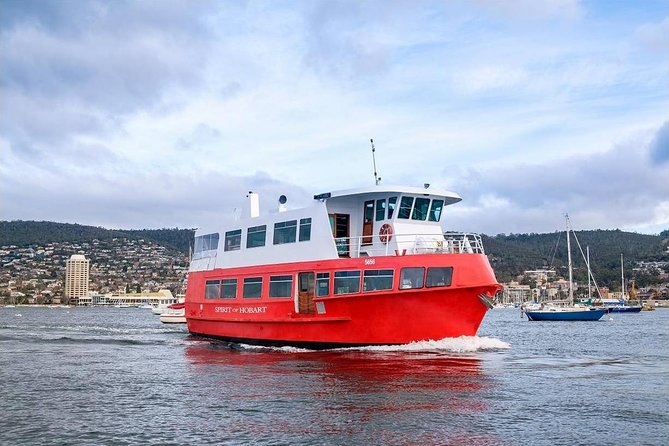
About the boat: you’re on a custom-built motorboat with leather seats and an enclosed cabin featuring large windows. That’s a big deal in Tasmania, where conditions can change quickly. Reviews also mention blankets for cooler weather, and if you’ve ever tried to enjoy a deck seat while the wind turns mean, you’ll understand why that comforts you fast.
Seating is designed with viewing in mind, too. There are 12 forward-facing seats and 2 rear-facing bench seats. If you care about photos and forward sightlines, try to arrive early enough to choose your spot.
One more practical note: it’s a small group, and the cabin is enclosed, but it still moves with the water. Dress for the motion. You don’t need heavy expedition gear, but you do want layers.
River Derwent highlights: Shot Tower and Wrest Point in context
Once you cast off, the cruise quickly becomes a moving history lesson. You pass iconic waterfront spots like Battery Point and Wrest Point Casino, but the real star on this part of the route is the Shot Tower at about 49 meters (160 feet).
From the water, structures like the Shot Tower feel less like a random landmark and more like a piece of how Hobart worked. You’re close enough to notice the scale, and you can see the harbour geography that made industries like this possible.
You’ll also see Mt Wellington from angles you can’t get from most streets. It’s not just pretty, it helps you orient yourself. Hobart has a way of looking complicated on a map, but from the river, the city’s shape feels obvious.
This is also where the guide’s storytelling really matters. The best part of a cruise isn’t the view alone, it’s what you learn while the view keeps changing. Expect maritime history, plus real-world sea stories like shipwrecks and how early communities relied on navigation help.
Iron Pot Lighthouse: the 1832 shipwreck story you’ll remember

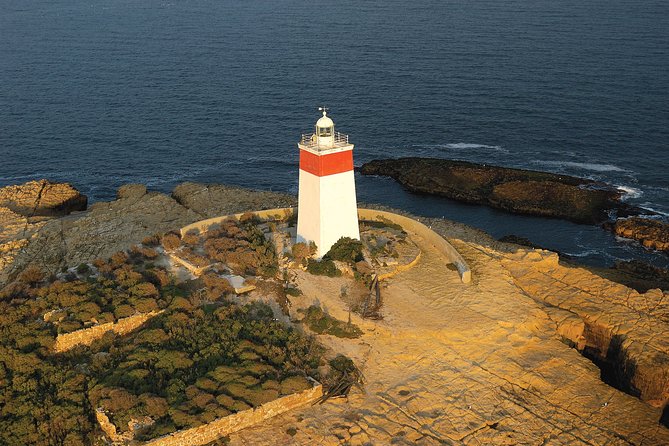
The highlight most people are coming for is Iron Pot Lighthouse. It sits on a small rock island guarding the entrance to Storm Bay, and it was constructed in 1832 after several shipwrecks in these waters. That single fact gives the whole moment weight. You’re not just seeing a pretty lighthouse, you’re seeing why it had to exist.
When you reach the mouth of the Derwent, you’ll look toward Iron Pot. The timing is good because your boat has built up momentum through the harbour, and the lighthouse becomes the focal point that turns the cruise from city sightseeing into something more coastal and wild.
Photo tip: if the guide pauses or slows near key viewing angles, that is your moment. Large windows help, but the best shots often happen when you can lean and frame without glass glare. If you’re sensitive to reflections, wipe a window section before you shoot and angle your camera slightly to avoid glare.
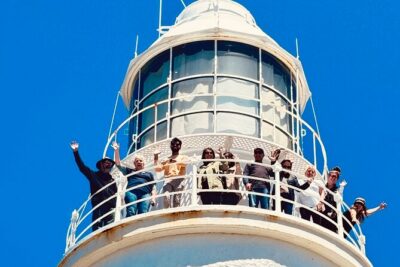
Also pay attention to what the guide says about lighthouse keepers and their families. Lighthouses were workplaces, communities, and isolated duty stations all at once. That human side is usually what makes the story stick long after the boat ride ends.
Storm Bay and Betsey Island: sea caves, birds, and that open-coast feeling
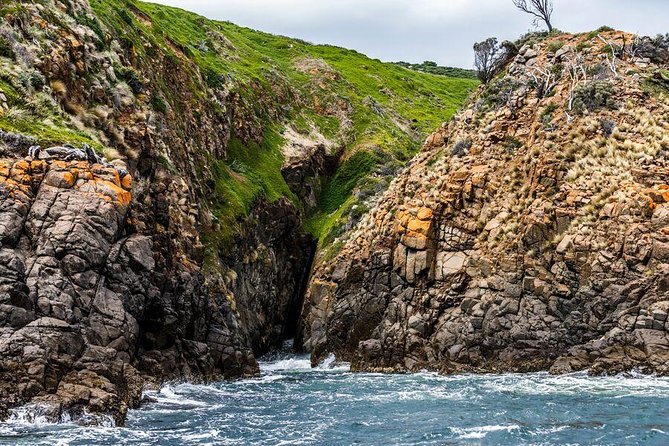
After Iron Pot, the cruise heads into Storm Bay toward uninhabited Betsey Island. The key word here is circumnavigation. You’re not just getting one side view. You cruise around, which means the scenery keeps shifting, and the island’s shape becomes clear.
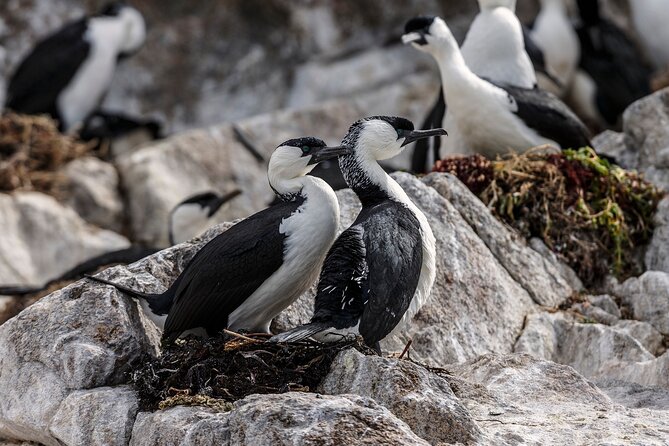
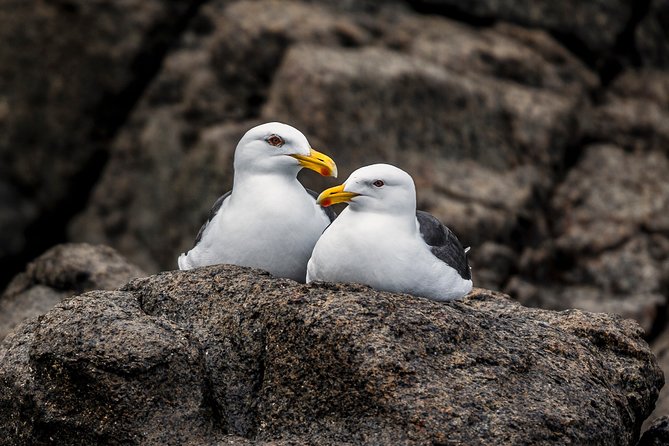
Betsey Island also brings in wildlife. The tour is set up for bird spotting, and white-bellied sea eagles are a named target. You may also see other marine birds. The best “wildlife viewing” advice I can give you is the simplest: scan calmly and give it a few minutes. Birds often appear in short bursts, then vanish, and a quick glance can miss the whole event.
Sea caves are another specific feature mentioned for Betsey Island. You don’t need to imagine a movie set. On a real coast, caves show up as gaps, dark openings, and sudden changes in shoreline texture. From the boat, you’ll likely get a clear sense of how the coast is carved by wind and waves.
If you want a calm, scenic moment, this is it. The pace stays cruising, but the atmosphere changes. It feels more like you’re visiting a working coastline than touring a city.
Hope Beach and the Sydney to Hobart route: why the race matters here
As you move toward the turn around the Storm Bay side, you’ll also get views of Hope Beach, described as a secluded stretch with surf conditions tied to offshore winds and big breaks. Even if you’re not a surfer, this matters because it explains the coast’s mood. Open water plus strong winds equals more energetic ocean swells.
The cruise also follows water that’s part of the famous Sydney to Hobart Yacht Race route. Iron Pot Lighthouse is described as the final turn, so when you look at the lighthouse from the right angle, you can picture the boats doing their last big strategic move.
This is one of those details that makes the cruise feel alive. The harbour stops being static scenery and starts acting like a stage where real navigation decisions happen.
Wildlife possibilities also peak around these open-water stretches. Reviews mention sightings that can include seals, dolphins, and even a whale on lucky days. I can’t promise any one animal, but the pattern makes sense: marine birds and mammals tend to show up where food chains meet moving water.
What you get for $104: value that’s not just “a ride”

Let’s talk money, because a harbour cruise can be either a quick marketing product or a legit experience. At $104 per person for about 2 hours 30 minutes, you’re paying for three things:
First, you’re paying for the boat time through viewpoints you can’t replicate easily on foot. Second, you’re paying for the guide who turns scenery into meaning, especially around Iron Pot and Hobart’s maritime past. Third, you’re paying for the small-group format, capped at 12-14, which improves how much you actually get out of the storytelling and wildlife scanning.
I especially like that the tour includes a local guide as part of the base price. That’s the difference between seeing a lighthouse and understanding why it matters. The guide’s humour shows up in multiple write-ups, and that kind of relaxed confidence often makes history feel easier to absorb.
Not included: food and drinks. So plan to grab a snack before or after. Also note there’s no hotel pickup, so you’re handling your own arrival to Franklin Wharf.
If you’re spending just a day or two in Hobart, this is a solid “high-impact” use of time. It gives you water views, maritime context, and a chance at wildlife in one sitting.
Weather reality and what to wear on a Storm Bay cruise
This cruise operates in all weather conditions, and that matters because Tasmania can turn the sky on you fast. But the operator also notes the experience requires good weather, and if it’s cancelled due to poor weather you’ll be offered a different date or a full refund.
Practical advice: bring layers you can stand to wear for a moving ride. Even with an enclosed cabin, you’ll feel wind coming around the edges and you’ll want to be comfortable during any slower parts near the lighthouse or Betsey Island.
If you’re the type who likes to stay warm, look for what you’re already doing in chilly weather: a jacket you trust, a hat, and something for your hands. Blankets are mentioned in feedback, but you don’t want to rely on them being enough for every temperature.
One more thing: motion sickness can happen on any boat. If you’re prone to it, take precautions before you board.
Small-group cruise vs. “active day”: who this suits best
This is best for people who enjoy cruising with a purpose. You want water views, you like history with real examples, and you don’t mind time on the boat instead of a walking route.
It can also suit solo travellers who want a guided way to see Hobart’s coastal edges without planning anything. Still, if you crave an active experience with lots of movement and stopping points, you may prefer a more hands-on wilderness trip elsewhere.
As for mobility, most travellers can participate. Service animals are allowed, and the meeting point is near public transportation, which helps if you’re not renting a car.
Lastly, keep a flexible mindset about the boat itself. One piece of feedback highlights an unexpected vessel change, so if you’re very particular about boat type, it’s worth expecting that the operator may adjust the vessel based on the day’s conditions and capacity needs.
Should you book the Iron Pot Lighthouse Hobart cruise?
I’d book this if you want a simple plan that delivers three things at once: Iron Pot Lighthouse, real maritime context, and Storm Bay scenery with wildlife potential. It’s a strong choice for first-time visitors who want to understand Hobart through the water, not just through streets and museums.
If you’re deciding between a quiet cruise and a very active outdoor day, pick the cruise when you want comfort, panoramic viewing, and guided storytelling. Choose something more active when you want constant movement and a tighter sense of physical exertion.
My final rule of thumb: bring a warm layer, plan to take your camera, and go with the expectation that Tasmania’s coast can surprise you, sometimes with seals or even bigger marine life when conditions align.
FAQ
How long is the Hobart sightseeing cruise with Iron Pot Lighthouse?
It runs for about 2 hours 30 minutes.
Where do I meet for the cruise?
Meet at Pennicott Wilderness Journeys at the Dock Head Building, Franklin Wharf, Hobart TAS 7000. The activity ends back at the meeting point.
How much does it cost?
The price is $104.00 per person.
What’s included in the ticket price?
Your ticket includes the cruise and a local guide.
What is not included?
Food and drinks are not included, and there is no hotel pickup or drop-off.
Is there a mobile ticket?
Yes. The tour uses a mobile ticket.
Does it run in bad weather?
The operator says it operates in all weather conditions, but the experience requires good weather. If it is cancelled due to poor weather, you will be offered a different date or a full refund.
How big is the group?
It’s a small-group tour limited to around 12, with a maximum of 12-14 travellers.
Are service animals allowed?
Yes, service animals are allowed.
Where can the seating be found on the boat?
There are 12 forward-facing seats and 2 rear-facing bench seats.
Hobart, Under the Mountain

Added lately from Hobart
- Wineglass Bay and Maria Island Scenic Flight Experience
★ 4.7 · 54 reviews - Hobart: Tahune Airwalk & Hastings Caves – Active Day Tour
★ 4.8 · 56 reviews - Hobart: Mt Wellington, Richmond, & Bonorong Wildlife Tour
★ 4.6 · 59 reviews - Tasmania: Wilderness and Wildlife Guided 6-Day Tour
★ 4.6 · 60 reviews - Port Arthur, Richmond and Lavender Active Day Tour
★ 4.5 · 61 reviews - kunanyi/Mt Wellington Explorer Bus – One Way Tour
★ 5.0 · 63 reviews
Hobart & Mount Wellington, compared.
 ★ 5.0Full-Day Guided Bruny Island Tour from HobartFrom $1291,331 reviews
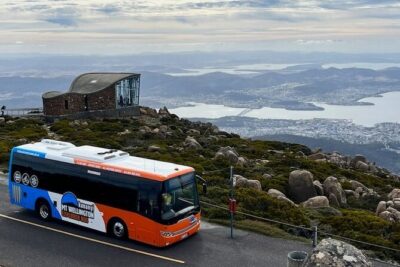 ★ 5.0kunanyi/Mt Wellington Explorer Bus- Return Tour (2.5 hours)From $351,249 reviews
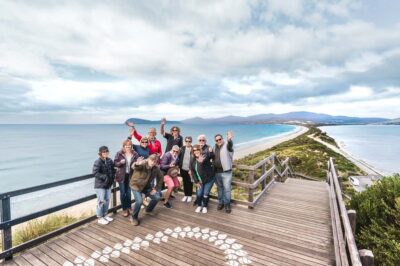 ★ 4.8Hobart: Bruny Island Food, Sightseeing & Lighthouse Day TourFrom $198960 reviews
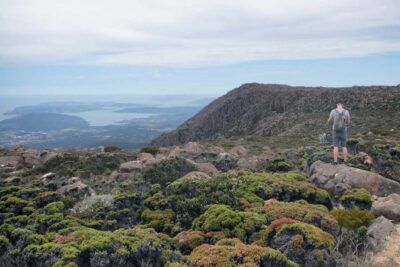 ★ 4.8Hobart: kunanyi/Mt Wellington Explorer Bus PassFrom $35848 reviews
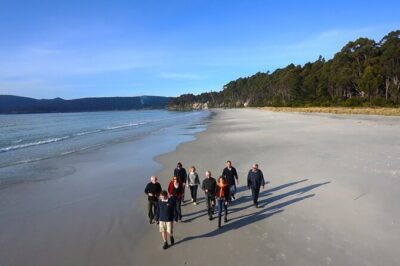 ★ 5.0Bruny Island Traveller – Gourmet Tasting and Sightseeing Day Trip from HobartFrom $197786 reviews
 ★ 4.5Hobart: 24-Hour Hop-on Hop-off Sightseeing Bus TicketFrom $31770 reviews
 ★ 4.7From Hobart: Full-Day Bruny Island Tour with GuideFrom $127755 reviews
 ★ 4.8Hobart: Mt Wellington, Mt Field, Bonorong and Richmond TripFrom $126722 reviews
Browse the lists this tour appears in