
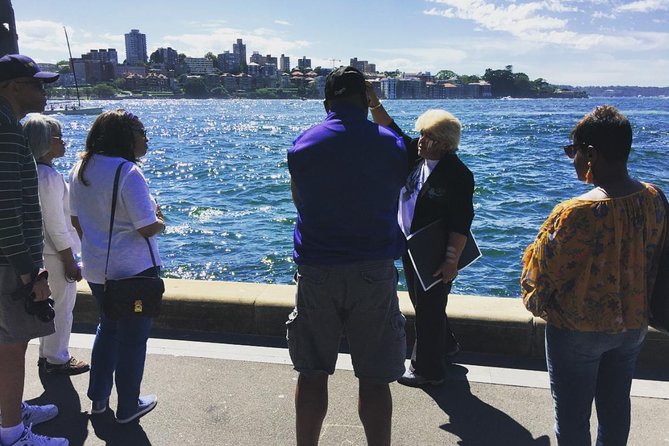
REVIEW · SYDNEY WALKING & SIGHTSEEING TOURS
illi-Langi The Rocks Aboriginal Dreaming Tour
Sydney’s first stories are near your feet.
This illi-Langi The Rocks Aboriginal Dreaming Tour is a focused, 1.5-hour walkabout that links Dream Time to everyday Sydney landmarks, with an Aboriginal guide guiding the pace and the meaning. I like that it starts with an introduction, acknowledgement to Country, and an ocher activity, then moves you through small, meaningful stops instead of tossing you into a big bus tour.
What I really love is the stop-by-stop attention to place names and materials, like the Earth Mother ochre referenced at Argyle Cut. You get tight context for sites around The Rocks and the Harbour, and the group size stays small (max 25), so it feels more like an on-foot conversation than a performance.
One drawback to consider: the experience can vary a bit by guide and day, and a small set of past bookings reported issues like no-shows or missed connections. I’d plan a few extra minutes for meeting-point checks so you do not waste your morning.
In This Review
- Key things to know before you go
- Why illi-Langi and The Rocks work so well on foot
- Cadman’s Cottage: the warm-up, acknowledgement, and ochre activity
- Argyle Cut and the Earth Mother ochre story
- Dawes Point under the Harbour Bridge: name, views, and importance
- Hickson Road Reserve: recent rock art and ancient art galleries
- Sydney Harbour at Campbells Cove: saltwater life and spiritual sites
- The Rocks precinct and illi-Langi: where the story gets longer
- Price and value: why $33 can be a smart buy
- Group size, pace, and what to expect from the walkabout
- The best kind of person for this tour (and the one who might not love it)
- Before you go: smart prep for Cadman’s Cottage and The Rocks
- Should you book the illi-Langi The Rocks Aboriginal Dreaming Tour?
- FAQ
- Where does the illi-Langi The Rocks Aboriginal Dreaming Tour start?
- How long is the tour?
- What should I bring?
- Is bottled water included?
- How large is the group?
- Can I cancel for free, and how late?
Key things to know before you go
- Small group max 25 for a more personal, walkable pace around The Rocks
- Cadman’s Cottage start and finish at 110 George St, a straightforward spot near public transport
- Stops that map to meaning, including Argyle Cut ochre and Dawes Point under the Harbour Bridge
- Aboriginal guide-led storytelling tied to Dreaming, food, and saltwater life
- Bring water, especially on hot Sydney days, since bottled water is not included
- The tour focuses on illi-Langi in The Rocks, not a quick drive-by version
Why illi-Langi and The Rocks work so well on foot
This tour is built for people who want Sydney with context. The Rocks area can feel like a postcard, but this walk re-frames it as lived Country, with stories tied to Dream Time and to the way people have cared for land and water for generations.
You also get a good “shape” to the experience. Instead of cramming everything into one lecture, the guide uses a sequence of short stops around iconic locations, then gives more sustained time in The Rocks precinct where illi-Langi stories live in the space itself. It is the kind of format that helps you remember what you saw, because each stop has a specific theme.
If you like walking tours that actually teach place names, materials, and why certain spots matter, you will likely enjoy this structure. And if you prefer lots of sitting, you should know this is a walking walkabout with brief pauses, plus one longer segment in The Rocks.
Walked, driven and bussed: other Sydney days
- Sydney: Big Bus Hop-On Hop-Off Tour with Optional Cruise★ 4.4 · 2,697 reviews
- Big Bus Sydney and Bondi Hop-on Hop-off Tour★ 4.0 · 2,690 reviews
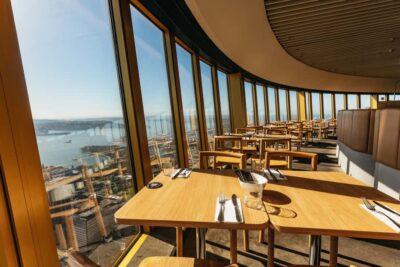
- Sydney: Unlimited Skyfeast at Sydney Tower★ 4.6 · 1,969 reviews
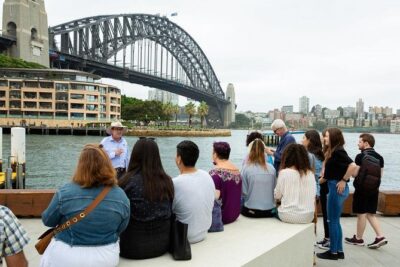
- Sydney The Rocks Guided Walking Tour★ 5.0 · 1,546 reviews
Cadman’s Cottage: the warm-up, acknowledgement, and ochre activity
Your tour starts at Cadman’s Cottage at 110 George St, The Rocks. This matters more than it sounds. Starting and ending at the same, well-known landmark keeps the tour simple and reduces stress when you are juggling transport, queues, and weather.
At the beginning, the guide provides an introduction and acknowledgement to Country. Then you get an ocher activity, which sets the tone early. Even if you already know a little about Aboriginal art and natural pigments, the point here is practical and respectful: you are learning how ochre connects to place, use, and meaning, not just admiring color.
From there, you move right into Bligh Barney Reserve, next to the cottage. The focus there is on natural resources, using seasonal native flora and fauna. In other words, it is not only about landmarks and legends. You get a snapshot of how people read the land for resources, in a way that ties straight back to sustainability and everyday life.
Practical tip: the tour asks you to bring water, and that is not a random add-on. This part of Sydney can run hot, and you will feel it faster when you are learning and walking at the same time.
Argyle Cut and the Earth Mother ochre story
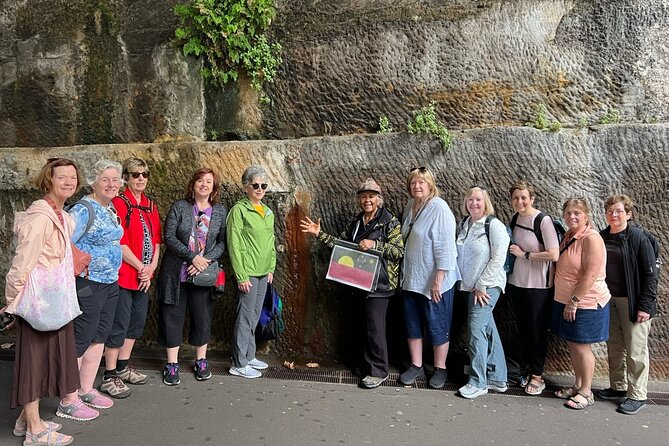
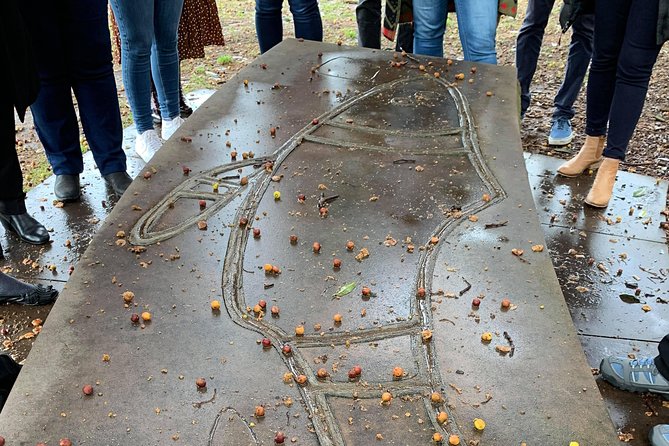
One of the most memorable stops is Argyle Cut, where the guide points out ochre in the rock face. The tour theme here is Earth Mother’s ochre, described as existing in large clay pods on the wall of Argyle Cut.
Why this is a good stop on a walking tour: it is visual and specific. You are not just told that ochre matters. You stand somewhere where ochre is part of the landscape itself, then you connect that to paint, ceremony, and knowledge. It turns a concept into a material you can see.
This stop is brief, so treat it like a quick but important chapter. If you are the type who likes to ask questions, this is a natural moment, because the guide has a clear object to reference. And if you are not sure what to ask, simply listen for how the guide links ochre to the bigger story of illi-Langi and The Rocks.
Note on pacing: stops like this work best when you keep your attention up. It is not a slow stroll where you can drift into your phone. The guide will be moving the group along as the story unfolds.
Dawes Point under the Harbour Bridge: name, views, and importance
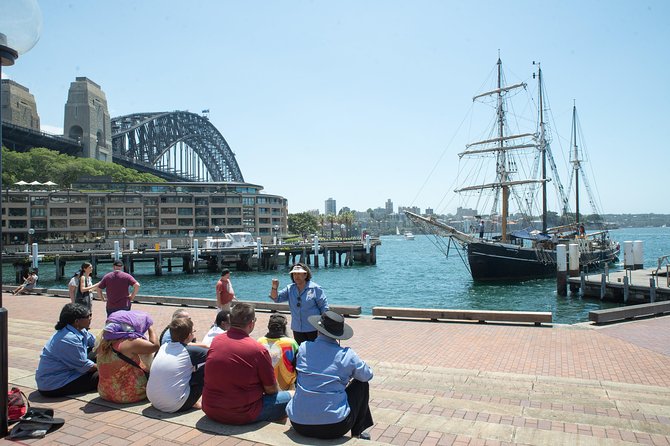
Next up is Dawes Point Park, which sits under the Harbour Bridge with classic harbour views. The tour uses that view as a learning tool, not just a photo moment.
What you learn here is the Aboriginal name and the importance of this site. The value of this kind of stop is that it gives you an anchor. Instead of looking at the bridge and harbour as generic scenery, you start understanding them as part of a longer, living connection to place.
A cool way to think about Dawes Point: the Harbour Bridge often becomes the headline, but the tour pulls the emphasis back to the Country and the meaning of the location. That change in emphasis can follow you for the rest of the walk, because you start noticing how many places around Sydney have layered names and functions.
If you enjoy “spot the detail” moments, this is one. You will likely find yourself relooking at the harbour with new labels after the explanation, even when the group moves on.
Cultural experiences led by the communities themselves
Hickson Road Reserve: recent rock art and ancient art galleries

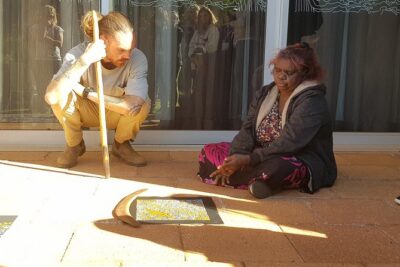
At Hickson Road Reserve, the tour shifts to visual culture. You get to see an example of recent rock art, then the guide connects it to older ideas of traditional art galleries across the Sydney region, described as thousands of years old.
This is a stop that rewards close attention. The rocks and walls in The Rocks area are all around you, but you might not have a framework for what you are actually looking at. The guide provides that framework, so you can see rock art as part of a broader system of storytelling and knowledge, not just a “mark on stone.”
Also, it is a nice change of pace. After ochre and harbour meaning, the rock art stop helps your brain shift from materials and resources to visual expression and place-based teaching.
One more practical note: because this is a short stop, do not plan to use it as your snack-and-scroll break. If you want to keep the tour valuable, stay present and let the guide point, explain, and connect.
Sydney Harbour at Campbells Cove: saltwater life and spiritual sites
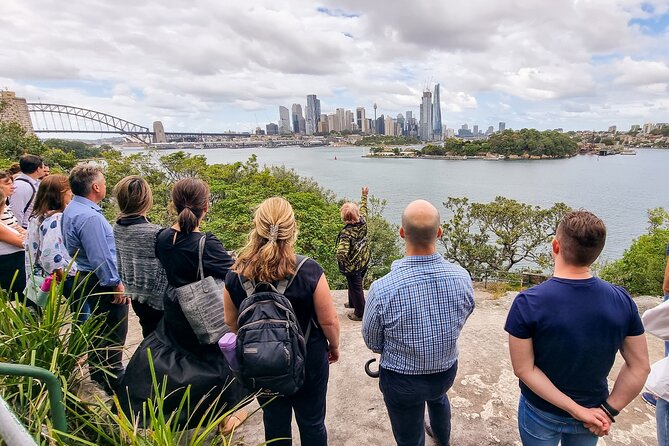
Your Harbour segment starts around Campbells Cove, with amazing harbour views. This part of the tour focuses on the Aboriginal saltwater lifestyle and the spiritual importance of sites around the Harbour.
The guide brings meaning to places you probably already recognize, including the Opera House area (linked in the tour context to Bennelong Point) and the Circular Quay precinct. Even if you have walked around these locations before, the difference here is the way the guide connects water, movement, and spirituality to how people understand Country.
Why this works: water is not just scenery in Aboriginal knowledge systems. It is food, travel, seasonal rhythm, and spiritual responsibility. When a tour explains saltwater life in a grounded way, you start seeing the Harbour as a living environment instead of a backdrop.
Also, this segment is short. So your best strategy is to let the guide paint the connections quickly, then take your own mental notes in your head. If you want photos, do them after the key explanation, so you do not miss the meaning while you are framing the shot.
And yes, it can get breezy near the water, which helps. Still, hydration matters, and the tour does not include bottled water.
The Rocks precinct and illi-Langi: where the story gets longer
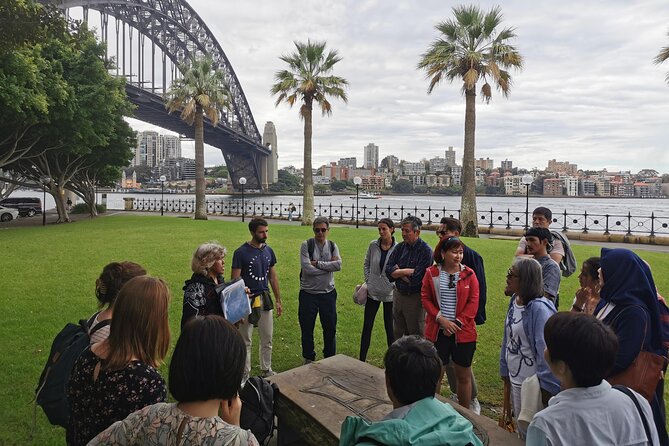
The final and longest part of the walk takes place in The Rocks precinct, focused on illi-Langi. This is the heart of the experience, and it is where the tour turns from a sequence of stops into a more sustained walkabout.
Think of this section as the part where you get the “why” behind everything else. Earlier stops give you landmarks, materials, and visuals. Here, the guide weaves those threads into a larger understanding of how people relate to the land, the rocks, and the Harbour in a Dreaming context.
Reviews and guide feedback often highlight themes like daily life, connection to Mother Earth, and how relationships with family and Country shape responsibilities. Names that show up in past groups include guides such as Emily, Amanda, Nathan, and Donia. When the guide is particularly strong, the storytelling can feel both respectful and human, with humour used to keep the mood light while still taking the topic seriously.
As you walk, pay attention to how the guide treats the space. The Rocks can look like a historical district, but this tour focuses on Indigenous significance, not only colonial-era buildings. That shift in lens is often what people remember after the walk ends.
Price and value: why $33 can be a smart buy

At $33 for about 1.5 hours, this is one of those Sydney experiences that can be great value if you care about authenticity and place-based meaning.
Here is what you actually get for the money:
- An Aboriginal guide leading commentary
- A guided walk with multiple stops tied to cultural significance
- A theme sequence that includes ochre, rock art, Harbour life, and illi-Langi in The Rocks
Because the price is low compared with many private experiences, the tour’s value mostly depends on two things: guide quality and your comfort with walking. The small group size (max 25) helps, since you are less likely to feel lost in a crowd.
Now, the balance: a few people have reported issues like no-shows or missed connections. Those cases are not the norm, but they are serious enough that I recommend you take your confirmation seriously and show up a few minutes early. If you do that, the odds tilt strongly in your favour.
Group size, pace, and what to expect from the walkabout
This is a group tour with max 25 people, and that changes the feel. A small group is easier for a guide to manage, and it also makes it more likely you can hear explanations clearly at each stop.
The pacing is generally “stop and learn,” then move again. Some segments are short, like Argyle Cut and Hickson Road Reserve, and then you get longer time in The Rocks precinct. You should plan to stand, walk, and listen. It is not a museum-style experience where you can linger at your own speed.
Comfort matters, especially in warmer weather. The tour tells you to bring water, and I would follow that advice closely. If you show up without water and it is a hot day, your attention will slip, and you will feel the walk more than you need to.
If you are sensitive to heat or prefer lots of seating, you might find it challenging. But if you are okay with a moderate walking pace and you like learning while you move through a place, this format fits well.
The best kind of person for this tour (and the one who might not love it)
You will probably enjoy this tour if you want:
- A Sydney Aboriginal tour that focuses on specific places around The Rocks and the Harbour
- A Dreaming story that connects meaning to what you can see and stand near
- A guide-led experience with enough structure to help you understand fast
You might want to choose something else if you dislike walking, want a lot of sitting time, or get frustrated when a tour does not match your expectations for one particular activity. For example, the tour description includes an ochre activity at the start, but a small number of accounts have mentioned it may not happen exactly as described on certain days. That does not mean it is missing overall, but it is a reason to go with a flexible mindset.
Also, if you are the type who likes very long explanations at each stop, you may find some segments feel brisk. The trade-off is you get more locations covered and a broader map of meaning.
Before you go: smart prep for Cadman’s Cottage and The Rocks
Do not overthink it, but do three things:
- Bring water. Bottled water is not included, and Sydney weather can be rough.
- Wear shoes you trust for sidewalks and uneven edges typical of The Rocks area streets and lookouts.
- Arrive at Cadman’s Cottage a little early so you can check that you are with the right group.
Also, consider what you want to get out of it. This tour is not about collecting trivia. It is about learning how the guide explains connections between land, resources, visual culture, and spiritual meaning in the Sydney Harbour region.
If you want, bring a note-taking habit. Even a phone note works. Write down place names the guide mentions. Those quick labels are what help the walk stick with you later, long after you have left The Rocks.
Should you book the illi-Langi The Rocks Aboriginal Dreaming Tour?
I would book it if you want a compact, guided walk that gives you real context for The Rocks and the Harbour. The strengths are clear: the small group size, the Aboriginal guide commentary, and a stop sequence built around ochre, rock art, and saltwater life tied to illi-Langi.
I would book with eyes open if you are worried about strict reliability. Because a few people have reported guide no-shows or missed connections, I recommend you confirm your meeting details in advance and show up with a buffer.
If your goal is to understand Sydney beyond the skyline, this tour is a solid pick. It is short enough to fit a busy itinerary, and focused enough to feel meaningful.
FAQ
Where does the illi-Langi The Rocks Aboriginal Dreaming Tour start?
The tour starts and ends at Cadman’s Cottage, located at 110 George St, The Rocks NSW 2000.
How long is the tour?
The duration is about 1 hour 30 minutes.
What should I bring?
Bring water, especially on hot days, since bottled water is not included.
Is bottled water included?
No. Bottled water is not included, and you are asked to bring water.
How large is the group?
The tour has a maximum of 25 travelers.
Can I cancel for free, and how late?
Free cancellation is available up to 24 hours in advance for a full refund. If you cancel less than 24 hours before the experience starts, the amount you paid will not be refunded.
Led by Traditional Owners
Covering Sydney on Foot


Added lately from Sydney
- Sydney Private Food Walking Tour With Locals: The 10 Tastings
★ 4.0 · 53 reviews - Shuttle Transfer from Cruise Ship Terminal at Circular Quay to Sydney Airport
★ 4.0 · 53 reviews - Paint and Sip Classes Sydney: Acrylic Art, Canvas & Wine
★ 5.0 · 53 reviews - Historical True Crime Walking Tour of East Sydney
★ 5.0 · 53 reviews - Hunter Valley Wine Tour from Sydney with Lunch and 3 Cellar Door Tastings
★ 4.5 · 54 reviews - Hunter Valley: Wine, Chocolate and Lunch All Inclusive Tour
★ 4.3 · 54 reviews
Sydney Walking & Sightseeing Tours, compared.
 ★ 4.4Sydney: Big Bus Hop-On Hop-Off Tour with Optional CruiseFrom $512,697 reviews
 ★ 4.0Big Bus Sydney and Bondi Hop-on Hop-off TourFrom $522,690 reviews
 ★ 4.4Sydney Tower Eye: Entry with Observation DeckFrom $222,315 reviews
 ★ 4.6Sydney: Unlimited Skyfeast at Sydney TowerFrom $701,969 reviews
 ★ 5.0Sydney The Rocks Guided Walking TourFrom $321,546 reviews
 ★ 5.0Sydney Bike ToursFrom $851,125 reviews
 ★ 4.7Sydney: The Rocks 90-Minute History Walking TourFrom $321,092 reviews
 ★ 4.9Sydney Cricket Ground (SCG) and Museum Walking TourFrom $23616 reviews
Browse the lists this tour appears in