
REVIEW · DARWIN HARBOUR & CROCODILE CRUISES
Kakadu Wildlife Escape Fogg Dam or Crocodile Cruise from Darwin
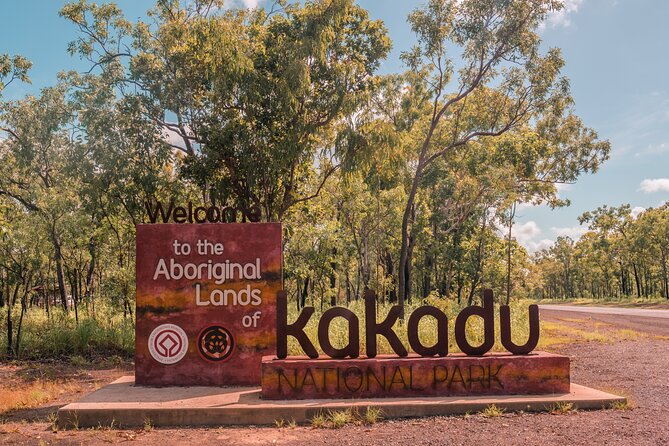
Croc eyes and 20,000-year-old art, same day. This full-day Kakadu Wildlife Escape strings together World Heritage rock art, wetlands like Fogg Dam, and real saltwater crocodile country, starting with an early 7:30am pickup from Darwin.
I like two things right away: the small-group setup (up to 21 people) and the fact you’re guided by locals who know how to explain what you’re seeing, whether it is Aboriginal rock art or croc spotting.
One drawback to plan for is the time, it is a long day on the road. If you are hoping to spend hours in one exact spot, weather and closures can also shift the order and stop details.
In This Review
- Key things that make this Kakadu day work
- Kakadu in One Day, the 7:30am Reality Check
- Price and Value: What $155.46 Actually Buys
- Getting There from Darwin: Pickup, Drive Time, and What to Pack
- Adelaide River Stop: Your Croc Choice, Jumping Cruise or Fogg Dam
- Bowali Visitor Centre Lunch Break You Actually Use
- Kakadu National Park Highlights: Fast Look Before the Main Stops
- Ubirr Rock Rock Art: When the Stones Start Talking
- Cahills Crossing: Crocodiles, Water Watching, and Timing
- Guides Make It or Break It, Names You Might Hear
- Weather and Park Changes: What You Should Expect
- Who This Tour Fits Best, and Who Might Want Another Plan
- Should You Book Kakadu Wildlife Escape from Darwin?
- FAQ
- How long is the Kakadu Wildlife Escape tour from Darwin?
- What time does the tour start?
- Where do you meet and end the tour?
- How much does it cost?
- How many people are in the group?
- What is included in the price?
- Are meals included?
- Do you need an NT Parks Day Pass?
- Is the itinerary flexible for weather?
- Is it suitable for kids?
Key things that make this Kakadu day work
- Ancient rock art at Ubirr (about 20,000 years) with close-up viewing and story context
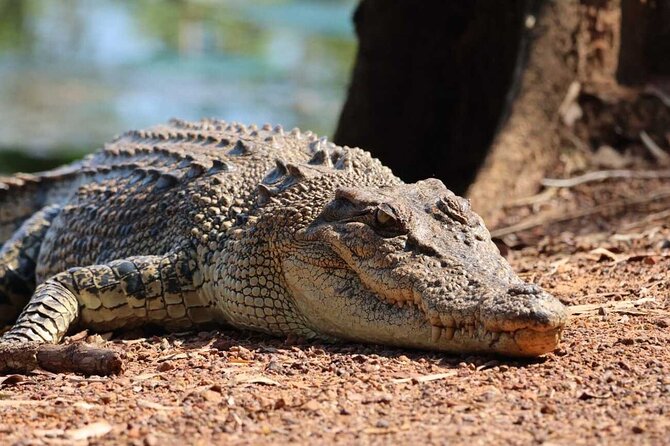
- Croc spotting at Cahills Crossing, widely seen as the best waterstop for saltwater crocs
- A choice at Adelaide River between the Jumping Croc Cruise and the Fogg Dam Conservation area
- Air-conditioned mini-coach with smart breaks, so the drive feels less brutal
- Bowali Visitor Centre for an Indigenous culture pause, plus a lunch break you control
- Route changes are possible, due to seasonal weather or traditional landowner ceremonies
Kakadu in One Day, the 7:30am Reality Check
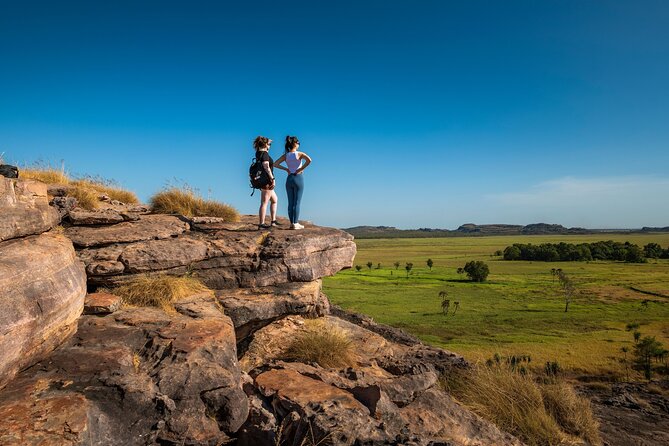
Kakadu National Park is enormous, and a day trip can only do so much. The good news is this tour keeps you moving, so you still hit the major highlights without you needing to wrestle with driving, permits, and timing.
You start from the Leea Darwin base in Darwin City at 7:30am and you return back to the same meeting point late evening. Expect a day that feels like it has two modes: lots of riding with guide talk and short, focused stops where you actually get out, look around, and take photos.
If you are the type who wants the best mix of animal spotting plus cultural meaning, this format fits. If you want slow travel and long walks, you will probably feel the pinch.
Escarpment art, billabongs and the season question
- Kakadu Day Tour from Darwin with Offroad Dreaming★ 5.0 · 776 reviews
- From Darwin: Kakadu Wilderness Escape Day Tour★ 4.5 · 361 reviews
- Kakadu, Nourlangie and Yellow Waters Tour from Darwin★ 4.0 · 357 reviews
- Kakadu Wildlife Escape Fogg Dam or Crocodile Cruise from Darwin★ 4.5 · 295 reviews
Price and Value: What $155.46 Actually Buys
At $155.46 per person, the value here is not just that you get one ticket. You also get the big “base layer” that makes Kakadu day tours easier: park entry support and a guided day that includes multiple key viewpoints.
Here is what you can count on being included:
- A Kakadu Park Pass entry fee
- An accredited outback driver guide with commentary
- Wildlife sightings in natural habitat
- A small group tour in an air-conditioned mini-coach
- Selected Darwin inner-city pickup and drop-off points
- The Jumping Crocodile Cruise only if you choose the option that includes it
Meals are not included, but the tour builds in lunch time so you can support local places instead of eating from a stale snack bag all day. The other cost to watch is a possible NT Parks Day Pass for the Fogg Dam area on the Fogg Dam option (KD-B), listed as A$10 per person.
For a Darwin-to-Kakadu day, that price is generally about right when you compare it to the cost of park access plus a guide plus transport. You are paying for convenience, timing, and someone who knows where to stand to increase your odds of seeing crocs and rock art without guessing.
Getting There from Darwin: Pickup, Drive Time, and What to Pack
This is a long haul out of Darwin City, so your comfort matters. You’re on an air-conditioned mini-coach with limited storage, so plan for just one day bag per person (listed at 5 to 7kg). If you carry a big backpack, expect to shuffle things around.
Pack like you are doing a mix of light walking and hot-weather waiting:
- comfy shoes for the rock art viewing area
- sun protection and a hat
- water for the stretches between stops
- a camera ready at all times, because wildlife sightings can happen fast
- a light layer for early morning air-conditioning chill
In the real-world feedback, people praise the comfort and the frequent breaks. That matters, because the drive can feel endless if your knees are on “tourist mode” all day and bathrooms are still hours away.
Adelaide River Stop: Your Croc Choice, Jumping Cruise or Fogg Dam
The first major decision comes around Adelaide River. You can add the Jumping Croc Cruise or take time around the Fogg Dam Conservation Centre area depending on which version you booked.
If you choose the jumping crocodile experience, you are basically buying a high-energy croc encounter on water. This part of the day is often described as a highlight because it is hands-on in the sense that you are close to the animals, guided by the crew on safety and timing.
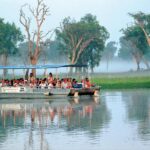
If you choose the Fogg Dam side, your vibe shifts from “adrenaline crocs” to “wetlands wildlife.” This is where you should expect birds, water movement, and quiet moments. One practical note from experience shared in guide conversations: some days are end-of-wet-season type conditions, so you might see water plants like lilies or lotus.
Either way, you get a chance to stretch, use facilities, and reset before the culture and rock art stops later.
Sunset water and saltwater crocodiles, other options
Bowali Visitor Centre Lunch Break You Actually Use
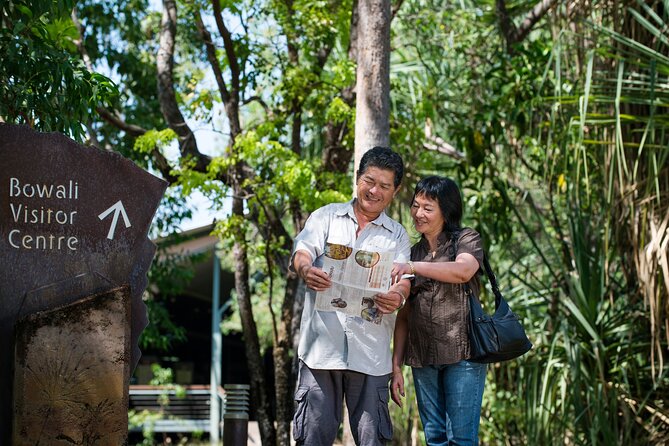
Bowali Visitor Centre is the culture and orientation pause. You stop for about 45 minutes, and the point is to learn about Indigenous culture and history through the visitor centre experience rather than rushing straight to viewpoints.
Lunch is on your own expense. I like that it gives you control. If you spot something nearby that you can eat quickly, great. If you need time to cool down and regroup, you also get that chance.
This stop helps the whole day make more sense, because rock art viewing is stronger when you have the cultural context sitting in your head. Even if you are not a museum person, Bowali tends to turn the day from “photos of rocks” into “stories with meaning.”
Kakadu National Park Highlights: Fast Look Before the Main Stops
You also pass through Kakadu National Park itself for around 25 minutes, which is less about doing a deep activity and more about getting that early sense of scale. Think of it as your orientation moment, when the guide sets up what you will see next.
In practice, this is when the guide’s commentary starts linking together the day: how the wet season changes the terrain, how wildlife uses these areas, and how the rock art places fit into a longer time story.
If you are prone to motion sickness, this is one more reason to keep hydration up and avoid heavy meals too early. A tight schedule means you do not have long to settle each time the bus moves again.
Ubirr Rock Rock Art: When the Stones Start Talking
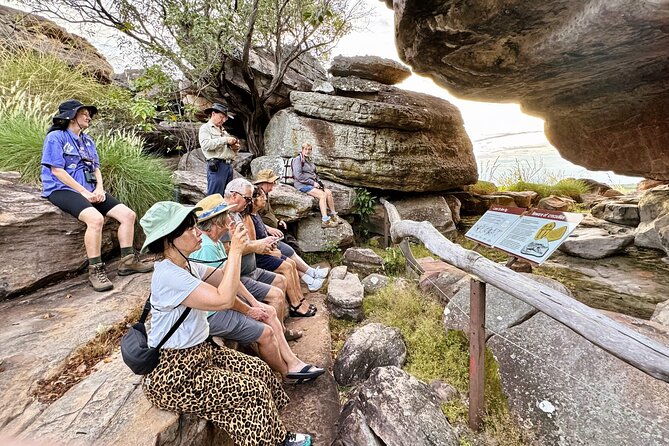
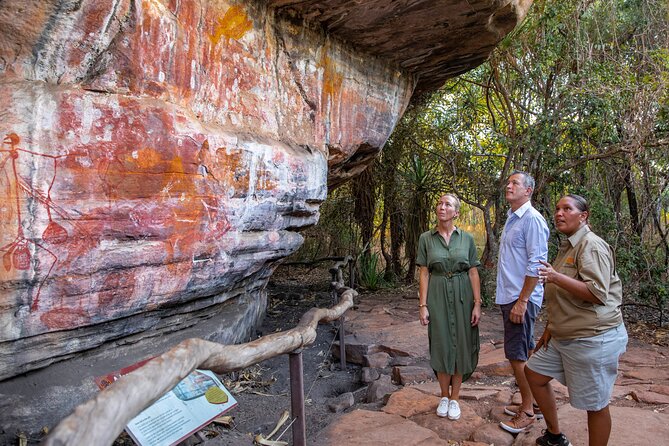
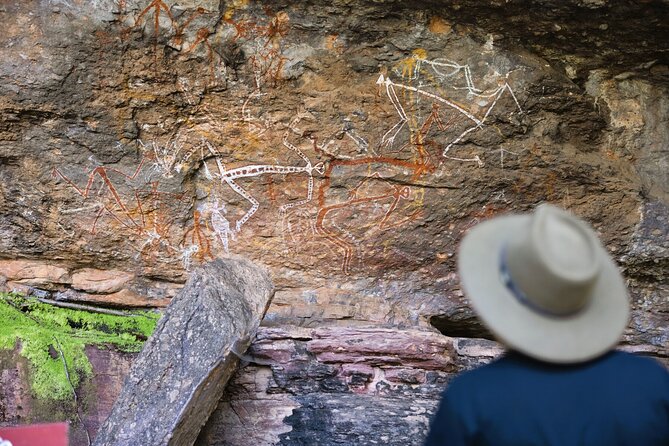
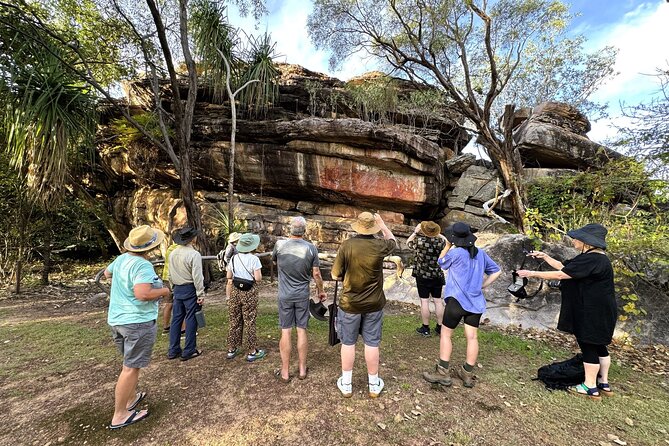
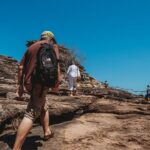
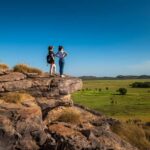
Ubirr is the big rock art stop on the day, usually about 1 hour 15 minutes. It is described as a sacred site and it is tied to some of the oldest and best preserved rock galleries, with dating shared around 20,000 years.
Here is the real value: you are not just looking at a photo spot. You’re getting close enough to see the rock surfaces and understand why artists chose these locations. The guide’s narration makes a difference, with many people specifically praising how the stories came alive through the telling.
Expect some walking, but it is not framed as a marathon. Still, you need moderate fitness. If your knees are grumpy in heat, bring shoes with grip and take it slow. You are also likely to do better if you keep your camera handy but put it down sometimes to actually look. The art can be easier to read when you are not rushing for the perfect shot.
Weather can change the plan. If Ubirr is not the best option due to conditions, the day may visit Nourlangie instead. That is not a failure, it is Kakadu being Kakadu.
Cahills Crossing: Crocodiles, Water Watching, and Timing
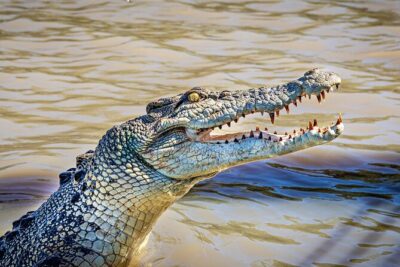
Cahills Crossing is a short stop, around 15 minutes, but it is one of the most important in terms of wildlife chances. It is famous for the wide stretch of water, and it is where your odds of seeing crocodiles are best during this style of tour.
This is the “don’t blink” part of the day. Crocs can be hard to spot at a distance, and your best tactic is to listen to the guide, scan the water steadily, and be ready when something moves. If you are the type who wants to actively participate, this is a good moment to do it.
Why the stop is short: the tour schedule has to fit all the major cultural points. You will still have the chance to capture photos, but you should not treat it like a long private viewing session.
If the croc sightings are your top priority, pick the day with good visibility if you can. If you cannot, at least know you are not being tossed into a random viewing area. The stop is picked for results.
Guides Make It or Break It, Names You Might Hear
One of the most consistent signals in the feedback is that the guide is the difference between a checklist day and a meaningful day.
You might encounter guides such as Ric, Tim, Adrian, Daryl, Alex, Dani, Naomi, Lee, or Becs. The common thread in the praise is story-driven commentary: Indigenous rock art context, culture explanations that are not vague, and quick wildlife scanning so you do not miss animals that pop up along the way.
I also appreciate when guides handle the pacing with real-world flexibility. People mention extra stops for food, hydration, and bathroom breaks, which sounds basic, but it is the difference between a day you remember and a day you survive.
Weather and Park Changes: What You Should Expect
Kakadu does not run on your schedule. Park closures due to seasonal weather, and route changes related to traditional landowner ceremonies, are possible. The provider specifically reserves the right to alter the route or timing, so you should treat the itinerary as a best-case plan, not a guarantee.
That also explains why some people loved the wet-season feel of Fogg Dam while others felt that particular stop did not deliver what they expected. If conditions make access limited or if water levels or visibility change, the experience can look different.
So, plan with a mindset of flexibility:
- check park status close to travel days if possible
- accept that Ubirr versus Nourlangie can swap based on conditions
- keep your expectations tied to the big idea, culture plus wildlife, not just one exact photo location
Who This Tour Fits Best, and Who Might Want Another Plan
This tour is a strong fit if you:
- want a guided intro to Kakadu without hiring a car and figuring out everything yourself
- care about Indigenous rock art and want real narration while you look
- want a realistic chance to spot saltwater crocodiles
- do not mind a long day for a once-in-a-lifetime park experience
You might think twice if:
- you hate long bus rides and would rather stay closer to Darwin
- you are expecting hours of one activity and not short, focused stops
- you need extra space, because even with an air-conditioned mini-coach, it can feel cramped when everyone is booked in
Comfort note, one piece of feedback mentions that the vehicle cleanliness was not as expected on one day. That is not the dominant theme, but it is worth keeping in mind if you are picky. If that matters a lot to you, bring a small personal wipe kit and keep your expectations grounded in “coach day” practicality.
Should You Book Kakadu Wildlife Escape from Darwin?
I think you should book it if your goal is a single day that hits Kakadu’s core pillars: ancient rock art, Indigenous stories with a human voice, wetlands, and crocodile country. The inclusion of park entry and the structured guiding makes it hard to beat for a first visit from Darwin.
Before you commit, decide which croc angle you want:
- Choose the Jumping Croc Cruise option if you want the most exciting croc moment on the water
- Choose the Fogg Dam option if you want birds, wetlands, and a slower nature rhythm between cultural stops
Also, pack for heat and for walking, and accept that Kakadu’s weather can change the exact sequence. If you do those two things, this tour is a solid value way to experience one of Australia’s biggest cultural and wildlife landscapes in just a day.
FAQ
How long is the Kakadu Wildlife Escape tour from Darwin?
It runs for about 12 hours.
What time does the tour start?
Start time is 7:30am.
Where do you meet and end the tour?
You meet at The Leea Darwin, 64 Cavenagh St, Darwin City, and the tour ends back at the same meeting point.
How much does it cost?
The price is listed as $155.46 per person.
How many people are in the group?
The tour has a maximum of 21 travelers.
What is included in the price?
The tour includes the Kakadu Park Pass entry fee, an accredited outback driver guide with commentary, wildlife sightings in natural habitat, a small group air-conditioned mini-coach, and selected Darwin inner-city pickup and drop-off points. The Jumping Crocodile Cruise is included only if you select the option that includes it.
Are meals included?
No. Meals are not included, but you will have an opportunity to buy lunch along the way.
Do you need an NT Parks Day Pass?
A NT Parks Day Pass is required for entry to Fogg Dam Reserve if you purchased the KD-B option, listed as A$10.00 per person.
Is the itinerary flexible for weather?
Yes. The route can be altered due to seasonal weather fluctuations and park closures, including closures related to traditional landowner ceremonies.
Is it suitable for kids?
Child fares apply from 6 to 12 years old. It is not suitable for children 5 years old and under due to the nature of walking involved, and you should plan for a moderate fitness level.
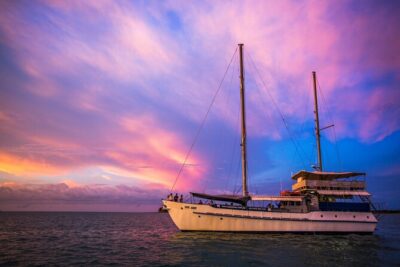
Harbour Sunsets and Saltwater Crocs
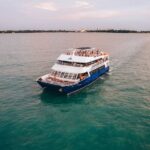
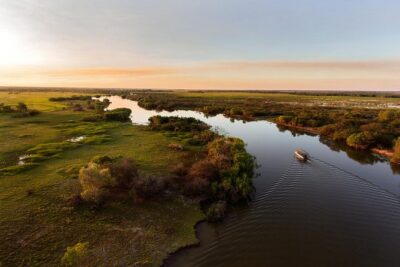
Deeper Into Kakadu
Added lately from Darwin
- Darwin: Hop-On Hop-Off Bus, Crocosaurus Cove and RFDS Entry
★ 3.1 · 20 reviews - Darwin: Aquascene Fish Feeding Experience
★ 4.4 · 22 reviews - Darwin: Jumping Crocodile Adventure Cruise with Lunch
★ 4.8 · 23 reviews - Discover Darwin Harbour: Darwin Harbour Afternoon Cruise
★ 4.8 · 23 reviews - Northern Territory: Corroboree Billabong Nature Cruises
★ 4.9 · 24 reviews - From Darwin: Litchfield National Park Full Day Tour
★ 4.5 · 25 reviews
Darwin Harbour & Crocodile Cruises, compared.
 ★ 5.0Litchfield National Park and Jumping Crocodile CruiseFrom $1722,119 reviews
 ★ 5.0Adelaide River Cruises – Jumping Crocodile ExperienceFrom $43997 reviews
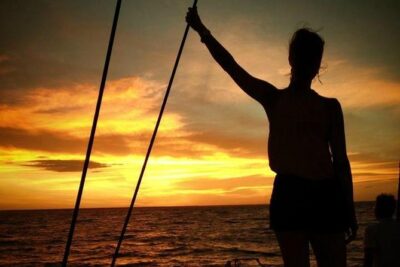 ★ 5.0Sunset 3-Hour Cruise from Darwin with Dinner and Sparkling WineFrom $132980 reviews
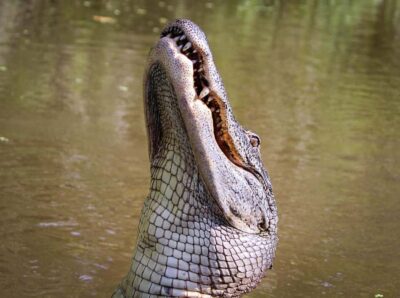 ★ 4.9From Darwin: Litchfield Park Tour & Jumping Crocodile CruiseFrom $162829 reviews
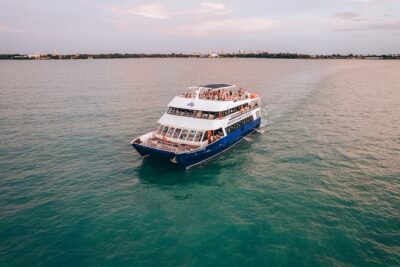 ★ 4.5Charles Darwin Dinner CruiseFrom $111820 reviews
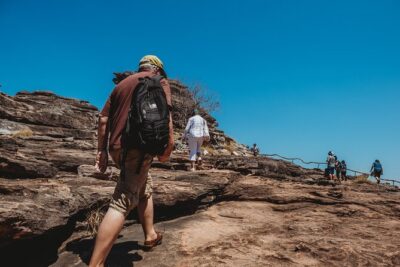 ★ 5.0Kakadu Day Tour from Darwin with Offroad DreamingFrom $243776 reviews
 ★ 5.0Cape Adieu Darwin Sunset Dinner CruiseFrom $121750 reviews
 ★ 5.01 Day Corroboree Billabong Wetland Experience including 2.5 hour cruise + lunchFrom $168501 reviews
Browse the lists this tour appears in