
REVIEW · KANGAROO ISLAND WILDLIFE TOURS
Nocturnal Tour of Kangaroo Island
Dark safari nights on Kangaroo Island are pure magic, and this one is built around after-dark wildlife with a local guide and torch-led spotting. You head out from Kingscote at 8:00 pm to look for animals that usually stay hidden during the day.
I love that the tour handles the hard part for you, including private transportation and pickup from 74 Dauncey St so you do not waste the night figuring out backroads. I also like the structure: there are dedicated windows for wildlife stops, including an Emu Bay search for fairy penguins.
One thing to keep your expectations practical: wildlife sightings are never guaranteed, especially for the more reclusive animals that only show up when conditions line up. Still, the guiding style here is clearly aimed at maximizing your odds.
In This Review
- Key highlights you’ll care about
- Why Kangaroo Island wildlife works so well after dark
- Price and Logistics: what $106.87 buys you
- Starting at 74 Dauncey St, 8:00 pm, then off into the dark
- Stop 1 Kingscote Silo Art and the first wildlife search
- Stop 2 Emu Bay: the penguin window
- Stop 3 Wisanger secret spot for kangaroos and wallabies
- Stop 4 Kingscote at night, plus that quiet island finish
- What animals you can realistically hope to see
- The guide factor: why local know-how matters most at night
- How to prep so you see more and enjoy it more
- Who this tour is best for
- Should you book the Nocturnal Tour of Kangaroo Island?
- FAQ
- What time does the Nocturnal Tour of Kangaroo Island start?
- Where is the meeting point?
- How long is the tour?
- Do I get picked up from my accommodation?
- Are torches provided?
- Is bottled water included?
- What animals are you hoping to spot?
- Is dinner included?
- Is this a private tour?
- What happens if weather is poor?
Key highlights you’ll care about
- Torch-provided night spotting that helps you actually see what moves in the dark
- Emu Bay penguin search with a focused 30-minute window
- Wisanger secret grazing route for up-close wallabies and kangaroos
- Kingscote at night for that calm island feeling after the animal chase
- Private group experience meaning less waiting around for everyone else
- Pickup and return to Kingscote so the night stays simple
Why Kangaroo Island wildlife works so well after dark
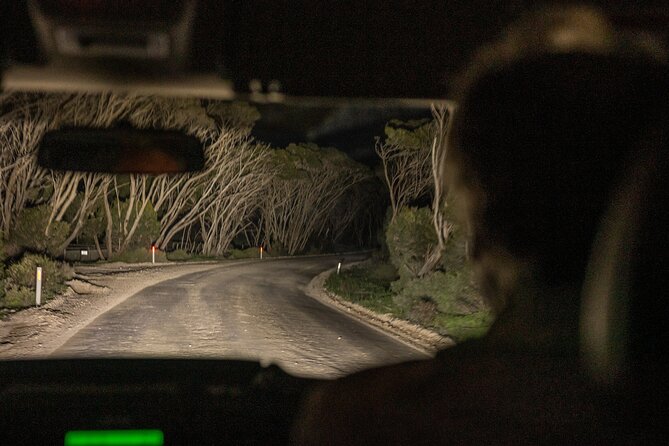
Kangaroo Island has a lot going for it during the day, but nights are where the island shows its tricks. Many of the animals you came for are active after sunset, so your best chance is to be out when the behavior switches on. That is what makes this tour feel different from a daytime drive where you mostly spot things at a distance.
I also like the pace. Instead of one long stop where you guess what you might see, you get multiple short segments, each with a clear target. The guide then uses local know-how to steer you toward likely viewing points, which matters when you are working with wind, darkness, and animals that do not follow a schedule just because you bought a ticket.
Sea lions, arches and the island crossing
- Kangaroo Island Quad Bike (ATV) Tours★ 5.0 · 1,236 reviews
- Kangaroo Island 75-Minute Coastal Safari★ 5.0 · 607 reviews
- Kangaroo Island – Swim with Dolphins/Seals/Coastal Snorkel★ 4.5 · 261 reviews
- Kangaroo Island: Dolphin, Seal, and Swimming Boat Tour★ 4.3 · 133 reviews
Price and Logistics: what $106.87 buys you
At $106.87 per person for roughly 2 to 2.5 hours, the value here is less about time and more about capability. You are paying for a guide who can interpret the island after dark, plus transport that gets you to places you would struggle to find on your own once it’s dark.
Included extras that help you feel cared for:
- Torches provided, so you can start spotting right away
- Bottled water for the ride
- Private transportation with pickup and return
One practical note: there is no dinner on the tour. Plan to eat before you go, or at least have something in your bag, because you will be out during evening hours and you want your energy for walking and waiting.
Starting at 74 Dauncey St, 8:00 pm, then off into the dark
Your night begins at 74 Dauncey St, Kingscote SA 5223. The start time is 8:00 pm, and the tour ends back at the meeting point, which keeps things clean if you are staying in Kingscote.
A private setup also changes the vibe. With only your group, the guide can pace the night around your questions and sighting pace, instead of herding a larger crowd. That matters at night, where one distracted moment can ruin a potential wildlife sighting.
You also get a mobile ticket, which is a small thing, but it saves time and fuss when you are trying to get everyone out the door.
Stop 1 Kingscote Silo Art and the first wildlife search
Stop 1 includes Kingscote Silo Art for about 10 minutes, and then you shift quickly into the first phase of the night wildlife hunt. This opening stretch is where the guide starts putting the island into context for you, then starts working the likely spots for animals that feed after dark.
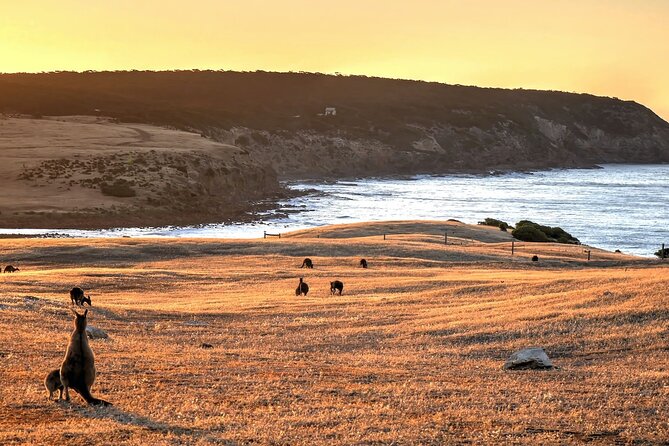
This is also a good moment to set your expectations. Early in the tour, you are often looking for the most active species first, since you still have full night light from the road and it can feel easier to scan. You might see kangaroos and wallabies out feeding, and on the island those sightings can be surprisingly close if the guide finds the right angle and the animals are relaxed.
If you are into photography, this is where you can test your camera settings. Low light can be tricky, and this short stop gives you a low-pressure chance to get ready.
Stop 2 Emu Bay: the penguin window
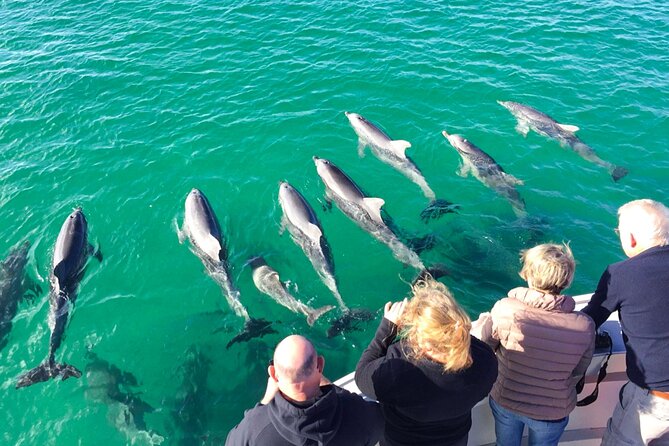
Emu Bay is one of the most exciting parts of the tour because it is where the guide takes you to look for penguins. This segment runs about 30 minutes, so the key is timing and patience. Penguin sightings can depend on how the evening is unfolding, and wind can change what you hear and what you can see.
Here is how to make the most of this stop:
- Stand where the guide directs you, since those spots are chosen for visibility
- Keep your movements calm and slow
- Give your eyes a few minutes to adjust to the dark before you raise your camera
Even with a short time window, the point is not to rush. It is to wait long enough that when something appears, you are ready to notice it. On some nights, fairy penguins are spotted, and on others they may not show as clearly. That is part of wildlife viewing, and the tour does its best to put you in the right place for the attempt.
Stop 3 Wisanger secret spot for kangaroos and wallabies
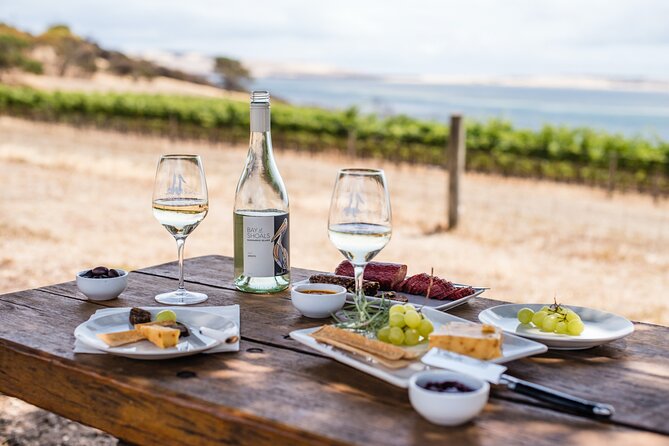
Stop 3 is where the tour leans into the main fantasy of a night safari: seeing marsupials in the wild, doing normal animal things. This segment lasts about 1 hour and is described as a secret spot, with a route designed around wallabies and kangaroos grazing.
This is also a strong reason to book, even if you think you already know what kangaroos look like. At night, with a torch and a guide reading the ground and behavior, you can get a different kind of encounter. You may catch individuals at the edges of visibility, then realize there are more nearby than you thought.
Some of the best moments people have described involve close views, including wallabies with young in their pouches and kangaroos in action rather than posing. When it happens, it feels less like sightseeing and more like you stumbled onto an animal routine that was already underway.
The practical drawback here is simple: because this is a wild habitat, your exact sightings will vary. If it is windy or the animals decide to move, you might see more activity in the distance than in the immediate foreground. The guide’s job is to adapt, and this stop is built for that adaptation.
Stop 4 Kingscote at night, plus that quiet island finish
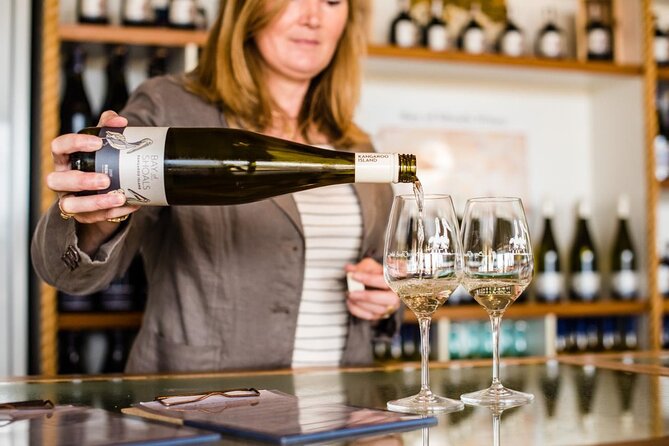
The final stop is Kingscote itself, about 30 minutes. After the animal-focused segments, this segment shifts to atmosphere, with time to enjoy how calm the town feels at night and how the island settles once you’ve finished the chase.
This is also a good period to ask any last questions you have been saving. You will have seen enough by now to make the conversation interesting, whether you are curious about the island’s wildlife, why animals behave differently at night, or what you should look for the next time you’re out on your own.
From a planning standpoint, this last segment helps you end smoothly rather than getting dropped off right after the final sighting scramble.
What animals you can realistically hope to see
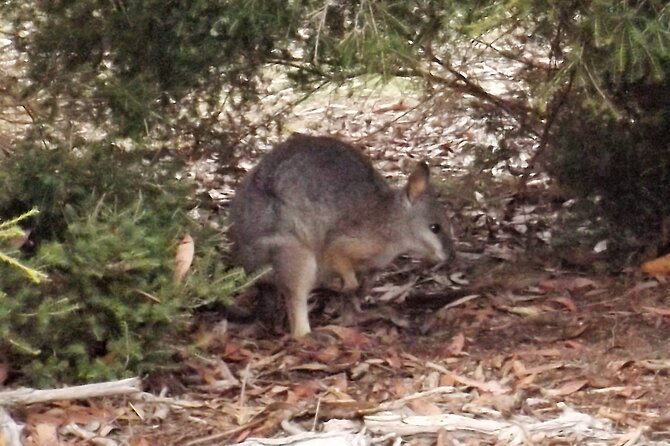
This tour is aimed at night wildlife, and the plan is clearly built to target several species rather than one big-ticket animal only. Based on the kinds of sightings connected to this experience, here is what you should think about when you book.
Common targets for the night drive include:
- Kangaroos and wallabies out feeding
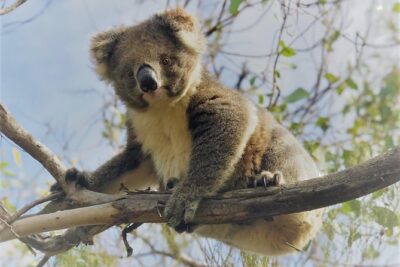
- Koalas, sometimes seen in the trees with torch help
- Possums, and other small night-active mammals
- Echidna, if the guide finds the right conditions
Then there are the higher-drama targets:
- Fairy penguins at Emu Bay, where you wait for the chance to spot them
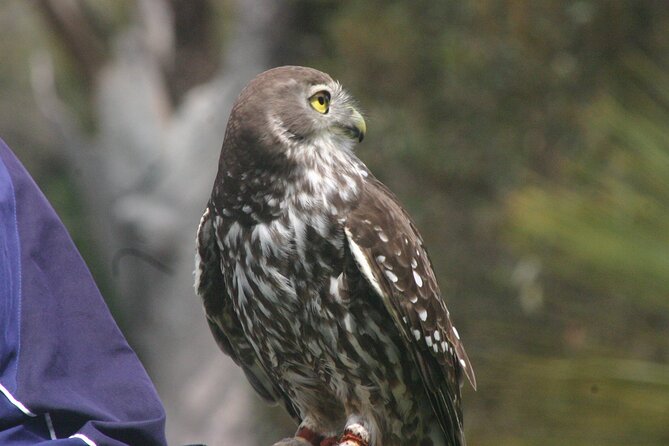
- Owls, which the tour hopes to find, though you will need luck like you do anywhere else
You might even encounter other birds depending on the night. Some people have described pelicans during their outing, and on rare nights a guide has also pointed out dolphins active at night. That is not something you should count on, but it gives you a sense of how alert the guide tries to be to wildlife opportunities beyond the main list.
The guide factor: why local know-how matters most at night
At night, the most important tool is not the torch. It’s the person who knows where animals are likely to be and how to read what you cannot easily see.
In past outings, a guide named Colin has been highlighted for being born and raised on the island and for finding multiple species even when previous days of searching had been quiet. That kind of local instincts usually shows up in two ways:
- You get directed to promising spots instead of random scanning
- You get explanations that make the sighting feel clearer, not just lucky
You can also tell when a guide is tuned in to the island’s nighttime rhythm. Even when a particular animal is not visible at the first attempt, the guide keeps working and tries other angles rather than shrugging and calling it done.
How to prep so you see more and enjoy it more
You cannot control what animals do. You can control how ready you are.
Wear and bring:
- A warm layer. Nighttime on Kangaroo Island can be chilly, and you may spend time outside during viewing stops.
- Comfortable shoes. You might step around dirt roads and uneven ground near viewing points.
- Your phone and camera charged. Low light means you will want extra battery capacity.
- A calm mindset. Some of the best viewing is the waiting part.
What you can skip:
- Do not worry about bringing your own torch. The tour provides torches, and using the provided gear tends to keep everyone on the same page for lighting.
If you are sensitive to wind, consider that this can affect what you see and how stable your view is, especially during the penguin stop. Dress for it and slow down your movements.
Who this tour is best for
This is a great fit if:
- You want wildlife without the fence and feeding schedule of a zoo
- You prefer small, focused segments rather than a long single viewing stop
- You are staying in Kingscote and want pickup and return done for you
- You enjoy learning how animals use the island differently after dark
It can also work well for families, as long as kids can handle an evening out and the waiting. Because the tour is private to your group, you are less likely to feel rushed or shoved through a crowded lineup.
If you are the type who gets impatient when sightings are not immediate, then this is still worth considering, but go in with the right mindset. This tour is a hunt. Your reward is that you are hunting with a guide, multiple viewing windows, and torch support.
Should you book the Nocturnal Tour of Kangaroo Island?
I’d book this if you care about animals and you want the best chance at night-active wildlife. The combination of pickup, torches, and a guide who can actively steer you toward sightings is the core value. For many people, the highlight is seeing kangaroos and wallabies in the wild at night, and then getting lucky with extras like koalas, echidna, or fairy penguins.
Pass on it only if you want guaranteed sightings of a specific animal. Even with a strong plan, wildlife is wildlife. Weather also matters, and the tour needs good conditions to run properly.
If you want a simple decision rule: if you can handle the idea of waiting in the dark for animals to show up, this tour delivers a memorable, island-specific way to experience Kangaroo Island at its most alive.
FAQ
What time does the Nocturnal Tour of Kangaroo Island start?
It starts at 8:00 pm.
Where is the meeting point?
The meeting point is 74 Dauncey St, Kingscote SA 5223, Australia.
How long is the tour?
The duration is approximately 2 hours to 2 hours 30 minutes.
Do I get picked up from my accommodation?
Yes, you are picked up from your accommodation and returned back afterward.
Are torches provided?
Yes, torches are provided to help you see the wildlife at night.
Is bottled water included?
Yes, bottled water is included.
What animals are you hoping to spot?
The tour focuses on spotting kangaroos and wallabies feeding at night, and it also looks for penguins at Emu Bay. The guide also aims for more reclusive attractions like owls.
Is dinner included?
No, dinner is not provided.
Is this a private tour?
Yes, it is a private tour/activity, so only your group participates.
What happens if weather is poor?
The experience requires good weather. If it’s canceled due to poor weather, you will be offered a different date or a full refund.
Across to Kangaroo Island


Added lately from Kangaroo Island
- One Day Kangaroo Island Highlights Tour
★ 4.5 · 21 reviews - Kangaroo Island Half Day Tasting Tour
★ 4.5 · 24 reviews - Small Group Kangaroo Island Tour – Seal Bay
★ 5.0 · 24 reviews - Nocturnal Tour of Kangaroo Island
★ 5.0 · 25 reviews - Sunset Nocturnal Adventure Tour
★ 5.0 · 31 reviews - Kangaroo Island Luxury Small Group ‘Flinders Chase Focus’ Full Day Tour
★ 5.0 · 39 reviews
Kangaroo Island Wildlife Tours, compared.
 ★ 5.0Kangaroo Island Quad Bike (ATV) ToursFrom $1411,236 reviews
 ★ 4.5Kangaroo Island in a Day Tour from AdelaideFrom $271722 reviews
 ★ 5.0Kangaroo Island 75-Minute Coastal SafariFrom $63607 reviews
 ★ 4.5Kangaroo Island – Swim with Dolphins/Seals/Coastal SnorkelFrom $139261 reviews
★ 4.7Kangaroo Island: 75-Minute Coastal SafariFrom $62181 reviews
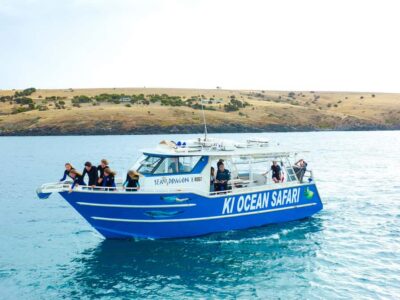 ★ 4.3Kangaroo Island: Dolphin, Seal, and Swimming Boat TourFrom $138133 reviews
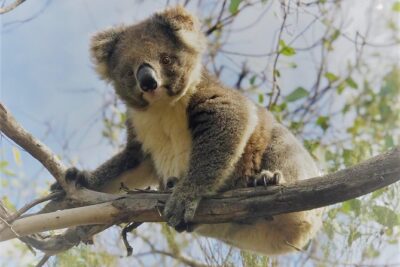 ★ 5.0Kangaroo Island Scenic Nature and Wildlife Day TourFrom $286129 reviews
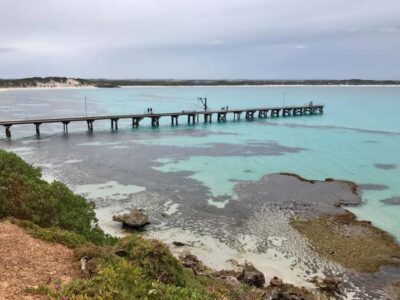 ★ 4.8Kangaroo Island: Scenic, Nature & Wildlife TourFrom $282120 reviews
Browse the lists this tour appears in