
REVIEW · LONGREACH & OUTBACK QUEENSLAND
Nogo Station Experience
Nogo Station pulls together working-station life and outback wildlife in a half-morning you can actually fit into your schedule. I love how the tour starts with Longreach heritage, so the shearing sheds and station stories mean something, not just objects to look at. I also love the open-top double-decker safari angle, which makes the plains feel huge. One thing to consider is the experience leans on the day running at the station, including shearing. If shearing is not in progress, parts can feel a bit lighter.
The good news is you still get real station operations, sheepdog action when available, and a proper bush-camp style pause with billy tea. Tour Captain Starlight’s old stockyards and camp recreation add a human story to the animal and wool focus. With a max group size of 40 and pickup offered, it’s built for comfort and flow, not chaos.
In This Review
- Key Points to Know Before You Go
- First Thing at 7:45 in Longreach, You See the Outback Through People
- Longreach Heritage and the Shearing Shed: Where the Merino Story Becomes Real
- Open-Top Double-Decker Safari: Views, Wildlife, and a Whole Lot of Sky
- Captain Starlight’s Camp Smoko: Billy-Tea Lunch and a Pause Worth Taking
- Timing and What to Expect From a 3 to 4 Hour Morning
- Price and Value: What $118.35 Gets You (and Why It’s Not Just a Zoo Trip)
- Who Should Book Nogo Station, and Who Might Want a Different Day
- Should You Book Nogo Station Experience? My Practical Call
- FAQ
- What time does the Nogo Station Experience start?
- Is pickup offered for this tour?
- How long is the experience?
- What’s included at Captain Starlight’s camp?
- What wildlife and animals might you see on the open-top safari?
- What group size should I expect?
Key Points to Know Before You Go
- Longreach heritage first: you get local context before you hit the station grounds
- Merino wool and shearing shed time: watch how a working operation is run
- Open-top double-decker safari views: look for wedge-tailed eagles overhead
- Wildlife mix on the plains: keep an eye out for desert camels, wild donkeys, kangaroos, and goats
- Captain Starlight smoko lunch: bush-style billy tea and Billy-can lunch under gum trees
- Small group feel: up to 40 people, with pickup offered, and a 3 to 4 hour overall window
First Thing at 7:45 in Longreach, You See the Outback Through People
Longreach is one of those Central Queensland bases where the history can feel distant until someone points and explains. This tour gets you moving early, with a 7:45 am start, then leads with a guided walk through heritage sites around town. That matters. Once you understand the characters, the era, and why the industry mattered, the station stops later on feel grounded instead of like a theme park.
I also like that this is run by a family-hosted setup, with hosts sharing stories that connect the dots between town life and what happens on the land. On the days I’d want a tour for clarity and comfort, I’d pick this. You’re not just ticking off animals, you’re learning why people built sheep and cattle operations in this part of Australia and how they lived through long, open stretches of country.
Stockman country and the long inland drives
- Cobb & Co Stagecoach Experience in Longreach★ 4.5 · 226 reviews
- Nogo Station Experience★ 5.0 · 64 reviews
Longreach Heritage and the Shearing Shed: Where the Merino Story Becomes Real
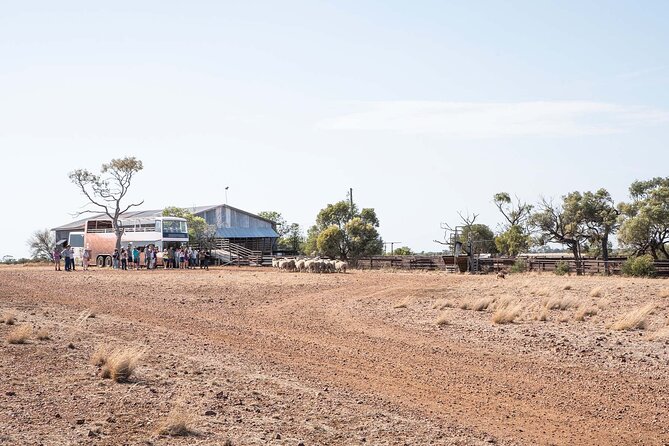
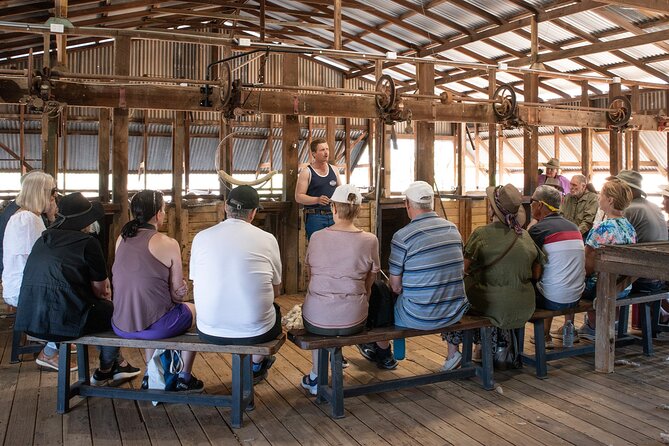
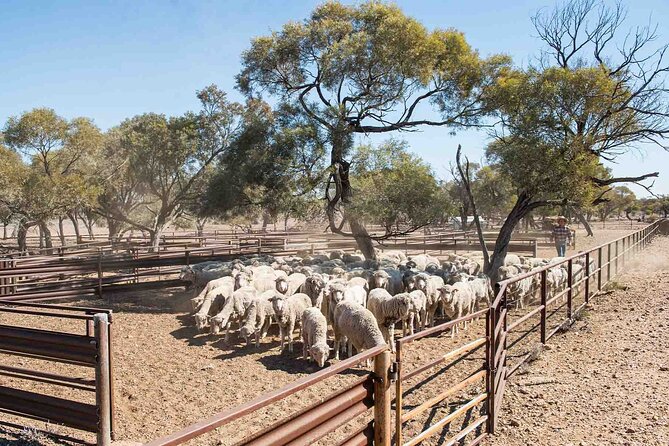
The core of this experience is station life, and it starts in the right place: the historic shearing shed. This is where you see wool production not as an abstract product, but as a daily operation that depends on timing, people, and animals.
Here’s what stands out when you’re there:
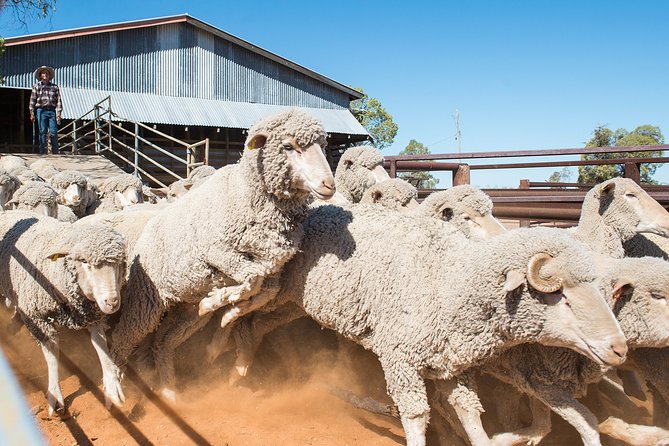
- You typically get sheepdog work showing how a flock is mustered.
- You step into the shed and hear how Merino wool fits the wider station economy.
- The guide ties together equipment, the work rhythm, and the jargon, so terms start making sense quickly.
If you’re the type who cares about how things actually run, you’ll appreciate the practical focus. On one visit I’d heard about, shearing teams were in action when the tour went through, and the whole shed experience felt like the station was in motion, not staged.
Possible drawback: the tour can feel more informative when shearing is happening at the time you arrive. If the shed is quieter, the shed portion may feel a little less action-heavy. Still, you’ll learn plenty about the system, but the intensity of what you see may vary with the day’s work schedule.
Open-Top Double-Decker Safari: Views, Wildlife, and a Whole Lot of Sky
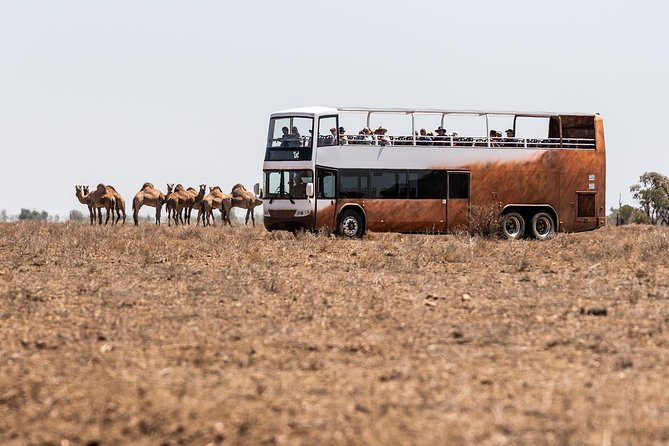
After the wool and station context, you climb aboard the open-top double-decker bus for the outback plains. This is where the tour changes gears from heritage and work sheds to wide-open spotting.
The ride is built for seeing the big picture. You’re up higher than most buses, and that makes a difference when you’re scanning for birds and animals. The standout wildlife target is the wedge-tailed eagle, and it’s one of those things that can surprise you by how close it feels once you’re looking up at the right moment.
As the bus moves across the plains, the tour also leans into the region’s mix of animals. You’re looking for:
- desert camels
- wild donkeys
- kangaroos
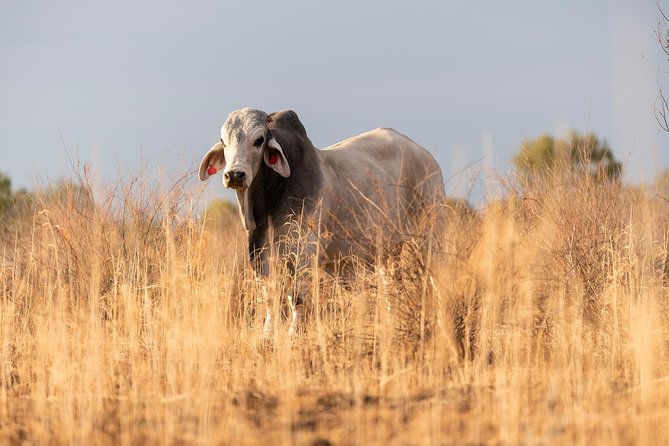
- goats and local cattle breeds (depending on what’s around)
Even if you don’t spot every species every time, the open-air design keeps you engaged. You’re not seated in a dark vehicle waiting for a single moment. You’re actively watching the country as the bus tracks along.
A practical tip here: it’s an open-top ride, so plan for sun and wind. Bring sunglasses and something light that blocks glare.
Captain Starlight’s Camp Smoko: Billy-Tea Lunch and a Pause Worth Taking
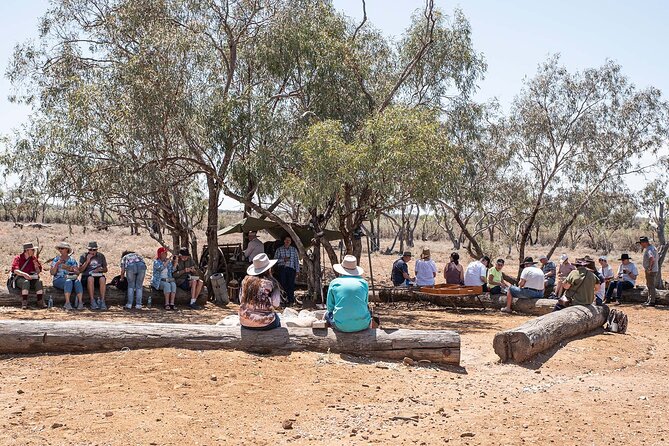
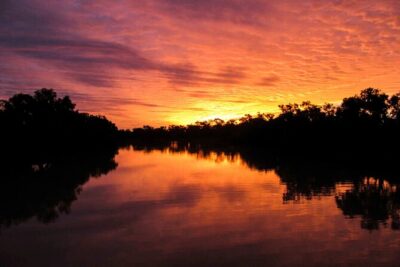
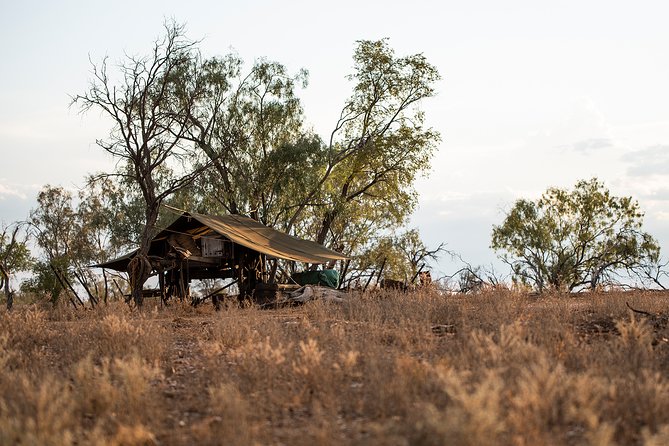
Then comes the part that many people remember most, the “smoko” moment under the gum trees. This is set at a recreated bush camp tied to Captain Starlight, including a visit to his old stockyards and the camp recreation.
What you do here is simple, and that’s the point. You take a break and eat a pioneer-style lunch with a classic outback drink:
- Billy-can lunch (a saddlebag-style meal)
- bilily tea under the gum trees
It’s not just food, it’s atmosphere. Smoko is a real workday ritual in many industries, and recreating it in a station setting helps you understand the pace of land life. You also get a calmer moment after the bus ride, which helps the whole morning feel like one connected story instead of three disconnected stops.
One thing to know: shade is included, which helps a lot in Central Queensland. Still, you can get flies around outdoor meals in the outback, so having a little patience and basic protection goes a long way.
Timing and What to Expect From a 3 to 4 Hour Morning
The full experience runs about 3 to 4 hours, with the day paced so you get heritage, shearing shed time, a plains safari, and a camp meal without feeling rushed.
Here’s how it typically feels:
- Start in Longreach and get oriented with heritage sites
- Move into the station shearing sheds for hands-on work and wool context
- Take the open-top safari across the plains for wildlife spotting
- Finish with Captain Starlight camp smoko and an easy meal
You’ll also be in a group up to 40, which is large enough to be comfortable but small enough that you’re not just a passenger in a crowd. Pickup is offered, which reduces hassle if you’re staying in Longreach town.
Weather note: the experience requires good weather. If the day is unsuitable, you’re offered a different date or a full refund. Plan to dress for real outback conditions, and don’t bank your day entirely on perfect forecasts.
Price and Value: What $118.35 Gets You (and Why It’s Not Just a Zoo Trip)
At $118.35 per person, this isn’t the cheapest add-on in Longreach. The value comes from what’s included and how it’s delivered.
You’re paying for a package with multiple layers:
- Guided heritage in Longreach that explains why this region shaped the outback economy
- Historic shearing shed access and station-focused interpretation
- A double-decker open-top safari ride across the plains, not just a quick loop
- A real bush-camp style meal experience, including billy tea
That combination is what makes it feel worth the price to me. You’re not just watching animals behind fences. You’re watching real-world station work themes, then eating in the middle of a station-style camp recreation.
Also, your guide matters. In past outings I’ve heard about, guides such as Jeremy can turn sheep and shearing jargon into something you actually remember. And a great bus driver, like Duncan, helps keep the ride fun while adding local context from the road.
If you’re staying in Longreach for more than a day and you want one morning that gives you grounding, this is a strong fit.
Who Should Book Nogo Station, and Who Might Want a Different Day
This is a great choice if you:
- want a real sense of working station life rather than just a wildlife drive
- like animals, but also want the human story behind them
- enjoy guided interpretation and practical explanations
- have limited time and want a full outback-style morning
It’s also ideal for first-time visitors to the region who feel like the outback can be hard to picture until someone explains the role of wool and stock routes.
If you’re the type who wants zero reliance on weather or farm schedules, this might be trickier. The station experience depends on what’s happening that day. When shearing is underway, it hits harder, and if not, you’ll still learn, but the visuals may be less lively.
Should You Book Nogo Station Experience? My Practical Call
I’d book this if you want one half-day in Longreach that connects wool, people, and wildlife. It’s hands-on in the shearing shed, scenic and interactive on the open-top double-decker, and it ends with a smoko-style lunch that feels like a real station ritual, not a rushed meal stop.
I’d hold off only if:
- you’re coming on a day where weather is likely unstable and you hate schedule changes, since the experience needs good weather
- you’re specifically hoping for nonstop farm action at the shed every minute, since the intensity can depend on whether shearing is happening during your visit
Overall, it’s one of those tours that teaches you how to look at the outback, not just what to see. And for $118.35, you’re getting a lot more than a ride, you’re getting the story that makes the land make sense.
FAQ
What time does the Nogo Station Experience start?
It starts at 7:45 am.
Is pickup offered for this tour?
Yes, pickup is offered.
How long is the experience?
It runs for about 3 to 4 hours.
What’s included at Captain Starlight’s camp?
You’ll have a traditional pioneer-style Billy-can lunch and billy tea under the gum trees.
What wildlife and animals might you see on the open-top safari?
The experience highlights spotting desert camels, wild donkeys, kangaroos, and wedge-tailed eagles, along with station animals like sheep, cattle, and horses, depending on what’s around.
What group size should I expect?
This tour has a maximum group size of 40 travelers.
Out Past Longreach
Added lately from Longreach
- Nogo Station Experience
★ 5.0 · 64 reviews - Cobb & Co Stagecoach Experience in Longreach
★ 4.5 · 226 reviews - Starlights Cruise Experience
★ 4.5 · 368 reviews
Longreach & Outback Queensland, compared.
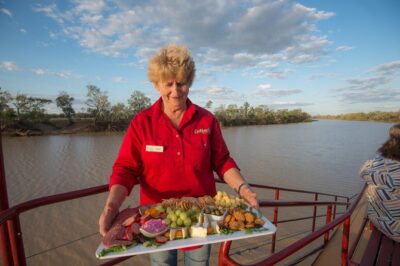 ★ 5.0Drover’s Sunset Cruise includes Smithy’s Outback Dinner and ShowFrom $121665 reviews
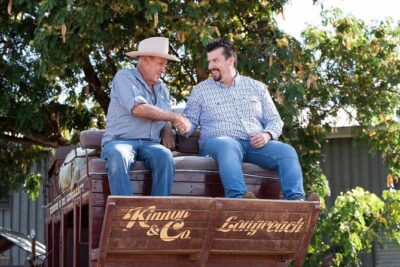 ★ 4.5Cobb & Co Stagecoach Experience in LongreachFrom $118226 reviews
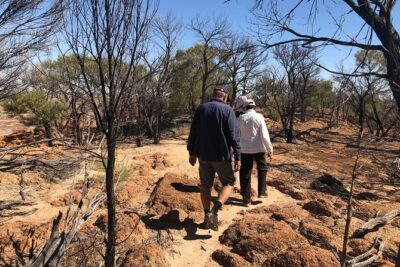 ★ 5.0Dinosaur Stampede 3/4 Day Tour from WintonFrom $13699 reviews
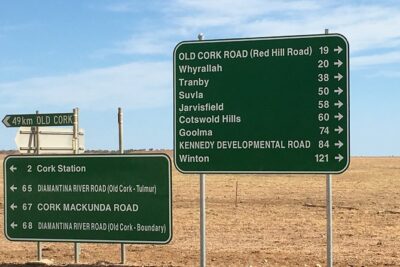 ★ 5.0Carisbrooke Station and Dinosaur Stampede Day Tour from WintonFrom $15061 reviews
 ★ 5.0Age of Dinosaurs Museum Half Day Tour with Red Dirt ToursFrom $7461 reviews
Browse the lists this tour appears in