
REVIEW · PORT STEPHENS & NELSON BAY
Port Stephens: Whale Watching Cruise
You don’t have to be a marine expert to have a great day on this water. Port Stephens whale watching season runs May to November, and the whole point is simple, look for humpbacks as they migrate and watch for big behavior like breaching and tail flicks.
I love the practical setup for viewing, full walk-around deck access plus roomy indoor areas for when the wind kicks up. I also like that the cruise includes live onboard commentary, so you’re not just scanning the ocean hoping for a whale.
One consideration is that whale spotting depends on the day and the sea conditions, and you can end up spending more time searching than you’d like on slower days. If you’re hoping for a short, nonstop thrill ride, plan for the possibility of slower stretches.
In This Review
- Key things I’d plan around
- Port Stephens humpbacks: what this cruise is really like
- Picking your departure time: 10:00am, 11:00am, and 1:30pm
- Boarding at D’Albora Marina: where you start and what to expect
- Onboard comfort: decks, windows, and how to stay sane
- The live commentary: how guides help you find whales faster
- Spotting humpbacks: what you’re watching for on the water
- Dolphins, seals, and the bonus wildlife factor
- How long you’re actually out there, and what that means
- What to wear and pack for a winter sea day
- Getting value from a $54.24 ticket
- Which vessel you might be on, and why it matters
- Who should book this cruise, and who might want a different outing
- Quick decision: should you book Port Stephens whale watching?
- FAQ
- When does the Port Stephens whale watching cruise run?
- How long is the cruise?
- How much does it cost, and what is included?
- Where do I meet the tour, and where does it end?
- What if the weather is poor?
- Are prams or strollers allowed on board?
Key things I’d plan around
- Seasonal humpback odds (May to November): this is timed for migrating whales, not a random wildlife cruise.
- More than one vessel type: Hinchinbrook Explorer, MV Spirit, and even MV Osprey show up depending on the sailing.
- Live narration while you watch: the guide helps you focus your scan so you can spot what matters faster.
- Viewing space for different comfort levels: upstairs, downstairs, inside, and outdoor deck options.
- A smaller group cap: maximum 150 travelers, which usually makes it easier to find a spot.
- Weather and sea conditions matter: expect the operator to adjust with alternative dates or refunds if conditions are poor.
Port Stephens humpbacks: what this cruise is really like
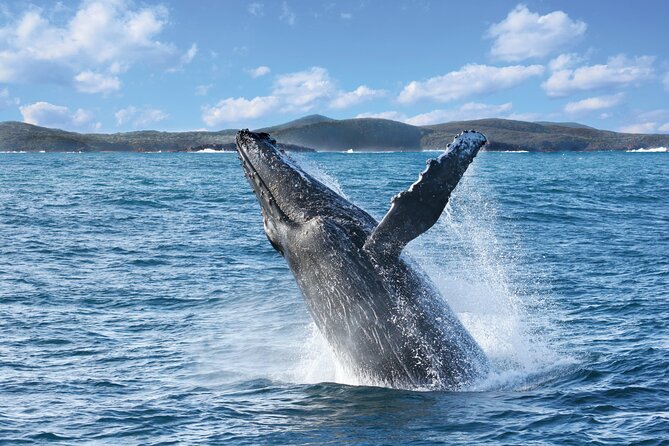
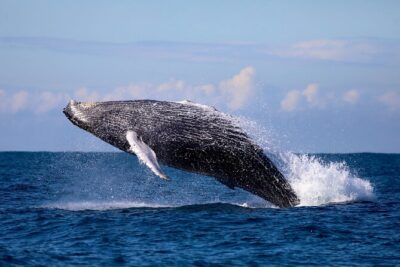
This is a classic Port Stephens wildlife outing, a 2 hours 30 minutes ocean-going catamaran cruise where your job is to watch and learn. The payoff, when conditions line up, is seeing humpbacks doing the dramatic stuff, breaching, slapping the water, rolling, and blowing air near the surface.
The cruise runs during the May to November window when humpbacks migrate along this coast. You also keep an eye out for dolphins in the same general area, and you might spot seals and seabirds too, which adds extra chances to see marine life even on quieter whale days.
Dunes, dolphins and the bay, in other write-ups
- Port Stephens: Dolphin Discovery Cruise★ 4.5 · 401 reviews
- Port Stephens: Whale Watching Cruise★ 4.5 · 108 reviews
Picking your departure time: 10:00am, 11:00am, and 1:30pm
You can choose a morning or afternoon vibe, and that matters for both light and comfort. Hinchinbrook Explorer sails at 10:00am and 1:30pm during whale season, and MV Spirit typically runs at 11:00am (with extra departures during NSW school holidays).
If you’re aiming for smoother seas, I usually suggest going with whichever departure fits your broader travel rhythm, because the sea can still be choppy at any time. If you want the easiest schedule fit, afternoon can work well, but remember the sun angle and wind can change your comfort on deck.
Boarding at D’Albora Marina: where you start and what to expect
Your meeting point is Moonshadow – TQC Cruises Boarding Dock C at D’Albora Marina in Nelson Bay. The cruise ends back at the same place, so you’re not stuck coordinating a separate pickup after you’re back on shore.
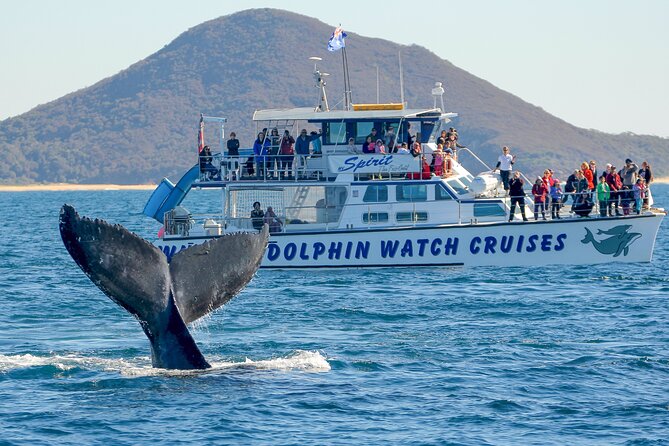
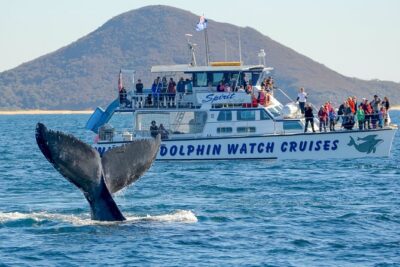
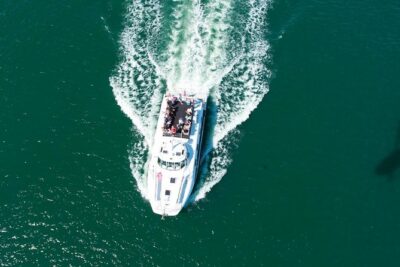
The vessels are catamarans with a practical layout for wildlife watching. One ship you may sail on is the Hinchinbrook Explorer, about 30 meters long, designed for coastal waters and built for a comfortable ride. Another option is the MV Spirit, a smaller 18 meter catamaran that can feel more intimate on board.
In real terms, this matters because whale watching isn’t just about standing in one spot. You want the ability to move. With walk-around viewing decks and large air-conditioned indoor areas, you can shift between sun and shade as you scan for whale blows.
Onboard comfort: decks, windows, and how to stay sane
The catamarans are set up for both viewing and comfort. On deck, you get open-air sightlines, and some reviews highlight that the boats feel stable, with plenty of seating options upstairs and downstairs. Indoors, large air-conditioned areas can be a lifesaver when wind and spray make it hard to concentrate.
One review detail I really like is the mention of opening windows for fresh air. That’s a small thing, but it helps you stay focused on spotting movement without feeling sealed in. If you’re someone who gets restless waiting for animals to surface, having multiple places to watch makes a long search feel less painful.
The live commentary: how guides help you find whales faster
The ticket includes live commentary, and that’s not just background noise. When you’re on open water, whales can be subtle at first, just a spout or a hint of movement. Good narration helps you understand what you’re looking for and when to look for it.
In reviews, the crew is repeatedly praised for being informative and helpful at finding whales. People mention clear guidance that led to big sightings, including breaching, multiple whales blowing, and even tail flicks. When it clicks, you stop guessing and start watching like a pro.
Also, this kind of narration usually helps you recognize behavior patterns. For example, humpbacks don’t just pop up randomly, they perform sequences: blow, surface, roll, then sometimes more dramatic action. Having someone explain what you’re seeing can turn a distant sighting into a memorable moment.
Spotting humpbacks: what you’re watching for on the water
Your main target is migrating humpback whales, and you’re looking for the signature behaviors the cruise is designed around. Expect opportunities to see:
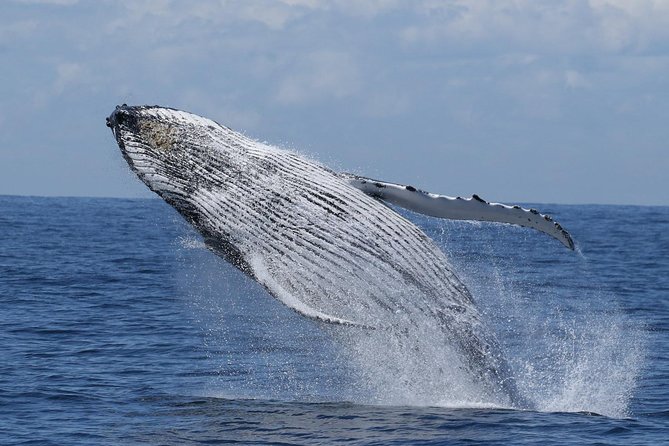
- Breaching, where the whale rises high above the surface
- Slapping, when the tail or body hits the water
- Rolling, when they turn and show more of the body
- Blowing, the visible spout and mist that marks where the whale surfaced
In reviews, people also mention seeing whales interacting with each other. That’s a big deal because it often means more than a one-time surface. If the whales stay active in the area, your cruise tends to feel more eventful, and you usually get better photographic moments too.
That said, no whale watching cruise can guarantee the show. One concern that comes up is that some trips take time searching for whales. On a slower day, you might get fewer sightings or whales that are farther out. This is where the live commentary and the multiple deck options really help, because you’re actively scanning the right zones rather than staring at empty water.
Dolphins, seals, and the bonus wildlife factor
Even when humpbacks take a bit to locate, the experience usually isn’t empty. Dolphins can show up in the same area, and reviews mention dolphins along with seals and seabirds.
Think of it like this: you’re not paying only for one species, you’re paying for a guided ocean outing during prime whale season. When the whales are present, the dolphins and other wildlife are the bonus. When they’re not as active, the secondary sightings can keep the day from feeling like a long wait.
How long you’re actually out there, and what that means
The cruise runs about 2 hours 30 minutes. That’s long enough to search when whales are spread out, but short enough that you’re usually not stuck on the water all day. Most people feel it’s a fair length for the chance to see whales and learn from the guide.
A balanced view comes from mixed feedback. Some folks love the time spent once whales are found, including the cruise stopping for an adequate amount of time. Others feel the trip was long while waiting to find the whales. My practical advice is to treat this as a wildlife search mission, not a guaranteed sighting sprint.
What to wear and pack for a winter sea day
The operator recommends comfortable casual clothing and footwear, plus sunglasses, a hat, and sunscreen. You should also pack a camera because the best whale moments are often quick, and good shots come from being ready the second something surfaces.
Winter months can mean cooler conditions on the water, so the advice is to dress warmer. That’s not just comfort, it helps you stay on deck long enough to get a good view when the whale appears unexpectedly. If you’re prone to motion sickness, it’s specifically recommended that you consult a pharmacist about seasickness medication.
Also pay attention to the stroller rules. Baby prams are not permitted on board, but collapsible strollers are allowed only in the main cabin area for storage, and the crew will advise where it can go. If you’re traveling with little ones, plan for this and choose clothing that keeps kids comfortable in outdoor wind.
Getting value from a $54.24 ticket
At $54.24 per person, you’re paying for a guided ocean cruise during a seasonal wildlife window, with live commentary and a comfortable catamaran ride. That price makes sense when you look at what’s included: GST is included, and you’re not paying extra for the guide portion.
What you should factor in is what’s not included. Alcoholic drinks are available to purchase, and your trip does not include transportation to and from the meeting point. Plan on covering your own getting-there costs, and budget a little extra if you want drinks while you’re out.
Where the value really lands is the combination of things you can’t always get with cheaper options. The boats have real viewing space, people can move around, and the commentary improves your odds of spotting whales well. When the whales are visible close enough for behavior, you’re not just looking at wildlife, you’re watching the kind of dramatic actions that make the photos and video worth saving.
Which vessel you might be on, and why it matters
Sailing schedules during whale season may use different catamarans. Hinchinbrook Explorer is described as a longer vessel at 30 meters, with full walk-around decks and big air-conditioned indoor areas. MV Spirit is a smaller 18 meter option that can feel more intimate.
One review mentions MV Osprey specifically, describing a comfortable boat with great crew and stable feel, plus lots of places to sit inside or outside with opening windows. If you care about ride feel and space, it’s worth paying attention to the vessel name on your departure, since each catamaran has its own cabin layout and deck flow.
In any case, the key is the same: you want movement and multiple viewing angles. This cruise is designed for that, which is why it works so well when whales decide to show up.
Who should book this cruise, and who might want a different outing
This is a great fit for wildlife lovers who don’t mind a bit of ocean searching. If you enjoy learning while you watch and you like the idea of scanning for blow spouts, breaches, and tail action with guide help, you’ll likely have a strong day.
It also works well for photographers and anyone who enjoys video. Reviews consistently point out good chances for photographs and video when whales are active, and people mention seeing multiple whales and interaction behavior, which gives you more than a one-off moment.
If you hate waiting, you might find the search time frustrating on slower whale days. One review suggested a dolphin-focused cruise could feel shorter. That’s a reasonable alternative if your priority is fast, frequent sightings rather than a humpback-specific migration outing.
Quick decision: should you book Port Stephens whale watching?
I’d book if you want the full Port Stephens experience, humpbacks in their seasonal migration window, live narration, and comfortable catamaran viewing. The repeated praise for informative crew, helpful spotting guidance, and impressive whale behavior suggests you’re in good hands when the whales cooperate.
I’d pause before booking if your group needs a tight, short, guaranteed payoff. Because this is ocean wildlife watching, some trips can include longer scanning periods and sightings that are farther out. If you can stay flexible and you’re dressed for the wind, you’ll still get value from the ride plus the chance at dolphins and other marine life.
FAQ
When does the Port Stephens whale watching cruise run?
The whale watching season is May through November, with daily departures during that time.
How long is the cruise?
The cruise duration is about 2 hours 30 minutes.
How much does it cost, and what is included?
The price is $54.24 per person. The ticket includes GST and live commentary on board. Alcoholic drinks are available to purchase, and transportation to and from the meeting point is not included.
Where do I meet the tour, and where does it end?
You board at Moonshadow – TQC Cruises Boarding Dock C at D’Albora Marina in Nelson Bay, NSW 2315. The activity ends back at the same meeting point.
What if the weather is poor?
This experience requires favorable weather and sea conditions. If it’s canceled due to poor sea conditions, you’ll be offered an alternative date or a full refund.
Are prams or strollers allowed on board?
Baby prams are not permitted. Collapsible strollers are permitted, but they cannot be taken to areas other than the main cabin, and the crew will advise where to store them when you board.
More From the Port Stephens Bays
Added lately from Newcastle
- Hunter Valley Wine Tour + Lunch, Gin, Cheese, Choc from Newcastle
★ 5.0 · 28 reviews - Dolphin Watch + Sailing – Port Stephens
★ 5.0 · 29 reviews - Newcastle: Boutique Hunter Valley Wine Tour
★ 5.0 · 47 reviews - From Sydney: Tandem Skydive Experience over Newcastle Beach
★ 5.0 · 59 reviews - Newcastle Whale Watching Cruise
★ 5.0 · 61 reviews - Hunter Coastal Adventure Tour by Boat from Newcastle
★ 5.0 · 88 reviews
Port Stephens & Nelson Bay, compared.
 ★ 4.8Pinnacles Desert: Sunset BBQ & Stargazing Tour +SandboardingFrom $1761,555 reviews
 ★ 4.4Port Stephens: Dolphin Discovery CruiseFrom $28926 reviews
 ★ 4.5Moreton Island Day Trip (Kayak, Snorkel & Sandboard) frm Brisbane or Gold CoastFrom $128633 reviews
 ★ 5.0Full-Day 1770 Tour by LARC Amphibious Vehicle Including Sandboarding and Bustard Head LightstationFrom $120562 reviews
 ★ 4.5Port Stephens: Unlimited Sandboarding & 4WD Sand Dune TourFrom $30540 reviews
★ 4.5Port Stephens: Dolphin Discovery CruiseFrom $32401 reviews
★ 4.5Port Stephens: Unlimited Sandboarding & 4WD Sand Dune TourFrom $30540 reviews
★ 4.5Port Stephens: Dolphin Discovery CruiseFrom $32401 reviews
 ★ 4.5Unlimited SandboardingFrom $30285 reviews
 ★ 4.5Pinnacles Desert, Koalas and Sandboarding 4WD Day Tour from PerthFrom $179272 reviews
Browse the lists this tour appears in