
REVIEW · HOBART & MOUNT WELLINGTON
Salamanca Walk – History Tour
Salamanca and Battery Point have layers, and this walk helps you read them. You’ll trace Hobart’s origins through convict-era stories, old buildings, and the way the shoreline and streets changed over time. It is gently paced, family-friendly, and built around visuals like photos and drawings so the past sticks.
Two things I really like: you get a small-group feel with a maximum of 15, so questions actually happen. And the tour leans hard on old photographs and drawings, which makes it easier to compare what you see now with what used to be there. You also get a guide who brings the streets to life with anecdotes and enough context to make the history make sense.
One consideration: it is about 2.5 hours of walking with stops, and there is limited sit-down time. If you want frequent breaks to sit and linger, plan for a steady pace and bring water and comfortable shoes.
In This Review
- Key Highlights Worth Showing Up For
- Walking Through Hobart’s Convict-Era Foundation
- Where You Start at Salamanca Arts Centre, and Why It Matters
- Arthur Circus Park: Photos in Hand, Stories in Place
- St. David’s Park: Reading the Town’s Changes
- Battery Point Architecture and the Derwent River Angle
- Salamanca Streets and the Market Area Details You Can Miss
- How Long It Feels, and How Family-Friendly This Really Is
- Price and Value at $28.69 Per Person
- Tickets, Timing, and What to Expect Before You Go
- How Guides Turn Street Corners Into Real Stories
- Should You Book This Salamanca and Battery Point History Walk?
- FAQ
- How long is the Salamanca Walk history tour?
- What does the tour cost?
- Where does the tour start, and where does it end?
- What is included in the tour price?
- Is food or alcoholic drink included?
- How large is the group?
- Are children welcome, and do they get discounts?
- Is the walk difficult?
- Can I get a full refund if I cancel?
Key Highlights Worth Showing Up For

- Convict heritage explained on the ground, with stories tied to real places in Battery Point and Salamanca
- Photos and drawings with each stop, so you can picture the waterfront, streets, and buildings in earlier times
- Gently paced route that suits families and mixed ages, not just history buffs
- Small group size (max 15), which keeps the tour interactive and easy to follow
- Two anchor areas covered: Salamanca’s market streets plus Battery Point’s architectural pocket near the Derwent
- Guides like Peter Lutz, Lydija, and Carmen have been reported as leading the walk, with a strong focus on storytelling
Walking Through Hobart’s Convict-Era Foundation
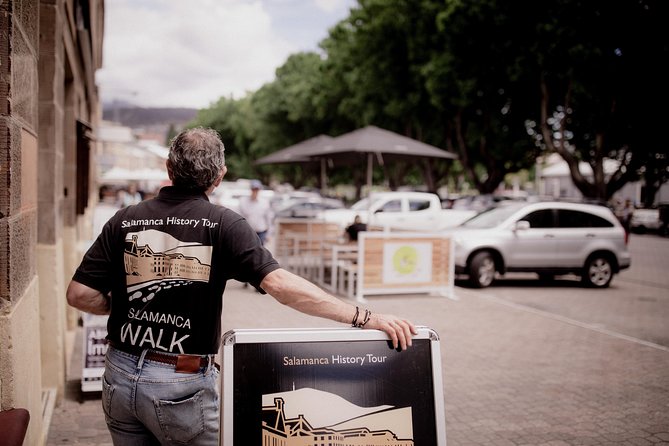
This is a history walk built for real people who want real context. Instead of lecturing from a bench, you move through Salamanca and Battery Point and learn how the colony took shape using convict labour. Expect stories that connect everyday work to big outcomes, like quarrying stone, hunting whales, and using that work to build the foundations of Hobart.
You also get a clearer sense of who was here, and why. The tour focuses on the lives of craftspeople, clergymen, free settlers, merchants, and convicts, not just the loudest myths. That blend matters, because it shows how a town forms from many different roles, even when power and privilege were uneven.
The mountain, the docks and the Saturday market
- Full-Day Guided Bruny Island Tour from Hobart★ 5.0 · 1,331 reviews
- kunanyi/Mt Wellington Explorer Bus- Return Tour (2.5 hours)★ 5.0 · 1,249 reviews
- Hobart: Bruny Island Food, Sightseeing & Lighthouse Day Tour★ 4.8 · 960 reviews
- Hobart: kunanyi/Mt Wellington Explorer Bus Pass★ 4.8 · 848 reviews
Where You Start at Salamanca Arts Centre, and Why It Matters
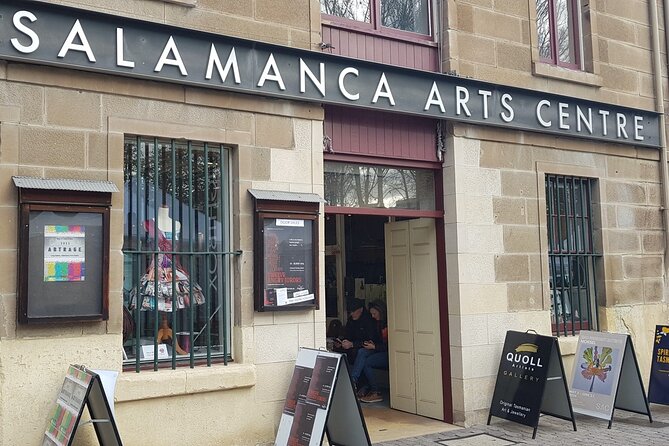
The meeting point is the Salamanca Arts Centre at 77 Salamanca Pl, right where it is easy to orient yourself. Coming from a cruise port or car drop-off, that location is practical, and the area itself helps you get your bearings fast. Once you start walking, you are not just moving between random sights, you are moving through a story arc: from the market streets toward Battery Point and back again.
The pace is described as not physically demanding, which is what you want on a city walk that runs about 2.5 hours. You get to absorb details without feeling rushed. Still, it is a walk, so wear comfortable shoes and dress for Hobart’s changing weather.
Arthur Circus Park: Photos in Hand, Stories in Place
Stop one is Arthur Circus Park. This is one of those spaces where the setting does some of the work for the guide. You can expect the tour to use visual aids, like photos and drawings, to show how the area connected to early Hobart and what people were building and working on.
One standout detail from guide-led storytelling here is the note about a pine from America. It sounds small, but it is the kind of fact that turns a park into a time machine. It helps you notice that trees, buildings, and public spaces are part of the colony’s mix of imported influence and local adaptation.
The upside of starting in a park is that you get breathing room early. If the rest of the walk has you scanning houses and facades, this first stop helps you shift into that careful, observational mode.
St. David’s Park: Reading the Town’s Changes

Stop two is St. David’s Park, another place where the guide can connect view lines and building history. This area supports the tour’s bigger theme: how Hobart changed, and how much of the story you can still spot in plain sight. Since the tour includes photos and drawings, you are more likely to catch the clues you would otherwise walk right past.
This stop also supports the convict-to-colony storyline. The tour highlights how convict labour helped shape the early settlement, and St. David’s Park gives the guide a platform to talk about what life looked like when the town was new. You will likely hear how the waterfront, land, and built environment evolved as work expanded and the town’s needs grew.
One thing to keep in mind: you will be hopping between listening and looking. The park setting makes it easier to pause, but you still keep moving. If you get restless with long explanations, focus on the photos and the specific details the guide points out.


Battery Point Architecture and the Derwent River Angle
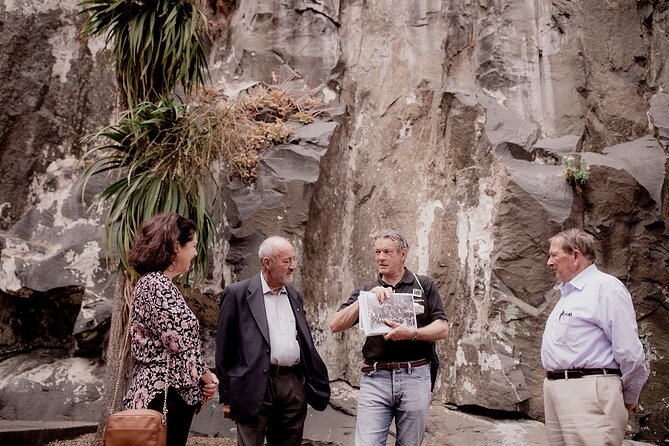
Battery Point is the star of the convict heritage angle. The tour aims to help you appreciate architectural treasures that look over the Derwent River, and that view is part of the lesson. Once you understand that the waterfront and work sites drove daily life, the buildings stop being just pretty facades. They become evidence.
Expect the guide to connect what you see now with what the colony needed then. The stories cover quarrying stone, whaling activity, and the way convict labour contributed to the early foundations of the town. Even if you know the basics of convict history, this kind of place-based explanation makes the timeline feel more real.
Also, Battery Point is ideal for spotting contrasts: older structures, later alterations, and the way streets were shaped by settlement patterns. This is why the tour’s photo comparisons work so well here. You get a chance to see both the continuity and the change.
Salamanca Streets and the Market Area Details You Can Miss
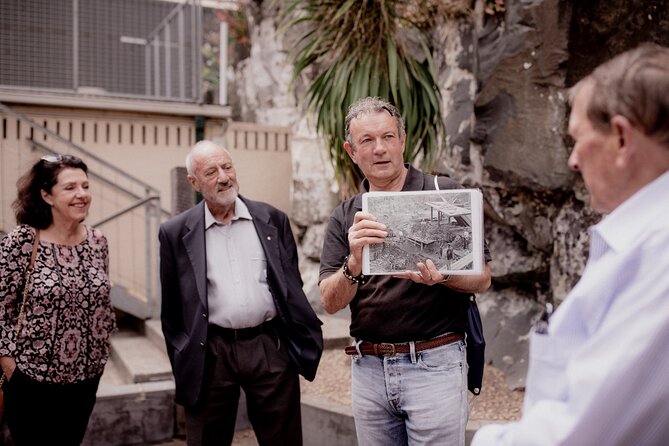
The route is centered around Salamanca and its market streets, and this is where the tour’s storytelling really pays off if you like small clues. In particular, the guide’s use of old photographs and drawn reconstructions helps you compare past and present. That turns Salamanca from a shopping and snack area into a living exhibit of the settlement story.
You may also hear references to local memorial connections, including a first fleet memorial that can be meaningful for people with family ties to early settlement. Even if you do not have that personal connection, the lesson is broader: these commemorations are part of how Hobart remembers its beginnings.
Another detail the tour emphasizes is how the area changed over time, including land reclamation. That is a big deal in a waterfront city. If you have ever wondered why the shoreline or street layouts feel the way they do, this kind of explanation gives you a satisfying answer.
How Long It Feels, and How Family-Friendly This Really Is
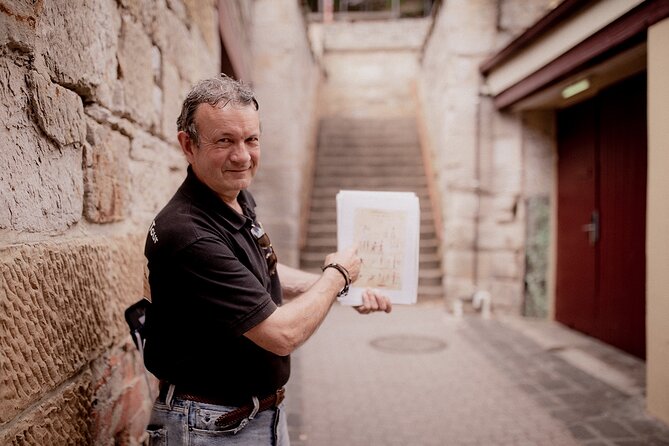
The tour runs about 2 hours 30 minutes. That is long enough to cover two key stops and several streets, but it should feel manageable because it is described as gently paced. It is also attended by all ages, which signals that the guide does not plan this as a tough hike.
Family-friendly is not just a claim here. Children under 16 can get free tickets, which makes this an easy win when you want history without paying extra for the whole brood. The small group size also helps families, because the guide can keep the pacing steady and still answer questions.
One caution comes from the kind of feedback that pops up when a tour has few sit-down chances. If you are someone who wants a lot of time to stop, chat, and linger at each photo location, you may wish for a bit more pause time. The tour can still work well, just adjust your expectations about how much time you will spend seated.
Price and Value at $28.69 Per Person
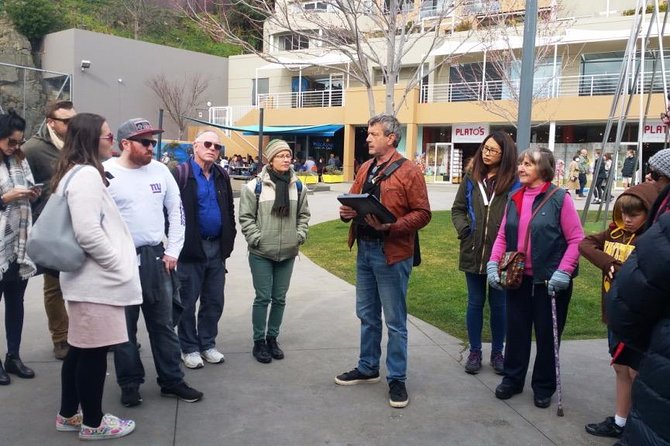
At $28.69 per person, this is priced as a mid-range walking tour, and the value comes from the format. You are paying for two things you cannot easily replicate on your own: a guided explanation tied to specific places, and the use of photos and drawings that help you see earlier versions of the streetscape.
You also get a small-group cap of 15, which matters. Bigger tours can feel like a stampede, and history gets flattened into a blur. Here, the tour is designed to keep it conversational, with time for questions and interaction.
What is not included is also important. Food and beverage items are not included, and alcoholic beverages are not included. So you should plan to do your snacks either before or after, not during. If you want to make it a perfect morning or afternoon, pair it with a relaxed lunch in Salamanca once you get your bearings.
Tickets, Timing, and What to Expect Before You Go
Your ticket is a mobile ticket, which is a straightforward approach if you like to travel light. The activity ends back at the meeting point, which is convenient because you do not have to map out a second transport plan.
The start and end point are in a walkable, central area, and it is near public transportation. That is useful if you are doing a day in Hobart rather than renting a car.
Most travelers can participate, and service animals are allowed. If you have mobility concerns, the key question is still the same: you are on your feet for about 2.5 hours, even with stops.
How Guides Turn Street Corners Into Real Stories
The guide is a big part of why people recommend this walk so strongly. In past departures, guides such as Peter Lutz, Lydija, and Carmen have led the experience, and the common thread is storytelling plus visuals.
You can expect the guide to point out details that many people would miss, like subtle clues in building form or how the waterfront and land use changed. The photos and drawings act like an overlay, helping you see what is not obvious at street level.
Another smart element is that the guide answers questions and encourages interaction. If you like a tour where you can ask something and get a real explanation back, this style fits that preference.
One small tradeoff: if you are hoping for lots of long question sessions every stop, the tour moves along on a schedule. The pacing is gentle, but it is still a guided loop.
Should You Book This Salamanca and Battery Point History Walk?
Book it if you want a practical way to understand Hobart beyond postcards. This is the kind of tour that helps you connect convict-era labour to real streets and buildings, and it does it with strong visual support. If Salamanca and Battery Point are on your list, this is one of the easiest ways to learn what you are looking at while you walk.
Skip or rethink if you dislike walking for about 2.5 hours, even at an easy pace, or if you strongly prefer frequent sit-down breaks. Also, if you already know the subject deeply and hate structured explanations, you might prefer self-guided wandering with a few targeted stops.
If you are visiting for the first time, or you want to make your second visit more meaningful, this is a solid value pick. You will leave with a better sense of how the colony formed, who lived here, and why the streets look the way they do now.
FAQ
How long is the Salamanca Walk history tour?
The tour lasts about 2 hours 30 minutes.
What does the tour cost?
It costs $28.69 per person.
Where does the tour start, and where does it end?
You start at Salamanca Arts Centre, 77 Salamanca Pl, Battery Point TAS 7004. The tour ends back at the meeting point.
What is included in the tour price?
The tour includes pictures and drawings of Hobart, Salamanca, and Battery Point.
Is food or alcoholic drink included?
No. Alcoholic beverages and food and beverage items are not included.
How large is the group?
The tour has a maximum of 15 travelers, and it is described as a guaranteed small-group experience.
Are children welcome, and do they get discounts?
Yes. Children under 16 have free tickets.
Is the walk difficult?
It is physically not demanding and has been attended by all ages, and most travelers can participate.
Can I get a full refund if I cancel?
Yes. You can cancel up to 24 hours in advance for a full refund. If you cancel less than 24 hours before the start time, the amount paid is not refunded.
Hobart, Under the Mountain





Added lately from Hobart
- Wineglass Bay and Maria Island Scenic Flight Experience
★ 4.7 · 54 reviews - Hobart: Tahune Airwalk & Hastings Caves – Active Day Tour
★ 4.8 · 56 reviews - Hobart: Mt Wellington, Richmond, & Bonorong Wildlife Tour
★ 4.6 · 59 reviews - Tasmania: Wilderness and Wildlife Guided 6-Day Tour
★ 4.6 · 60 reviews - Port Arthur, Richmond and Lavender Active Day Tour
★ 4.5 · 61 reviews - kunanyi/Mt Wellington Explorer Bus – One Way Tour
★ 5.0 · 63 reviews
Hobart & Mount Wellington, compared.
 ★ 5.0Full-Day Guided Bruny Island Tour from HobartFrom $1291,331 reviews
 ★ 5.0kunanyi/Mt Wellington Explorer Bus- Return Tour (2.5 hours)From $351,249 reviews
 ★ 4.8Hobart: Bruny Island Food, Sightseeing & Lighthouse Day TourFrom $198960 reviews
 ★ 4.8Hobart: kunanyi/Mt Wellington Explorer Bus PassFrom $35848 reviews
 ★ 5.0Bruny Island Traveller – Gourmet Tasting and Sightseeing Day Trip from HobartFrom $197786 reviews
 ★ 4.5Hobart: 24-Hour Hop-on Hop-off Sightseeing Bus TicketFrom $31770 reviews
 ★ 4.7From Hobart: Full-Day Bruny Island Tour with GuideFrom $127755 reviews
 ★ 4.8Hobart: Mt Wellington, Mt Field, Bonorong and Richmond TripFrom $126722 reviews
Browse the lists this tour appears in