
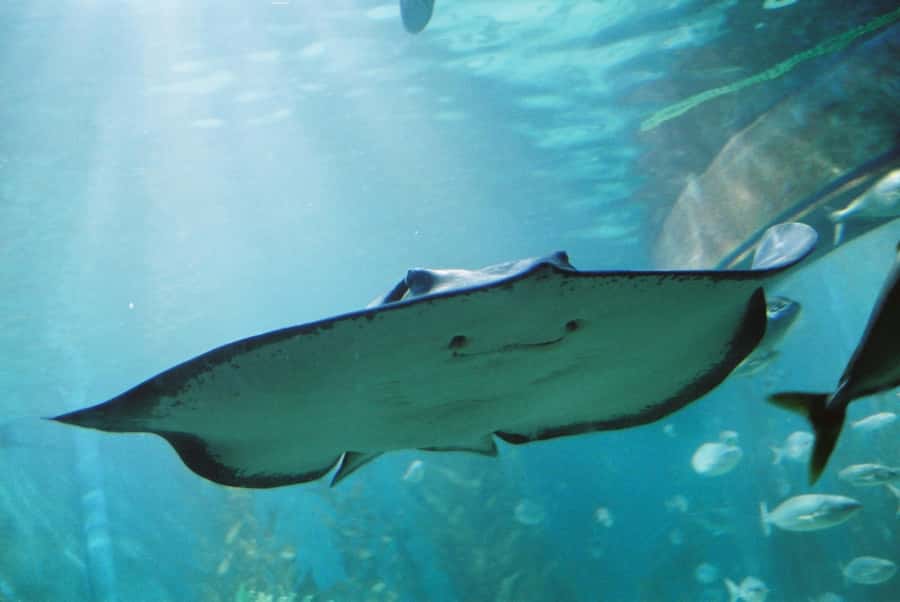
REVIEW · NOOSA & THE SUNSHINE COAST
Sunshine Coast: SEA LIFE Sunshine Coast Entry Ticket
Marine life in one bright stop. This SEA LIFE Sunshine Coast Aquarium ticket on the Sunshine Coast is an easy 90 minutes to 2 hours where you can move through several themed zones and get truly close to sea animals in Mooloolaba. I love the ocean tunnel experience, and I also like the hands-on feel of the Tidal Touchpool.
The possible drawback is that the aquarium can feel tight when it gets busy, especially around prams, so you may want to plan for space to move.
In This Review
- Key highlights you should plan around
- SEA LIFE Sunshine Coast in Mooloolaba, and why it fits well
- What’s included in your ticket (and what is not)
- Walking through the aquarium: the flow I’d expect you to follow
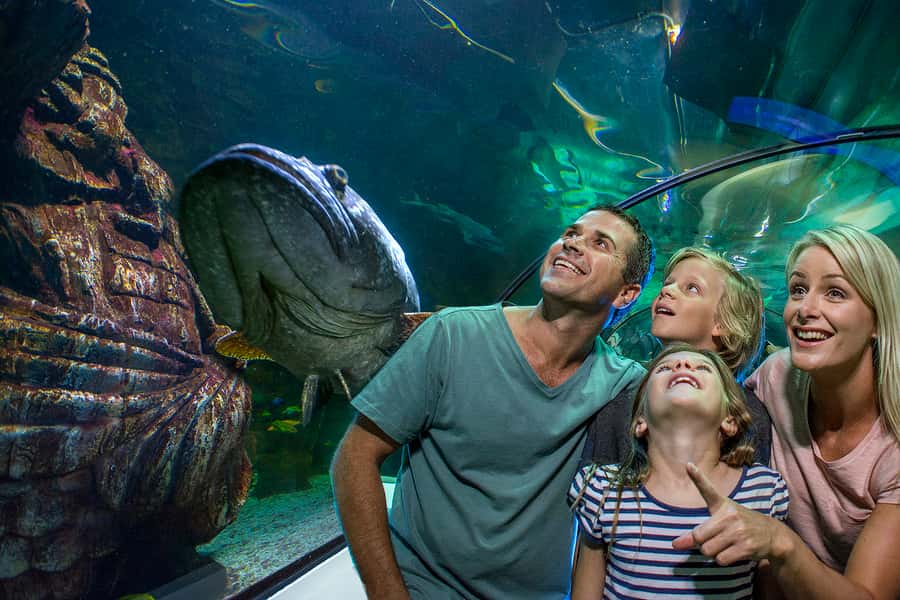
- The ocean tunnel and seal show: where the wow factor is quickest
- Seahorse Sanctuary: calm, close, and worth slowing down for
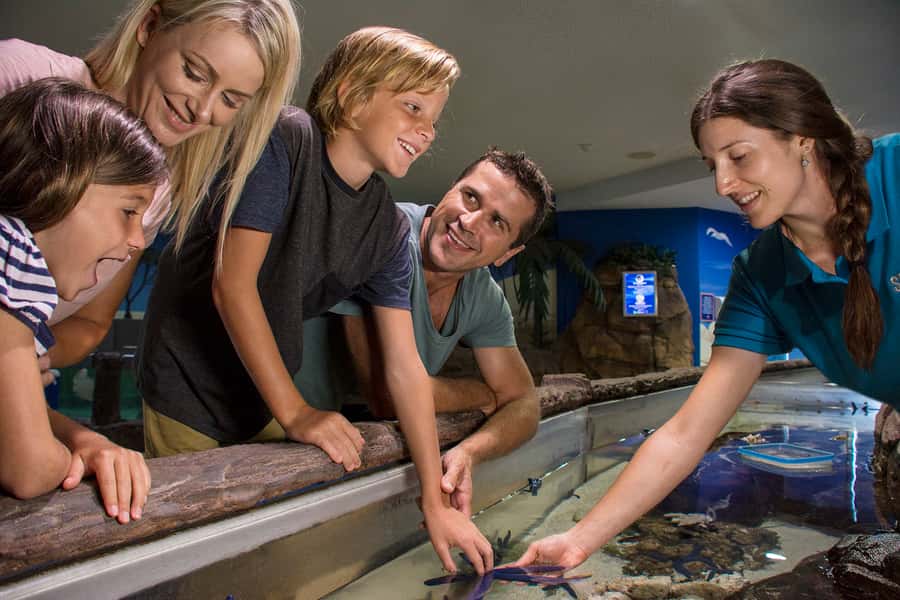
- Tidal Touchpool: the hands-on highlight with sea stars and anemones
- Pacific Reef: clown fish, coral gardens, and Queensland waters
- Wreck Zone and Coastal Wreck Zone: a newer reason to visit
- Jellyfish Kingdom and ancient-line creatures
- Billabongs freshwater section: sawfish, barramundi, pacu
- Conservation learning: how the exhibits support the bigger message
- Price and value: is $28 a fair deal for what you get?
- Timing and crowding: how to avoid the tight-space problem
- Who this ticket suits best, and who might want to skip it
- Should you book Sunshine Coast SEA LIFE entry?
- FAQ
- How long is the SEA LIFE Sunshine Coast entry experience?
- Where is SEA LIFE Sunshine Coast located?
- What is included with the ticket?
- Is transportation included in the price?
- Are food and drinks included?
- What areas or exhibits can I expect to see?
- Can I touch anything inside the aquarium?
- What animals are mentioned as part of the experience?
- When is the last admission time?
Key highlights you should plan around
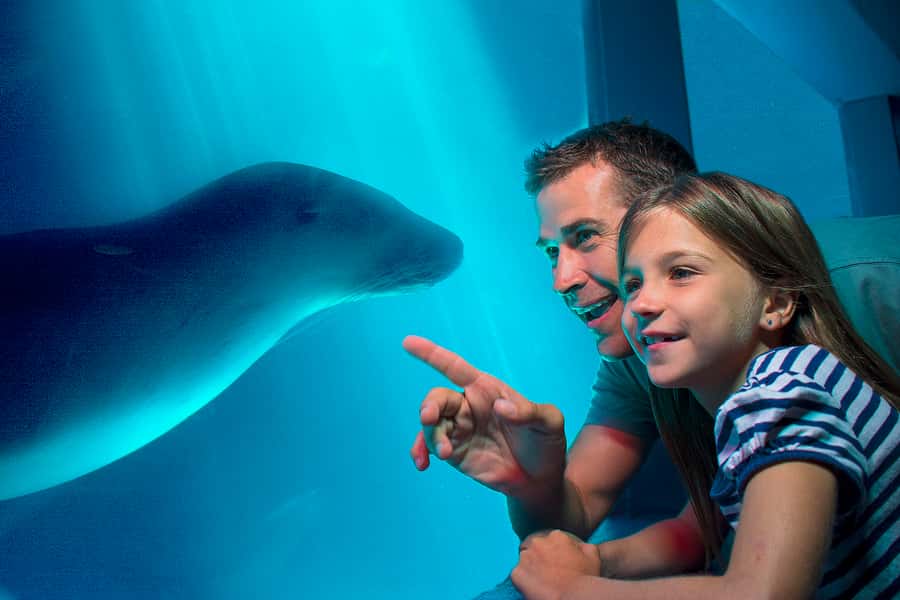
- Ocean tunnel moments where the exhibits feel like a real underwater walk-through
- Seal show that many people end up remembering even after the rest of the visit
- Seahorse Sanctuary built around slow, graceful viewing of seahorses
- Tidal Touchpool contact with sea stars and sea anemones (plus sea cucumbers)
- Pacific Reef with coral gardens, clown fish, and sea anemones
- Coastal Wreck Zone focused on critters living around Australia’s coastal reefs
SEA LIFE Sunshine Coast in Mooloolaba, and why it fits well
SEA LIFE Sunshine Coast is in Mooloolaba, Queensland, about an hour from Brisbane. If you’re doing a Sunshine Coast day that already has beaches or markets, this aquarium is a smart add-on because it is self-paced and doesn’t require a big time commitment. The ticket window is typically 90 minutes to 2 hours, which is long enough to enjoy multiple zones without it dragging.
What I like most is the way the venue is organized around themes. Instead of one big tank wall, you get sections that each focus on a different part of the local marine world, plus a few freshwater touches. That matters because it gives you variety in a short visit. One moment you’re watching seahorses in a sanctuary setting, then you’re at the Pacific Reef looking at clown fish and sea anemones, and later you’re in a zone built around a coastal wreck theme.
Also, the conservation angle isn’t just a poster at the entrance. The visit is described as including animal conservation activities and learning about projects to protect the local environment. Even if you’re not a “science museum” person, it helps explain why the exhibits are arranged the way they are.
Everglades, headland and hinterland, further reading
- Mooloolaba: Seafood Lunch Cruise★ 4.7 · 473 reviews
- Sunshine Coast: Mooloolaba River Sunset Cruise★ 4.7 · 310 reviews
- Mooloolaba: Whale Watching Cruise★ 4.5 · 153 reviews
- Mooloolaba: Canal Cruise with Commentary★ 4.7 · 143 reviews
What’s included in your ticket (and what is not)
Your entry ticket includes entrance to SEA LIFE Sunshine Coast. That’s it. Transportation is not included, and food and drinks are not included. In practice, it means you should treat this as a standalone activity that you plan in your own day, then add snacks or meals separately.
You also want to be mindful of timing. The important note here is that the last admission to Underwater World is at 16:00 daily. Even if the attraction is SEA LIFE Sunshine Coast, this time limit is the one you should respect when planning your arrival.
If you only want a quick “see the main things” run, you can aim closer to the shorter end of the duration. If you want to slow down for the hands-on areas and the animal watching, give yourself closer to 2 hours.
Walking through the aquarium: the flow I’d expect you to follow
SEA LIFE Sunshine Coast is set up so you can move in a loop, starting with general admission access and then working through the themed areas. The experience is described as getting you up close with creatures living beneath Queensland waters, and that sets the tone for the whole visit: you’re there to look closely, not just pass by.
Here’s how I’d think about the visit structure so you don’t miss the good stuff:
- Start with the big spectacle sections that pull you in fast.
- Then go to the sanctuary and touch areas while you still have energy.
- Finish with the themed “special zones” like the wreck setting and jellyfish area.
This matters because the aquarium has several highlights stacked together. If you see the touchpool too early, you might rush the rest. If you save it for the end, you might be tired by the time you get there. With a 90-minute to 2-hour visit, pacing is part of the value.
The ocean tunnel and seal show: where the wow factor is quickest
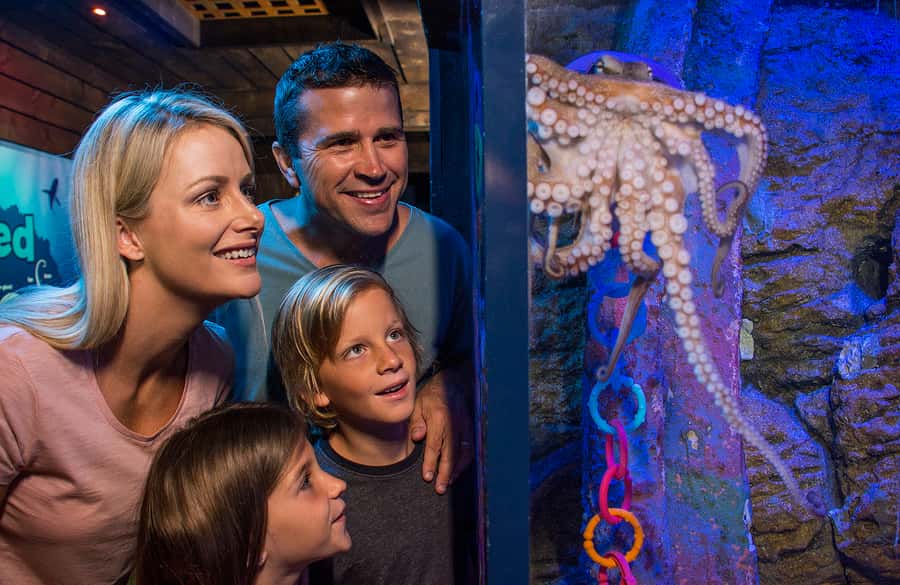
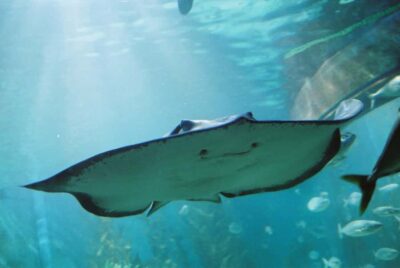
One of the strongest signals about what people remember is the ocean tunnel, and I get it. A tunnel layout changes your perspective. Instead of just looking at an animal behind glass from one side, you’re walking through a space that feels like you’re inside the display. That kind of staging makes the animals look more present and more “in your path,” which is exactly what you want from an aquarium that’s trying to feel more personal.
Right after, or later in your route, you’ll also want to look out for the seal show. It’s called out as a standout in the experience notes, and it often becomes the anchor moment when you’ve got limited time. If you’re visiting with kids, it’s usually the moment everyone gathers for. If you’re visiting just for marine animals, it still works because it adds movement to the static viewing, and it helps break up the walking.
You can also expect to see animals like seals, otters, and even sharks as part of the general admission experience. That variety is one reason this ticket can be worth it even for repeat visitors. You’re not locked into one animal type.


Seahorse Sanctuary: calm, close, and worth slowing down for
The Seahorse Sanctuary is the kind of exhibit I like because it rewards patience. The experience description emphasizes the delicate movement of seahorses in a dedicated sanctuary area. Compared with faster, more active animals, seahorses are all about careful observation. You tend to look longer, and that makes the space feel more intimate.
Even if you only pause for a few minutes, this is one of the parts that gives the visit character. It’s also a nice contrast after more “big tank” scenes. If you’re coming from a busy day outdoors, the sanctuary provides a reset because you’re not chasing action, you’re quietly watching animals that move slowly.
To make it enjoyable rather than frustrating, treat it like a viewing zone you join, not a place you rush through. With a 90-minute to 2-hour ticket, this is one of the spots where spending time actually pays off.
Tidal Touchpool: the hands-on highlight with sea stars and anemones
If you want a tactile moment, go for the Tidal Touchpool. The highlights call out touching sea stars and anemones, along with sea cucumbers. This is a different kind of value than just seeing animals behind glass.
Why it matters: when you can touch (even in a controlled way), it changes how you remember the animals. Instead of just “I saw it,” you get “I felt it,” which makes the experience more personal. It also fits the conservation theme, because the aquarium is trying to get you connected to fragile ecosystems. A touch interaction is one of the fastest ways to make that connection real.
The catch is simple: touch areas can require patience, and during busy periods, they can feel slower. If you’re visiting at a popular time and you’re pushing a pram, keep that in mind. Crowds can tighten up space, and that affects how easy it is to wait and move.
Pacific Reef: clown fish, coral gardens, and Queensland waters
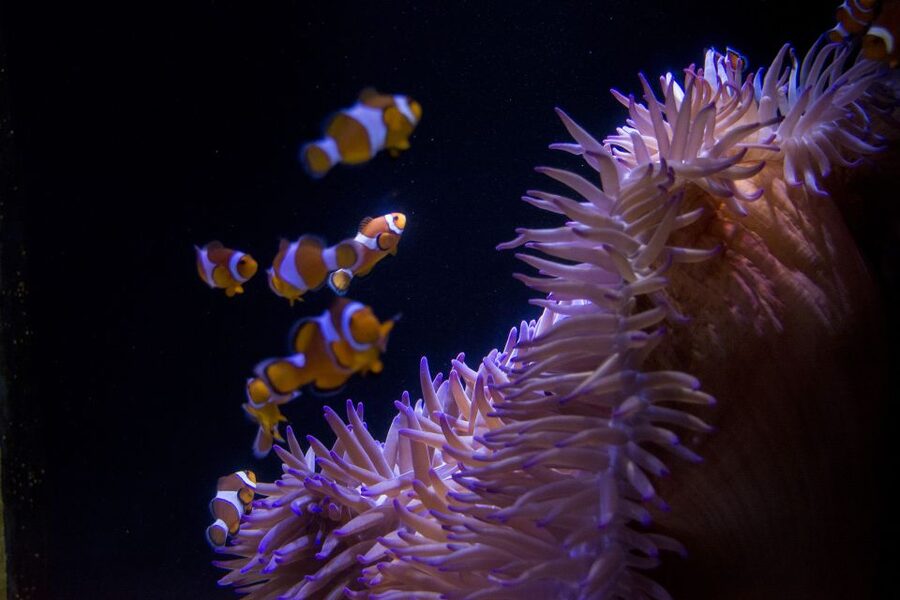
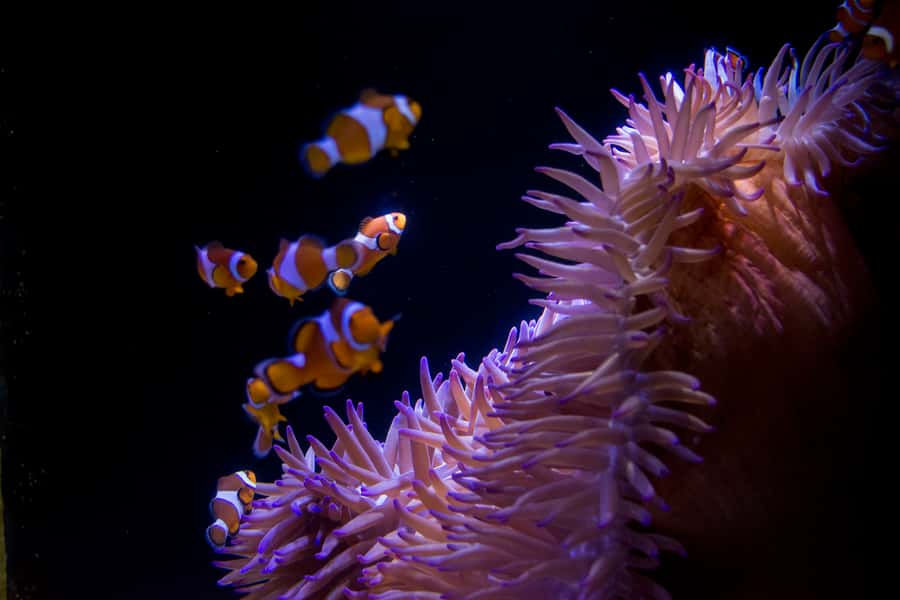
The Pacific Reef area is where the aquarium puts its focus on colorful, reef-style marine life. In the description, it includes coral gardens, clown fish, and sea anemones. This kind of exhibit is ideal if you want classic reef animals without needing to travel to a reef in person.
What I like about the way this is presented is that it’s not just random species in one area. The mention of coral gardens and sea anemones suggests a structure that helps you connect the animals to the habitat. That’s the conservation message working in the background: fragile ecosystems matter, and the creatures are part of a larger system.
If you’re short on time, Pacific Reef is also one of the zones that tends to give you strong variety in a single stop. You can look for clown fish movements, then track sea anemones, then scan around for the extra reef critters that often share these scenes.
Wreck Zone and Coastal Wreck Zone: a newer reason to visit
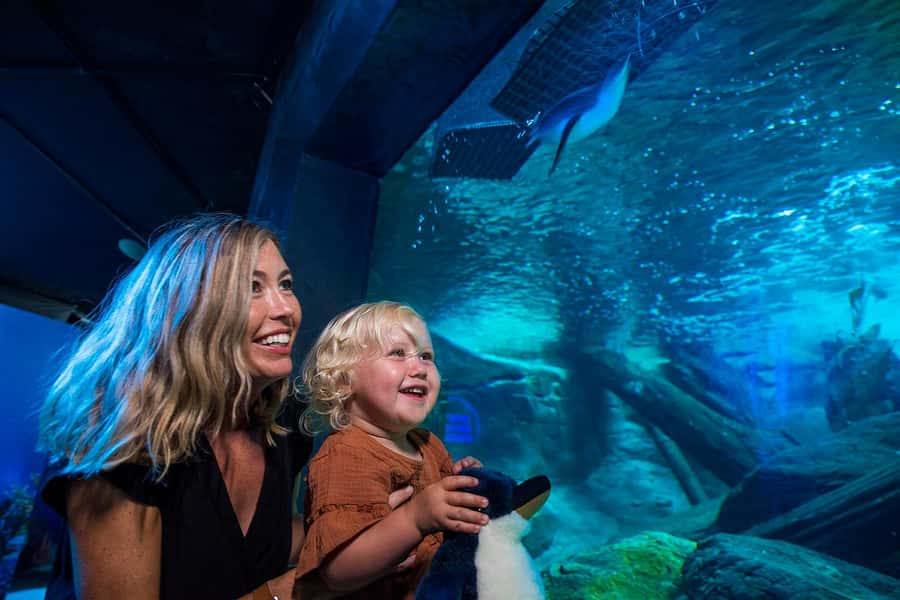
The aquarium highlights a brand new Wreck Zone, which is also referred to as a Coastal Wreck zone. The goal is to admire the critters that inhabit Australia’s coastal reefs. There’s also a learning component, where you can find out about the species living in the coral reef environment around Australia.
This is one of the more interesting additions because it shifts the theme from “pretty reef” to “reef habitat shaped by real-world coastal life.” Even without going into extra details beyond what’s provided, it’s a thoughtful concept: a wreck becomes part of the ecosystem, and you get to view animals in that context.
If you’ve visited other aquariums before, this zone is the reason you might not feel like you’ve seen everything. It gives the visit a more current feel and adds another specific “world” to walk through.
Jellyfish Kingdom and ancient-line creatures
The Jellyfish Kingdom is described as showing creatures whose ancestors have been in the world for more than 650 million years. That’s the kind of fact that changes how you look at jellyfish. Instead of thinking of them as simple creatures, it nudges you to see them as part of a long evolutionary story.
This zone also includes ghost-like jellyfish as part of the main highlights. If you like eerie, floating forms, this is where you’ll linger. It’s not just visual drama, it also connects to conservation and fragile ecosystem ideas. Jellyfish often make people curious, and curiosity is where education sticks.
If you like the feeling of “wow, how is that even real,” jellyfish displays can deliver that quickly because the animals move in ways that look unfamiliar compared to fish.
Billabongs freshwater section: sawfish, barramundi, pacu
SEA LIFE Sunshine Coast doesn’t limit itself to saltwater. The experience notes include a look at the wildlife of the billabongs, with freshwater species like freshwater sawfish, barramundi, and pacu fish.
The pacu mention is especially useful because it clarifies what it is, including that it is a cousin of the piranha. That gives you a quick mental hook, and it can make the freshwater section feel more memorable rather than just a side room.
If you’re the type who gets bored when an aquarium focuses on one ecosystem only, this freshwater inclusion adds balance. You get both Queensland coastal reef life and billabong wildlife, all in a single ticket window.
Conservation learning: how the exhibits support the bigger message
The experience is framed as more than entertainment. You’re told you’ll take part in animal conservation activities on the Sunshine Coast Aquarium and learn about projects to protect the local environment. You also learn about measures being taken to protect surrounding Queensland waters.
In a practical sense, this means the exhibits aren’t just there for pretty viewing. Many of the zones have an educational purpose: reef animals connect to habitat fragility, billabong animals connect to freshwater ecosystems, and long-ago lineages connect to why biodiversity matters.
If you’re deciding whether the ticket is worth it, I think this is a key point. A good aquarium is mostly about how it makes you notice details. A great aquarium also explains why those details matter. Here, the conservation theme is baked into the visit structure, from local wildlife to dedicated zones.
Price and value: is $28 a fair deal for what you get?
At $28 per person, this is positioned as a straightforward admission ticket rather than a long tour with multiple included extras. Because transportation and food aren’t included, you’ll want to think of this as a paid entry plus your own day planning.
So, is it worth it? I’d say yes if you want:
- A reliable 90-minute to 2-hour rainy-day option in Mooloolaba
- A mix of viewing and at least one hands-on moment, the Tidal Touchpool
- Multiple named zones, like Pacific Reef, Jellyfish Kingdom, and the Coastal Wreck Zone
It’s less of a slam dunk if you expect a huge, sprawling facility. One review note points to the aquarium being of small size and needing refresh. Another mentions overcrowding limiting room to move, especially around prams. Those are not deal-breakers for everyone, but they do matter if you value lots of space or a very modern feel.
Timing and crowding: how to avoid the tight-space problem
Crowds can change how enjoyable any aquarium feels, and this one has a specific issue when it gets busy: limited space to move freely. One review called out overcrowding and limited space, especially around prams. That tells me you should think tactically about when you go and where you stand.
If you want more comfort, aim for earlier in your visit window and plan around peak movement times inside the building. Also, if you’re traveling with a stroller or pram, I’d consider choosing moments to park it thoughtfully so it doesn’t block your own path to the touchpool and tunnel.
For last-call planning, remember the 16:00 last admission note tied to Underwater World. If you arrive too late, you can lose your chance to see the full circuit, and that reduces value fast. With a 90-minute to 2-hour window, you want time to see your top 2 or 3 highlights, not just the first rooms you stumble into.
Who this ticket suits best, and who might want to skip it
This entry ticket is a good match if you want a high variety aquarium visit without needing a guided group tour. It suits families, couples, and solo travelers who enjoy animal viewing with a bit of education and at least one hands-on stop.
It’s also a solid choice for you if you’re excited about named zones like Seahorse Sanctuary, Pacific Reef, and the newer Coastal Wreck Zone. The named exhibits make it easier to prioritize, especially when you have limited time.
On the other hand, if you’re very sensitive to crowding and space, or you strongly prefer newer, larger venues, you might feel less impressed. The notes about being small and feeling overcrowded are worth taking seriously.
Should you book Sunshine Coast SEA LIFE entry?
Book it if you want a focused Sunshine Coast aquarium experience with real standouts: the ocean tunnel, the seal show, seahorses in the Seahorse Sanctuary, and the hands-on energy of the Tidal Touchpool. For many visitors, those moments are the difference between a quick look and a trip you actually remember.
Skip or think twice if your top priority is lots of elbow room and a big, ultra-modern facility. Between the size notes and the overcrowding around prams, the comfort factor can be hit-or-miss depending on the day and time.
If you do book, plan your arrival with the 16:00 last admission in mind, then set your personal order of operations: tunnel, a sanctuary or touch moment, and one of the themed zones you’re most curious about.
FAQ
How long is the SEA LIFE Sunshine Coast entry experience?
The duration is listed as 90 minutes to 2 hours.
Where is SEA LIFE Sunshine Coast located?
It’s in Mooloolaba, Queensland, about 1 hour from Brisbane.
What is included with the ticket?
The ticket includes entrance to SEA LIFE Sunshine Coast.
Is transportation included in the price?
No. Transportation is not included.
Are food and drinks included?
No. Food and drinks are not included.
What areas or exhibits can I expect to see?
You can expect themed areas including the Pacific Reef, the Seahorse Sanctuary, the Tidal Touchpool, Jellyfish Kingdom, and a new Wreck Zone / Coastal Wreck zone, plus learning areas for Queensland and billabong wildlife.
Can I touch anything inside the aquarium?
Yes. The Tidal Touchpool includes touch access for sea stars and sea anemones, and it also references sea cucumbers.
What animals are mentioned as part of the experience?
The information includes examples such as seals, otters, sharks, seahorses, ghost-like jellyfish, moray eels, and freshwater billabong species like freshwater sawfish, barramundi, and pacu.
When is the last admission time?
The last admission to Underwater World is at 16:00 daily.
Along the Sunshine Coast



Added lately from Mooloolaba
- Mooloolaba Sunset Cruise with Live Music
★ 4.8 · 67 reviews - Sunshine Coast: 1-Hour Land and Water Tour
★ 4.6 · 71 reviews - Sunshine Coast: SEA LIFE Sunshine Coast Entry Ticket
★ 4.6 · 104 reviews - Mooloolaba: Sunshine Coast Sunset Canal Cruise
★ 4.7 · 106 reviews - Mooloolaba: Whale Watching Cruise
★ 4.7 · 108 reviews - Mooloolaba: Snorkel with Turtles Mudjimba Island
★ 4.0 · 115 reviews
Noosa & the Sunshine Coast, compared.
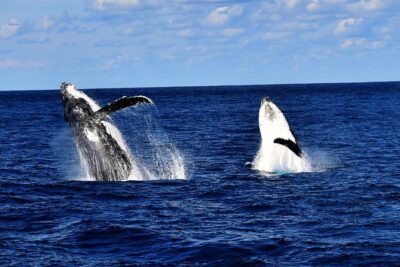 ★ 5.0Brisbane Whale Watching Cruise from Redcliffe or Sunshine CoastFrom $114997 reviews
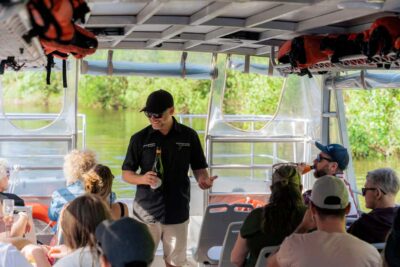 ★ 4.5Noosa: Afternoon Cruise through the Noosa EvergladesFrom $66906 reviews
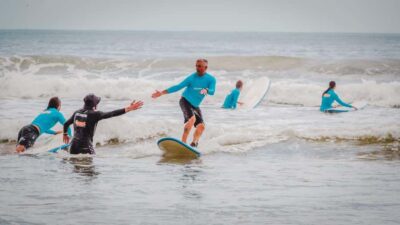 ★ 4.9Noosa Heads: 2 Hour Surf Experience on the Sunshine CoastFrom $59644 reviews
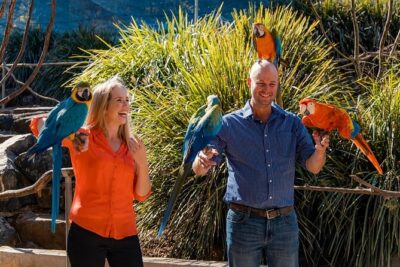 ★ 4.5Maleny Botanic Gardens Bird Aviary Experience TicketFrom $33579 reviews
 ★ 4.7Mooloolaba: Seafood Lunch CruiseFrom $53473 reviews
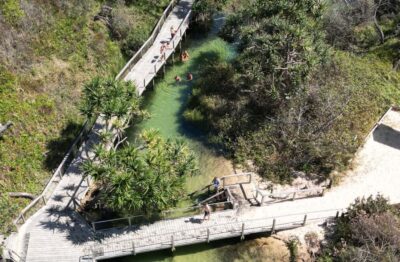 ★ 4.7From Noosa: K’gari (Fraser Island) Small-Group TourFrom $211445 reviews
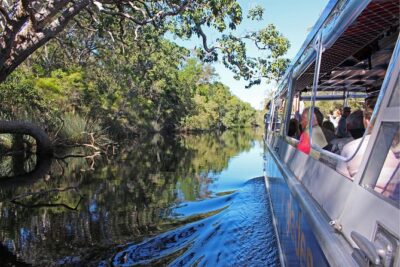 ★ 4.5Serenity Cruise to Australia’s EvergladesFrom $67408 reviews
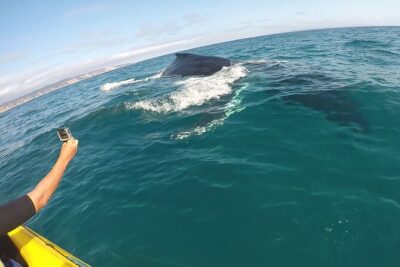 ★ 5.0Epic Kayak With Dolphins & Wildlife – 4WD Beach Adventure NoosaFrom $115366 reviews
Browse the lists this tour appears in