
REVIEW · SYDNEY WALKING & SIGHTSEEING TOURS
Sydney Convicts, History & The Rocks 2.5-Hour Walking Tour
Rum, riots, and sandstone alleys in 2.5 hours. This is a guided history walk through Sydney’s convict-era beginnings, linking Customs House, Circular Quay, and The Rocks to the people who built (and busted) early colony life. You’ll hear how transportation worked, how it affected Indigenous communities at the turn of the 19th century, and how Sydney’s economy grew from desperation and survival.
I love two things most. First, the storytelling focus on what you can see up close, from cobblestones to convict cut sandstone. Second, the inside access to historic buildings like Customs House and Argyle Stores, so the history lands in a place, not just in theory. Guides I noticed in the feedback, like Bec, Max, Alex, and Pete, also seem to keep questions welcome and answers honest.
One consideration: it’s a proper walking tour with unavoidable stairs at points in The Rocks, so it’s not suitable for mobility impairments. If that’s you, plan for a different kind of tour.
In This Review
- Key highlights you’ll feel fast
- Customs House Library to Circular Quay, where the story gets its footing
- Macquarie Place Park: the big picture before the cobblestones
- The Rocks walking segment: rum, ruins, and the convict-era street map
- Argyle Stores and Customs House interiors: when business and punishment overlap
- How the guide level changes the whole experience
- Price and value: what $36 buys in real-time learning
- Who should book this Rocks and convict history walk
- Should you book this 2.5-hour Sydney Convicts and The Rocks tour?
- FAQ
- How long is the Sydney Convicts, History & The Rocks walking tour?
- Where do I meet the guide, and where does the tour end?
- What’s included besides the walking?
- Is this tour suitable for mobility impairments?
- What items are not allowed on the tour?
- Will the tour run in bad weather?
Key highlights you’ll feel fast
- Customs House start point ties the tour to Sydney’s official story from day one
- Cobblestone lanes in The Rocks plus convict cut sandstone gives real texture to the past
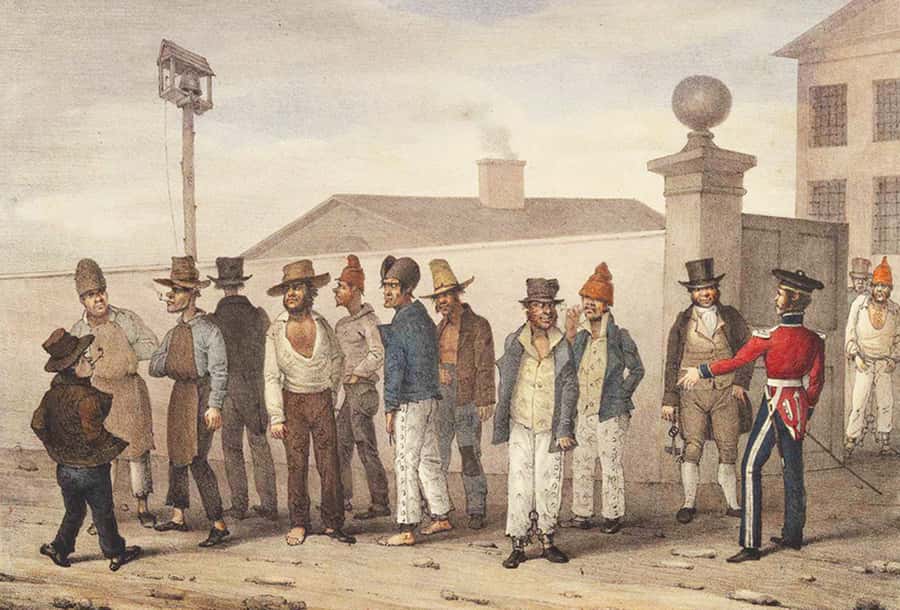
- Rum dealers, street gangs, and notorious convict lore make the criminal history easy to follow
- Heritage buildings and unknown corridors help you picture daily life, not just dramatic headlines
- Honest Q and A style shows up in how guides handle questions and pace the group
- Weather-ready walking means the tour continues, with prep encouraged for wet or wild conditions
Customs House Library to Circular Quay, where the story gets its footing
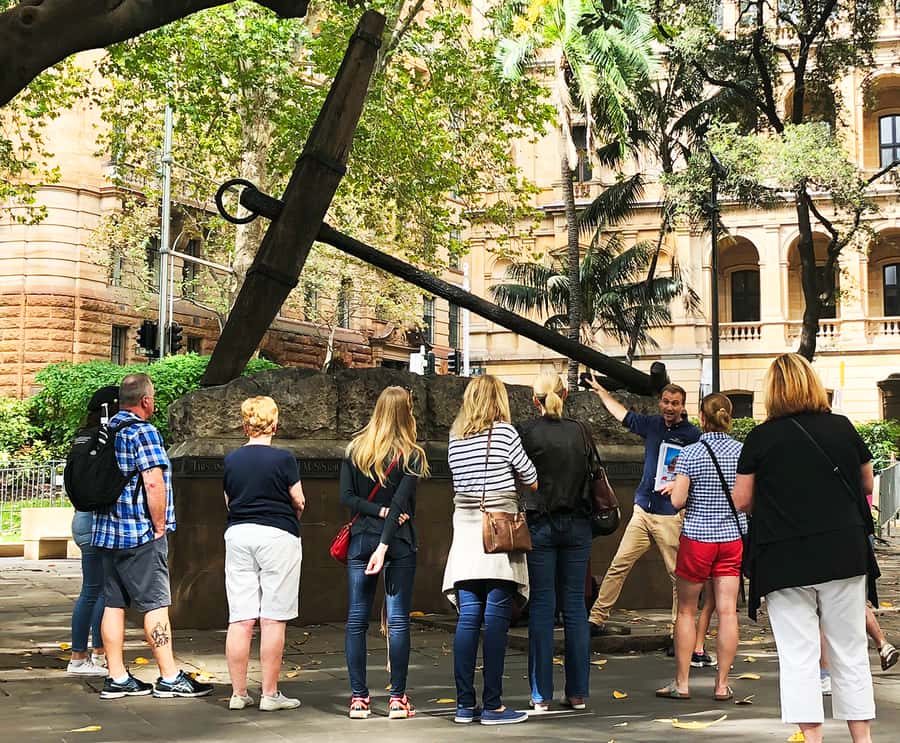
Most history tours in Sydney either stay on the waterfront or get trapped in the romance of old buildings. This one starts with the kind of place that explains why the city became what it did: Customs House Library. You’re positioned right at the center of trade, shipping, and the paperwork that shaped who moved in, who moved out, and who got labeled.
From there, you move toward Circular Quay, a spot that still feels like the hinge of the city. The tour keeps the focus on practical history, not museum talk. Expect the guide to connect maritime arrival and supply lines to the colony’s everyday realities, especially the way people traveled in by ship and later lived out the consequences.
If you like history that answers basic questions, you’ll appreciate how early themes return again and again: why the convict system existed, how the colony ran on imported skills and forced labor, and how the “criminal” label fit into a wider structure. It makes the later Rocks section land with less confusion and more payoff.
Walked, driven and bussed: other Sydney days
- Sydney: Big Bus Hop-On Hop-Off Tour with Optional Cruise★ 4.4 · 2,697 reviews
- Big Bus Sydney and Bondi Hop-on Hop-off Tour★ 4.0 · 2,690 reviews
- Sydney: Unlimited Skyfeast at Sydney Tower★ 4.6 · 1,969 reviews
- Sydney The Rocks Guided Walking Tour★ 5.0 · 1,546 reviews
Macquarie Place Park: the big picture before the cobblestones
Macquarie Place Park works like a palate cleanser. After the transport and trade framing by the harbour, you get a chance to reset your brain before the Rocks gets darker. This stop is short, but it matters because it sets expectations for what you’ll be walking through.
You’re not just touring buildings. You’re being guided through the logic of how the colony formed, including the process of criminal transportation to Australia and how it immediately changed Sydney’s Indigenous population around the turn of the 19th century. That’s heavy material, and having it placed early helps you process it as you go, rather than treating it like random facts.
I also like that the tour doesn’t ignore the human side. A recurring thread is how ambitious leadership and opportunism shaped the prison settlement. You’ll hear about a convict architect and an ambitious governor who wanted to decorate the settlement. It sounds odd until you realize this was a real worldview clash: punishment as policy, but also public image and control.
The Rocks walking segment: rum, ruins, and the convict-era street map
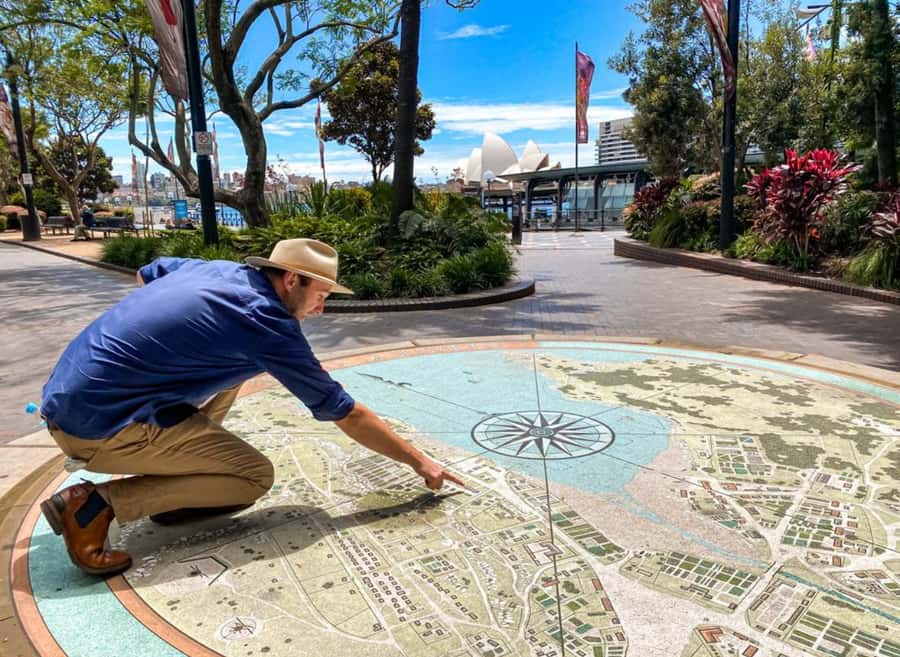
The longest part of the tour sits in The Rocks, and that’s the right choice. This is where Sydney’s colonial birthplace stops being an idea and becomes a street-level experience: cobblestone alleyways, sandstone structures, and the kind of hidden angles you just don’t notice when you’re sightseeing on autopilot.
You’ll move through a mix of streets and heritage spaces tied to rough lives: rum dealers, street gangs, abandoned slums, and enormous cellars used for spirits and stores. The tour uses these details to explain how informal power worked. In a place like The Rocks, influence wasn’t only about rank. It was also about access to goods, secrecy, and survival networks.
The guide also points out unique sandstone features and convict cut stone. That kind of detail is more than “cool to see.” It helps you understand how the colony built fast, used local materials, and left marks that still shape the area’s look today. When you can connect stonework to lived work, the past becomes legible.
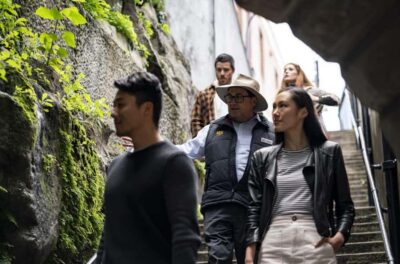
You’ll also hear about hidden ruins and unknown stories behind heritage buildings, plus inner workings that most people never spot. Depending on the day and the path, expect some stairs because The Rocks was built long before accessibility standards. It’s still very manageable for healthy walkers, but go in with realistic expectations.
One more thoughtful part of the tour: it includes mention that Aboriginal and Torres Strait Islanders may encounter names and images of people who are now deceased. If that impacts you personally, it’s smart to know ahead of time so you can decide what you’re comfortable hearing on the day.
Argyle Stores and Customs House interiors: when business and punishment overlap
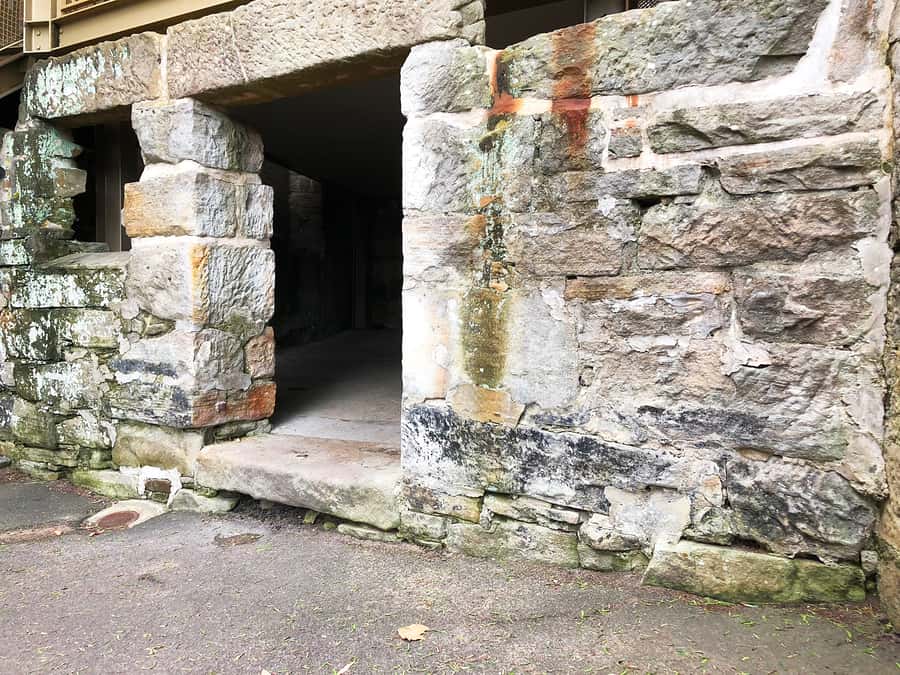
What I like about the included building time is that it doesn’t feel like a detour. Customs House and Argyle Stores add a layer that outdoor walking can’t do alone.
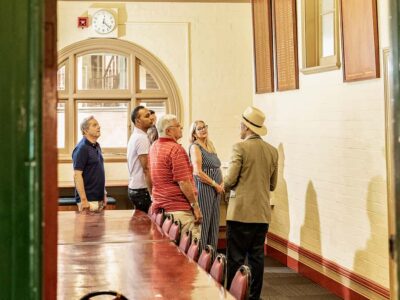
Inside these historic spaces, the tour connects architecture to systems. You’re basically shown how formal authority, shipping commerce, and the convict economy touched the same streets. In other words, the colony wasn’t two separate worlds, punishment on one side and trade on the other. It was one web.
Argyle Stores also helps explain why alcohol shows up so often in convict-era Sydney. Rum wasn’t only a vice. It was money-adjacent, trade-adjacent, and often part of how deals got made. When you hear about notorious rum dealers alongside the physical spaces where goods moved, the story stops being sensational and becomes structural.
Another big thread you’ll be exposed to is the “rags to riches” idea, but with a specific edge: a teenage girl who rose from chains to riches by conquering Sydney’s economy. The tour doesn’t present this as a fairy tale. It frames it as what happens when the rules are harsh but opportunity still exists inside the cracks.
And yes, the tour also keeps an eye on local pub culture and discovery spots. You’re not just learning why the city began. You’re learning how people lived with it.
How the guide level changes the whole experience
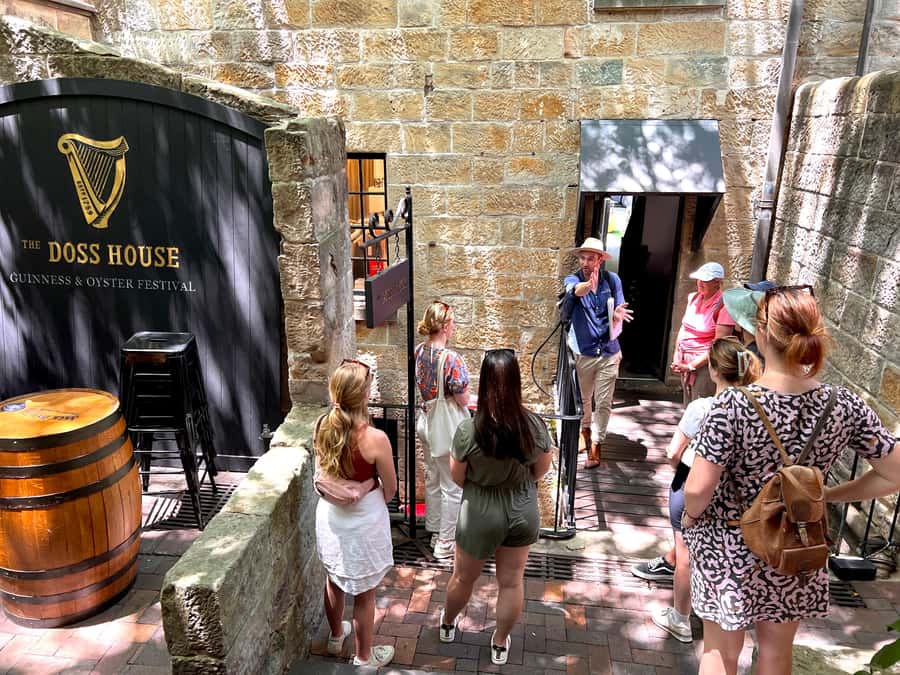
This kind of tour lives or dies by the guide. The strongest feedback patterns point to the same style: clear speaking, calm pacing, and the ability to answer questions without bluffing.
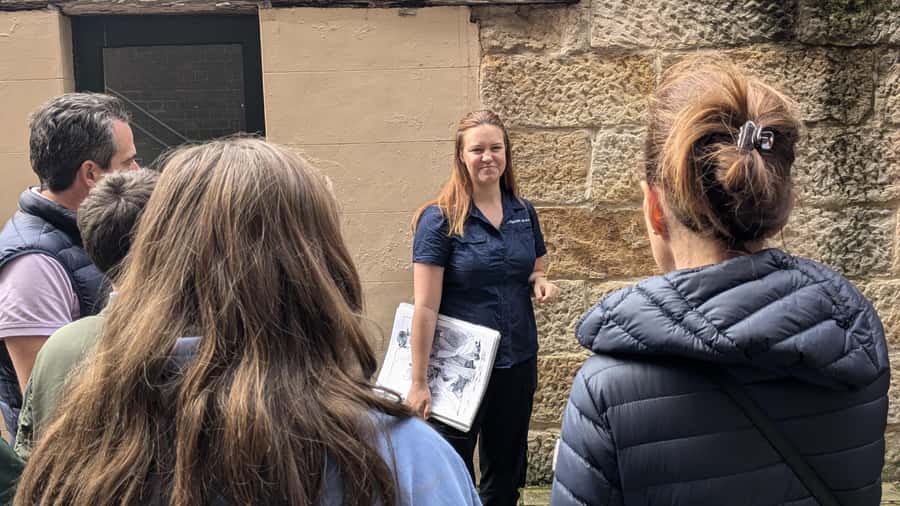
Guides like Bec and Max show up with details that are easy to picture, and several comments mention the use of visual aids. For example, one guide used an A3 folder with pictures to support what she explained. That makes a difference in a walking format because you can glance at what you’re hearing, not just listen while you walk.
I also like the way guides manage group comfort. Notes mention they kept the group together, sought out shady spots when possible, and maintained the right pace. One detail I wouldn’t skip: the tour continues in rain. That’s good for planning, but you should bring a rain layer and be ready to keep moving.
Finally, a standout theme is how guides handle uncertainty. One guide is described as admitting when she didn’t know something instead of making it up. That matters. In colonial history, gaps exist and dates can get murky. A guide who keeps it honest builds trust fast.
Price and value: what $36 buys in real-time learning
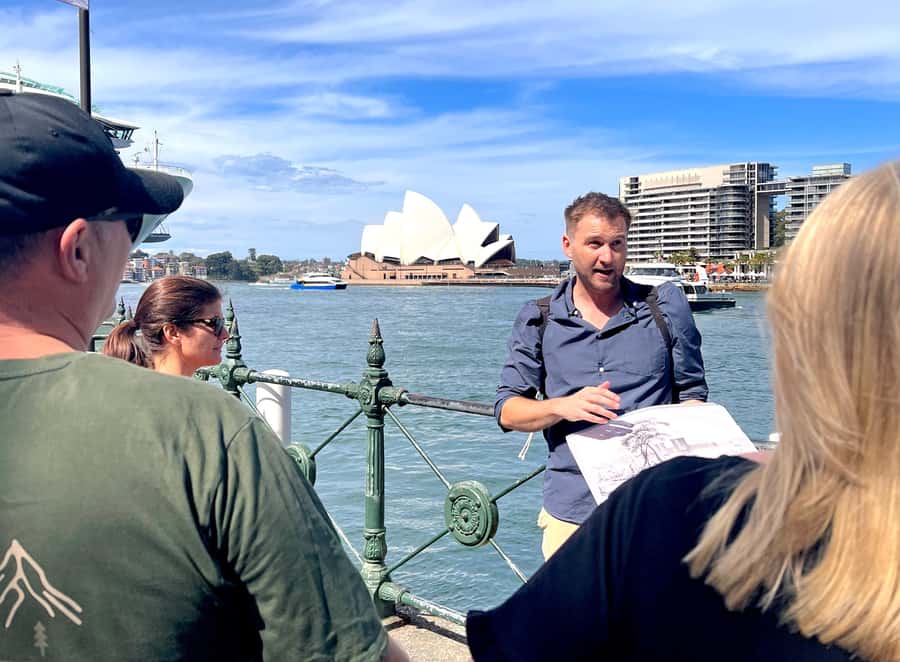
At $36 per person for about 150 minutes, you’re paying for a focused walking experience with live interpretation and some paid entry access to historic buildings. You’re not just getting a stroll. You’re buying a guided lens that turns streets into explanations.
Where the value really shows up is how much you cover per hour. You start at Customs House, get a harbour framing at Circular Quay, get context near Macquarie Place Park, and then spend the bulk of the time in The Rocks. That’s a good routing decision, because The Rocks is where the convict story becomes physical.
Also, the guide doesn’t treat this as a one-note “convicts only” tour. You’ll hear street gangs, rum history, Georgian and Victorian architecture examples, hidden corridors, and convict-era infrastructure. Even if you’ve read a bit about Australia’s convict past, the structure helps you stitch the parts together.
So if you’re trying to make one history tour count while you’re short on time, this is solid value. If you hate walking or cannot handle stairs, the value drops fast because the core of the experience depends on moving through the area.
Who should book this Rocks and convict history walk
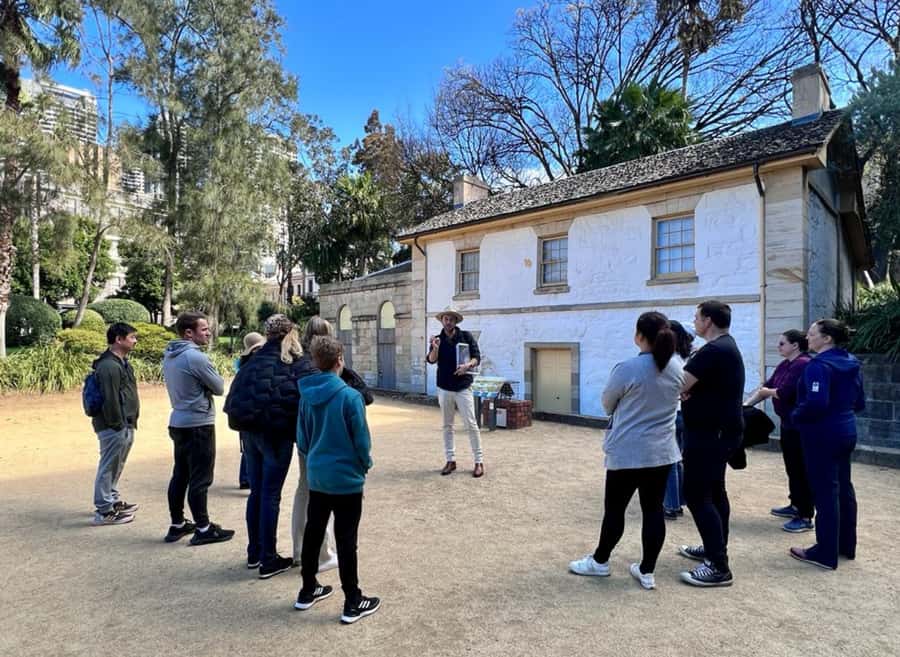
This tour makes the most sense if you want more than postcard Sydney. You’ll enjoy it if you like turning architecture into clues, and if you prefer history told through places you can actually point at.
It’s also a good fit if you enjoy Q and A. The guide style described is interactive, answering questions and keeping the group engaged, not lecturing at you like a classroom.
Who should be cautious:
- People who need mobility-friendly routes, because some stairs are unavoidable and the tour is not suitable for mobility impairments.
- Anyone who dislikes adult themes and concepts, since the material is most suitable for people older than 14.
Should you book this 2.5-hour Sydney Convicts and The Rocks tour?
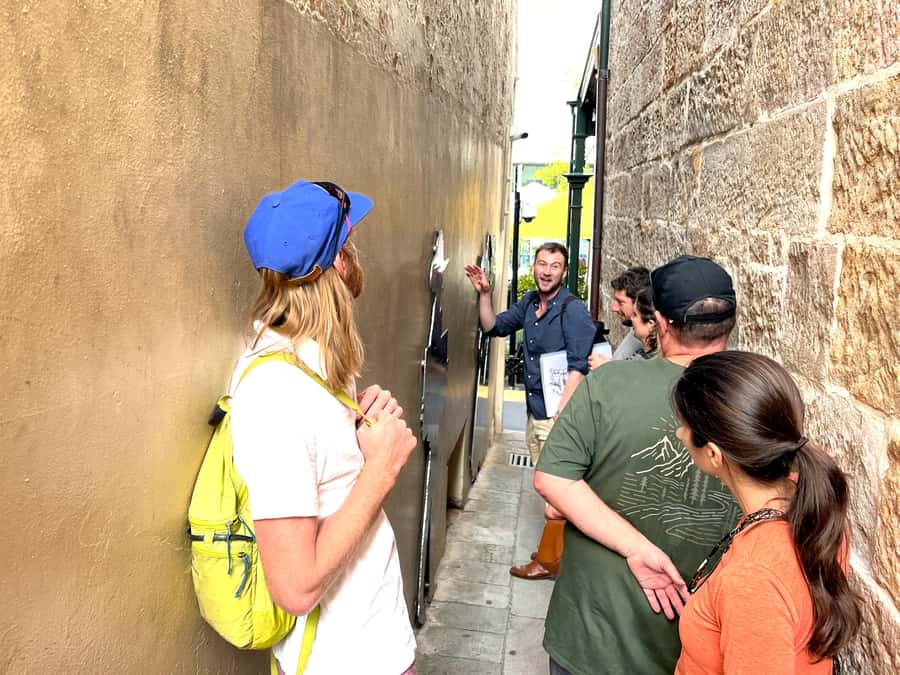
Yes, if you’re spending a day or half-day around Circular Quay and want your history to feel grounded in stone, alleyways, and real buildings. The $36 price feels fair for a 2.5-hour guided walk with inside access to Customs House and Argyle Stores, plus a clear focus on convict transportation and how it shaped early Sydney.
I’d pass if stairs are a deal-breaker, because The Rocks layout is part of the story. And if you know you’re sensitive to topics involving deceased people, Aboriginal and Torres Strait Islander participants may want to plan carefully, since the tour may include names and images.
If you’re comfortable walking, bring water and sturdy shoes, and come curious, not just hungry for trivia. The Rocks has a way of making the past feel close, and this tour is built to help you read it.
FAQ
How long is the Sydney Convicts, History & The Rocks walking tour?
The tour runs for 150 minutes, about 2.5 hours.
Where do I meet the guide, and where does the tour end?
Meet your guide in front of the Customs House building, on the right-hand side if you are facing the building (outside). The tour finishes at Argyle Cut.
What’s included besides the walking?
You get entrance into historic buildings such as the Argyle Stores and Customs House, plus an insider guide covering local historic pubs, heritage architecture, and discovery museums.
Is this tour suitable for mobility impairments?
No. The tour is not suitable for people with mobility impairments, and some stairs are unavoidable at certain points in The Rocks.
What items are not allowed on the tour?
Luggage or large bags are not allowed. Pets are not allowed (assistance dogs are allowed). Baby strollers are also not allowed.
Will the tour run in bad weather?
Yes, the tour continues in wet or wild weather. You’re asked to come prepared with an umbrella or raincoat. Comfortable walking shoes and bringing a bottle of water are encouraged.
Covering Sydney on Foot

Added lately from Sydney
- Sydney Private Food Walking Tour With Locals: The 10 Tastings
★ 4.0 · 53 reviews - Shuttle Transfer from Cruise Ship Terminal at Circular Quay to Sydney Airport
★ 4.0 · 53 reviews - Paint and Sip Classes Sydney: Acrylic Art, Canvas & Wine
★ 5.0 · 53 reviews - Historical True Crime Walking Tour of East Sydney
★ 5.0 · 53 reviews - Hunter Valley Wine Tour from Sydney with Lunch and 3 Cellar Door Tastings
★ 4.5 · 54 reviews - Hunter Valley: Wine, Chocolate and Lunch All Inclusive Tour
★ 4.3 · 54 reviews
Sydney Walking & Sightseeing Tours, compared.
 ★ 4.4Sydney: Big Bus Hop-On Hop-Off Tour with Optional CruiseFrom $512,697 reviews
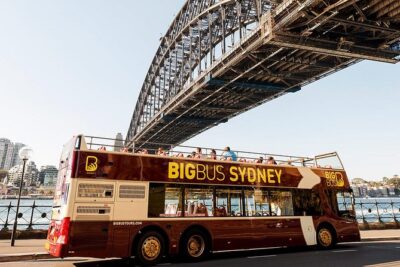 ★ 4.0Big Bus Sydney and Bondi Hop-on Hop-off TourFrom $522,690 reviews
 ★ 4.4Sydney Tower Eye: Entry with Observation DeckFrom $222,315 reviews
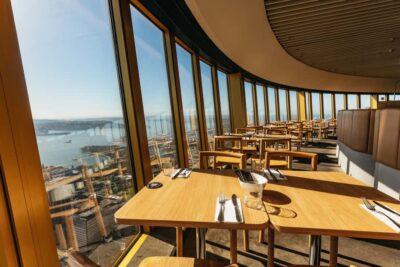 ★ 4.6Sydney: Unlimited Skyfeast at Sydney TowerFrom $701,969 reviews
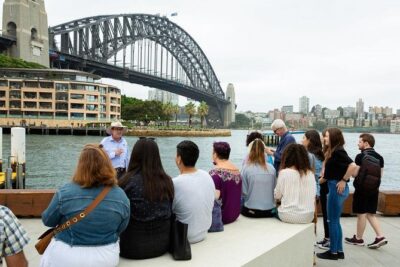 ★ 5.0Sydney The Rocks Guided Walking TourFrom $321,546 reviews
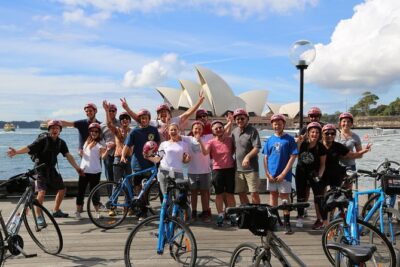 ★ 5.0Sydney Bike ToursFrom $851,125 reviews
 ★ 4.7Sydney: The Rocks 90-Minute History Walking TourFrom $321,092 reviews
 ★ 4.9Sydney Cricket Ground (SCG) and Museum Walking TourFrom $23616 reviews
Browse the lists this tour appears in