
REVIEW · 7-DAY EXPERIENCES
Tasmania: 7-Day West to East Tour
Seven days, one seriously wild island. Tasmania’s west-to-east route strings together towering forests, famous hikes, and convict history in a way that feels organized instead of rushed. I love the world-class walks that range from quick waterfall strolls to tougher mountain circuits, and I also love that you get both nature and culture, from Mt Field’s tall eucalyptus to Port Arthur’s well-preserved convict site. One thing to consider: this is an active trip with short walks every day, so it is not a fit if you have back issues or mobility limits.
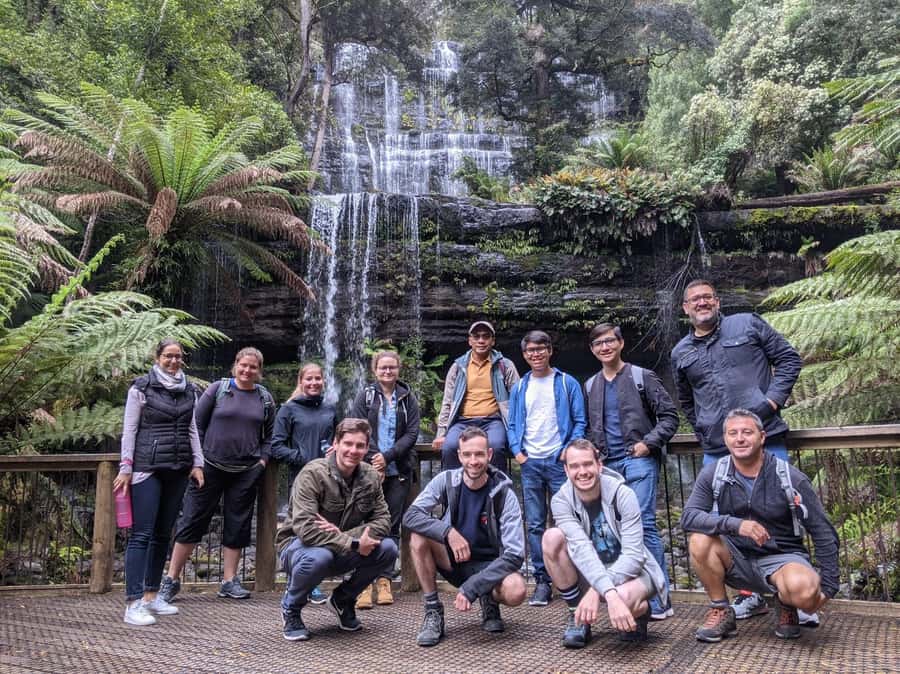
The biggest payoff for me is the human factor, the guiding and the pacing. Guides like Keygan (first five days), Brendon and Hayden (different departures), plus Phil and Lynna (for later days on some runs), are repeatedly praised for making the group feel looked after while still keeping the day moving. You’ll also appreciate having guided walks with optional choices, so you can match effort to your day.
In This Review
- Key highlights that make this tour work
- What this Tasmania tour feels like on the ground
- Day 1: Hobart to Strahan via Mt Field, Russell Falls, and Lake St Clair
- Day 2: Strahan’s wild west coast, rainforest walks, sand dunes, and optional Gordon River time
- Day 3: Cradle Mountain National Park, wombat and echidna spotting, and the Sheffield mural drive
- Day 4: Launceston’s Cataract Gorge, wallaby chances, and the Bay of Fires to Bicheno
- Day 5: Freycinet National Park, Wineglass Bay walks, Mt Amos options, and Cape Tourville
- Day 6: Bonorong Tasmanian devils, Richmond heritage village, and kunanyi viewpoints
- Day 7: Port Arthur’s convict history plus the Tasman Peninsula walk to Crescent Bay
- Lodging, transport, and daily rhythm (what to realistically plan for)
- Walking difficulty: how to match your fitness to the route
- What’s included in the price, and why $973 can still feel fair
- Should you book this Tasmania west-to-east tour?
- FAQ
- What is included in the tour price?
- Is the Gordon River cruise included?
- What kind of walking should I expect?
- Can I choose easier walks if my fitness is limited?
- What type of accommodation will I stay in?
- Is Hobart pickup available everywhere?
- Who should not take this tour?
Key highlights that make this tour work
- Mt Field National Park trees and Russell Falls: easy to moderate, short and scenic, great start after leaving Hobart
- West Coast wildness at Henty Sand Dunes and Ocean Beach: long stretches of sand plus ancient rainforest time
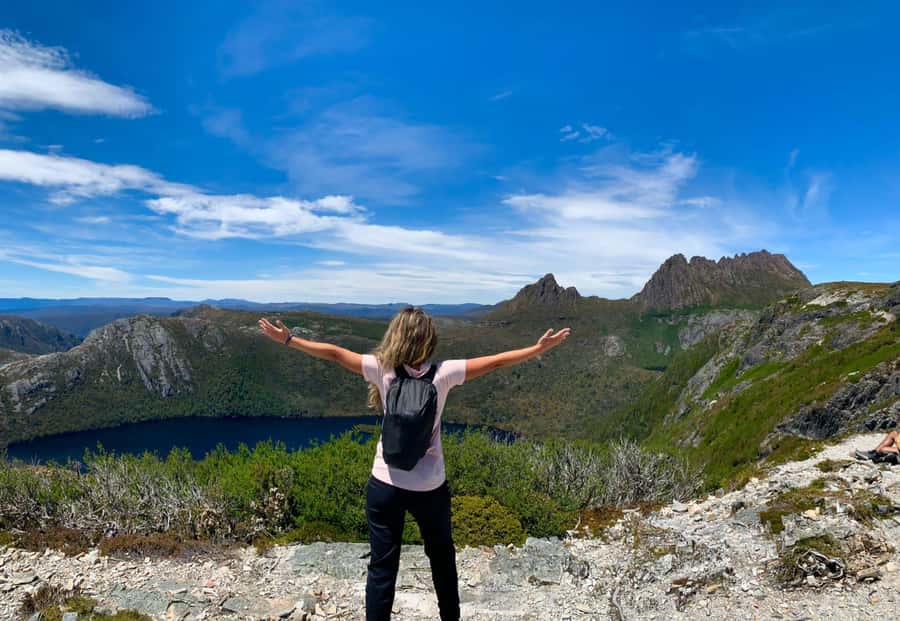
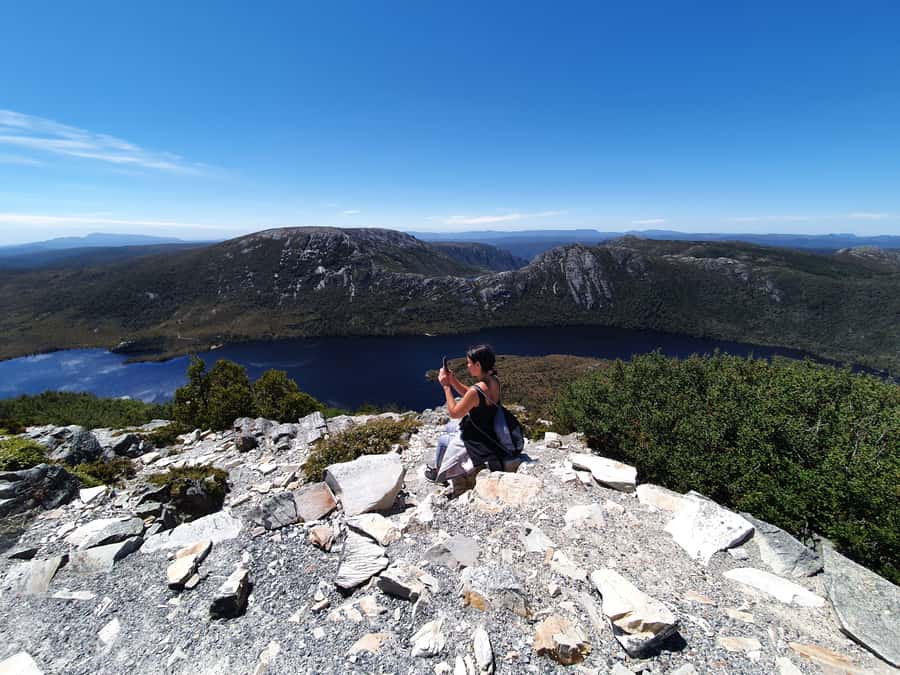
- Cradle Mountain options that actually fit different legs: Dove Lake circuit and Marion’s Lookout summit are both on the menu
- Wineglass Bay payoff in Freycinet National Park: choose the classic walk or the stronger Mt Amos climb
- Tasmanian devils at Bonorong: an included wildlife stop that is easy to build into a full day
- Port Arthur plus a harbor cruise: convict history without feeling like you’re stuck indoors
What this Tasmania tour feels like on the ground
This 7-day highlights trip is built around transport plus guided time, so you do not have to plan driving, parking, and timing across the island. Each day tends to start early, typically around 7:30 am, and runs until about 5 pm or earlier, with enough breaks built in so you are not running on fumes.
It is also practical in the ways that matter. You get accommodation for 6 nights in motel or hostel-style rooms, and you carry up to 20 kg of luggage, stored in a trailer on travel days. Plus, national park entry fees are included, which is a nice way to control costs once you are on the move.
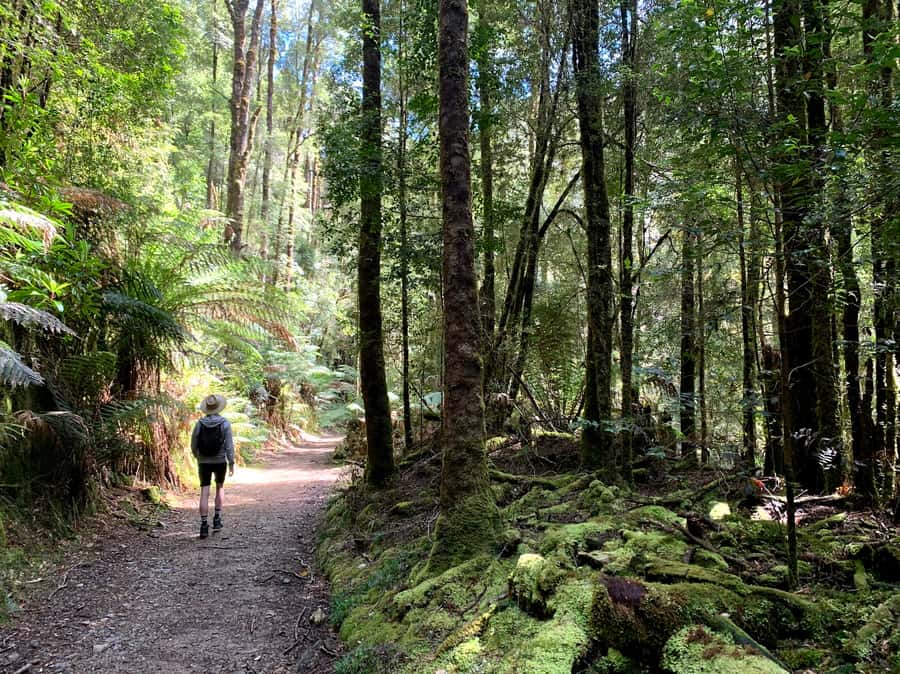
The walking pace is steady rather than extreme. You’ll do short walks most days, and they are described as easy to moderate, with optional non-guided walking options available. If you are the type who likes to be moving, this is a good match. If you need a true rest day, you may feel the schedule is more active than you expected.
Undecided? The Hobart reviews closest to this one sit below.
- Bruny Island Food, Sightseeing, Guided Lighthouse Tour & Lunch★ 5.0 · 2,989 reviews
- Full-Day Guided Bruny Island Tour from Hobart★ 5.0 · 1,331 reviews
- kunanyi/Mt Wellington Explorer Bus- Return Tour (2.5 hours)★ 5.0 · 1,249 reviews
- Hobart: Bruny Island Food, Sightseeing & Lighthouse Day Tour★ 4.8 · 960 reviews
Day 1: Hobart to Strahan via Mt Field, Russell Falls, and Lake St Clair
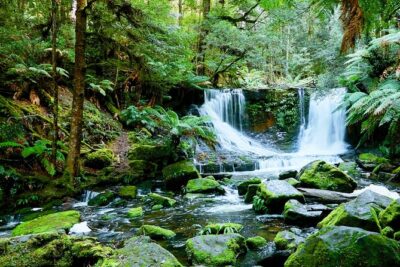
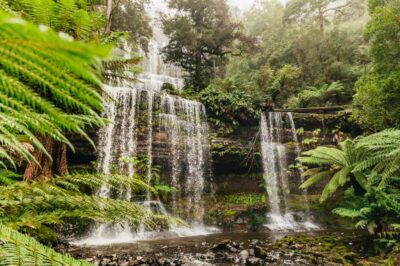
Your tour begins with a nature-heavy warm-up before you even settle into Strahan. Mt Field National Park is the first big wow, with time among the world’s tallest eucalyptus trees, followed by a walk to Russell Falls.
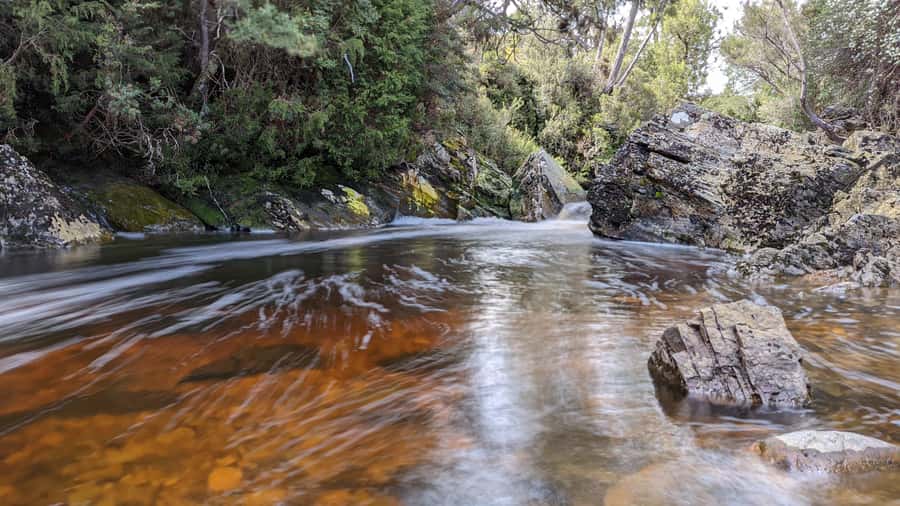
Russell Falls is a great “instant Tasmania” introduction. The walk is roughly 25 minutes return and 1.4 km, and it is described as flat and easy, with no steps or steep sections. That makes it ideal if you want views without committing to a long day on sore legs.
After Mt Field, you head toward Lake St Clair, described as Australia’s deepest freshwater lake, and then through Franklin-Gordon Wild Rivers National Park. This is one of those days where you are seeing different kinds of wilderness instead of repeating the same scenery look three times in a row.
Queenstown enters the story too, with time to learn about Tasmania’s mining history before you arrive in Strahan for the next two nights. Strahan is a sensible home base here, because it sets you up for the wild west coast the following day.
Day 2: Strahan’s wild west coast, rainforest walks, sand dunes, and optional Gordon River time
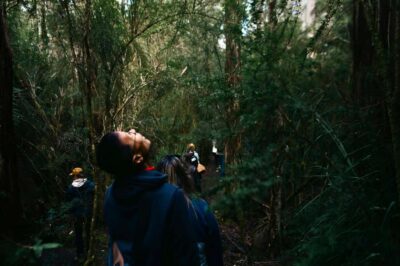
Day 2 leans fully into rugged Tasmania. You’ll explore the west coast’s wild, rainforested coastline, then take a guided nature walk among ancient rainforests. This is the kind of stop where having a guide makes sense, because the plants and the terrain are the main characters.
Then you shift to sand, and it is exactly as dramatic as it sounds. You visit Henty Sand Dunes and also Ocean Beach, noted for being Tasmania’s longest stretch of sand. If you like photos where the land looks endless and a bit untamed, this is where you’ll get them.
One smart feature is choice. At this point in the trip, you can also opt for an outstanding Gordon River cruise (at your own expense). Even if you skip it, the day still works because the included walking and coastal stops do the heavy lifting.
Keep in mind the west coast can mean changing conditions. Since warm clothing and weather-appropriate layers are on the packing list, plan to dress for comfort rather than for one perfect day.
Day 3: Cradle Mountain National Park, wombat and echidna spotting, and the Sheffield mural drive
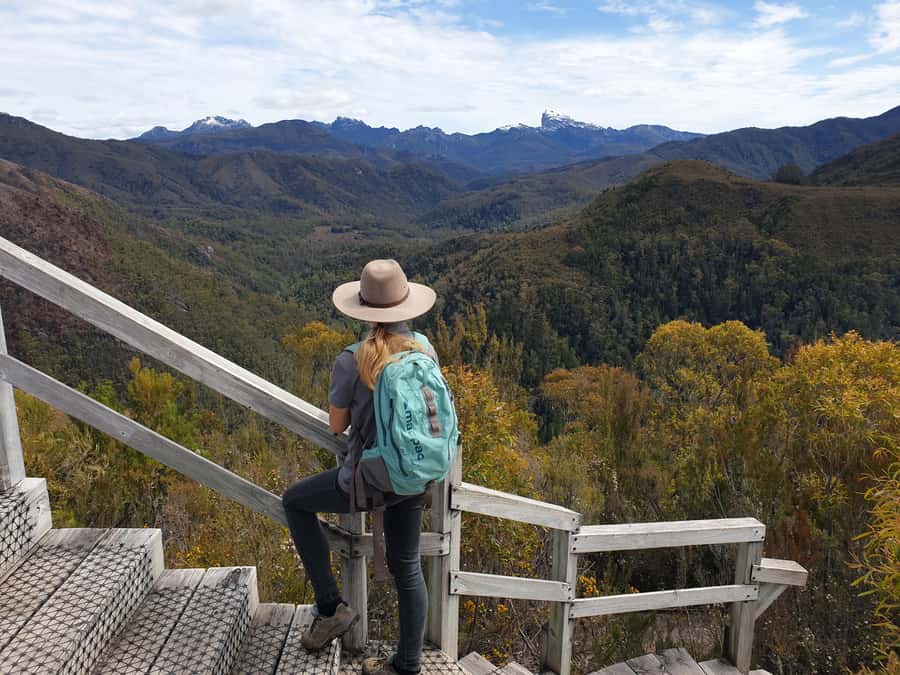
On day 3, you transition from west coast to alpine Tasmania. Cradle Mountain National Park is where the glacial-carved scenery takes over, and you’ll be in the right zone for wildlife spotting, including a chance to look for wombats and echidna.
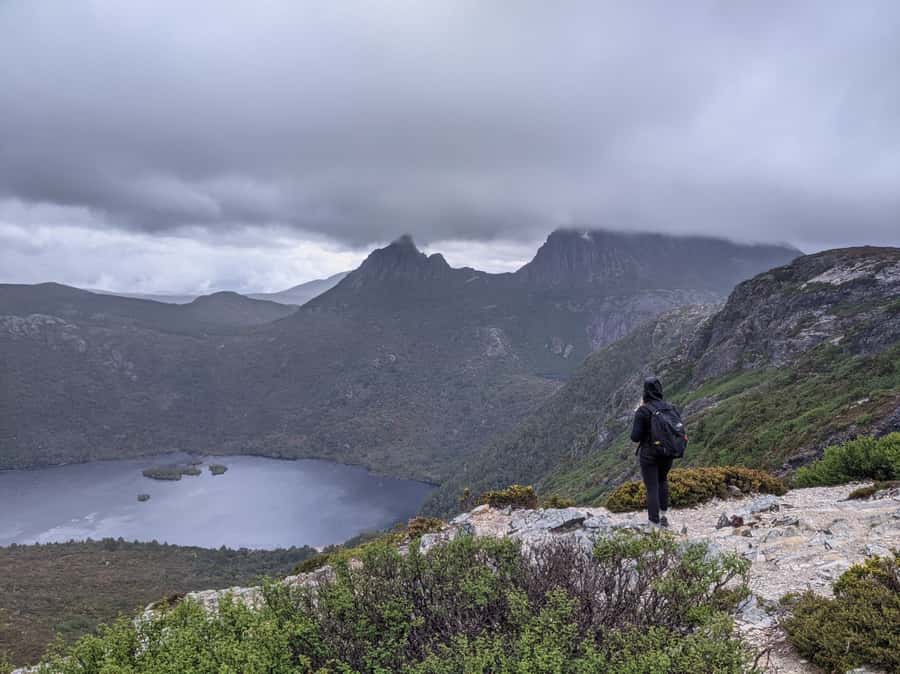
The tour gives you walk options, which is a big deal on Cradle Mountain. You can go for the track to the summit of Marion’s Lookout, or choose the Dove Lake circuit. Dove Lake is described as 2-3 hours and about 6 km, and it is considered moderate, with rougher surfaces, many steps, and short hill sections.
After Cradle Mountain, you continue to Launceston, breaking the drive with Sheffield, known as the Town of Murals. That is a nice palate cleanser, because it gives you a colorful human stop after spending the morning in wilderness.
Launceston is also your launch point for the next day’s coast and beaches, so the pacing feels logical: hike first, then rotate into towns and viewpoints.

Day 4: Launceston’s Cataract Gorge, wallaby chances, and the Bay of Fires to Bicheno
Launceston’s Cataract Gorge is a perfect mid-trip change of pace. It is highlighted as a great place for seeing wallaby, and it is the kind of stop you can enjoy slowly, even when you know the day is coming.
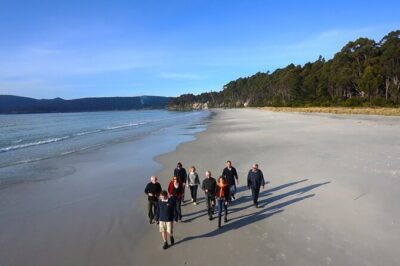
From there you head toward Bay of Fires, also called larapuna. This section includes a learning moment about the spiritual connection of the land to Tasmanian Aboriginal people, the palawa. That is one of the stronger “meaningful travel” touches on the route, because it connects the scenery to people and place, not just to photos.
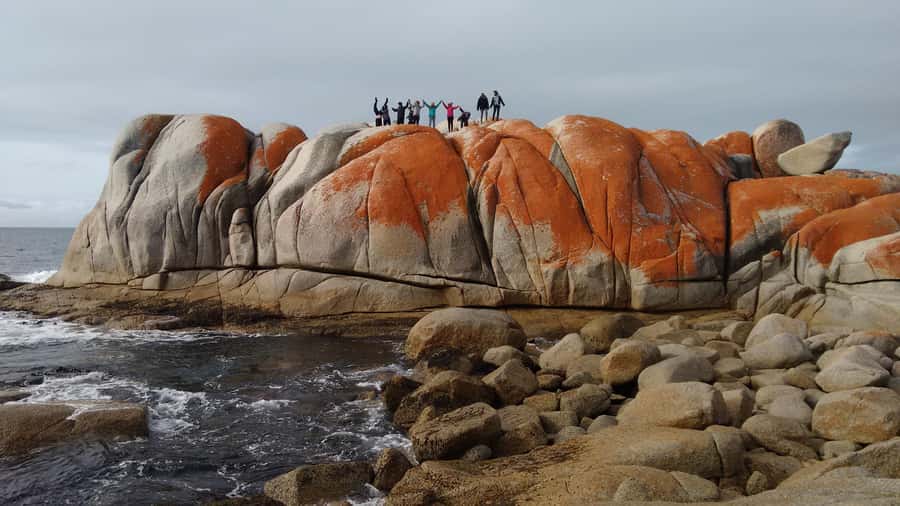
Then you get the iconic visuals: pristine white sands with turquoise waters and striking orange boulders. The tour also calls out Bicheno as the overnight base, and it notes that Bicheno is home of the little penguin.
You should not plan on guaranteed wildlife moments, but staying in Bicheno puts you in the area where that ecosystem is part of everyday life.
Day 5: Freycinet National Park, Wineglass Bay walks, Mt Amos options, and Cape Tourville
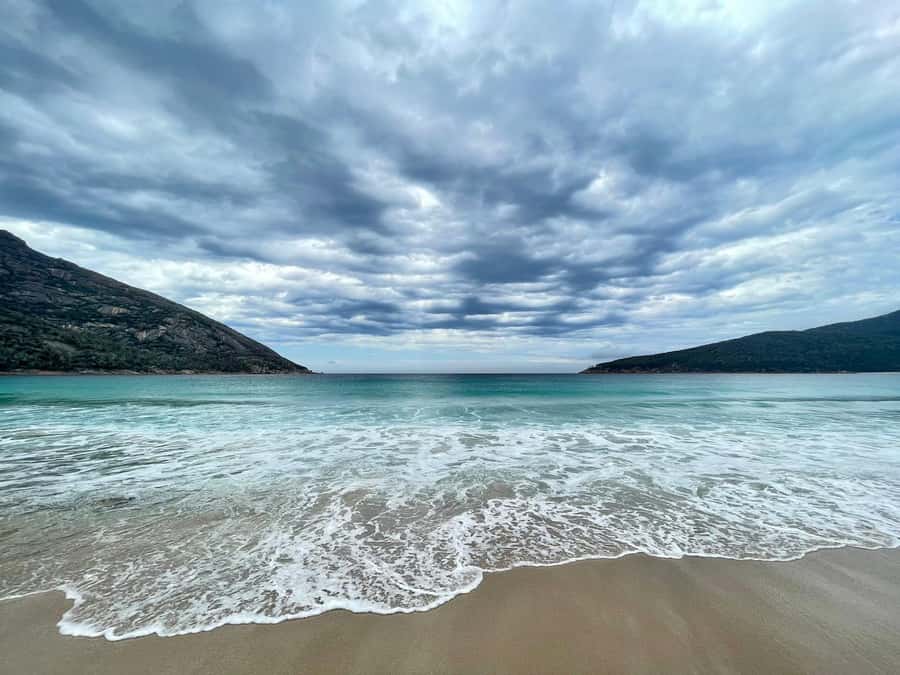
Day 5 is a true reward day. Freycinet National Park brings you to Wineglass Bay, described as the jewel of Freycinet, and you’ll have a choice that matches your energy level.
If you want the classic highlight, you can walk to Wineglass Bay. If you want something more demanding, you can climb to the summit of Mt Amos for bigger effort and bigger payoff. Both are valid. The key is picking based on your legs, not your pride.
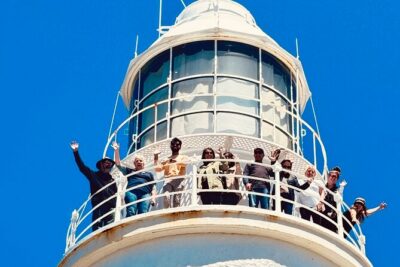
Before the day ends, you visit the Cape Tourville lighthouse, then return toward Hobart. This is a useful way to structure the day: you get the peak views, then you finish with a grounded, iconic stop rather than rushing straight back without closure.
Day 6: Bonorong Tasmanian devils, Richmond heritage village, and kunanyi viewpoints
Day 6 blends wildlife, heritage, and city viewpoints, which helps the trip feel balanced. You start with Tasmanian devils at Bonorong Wildlife Sanctuary, and entry is included.
This is one of the easiest “you will remember this” stops on the itinerary. It is also a good fit for different fitness levels, because it is not based on long hikes.
After that, you explore Richmond Village, a heritage stop that adds a human history layer to all the nature you’ve been stacking over the last few days. Then you return to Hobart and get the fun local viewpoint time on Mount Wellington, also known as kunanyi.
Tonight is free to enjoy Hobart at your own pace. That is the right kind of flexible day after so much structured time outdoors.
Day 7: Port Arthur’s convict history plus the Tasman Peninsula walk to Crescent Bay
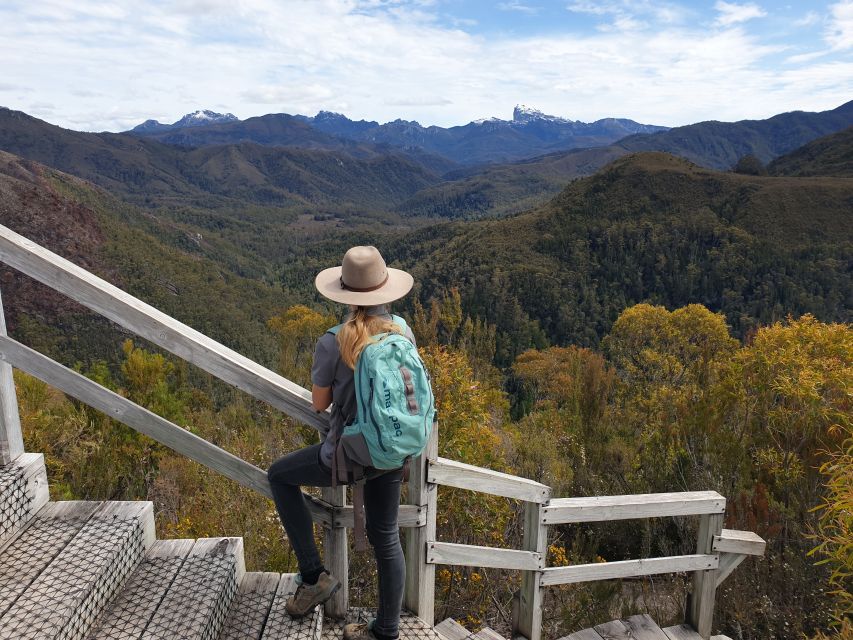
The final day is built around Tasmania’s convict story and dramatic coastal scenery. You spend time on the Tasman Peninsula, with its rugged coastal views and convict history.
You visit Port Arthur Historic Site, described as Australia’s best preserved convict settlement, and you also include a harbor cruise. That cruise matters because it gives you a break from walking while still showing you the place in context.
Later, you walk to Crescent Bay, described as stunning, before returning to Hobart. Plan on having your hiking shoes ready to go again. Even if the walking is optional at points, you’ll still want solid footing for the final scenery push.
Lodging, transport, and daily rhythm (what to realistically plan for)
Accommodation is simple and practical. You can choose motel or hostel options.
Motels give you private rooms with ensuite facilities. Hostels can be same-gender dorms, or private rooms with shared same-gender bathrooms. If you book twin or double rooms, the tour notes a minimum of 2 people is required.
If you are a light sleeper, think about location and room type. One past guest flagged that the YHA in Hobart was noisy. You do not have to avoid hostels, but it is smart to pack earplugs if you know you are sensitive to sound.
Laundry is not guaranteed, but one guest shared that they were able to do laundry midweek in a motel. If packing light is your plan, you can look for that option once you are on the ground.
Finally, remember seating on long drives can feel tight for taller travelers. One past guest noted the vehicle seat felt tight for a 6 ft husband, but ok for a shorter travel partner. So if you are tall, you’ll be happier if you bring a small cushion or plan to adjust posture often.
Walking difficulty: how to match your fitness to the route
This tour is active, but it is not “all or nothing.” Most walks are labeled easy to moderate, and all walks are optional. That means you can enjoy the stops even if you decide not to do the harder loop.
Here are the two example walks they give, and they matter because they translate into how your day may feel:
- Russell Falls (Mount Field National Park): about 25 minutes return and 1.4 km, flat even surface with no steps or steep sections
- Dove Lake circuit (Cradle Mountain National Park): about 2-3 hours, around 6 km, with short hill sections, rough surfaces, and many steps
Also, this is not suitable for children under 8, and it is not recommended if you have back problems or mobility impairments. If you are in that zone, you’ll probably spend energy worrying rather than enjoying.
If you do have moderate fitness and good mobility, you’ll likely like how the tour mixes stronger hikes with easier nature walks so you can recover without losing momentum.
What’s included in the price, and why $973 can still feel fair
At $973 per person for 7 days, the value comes from what is bundled. You get:
- transportation
- 6 nights accommodation (motel or hostel)
- guided commentary
- national park entry fees
- guided walks, plus optional walking choices
- entry to Bonorong Wildlife Sanctuary
- Port Arthur Historic Site entry and harbor cruise
- pickup and drop-off from centrally located Hobart locations
What is not included is also clear: food and drinks, travel insurance, and the Gordon River cruise if you choose to add it. Airport pickup is also not included.
When you tally that up, the “fairness” part is that you are paying for the major fixed costs that usually land you with surprise extras when you rent a car or drive yourself. You still manage meals on your own, but the big ticket items like park entry and Port Arthur access are handled.
One more value angle is time. The route takes you from Hobart through the west, up to Cradle Mountain and down to Freycinet and back, with fewer decisions than self-driving. If you like your days planned, that is a real benefit.
Should you book this Tasmania west-to-east tour?
I would book it if you want a structured way to see a lot of Tasmania without spending days mapping routes, comparing hikes, and paying separate park fees. It is especially appealing if you are happy to walk daily and you like the mix of guided nature time, wildlife, and the big historical stop at Port Arthur.
I would think twice if you need long periods with no walking, if your mobility is limited, or if you have back issues. Even though walks are optional, the tour is still built around active days.
If you match the fitness level and you want a well-paced sampler of Tasmania from Mt Field to Cradle Mountain to Freycinet to Port Arthur, this is a solid choice.
FAQ
What is included in the tour price?
Transportation, accommodation for 6 nights, guided commentary, guided walks plus optional walking choices, national park entry fees, Bonorong Wildlife Sanctuary entry, Port Arthur Historic Site entry and the harbor cruise, and pickup plus drop-off from centrally located Hobart city locations are included.
Is the Gordon River cruise included?
No. The Gordon River cruise is optional and is not included, so you would pay for it at your own expense if you choose it.
What kind of walking should I expect?
The tour includes short walks every day. Walks are generally classified as easy to moderate and are optional. Example walks include Russell Falls (about 25 minutes return) and the Dove Lake circuit (about 2-3 hours and roughly 6 km).
Can I choose easier walks if my fitness is limited?
Yes. The tour offers both guided walks and non-guided walking options, and the guide can help you choose based on difficulty.
What type of accommodation will I stay in?
You can choose motel or hostel accommodation. Motels offer private rooms with ensuite facilities. Hostels offer same-gender dorm rooms or private rooms with shared same-gender bathrooms.
Is Hobart pickup available everywhere?
Pickup is available from centrally located hotels and hostels in Hobart. Pickup is not available from Airbnbs and private residences, so you would need to contact the local partner to find the closest convenient pickup point if you are outside the allocated area.
Who should not take this tour?
The tour is not suitable for children under 8, people with back problems, or people with mobility impairments.
Added lately from Hobart
- kunanyi/Mt Wellington Tour and MONA Admission
★ 4.5 · 69 reviews - Hobart: Tahune Airwalk, Hastings Caves & Thermal Springs Pool
★ 4.5 · 75 reviews - Hobart: Luxury Yacht Scenic Sailing Tour with Snacks
★ 5.0 · 75 reviews - Cascade Brewery Tour
★ 4.5 · 77 reviews - 7-Day Super Value Tour of Tasmania: Explore Tasmania’s West and East Coasts
★ 5.0 · 77 reviews - Hobart Half Day Wine and Food Tour
★ 4.5 · 80 reviews
7-Day Experiences, compared.
 ★ 5.0Barossa Premium Wine Tasting Tour & lunch Departs 7 days a weekFrom $1281,475 reviews
 ★ 5.07-Day Exmouth Explorer via Pinnacles Monkey Mia Ningaloo Reef returning to PerthFrom $1,223284 reviews
 ★ 4.4Gold Coast: Movie World, Sea World & Wet’n’Wild 7-Day PassFrom $131156 reviews
 ★ 4.5Perth: 7 Day Exmouth Explorer & Ningaloo Reef Return PerthFrom $1,274119 reviews
 ★ 5.07-Day Super Value Tour of Tasmania: Explore Tasmania’s West and East CoastsFrom $1,03877 reviews
Browse the lists this tour appears in