
REVIEW · SYDNEY WILDLIFE PARKS & ZOOS
WILD LIFE Sydney Zoo
WILD LIFE Sydney Zoo turns Darling Harbour into an animal adventure. I especially like the close-range native wildlife and the way the zoo packs 9 Aussie habitat zones into one walk. The main drawback is that the grounds are compact, so it can feel crowded during peak visiting times.
You get most of what people want from an Australian wildlife park without committing to a full day trip. Expect koalas, kangaroos, wombats, and other creatures, plus walk-through habitat design that makes the city feel a lot less urban. If you hate snakes, plan your route early because you may run into them along the way.
In This Review
- 4-6 key moments that make this zoo worth your time
- Entering WILD LIFE Sydney Zoo at Aquarium Wharf
- The $27 ticket and what you actually get for it
- How the 9 Aussie habitat zones shape your route
- Wallaby Cliffs and the rock-wallaby focus
- Kangaroos in walk-through habitats
- Hairy-nosed wombats and the “burrow” viewing
- Daintree Rainforest recreation
- Northern Territory Top End themes: gorges, estuaries, and the surprises
- Butterflies, snakes, and the “foliage” factor
- Turtles and crocodiles by water
- Keeper talks: why they improve the whole visit
- Timing in Sydney: how to avoid the rushed feeling
- Food, downtime, and staying comfortable
- Who should book WILD LIFE Sydney Zoo?
- Should you book WILD LIFE Sydney Zoo?
- FAQ
- Where is WILD LIFE Sydney Zoo located?
- How much does WILD LIFE Sydney Zoo cost?
- How long is the experience?
- What are the opening hours and last entry?
- What animals can you see?
- What’s included in the ticket?
- Is a guided tour included?
- Is the photo with the koalas included?
- Can I cancel or pay later?
4-6 key moments that make this zoo worth your time
- Kangaroos and rock-wallabies up close: You can watch these animals in walk-through settings.
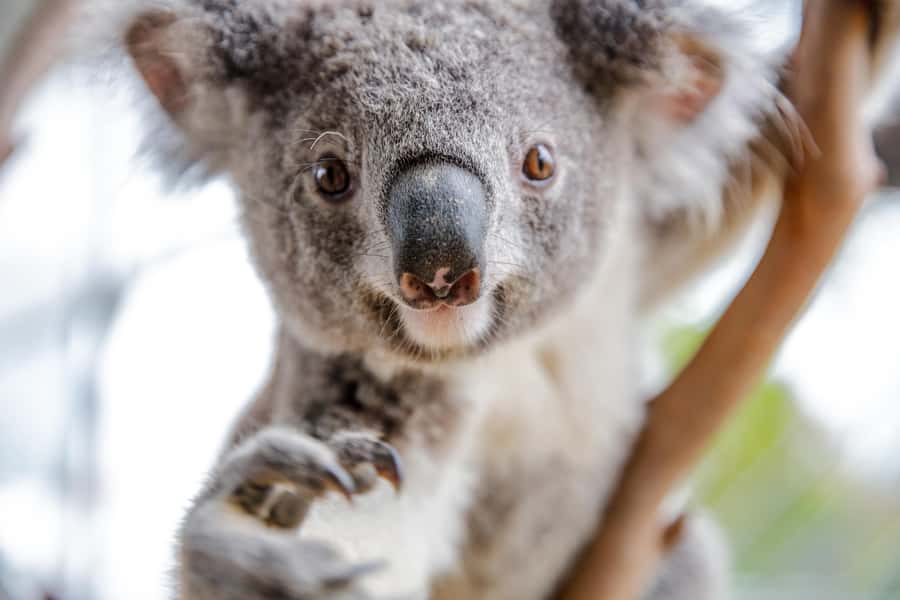
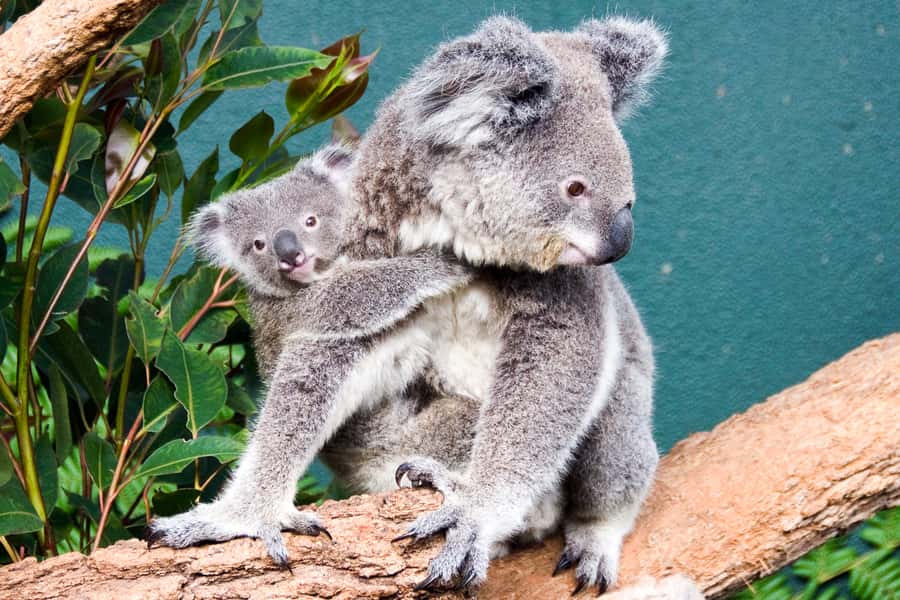
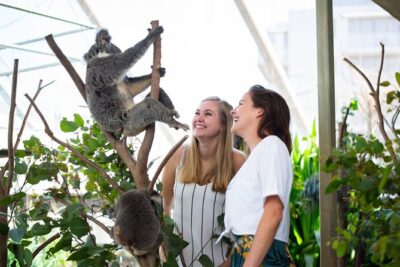
- Koalas are a big focus: There are lots of chances to spot them, and some optional add-ons exist.
- Wombats with real “burrow” vibes: You’ll see hairy-nosed wombats in habitat-style viewing.
- Daintree Rainforest and Kakadu Gorge themes: Northern Australia terrain is recreated right in Sydney.
- Crocodiles and turtles in water areas: The wet habitat moments are a standout.
- Keeper talks add context: Staff explain what you’re seeing and why it matters.
Entering WILD LIFE Sydney Zoo at Aquarium Wharf
This is a zoo built for convenience. You’re in the heart of Sydney at Aquarium Wharf in Darling Harbour, so you can slot it into a day of sightseeing without a big travel shuffle. Even better, the zoo is designed as a walk-through experience, so you’re not just staring at far-off exhibits.
You’ll also like that the place is made to be browsed at your pace. One of the real values here is that you can do it as a focused 2 to 3 hour outing, or stretch it if you stop for details and talks.
For planning, opening hours are 10:00 AM to 4:00 PM, with last entry at 3:00 PM. So if you want a relaxed visit, aim to arrive before lunchtime rather than racing in at the end.
Sydney enclosures and sanctuaries, compared
- Blue Mountains Small-Group Tour from Sydney with Scenic World,Sydney Zoo & Ferry★ 5.0 · 3,709 reviews
- Sydney: Taronga Zoo Ticket with Return Ferry★ 4.5 · 1,142 reviews
- Sydney Taronga Zoo General Entry Ticket★ 4.0 · 941 reviews
- Taronga Zoo Entry & Return Ferry – Sydney Harbour★ 4.5 · 722 reviews
The $27 ticket and what you actually get for it
WILD LIFE Sydney Zoo costs about $27 per person for a 1-day visit. That may sound like a lot until you match the price to what’s included: WILD LIFE Sydney entry, encounters with iconic marsupials, 9 habitat zones, and over 100 species of Australian animals.
In other words, you’re paying for variety and access, not just a short list of “top animals.” It’s a good fit if you only have a limited time window in Sydney and you want the big native species in one compact circuit.
Do note that some popular add-ons cost extra. The most common one is a photo with the koalas, and that is not included in the base ticket.
How the 9 Aussie habitat zones shape your route
The zoo’s layout is the point. Instead of one long corridor of cages, you move through themed areas that mimic different parts of Australia, including Northern Territory settings. As you walk, your expectations can change fast, from grass-and-burrow habitats to rainforest-style enclosures.
Here’s how the experience tends to feel as you move from zone to zone, and what to look for.
Wallaby Cliffs and the rock-wallaby focus
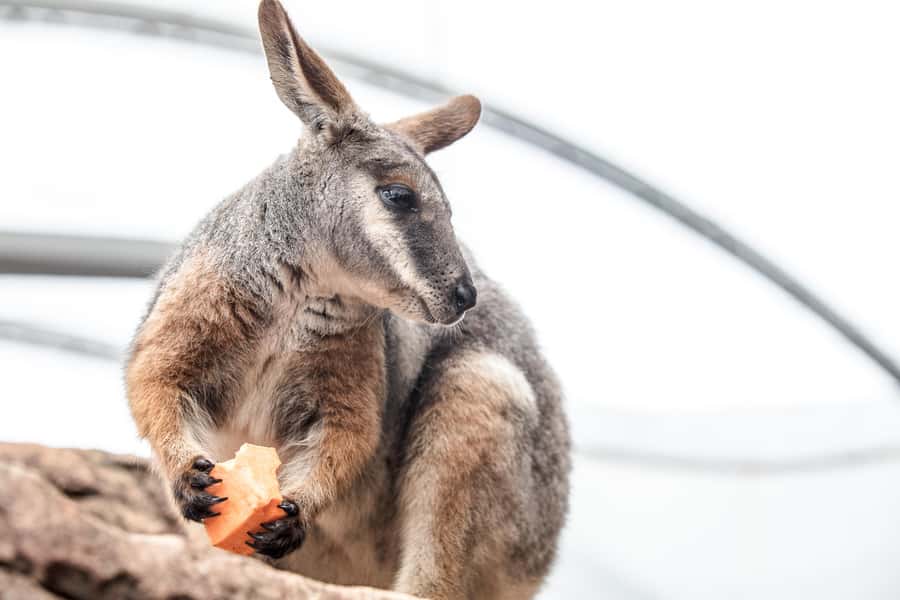
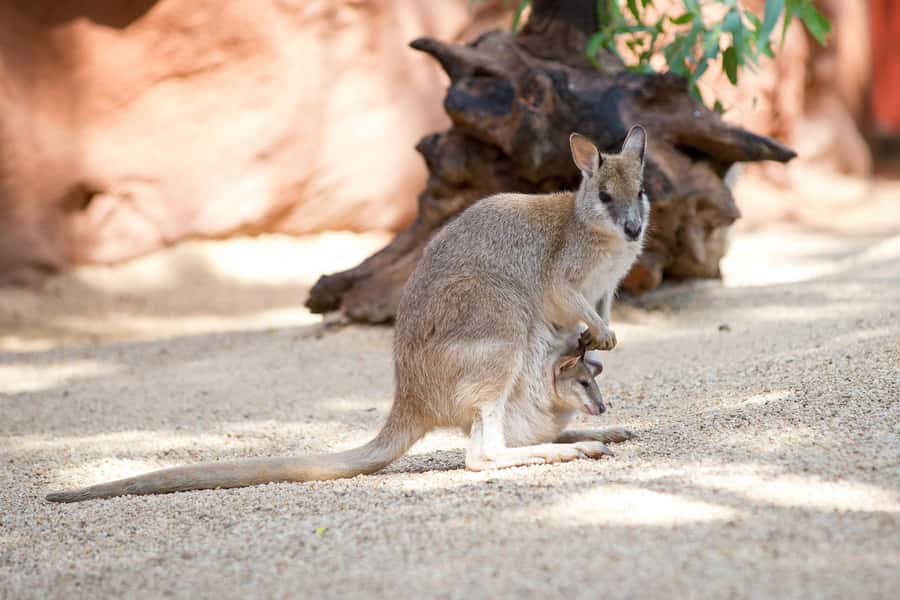
One of the early draws is the Wallaby Cliffs area, where you can spot yellow-footed rock-wallabies. These are tough, well-adapted animals built for rocky terrain, and watching their movement is a big payoff. You’re also more likely to slow down here because the animals feel active and “on display” in the habitat design.
If you’re traveling with kids, this is often the moment that grabs their attention fastest. It’s also a good first stop if you want to photograph agile jumping behavior before the crowd swells.

Kangaroos in walk-through habitats
Then come the kangaroos. The zoo’s layout emphasizes walk-through encounters, which means you’re not just viewing behind a barrier the whole time. This is one of the best ways to understand how these animals use space and posture, especially if you watch quietly and give them time.
A practical tip: keep an easy pace, but don’t hover. If you stand in one place too long, you’ll block other people and the area can get more crowded than it needs to be.
Hairy-nosed wombats and the “burrow” viewing
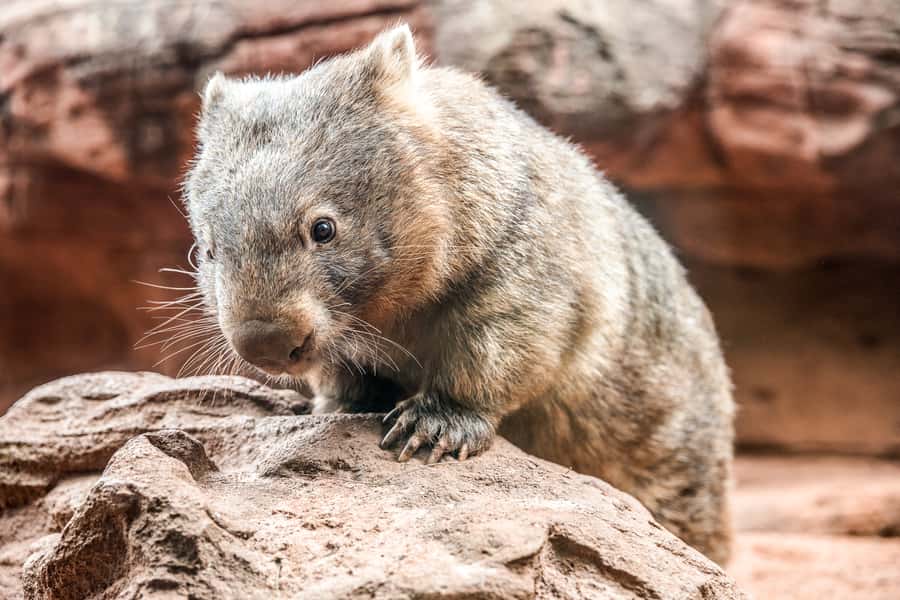
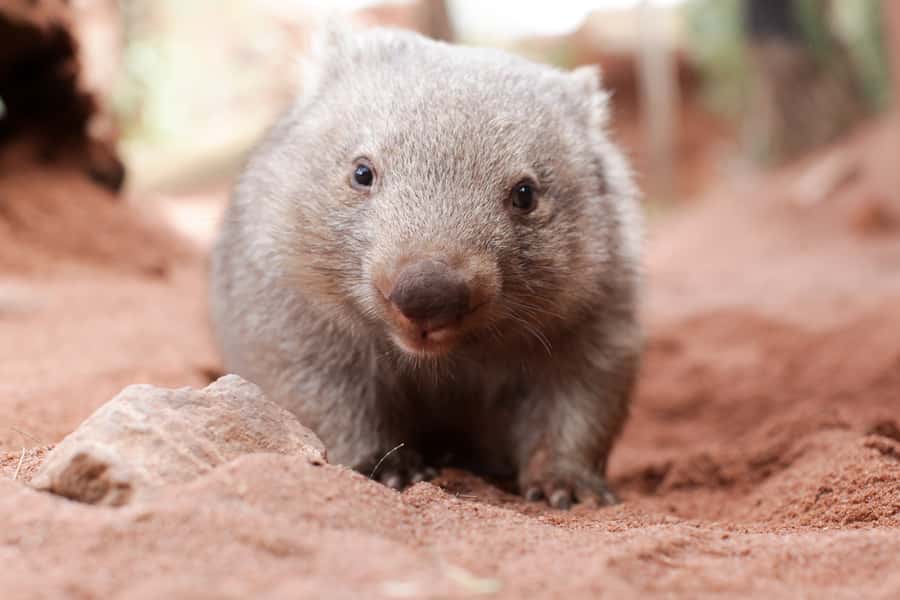
Next, you’ll likely find the habitat for hairy-nosed wombats. The viewing style focuses on how they shelter down deep burrows and graze. It’s a slower, grass-munching kind of experience compared to the bouncing rock-wallabies.
I like that this gives you a break in energy. It’s also a useful moment to learn what wombats actually do all day, because it’s not just a cute face. Watch for steady feeding behavior rather than expecting constant action.
Daintree Rainforest recreation
You then shift into the Daintree Rainforest recreation. This is where the zoo leans into “look down, look up, look through” habitat design. Expect butterflies, foliage pockets, and the chance to notice animals that don’t stay in the open.
This part is also a good example of why the zoo works in a city setting. You can move through an atmospheric environment in Sydney without needing a long drive.
Northern Territory Top End themes: gorges, estuaries, and the surprises
WILD LIFE Sydney Zoo does a smart job of giving you a sense of the Northern Territory’s Top End without requiring a road trip. You’ll move through Kakadu Gorge style areas and additional settings that include gorges, grassland, floodplains, and estuary flats.
That variety matters because it makes each stop feel different. Instead of seeing the same enclosure style over and over, you’re responding to changing terrain cues.
Butterflies, snakes, and the “foliage” factor
In the rainforest and themed zones, you’ll see colorful butterflies and you may also spot snakes in foliage. This can feel thrilling for some visitors and a little unsettling for others, depending on your comfort level.
If you’re anxious around snakes, you don’t need to rush. Move at your pace, and focus on butterflies and higher-visibility areas first. You can always circle back if you decide to keep going.
Turtles and crocodiles by water
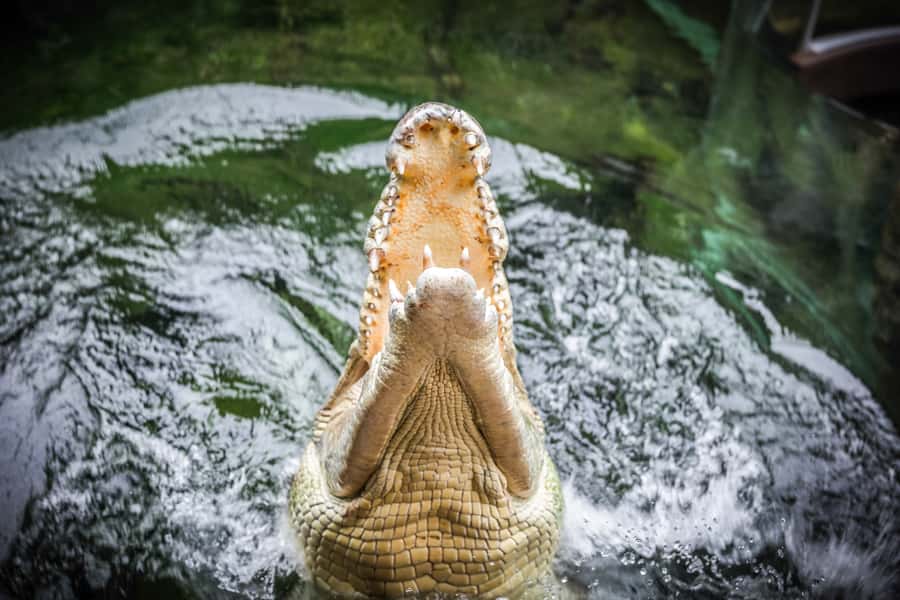
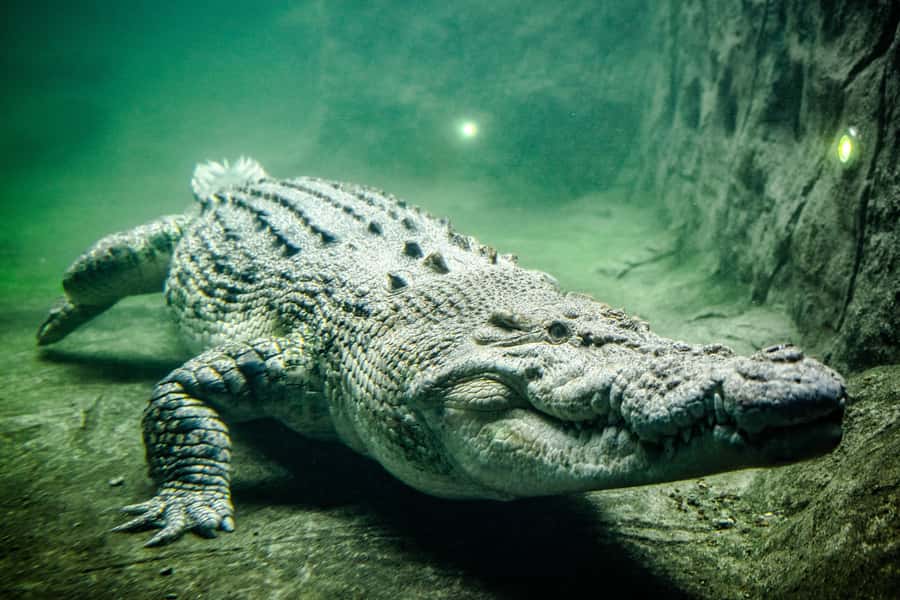
One of the biggest “wow” moments is the water habitat. You can watch turtles and crocodiles glide through the water, and there’s even a named highlight, Rex the crocodile.
This is where the zoo earns its keep. Crocodiles look different when they move through water rather than when you’re only watching still animals. If you plan one pause with your phone ready, make it the water area time slot.
Keeper talks: why they improve the whole visit
The zoo includes entertaining, informative keeper talks. This is a real value add because it changes how you view the animals. Instead of treating the day like a checklist, you start connecting animal behavior to habitat and care.
I especially like that the keepers are described as helpful and knowledgeable, with short, engaging explanations. It’s also one of the easiest ways to learn without needing a guide.
If you want maximum payoff, build your schedule around talk times when possible. Arrive a bit early so you don’t miss the first round, then keep your eyes open for cues from staff once you’re inside.
Timing in Sydney: how to avoid the rushed feeling
Your best approach is simple: don’t wait until the final hour. Last entry is at 3:00 PM, and the zoo closes at 4:00 PM. If you arrive later, you’ll feel the pressure to speed through, which is a shame because the animals reward patience.
Also, Darling Harbour can get busy. Since the zoo is compact, peak crowds can make it feel tighter than it would on a quiet day. If your schedule allows, consider coming early on a weekday, or arrive before lunch.
One more practical note: the zoo can be a great choice during hot weather. Because it’s an indoor-to-semi-enclosed walking experience with shaded habitat areas, it’s easier than spending hours outside in full sun.
Food, downtime, and staying comfortable
You won’t find a huge food scene here, but there is a cafe on site. One review mentions a small cafe with seating looking at the koalas, which sounds like a smart option if you want a break without leaving the grounds.
Bring water and wear comfy shoes. You’ll walk a lot for a 1-day visit, especially if you stop at multiple zones and watch water habitats more than once.
Who should book WILD LIFE Sydney Zoo?
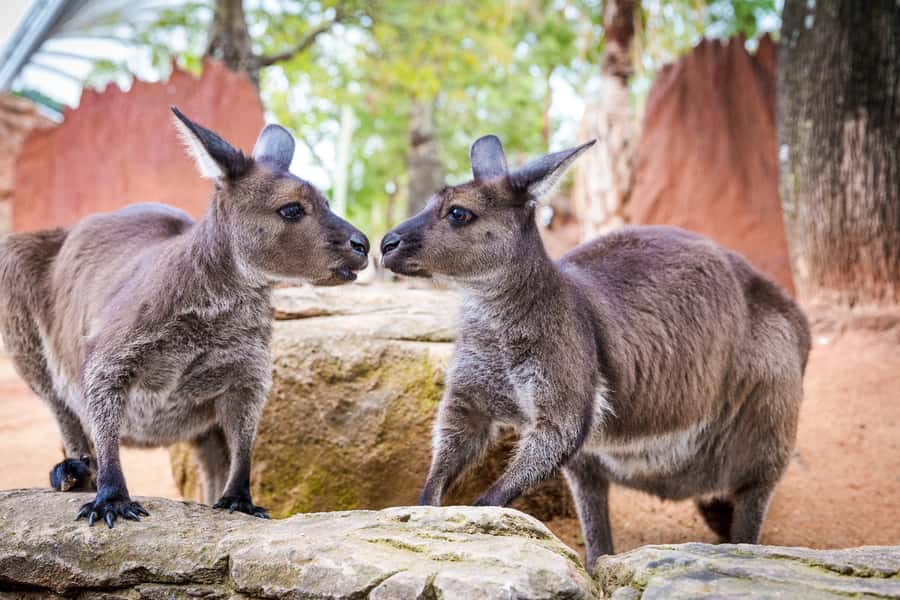
This zoo is a great match if you want native Australian wildlife in a city-friendly format. You’ll be happiest here if you care about animals like kangaroos, koalas, wombats, crocodiles, wallabies, plus the smaller stars like butterflies.
It’s also a good fit for families with limited time, because the zoo focuses on iconic species and keeps the momentum moving. For solo travelers, it’s an easy way to see a lot quickly, and keeper talks can add context without turning the day into a rigid tour.
Two groups should think twice. If you strongly dislike snakes, plan your route with extra caution. If you hate crowds, consider visiting during quieter times because the grounds are compact.
Should you book WILD LIFE Sydney Zoo?
Book it if you want a one-day, city-based wildlife hit, with close encounters and multiple Australian habitat themes. It’s also a strong pick if you’re trying to see a lot without spending the day traveling far beyond Sydney.
Skip or rethink it if you expect a sprawling zoo experience with lots of space to roam, because this one is intentionally compact. And if snakes are a deal-breaker for you, you may find that part less enjoyable.
If you can go earlier in the day, factor that in. The zoo closes at 4:00 PM, with last entry at 3:00 PM, and arriving early helps you enjoy the animals instead of racing to finish.
FAQ
Where is WILD LIFE Sydney Zoo located?
It’s located in the heart of Sydney at Aquarium Wharf in Darling Harbour, New South Wales, Australia.
How much does WILD LIFE Sydney Zoo cost?
The price is listed as $27 per person.
How long is the experience?
It’s valid for 1 day.
What are the opening hours and last entry?
Current opening hours are 10:00 AM to 4:00 PM, and the last entry is at 3:00 PM.
What animals can you see?
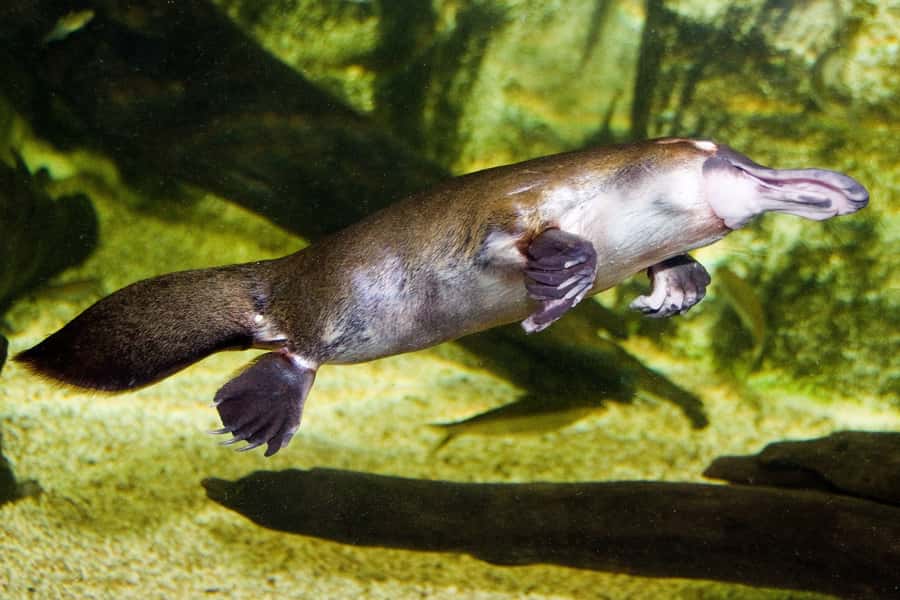
You can expect close encounters with kangaroos and koalas, plus wombats, yellow-footed rock-wallabies, butterflies, snakes, and water animals like turtles and crocodiles, including Rex the crocodile.
What’s included in the ticket?
Included are WILD LIFE Sydney entry, encounters with koalas and other iconic marsupials, 9 Aussie-themed habitat zones, and access to over 100 species of Australian animals.
Is a guided tour included?
No. A guided tour is not included.
Is the photo with the koalas included?
No. Photos with the koalas are not included.
Can I cancel or pay later?
Free cancellation is available up to 24 hours in advance for a full refund. There’s also a reserve now, pay later option.
Zoos and Sanctuaries Around Sydney
- Blue Mountains Small-Group Tour from Sydney with Scenic World,Sydney Zoo & Ferry
★ 5.0 · 3,709 reviews

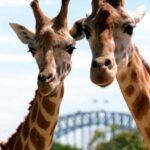

Added lately from Sydney
- Sydney: Hunter Valley Sunrise Balloon Flight with Transfer
★ 4.4 · 20 reviews - Sydney: Discover Scuba Dive at Australia’s most Iconic Beach
★ 4.8 · 20 reviews - Vivid 90-Minute Sydney Harbour Intimate Catamaran Cruise with Canapes
★ 5.0 · 21 reviews - RENT at the Sydney Opera House
★ 4.5 · 21 reviews - Sydney: PRIVATE City Highlights & Ocean Front Luxe Tour (4h)
★ 5.0 · 21 reviews - Badass Women of Sydney: Meet the Women Who Shaped the City
★ 5.0 · 21 reviews
Sydney Wildlife Parks & Zoos, compared.
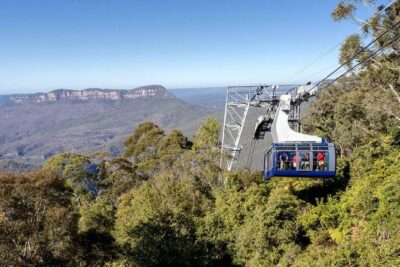 ★ 5.0Blue Mountains Small-Group Tour from Sydney with Scenic World,Sydney Zoo & FerryFrom $1613,709 reviews
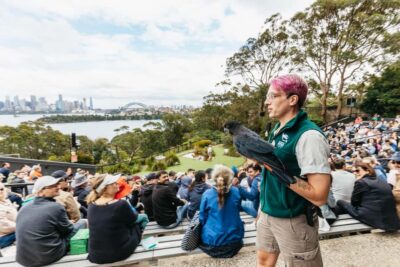 ★ 4.6Sydney: Taronga Zoo TicketsFrom $381,551 reviews
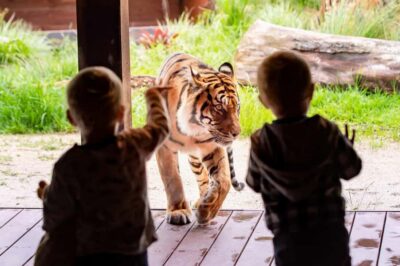 ★ 4.5Sydney: Taronga Zoo Ticket with Return FerryFrom $551,142 reviews
 ★ 4.0Sydney Taronga Zoo General Entry TicketFrom $39941 reviews
 ★ 4.5Taronga Zoo Entry & Return Ferry – Sydney HarbourFrom $56722 reviews
 ★ 4.6Breakfast with Koalas at WILD LIFE Zoo Darling HarbourFrom $63320 reviews
 ★ 5.0Blue Mountains Day Tour With Bushwalks, Waterfalls & FeatherdaleFrom $135305 reviews
 ★ 4.5Sydney Attractions Pass: SEA LIFE Aquarium, Sydney Tower Eye, WILD LIFE Zoo and Madame TussaudsFrom $38273 reviews
Browse the lists this tour appears in