

REVIEW · ALICE SPRINGS & THE RED CENTRE
A Town Like Alice: Half-Day Tour of Alice Springs
Five stops, zero fluff. This A Town Like Alice tour stitches together the Alice Springs places that keep the outback running, from the School of the Air to the Royal Flying Doctor Service. It is a smart way to understand how a small town became the service hub for an enormous region.
I love how the School of the Air shows education for kids on remote properties, delivered by satellite across more than one million square kilometres. I also love the RFDS museum angle, with stories, images, and interactive exhibits that make medical care in remote Australia feel real.
One possible drawback is that it is packed. You’ll get time at each stop, but it is not built for long wandering, and the reptile handling is only for those who want it.
In This Review
- Key takeaways before you go
- Alice Springs, explained in one efficient loop
- The School of the Air: education for kids who are not close
- Alice Springs Telegraph Station (1872): communication as the original infrastructure
- Royal Flying Doctor Service headquarters: medicine in a place with long distances
- Alice Springs Reptile Centre: Terry, lizards, and the Gecko Cave
- Anzac Hill: remembrance with local meaning
- Timing and pacing: a full afternoon with five stops
- Guide quality: what makes the tour feel personal
- Price and value: what $118 gets you in real terms
- Who this tour suits best
- Practical tips to make your day easier
- Should you book A Town Like Alice?
- FAQ
- How long is the A Town Like Alice tour?
- What stops are included in the tour?
- Is transport included?
- Are entrance fees included?
- Does the tour have a live guide?
- Is skip-the-ticket-line included?
- Is gratuity included in the price?
Key takeaways before you go

- Satellite learning at the School of the Air, built for primary-aged students on remote properties
- Alice Springs Telegraph Station (built 1872), with stone buildings and early 1900s furnishings
- Royal Flying Doctor Service headquarters and interactive museum, focused on medical support across remote Australia
- Alice Springs Reptile Centre with Terry the saltwater crocodile, plus the Gecko Cave
- Afternoon reptile show and supervised handling session, optional but fun if you’re game
- Anzac Hill memorial, honoring Australians who served in wars from WWI onward
Alice Springs, explained in one efficient loop
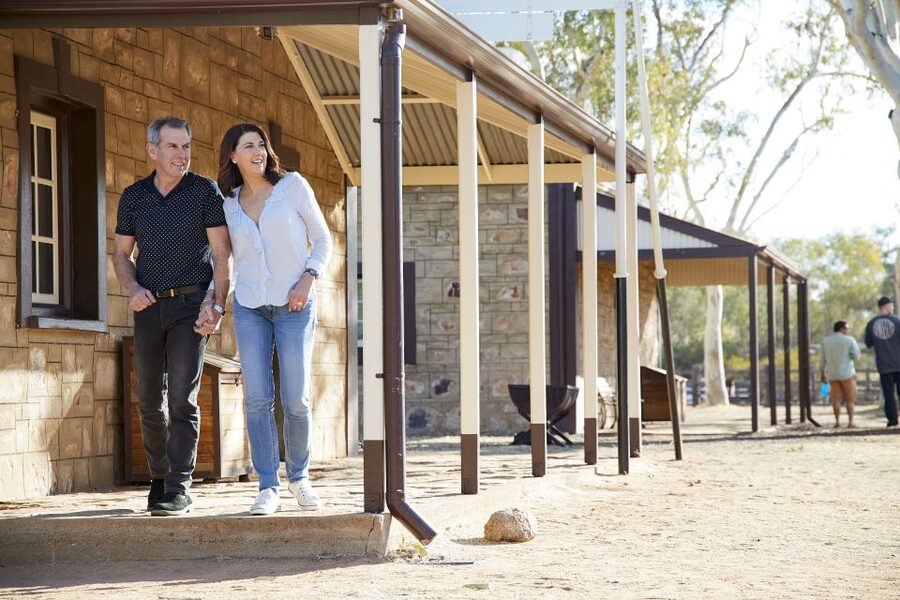
Alice Springs can feel like a dot on the map until you see what it actually does. This tour is built like a practical story of how the town connects people who live far away, with services that run on communication, transport, and care.
You ride in an air-conditioned coach and your driver guide handles the commentary across the whole day. That matters here. Without the guide’s context, some stops read like separate attractions. With the guide, you start to see the pattern: education, communication, healthcare, animal life, then remembrance.
Pickup is included from selected hotels in Alice Springs, and entrance fees are part of the price. That takes one little headache off your plate when you’re trying to keep your day moving in the heat.
Gaps, gorges and the town in the middle
- From Alice Springs: Day Trip to Uluru with BBQ Dinner★ 4.6 · 761 reviews
- Ayers Rock Day Trip from Alice Springs Including BBQ Dinner★ 4.5 · 639 reviews
- Early Morning Ballooning in Alice Springs★ 5.0 · 426 reviews
- West MacDonnell Ranges Day Trip from Alice Springs★ 4.5 · 364 reviews
The School of the Air: education for kids who are not close
The tour’s first stop is the Alice Springs School of the Air. If you only know Alice Springs for travel clichés, this is where the place gets interesting fast. The big idea is simple and huge: this school provides education for primary-aged children living on remote properties throughout the Northern Territory.
What I like about this stop is how it reframes distance. More than one million square kilometres sounds abstract until you see what that means for families. Instead of kids leaving home to attend school, learning is delivered via satellite. That turns technology into an education lifeline.
Plan for more than a quick look. You’ll learn how the service works and why it matters, and you’ll get a strong sense of how remote communities build stability when kids need continuity in their education.
Alice Springs Telegraph Station (1872): communication as the original infrastructure
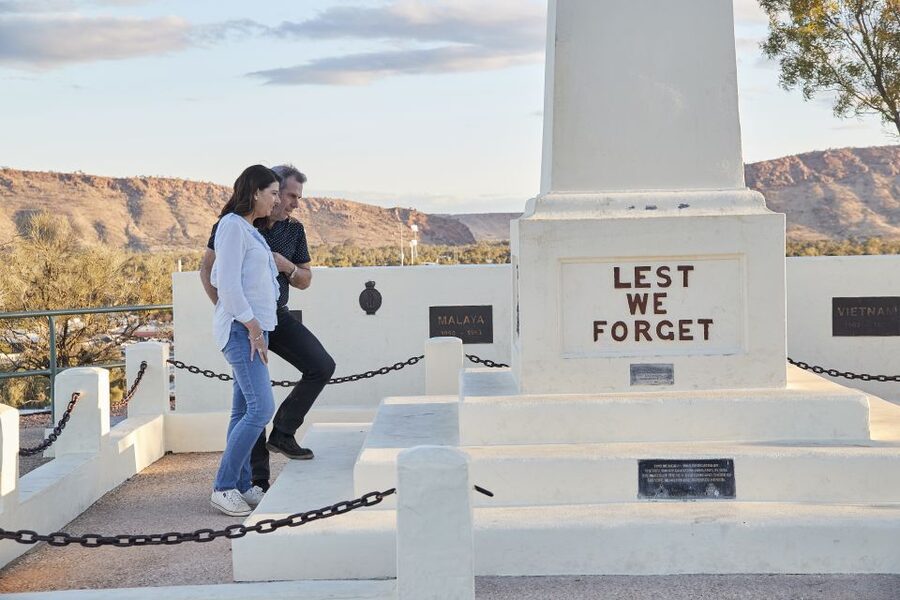
Next up is the Alice Springs Telegraph Station. Built in 1872, it was designed to relay messages between Darwin and Adelaide. The station is tied to the first European settlement in Alice Springs, and that context gives the stone buildings more weight than a normal historic site.
Here’s the twist that makes the visit more than a photo stop: after about 60 years of operation, the premises later served as a school for local Aboriginal children. Today it is a historical reserve, and you can see original stone structures plus furnishings from the early 1900s.
For your day, this stop works because it connects to the School of the Air in a backwards sort of way. One place shows how information travels now. The Telegraph Station shows how it travelled when the world was smaller only in imagination, and bigger in reality.
Royal Flying Doctor Service headquarters: medicine in a place with long distances
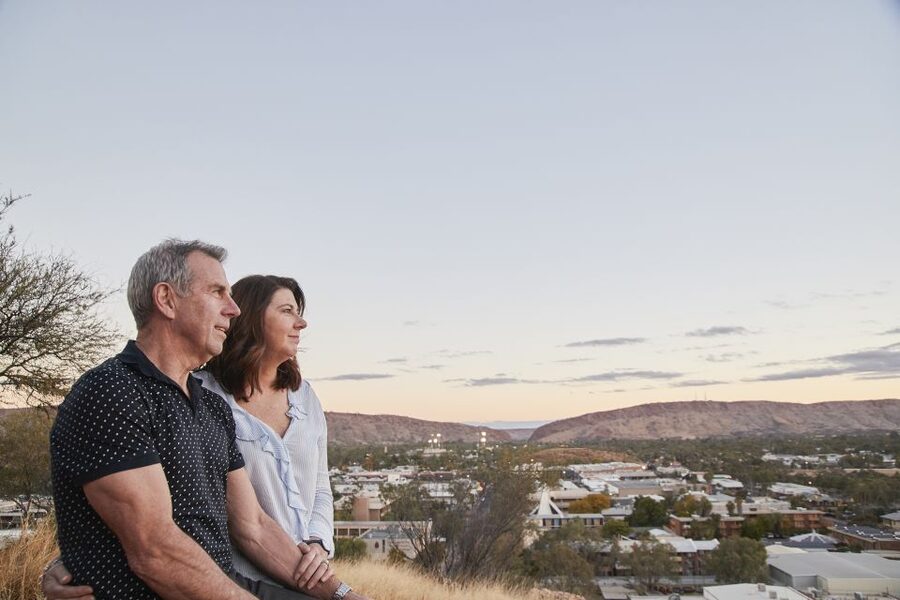
Then you head to the Royal Flying Doctor Service (RFDS) home and headquarters. This is the stop I’d call the emotional center of the tour, because the topic is serious, but the presentation is accessible.
The RFDS delivers medical services to people who live, work, and travel in remote and rural Australia. That is not just “healthcare as a concept.” This is healthcare as movement, coordination, and response when normal access routes do not exist.
The museum is part of what makes this visit strong. You learn through stories and images, and there are interactive elements that help you picture how support gets there. The tour also focuses on how supplies make it to the outback, which ties the “how” to the “why” behind the RFDS’s mission.
If you want to understand why Alice Springs became a hub, this is a big reason. It is not just where people pass through. It is where key services can be organized for an enormous region.

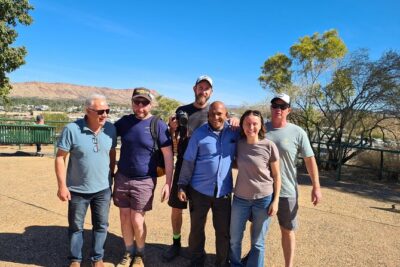
Alice Springs Reptile Centre: Terry, lizards, and the Gecko Cave
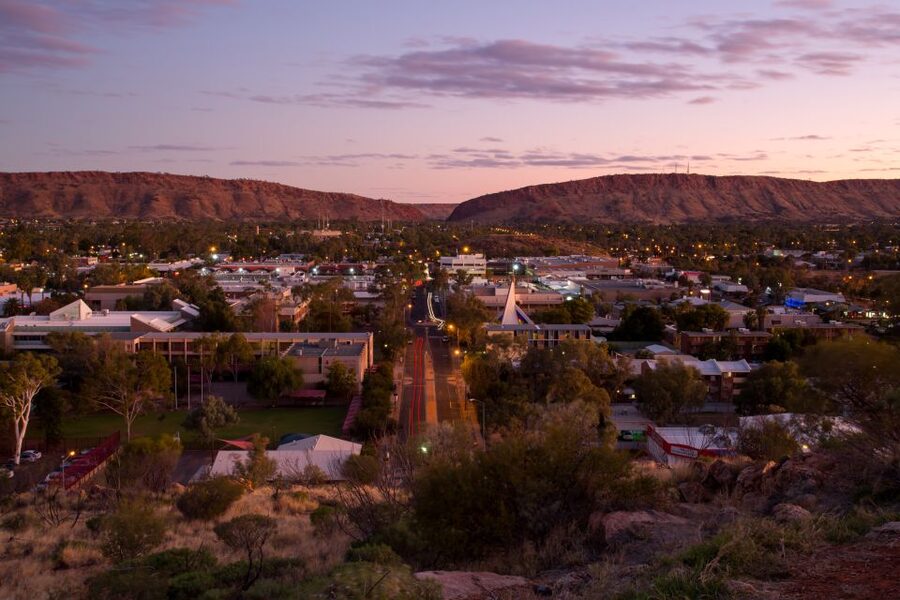
From serious to silly, the Alice Springs Reptile Centre is a change of pace that most people enjoy. The centre is home to the largest reptile display in Central Australia, and you get close to some impressive characters.
You’ll meet Terry the saltwater crocodile, then see enormous goannas and frill-neck lizards. There is also the Gecko Cave, which features a large collection of gecko species from across the Northern Territory.
The fun here is built in layers. There is an afternoon show, and you can also consider the supervised handling session if you’re game. If handling is not your thing, you can still enjoy the displays and the education without pushing your comfort level.
This stop gets bonus points for turning a wildlife visit into something more instructive. Even if you do not touch anything, you learn how local reptiles live and why the centre matters for education and awareness.
Anzac Hill: remembrance with local meaning
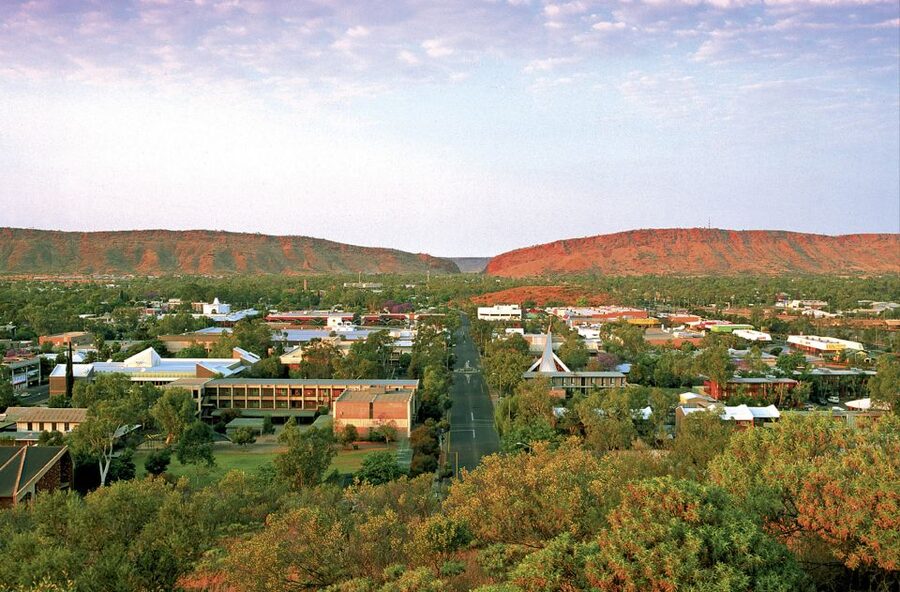
Your last stop is Anzac Hill. The memorial started as a dedication to men and women who lost their lives during WWI. Today it honors Australians who have served in wars where Australia played a role.
This part of the tour is quieter than the animal stop, but it provides grounding. The whole day is about services and survival across distance, and Anzac Hill adds a different kind of connection, one based on shared national history and sacrifice.
Take a moment here. Rushing through memorials is easy when you’re on a schedule. The better approach is to slow down enough to read and absorb, then let your guide’s context do the rest.
Timing and pacing: a full afternoon with five stops
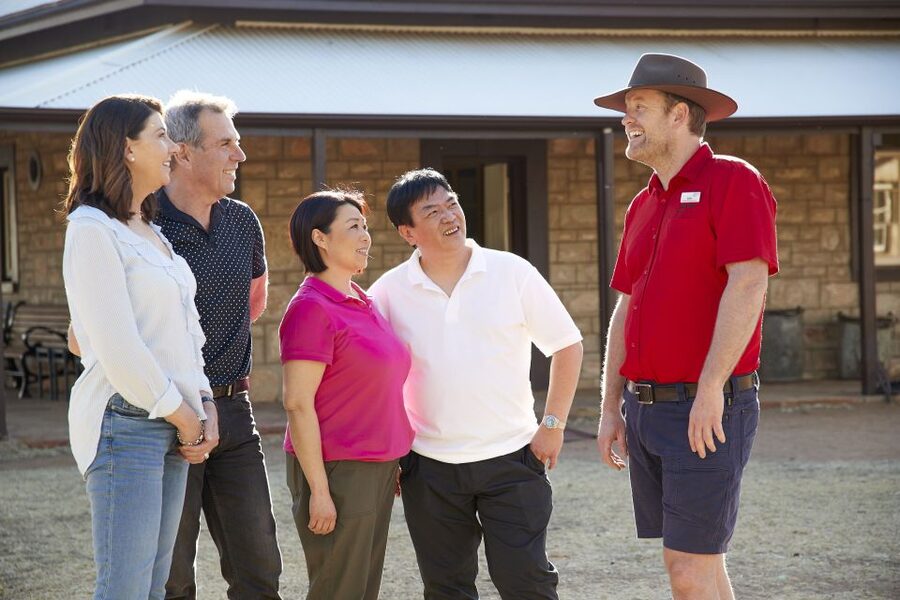
This experience is listed as a half-day tour, with a duration of 255 minutes. It is also shown with starting times that can extend up to 10 hours, so it’s worth checking your exact departure option.
Either way, the shape of the day stays the same: you travel by coach, hit five major stops, and come back with a set of clear takeaways. It is not a one-stop “sit and stare” tour, and that is a good thing if you like structure.
AAT Kings includes skip-the-ticket-line entry and entrance fees, so you’re spending time learning, not queuing. Still, you’ll want to think like a half-day shopper. Wear comfortable shoes, keep your sun protection handy, and pace yourself so you can enjoy the reptiles without feeling wiped out.
Guide quality: what makes the tour feel personal
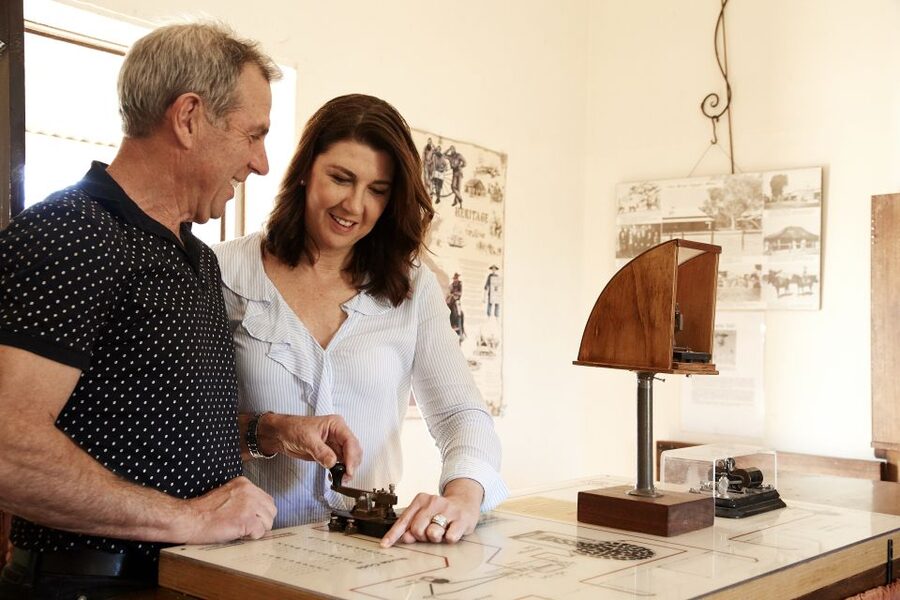
One reason this tour earns such strong marks is the guide experience. In the past, guides like Martin, Barry, Joe, Jerry, and Miles have been praised for being informative, communicative, and easy to follow.
What you should look for on the day is not just trivia. A good driver guide makes each stop connect to the others. They explain why satellite education matters. They show how a telegraph station fits into that same story of communication. They make the RFDS feel like a living service, not a museum piece.
If you get a guide who can talk clearly and keep the group moving, the whole loop feels smooth. If you prefer lots of Q and A, this tour format usually works well because you’re with the same person through multiple stops.
Price and value: what $118 gets you in real terms

At $118 per person, the tour isn’t a bargain-basement option. But it also isn’t just sightseeing. You’re paying for a guided loop through five institutions that cover real functions in the outback, plus the logistics that make the day easier.
Here’s what is included:
- Experienced driver guide and comprehensive commentary
- Air-conditioned coach transport
- Entrance fees
- Skip-the-ticket-line entry
And what is not included:
- Gratuity, which is optional
Value is also about what you leave with. You’re not only seeing buildings and animals. You’re learning how remote communities handle education, communication, and healthcare. That education component is exactly what makes the stops feel worth it, especially when you’re short on time in Alice Springs.
If you’re the type who would otherwise buy separate admission tickets, book separate transfers, and still try to line everything up yourself, this format usually saves effort. Even if you enjoy self-guided travel, the guided commentary is a big part of the payoff here.
Who this tour suits best
This is a strong fit if you:
- Want an overview of Alice Springs that goes beyond downtown streets
- Like real-world outback services, not just scenic stops
- Are traveling with kids or teens who will enjoy the reptiles and the education themes
- Care about interactive learning, especially at the RFDS museum
It might be less ideal if you:
- Hate animal encounters and would prefer a day without the Reptile Centre
- Want a very slow schedule with lots of free time
- Prefer deep history sessions that stretch longer than a single afternoon
That said, even the reptile stop is flexible. Handling is supervised and optional. You can focus on observation and learning if that is your style.
Practical tips to make your day easier
Keep these in mind so the tour feels fun instead of stressful:
- Expect a coach day with multiple entrances and brief stop times, so pack light
- Dress for warm Central Australian weather and bring sun protection
- If you plan to try supervised handling at the reptile centre, be ready to follow staff instructions
- Have your questions ready for the guide. This is the kind of tour where good questions improve the whole experience
Should you book A Town Like Alice?
I think this tour is worth booking if you want a smart Alice Springs primer that explains how the town supports the remote outback. The lineup makes sense: School of the Air for education, Telegraph Station for communication, RFDS for medical care, Reptile Centre for hands-on wildlife fun, then Anzac Hill for remembrance.
If your goal is pure relaxation, this might feel a bit busy. But if you like an efficient loop with strong interpretation and a mix of serious and playful stops, you’ll likely enjoy it.
FAQ
How long is the A Town Like Alice tour?
The duration is listed as 255 minutes, and the tour can also be shown with durations up to 10 hours depending on the starting time you choose.
What stops are included in the tour?
The tour includes the Alice Springs School of the Air, the Alice Springs Telegraph Station, the Royal Flying Doctor Service, the Alice Springs Reptile Centre, and Anzac Hill.
Is transport included?
Yes. You travel in an air-conditioned coach, and pickup is included from selected hotels in Alice Springs.
Are entrance fees included?
Yes. Entrance fees are included in the tour price.
Does the tour have a live guide?
Yes. You get a live tour guide who speaks English, along with comprehensive commentary during the drive.
Is skip-the-ticket-line included?
Yes. The tour includes skip-the-ticket-line entry.
Is gratuity included in the price?
No. Gratuity is not included, and it is optional.
Gorges Out of Alice
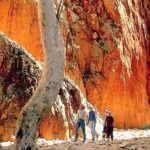
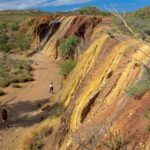
Added lately from Alice Springs
- From Alice Spring: West MacDonnell Ranges Half-Day Tour
★ 4.8 · 98 reviews - West MacDonnell Ranges Half day Tour -Small Group
★ 4.5 · 99 reviews - Uluru: 4-Day Rock to Rock Adventure Tour
★ 4.9 · 141 reviews - Alice Springs Desert Park General Entry Ticket
★ 5.0 · 150 reviews - Uluru, Kata Tjuta and Kings Canyon Camping Safari from Alice Springs
★ 5.0 · 162 reviews - Alice Springs: Early Morning Hot Air Balloon Flight
★ 4.9 · 243 reviews
Alice Springs & the Red Centre, compared.
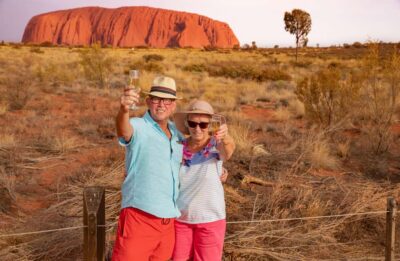 ★ 4.6From Alice Springs: Day Trip to Uluru with BBQ DinnerFrom $254761 reviews
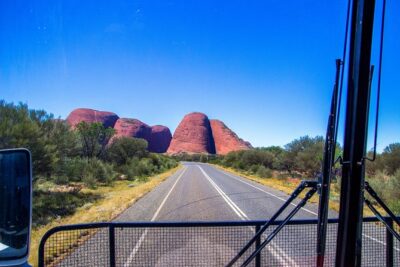 ★ 4.5Ayers Rock Day Trip from Alice Springs Including BBQ DinnerFrom $262639 reviews
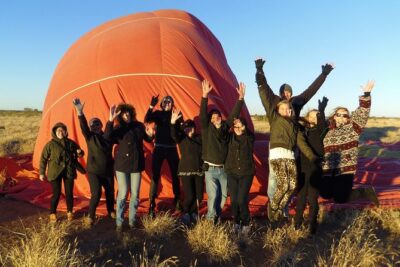 ★ 5.0Early Morning Ballooning in Alice SpringsFrom $265426 reviews
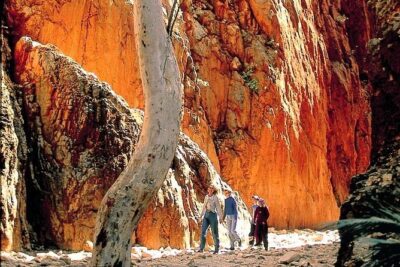 ★ 4.5West MacDonnell Ranges Day Trip from Alice SpringsFrom $175364 reviews
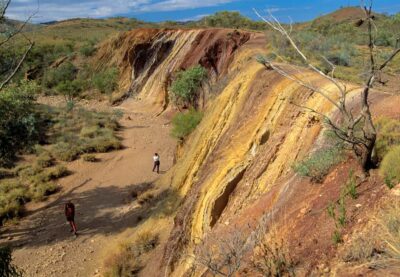 ★ 4.7From Alice Springs: West MacDonnell Ranges Day TripFrom $169296 reviews
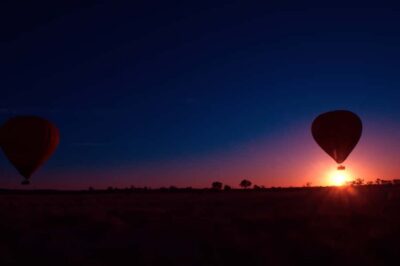 ★ 4.9Alice Springs: Early Morning Hot Air Balloon FlightFrom $258243 reviews
 ★ 5.0Uluru, Kata Tjuta and Kings Canyon Camping Safari from Alice SpringsFrom $713162 reviews
 ★ 4.5Alice Springs to Ayers Rock (Uluru) One Way ShuttleFrom $178156 reviews
Browse the lists this tour appears in