
REVIEW · ULURU & AYERS ROCK TOURS
Uluru, Kata Tjuta and Kings Canyon Camping Safari from Alice Springs
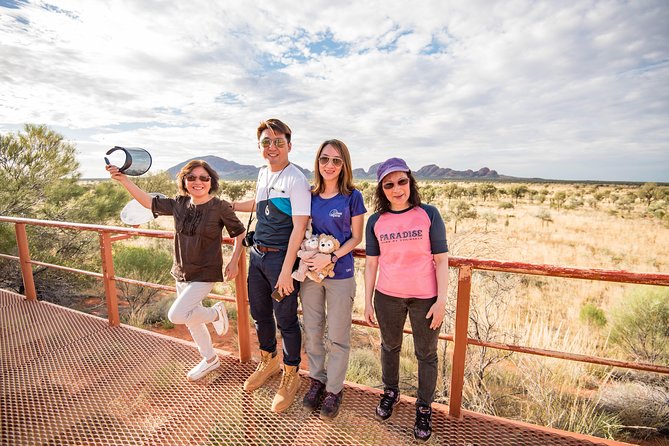
Sunrise at Uluru is the start of it all. This 3-day Red Centre camping safari is interesting because it builds your days around the light, with Uluru at sunrise and sunset plus Kings Canyon rim walk views you cannot fake. You leave Alice Springs by coach, then spend real time walking through Uluru-Kata Tjuta National Park and Watarrka National Park, with meals and a small-group vibe (max 23).
I love that the itinerary mixes big moments with guided help, so you do not just drive past famous places. The hikes are paced for a moderate fitness level, and the cultural stops at Uluru-Kata Tjuta are built into the schedule. My only caution is the heat and the early mornings, because temperatures can run as high as 41 to 43°C, and you are moving for hours each day.
If you can handle the desert pace, this tour turns famous sights into something practical, personal, and unforgettable.
In This Review
- Key Things That Make This Safari Worth Your Time
- The Real Hook: Uluru at Sunrise and Sunset
- Alice Springs to the Red Centre: Long Coach Days, Smart Planning
- Day 1: Kata Tjuta Domes in the Afternoon, Uluru at Sunset
- Day 2 Morning at Uluru: Cool Air Walk, Then Culture at Uluru-Kata Tjuta
- Day 2 Late Day: Watarrka National Park Campsite Night
- Day 3 at Watarrka: Kings Canyon Rim Walk and Garden of Eden Views
- Camping Setup and Meals: What You Should Expect
- Fitness, Timing, and Heat: The Desert Has a Schedule
- Guides and Group Vibe: Small Group Energy Works
- Price and Value Check for $713.66 Per Person
- Who Should Book This Safari, and Who Might Want Another Option
- Should You Book? My Take
- FAQ
- What is the meeting point and start time?
- How long is the safari?
- What does the tour include?
- How many people are in the group?
- Is the tour physically demanding?
- What cultural activities are included?
- What should I bring for hot weather?
- What is the cancellation policy?
Key Things That Make This Safari Worth Your Time
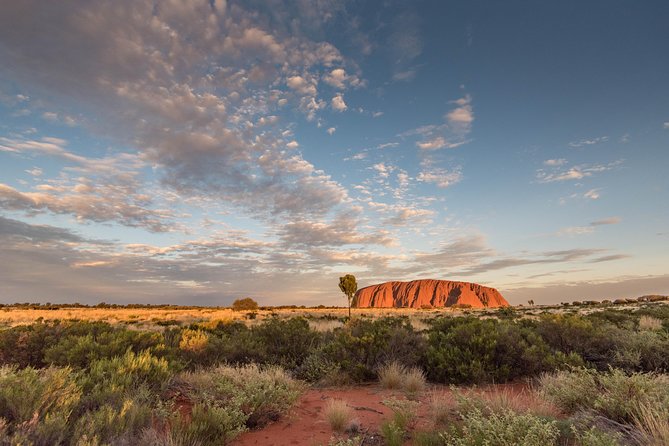
- Uluru sunrise plus sunset: you get the full red-rock color show, not just one photo moment
- Kings Canyon rim walk: the views and canyon scale are why most people say yes to this trip
- Guided treks across all three icons: Uluru-Kata Tjuta National Park and Watarrka National Park, with structure
- Meals included, plus camp camaraderie: lots of shared cooking and cleanup, with a campfire atmosphere
- Small group size (max 23): easier to manage on early starts and during slower walking stretches
- Cultural stops are part of the day, not an add-on: the Uluru Cultural Centre and Maruku Arts walk
The Real Hook: Uluru at Sunrise and Sunset
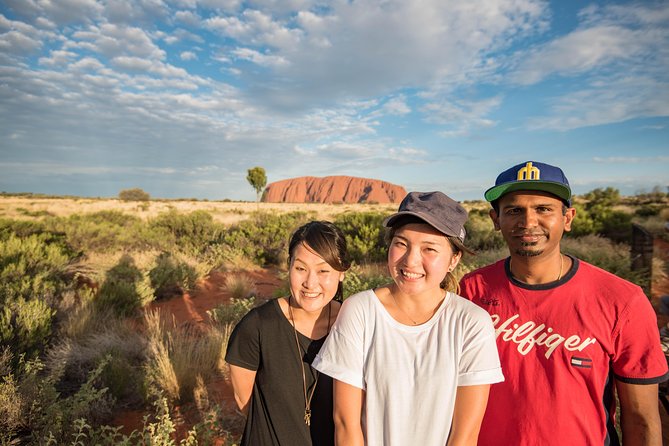
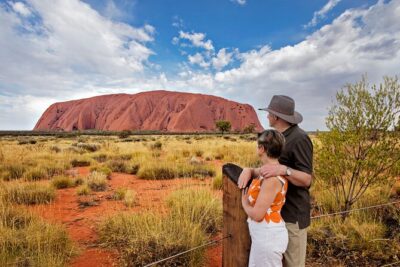
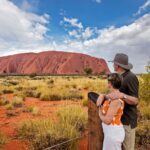
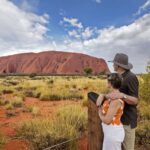
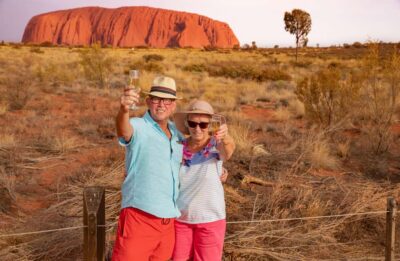
Uluru changes fast. At sunrise, the rock is still cooling down and the sky is doing its own slow magic, turning the whole area into warm oranges and soft shadows. At sunset, the colors deepen as the light drops, and snacks during the golden hour make it feel like a proper ritual.
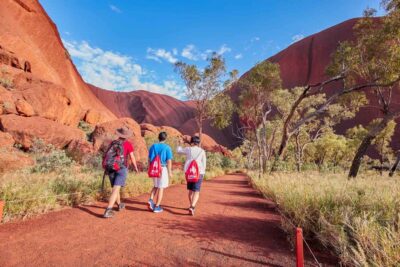
What I like is that this tour does not treat Uluru like a quick drive-by. You get time to walk around the base early, when it is cooler and the air feels clearer. That early walk matters because you start noticing the rock details, the plant life around it, and how the flat plains around Uluru shape the views.
Downside: sunrise logistics are not subtle. You are up early, you are in motion, and you will feel the desert before you feel the sleep. If you hate waking before dawn, this part will be a fight, not a thrill.
Sunrise and sunset slots at the rock, reviewed
- From Alice Springs: Day Trip to Uluru with BBQ Dinner★ 4.6 · 761 reviews
- Ayers Rock Day Trip from Alice Springs Including BBQ Dinner★ 4.5 · 639 reviews
- Uluru, Kata Tjuta and Kings Canyon Camping Safari from Alice Springs★ 5.0 · 162 reviews
- From Alice Springs/Yulara: 4-Day Red Centre 4WD Camping Tour★ 4.6 · 68 reviews
Alice Springs to the Red Centre: Long Coach Days, Smart Planning
You are starting from Alice Springs, and that means lots of time in the coach. One review notes Uluru is over 400 km from Alice Springs, and that distance is a real reason this trip stays tightly scheduled. So plan for a day where you are driven, then hiking later, then driven again.
The upside is that the transport is organized so you can focus on the sites. You are not piecing together buses, ticket booths, and timing across multiple national parks. For many visitors, that is the difference between a smooth trip and a stressful one.
A practical tip for you: the coach days can be long, so pack for comfort. Bring a light layer for early morning, and keep water in reach. The desert heat is not just about sun, it is about how quickly your body feels it once you step outside.
Day 1: Kata Tjuta Domes in the Afternoon, Uluru at Sunset
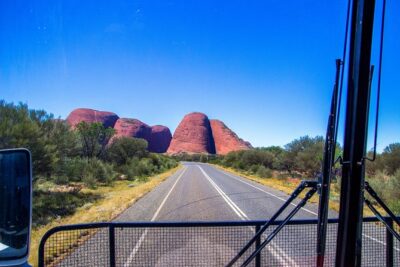
Your first day leans into the contrast of the Red Centre. You start at Uluru-Kata Tjuta National Park, then head to Kata Tjuta, where you will hike among the famous domes. The afternoon timing gives you gentler light for photography and a different feel than sunrise walking.
At Kata Tjuta, the best part is the walking itself. You get 2 hours for an afternoon hike, which is long enough to feel like you actually learned the place, not just passed through it. Kata Tjuta also helps you understand why this region is so visually dramatic, the domes make shadows that shift as you move.
Then you shift to Uluru as the sun drops. You get a 1-hour window at sunset with snacks, and that is where Uluru’s color palette goes from red to deep copper to near-gold. Even if you have seen photos, being there in real time changes how big the rock feels.
Possible drawback: the first day still includes walking in heat. Even if it feels manageable, you will likely feel it by evening. I recommend you start hydrating as soon as you wake up, not after you feel thirsty.
Day 2 Morning at Uluru: Cool Air Walk, Then Culture at Uluru-Kata Tjuta
Day 2 starts early, and you are rewarded with an Uluru sunrise. The morning air is usually cooler, so the base walk is more doable. This part is built around time outside, about 4 hours total for the Uluru experience, with time to walk around the rock and take in how the light hits different faces.
This is also the moment where people often feel the place get quieter inside their own head. Guides commonly help you connect the scenery to real details, like rock formations and the way the area is understood through First Peoples knowledge and storytelling.
After lunch, you head to the Uluru-Kata Tjuta Cultural Centre for 30 minutes. It is a short stop, but you can use it to orient yourself, and you have time to browse art and craft created by First Peoples of Australia. Then you move to Maruku Arts, a 30-minute interpretive cultural walk with an Aboriginal and Torres Strait Islander guide.
One word of caution: 30 minutes goes fast. If a cultural stop is your favorite part of travel, show up ready to look and ask questions fast. You will not have time to wander slowly.
The domes and the canyon rim, in other write-ups
Day 2 Late Day: Watarrka National Park Campsite Night
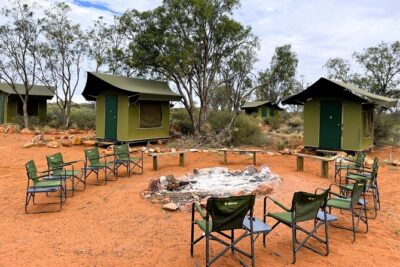
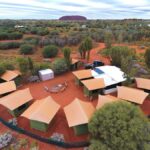
Later you travel into Watarrka National Park and reach the campsite for the overnight. This is the long, satisfying transition day part. You drive to the exclusive campsite, then you eat and sleep there.
This is where the trip becomes truly “camping safari” and not just a sightseeing shuttle. Expect a campsite rhythm: you help with meals or at least participate in the group flow, then you settle in for the night under outback skies.
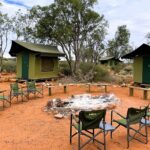
Here is the realistic part for you to know in advance. Camping setup can feel different depending on the conditions and the specific campsite setup. Some people describe tent cabins as comfortable, with power lights and fans inside tents. Others report more basic conditions like limited lighting and fewer amenities. Either way, the outback night sky can be the payoff.
If you like predictability, mentally label this as part of the adventure, not part of the luxury package. If you want a hotel bed and indoor showers, this may not hit the mark.
Day 3 at Watarrka: Kings Canyon Rim Walk and Garden of Eden Views
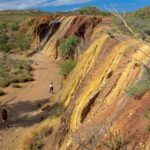
Day 3 is the payoff day for Kings Canyon. The main focus is the canyon itself, a gorge enclosed by very high rock walls. The walking is more strenuous than a flat nature stroll, but it is also the reason the trip gets such strong word-of-mouth.
You get about 4 hours in Watarrka National Park, and that time includes the Kings Canyon rim walk. This is the hike many people call out as worth it. The rim walk gives you the scale of the canyon from above, and you can feel the depth in a way you cannot get from the road.
It also includes the Garden of Eden stop, the lush-feeling pocket that breaks the harsh desert look. Even in dry country, it feels like a dramatic contrast, and it makes the effort feel paid back.
Practical note: this is a long walking day, and the heat can still be a factor even if you start earlier. You will want sturdy shoes with grip and good socks. If you have knee issues, bring a plan for pacing, and consider trekking poles if you use them.
Camping Setup and Meals: What You Should Expect
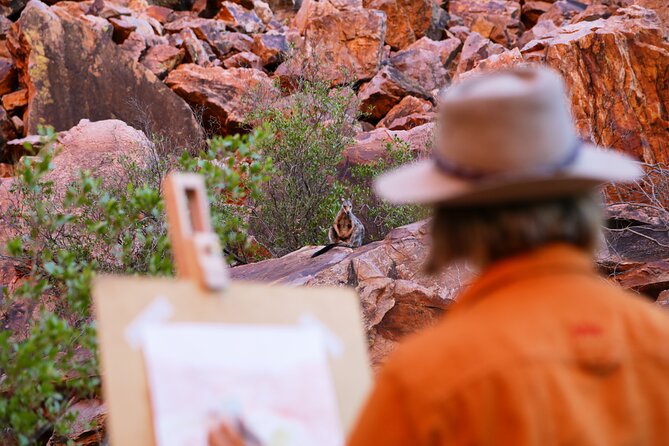
The tour includes meals and uses a glamping-style camping approach. In plain terms, you should expect real campsite life with some added comfort, depending on the setup your group receives.
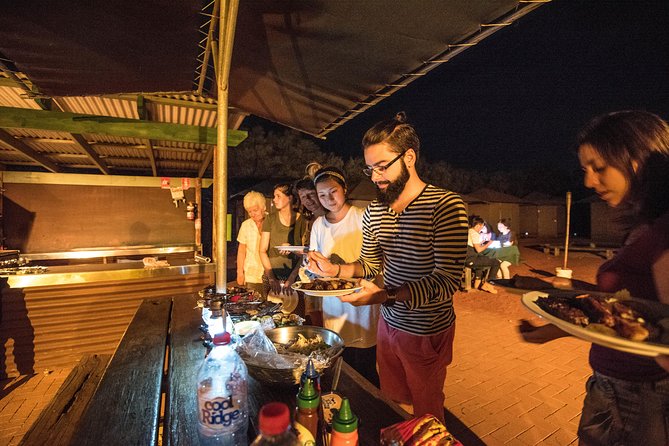
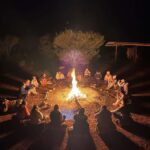
From what people describe, the good news is that meals are plentiful and often cooked fresh by the group or camp crew. Many reviews mention the camp cooking, shared prep, and everyone pitching in for cleanup, which creates camaraderie fast. The campfire evenings show up in a lot of stories, especially once the walking days wear your legs out but your mind still wants to talk.
Now the honesty part. Camping in central Australia can be rough around the edges. You may deal with hot nights, flies, and basic shower and toilet conditions. Some reviews mention open-air shower setups and solar lights that attract bugs, and others mention more comfortable tent conditions. That variation is real, and it is why I tell you to treat this as a camping experience with comfort upgrades, not a hotel.
Quick “you will thank yourself” checklist:
- A hat you trust
- Electrolytes for hot-weather days
- Sturdy shoes for rocky paths
- A light layer for early morning
Fitness, Timing, and Heat: The Desert Has a Schedule
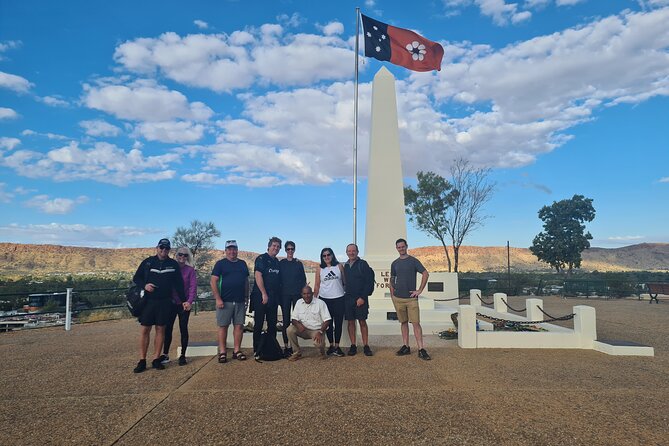
This trip lists moderate physical fitness as the baseline. In real terms, you are walking multiple days with early starts. One review even estimates long distances, around 10 km around Uluru and around 10 km for the Kings Canyon rim walk.
Temperature is the big variable. A disappointing review mentioned extreme heat from 41 to 43°C, and they had to stop after one day. That is your strongest warning label. If you are older, have mobility limitations, or do not handle heat well, be cautious and talk to the operator before you commit.
Also, the schedule itself is intense, because sunrise hikes need time, and national park drives take time. Expect long days that feel packed, even when the guide does a great job keeping everyone on track.
What helps: hydration discipline, shade breaks when offered, and a calm attitude about timing. You are not on a leisurely road trip. You are on a structured outback circuit.
Guides and Group Vibe: Small Group Energy Works
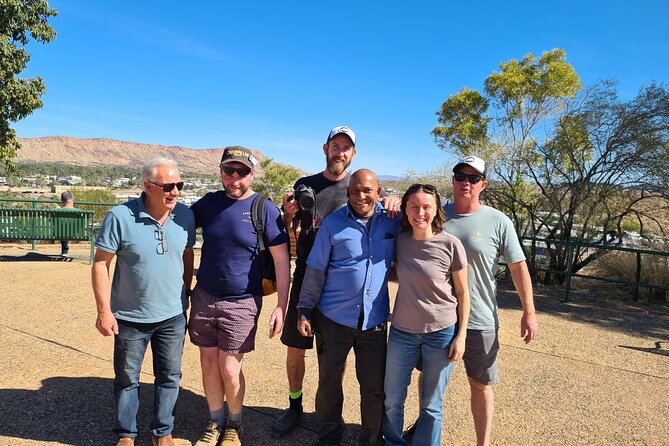
A big part of why people rate this tour so highly is how guides handle the day. Names that show up in praise include Lorrie, Ty, Mishka, Renée, Libbi, and Ryan. Across those accounts, the themes are consistent: clear guidance, good energy, and cultural respect.
You will notice this most during hikes. The best guides do two things at once. They explain what you are seeing, and they manage the group so you do not lose time or get stuck in confusion. That matters on narrow tracks and during sunrise when you are all moving with limited light.
Group size also helps. With a max of 23, you are less likely to feel like a number. Many people describe instant camaraderie, especially around campfire time.
Price and Value Check for $713.66 Per Person
$713.66 is not a small price, so you should judge the value by what is included. Here is what you are paying for in practical terms:
- Round-trip coach transport from Alice Springs
- Guided trekking across Uluru-Kata Tjuta National Park and Watarrka National Park
- Uluru sunrise and sunset experiences
- Cultural time at the Uluru-Kata Tjuta Cultural Centre and Maruku Arts
- Glamping-style camping
- Meals included
- A small group size and guided logistics
When you line those up, the cost starts to look more reasonable. You are paying for coordination, timing, and access, not just a seat on a bus.
Where value can feel tight is if you wanted more comfort than camping can deliver. If you expect hotel-level showers and guaranteed electricity or hot water, you may feel let down by some of the rougher campsite conditions mentioned in feedback.
So your best value strategy is simple: decide what matters more to you, the hiking and outback nights, or everyday comfort.
Who Should Book This Safari, and Who Might Want Another Option
Book this if you:
- Want a structured trip that covers Uluru, Kata Tjuta, and Kings Canyon without hassle
- Love sunrise experiences and do not mind early mornings
- Are excited to hike guided trails, including a rim walk
- Like group travel and do not mind shared camp tasks
You might think twice if you:
- Have difficulty with longer walks or knee trouble
- Struggle in very hot weather
- Want hotel comforts like indoor showers and consistent power at camp
Also, if you dislike camping details, read your comfort level carefully. One review said this is not true glamping. Translation: it is a better-than-nothing camp setup, but it is still the outback.
Should You Book? My Take
I think this tour is a great choice if you treat it like an outback experience, not a comfort-first package. The strongest pull is obvious: Uluru at sunrise and sunset, plus Kings Canyon rim walk. Those two pieces alone turn a trip into a story you will talk about for years.
If you book, go in with realistic expectations about camping and desert heat. Bring electrolytes, a hat, sturdy shoes, and your patience for early starts and long drive days. If you handle that well, the combination of guided hikes, cultural stops, and starry nights makes the price feel fair.
FAQ
What is the meeting point and start time?
The tour starts at the Alice Springs Hotel, 11 Leichhardt Terrace, Alice Springs NT 0870, with a start time of 5:40am. The activity ends back at the meeting point.
How long is the safari?
It runs for about 3 days.
What does the tour include?
It includes pickup by coach from Alice Springs, guided treks at Uluru, Kata Tjuta, and Kings Canyon, glamping-style accommodation, meals, and visits timed for Uluru sunrise and sunset.
How many people are in the group?
The maximum group size is 23 travelers.
Is the tour physically demanding?
It is intended for travelers with a moderate physical fitness level. There are guided hikes including base walking around Uluru and a rim walk at Kings Canyon.
What cultural activities are included?
You visit the Uluru-Kata Tjuta Cultural Centre for 30 minutes and take part in Maruku Arts, a 30-minute interpretive cultural walk with an Aboriginal and Torres Strait Islander guide.
What should I bring for hot weather?
Bring electrolytes and a hat, and wear sturdy shoes. The hot desert conditions can be intense, so come prepared.
What is the cancellation policy?
You can cancel up to 6 days in advance for a full refund. If you cancel 2 to 6 days before, you receive a 50 percent refund, and less than 2 days before is not refundable. The experience may also be canceled if the minimum number of travelers is not met, with an alternative date or full refund offered.
Gorges Out of Alice


Domes and Canyon Rims
Sunrise, Sunset and the Base Walk
Added lately from Alice Springs
- Alice Town and Country Half Day Sunset Tour -Small Group
★ 4.8 · 23 reviews - Alice Town And Country Half Day Sunset Tour – Small Group
★ 4.5 · 24 reviews - Alice Springs to Uluru (Ayers Rock) Coach Transfer
★ 4.5 · 39 reviews - From Alice Springs/Yulara: 2 Day Uluru Kata Tjuta Rock Tour
★ 4.7 · 41 reviews - From Alice Springs: West MacDonnell Ranges Half Day Trip
★ 4.4 · 44 reviews - Alice Springs Desert Park Nocturnal Tour
★ 5.0 · 45 reviews
Uluru & Ayers Rock Tours, compared.
 ★ 4.6From Alice Springs: Day Trip to Uluru with BBQ DinnerFrom $254761 reviews
 ★ 4.5Ayers Rock Day Trip from Alice Springs Including BBQ DinnerFrom $262639 reviews
 ★ 4.6Uluru: Field of Light Sunrise Tour with Hot DrinksFrom $91572 reviews
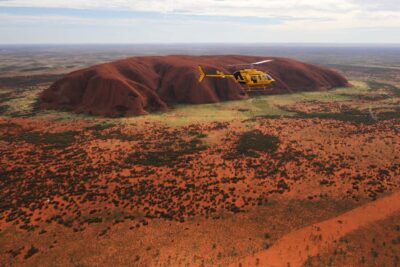 ★ 4.9Uluru 15-Minute Helicopter ExperienceFrom $145548 reviews
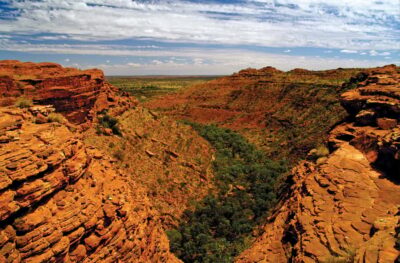 ★ 4.6Kings Canyon: Full-Day Tour from Ayers Rock ResortFrom $244541 reviews
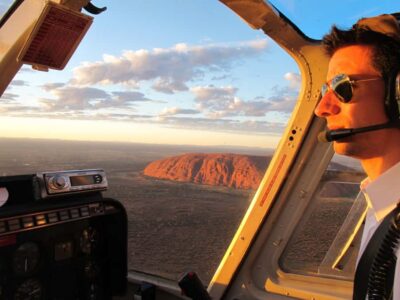 ★ 4.8Yulara: Uluru & Kata Tjuta 25-Minute Helicopter ExperienceFrom $237536 reviews
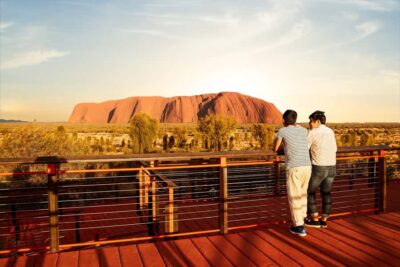 ★ 4.5Yulara: Uluru Sunrise and Kata Tjuta Day Trip by BusFrom $140469 reviews
 ★ 4.5Uluru: Sacred Sites & Sunset Tour with Wine & CheeseboardFrom $140450 reviews
Browse the lists this tour appears in