
REVIEW · ULURU & AYERS ROCK TOURS
From Alice Springs/Yulara: 2 Day Uluru Kata Tjuta Rock Tour
Uluru hits hard the moment you see it. This 36-hour Red Centre tour blends guided cultural storytelling with real hiking in the same trip, plus an outback camp night under the stars. I love that you get both the classic Uluru sunset and an early Kata Tjuta sunrise, not just one or the other. One watch-out, the walking is not casual, and the day 2 routes can test your legs even if you are comfortable with short strolls.
On day 1, you start with a long drive from Alice Springs toward Uluru, then move through key cultural sites like Mutitjulu Waterhole and UNESCO-linked Aboriginal rock art areas. I also like the way the tour keeps the information practical and human, and the guides bring personality, with past groups mentioning humor and fast, on-time pacing led by guides such as Donk. The main drawback is pacing between activities, since you may have some waiting time during transfers, camp setup, and lineup moments.
If you want a tightly planned taste of the Red Centre with guided context, this works. If you hate early starts or you want long, slow solo time at viewpoints, you might find the schedule a bit busy.
In This Review
- Quick take: what makes this tour worth it
- Uluru and Kata Tjuta in 36 Hours: what this tour really delivers
- Day 1 from Alice Springs to Uluru: Mt Connor, Mutitjulu, and Kantju Gorge
- Uluru cultural center, UNESCO-linked rock art, and why it matters
- Dinner, camp setup, and sleeping choices at the Uluru outback campsite
- Day 2 sunrise at Kata Tjuta: silhouette first, then Valley of the Winds or Walpa Gorge
- The guides, the pace, and the small-group advantage
- Price and logistics: what $421 buys you (and what you still handle)
- What to bring for the Red Centre: gear that actually gets used
- Fitness and safety: walks that can range from 5 km to real effort
- Meals, water, and the outback reality check
- Who should book this Uluru and Kata Tjuta tour?
- Should you book Autopia Tours 2 Day Uluru Kata Tjuta Rock Tour?
- FAQ
- Where does the tour start if I am coming from Alice Springs?
- Does this tour include pick-up from Ayers Rock Airport or Ayers Rock Campground?
- What is the end point and when do we return?
- What meals are included?
- Is there a guided walk, and how much walking should I plan for?
- What sleeping setup is included for the campsite night?
- Can I hire a sleeping bag if I do not bring one?
- Who is this tour not suitable for?
Quick take: what makes this tour worth it
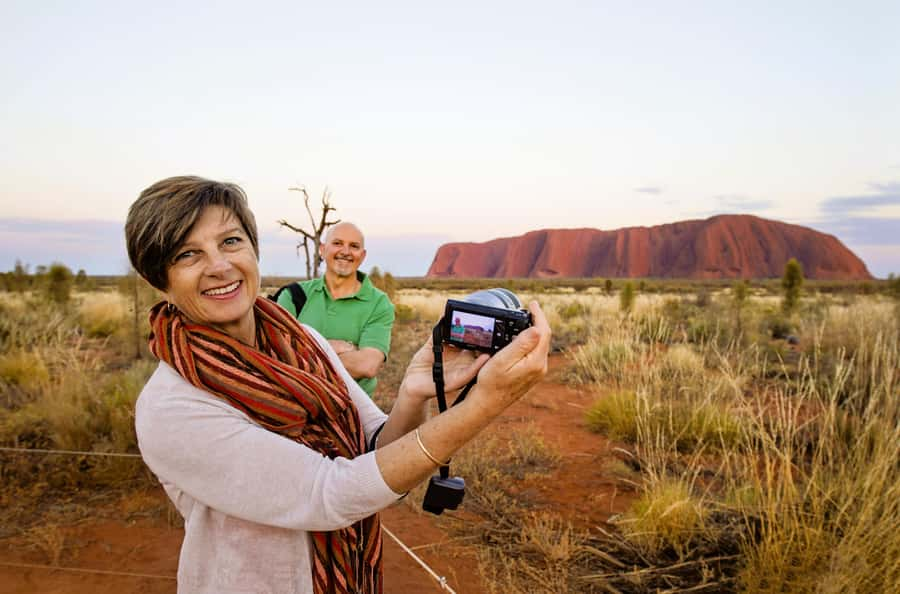
- Uluru base walk to Mutitjulu Waterhole, plus sacred rock art stories tied to UNESCO sites
- Kantju Gorge and its waterfall area, including a stop at an elders cave (as part of the guided route)
- Valley of the Winds or Walpa Gorge on day 2 for big views and serious rock-formation scenery
- Sunset at Uluru lookout followed by dinner at the outback campsite
- Small-group feel with a guide-led commentary (some departures run early enough to reduce time spent queuing)
- Camp night bedding choices, from bush swag to safari tents, with sleeping bag hire available if you run cold
Uluru and Kata Tjuta in 36 Hours: what this tour really delivers
This is a classic “see the icons, but get the story” itinerary. You cover Uluru first, then Kata Tjuta the next morning. That order matters, because Uluru is where you get grounded in the sacred geography, and Kata Tjuta is where the rock formations feel like a different world.
You also get the full-service parts that make this trip smoother than a DIY day: park entry fees are included, you travel by an air-conditioned small-group bus, and you have an accredited outback driver guide with local commentary. In practical terms, that means less mental math, fewer phone calls, and more time focused on the walk and the viewpoints.
The tradeoff is tempo. It is not a lazy “stop whenever you feel like it” style tour. You are on the move, and you will likely spend time waiting during transfers and camp rhythms.
Sunrise and sunset slots at the rock, reviewed
- From Alice Springs: Day Trip to Uluru with BBQ Dinner★ 4.6 · 761 reviews
- Ayers Rock Day Trip from Alice Springs Including BBQ Dinner★ 4.5 · 639 reviews
- Uluru, Kata Tjuta and Kings Canyon Camping Safari from Alice Springs★ 5.0 · 162 reviews
- Uluru: 4-Day Rock to Rock Adventure Tour★ 4.9 · 141 reviews
Day 1 from Alice Springs to Uluru: Mt Connor, Mutitjulu, and Kantju Gorge
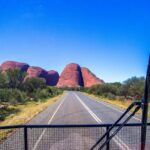
Your day 1 starts with an early departure from Alice Springs. Along the way, you stop at Mt Connor, often described as a false Uluru lookout, and you make a toilet break at Curtin Springs before reaching the Uluru campground area for lunch. If you are coming from Ayers Rock Airport or Ayers Rock Campground, you may be able to join with a complimentary pick-up from those points, depending on the option you book.
From there, the tour leans into cultural context. You visit the interpretive cultural center, where you learn about the area’s Aboriginal significance before you get close to Uluru itself. This is one of the biggest value pieces of the day, because the “wow” of the rock becomes more meaningful once you understand what you are seeing and why certain places matter.
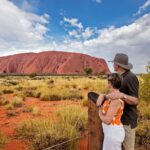
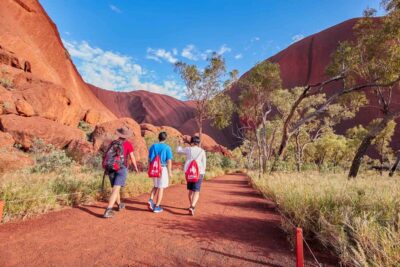
Next comes the highlight: a base walk to Mutitjulu Waterhole. You get close enough to feel how massive Uluru is, and your guide points out sacred rock art sites connected to creation stories. This is not a random photo stop. The walk is guided, and it is built around learning as you move.
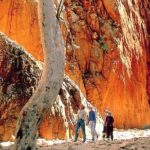
Then you head toward Kantju Gorge, where the tour includes stops connected to Central Australia’s highest waterfall area and an elders cave, as part of the guided route. The gorge section is where the terrain starts to feel more rugged. It is also where the Red Centre shifts from iconic monument to “how did nature build this?”
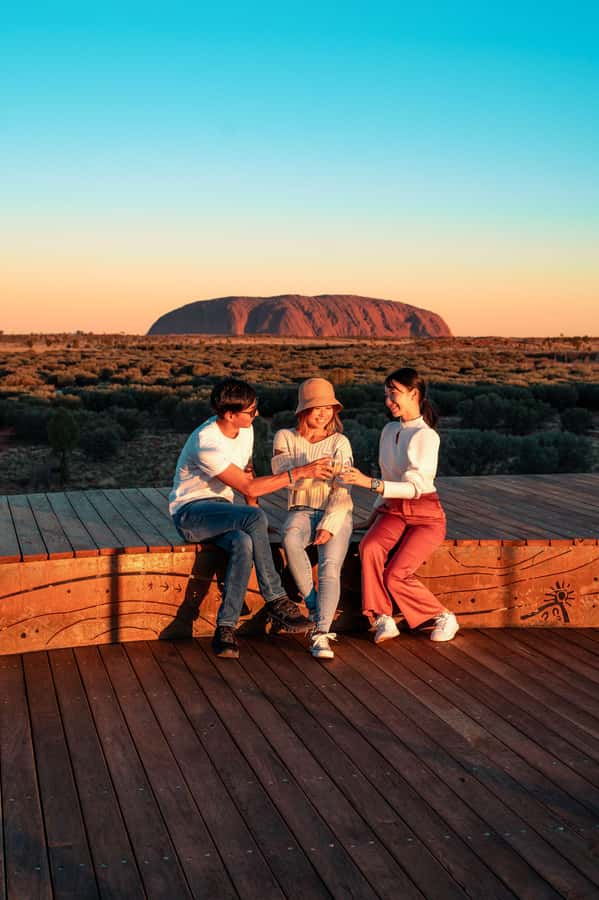
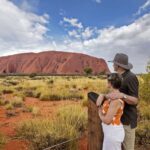
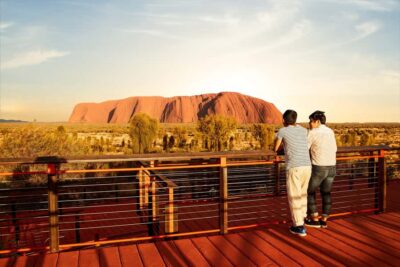
You finish day 1 with a sunset at Uluru lookout and a hearty dinner at the camp. Sunset is when Uluru turns into a color-changing machine, and the guided timing helps you land in the right lighting window.
Uluru cultural center, UNESCO-linked rock art, and why it matters
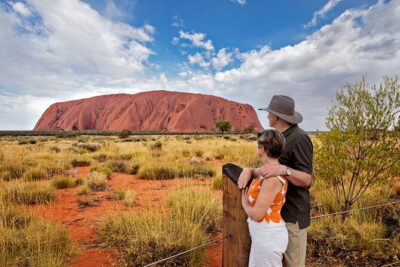
Uluru is famous for a reason. The rock is huge, the colors are dramatic, and the views are easy to photograph. But the UNESCO-linked rock art sites and the Mutitjulu Waterhole area add something else: you are seeing places that connect to living culture and ancestral stories.
That is why I think the interpretive cultural center and guided walk are the heart of the whole tour. You are not just collecting landmarks. You are learning how the landscape is understood by Traditional Owners, and you get to hear that context in a structured way before you set foot on the walking route.
If you prefer to keep things respectful and you like learning while you travel, this tour style fits. If you only want scenery with minimal talk, you may find the cultural stops take more time than you expected.
Dinner, camp setup, and sleeping choices at the Uluru outback campsite
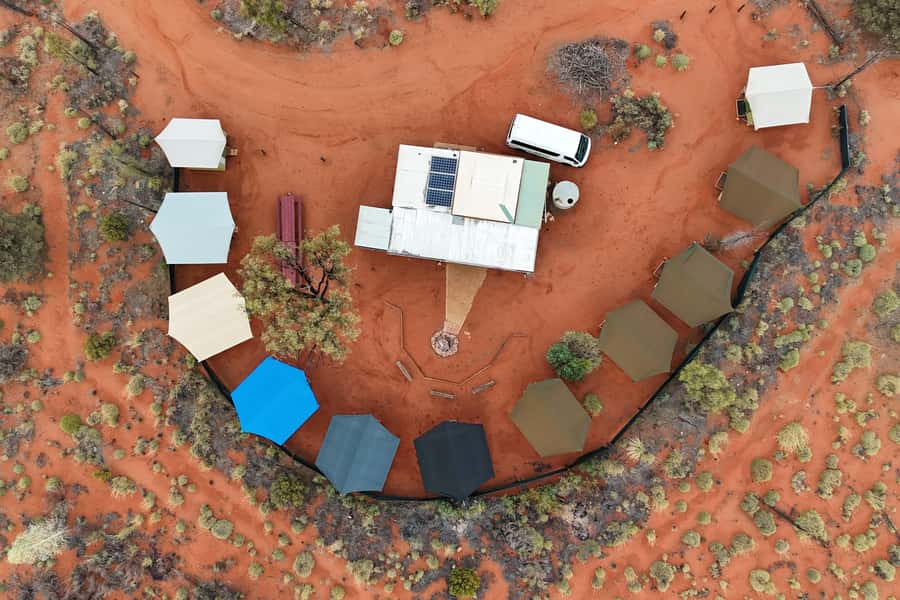
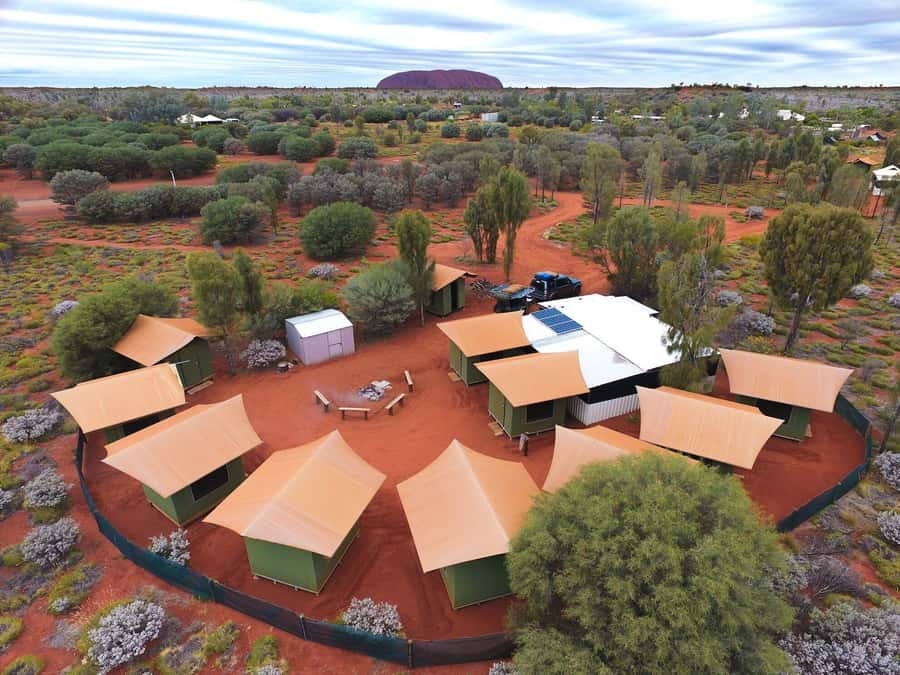
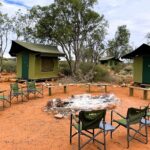
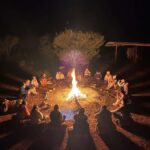
You sleep one night at a permanent outback campsite at Uluru. That is a key point, because it is not a motel overnight. You are in the outback rhythm, with camp life built around shared tasks.
Meals are included for the night you stay. Day 1 includes lunch, dinner, and day 2 includes breakfast plus a second lunch. On top of that, you get onboard drinking water, but you still should bring your own reusable bottle.
Camp work is part of the deal. You are expected to help with meals and setting up camp. This is normal for this style of tour, but it is worth saying: if you want a fully hands-off hotel experience, camp life is not it.
Sleeping options are two choices:
- Bush swag: a canvas-covered bush bed roll. Bedding is simpler, so you will want to plan for temperature swings.
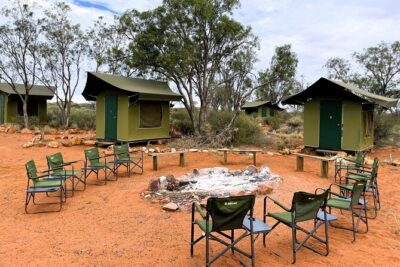
- Safari tent: mattress, pillow, and case are provided, plus fitted and top sheet.
If you run cold at night, you can hire sleeping bags onboard for $40 AUD, and the option includes cleaning. You can also bring your own sleeping bag.
A practical note from how people have experienced bedding on similar camps: if you choose bush swag, don’t assume you will have a full bed setup. The tent option clearly spells out extra bedding items, so it can be the smoother sleep experience.
The domes and the canyon rim, in other write-ups
Day 2 sunrise at Kata Tjuta: silhouette first, then Valley of the Winds or Walpa Gorge
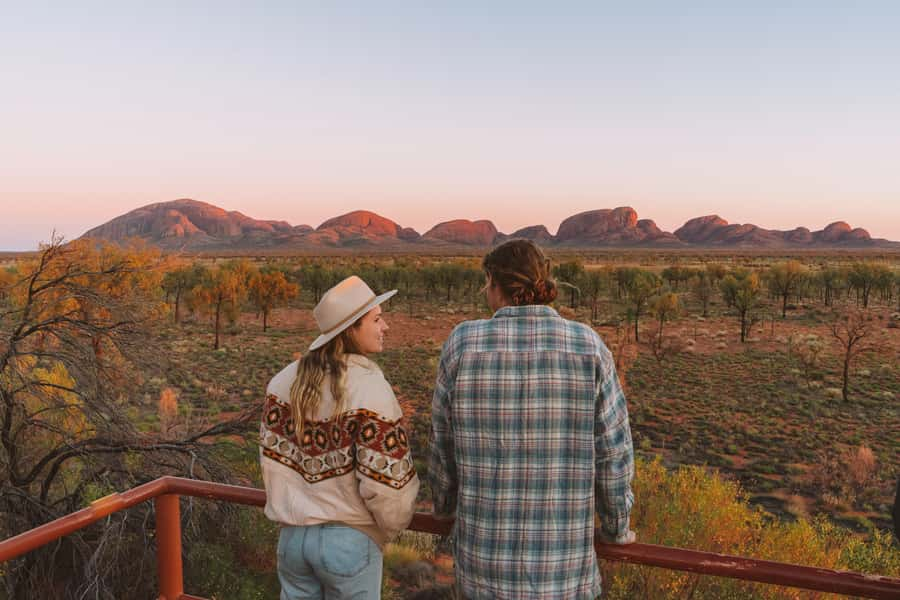
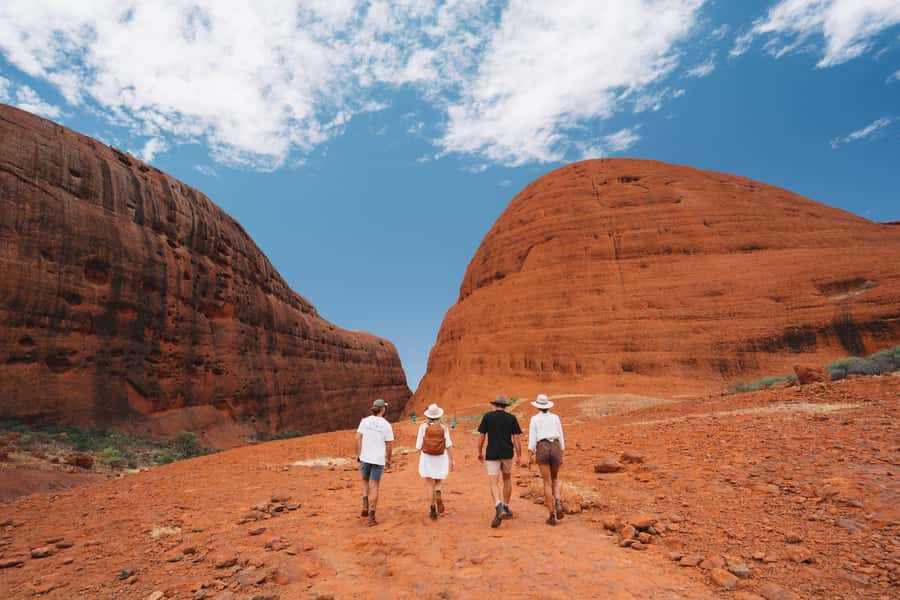
Day 2 begins early. You get a light breakfast and then head into Uluru-Kata Tjuta National Park for a sunrise experience. Kata Tjuta at dawn is all about silhouette. The rock domes and cliffs look sculpted when the light first hits, and the air feels sharp and clean.
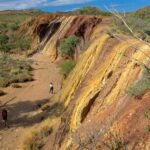
From there, you hike through Valley of the Winds or Walpa Gorge. Which one you do can depend on conditions and timing, but the goal is the same: see the conglomerate rock formations up close. This section is where you feel the Red Centre as physical terrain, not just a viewpoint.
Expect a guided bush walk, and the tour framing suggests routes can range from moderate to challenging depending on fitness level. The included guided walks are listed at about 5 km subject to your fitness level, and the overall hike requirement can reach 2 to 15 km. In plain terms, you should be ready for a real hike day, not a stroll.
After the Kata Tjuta exploration, you head back to Yulara. The tour ends at Ayers Rock with an estimated midday drop-off, and you do not return to Alice Springs.
The guides, the pace, and the small-group advantage
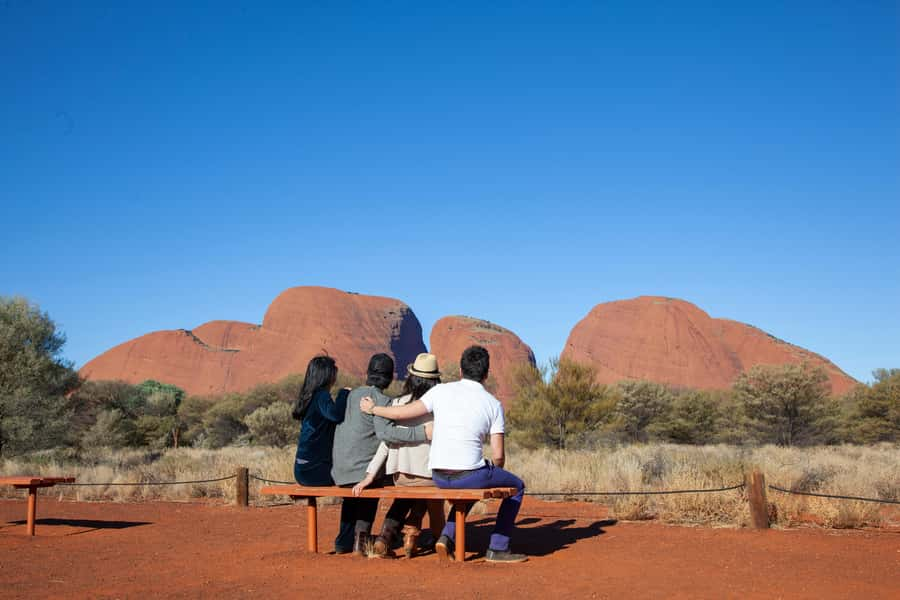
A huge part of this type of tour is how your guide turns “a set of stops” into a coherent experience. Past groups have highlighted guides like Donk for mixing knowledge with humor, and that matters more than people think. When the guide makes stories land naturally, you listen better on the walk, and you remember more after.
Food delivery also depends on the crew, and some departures have had an excellent camp-food experience credited to someone like Johnny. Even when meals are simple, a good flow can make the night feel more social, not just logistical.
Pacing is the other big factor. The itinerary is structured, and you should expect transit time and some waiting as you move between viewpoints, cultural stops, and camp tasks. On the good side, at least some departures manage to arrive early enough to reduce waiting and help you get better time at lookouts before crowds settle in.
If you want quiet reflection time, you can still do it, just do it strategically. Pick a single moment for your own pause, like the Uluru base walk break or a short stop during the Kata Tjuta hike, and let the guide handle the rest.
Price and logistics: what $421 buys you (and what you still handle)
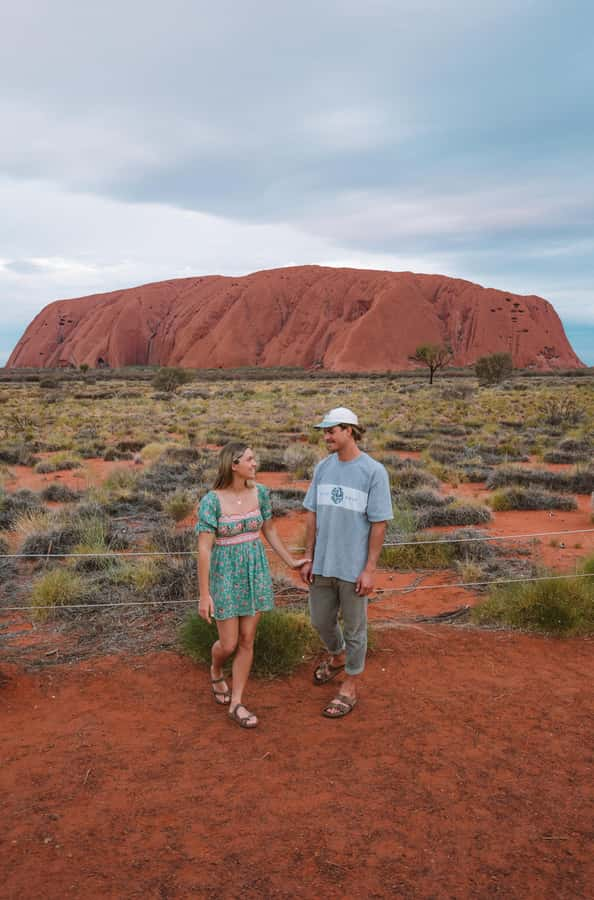
The listed price is $421 per person for about 36 hours. That sounds steep if you compare it to cheap bus trips, but it is competitive when you factor in what this includes: park entry fees, guided walks, an accredited outback driver guide, small-group bus travel, meals, and one night at a permanent campsite with bed setup.
It also includes onboard drinking water, and national park access is baked in. For a destination like Uluru and Kata Tjuta, that “everything included” piece is a big money and time saver, because you avoid the common DIY headache of trying to piece together transport, entry, and timing.
What you still need to handle:
- Bring snacks if you have special dietary needs, since options can be limited in the outback.
- Bring the right gear for sun, heat, insects, and night temperatures.
- Plan for sleep support choices, either bush swag or safari tent, plus optional sleeping bag hire.
If you do not like “pack light” travel, this might feel restrictive because you have weight limits: you can bring 1 x 15 kg bag plus a 1 x 5 kg daypack.
What to bring for the Red Centre: gear that actually gets used
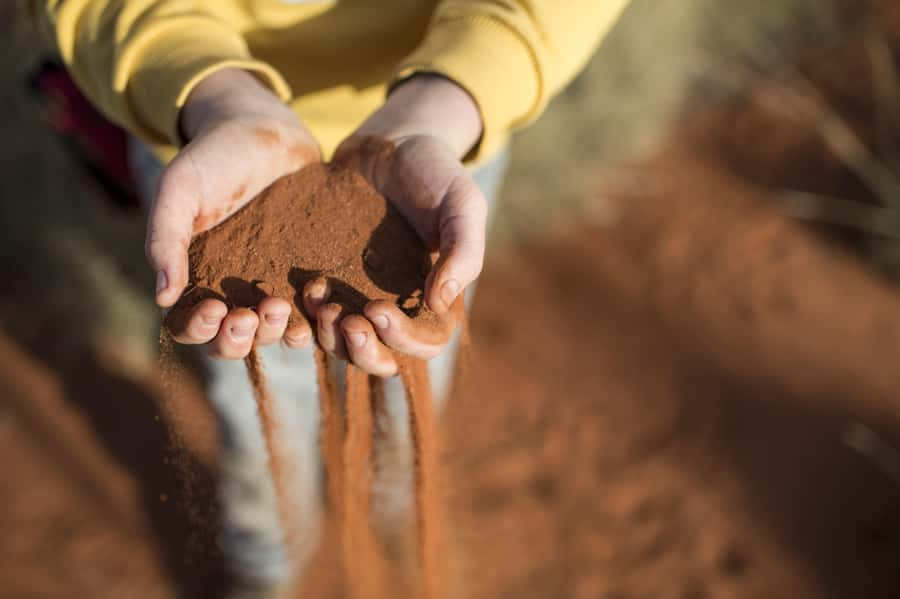
This tour is outdoors-heavy, so I’d pack with the weather and walking in mind.
Bring:
- Sunglasses, a hat, and outdoor clothing that can handle heat and cooler evenings
- Insect repellent (biodegradable is recommended)
- Closed-toe shoes for hiking
- A flashlight
- A daypack
- Toiletries, plus a reusable water bottle
- Power bank for your phone
- Travel insurance details as needed for peace of mind
You also have a clean list of “avoid surprises” items. If you come unprepared for insects, the outback will remind you fast. If you show up with shoes that are fine for city streets only, the gorge and valley walks can feel harder than you expected.
Fitness and safety: walks that can range from 5 km to real effort
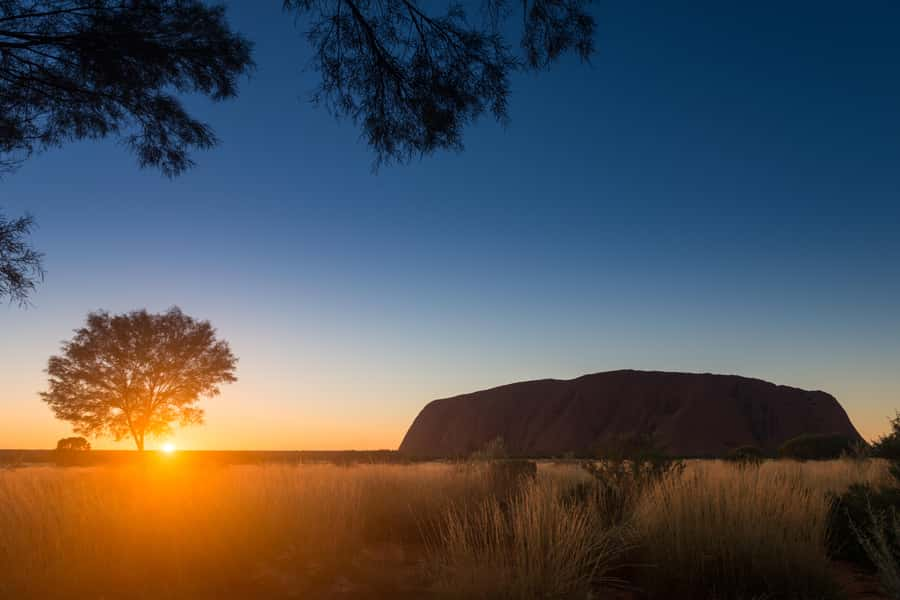
The tour sets clear expectations: moderate to high fitness is required for the walks. It also says walks can range up to 2 to 15 km.
That does not mean everyone will do the maximum distance. It means your route and pace can vary, and you should treat the hiking day as the main physical event. If you have any medical conditions, let the operator know ahead of time, and if you are over 70 you need a doctor’s note.
Not suitable for:
- Children under 7
- Pregnant women
- Wheelchair users
- People with recent surgeries
- People over 95
Also, baby strollers are not allowed on this style of vehicle setup.
If you are unsure, be honest about your walking comfort. This is one of those trips where “I can do 30 minutes on flat ground” does not always translate to “I can do gorge or valley terrain with a guide timing it.”
Meals, water, and the outback reality check
Meals are included for the core itinerary: lunch plus dinner on day 1, breakfast plus lunch on day 2. You also get onboard drinking water. Still, options can be limited for dietary needs, so bring snacks you can rely on.
This is not a culinary tour, but it can be a satisfying one if you come with the right mindset. You are eating camp-style, and the win is that meals fit the schedule so you can keep moving without stress.
Who should book this Uluru and Kata Tjuta tour?
This tour is a great match if you want:
- A guided Uluru base walk with cultural context at Mutitjulu Waterhole
- A tight, well-timed chance to see Uluru sunset and Kata Tjuta sunrise
- Guided hiking with a driver guide who explains what you’re seeing while you walk
It is especially good for couples and solo travelers who want structure. Small-group bus travel helps keep the day from feeling like a theme park circuit.
It may not suit you if you want long, quiet downtime, or if your idea of hiking is mostly viewpoint hopping with minimal exertion. Also skip it if you are not comfortable with camp life, since you will help with setup and meals.
Should you book Autopia Tours 2 Day Uluru Kata Tjuta Rock Tour?
If your goal is to get the Red Centre essentials done right, with a guide-led cultural focus and a real night in the outback, I’d say yes. The value is strongest when you appreciate what is included: park access, guided walks, meals, and a full two-day flow.
Book it if you can handle early mornings and you’re willing to walk. Plan your sleep choice carefully, especially if you choose bush swag and tend to feel cold. And pack for heat, insects, and night time with the gear checklist.
Pass on it if you need maximum comfort, minimal physical effort, or lots of unstructured time. This itinerary is built to move, and it works best for travelers who enjoy a guided pace.
FAQ
Where does the tour start if I am coming from Alice Springs?
It departs early from Alice Springs, with the specific meeting point able to vary depending on the option you book.
Does this tour include pick-up from Ayers Rock Airport or Ayers Rock Campground?
Yes, selected pick-up options include Alice Springs or Ayers Rock, including a complimentary pick-up service from Ayers Rock Airport or Ayers Rock Campground.
What is the end point and when do we return?
The tour ends in Yulara or Ayers Rock, with an estimated drop-off around midday. It does not return to Alice Springs.
What meals are included?
The tour includes 1 breakfast, 2 lunches, and 1 dinner across the two days. Drinking water is also provided onboard.
Is there a guided walk, and how much walking should I plan for?
Yes. You do guided bush walks, with the included walk distance listed at about 5 km depending on fitness level. The fitness requirement also notes walks can range up to 2 to 15 km.
What sleeping setup is included for the campsite night?
You stay one night at a permanent outback campsite with either a bush swag setup or a safari tent setup. Safari tents include a mattress, pillow, case, and fitted plus top sheet.
Can I hire a sleeping bag if I do not bring one?
Yes. Sleeping bags can be hired onboard for $40 AUD, and that includes cleaning costs. You can also bring your own.
Who is this tour not suitable for?
It is not suitable for children under 7, pregnant women, wheelchair users, people with recent surgeries, and people over 95. Strollers and smoking in the vehicle or indoors are not allowed.
Gorges Out of Alice

Domes and Canyon Rims

Sunrise, Sunset and the Base Walk
Added lately from Alice Springs
- Alice Town and Country Half Day Sunset Tour -Small Group
★ 4.8 · 23 reviews - Alice Town And Country Half Day Sunset Tour – Small Group
★ 4.5 · 24 reviews - Alice Springs to Uluru (Ayers Rock) Coach Transfer
★ 4.5 · 39 reviews - From Alice Springs/Yulara: 2 Day Uluru Kata Tjuta Rock Tour
★ 4.7 · 41 reviews - From Alice Springs: West MacDonnell Ranges Half Day Trip
★ 4.4 · 44 reviews - Alice Springs Desert Park Nocturnal Tour
★ 5.0 · 45 reviews
Uluru & Ayers Rock Tours, compared.
 ★ 4.6From Alice Springs: Day Trip to Uluru with BBQ DinnerFrom $254761 reviews
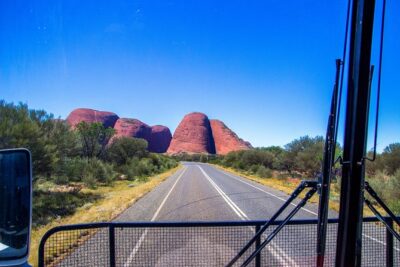 ★ 4.5Ayers Rock Day Trip from Alice Springs Including BBQ DinnerFrom $262639 reviews
 ★ 4.6Uluru: Field of Light Sunrise Tour with Hot DrinksFrom $91572 reviews
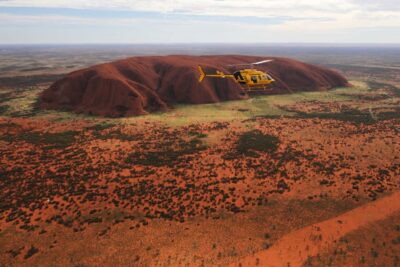 ★ 4.9Uluru 15-Minute Helicopter ExperienceFrom $145548 reviews
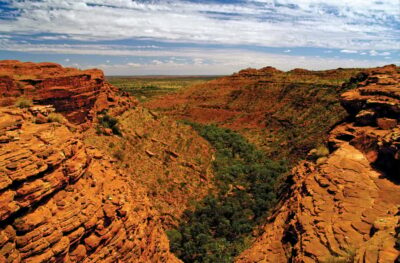 ★ 4.6Kings Canyon: Full-Day Tour from Ayers Rock ResortFrom $244541 reviews
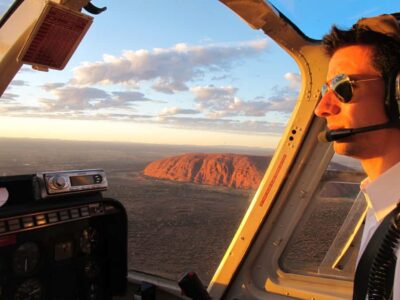 ★ 4.8Yulara: Uluru & Kata Tjuta 25-Minute Helicopter ExperienceFrom $237536 reviews
 ★ 4.5Yulara: Uluru Sunrise and Kata Tjuta Day Trip by BusFrom $140469 reviews
 ★ 4.5Uluru: Sacred Sites & Sunset Tour with Wine & CheeseboardFrom $140450 reviews
Browse the lists this tour appears in