
REVIEW · ALICE SPRINGS & THE RED CENTRE
Alice Springs Desert Park General Entry Ticket
Three worlds in one park. The Alice Springs Desert Park general entry ticket is a self-guided visit that pairs native wildlife with Aboriginal culture on recreated desert paths, so you can go at your own pace. Expect daily staff presentations and animal areas designed to feel like Central Australia, not a zoo box.
I love how clearly the park organizes desert life into three main environments, woodland, sand, and river, with interpretive signs that make what you see actually make sense. I also really like the pull of the Nocturnal House, because the desert does not shut down after dark, and you get to see that rhythm in action.
One possible drawback is time, because a 3 to 8 hour visit can turn into a full afternoon quickly. Comfortable walking shoes help, and if you are tight on daylight, you will want a plan before you wander.
In This Review
- Key points to know before you go
- A $16 ticket that turns Central Australia into a walkable living classroom
- Your self-guided route: woodland, sand, and desert rivers
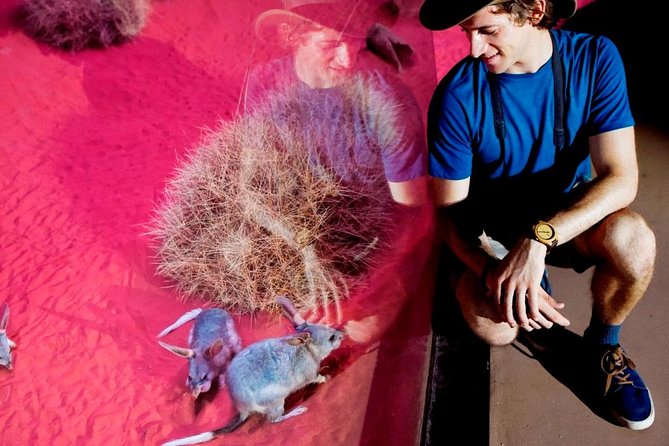
- Nocturnal House: ghost bats and bilbies after dark
- Bird show action at the outdoor amphitheater
- The waterhole aquarium and the desert life that hides in plain sight
- Arrernte Dreamtime stories on the pathways
- Practical tips for your 3 to 8 hour visit, from scooters to snacks
- Timing for wildlife, wildflowers, and a sunset camel sighting
- Should you book this ticket?
- FAQ
- What does the Alice Springs Desert Park general entry ticket include?
- What time does the experience start?
- How long should I plan to spend at the park?
- Is the visit fully guided?
- Are there any animal shows or talks?
- What animals can I see in the Nocturnal House?
- Is there a birds of prey display?
- What can I see at the waterhole area?
- Is food and drink included in the ticket price?
- Can I hire electric scooters, and are service animals allowed?
- Is the ticket refundable if I cancel?
Key points to know before you go
- Three desert environments on one walking route, including sand, woodland, and river areas
- Nocturnal House with animals that are most active in the dark, such as ghost bats and bilbies
- Bird show action at the outdoor amphitheater, including birds of prey in flight
- Waterhole viewing in an aquarium area, with fish, turtles, burrowing frogs, and yabbies
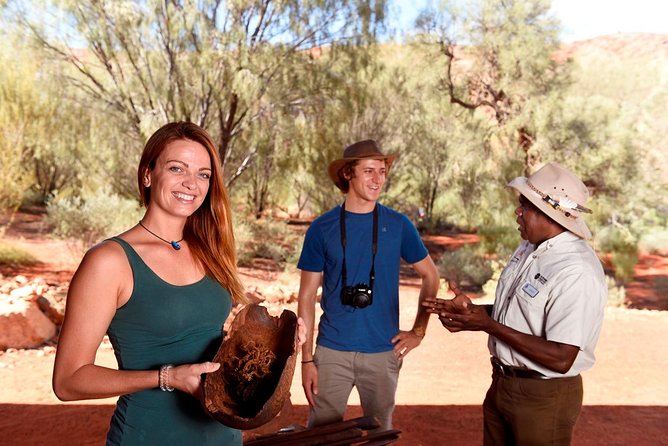
- Aboriginal Arrernte stories shared through interpretive displays and daily talks by staff
- Good onsite breaks, with a café and picnic/BBQ grounds, plus scooter hire for getting around
A $16 ticket that turns Central Australia into a walkable living classroom
For $16, you get more than a door price. This is one of those places where the entrance fee buys you a mix of hands-on learning, animal viewing, and staff-led talks, all in a layout that makes sense for a first time visit. It is also family-friendly, so it tends to feel relaxed rather than overly formal.
What makes the value feel real is that the park is built around the idea of desert ecosystems, not random animal cages. You walk through desert habitats that are thoughtfully recreated, and along the way the displays help you notice details you would otherwise skip, like how different critters fit into different desert “zones.”
Still, do not treat it like a quick photo stop. If you want to catch the talks and see the Nocturnal House carefully, plan on at least half a day.
Gaps, gorges and the town in the middle
- From Alice Springs: Day Trip to Uluru with BBQ Dinner★ 4.6 · 761 reviews
- Ayers Rock Day Trip from Alice Springs Including BBQ Dinner★ 4.5 · 639 reviews
- Early Morning Ballooning in Alice Springs★ 5.0 · 426 reviews
- West MacDonnell Ranges Day Trip from Alice Springs★ 4.5 · 364 reviews
Your self-guided route: woodland, sand, and desert rivers
I like self-guided parks when they are easy to navigate, and Desert Park gives you the tools. You receive a park map and a schedule when you arrive, so you can build a route around the daily presentations instead of guessing. Then you follow a walking trail that moves through the three main desert environments: woodland, sand, and river.
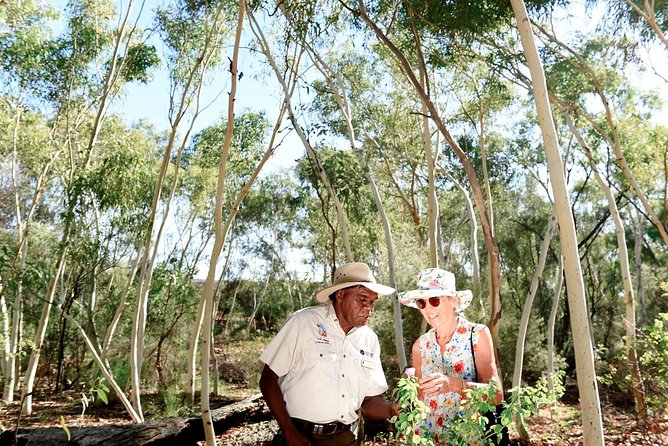
As you walk, you are not just looking at animals. You are learning how the plants and animals connect to the conditions in each environment. The signs and interpretive displays are there to help you connect what you see with why it lives there, which is a big deal in arid regions where life is adapted to survive with very little water.
A practical tip: linger near the enclosures along the paths. One of the best ways to enjoy this kind of park is to pause, watch for movement, and then read the nearby information when you understand what you are actually seeing. It makes the whole visit feel slower in the best way.
Nocturnal House: ghost bats and bilbies after dark
If your instinct is that deserts are quiet at night, the Nocturnal House is the correction. This part of the park lets you step into a nighttime setting where animals that are rare and endangered, or especially hard to spot in daylight, come out after dark.
The examples you can look for include ghost bats and bilbies (macrotis). That pairing alone is worth budgeting time for, because it is not just “nocturnal animals,” it is the particular Central Australia set that feels like it belongs here.
You should also plan for the keeper talk. The park runs presentations in this area, and when a staff member explains what you are seeing, the whole room clicks into focus fast. Even if you are not an animal expert, it helps you interpret behavior, not just appearance.
One consideration: the Nocturnal House is a highlight, so it tends to be the part people rush. Do not rush it. Spend time, let your eyes adjust, and give the animals a chance to settle into their normal rhythms.
Bird show action at the outdoor amphitheater
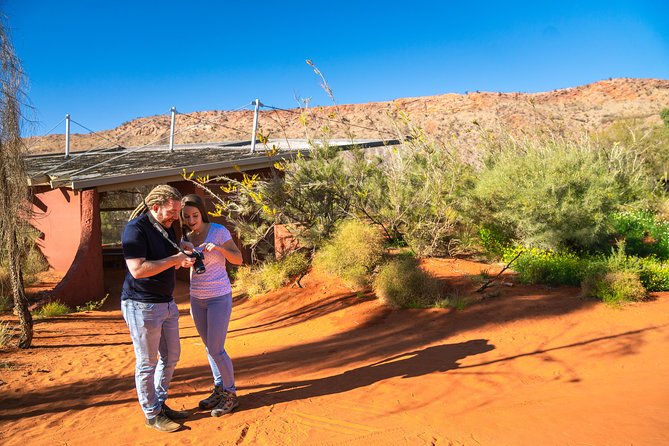
The birds of prey portion is one of the cleanest “wow” moments in the park. You get an outdoor amphitheater experience where you can admire birds of prey in flight, and the park also lists a free flying bird show.
What I like about this is that it gives you a fast, high-energy window into desert ecology. You see how predators use timing, air movement, and hunting strategy, then you can connect it back to what you saw earlier on the path. It also works well if you have kids, because the show gives everyone a shared moment.
If you happen to be there when staff are doing presentations, you will get more than a performance. These talks explain how animals survive in harsh conditions, including what birds and other animals need and how people observe and adapt to the land.

The waterhole aquarium and the desert life that hides in plain sight
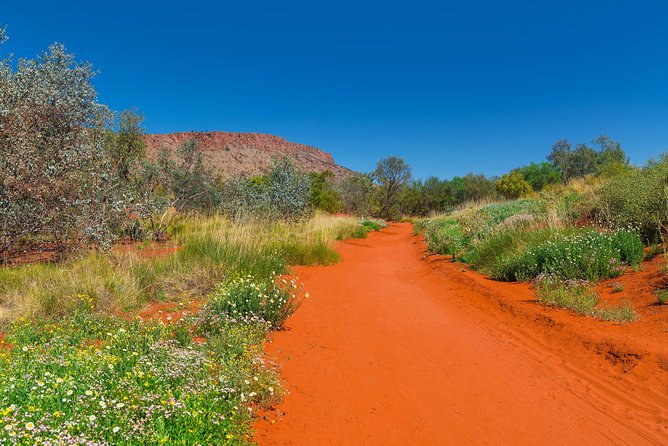
Not all desert life is built for daylight. The waterhole aquarium area is a good reminder that a desert water source becomes a hotspot. You can peek into a waterhole exhibit and observe animals like turtles, burrowing frogs, yabbies, and other fish.
This is one of the best areas for people who like detail. It is not just “look at an animal,” it is “watch an ecosystem feature,” meaning water itself is the focal point. In a place where water is scarce, even small bodies of water become busy with life.
Practical advice: slow down here. If you move too quickly, you will miss the small behaviors that make these exhibits interesting. Check what is moving, what is hiding, and what seems to stay near the waterline.
Also, if you are visiting with mixed ages, this section can help balance the day. It feels calmer than the birds section and usually gives everyone something to focus on together.
Arrernte Dreamtime stories on the pathways
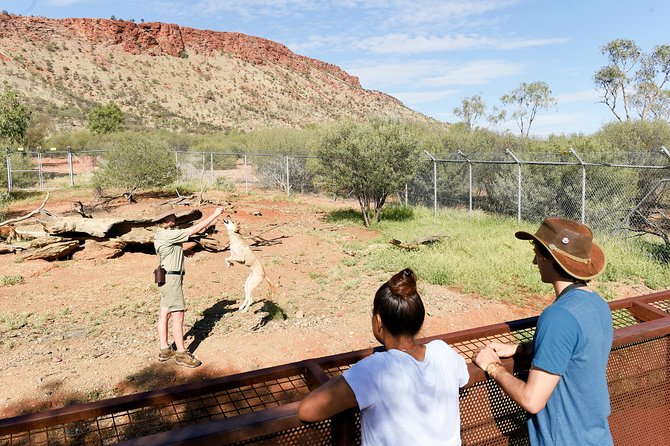
One of the most meaningful parts of Desert Park is the human story, not only the animal story. Throughout the grounds, you will find interpretive displays and daily talks that share the traditions of the Arrernte people of central Australia, including dreamtime stories that connect people to the land.
This is not presented like a lecture you must sit through. It is woven into the route you take, so as you move between desert environments, the cultural messages help explain how people understand and read the landscape. The result is that you understand desert life as something humans lived with directly, not something you only study from a safe distance.
If you are the type who likes context, plan to stop at the info points even when you think you already “get it.” Desert Park does a good job of making you see the desert as a place full of systems, knowledge, and survival skills.
If you are lucky with timing, you may catch a particularly memorable presenter. One staff member, Reuben, has stood out for giving presentations with both wisdom and humor, which makes the cultural and animal content land in a more natural, human way.
Practical tips for your 3 to 8 hour visit, from scooters to snacks
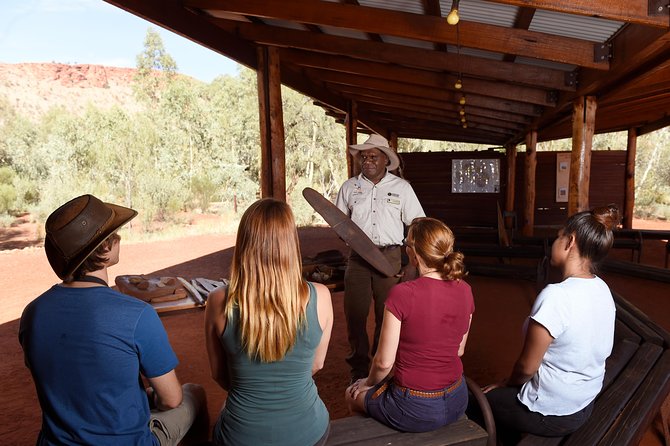
This visit can run 3 to 8 hours, depending on how carefully you move and how often you stop for talks and animal viewing. My advice is to treat it as half-day plus. If you try to squeeze it into a short window, you will end up choosing between the Nocturnal House and some of the daytime highlights.
You also have a few helpful onsite options:
- A café for meals or quick coffee breaks
- Picnic/BBQ grounds if you want a simple outdoor lunch
- A gift shop for small mementos and practical supplies
Electric scooters are available for hire, but the scooter fee is not included in the general entry price. If walking is hard for you, the option helps, but it still adds cost. Bring sunscreen, water, and a hat, since you will be outside a good chunk of the time.
One small planning note: animal encounters can be available for an extra fee. If that matters to you, decide early, because it can reshape your timing once you see the rest of the park.
Timing for wildlife, wildflowers, and a sunset camel sighting

Central Australia is a place where timing can change your whole experience. If you have flexibility, going around late day can be more satisfying. Desert Park is set up so you can enjoy the grounds at different light levels, and one highlight from day to day is how the atmosphere shifts later in the day.
There is also the chance to see camels during certain times, with a pleasant sunset vibe that makes the whole visit feel more like an evening outing than a rushed attraction. Some days even include the chance to chat with the owner after hours, so if you enjoy friendly conversations, plan to stay a little beyond your strict minimum.
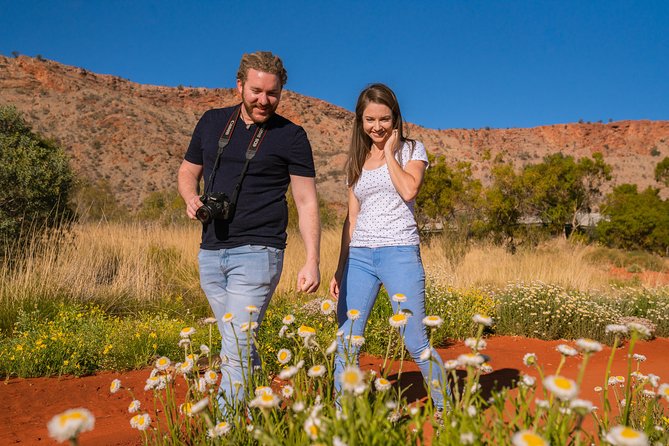
If seasonal wildflowers are in bloom, you may also catch spectacular plants and trees as you walk. It is not something you can guarantee, but it is part of why spring and similar seasons tend to feel extra photogenic.
Should you book this ticket?
If you want a straightforward way to understand Central Australian desert life, I think the Alice Springs Desert Park General Entry Ticket is a smart buy. The price is low for the amount of animal viewing and staff storytelling you get, and the three habitat walk makes it feel coherent, not scattered.
Book it if you:
- like animals but also care about the culture and stories connected to the land
- want a self-guided visit with daily staff presentations
- need a family-friendly plan that works across ages
Skip it or shorten expectations if you:
- hate walking and think you will only tolerate a quick stop
- want a high-adrenaline tour with lots of one-on-one interaction, because this is more about the park route and scheduled talks
FAQ
What does the Alice Springs Desert Park general entry ticket include?
Your general entry ticket gives you access to Alice Springs Desert Park, including self-guided time in the habitats, and access to interpretive displays and daily talks by staff. You also receive a park map and daily program to help you plan your visit.
What time does the experience start?
The start time listed for this experience is 7:30 am.
How long should I plan to spend at the park?
Plan for about 3 to 8 hours.
Is the visit fully guided?
It is self-guided. You make your own way through the park, but there are daily staff talks and presentations that you can plan around using the schedule you receive.
Are there any animal shows or talks?
Yes. There are daily talks and presentations, including animal talks such as birds of prey, and you can also enjoy a bird show.
What animals can I see in the Nocturnal House?
The Nocturnal House lets you see endangered and rare animals that come out in the dark. Examples mentioned include ghost bats and bilbies (macrotis).
Is there a birds of prey display?
Yes. The park has birds of prey in flight, including a free flying bird show in an outdoor amphitheater setting.
What can I see at the waterhole area?
In the waterhole exhibit, you can observe animals such as fish, turtles, burrowing frogs, and yabbies.
Is food and drink included in the ticket price?
No. Food and drinks are not included, though the park does have a café and picnic/BBQ grounds.
Can I hire electric scooters, and are service animals allowed?
Electric scooters are available for hire for an added fee. Service animals are allowed.
Is the ticket refundable if I cancel?
No. The experience is non-refundable and cannot be changed for any reason.
Gorges Out of Alice


Added lately from Alice Springs
- Alice Town and Country Half Day Sunset Tour -Small Group
★ 4.8 · 23 reviews - Alice Town And Country Half Day Sunset Tour – Small Group
★ 4.5 · 24 reviews - Alice Springs to Uluru (Ayers Rock) Coach Transfer
★ 4.5 · 39 reviews - From Alice Springs/Yulara: 2 Day Uluru Kata Tjuta Rock Tour
★ 4.7 · 41 reviews - From Alice Springs: West MacDonnell Ranges Half Day Trip
★ 4.4 · 44 reviews - Alice Springs Desert Park Nocturnal Tour
★ 5.0 · 45 reviews
Alice Springs & the Red Centre, compared.
 ★ 4.6From Alice Springs: Day Trip to Uluru with BBQ DinnerFrom $254761 reviews
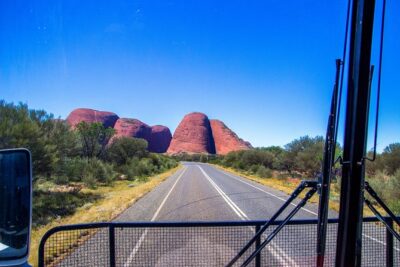 ★ 4.5Ayers Rock Day Trip from Alice Springs Including BBQ DinnerFrom $262639 reviews
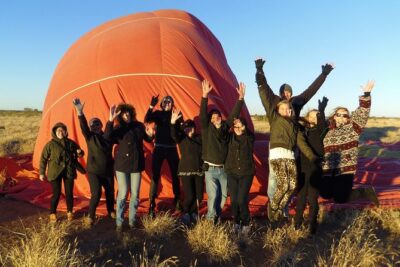 ★ 5.0Early Morning Ballooning in Alice SpringsFrom $265426 reviews
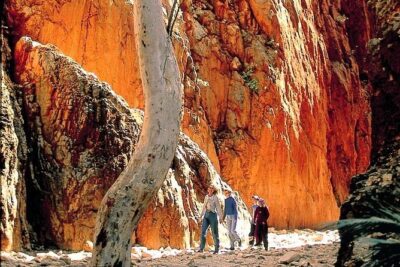 ★ 4.5West MacDonnell Ranges Day Trip from Alice SpringsFrom $175364 reviews
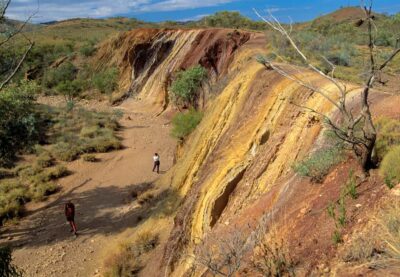 ★ 4.7From Alice Springs: West MacDonnell Ranges Day TripFrom $169296 reviews
 ★ 4.9Alice Springs: Early Morning Hot Air Balloon FlightFrom $258243 reviews
 ★ 5.0Uluru, Kata Tjuta and Kings Canyon Camping Safari from Alice SpringsFrom $713162 reviews
 ★ 4.5Alice Springs to Ayers Rock (Uluru) One Way ShuttleFrom $178156 reviews
Browse the lists this tour appears in