
REVIEW · SYDNEY HARBOUR CRUISES
Darwin: Bombing of Darwin WW2 Tour with Harbor Cruise
Darwin’s WWII scars are right offshore. This half-day Bombing of Darwin tour pairs WWII storytelling with local historians and a 1-hour Darwin Harbor cruise with ship wrecks, so the events of 19 February 1942 land in a way that feels real, not textbook. I like that you’re shown the physical places tied to the attacks, from bunkers and relics to the places ships once moved through.
The main drawback is the clock. At 270 minutes total, you cover a lot, and a few people mention wanting a touch more time at the museum stops to take everything in more slowly.
In This Review
- Key Things to Know Before You Go
- Why Darwin’s Bombing Tour Hits Different
- Price and What You Get for $105
- Morning Logistics: Pickup, Start Time, and What to Bring
- Getting Oriented: The 19 February 1942 Opening Talk
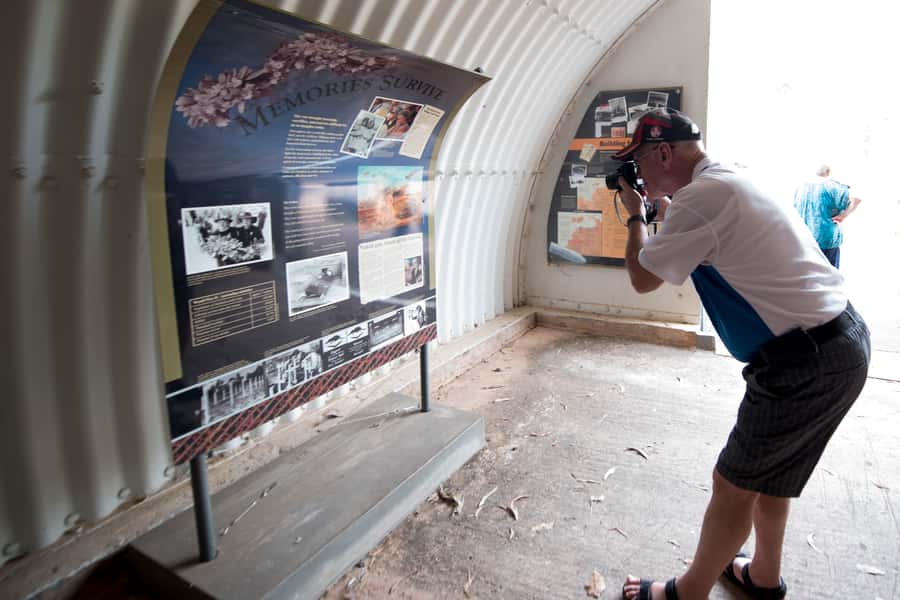
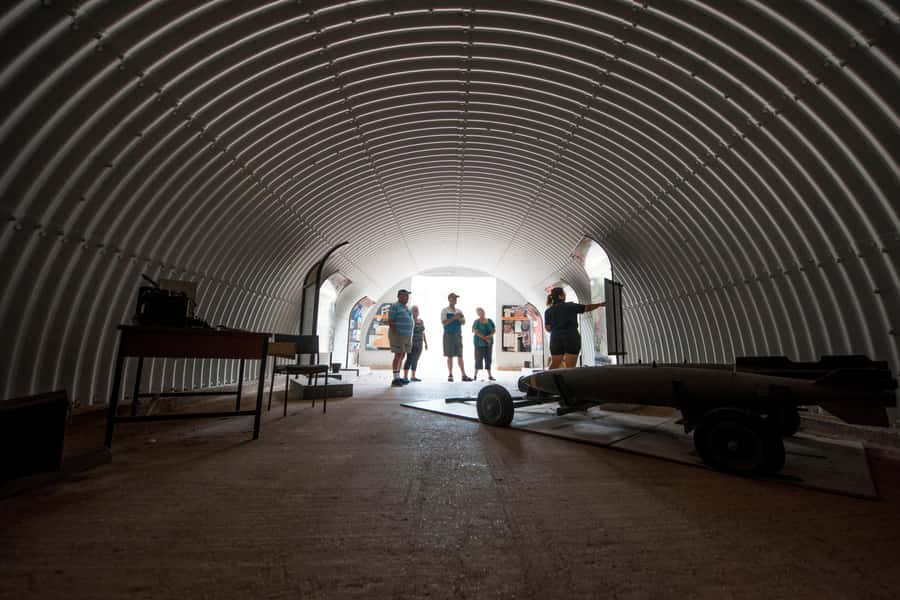
- Charles Darwin National Park: Bunkers and WW2 Relics on the Ground
- Defense of Darwin Museum: The Film, the Photos, and the Personal Weight
- East Point Military Precinct: Moving from Artifacts to Defense Strategy
- Myilly Point Heritage Precinct: Another Piece of Darwin’s Memory
- Darwin Harbor Cruise: Stokes Hill, Fort Hill, Wreck Sites, and Cullen Bay
- Weather, Sea Conditions, and Boardings That Can Change
- Who This Tour Suits Best
- Should You Book This Darwin Bombing Tour?
- FAQ
- How long is the Darwin Bombing of Darwin tour with harbor cruise?
- What does the tour cost and what’s included in the price?
- Where does hotel pickup happen, and what time should I be ready?
- If I do not want pickup, where do I meet the tour?
- Is food included on the tour?
- Is the tour suitable for wheelchair users?
- What should I bring?
- Is cancellation free, and how far in advance do I need to cancel?
Key Things to Know Before You Go
- Two-guides format: bus history talks plus a professional boat guide for the harbor segment
- WWII sites you can actually stand in: bunkers, relics, and memorial stops across Darwin’s defenses
- Harbor cruise sightings: wreck sites of SS Neptuna and USS Peary plus areas like Stokes Hill and Fort Hill wharves
- Museum storytelling: the Defense of Darwin Museum experience uses a film with period photos and testimonies
- Small practical comfort wins: water included, and you get hotel pickup options in the city
- Weather flexibility on the water: if sea conditions are choppy, the operator may adjust where you board
Why Darwin’s Bombing Tour Hits Different
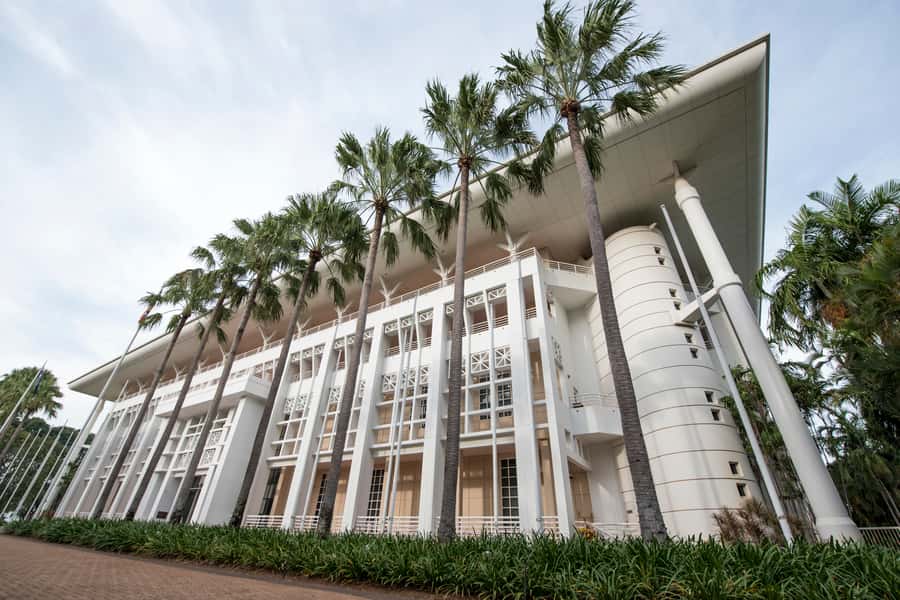
Darwin is the kind of place where history isn’t locked behind glass. You can still see the geometry of defense. You can still feel how close the harbor is to where people lived and worked. This tour leans hard into that reality, taking you from modern streets to 1942 military sites, then out onto Darwin Harbor where the water becomes part of the story.
What makes it work well is the pacing and variety. On land, you get the background and the context, then you move to places tied to the attacks. On water, you slow down and look around from a perspective that matches how the Japanese attacks were planned and how ships and sea traffic mattered. I especially like how you’re not just told what happened, you’re oriented to where it happened.
And yes, the topic is heavy. The tour centers on the 19 February 1942 air attacks, the loss of life, and the damage to the city. You should go in with a respectful mindset, and plan to spend time taking in what you see.
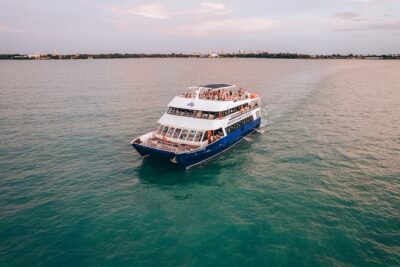
Harbour boats we have already been out on
- Bombing of Darwin World War II Tour with Harbour Cruise★ 4.5 · 219 reviews
- Darwin: Bombing of Darwin WW2 Tour with Harbor Cruise★ 4.8 · 170 reviews
- Darwin Combo: The Bombing of Darwin Experience & Darwin Harbour Cruise★ 4.5 · 123 reviews
Price and What You Get for $105
At $105 per person for a 270-minute experience, you’re paying for more than a bus ride. You’re also paying for guided history, transport in Darwin, and paid access to key sites. The tour includes hotel pickup and drop-off, drinking water, entry to Charles Darwin National Park, entry to the Defense of Darwin Museum, and entry to the Darwin Military Museum. You also get a 1-hour cruise around Darwin Harbor.
That value matters because the sites are spread out. Without a tour, you’d be stitching together multiple stops, figuring out timing, parking, and how to connect each place to the bigger story. Here, the guides do that linking for you.
Food and drinks are not included. That’s normal for a morning-style half day, but it’s worth planning for. If you’re sensitive to heat, bring snacks, or eat before pickup, since you’ll be walking and sitting through museum time.
Morning Logistics: Pickup, Start Time, and What to Bring
The tour starts early. If you use pickup, you’ll wait in your hotel lobby at 7:45 AM for a pickup before 8:00 AM. If you prefer to meet on your own, you can head to the Aquascene Fish Feeding car park at 28 Doctors Gully Road for an 8:00 AM start. The car park has unlimited free parking.
Wear comfortable shoes. You’ll be moving between outdoor points and museum areas, and Darwin heat can turn “a quick stop” into a slog if your footwear isn’t up to it. Bring a sun hat and sunscreen. Drinking water is included, but you’ll still want to stay ahead of dehydration.
One more practical point: wheelchair users are not recommended for this tour. If mobility is an issue, you’ll want to check with the operator ahead of time rather than assume it can be adapted.
Getting Oriented: The 19 February 1942 Opening Talk
The tour begins with an intro that frames the bombing of Darwin. You hear the story with guidance from local historians, which matters because the experience is built around place names, timelines, and what people experienced in the moment. If you came to Darwin with only a vague idea of WWII in the Pacific, this opening sets up the rest of the day so you’ll recognize why each site matters.
I like that this first segment doesn’t stay abstract. It gives you a mental map to carry to the outdoor stops. You also start to understand why Darwin, often described as a remote base, was so strategically important. The guide helps you connect the dots between air attacks, ground defenses, harbor traffic, and the human cost.
You’ll likely notice the tone is careful. The tour is meant to remember, not to shock. Still, it’s not sanitized. People died, and the city was damaged. That’s part of what you’re there to learn.
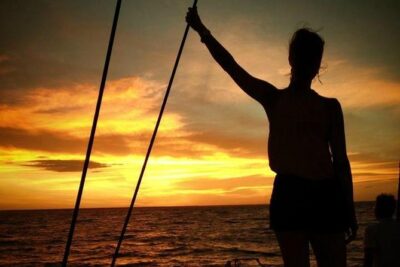
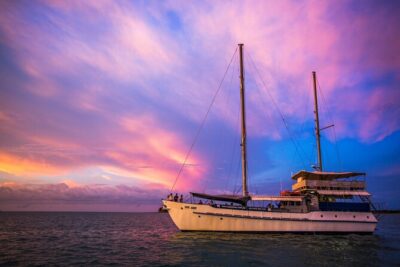
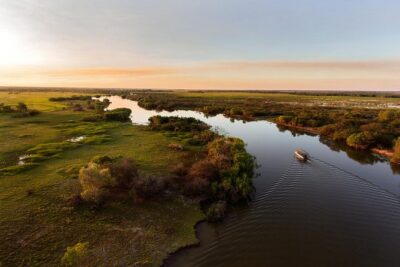
Sunset water and saltwater crocodiles, other options


Charles Darwin National Park: Bunkers and WW2 Relics on the Ground
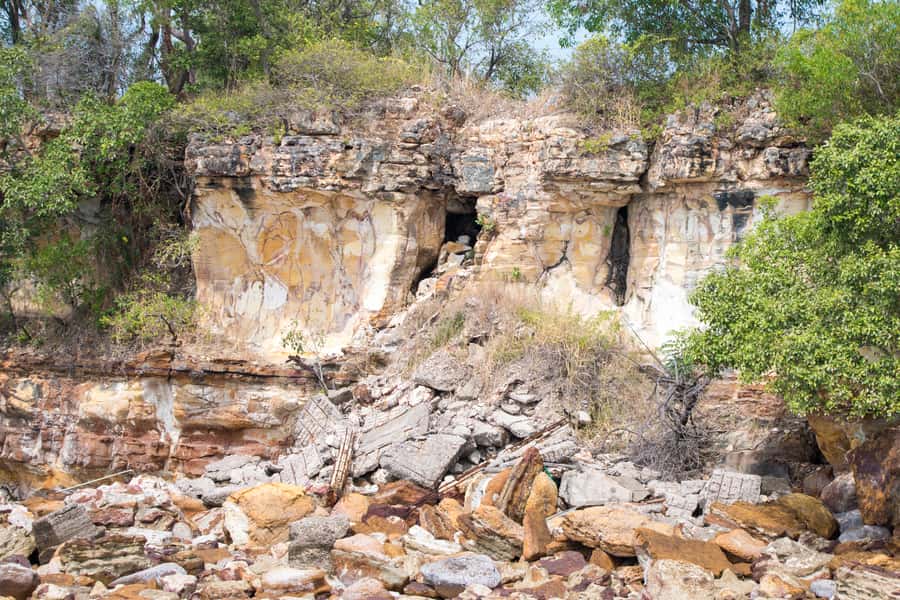
After the introduction, you head to Charles Darwin National Park to see bunkers and WW2 relics. This is where the tour goes from story mode to “stand here and look around” mode.
A few stops in this area are the kinds of things you might never find on your own. You’re seeing the physical traces of the defense network, including ammunition storage areas that help explain how the base was meant to function under attack. One of the best reasons to include a park stop like this is that it gives you scale. In Darwin, distances and open areas matter. When you can see the terrain from the same angle the military used, the explanations make more sense.
Keep in mind this is an outdoor-heavy segment. It’s a good idea to keep your hat on, sip water regularly, and take a moment to slow down and look before you keep walking.
Defense of Darwin Museum: The Film, the Photos, and the Personal Weight
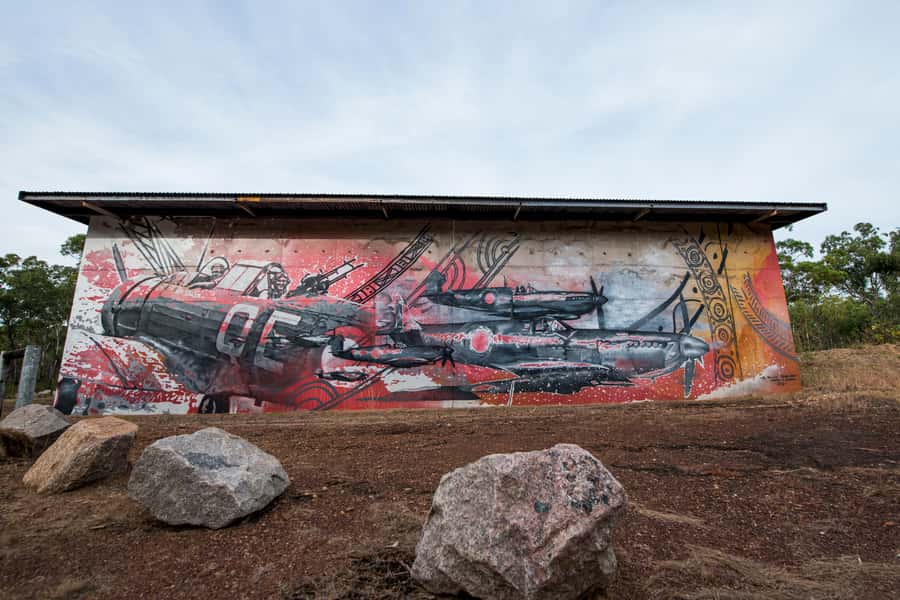
The Defense of Darwin Museum is a key anchor of the day. People consistently mention the film experience inside the museum, including how it combines period photos and testimony from people who were there. That blend is powerful because it stops the event from being just dates and damage reports.
You also get museum content that ties the attacks to specific outcomes: what was destroyed, what defenses were prepared, and how the aftermath shaped the city. Even if WWII isn’t your usual topic, this is the kind of museum stop that works because it’s designed to be understood step by step.
One practical drawback: it’s easy to want more time in a museum like this. Some visitors felt the visit was a touch short. If you’re the type who reads every label, you’ll probably wish you had an extra 20 to 30 minutes. The tradeoff is that you still get the harbor cruise and the rest of the defense precincts.
East Point Military Precinct: Moving from Artifacts to Defense Strategy
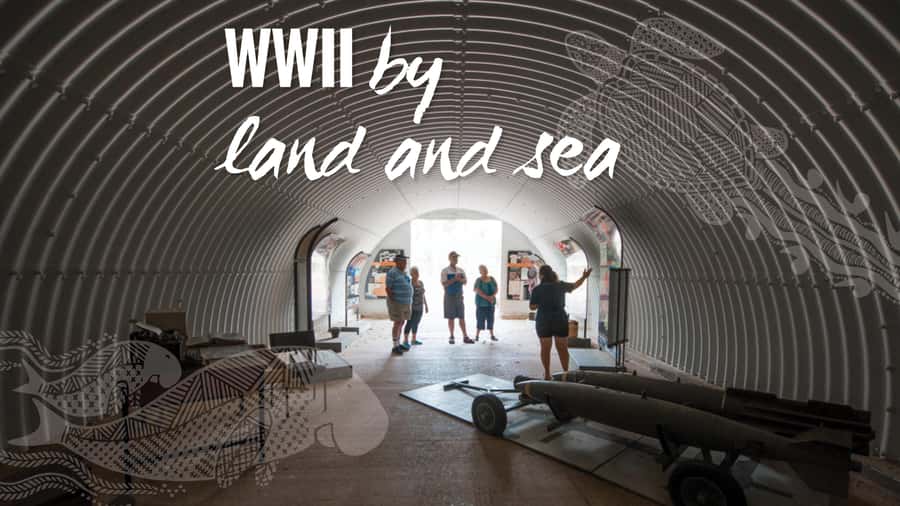
Next comes the East Point Military Precinct. This is where the story shifts from individual items to the bigger system of defense. The precinct setting helps you see how the military base layout supported operations, communications, and readiness during the attacks.
This stop also benefits from the guide’s explanation style. Many people talk about bus guides who keep things clear while giving enough detail to make you feel you’re learning something real, not just hearing a generic talk. If you’re someone who likes context, you’ll appreciate that the guide ties the sites you see back to what happened on 19 February 1942.
Because this part of the day is more “move and interpret” than “read and sit,” it’s a good time to take quick notes in your phone. The names and directions start to blur if you’re not actively organizing them in your head.
Myilly Point Heritage Precinct: Another Piece of Darwin’s Memory
The itinerary also includes the Myilly Point Heritage precinct. This adds texture to the day because it broadens the view from strictly military structures to how Darwin’s identity and memory are carried forward.
I like heritage precinct stops because they help you avoid a history bubble. Yes, this tour is WWII-focused, but you still get a sense of how the city evolved after the bombing, and how places remain part of local life.
If you’re short on time, you don’t need to treat it as a rushed checklist. Instead, pick one or two details to focus on, like a structure you recognize from the bus talk or a sign that connects today’s setting to 1942.
Darwin Harbor Cruise: Stokes Hill, Fort Hill, Wreck Sites, and Cullen Bay
Then you switch gears to water.
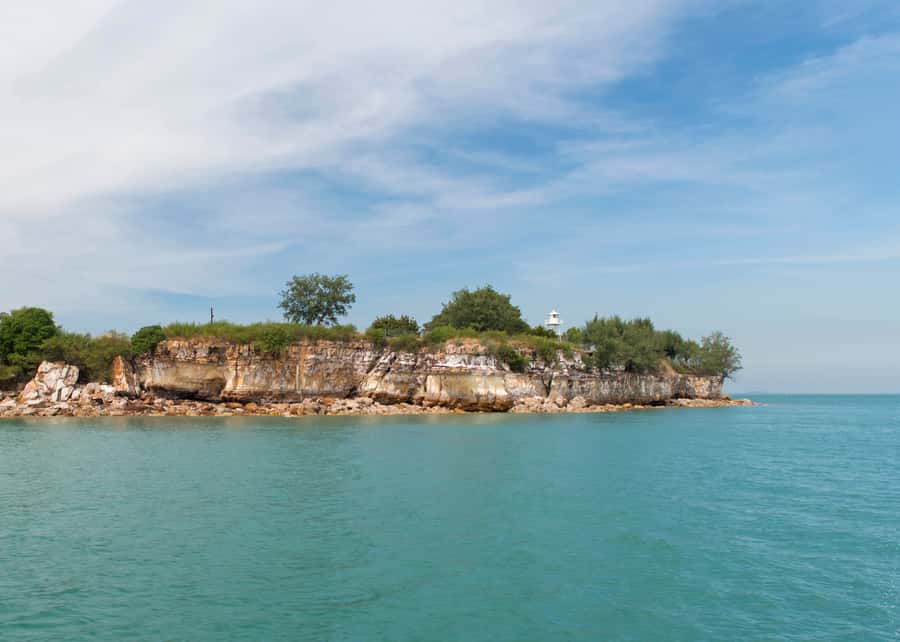
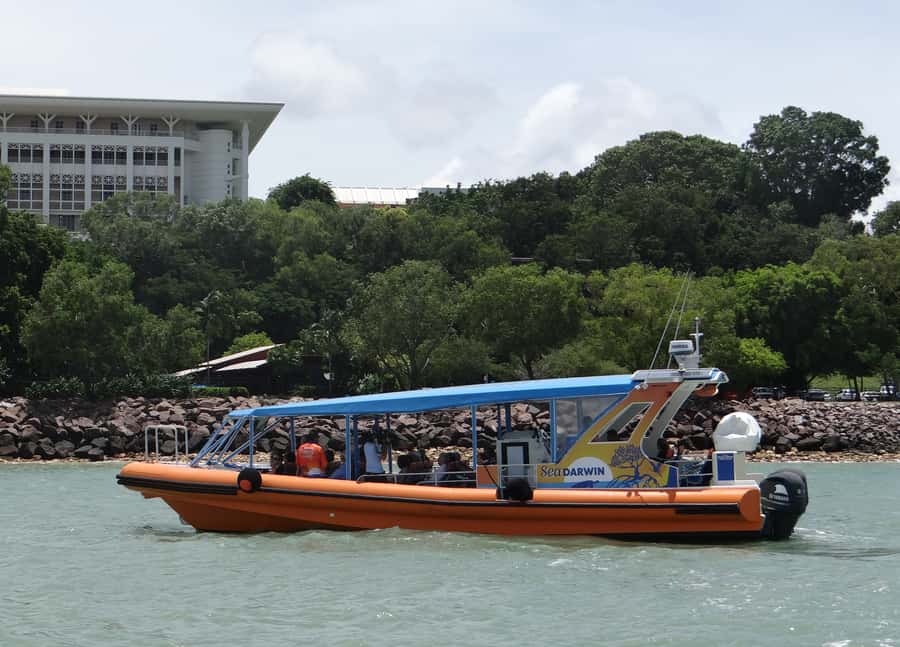
The 1-hour harbor cruise is the payoff for a lot of people because it shows Darwin from a defense and shipping angle. You pass the historic Stokes Hill and Fort Hill wharf areas, and you sail by the wreck sites of two ships: the SS Neptuna and the USS Peary. You also see the old flying boat base area at Doctors Gully from the water, which helps connect aircraft operations to where they supported the region.
The cruise also continues toward Cullen Bay, where you can view the gun emplacements from the sea. Seeing fortifications and waterfront positions from the harbor turns them into a tactical problem rather than a static display. You start to understand why coastal defenses mattered and why the harbor was both an advantage and a vulnerability.
One smart tip: bring a light layer even if it’s warm. On the water, you can get wind and spray, and it can be cooler than you expect once the boat is moving.
Weather, Sea Conditions, and Boardings That Can Change
Darwin Harbor can be fine one day and choppy the next. The good news is that the operator can adjust plans if conditions are rough. For example, some departures have moved the embarkation location to make boarding safer and easier when the sea is acting up.
So don’t panic if you hear that conditions are changeable. Just be ready for minor adjustments. In practice, this tour has a “safety first” approach that keeps the experience going without forcing everyone to suffer for the sake of a photo.
Who This Tour Suits Best
This tour is a strong match if you want a focused WWII experience without spending a full day driving between sites. It also works well for people who like guided context. The guides, including names like Mariet on the bus and boat hosts such as Penny, John, Rob, Andrew, and Dave, are repeatedly praised for making the stories understandable and for handling the group professionally.
It’s also a good fit if you’re traveling with a mixed group, including kids who might not want to read a museum wall of text. The combo of vehicle stories, outdoor relics, and the harbor views can keep attention moving.
If you hate walking in heat, you might still manage it with careful breaks, shade, and slow pacing, but you’ll want to think twice. This is not designed for step-free access.
Should You Book This Darwin Bombing Tour?
I’d book this tour if you want one day where Darwin’s WWII story is tied to real places and real angles. The mix of museum storytelling, outdoor relics, and a harbor cruise that passes ship wreck sites is the kind of package that saves you time and makes the history click.
I’d think twice if you’re the type who wants a long, unhurried museum day. At 270 minutes, you’ll see a lot, but you won’t have endless time to sit with every display. In that case, you might pair this with a separate visit later to the museum areas that interest you most.
Overall, for $105, you’re paying for guided transport, paid admissions, and a harbor cruise that adds a perspective you can’t easily replicate on your own. If that sounds like your style, this is a solid way to understand why Darwin’s story still matters.
FAQ
How long is the Darwin Bombing of Darwin tour with harbor cruise?
The total duration is 270 minutes, which is about half a day.
What does the tour cost and what’s included in the price?
The price is $105 per person. Included items are hotel pickup and drop-off, drinking water, entry to Charles Darwin National Park, entry to the Defense of Darwin Museum, entry to the Darwin Military Museum, and a 1-hour cruise in Darwin Harbor.
Where does hotel pickup happen, and what time should I be ready?
For pickup, you wait in your hotel lobby at 7:45 AM for a pickup prior to 8:00 AM.
If I do not want pickup, where do I meet the tour?
You can meet at 8:00 AM at the Aquascene Fish Feeding car park at 28 Doctors Gully Road. There is unlimited free parking there.
Is food included on the tour?
No. Food and drinks are not included.
Is the tour suitable for wheelchair users?
No. It is not suitable for wheelchair users.
What should I bring?
Bring comfortable shoes, a sun hat, and sunscreen.
Is cancellation free, and how far in advance do I need to cancel?
You can cancel up to 24 hours in advance for a full refund.
Harbour Sunsets and Saltwater Crocs

More Ways Out on Sydney Harbour
Added lately from Darwin
- Darwin: Guided Jet Ski Tour
★ 5.0 · 55 reviews - Adelaide River Jumping Croc Cruise
★ 4.5 · 56 reviews - From Darwin: 3-Day Kakadu and Litchfield 4WD Camping Tour
★ 4.8 · 57 reviews - Darwin Shore Excursion: Hop-on Hop-off Bus Tour
★ 4.5 · 61 reviews - 3 Day Kakadu & Litchfield 4WD Expedition
★ 4.5 · 61 reviews - Darwin: Adelaide River Queen Original Jumping Crocodile Cruise
★ 5.0 · 63 reviews
Sydney Harbour Cruises, compared.
 ★ 4.7Sydney: Morning or Afternoon Harbour Sightseeing CruiseFrom $381,520 reviews
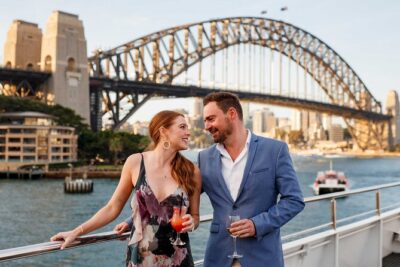 ★ 4.0Sydney Harbour Sunset Dinner Cruise from Darling HarbourFrom $891,122 reviews
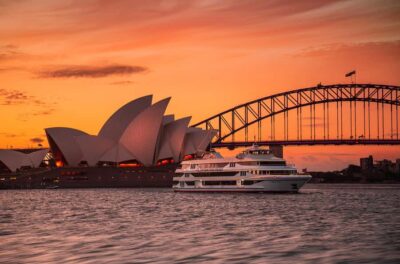 ★ 4.4Sydney: Harbour Dinner Cruise with 3, 4 or 6-Course MenuFrom $88925 reviews
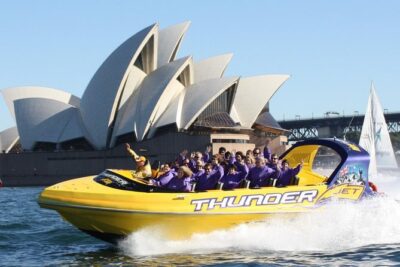 ★ 5.030-Minute Sydney Harbour Jet Boat Ride on Thunder TwistFrom $60841 reviews
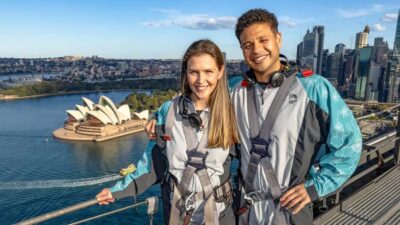 ★ 4.9Sydney: Guided Daytime Summit Climb of Sydney Harbour BridgeFrom $257817 reviews
 ★ 4.7Sydney: Harbour Cruise with Buffet LunchFrom $53804 reviews
 ★ 4.0Sydney Harbour Starlight Dinner Cruise from Darling HarbourFrom $111774 reviews
 ★ 4.6Sydney Harbour Sightseeing Cruise from Circular QuayFrom $23727 reviews
Browse the lists this tour appears in