
REVIEW · WHALE WATCHING
Jervis Bay Whale Watching Tour
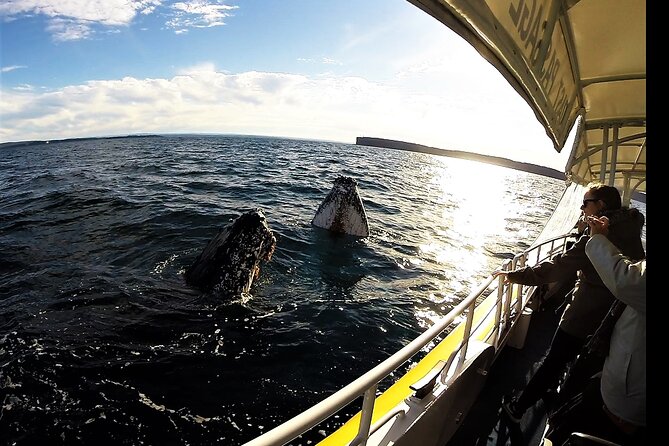
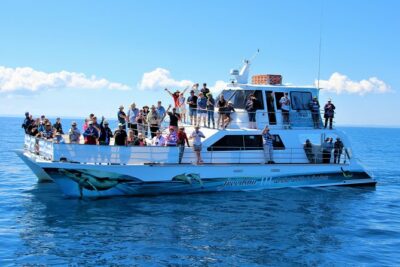
Whales in winter, without the complicated planning. This Jervis Bay cruise follows the annual humpback migration in the Marine Park, with frequent chances for dolphins and other wildlife, all from the comfort of a proper boat. I love the prime viewing setup and the way the crew keeps the focus on spotting and respecting the animals.
I also like the way the guides run the trip, friendly and organized, with clear commentary when you’re cruising past the cliffs and into whale country. Crew members like Wayne and Sophie are noted for showing passengers the coast and making it easy to understand what you’re looking at, and Captain Hamish has a reputation for steering the day well. Even when conditions get rough, the staff tends to stay calm and helpful, including for families.
One real drawback to know up front: the sea can be choppy, and whale sightings are never guaranteed because you’re watching wild animals. If you or your kids get motion sick, pack accordingly and dress for cool, windy water.
In This Review
- Quick hits before you go
- Why Jervis Bay’s winter humpbacks matter (and when you’ll spot them)
- Huskisson departure and the 2-hour rhythm on the water
- Stop 1 at Jervis Bay Wild Cruises: boarding, comfort, and how the crew sets you up
- Stop 2 out in Jervis Bay: cliffs, heads, and the search for whales
- When humpbacks arrive: mothers and calves, safe distances, and real viewing time
- Choppy water happens: what to pack, and how the crew handles rough conditions
- Price, duration, and what you’re really paying for at €40.95
- How weather can change your whale odds without ruining the day
- Photo tips, binocular habits, and getting the most out of the viewing
- Who should book this whale watch, and who should think twice
- Should you book Jervis Bay Wild’s humpback whale watching tour?
- FAQ
- How long is the Jervis Bay Whale Watching Tour?
- Where do we meet for the cruise?
- Are there morning and afternoon departures?
- Is food or drinks included in the price?
- What should I wear or bring on the boat?
- Are kids allowed on the tour?
- Is there free cancellation?
Quick hits before you go
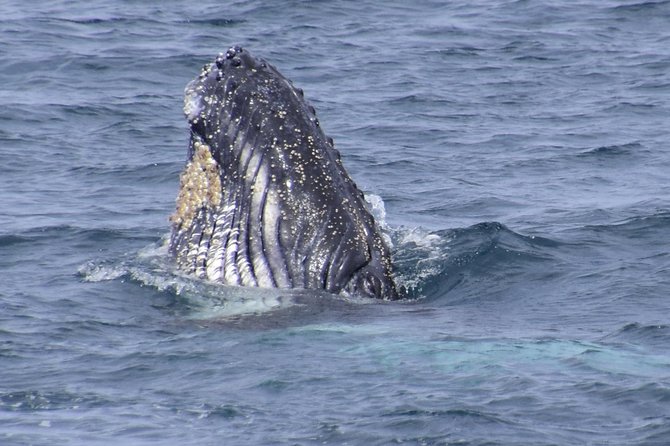
- Winter humpbacks migrate May to November, with the best odds often tied to mothers and calves during the southern run
- 2 hours on the water with a max group size of 100, so it feels structured but not overcrowded
- Mobile ticket makes arrival easier once you’re at Huskisson
- Friendly, attentive crew (including Wayne, Sophie, and Captain Hamish) who check on comfort while keeping viewing respectful
- Bring something warm, because it can feel cold even on a sunny winter day
- You can see more than whales, including dolphins plus possibilities like seals, penguins, and seabirds such as albatross
Why Jervis Bay’s winter humpbacks matter (and when you’ll spot them)
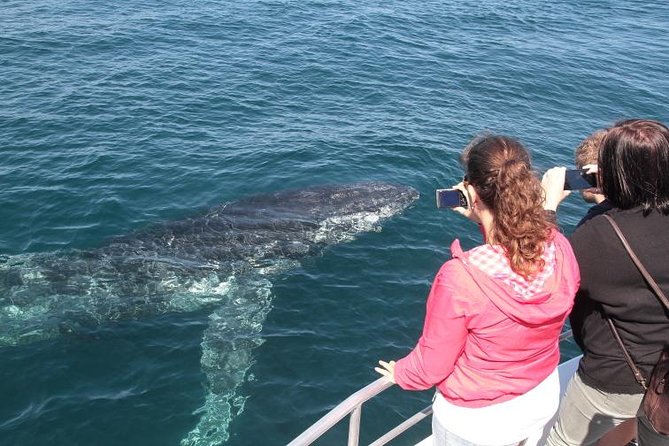
If humpback whales are on your bucket list, this is one of the easiest ways to target them in Australia. The cruise times the experience around the humpbacks moving through New South Wales waters during winter, roughly May through November. That migration is why Jervis Bay is such a draw, and why boat tours here feel like a nature event, not just a ride.
What makes this specific tour appealing is how it explains the “where” of whale watching. On the northern migration, you may spot whales within about a mile of the peninsula, off the dramatic sea cliffs. On the southern migration, the focus shifts, with mothers and newborn calves sometimes in Jervis Bay to rest. That changes the vibe from distant spouts to the special, family-focused moments people remember.
You also shouldn’t go in expecting only whales. The cruise has a strong chance of seeing other marine life along the way. The tour description calls out bottlenose dolphins, and it also sets expectations for sightings that can include penguins, seals, and albatross. That matters because it helps you enjoy the day even if whales are slower to show up.
White sand and south coast days we have reviewed
- Jervis Bay Whale Watching Tour★ 4.5 · 353 reviews
- Jervis Bay Dolphin Cruise★ 4.0 · 294 reviews
- Half-Day Jervis Bay Sea Kayak Tour★ 5.0 · 275 reviews
- Jervis Bay Passage Tour★ 4.5 · 94 reviews
Huskisson departure and the 2-hour rhythm on the water
Most whale watch tours feel either too short or too chaotic. This one sits in a simple middle spot: about 2 hours on the water, with a cruise that returns to the same meeting point at the end. You start at 15 Field St, Huskisson NSW 2540, and the experience runs without hotel pickup, so you’ll drive or get yourself to Huskisson first.
You’ll also have scheduling flexibility. There’s a choice of morning or afternoon departure, which helps if you want to stack this with beaches, lookouts, or dinner in town. Since the total experience is about 2 hours, it’s also realistic to fit into a full day of Jervis Bay sightseeing without feeling like you’re sacrificing everything else.
Group size is capped at 100 travelers, which usually means you get a guided, guided-feeling experience rather than a free-for-all. The boat experience is described as clean and comfortable in feedback, and that matters when the water gets less calm than you hoped. A comfortable vessel doesn’t magically create whales, but it does make waiting and scanning less miserable.
The tour uses a mobile ticket, which is a real help in coastal towns where you don’t want to waste time hunting for paper tickets.
Stop 1 at Jervis Bay Wild Cruises: boarding, comfort, and how the crew sets you up
Even before you leave, the experience starts with how the crew runs boarding and gets everyone settled. The meeting point is tied to the operator’s base at Jervis Bay Wild Cruises in Huskisson, so you’re not juggling multiple pick-up locations. When the staff is welcoming and organized, you lose less time standing around and you start scanning sooner.
This is also where comfort matters. The tour info is blunt about bringing warm layers, and the boat ride is noted as sometimes rough. In real-world conditions, that means the crew’s role is not just “point and talk.” It’s also about keeping people comfortable, giving safety guidance, and staying patient when families need reminders.
One standout theme is staff support. In feedback, a rocky patch led to seasickness for at least one person in a small group, and the crew responded with attention and help instead of dismissing the issue. That kind of on-board care is not a small detail. It can turn a potentially stressful situation into something manageable.
If you’re bringing kids, this step is even more important. The rules say children must be accompanied by an adult at all times, and the crew tends to keep the vessel running smoothly while handling safety moments calmly. That combination is what makes this feel genuinely family-friendly rather than just “allowed for families.”
Stop 2 out in Jervis Bay: cliffs, heads, and the search for whales
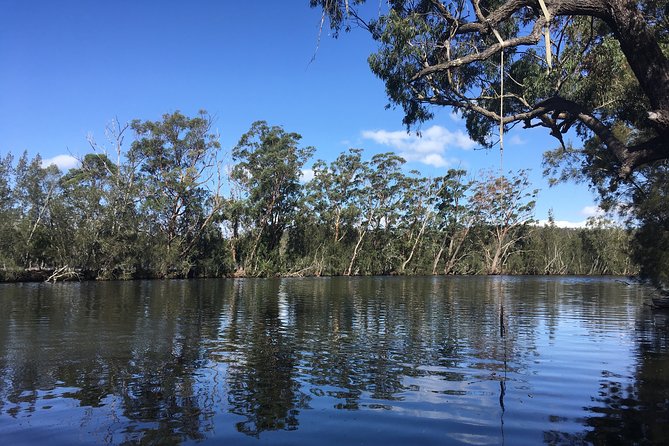
Once you’re out, the cruise starts to feel like a guided coastal tour, not only a whale hunt. The coast of Jervis Bay is dramatic, with sea cliffs and coastal viewpoints that give you something to look at even while you’re waiting for whales to surface. In feedback, guides like Wayne and Sophie are praised for explaining cliffs and the coastal scenery as you travel.
As you head toward whale country, you’re also moving through the area where the migration route makes sense. The tour description notes that whales may appear off the peninsula sea cliffs, and it also mentions rugged cliffs and ancient sea caves as part of the scenery context. That’s important because it helps you understand what you’re seeing when you spot a distant splash or a sudden spout.
The best part is that the tour is built for scanning time. You’re not just told to look, you’re given commentary and a sense of where whales might be. Feedback repeatedly highlights that the crew is informative, sometimes with a bit of humour, and that they communicate well about what’s happening on the water and what sightings could mean.
And even if whales are slow, you might get other action. Dolphins are frequently spotted, including playful interactions alongside the boat in some trips. Those moments can help you stay engaged while whales are still doing their thing out in the distance.
When humpbacks arrive: mothers and calves, safe distances, and real viewing time
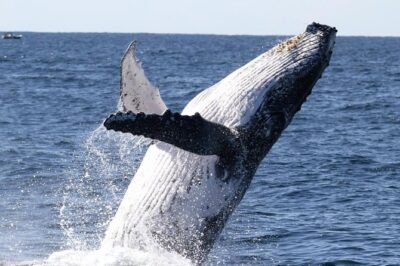
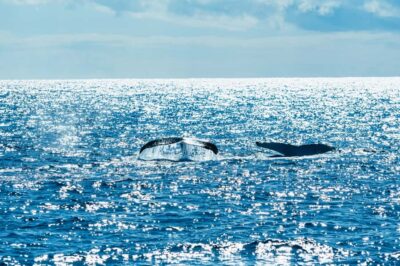
This tour’s big promise is the humpback migration, and the big reason people book is what whales do when conditions line up. During the southern migration, the tour description highlights mothers and newborn calves resting in Jervis Bay. That’s the kind of sighting people talk about because it feels personal and intimate, even when it’s still wild and you’re still watching from a safe distance.
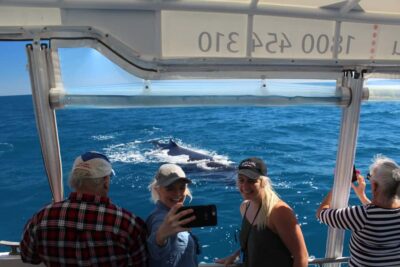
When whales are active, the best sightings often happen when a pod is curious. In one account, humpbacks circled the boat and showed tail and underside displays, with people watching for a long stretch of time. You should treat that as a lucky day scenario, not a guarantee, but it helps you understand what “close-up” can mean on the water. The crew aims for enough distance to keep the animals comfortable, while still giving you a view worth remembering.
That balance is a real value point. Whale tours that get overly aggressive can put animals and passengers at risk, and it can ruin the whole feeling. Here, the feedback points to the crew keeping a respectful space and making sure the viewing stays safe. That’s part of why people describe it as magical while still feeling properly managed.
One practical timing note: the experience is 2 hours total, so you’ll also spend time cruising to and from the best areas. On some trips, viewing time can feel like it’s “sanded down” by travel time, even though the ride is part of the fun. If you’re the type who wants the maximum possible minutes staring at the water, manage expectations and remember: the goal is the whales, not only the time at one spot.
Choppy water happens: what to pack, and how the crew handles rough conditions
Let’s talk about the elephant on the waves. You’re on open water, and Jervis Bay conditions can change fast. In feedback, the water is described as rocky at times, and seasickness hit some passengers during at least one trip. Another experience noted that many people felt sick when conditions were rough enough that the boat experience was uncomfortable.
So here’s your practical move: pack like it’s going to be cool and breezy. The tour info is clear about bringing or wearing something warm, and that’s not just for comfort. Cold wind plus motion can make you feel worse than you expect. If you’re prone to motion sickness, consider a remedy ahead of time, and plan to have a kid-friendly strategy if you’re bringing children.
The good news is the crew’s response is part of the story. When conditions got rough for at least one group, staff were attentive and helpful, with no judgement and clear care to support passengers. That matters because even if the sea roughness is outside anyone’s control, the way it’s handled is not.
Also, safety and rules are taken seriously, especially with kids onboard. The crew is described as patient when families need reminders, while still keeping the vessel organized. If your family likes clear guidance and a calm captain, you’ll probably feel comfortable.
Service animals are allowed, so if that applies to you, the operator is set up to accommodate.
Price, duration, and what you’re really paying for at €40.95
At around €40.95 per person for a 2-hour cruise, you’re paying for a high-impact experience: time on the water in the humpback migration zone plus a crew that scans and explains what you’re seeing. The value here isn’t just the whale promise, it’s the format. Two hours is long enough to have a real chance at sightings, but short enough that this doesn’t dominate your whole day.
The included piece is simple: a 2-hour cruise. Food and drinks are not included, and there’s no hotel pickup. That means you should plan your basics. If you want snacks or a drink, come prepared in a way that works with your day. Since the tour focuses on wildlife and scanning, it’s not set up as a long meal-style excursion.
What also adds value is the range of potential wildlife. If you only got one kind of sighting, it would feel risky. But the cruise sets expectations for dolphins and other animals like seals, penguins, and seabirds such as albatross. When whales show up, great. When they don’t show quickly, dolphins can still make the ride feel alive.
Finally, free cancellation exists, with weather-related cancellations handled by offering a different date or a full refund. That reduces risk if you’re flexible with your schedule.
How weather can change your whale odds without ruining the day
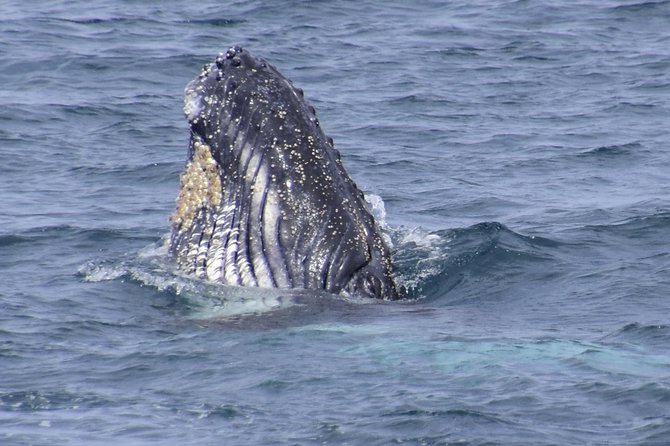
The tour depends on nature, so you need to respect the unpredictability. Whale sightings can never be guaranteed because these are wild animals. On some days, weather may limit what the boat can do, and that can impact your ability to reach the best viewing areas.
A couple of patterns are worth keeping in mind. First, rough conditions can make it harder to keep precise visibility, both for spotting whales and for getting steady photos. Second, if the boat needs to stay within the bay for safety, whale viewing may become more challenging because you’re not always in the exact best zone.
That said, even less-than-perfect days can still include wildlife. Dolphins can show up quickly, and coastal scenery always remains part of the experience. The key is mindset. If you go treating it as a guided nature cruise with a strong chance of whales, you’re much more likely to have a good day even when the sea has other ideas.
Photo tips, binocular habits, and getting the most out of the viewing
If you care about photos, adjust your expectations. When the water is choppy, the boat can shake, and it becomes hard to capture sharp whale shots. Cameras can feel like they’re always a second behind the moment.
Instead of relying only on photos, do two things:
- Focus on video or quick bursts if you spot a spout, since timing is everything
- Use a “scan first, shoot second” rhythm so you don’t miss the surface time
Binoculars can help if you have them, because whales can be visible before they’re close enough to feel obvious. You’ll also get the most out of the viewing if you stand and scan where the crew points out. Follow safety guidance and stay where you’re told, especially when passengers are moving around.
The upside is that the boat ride is also an animal-watching experience. Even if the photos aren’t perfect, you’ll likely remember the moment a whale shows up close enough to see the behaviour, like tail flicks or the pattern of a pod moving.
Who should book this whale watch, and who should think twice
This tour is a great fit if you want a family-friendly wildlife cruise that’s run with patience and clear guidance. It’s also ideal for couples and solo travellers who like guided nature time, since the crew’s commentary helps you spot what you’re looking at instead of just guessing.
It’s especially well-suited for anyone travelling in the humpback season between May and November. If you’re in that window, this is one of the more direct ways to target humpbacks in Jervis Bay.
Think twice if:
- You have a strong sensitivity to motion sickness, since rocky water can make some people feel ill
- You need a guaranteed whale sighting, because wild animal viewing is unpredictable
- You expect long, uninterrupted whale viewing time, since part of the 2 hours goes to travel and positioning
If you’re okay with a nature-based swing in the day’s outcome, the odds of enjoying it are strong.
Should you book Jervis Bay Wild’s humpback whale watching tour?
I think you should book it if you’re travelling in winter migration season and you want the best mix of guided viewing, multiple marine sightings, and an organized, welcoming crew. The price is reasonable for a 2-hour Marine Park cruise, and the staff support feels like a real strength, especially for families.
I would not book if you’re easily overwhelmed by rough water or if you’re the type who needs guaranteed sightings. This is nature, not a theatre show.
If your schedule is flexible, you’re in a good spot because weather can affect whether you sail and how far you can travel. But even when conditions aren’t perfect, the ride still offers coast and marine wildlife opportunities, and the crew aims to make the experience work as best as possible.
FAQ
How long is the Jervis Bay Whale Watching Tour?
It runs for about 2 hours on a cruise.
Where do we meet for the cruise?
You meet at 15 Field St, Huskisson NSW 2540, Australia.
Are there morning and afternoon departures?
Yes, you can choose either a morning or an afternoon departure.
Is food or drinks included in the price?
No. Food and drinks are not included.
What should I wear or bring on the boat?
Bring or wear something warm, since it can be cool on the water.
Are kids allowed on the tour?
Yes, but children must be accompanied by an adult at all times.
Is there free cancellation?
You can cancel for free up to 24 hours in advance for a full refund. If you cancel less than 24 hours before the experience start time, the amount you paid is not refunded.
South Coast Sand and Bays
Added lately from Jervis Bay
- Jervis Bay Beach Stargazing Tour with our Astronomer
★ 5.0 · 35 reviews - Jervis Bay Passage Tour
★ 4.5 · 94 reviews - Half-Day Jervis Bay Sea Kayak Tour
★ 5.0 · 275 reviews - Jervis Bay Dolphin Cruise
★ 4.0 · 294 reviews - Jervis Bay Whale Watching Tour
★ 4.5 · 353 reviews
Whale Watching, compared.
 ★ 4.2Sydney: Whale Watching Adventure CruiseFrom $631,790 reviews
 ★ 5.0Brisbane Whale Watching Cruise from Redcliffe or Sunshine CoastFrom $114997 reviews
 ★ 5.0Freedom 3/4 Day Hervey Bay Premium Whale Watching CruiseFrom $125919 reviews
 ★ 4.5Whale Watching Tour with Spirit of Gold CoastFrom $53884 reviews
 ★ 4.5Sydney Whale-Watching Cruise Including Lunch or BreakfastFrom $74878 reviews
 ★ 4.2Sydney: 2-hour Express Whale Watching CruiseFrom $63756 reviews
 ★ 4.3Spirit of Gold Coast 2.5-Hour Whale Watching TourFrom $49659 reviews
 ★ 4.8Hervey Bay: Ultimate Whale Watching ExperienceFrom $84656 reviews
Browse the lists this tour appears in