
REVIEW · STARGAZING & ASTRONOMY TOURS
Jervis Bay Beach Stargazing Tour with our Astronomer
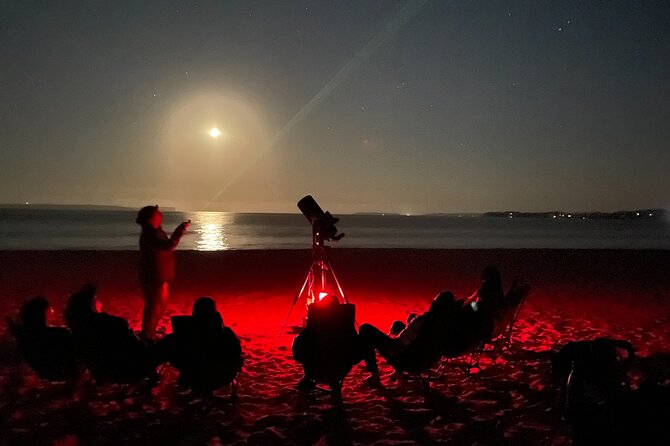
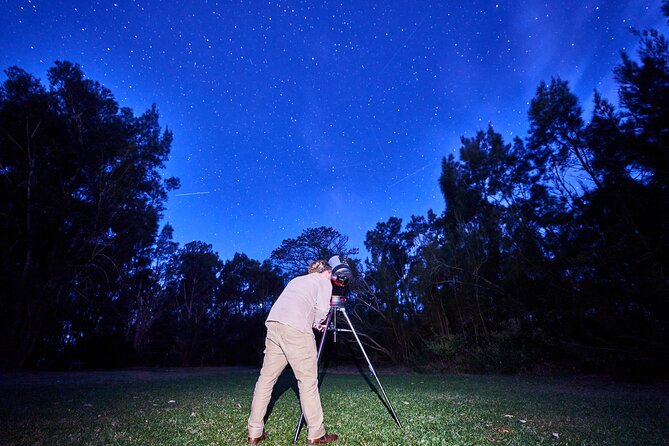
A sky this dark makes everything look closer. In Jervis Bay, you get a Southern Hemisphere stargazing night away from city glow, starting right on the sand at Moona Moona Beach. You’ll use laser-guided naked-eye astronomy first, then switch to a telescope for big-name targets like the Orion Nebula and the Milky Way.
One thing I like a lot is the guide team. Dimitri, an astrophysicist PhD with 10+ years experience (including major observatories and TEDx speaking), brings real science, but keeps it readable for all ages. If Tom is running your session instead, you’ll still get the same small-group, question-friendly vibe.
The main drawback is weather. If the sky is overcast, the tour can be cancelled, and while you can reschedule or get a refund, a portion may be non-refundable due to merchant and service fees.
In This Review
- Key things to know before you go
- Jervis Bay night sky: the Southern Hemisphere advantage
- Beach start at Moona Moona: how the night gets comfortable
- Your astronomer guide: science that stays human
- Telescope time: from Moon detail to deep-sky targets
- Milky Way hunting and the bioluminescence chance
- What the Q&A actually gives you
- Price and value: what $60.97 buys you in real terms
- Timing, sessions, and what to bring for comfort
- Who this tour suits best (and who might not)
- Should you book Jervis Bay beach stargazing?
- FAQ
- What is the duration of the Jervis Bay beach stargazing tour?
- Where do I meet for the tour?
- What can I expect to see through the telescope?
- Is this tour suitable for families or groups?
- How many people are in the group?
- What happens if the sky is overcast?
- What kind of ticket do I receive?
Key things to know before you go
- Dark-sky location in Jervis Bay, far from city light pollution
- Naked-eye astronomy first on Nelsons Beach, with laser guidance and constellation tips
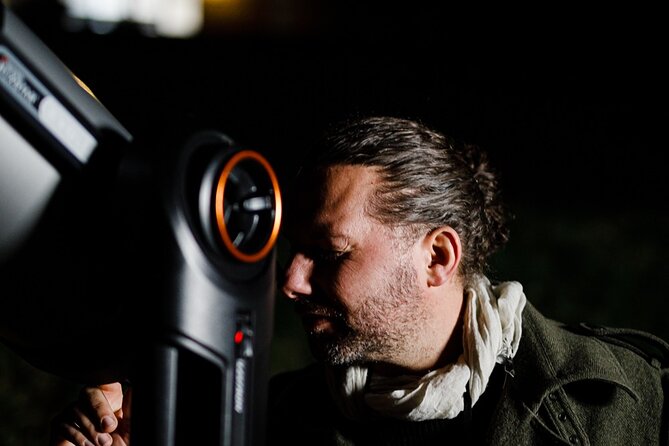
- Telescope viewing that can include the Moon, planets, Orion Nebula, star clusters, and deep-sky objects
- Beach setup for comfort, with seating and blankets mentioned in past experiences
- Ocean checks for bioluminescence, with the chance to look for glowing plankton
- A real Q&A led by an astronomer at the end of the tour
Jervis Bay night sky: the Southern Hemisphere advantage
Jervis Bay is the whole point. This area is known for very dark skies, which matters because stargazing is basically a light-control game. When the background is dark, stars pop more clearly, and you can actually follow along with what the guide is pointing out.
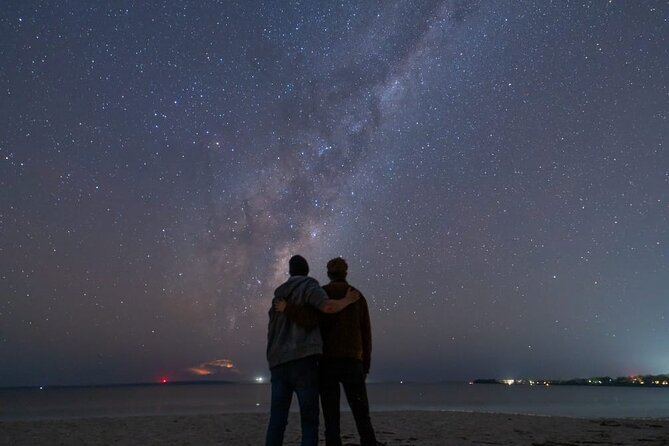
There’s also the seasonal magic of the Southern sky. From the Southern Hemisphere, you’ll see constellations and celestial landmarks that many people never spot at home. The Orion Nebula is one of the highlights, but what surprises you is how much you can learn just by matching patterns in the sky, star by star.
The tour also builds the night in a smart way: it starts before full darkness with beach views and wave sounds, then you gradually shift into night sky focus. That pacing keeps you comfortable and helps your eyes adjust, instead of dropping you into darkness and hoping you can see everything immediately.
White sand and south coast days we have reviewed
- Jervis Bay Whale Watching Tour★ 4.5 · 353 reviews
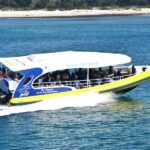
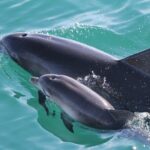
- Jervis Bay Dolphin Cruise★ 4.0 · 294 reviews
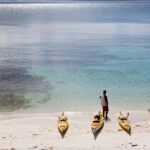
- Half-Day Jervis Bay Sea Kayak Tour★ 5.0 · 275 reviews
- Jervis Bay Passage Tour★ 4.5 · 94 reviews
Beach start at Moona Moona: how the night gets comfortable
You’ll meet at Moona Moona Beach Playground, 7 Tapalla Ave, Huskisson NSW 2540, and the session is designed to run straight back to the meeting spot after it ends. The group size is capped at 20 travelers, which is a big deal for learning. Smaller groups mean the guide can keep track of who is still looking up, and you get more chances to ask questions.
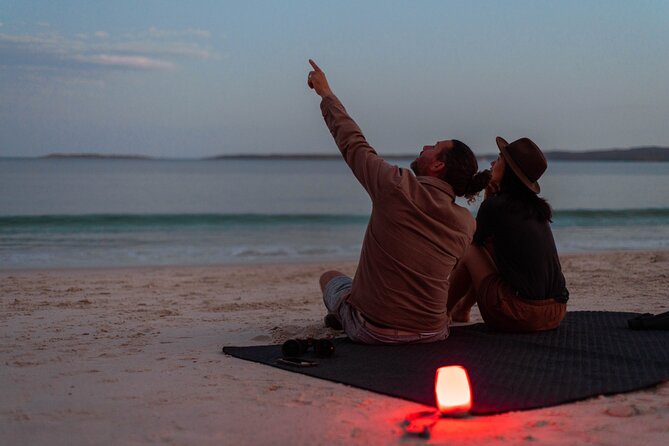
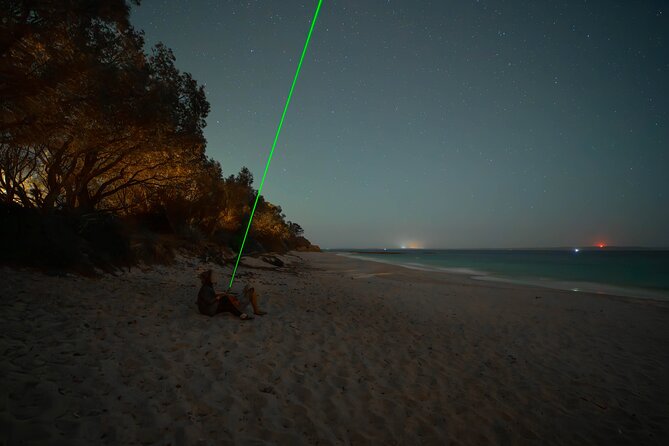
Once you’re set on the beach, you’re not just standing around. The plan is a guided naked-eye astronomy session with laser help. You’ll get practical star and constellation identification tips, plus navigation-style pointers so the sky feels less random and more like a map you can read.
One reason this part tends to land well is the comfort factor. People have described the stargazing spot as clearly set up, with chairs and blankets provided, which helps a lot when you’re staying still for longer than you expected.
And yes, you might catch shooting stars. Even when the main targets are planned, the sky can add extras. If you’re thinking about a date night or a family activity that still feels special, that mix of structure and surprise is hard to beat.
Your astronomer guide: science that stays human
The guide is the difference between just seeing stars and actually understanding what you’re seeing. Dimitri is an astrophysicist PhD and a cultural astronomer with deep experience across observatories, including Sydney Observatory and world-famous astronomy locations like Lake Tekapo in New Zealand. He’s also a TEDx speaker, which tells you he’s used to explaining complex ideas in plain language.
What I find valuable is that this isn’t just trivia. The session is built around how you look. You’ll learn ways to spot stars and constellations quickly, understand what you can expect to see from where you are, and make sense of the telescope views once they come.
If your session is led by Tom, you can still expect the same overall approach, including plenty of time to ask questions. In past sessions, people highlighted the chance to talk directly with the guide during the Q&A, which is usually where the experience becomes personal. You stop wondering and start understanding.
Telescope time: from Moon detail to deep-sky targets
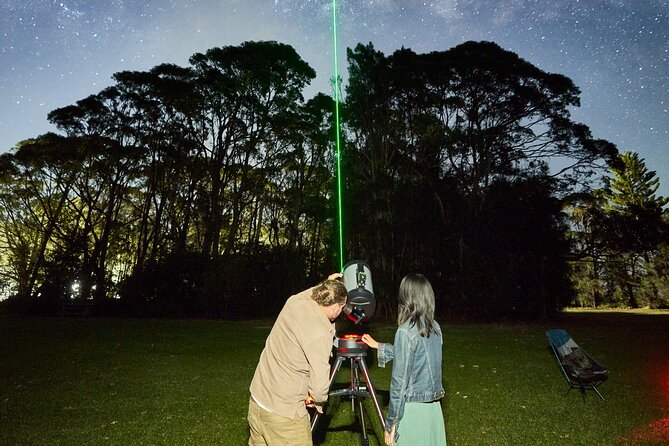
After the naked-eye introduction, the tour shifts to state-of-the-art telescope viewing. The exact targets can vary by time of year and night conditions, but you can count on some big categories being included.
Here’s what the tour is set up to cover:
- The Moon, often a great first telescope target because it shows texture and contrast
- Planets, depending on what’s visible during your date
- The Orion Nebula, a classic deep-sky object that people love because it’s recognizable and visually striking
- Star clusters and other deep-sky objects, when conditions allow
- The Milky Way, which is less about individual objects and more about the overall structure of our galaxy
This is where the experience earns its keep. Naked-eye stargazing can be calming, but telescope time adds detail and clarity. You go from wondering what something is to seeing why it matters.
There’s also a practical learning angle. The guide typically explains what you’re looking at, not just what it’s called. Once you know the Moon’s role as a brightness anchor, or how to look for the nebula as a faint patch that becomes clearer with the right focus, your whole night feels more grounded.
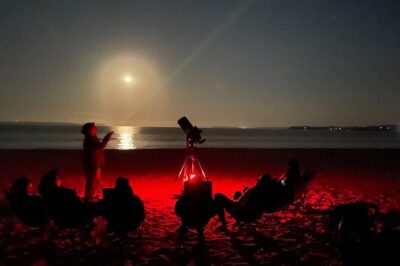
Milky Way hunting and the bioluminescence chance
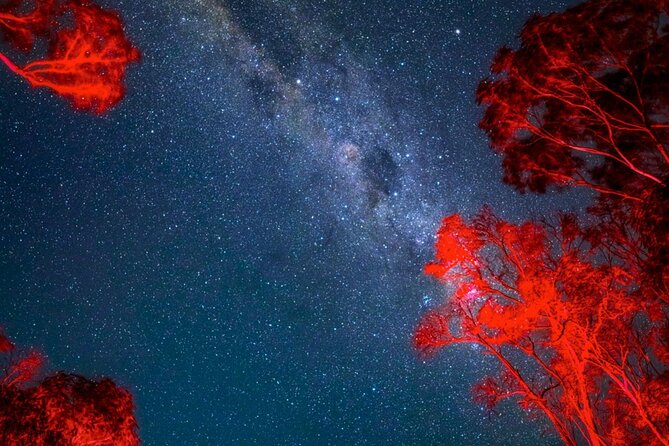
The Milky Way is one of those targets that people talk about, but it hits differently when conditions are right. In Jervis Bay’s dark skies, you’re not just seeing a vague streak. You’re better able to pick out structure, especially when your eyes have adjusted and you’re actually looking in the right direction.
This tour also includes a fun reality-check moment: you may be asked to look for bioluminescence in the water. The concept is simple, glowing plankton in the sea, but the payoff is huge if you catch it. It turns a standard astronomy night into an Australia night experience tied to the coastline.
Do keep expectations sensible. The tour treats it as a possibility to check, not a guarantee. Still, even the attempt adds something memorable, because it shifts your attention away from the sky for a minute and into the ocean glow around you.
If you like nature-based surprises that don’t require expensive tours or special equipment, this is one of those thoughtful additions that makes the whole thing feel more than a basic astronomy lesson.
What the Q&A actually gives you
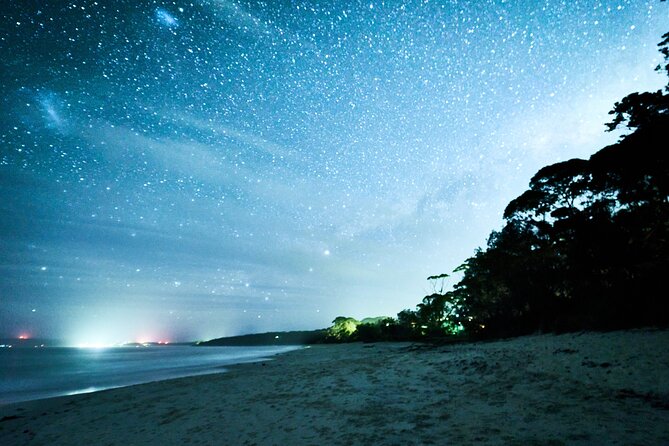
The tour ends with a Q&A led by an astronomer. This matters more than it sounds, because the questions people ask are often exactly what you’d be thinking about too:
- What you’re seeing in plain terms
- How to find constellations again on your own later
- What to look for when you want a second night out
A good stargazing guide helps you leave with usable skills. Not everyone cares about astrophysics, but most people want to know how to translate the night sky from random points into patterns you can recognize.
Because the group is small, Q&A isn’t just a show. You’re more likely to get direct answers instead of general statements that don’t match your exact question.
Also, the pace is designed so you’re not rushed. Ending with questions gives you time to connect telescope views back to the earlier naked-eye session, and that makes the learning stick.
Price and value: what $60.97 buys you in real terms
At $60.97 per person, this is not a bargain ticket, but it also isn’t a luxury add-on. You’re paying for two things that are hard to replicate on your own: an expert guide who can explain what you’re looking at, and access to telescope viewing during the tour.
That value gets stronger when you compare what you’d need to do the same thing yourself:
- Find a genuinely dark-sky location
- Know which objects are likely visible on your date
- Bring a setup that can actually show deep-sky objects
- Spend time learning how to identify constellations without getting lost
Here, the experience handles those pieces for you. The guided laser session gives you fast starting points. Then telescope time gives you payoff. And the Q&A helps you keep what you learned.
Past experiences also mention smooth communication and a clearly defined viewing spot with chairs and blankets. When logistics are easy, you spend more of your energy looking up and less on figuring things out in the cold.
The tour has also been recognized with Bronze awards at NSW Tourism Awards in 2022 and 2023, which isn’t a guarantee of quality, but it does signal this is an established local night activity, not a one-off.
Timing, sessions, and what to bring for comfort
The duration is about 1 hour 30 minutes. That length is ideal for most people because it’s long enough for meaningful viewing, but short enough that you don’t feel stuck. It’s especially good for families and groups, where attention spans vary.
What I’d plan for is temperature and stillness. Even in a coastal setting, night can get cool quickly, and you’ll be looking up for long moments. The tour setup described in past experiences includes chairs and blankets, but I still suggest you bring layers you can adjust, plus something warm for your hands.
Also, if you want the best views and smoother learning, arrive ready to focus. The earlier naked-eye guidance works best when you’re paying attention to the guide’s direction and staying in place.
If you’re the type who likes to return home with skills, this is where you’ll do it. You’ll get practical tips during the session that help you recognize what’s in the sky without needing a phone app every five minutes.
Who this tour suits best (and who might not)
This is a strong match if you want:
- A dark-sky astronomy night without doing a bunch of research first
- A family-friendly activity that still includes telescope viewing
- A date night that feels calm, outdoorsy, and genuinely different
- A small-group experience where you can ask questions
It’s also a good choice for locals, because the Southern sky is always there, but most people never slow down enough to learn how to see it.
The main mismatch is weather sensitivity. If you’re traveling on a tight schedule and a cancellation would ruin your plans, you’ll want to think carefully. The tour depends on clear skies to deliver the full telescope and naked-eye experience.
If you’re a hardcore astronomer with specific observing goals, you might want a more specialized observing session. But for most people, the blend of guided learning and real sky viewing is exactly the sweet spot.
Should you book Jervis Bay beach stargazing?
I’d book it if you want a guided night that turns a dark beach into an actual sky lesson. The combination of Jervis Bay’s dark conditions, telescope viewing of targets like the Moon and Orion Nebula, and the chance to look for Milky Way structure is a lot for the time.
I’d also book it if you appreciate good communication and a setup that keeps you comfortable. The small group size, the clear meeting place, and the chair and blanket arrangement are the kinds of details that make the night enjoyable instead of stressful.
Think twice only if your trip is inflexible due to weather. If clouds move in, the experience may shift or cancel. If you can handle that reality, this is one of those tours that leaves you with both memories and skills.
FAQ
What is the duration of the Jervis Bay beach stargazing tour?
The tour runs for about 1 hour 30 minutes (approx.).
Where do I meet for the tour?
You meet at Moona Moona Beach Playground, 7 Tapalla Ave, Huskisson NSW 2540, Australia.
What can I expect to see through the telescope?
Depending on the time of year and night conditions, you may see the Moon, planets, the Orion Nebula, star clusters, deep sky objects, and the Milky Way.
Is this tour suitable for families or groups?
Yes. It is described as a great night out for all ages, including date nights, families, and groups, and most travelers can participate.
How many people are in the group?
The tour has a maximum of 20 travelers.
What happens if the sky is overcast?
If the tour is cancelled due to overcast skies, you’ll be emailed at 3 pm on the day of the tour. You can reschedule using a credit valid for 3 years (transferable as a gift card) or request a refund with 5% non-refundable merchant and service fees.
What kind of ticket do I receive?
You receive a mobile ticket.
South Coast Sand and Bays
Added lately from Jervis Bay
- Jervis Bay Beach Stargazing Tour with our Astronomer
★ 5.0 · 35 reviews - Jervis Bay Passage Tour
★ 4.5 · 94 reviews - Half-Day Jervis Bay Sea Kayak Tour
★ 5.0 · 275 reviews - Jervis Bay Dolphin Cruise
★ 4.0 · 294 reviews - Jervis Bay Whale Watching Tour
★ 4.5 · 353 reviews
Stargazing & Astronomy Tours, compared.
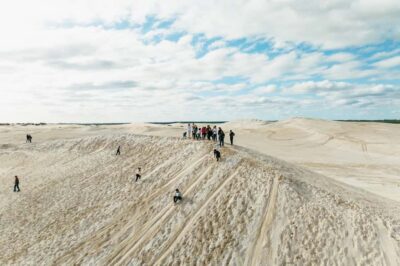 ★ 4.8Pinnacles Desert: Sunset BBQ & Stargazing Tour +SandboardingFrom $1761,555 reviews
 ★ 5.0Pinnacles Desert Sunset Dinner and Stargazing TourFrom $1781,034 reviews
 ★ 4.6From Perth: Pinnacles Sunset and Stargazing Tour with DinnerFrom $122554 reviews
 ★ 4.0Uluru (Ayers Rock) Sunset + Outback Barbecue Dinner & Star TalkFrom $225426 reviews
 ★ 4.5Pinnacles Sunset Stargazing Dinner Experience Small Group TourFrom $132396 reviews
 ★ 4.4Uluru: National Park Astronomy Tour with Telescope and PhotoFrom $91357 reviews
 ★ 5.0Stargazing with an Astronomer in the Blue MountainsFrom $60243 reviews
 ★ 4.3Perth: Pinnacles Desert Sunset & Stargazing with DinnerFrom $159215 reviews
Browse the lists this tour appears in