
REVIEW · ULURU & AYERS ROCK TOURS
Uluru: National Park Astronomy Tour with Telescope and Photo
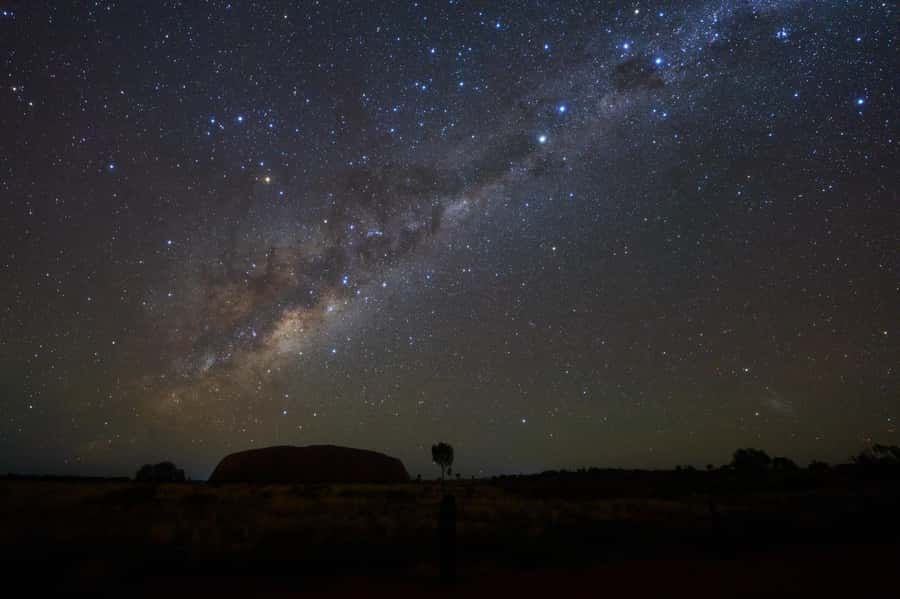
One evening can change how you see the sky. This Uluru National Park astronomy tour takes you away from light pollution for telescope views, star stories, and a pro photo under the southern sky. Uluru becomes your nighttime backdrop, and telescopes turn the sky from pretty to mind-blowing.
I love how the experience is built around real observing time, not just a lecture. You get pickup and drop-off, then a guided night where planets and far-off objects are shown through strong equipment. I also love the included professional photograph, because you come home with a usable keepsake you do not have to figure out in the dark.
One thing to think about before you go is that the photo and telescope portions can involve waiting, especially if the group is large. If the moon is bright on your date, the night sky can also look less starry than you hoped.
In This Review
- Key highlights
- Uluru After Dark: why this astronomy tour feels different
- The drive, the pickup, and getting to a sky with real contrast
- Telescope time: what you can expect to see through the gear
- Guided constellations and indigenous astronomy, with lasers and stories
- The included photo under the stars, and how to get the best one
- Weather reality: how cold it gets, and what to wear
- Price and value: is $91 worth it for this format?
- Who should book this tour (and who might prefer something else)
- Should you book Uluru National Park Astronomy with Telescope and Photo?
- FAQ
- How long is the Uluru astronomy tour with telescope and photo?
- Is pickup and drop-off included?
- Do I need to bring a National Park Pass?
- Are telescopes included, and do I get to use them?
- What photo do I receive at the end?
- What should I bring for the night?
- What languages is the live tour guide offered in?
Key highlights
- Dark-sky setting near Uluru and Kata Tjuta, away from city light
- Telescope and binocular time for planets and deep-sky objects
- Indigenous astronomy stories, shared by the guides as you look up
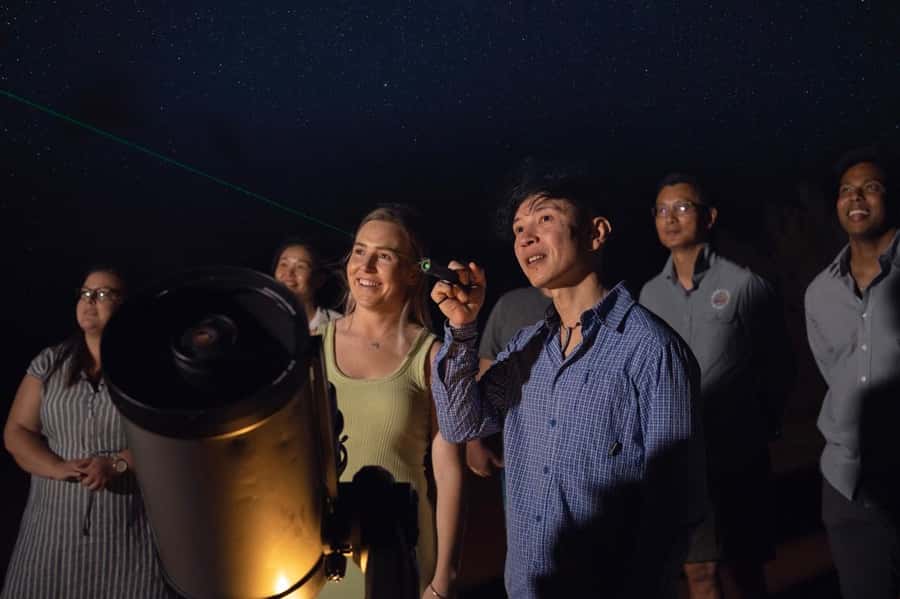
- Laser star pointing and phone help, so you can find constellations fast
- An included digital professional photo with the star field and Uluru backdrop
Uluru After Dark: why this astronomy tour feels different
Uluru at night is not the same place as Uluru at sunset. With the lights down and the sky opening up, the scale of space suddenly feels real. This tour leans hard into that feeling by pairing a guided sky map with hands-on telescope viewing, so you are not just learning names, you are seeing things.
What makes it stand out is the mix of science and culture. You are shown celestial targets in the way a stargazing guide would, then you also hear indigenous astronomy stories tied to how people have observed the sky long before telescopes. That combo helps the night feel meaningful, not just technical.
You also get a strong practical payoff: a professional photograph taken under the stars. That matters because nighttime photography is hard. Your best shot might still end up blurry or too dark. Here, you get a second chance at getting something frame-worthy, and you do not have to bring your own gear to do it.
Sunrise and sunset slots at the rock, reviewed
- Uluru: Field of Light Sunrise Tour with Hot Drinks★ 4.6 · 572 reviews
- Uluru 15-Minute Helicopter Experience★ 4.9 · 548 reviews
- Yulara: Uluru & Kata Tjuta 25-Minute Helicopter Experience★ 4.8 · 536 reviews
- Yulara: Uluru Sunrise and Kata Tjuta Day Trip by Bus★ 4.5 · 469 reviews
The drive, the pickup, and getting to a sky with real contrast
The tour starts with pickup from your accommodation. On the day of your tour, the provider emails your confirmed pickup schedule, and the bus is labeled Atrip. Plan on about 150 minutes total, which includes the evening out and the return to your hotel.
Why the transport part matters: you want to be far from light pollution. Several people highlight how the skies look dramatically better once you are away from resort lights and nearby towns. In other words, the ride is not just convenience, it is part of the show. If you ever worried that you are paying to sit on a bus, do not. The whole point is the night-sky location.
Once you arrive, expect a guided stargazing setup in the park. You get time to look up, and the guides use tools like lasers and narration to help you locate stars and patterns in real time. That is the difference between randomly pointing and actually knowing what you are seeing.
Telescope time: what you can expect to see through the gear
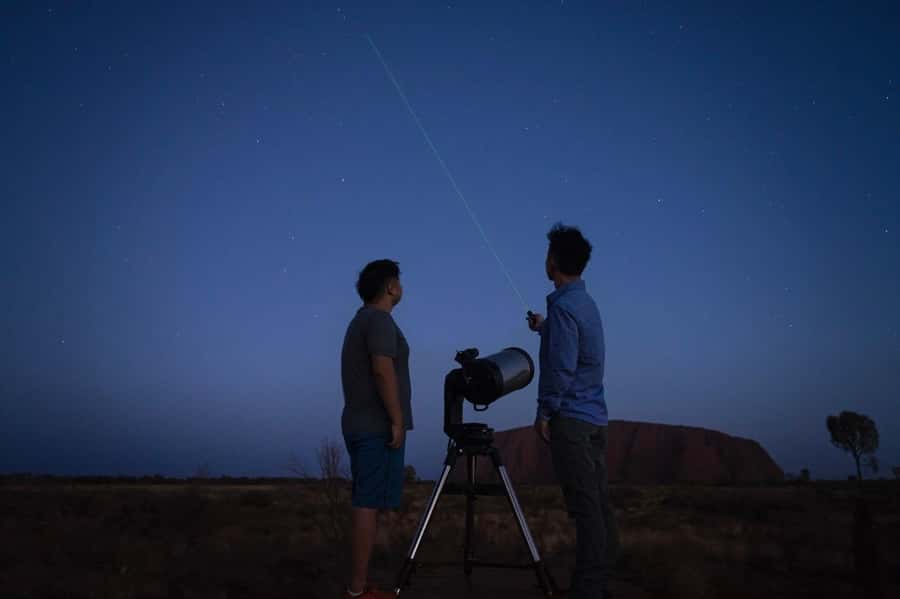
This is a telescope tour, not a stars-and-chairs tour. Telescopes and binoculars are provided, and you use them as the guides point out targets in the sky.
The most praised moment in the whole experience is how clearly distant objects show up once you look through the lenses. People specifically mention seeing Saturn, including views of Saturn’s rings, which is one of those wow targets even casual stargazers recognize. Others mention the Pleiades, often called the 7 sisters, plus clusters and nebulas that are hard or impossible to spot with the naked eye.
Some guests even report seeing far southern targets like Alpha Centauri, and in at least one case, Pluto. Those sightings depend on conditions and timing, but the point is this: the tour uses equipment that can pull you beyond the usual sky postcard views.
A practical note from the reality of groups: telescope time can mean some waiting. If you go with high expectations for rapid turn-taking, you might feel the pinch during busy nights. Still, most people rate the telescope session as the highlight, so it is worth planning for at least a little patience.
Guided constellations and indigenous astronomy, with lasers and stories
A big part of the value here is the way the guides teach you to see. Instead of handing you a printed star chart and leaving you alone, the guides point out constellations and highlight key features while sharing indigenous astronomy stories.
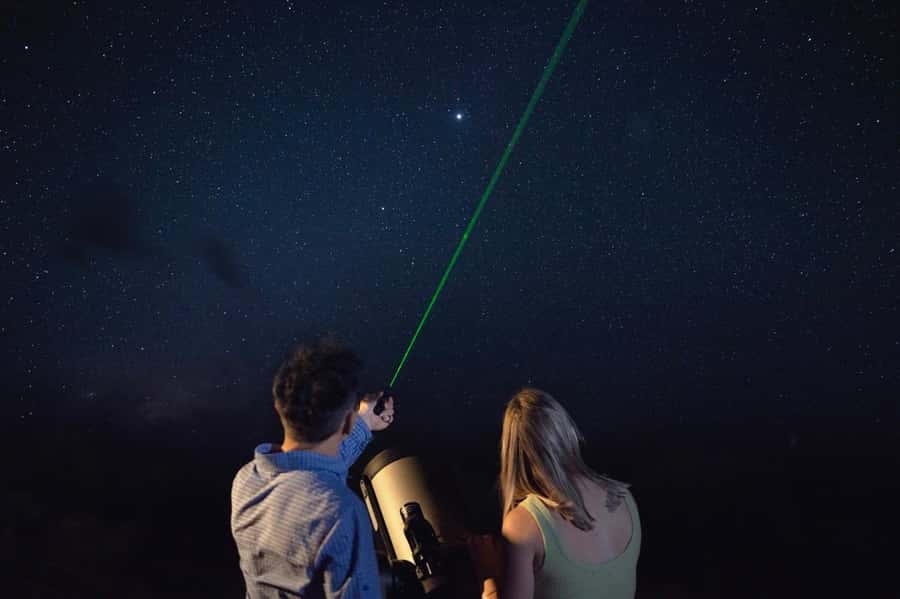
The guides also use lasers to show where to look. That helps a lot in the dark, because you are not guessing at whether a bright dot is one star or another. Guests mention that the laser pointing made constellations easier to remember, and it also makes it more fun for people who do not know the sky.
If you want a balanced approach, this tour is built that way. You get:
- science explanations tied to what you are viewing
- cultural context tied to how people have observed the sky
The result is that you leave with more than a photo. You leave with a mental map, and you start recognizing patterns the next time you step outside at night.
Also, if you are traveling with kids or teens, this kind of guided star pointing usually works better than pure lectures. Several families specifically say it was a top activity for teens, largely because the viewing is interactive.


The included photo under the stars, and how to get the best one
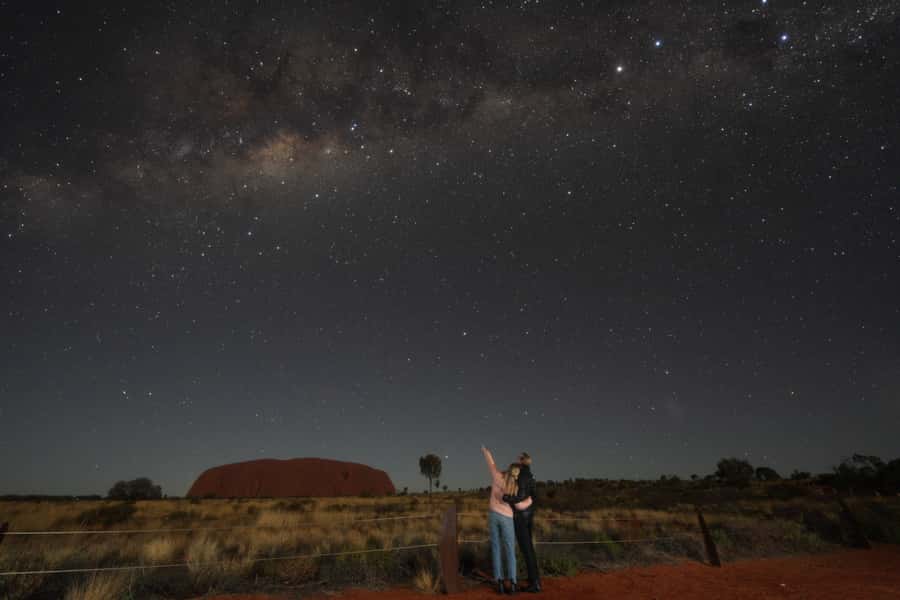
The tour includes a professional digital photograph taken with the star-filled sky as the backdrop, plus Uluru in the frame. People describe this as the cherry on top, and it is an excellent value add because it is hard to nail nighttime shots on your own.
Timing detail to plan for: photo sessions can require a line, and some guests mention queue times around 45 to 60 minutes. If you are sensitive to waiting, bring patience. It is also worth understanding that a long-exposure style photo takes time for each person, so the wait is not pointless.
What you can do to improve your own photos during the wait or between telescope rounds:
- Bring your phone and be ready to follow guide tips
- If you love astro photography, bring your own camera and tripod (the tour encourages this)
- Ask the guide for phone settings help, since multiple guests say they assisted with getting better phone shots
Even if you mainly rely on the included pro photo, it is still nice to leave with at least one phone image that does not look like a dark blob.
Weather reality: how cold it gets, and what to wear
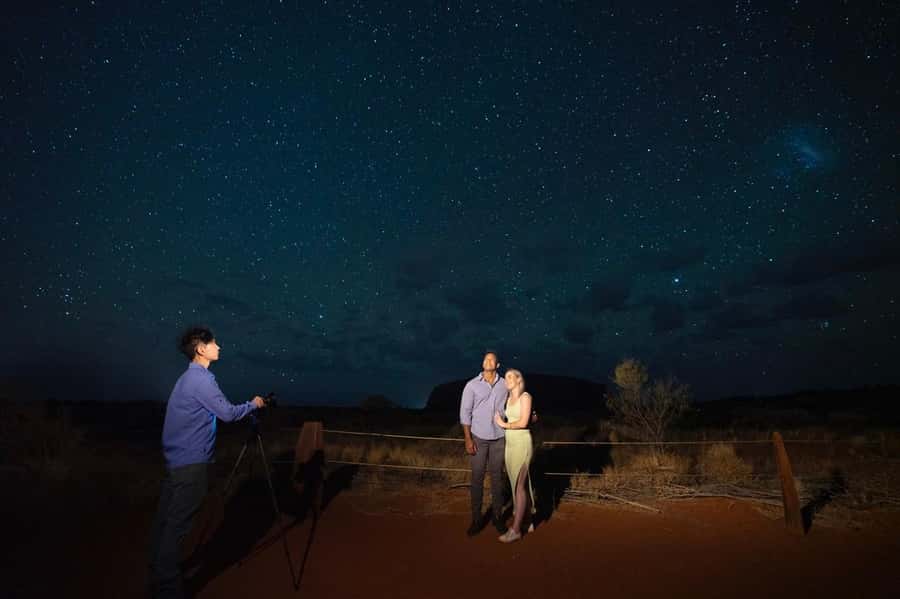
This is the outback, and the sky comes with temperature swings. You should plan for chilly conditions at night, even if the daytime feels warm.
The tour provides blankets, and guests repeatedly appreciate that extra layer. Still, bring warm clothing and closed-toe shoes. The tour also asks for a reusable water bottle, which is a good idea because you will be out for hours including transport.
One review notes that in May it can feel close to 10 degrees Celsius, so layering is key. In summer, it might not be as extreme, but it is smart to dress for evening cold rather than midday comfort.
If you are the type who always forgets a hat, this is a good time to remember one. Between cold air and long watching time, you will feel grateful for anything that keeps you comfortable.
Price and value: is $91 worth it for this format?
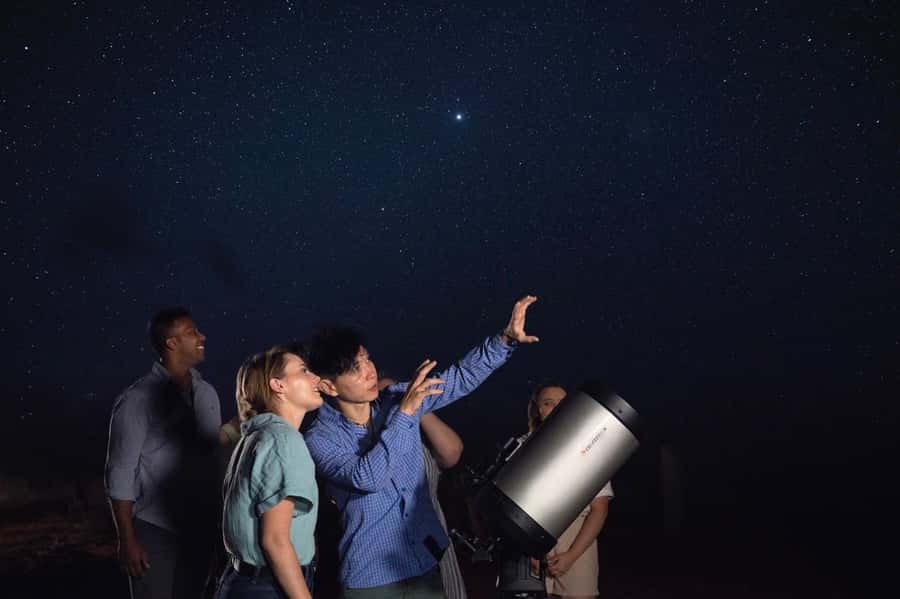
At $91 per person for about 150 minutes, you are paying for a full packaged night, not just a bus ride to somewhere dark.
Here is what you get included:
- guided tour
- pickup and drop-off
- telescope usage (so you do not have to rent or guess how to use it)
- a digital professional photograph
That combination is why many people feel it is good value. You are getting expert guidance, access to proper observing equipment, transportation, and a final souvenir you can actually share or print.
Could you do stargazing on your own? Sure. But you would still need to solve dark-sky access, star identification, and nighttime photography basics. This tour does those hard parts for you.
Also, group structure affects perceived value. Some guests say the group size can mean crowding around telescopes and longer photo queues. If you hate crowds, that might reduce your enjoyment. If you are okay with sharing the spotlight and waiting your turn, it is a strong pay-off.
Who should book this tour (and who might prefer something else)
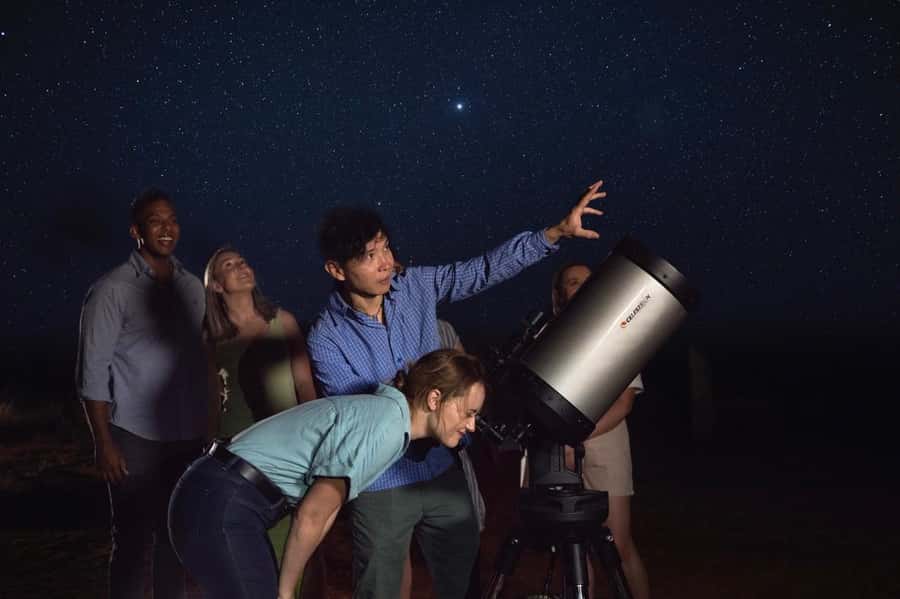
I think this is a great fit if you want:
- a guided first-time introduction to southern stars
- telescope views like Saturn’s rings, deep-sky objects, and planets
- a guided blend of science and indigenous astronomy stories
- an included professional photo taken for you
It is also a solid pick for mixed groups, including families, because the guides keep things structured and interactive with lasers and explanations, and multiple people note teens loved it.
It might be less ideal if you:
- dislike waiting in lines
- plan to obsess over doing your own astrophotography and need long uninterrupted tripod time
- are going on a date with a bright moon, since moonlight can reduce how many stars you visibly catch
Also, if you are a strict beginner, you might feel the sky talk is technical at times. The guides do answer questions, but the style may include some stats and astronomy terms. Still, it is generally described as easy to follow and engaging.
Should you book Uluru National Park Astronomy with Telescope and Photo?
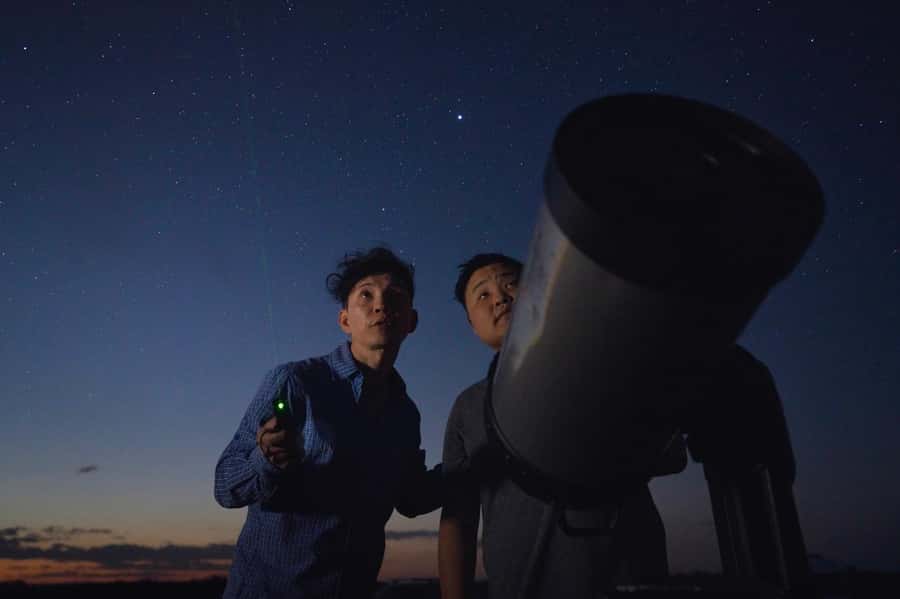
Yes, I would book it if your goal is to actually see more than you can see from your hotel. The dark-sky location, telescope time, and the included pro photo together make it a practical, high-impact night.
Before you go, do two things to set yourself up for success:
- Dress for cold. Even with blankets, warm layers help you enjoy the whole session without rushing to get back to comfort.
- Mentally accept that you may queue for the photo and take turns with telescopes. That is the trade for having professional equipment and a guided setup.
If you want an outback night where you leave with clearer understanding, real telescope views, and a photo you will treasure, this tour is a strong choice.
FAQ
How long is the Uluru astronomy tour with telescope and photo?
The tour lasts 150 minutes.
Is pickup and drop-off included?
Yes. Pickup and drop-off are included, and you will be sent your confirmed pickup schedule by email. The bus is labeled Atrip.
Do I need to bring a National Park Pass?
No. Guests do not need to bring their own National Park Pass for this tour.
Are telescopes included, and do I get to use them?
Yes. Telescope usage is included, along with binoculars during the stargazing.
What photo do I receive at the end?
You get a professional digital photograph taken with the star-filled sky as the backdrop, and it is available for download later.
What should I bring for the night?
Bring warm clothing, closed-toe shoes, and a reusable water bottle.
What languages is the live tour guide offered in?
The live tour guide speaks English and Chinese.
Sunrise, Sunset and the Base Walk
Added lately from Yulara
- King’s Canyon: 15-minute Scenic Helicopter Tour
★ 4.9 · 78 reviews - Uluru: Small Group Sunset Tour with Sparkling Wine
★ 4.5 · 82 reviews - From Yulara: 3-Hour Small Group Kata Tjuta Afternoon Tour
★ 4.7 · 101 reviews - Uluru: Uluru Base Segway Tour
★ 4.6 · 112 reviews - Kata Tjuta: Small Group Sunrise Tour with Picnic Breakfast
★ 4.7 · 113 reviews - Yulara: Uluru and Kata Tjuta Sunset Helicopter Tour
★ 4.9 · 148 reviews
Uluru & Ayers Rock Tours, compared.
 ★ 4.6From Alice Springs: Day Trip to Uluru with BBQ DinnerFrom $254761 reviews
 ★ 4.5Ayers Rock Day Trip from Alice Springs Including BBQ DinnerFrom $262639 reviews
 ★ 4.6Uluru: Field of Light Sunrise Tour with Hot DrinksFrom $91572 reviews
 ★ 4.9Uluru 15-Minute Helicopter ExperienceFrom $145548 reviews
 ★ 4.6Kings Canyon: Full-Day Tour from Ayers Rock ResortFrom $244541 reviews
 ★ 4.8Yulara: Uluru & Kata Tjuta 25-Minute Helicopter ExperienceFrom $237536 reviews
 ★ 4.5Yulara: Uluru Sunrise and Kata Tjuta Day Trip by BusFrom $140469 reviews
 ★ 4.5Uluru: Sacred Sites & Sunset Tour with Wine & CheeseboardFrom $140450 reviews
Browse the lists this tour appears in