
REVIEW · ULURU & AYERS ROCK TOURS
Uluru: Guided Walking Tour at Sunrise with Light Breakfast
Sunrise on Uluru feels impossibly close. You get a guided 10.5 km base walk with Tjukurpa stories as the desert wakes up, plus a light breakfast that keeps you going in the cool morning. The tradeoff: the pace can feel brisk, and the day ends around 1:00 PM, so airport or tight same-day plans can be tricky.
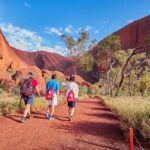
This is not a quick photo stop. You’re on foot around Uluru’s whole base, with stops tied to sacred sites, including Mutitjulu Waterhole and Kuniya Piti, plus a guided explanation that helps the rock feel personal and meaningful.
In This Review
- Key things I’d plan for on this Uluru sunrise base walk
- Why the sunrise base walk around Uluru works so well
- Your morning timeline, from coach pickup to finishing at Kuniya Piti
- Kuniya Piti and the Mala Walk: hare-wallaby country on foot
- Kantju Gorge and the Lungkata Walk: desert stories that change what you see
- How guides shape the tour, and what that means for your experience
- What to pack for a long, early walk in the desert
- Price and value: what your $140 really pays for
- Who this Uluru sunrise base walk is best for
- Should you book this sunrise Uluru base walk?
- FAQ
- Do I need to buy park tickets before this tour?
- How long is the Uluru sunrise walking tour?
- When does the tour start?
- How far do you walk?
- Is the walk wheelchair accessible?
- What fitness level do I need?
- What should I bring?
- Is breakfast included?
- What time does the tour end?
- Is pickup included, and when should I be there?
Key things I’d plan for on this Uluru sunrise base walk
- Full-base circuit, not a shortcut: a 10.5 km walk that gives you angles you simply don’t get from viewpoints.
- Departing about 1 hour before sunrise: you’re walking while it’s still dark and building light, not just arriving at dawn.
- Mutitjulu Waterhole rock art stop: you’ll learn what water and living things mean in the story of the place.
- Story-driven walking sections: Mala Walk (hare-wallaby), Kantju Gorge (a desert “waterfall” vision), and Lungkata Walk (blue tongue lizard).
- You finish at Kuniya Piti with a certificate: a satisfying end point after a long morning.
Why the sunrise base walk around Uluru works so well
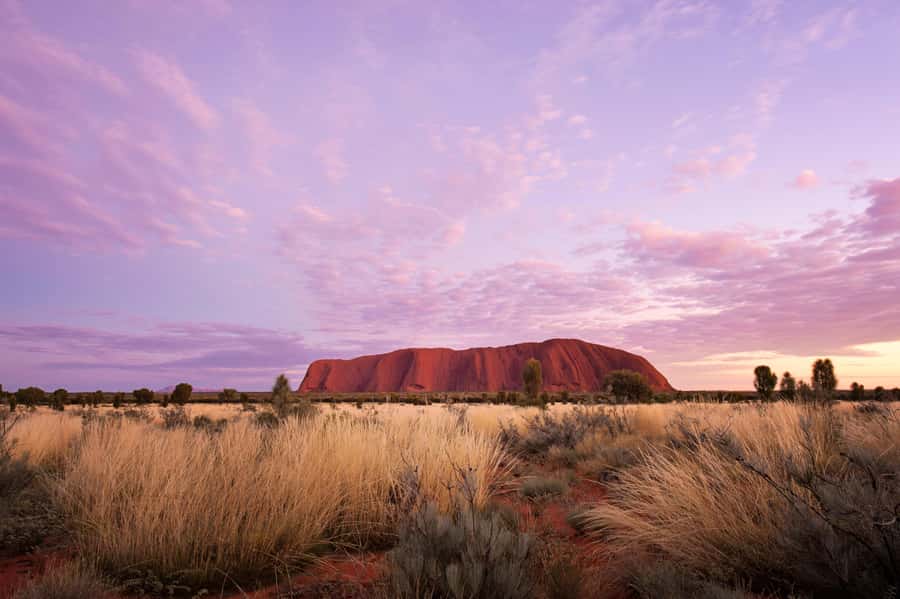
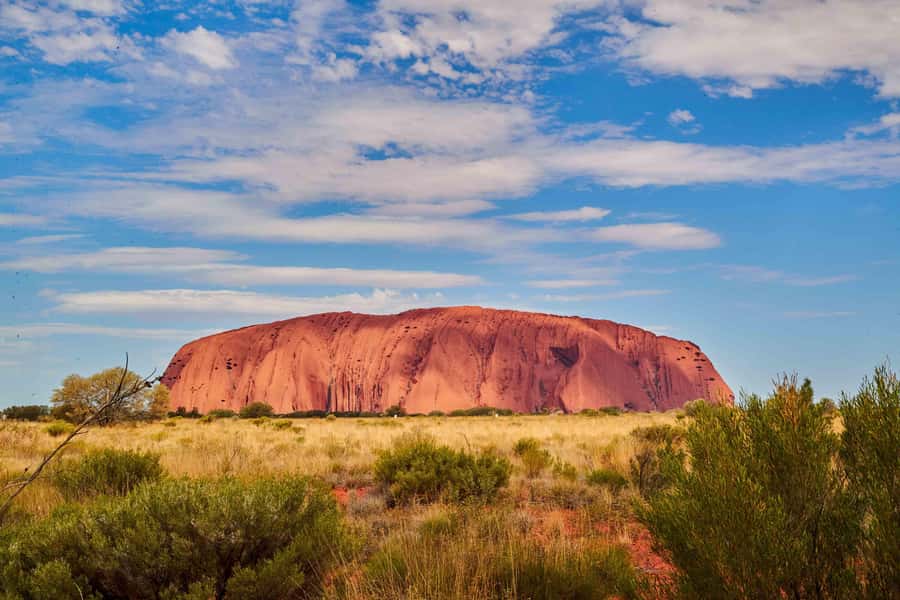
Uluru is one of those places where scale hits you before meaning does. At sunrise, the light pulls out the rock’s warm reds and orange-browns, and the shadows make the carvings, ridges, and curves look almost 3D. A guided base walk adds context, so you’re not just staring, you’re learning how people read this place through Tjukurpa stories.
I especially like the way this tour mixes three things you usually have to choose between: movement, meaning, and timing. The 10.5 km circuit means you experience Uluru from many angles, and not just the front everyone photographs. And the early start plus light breakfast makes the whole experience feel doable instead of miserable.
The one consideration I’d take seriously is pacing. The walk is described as long but gentle on flat ground, yet multiple accounts point to it sometimes feeling quicker than you’d expect for a sunrise walk. If you’re a very slow walker, or you want a relaxed, unhurried stroll the entire way, this might feel like too much.
Sunrise and sunset slots at the rock, reviewed
- Uluru: Field of Light Sunrise Tour with Hot Drinks★ 4.6 · 572 reviews
- Uluru 15-Minute Helicopter Experience★ 4.9 · 548 reviews
- Yulara: Uluru & Kata Tjuta 25-Minute Helicopter Experience★ 4.8 · 536 reviews
- Yulara: Uluru Sunrise and Kata Tjuta Day Trip by Bus★ 4.5 · 469 reviews
Your morning timeline, from coach pickup to finishing at Kuniya Piti
This tour runs about 330 minutes total, and it starts based on the sunrise schedule. The departure is typically 1 hour before sunrise, and because sunrise shifts through the year, your exact times will vary. Plan to keep things flexible, and take your reconfirmed pickup time seriously, since pickup timing affects what kind of sunrise you actually see.
You’ll begin with early morning comfort: a light breakfast plus hot tea or coffee, enough to get you moving before you’re properly warm. Then you ride out by air-conditioned coach to the start area tied to the sacred sites.
The walk itself is structured as a series of story-linked sections along Uluru’s base. It moves you through meaningful spots, then you end at Kuniya Piti. Expect the tour to finish around 1:00 PM, and note that it may be hard to get back to Ayers Rock Resort in time for airport transfers on the same day.
Kuniya Piti and the Mala Walk: hare-wallaby country on foot
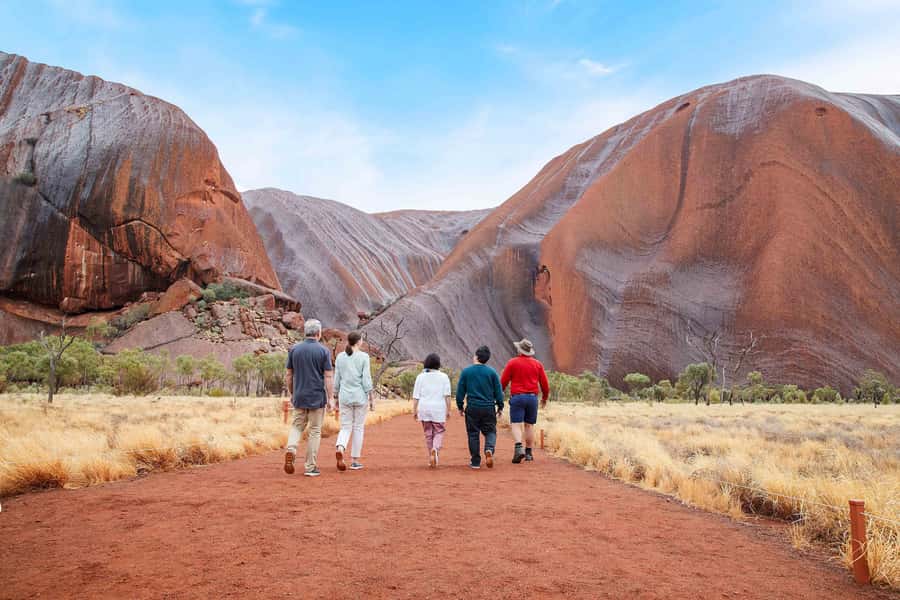
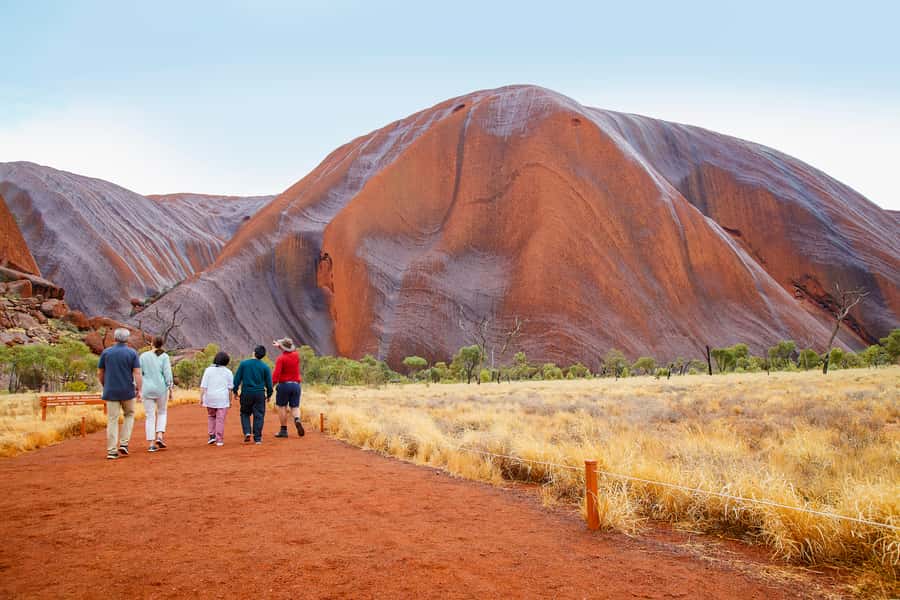
The core of your experience is walking around Uluru’s base, and the tour frames that walking as more than exercise. You’ll head to the sacred site area at Kuniya Piti, where the guide shares the Tjukurpa behind what you’re seeing.
Then the focus shifts to the Mala Walk. This is where the tour leans hardest into story telling tied to where Aboriginal communities live, and where ceremonies and cultural preparation happen. Some people believe that moving through parts of this area puts you in the presence of spirit connected to the Mala Tjukurpa, the hare-wallaby people. Even if you’re not thinking spiritually, it still changes the way you look. You start noticing patterns and landmarks as “parts of a story,” not random shapes on a huge rock.
A big highlight on this section is Mutitjulu Waterhole, including Aboriginal rock art. If you only visit Uluru as a viewpoint, you’ll miss the sense of place that comes from close up walking near sites connected to water, living things, and generations of memory. The walk gives you time to register details you’d otherwise breeze past.
Practical note: you should come prepared for a long morning on foot. Flat ground can still feel like a lot when you’re walking in cool-to-warm desert temps and stopping for explanation.
Kantju Gorge and the Lungkata Walk: desert stories that change what you see
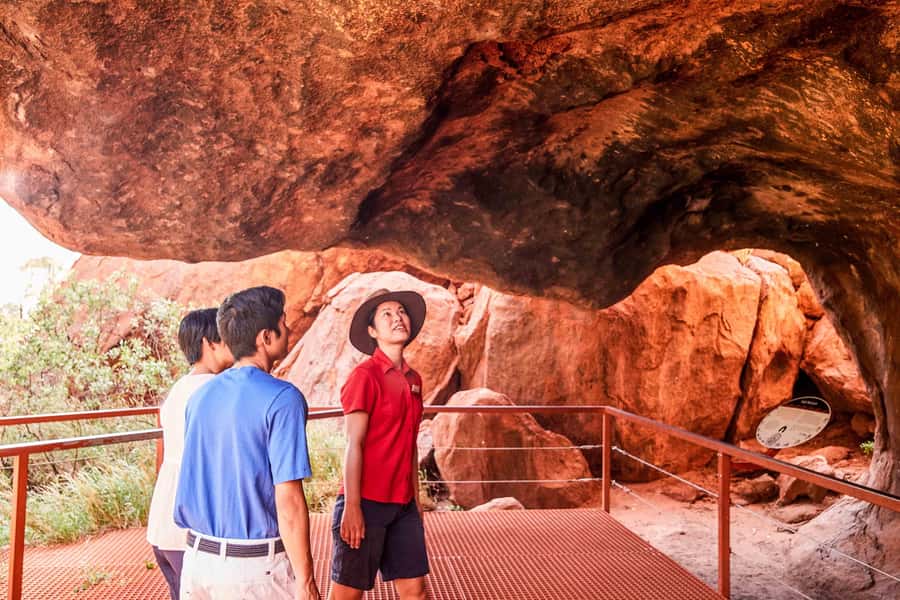
After the Mala Walk portion, you’ll keep going with more story-led stops along the circuit. One that sounds especially memorable is Kantju Gorge, where the guide points out a vision of a waterfall in a desert setting. In other words, it’s not that you’ll be standing next to a roaring cascade, it’s that the story and landform work together to create a powerful idea of water where you might not expect it.
Next comes Lungkata Walk, focused on the Tjukurpa story of a cheeky blue tongue lizard. This part matters because it shows how people read animal behavior, land features, and seasonal change as connected. If you like nature and symbolism, this is the section that helps it all click.
You’ll also learn about ancient Aboriginal rock paintings, and you’ll hear how the site is understood in both Indigenous and European history. The combination can feel like two timelines layered together. You do need to be ready for a respectful learning environment, and that means paying attention when the guide asks you to slow down, stand back, or listen.
A note on pace again: some people love the structure because it breaks the 10.5 km into manageable chapters. Others say certain parts can feel rushed, especially around culturally sensitive zones where lingering might not be appropriate. If you need lots of quiet time with your own thoughts, consider that you may not get it everywhere.

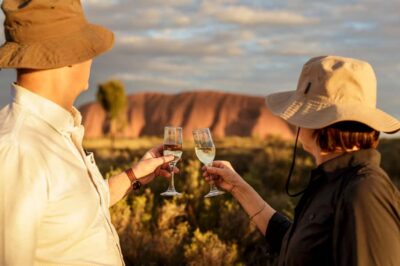

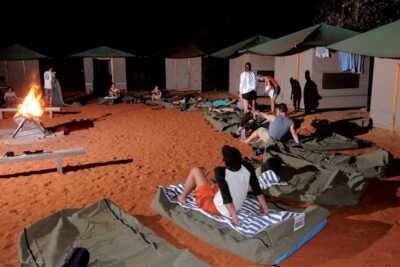
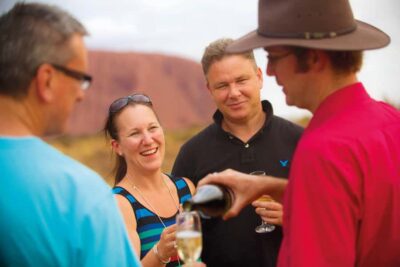
How guides shape the tour, and what that means for your experience
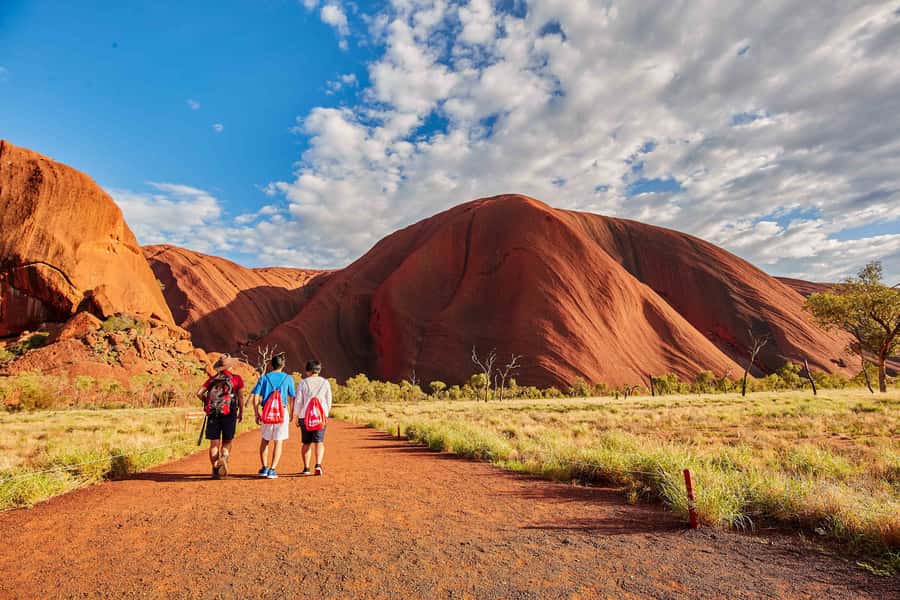
The tour includes an experienced accredited local driver guide with live English commentary. That matters at Uluru because the difference between a fun walk and a meaningful one is usually the storytelling style and the tone set by the guide.
Names that come up often in real experiences include Michelle, Hayley, Alex, Glen, Celia, Jess, Trent, Hermann, and Jesse. A pattern behind the strong ratings is that guides combine respect for the land with humor and clear pacing. Many accounts highlight guides who answer questions and connect the scenery to the stories, so it feels like you’re walking with someone who actually cares about getting the details right.
There’s also a practical side to guide quality. A good guide helps you match your effort to conditions, keeps the group moving without losing meaning, and builds in enough stopping points that you’re not just watching your feet the entire time.
Still, pacing can vary by group energy and conditions. Some people found the walk brisk enough that slower walkers had trouble keeping up. If you know you walk slowly, or you’re traveling with kids or someone who needs frequent breaks, plan to tell yourself you’ll need to manage energy and stop strategy.
What to pack for a long, early walk in the desert
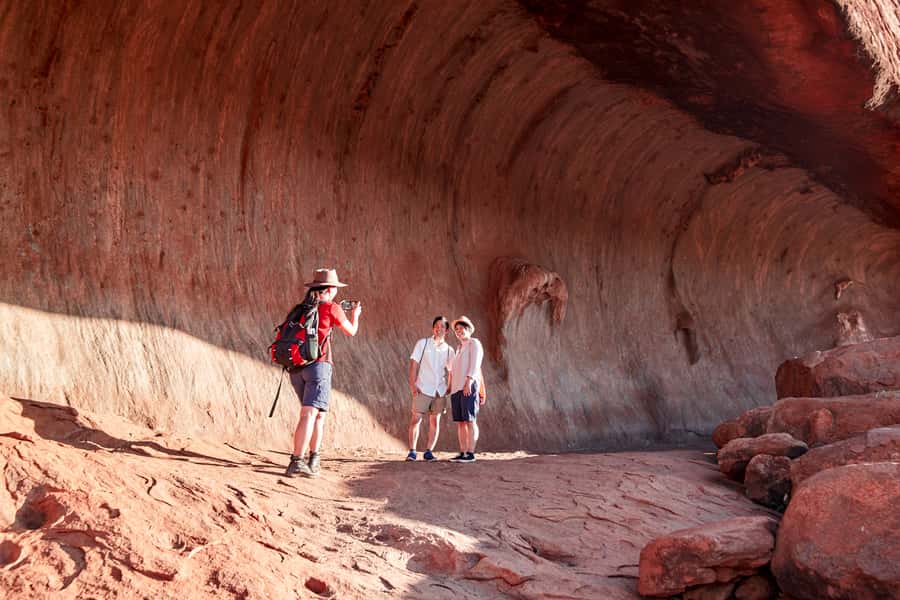
Even though the walk is described as long but gentle on flat ground, you’re still walking a 10.5 km loop. That’s a lot before midday, especially when you start early and the day warms up.
Here’s what you should treat as non-negotiable:
- Bring at least 2 liters of water. More is fine if you’re a heavy sweater or traveling in hot months.
- Wear comfortable walking shoes you’ve already used. Desert mornings reward solid traction and comfort.
- Bring a backpack or rucksack, since you’ll want to keep water and sun protection handy.
- Use sun protection. The morning starts cooler, but you can get hot by the end.
One small but very real tip from on-the-ground experience is a fly net, which some people found essential. Bugs can be a thing in the area, and a simple accessory can save your morning from annoyance.
Restrooms also come up as a practical concern. Some people noted basic toilets at the start area, so go before you leave your accommodation and bring the mindset that you’ll be self-sufficient for the morning.
Price and value: what your $140 really pays for
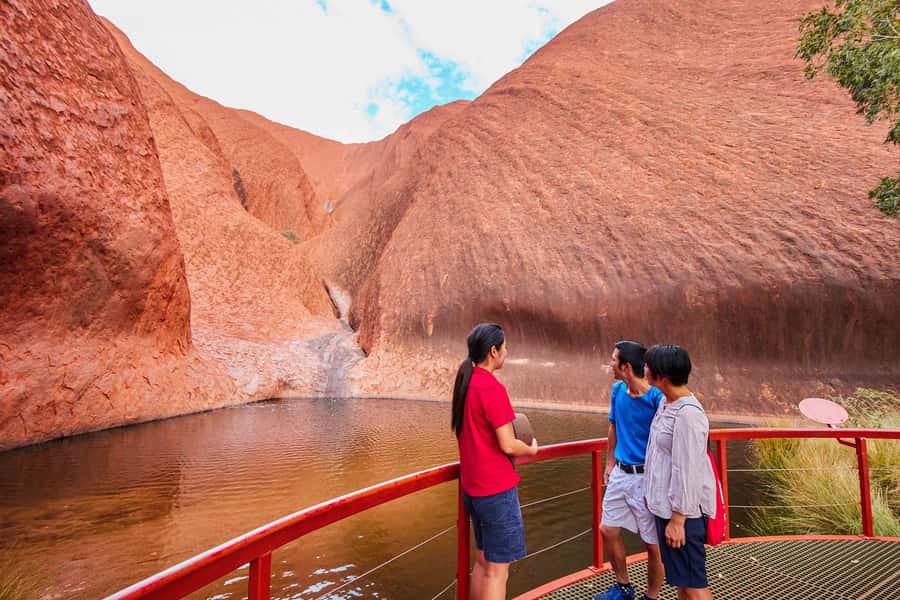
At $140 per person, you’re paying for more than a walk. This price covers the air-conditioned coach, the light breakfast, live English commentary, and an accredited local driver guide, plus a souvenir certificate at the end. What it does not include is the Uluru and Kata Tjuta National Park entry ticket, which you must pre-purchase online in advance.
So the value question is really this: are you the kind of visitor who benefits from interpretation and structure? If you’re going to spend only a short time at Uluru, the guided base walk can be a strong use of limited hours. You’re paying to reduce guesswork, get context for what you see, and make the sunrise timing meaningful instead of just incidental.
If you’re the independent type, you could theoretically see Uluru on your own. But you would miss the guided story framing tied to places like Mutitjulu Waterhole and the Tjukurpa connected to the Mala and Lungkata sections.
The main “value risk” is expectations. Some people felt they didn’t get as much of the classic sunrise moment as they wanted, especially if pickup timing wasn’t ideal. So, reconfirm carefully and be ready to prioritize the walk and the stories, not just chasing the perfect sun shot.
Who this Uluru sunrise base walk is best for
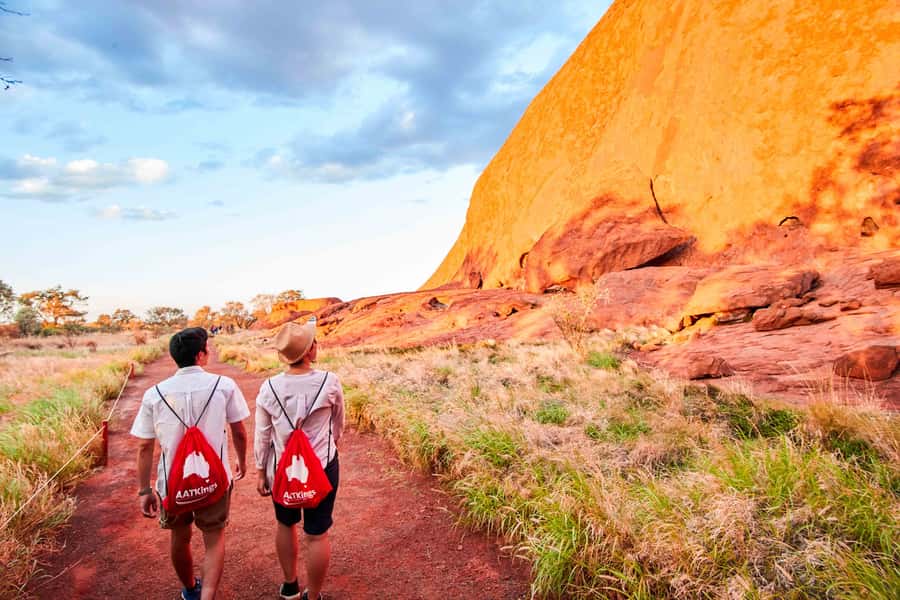
This is a great fit if you:
- Want a first-time Uluru experience that goes beyond viewpoints.
- Enjoy storytelling that connects animals, land features, and human meaning through Tjukurpa.
- Are comfortable with moderate fitness and can walk for a long morning on flat ground.
- Like the idea of finishing at Kuniya Piti with something tangible, like the souvenir certificate.
I’d think twice if you:
- Need wheelchair accessibility. This tour is not wheelchair accessible.
- Have very tight timing for airport transfers or need to be back on-site early. The tour ends around 1:00 PM, and timing back to Ayers Rock Resort might not line up.
- Are very slow walkers who get stressed by a brisk pace. Some people found the walk faster than expected.
One more practical fit question: are you willing to carry water and manage your own comfort in desert conditions? If yes, you’ll enjoy this more. If no, the distance can feel like a battle instead of an experience.
Should you book this sunrise Uluru base walk?
Book it if you want the full Uluru feeling, not just a quick pass. The 10.5 km circuit plus sunrise timing gives you an up-close sense of the rock’s scale, and the Tjukurpa-led commentary is what turns the walk into a story you can remember.
Skip it or choose something else if your priority is a super relaxed pace the entire time, or if you have a strict schedule and can’t risk finishing around 1:00 PM. And if you’re counting on a wheelchair-friendly setup, this one won’t work.
If you’re ready for early mornings, steady walking, and learning on sacred country, this tour is a strong value way to see Uluru at its most dramatic.
FAQ
Do I need to buy park tickets before this tour?
Yes. Uluru and Kata Tjuta National Park tickets are not included, and you need to pre-purchase them online before the tour.
How long is the Uluru sunrise walking tour?
The duration is 330 minutes, which is about 5 and a half hours.
When does the tour start?
It departs about 1 hour prior to sunrise. Exact departure and return times vary throughout the year.
How far do you walk?
You walk around the base of Uluru on a 10.5-kilometer route.
Is the walk wheelchair accessible?
No. This activity is not wheelchair accessible.
What fitness level do I need?
It requires a moderate level of fitness. The walk is described as long but gentle and on flat ground.
What should I bring?
Bring a minimum of 2 liters of water, comfortable walking shoes, and plan on using a backpack or rucksack. Sun protection is also important.
Is breakfast included?
Yes. The tour includes a light breakfast, plus hot tea or coffee.
What time does the tour end?
It ends at approximately 1:00 PM, and it may not be possible to return to Ayers Rock Resort in time to meet airport transfers that day.
Is pickup included, and when should I be there?
Pickup is included. You should be at your pickup location 10 minutes prior to your reconfirmed pickup time.
Sunrise, Sunset and the Base Walk

Added lately from Yulara
- King’s Canyon: 15-minute Scenic Helicopter Tour
★ 4.9 · 78 reviews - Uluru: Small Group Sunset Tour with Sparkling Wine
★ 4.5 · 82 reviews - From Yulara: 3-Hour Small Group Kata Tjuta Afternoon Tour
★ 4.7 · 101 reviews - Uluru: Uluru Base Segway Tour
★ 4.6 · 112 reviews - Kata Tjuta: Small Group Sunrise Tour with Picnic Breakfast
★ 4.7 · 113 reviews - Yulara: Uluru and Kata Tjuta Sunset Helicopter Tour
★ 4.9 · 148 reviews
Uluru & Ayers Rock Tours, compared.
 ★ 4.6From Alice Springs: Day Trip to Uluru with BBQ DinnerFrom $254761 reviews
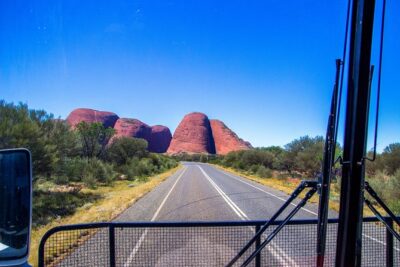 ★ 4.5Ayers Rock Day Trip from Alice Springs Including BBQ DinnerFrom $262639 reviews
 ★ 4.6Uluru: Field of Light Sunrise Tour with Hot DrinksFrom $91572 reviews
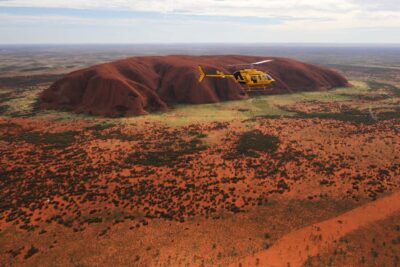 ★ 4.9Uluru 15-Minute Helicopter ExperienceFrom $145548 reviews
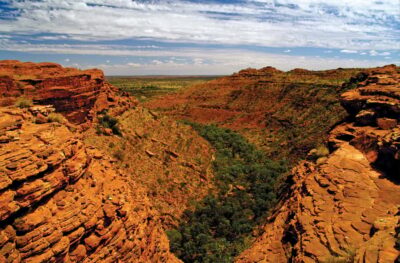 ★ 4.6Kings Canyon: Full-Day Tour from Ayers Rock ResortFrom $244541 reviews
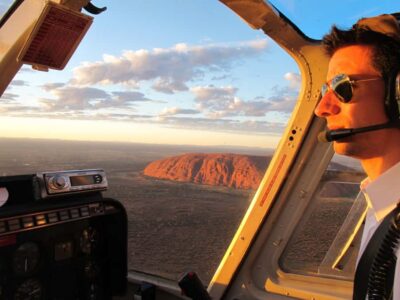 ★ 4.8Yulara: Uluru & Kata Tjuta 25-Minute Helicopter ExperienceFrom $237536 reviews
 ★ 4.5Yulara: Uluru Sunrise and Kata Tjuta Day Trip by BusFrom $140469 reviews
 ★ 4.5Uluru: Sacred Sites & Sunset Tour with Wine & CheeseboardFrom $140450 reviews
Browse the lists this tour appears in