
REVIEW · KOALA & WILDLIFE ENCOUNTERS
Kangaroos and Koala Experience Tour
Space and koalas in four hours, now that’s clever. This small-group tour mixes the Apollo moon-landing story at Canberra’s deep space facilities with a no-fuss trip out to wildlife at Tidbinbilla. I love the pickup plus tight scheduling, so you spend the late afternoon looking, not waiting in traffic.
The real draw for me is the animal time. At Tidbinbilla Nature Reserve you get your best shot at kangaroos and koalas, and the walk can also include wallabies, emus, platypus sightings toward the end, and birds like kookaburras when conditions line up.
One thing to keep in mind is that this is nature, not a zoo show, so sightings can vary and platypus sightings are always a hopeful moment rather than a guaranteed stop.
In This Review
- Key Things That Make This Tour Worth Your Time
- A Smart Half-Day Plan for Space Nerds and Wildlife Lovers
- Getting Picked Up, Then Getting Moving Fast
- Stop 1: Tidbinbilla Area Tracking Station and the Rural Canberra Ride
- Stop 2: Deep Space Communication Complex and the Moon Landing Story
- Stop 3: Tidbinbilla Nature Reserve, Where the Animals Steal the Show
- Kangaroos and wallabies: why close sightings matter
- Koalas: what to expect
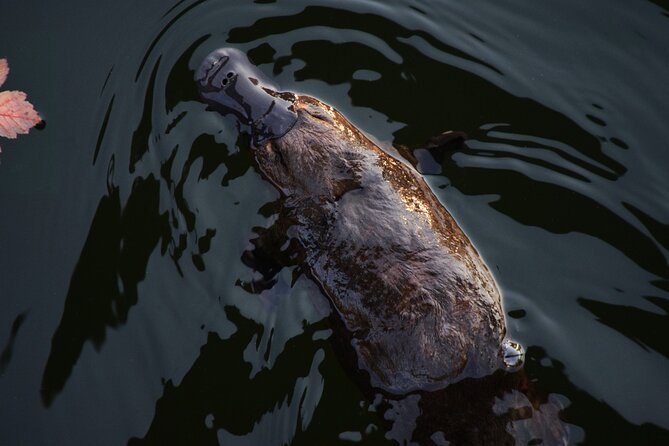
- Platypus: your hopeful moment near the end
- Birds and the wider nature feel
- What Small-Group Touring Gets You on the Ground
- The Guides: Neil and Bill, and Why That Matters
- Value Check: Is $106.87 a Good Deal?
- What to Bring, Since Water and Snacks Are Not Included
- Who This Tour Suits Best, and Who Might Skip It
- Should You Book This Kangaroos and Koala Experience?
- FAQ
- How long is the tour?
- What time does the tour start?
- What is the group size?
- Is pickup included, and where does the tour start and end?
- What is included in the ticket price?
- Do I need to bring water or snacks?
Key Things That Make This Tour Worth Your Time
- Two major Canberra stops in one run: deep space learning, then native wildlife at Tidbinbilla, with minimal driving stress.
- Small group, max 15: easier to hear the guide and easier to position yourself when wildlife pops up.
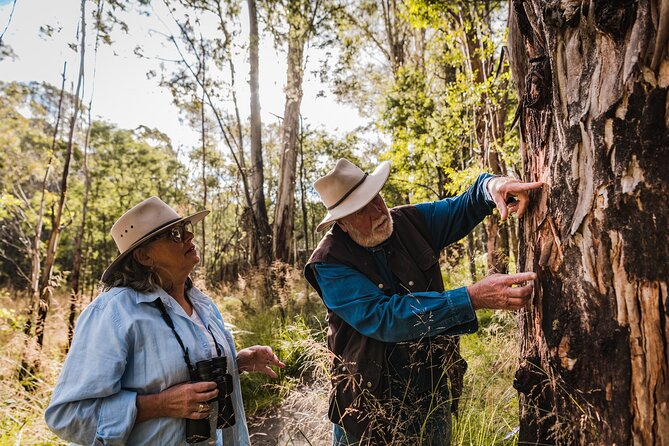
- Guides named Neil and Bill get special praise for calm energy and strong storytelling on both space and the bush.
- Wildlife viewing is paced, not rushed: the reserve portion is long enough to actually look for movement.
- Tickets and entry included where it matters: Tidbinbilla entry is part of the cost, and the space complex stops are free-admission.
A Smart Half-Day Plan for Space Nerds and Wildlife Lovers
This tour works because it pairs two totally different kinds of Canberra magic in one afternoon. You start with the science side of Australia’s role in deep space tracking and moon missions, then you shift gears to the Australian animals at Tidbinbilla.
If you like travel that feels efficient without feeling like you’re sprinting, this is a good match. The day is built around a comfortable vehicle, a guide who can explain what you’re seeing in plain language, and enough time at the reserve to enjoy the outdoors.
The best part is that the two halves of the tour connect in spirit. You’re learning how technology helps us reach farther into space, and then you’re looking at wildlife that has adapted to life on Earth’s harshest schedules.
Close encounters that are not a zoo enclosure
- Canberra: Kangaroos and Koala Experience Tour★ 4.6 · 35 reviews
Getting Picked Up, Then Getting Moving Fast
The tour begins at 3:00 pm. It’s roughly 4 hours total, and you’ll be back at the original meeting area.
You can expect a pickup in a comfortable tour vehicle (the operator specifically notes pickup at major hotel and motel chains). If you are not in a pickup zone, the tour also lists a public meeting point at 65 Northbourne Ave, Canberra ACT 2601, and the activity ends back at that point.
This timing matters. A late-afternoon start gives you decent light for seeing wildlife activity, and it helps you avoid turning your Canberra day into a full-day bus marathon. It also keeps the pacing friendly if you are doing other things in the city before dinner.
Stop 1: Tidbinbilla Area Tracking Station and the Rural Canberra Ride
The day starts with a 40-minute drive through Canberra’s rural surrounds to the Deep Space Tracking Station at Tidbinbilla. That travel time is not wasted. You get that in-between moment where the guide can set context, explain what you’re about to see, and get the group ready to notice details.
Once you arrive, the stop itself is short, about 20 minutes total at the complex area, and the stated admission ticket there is free. This is a quick orientation stop rather than a long museum visit, so I’d treat it like a “setup” phase.
What you get out of it is a feel for why these sites matter. Deep space tracking is not just a big satellite story. It’s a chain of careful measurements and coordination, and seeing the facility helps make the whole idea real.
Stop 2: Deep Space Communication Complex and the Moon Landing Story
After the tracking-station intro, you move to the Deep Space Communication Complex. This is the more focused learning stop at about 20 minutes.
Here’s the payoff you’re looking for: you learn about Australia’s role in the Apollo missions and the first moon landing, plus you hear how deep space tracking works in the modern era. This is a great stop if you like science that has real-world stakes, not just science trivia.
The admission is noted as free for this part, so you are paying for the guide, timing, and the chance to ask questions while you’re there. I like tours that bundle the explanation with the visit, especially when the group is small.
If you’re traveling with kids or anyone who usually tunes out at lectures, this part can still land, because the guide links the big idea to something you can look at on-site.
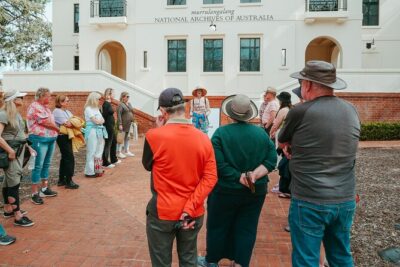

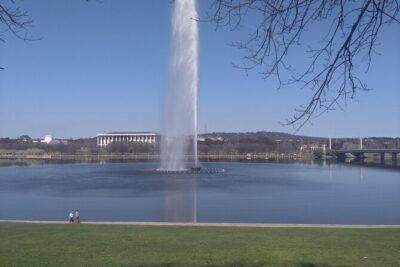
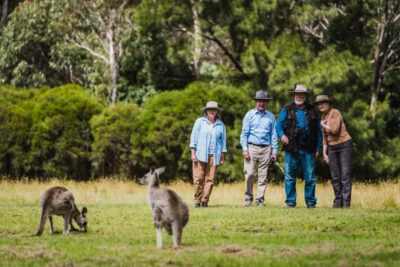
Stop 3: Tidbinbilla Nature Reserve, Where the Animals Steal the Show
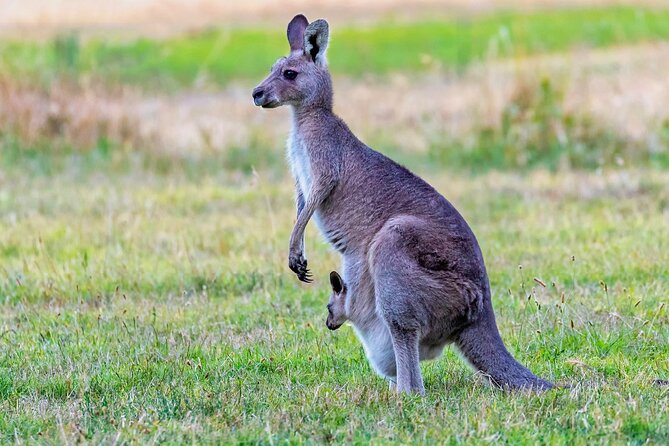
Now you get to the part most people book for: native wildlife at Tidbinbilla Nature Reserve. The reserve time is about 2 hours 30 minutes, and entry is included.
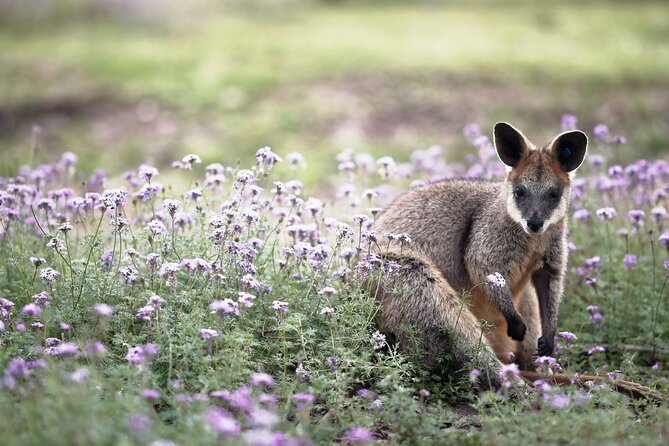
The tour highlights a classic lineup: kangaroos, wallabies, koalas, platypus, colourful parrots and other birds, and emus. That is a strong list for one reserve visit, and it explains why this tour earns such steady attention.
Kangaroos and wallabies: why close sightings matter
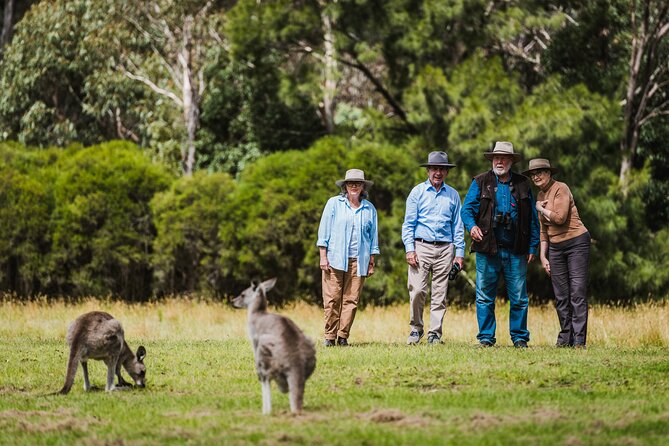
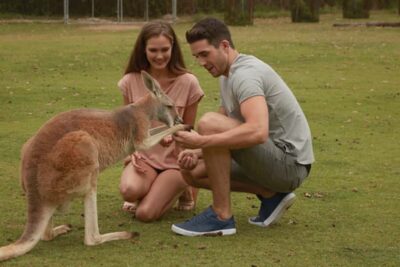
The reserve portion is paced for wildlife spotting. When kangaroos come into view, it tends to feel like the closest you can get without interrupting the animals. For me, that’s the sweet spot: you can actually enjoy the animals’ presence, not just drive past them.
The same goes for wallabies. They are often more “move when you stop watching” creatures, so the guide’s timing and your willingness to pause help.
Koalas: what to expect
Koalas are listed as a key highlight, and one detail from past experiences is that koalas can be seen in an enclosure. That’s not a reason to lower your expectations. In many reserves, enclosures are part of how you safely observe animals while keeping them protected.
The best approach is simple: stay patient, watch for movement, and let the guide tell you where to focus.
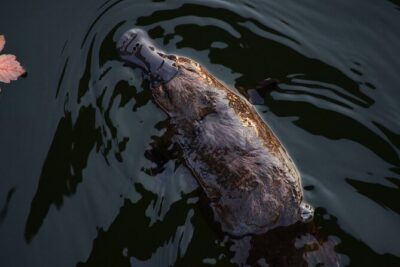
Platypus: your hopeful moment near the end
Platypus is included on the highlight list, and the tour also notes that you may spot one toward the end of the outing. That matters because platypus are famously hard to plan around.
So treat it as an added bonus. If you do see one, it will likely feel like a story you replay later. If you do not, you still get the reserve experience and a chance at the rest of the animals.
Birds and the wider nature feel
Birds show up as part of the experience too, including colourful parrots and birds like kookaburras (mentioned in past experiences). This is one reason the reserve walk feels more complete than a single-species hunt.
When you have time to notice birds, the reserve stops feeling like a checklist and starts feeling like a place.
What Small-Group Touring Gets You on the Ground
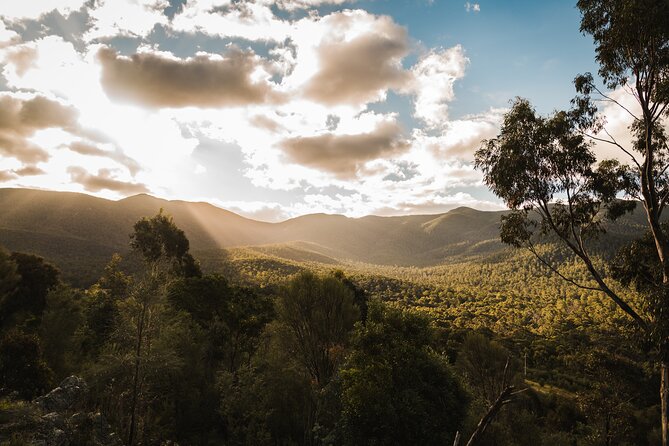
This is limited to a maximum of 15 travelers. That number might sound small on paper, but in practice it changes everything about wildlife watching.
With fewer people, you can move without turning every stop into a traffic jam. You also hear the guide better, which helps when the guide is calling out what to watch for, like animal movement patterns or where to stand for viewing.
Small groups also help with the flow at facilities like the deep space complexes. Those are not huge spaces built for crowds, so a tighter group keeps the visit from feeling chaotic.
A personal favorite part of this setup is that the guide can work the group like a team, not like a line. You get a feeling the guide is managing time and attention with care, and that shows in how quickly you shift from space facts to nature facts.
The Guides: Neil and Bill, and Why That Matters
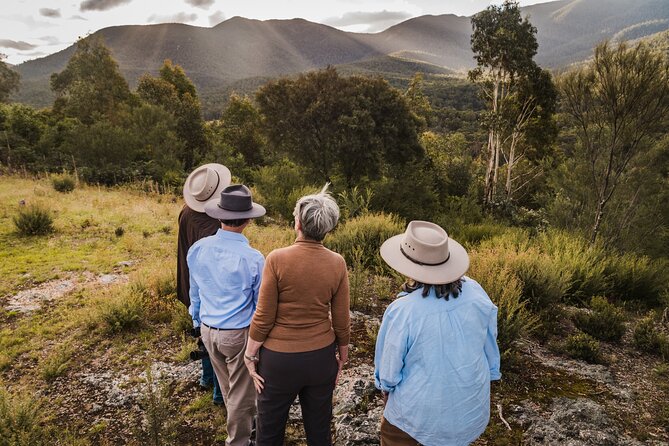
The tour’s guide is listed as an expert local tour guide, and the names Neil and Bill show up in positive accounts. What stands out is not just facts, it’s how the guide delivers them.
In particular, the guides are praised for being calm and for keeping the day moving at a comfortable pace. That calm tone matters more than you’d think on an animal reserve, because your best sightings often happen when you stop rushing and start watching.
Guides also seem to connect the two halves of the tour. The space story is explained alongside the nature story, so the day feels like one theme: seeing how humans observe what’s far away and how animals live close by.
If you care about a friendly, attentive guide, this tour is built for that.
Value Check: Is $106.87 a Good Deal?
At $106.87 per person, this tour is not a budget impulse buy. But it’s also not priced like a private charter.
Here’s where the value comes from. You’re paying for round-trip transportation, an expert local guide, and entry to Tidbinbilla Nature Reserve. The other deep space facility stops list free admission tickets, which means the cost isn’t inflated by extra entry fees.
So you’re mostly paying for:
- the guide and interpretation
- the logistics of getting you between sites
- the timed reserve visit where wildlife sightings are the main event
If you’re the type who would otherwise spend time planning driving routes and figuring out what to see in what order, paying for the schedule is a bargain. If you already love solo driving and you have the energy to line up your own visits, you might feel it’s pricey. But for many visitors, the whole point is to turn a half-day into a stress-free experience.
What to Bring, Since Water and Snacks Are Not Included
The tour notes that water and snacks are not included. That’s the one practical gap to plan for.
I’d pack:
- a reusable water bottle
- a snack you like (something that doesn’t melt if it’s warm)
- sunscreen and a hat
- comfortable shoes for reserve walking
Even if the reserve walk doesn’t sound intense, you’ll likely be standing and slowly moving. Your comfort improves your ability to spot animals, which is the whole goal.
Also, bring a light layer. The weather around Canberra can shift, and the deep space facilities and reserve walk mean you might feel it at different points in the afternoon.
Who This Tour Suits Best, and Who Might Skip It
This tour suits you if you want a half-day that mixes big science with real wildlife time. It’s also ideal if you’re visiting Canberra and want a “do something outdoors without the stress” plan.
It’s a strong choice for:
- animal lovers who want a guided reserve walk
- science fans who like Apollo-era history explained simply
- families who can handle a 4-hour outing with stops that are not overly long
You might think twice if you hate any uncertainty. The reserve is wild. You’ll be hunting for sightings, and while the lineup is impressive, nothing is 100% guaranteed, especially for platypus.
Should You Book This Kangaroos and Koala Experience?
I think you should book if you want a structured afternoon that gives you two high-impact experiences: Australia’s deep space story and native wildlife time at Tidbinbilla, all with pickup and entry included where it counts.
If you’re short on time in Canberra, this tour is a smart way to avoid the “what should I see” headache. If you’re traveling with someone who enjoys both science and nature, it’s even better, because the tour keeps both interests in play.
If your schedule is flexible and you know you’re sensitive to missed sightings, keep expectations realistic. You’re going for the chance to see a lot, not for a timed guarantee.
Overall, this is the kind of tour that turns a half-day into a memorable one, with the small-group setup and the guide quality doing a lot of the heavy lifting.
FAQ
How long is the tour?
It runs for about 4 hours.
What time does the tour start?
The start time is 3:00 pm.
What is the group size?
The tour is limited to a maximum of 15 travelers.
Is pickup included, and where does the tour start and end?
Pickup is offered in a comfortable tour vehicle, including pickup at major hotel and motel chains. If you’re using the listed meeting point, it is 65 Northbourne Ave, Canberra ACT 2601, and the tour ends back at the meeting point.
What is included in the ticket price?
Included items are an expert local tour guide, pickup in a comfortable vehicle, entry to Tidbinbilla Nature Reserve, and pickup at major hotel and motel chains.
Do I need to bring water or snacks?
Water and snacks are not included, so it’s smart to bring your own.
Meeting the Wildlife
Added lately from Canberra
- Half-Day Canberra Winery Tour to Murrumbateman /w lunch
★ 5.0 · 25 reviews - Canberra: Kangaroos and Koala Experience Tour
★ 4.6 · 35 reviews - Full-Day Canberra Winery Tour to Murrumbateman /w lunch
★ 5.0 · 36 reviews - Personalised Sightseeing in Canberra, with John
★ 5.0 · 40 reviews - Kangaroos and Koala Experience Tour
★ 4.5 · 41 reviews - Australian Institute of Sport: The AIS Tour
★ 4.5 · 54 reviews
Koala & Wildlife Encounters, compared.
 ★ 5.0All Inclusive Blue Mountain,Scenic World,Lunch,Koalas,ferryFrom $2047,832 reviews
 ★ 4.7Blue Mountains Adventure: Scenic World, Zoo & Koala PhotoFrom $1442,062 reviews
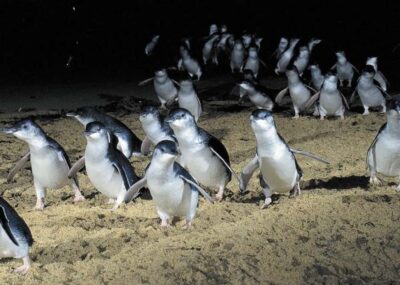 ★ 4.5From Melbourne: Penguin Parade, Koalas & KangaroosFrom $1121,932 reviews
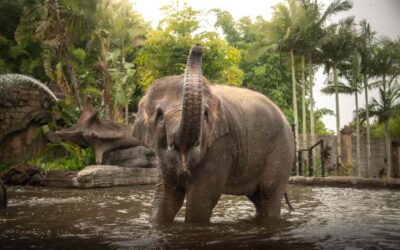 ★ 4.9From Brisbane: Australia Zoo Transfer and Entry TicketFrom $1261,539 reviews
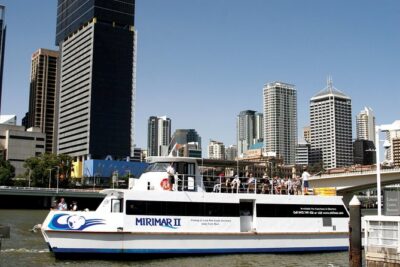 ★ 4.5Brisbane River Cruise with entry to Lone Pine Koala SanctuaryFrom $821,522 reviews
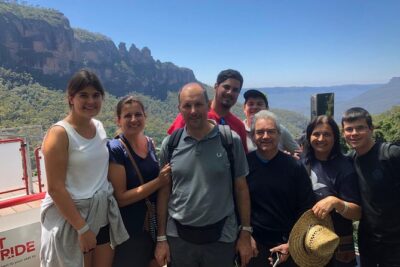 ★ 5.0Blue Mountains: Three Sisters, Scenic World and Wildlife parkFrom $1821,481 reviews
 ★ 4.7Brisbane River Cruise and Koala Sanctuary VisitFrom $811,397 reviews
 ★ 4.6From Melbourne: Penguin Parade and Koalas TourFrom $1151,287 reviews
Browse the lists this tour appears in