
REVIEW · AUSTRALIA
Spies in the Capital: Women in Espionage
Canberra hides secrets in plain sight. This 2-hour walk spotlights women in espionage, using landmarks like Old Parliament House to turn Cold War history into something you can actually see.
I love the small group feel. You get tight, conversation-friendly pacing, and the storytelling quality is a standout, whether the guide is Tash or Samantha. I also like that the tour leans on stories you can check later, with a bibliography offered for anyone who wants to follow up.
One consideration: Canberra is spread out, so it is not a tiny stroll. Expect around a 3 km walk, and plan for sun or late-afternoon chill depending on the day.
In This Review
- Quick highlights
- Women in espionage, told through Canberra’s streets
- Old Parliament House: the opening scene for covert politics
- From mail interception to tradecraft at a former post office
- Kingston and the Petrov family thread: geography meets Cold War drama
- Ending near the Russian Embassy: reading symbolism with context
- Price and logistics that actually affect your day
- Who this tour fits best, and who might want to skip it
- What makes the guide experience stand out
- Should you book Spies in the Capital: Women in Espionage?
- FAQ
- How long is the tour?
- Where do I meet for Spies in the Capital: Women in Espionage?
- What time does the tour start?
- What is the maximum group size?
- Does the tour run in poor weather?
- Are service animals allowed?
Quick highlights
- Women in espionage, on both sides: you follow stories of those who spied and those who were targeted
- Old Parliament House: a strong starting point that frames the city’s covert political world
- ASIO-linked mail interception story: a former post office is used to explain how sensitive intelligence can start with everyday letters
- Kingston and the Petrov family thread: the walk connects Canberra’s geography to a famous Cold War narrative
- Russian Embassy area: you end near major Cold War symbolism, with real context for what you are looking at
- Max 20 people: small enough for personal attention, big enough for an easy group dynamic
Women in espionage, told through Canberra’s streets
Canberra is built to look orderly. Big lawns. Clean lines. Purposeful buildings. But that neat surface is exactly why this kind of tour works. You start seeing how a government city can also be a listening post, a rumor engine, and a stage for tradecraft.
What makes this experience different is the focus on women. Instead of treating espionage as something done by faceless men in movies, you get a more human scale. The stories are about people navigating power, secrecy, recruitment, and survival, and the tour keeps both angles in play: women involved in spying and women being watched or used by other players.
And because it is a guided walking tour, the stories land right on the spot. That matters in Canberra. Many parts of the capital feel far apart even when they are not. When you connect the dots on foot, the city starts to make sense as a network, not a list of attractions.
Undecided? The Canberra reviews closest to this one sit below.
- Highlights of Canberra Full Day Tour★ 5.0 · 406 reviews
- Canberra: City Highlights Day Tour with Entrance Fees★ 4.8 · 114 reviews
- Badass Women of Canberra: Meet the Women Who Shaped the Nation★ 5.0 · 112 reviews
- Canberra Day Trip from Sydney★ 4.5 · 98 reviews
Old Parliament House: the opening scene for covert politics
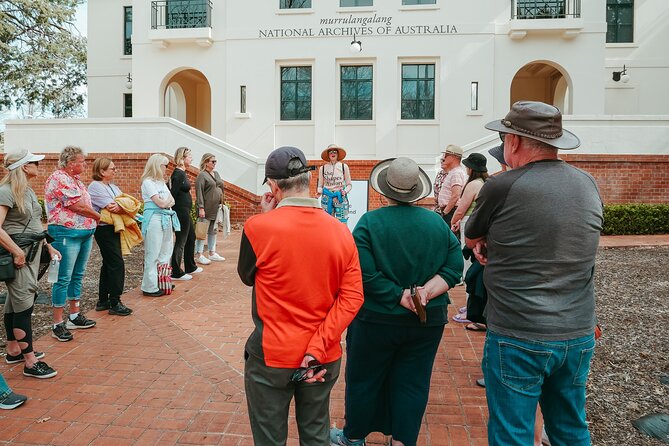
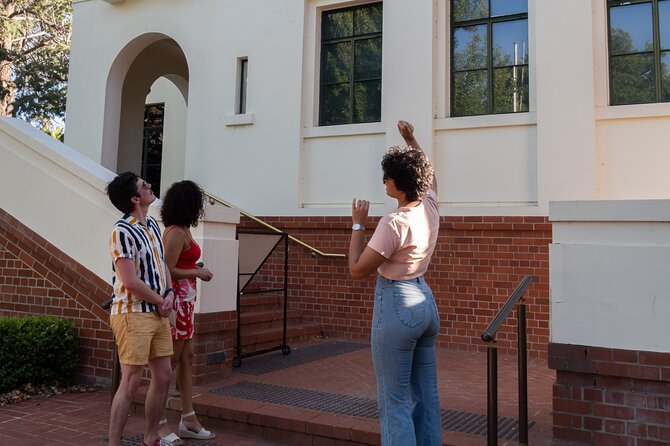
You begin outside Old Parliament House, and that first stop sets the tone. Even if you already know Canberra basics, this spot frames the tour’s central idea: institutions are where decisions get made, and decisions are where intelligence often shows up.
Old Parliament House is free to access during this stop, so you do not need to plan around another ticket. It also gives you a clear “before and after” feeling. Before you learn the covert context, it is just a heritage building. After, it becomes a piece of the broader puzzle: a place where political visibility and behind-the-scenes secrecy can sit side by side.
I like how the tour uses this moment to orient you, then pushes you outward to places that most visitors never think to link to espionage. It is not just history, it is a guide for how to see the city.
From mail interception to tradecraft at a former post office
One of the most memorable parts of the walk is the stop connected to early ASIO activity involving intercepted mail. The tour points to a former post office tied to the idea that intelligence can start with routine tasks. In this case, the story includes how early ASIO agents would steam open mail to access information.
That is the kind of detail that makes espionage feel real. It is not a futuristic spy gadget fantasy. It is paperwork, access, patience, and exploiting small vulnerabilities.
This is also where you learn the practical value of Canberra’s layout. Government centers and official services are clustered in a way that makes it easier for intelligence operations to plug into everyday systems. You are not just hearing about Cold War tension. You are learning how the tension could be operationalized.
If you like stories that connect mundane systems to high-stakes outcomes, this stop will be your kind of moment.
Kingston and the Petrov family thread: geography meets Cold War drama

As the walk continues, the route shifts into Canberra’s city logic. You move toward Kingston, and along the way you pick up context that helps the Petrov story click into place.
The Petrov family connection is handled in a way that supports understanding, not just name-dropping. You get a sense of why this story mattered, and how Canberra itself became part of the setting. It helps you understand why certain buildings and addresses stick in the public imagination: because location is power when messages, meetings, and disappearances happen under surveillance.
A key benefit here is pacing. The tour stays in the real world, so you are not trapped inside a lecture. You are walking, looking at streetscapes, and hearing how people’s choices played out in physical space.
Practical note: if you tend to get distracted by street intersections, this portion still works. The guide keeps pulling you back to the thread so you do not lose the plot.

Ending near the Russian Embassy: reading symbolism with context
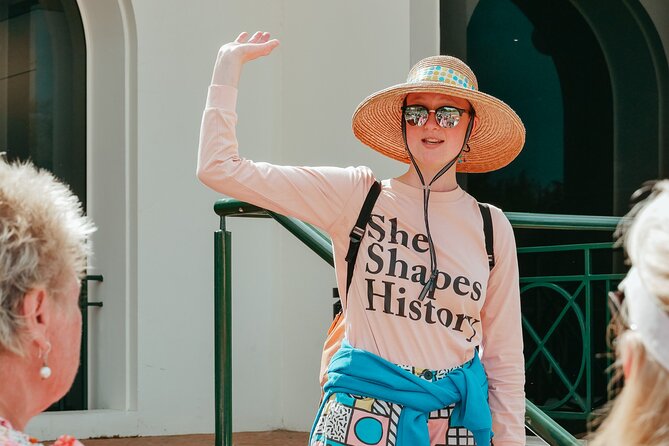
The tour culminates near the Russian Embassy area, and the ending is satisfying because it is visual. By this point, you have a framework for what you are looking at.
A Cold War-era embassy is more than a building. It is a marker of competing systems, a spotlight for official narratives, and a boundary that everyone treats as meaningful even when they pretend it is not personal.
The guide’s job here is to help you interpret symbolism without turning it into conspiracy soup. You leave with a better sense of how diplomacy and espionage can overlap, and why Canberra’s political posture mattered enough for foreign attention.
If you time it well, the tour can also feel extra atmospheric. One review specifically praised an evening departure, where the moonlit ambiance and illuminated buildings made the stories land differently. Even if your day is not quite that cinematic, evening light still makes the urban vibe easier to imagine.
Price and logistics that actually affect your day
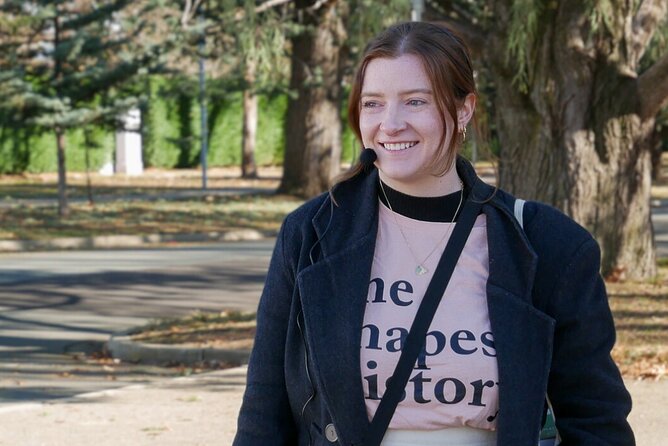
The price is $46.62 per person for a tour that runs about 2 hours. For Canberra, that is not “cheap,” but it also is not out of reach, especially given the experience goal: you are paying for guided storytelling tied to specific locations, not just general sightseeing.
The value equation comes down to three things:
- Small group size (maximum 20): you get a calmer experience and more chance to stay engaged
- Real landmarks: Old Parliament House and other key sites are not things you would naturally connect to espionage without help
- A guided narrative focused on women’s roles: the theme is specific, and that specificity saves time while you travel
Logistically, you also get a mobile ticket, and the tour ends back at the meeting point. That reduces the stress factor, which is a big deal when you are already navigating distances in a planned city.
One practical consideration: it starts at 3:00 pm. For many people, that is a sweet spot for comfortable walking. Still, bring sun protection and a hat. You will thank yourself if the weather turns warm.
Who this tour fits best, and who might want to skip it
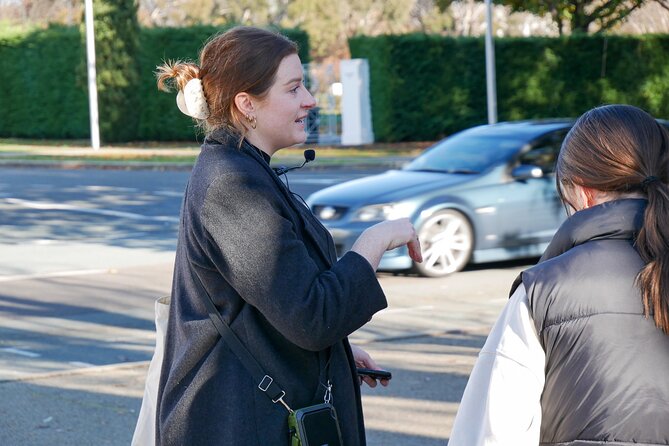
This tour is a strong match for you if:
- You want Canberra beyond museums and monuments
- You enjoy history told through specific places, not just timelines
- Women’s stories in espionage are a priority for you
- You like guides who connect details to bigger ideas, and who can keep the narrative clear on a walk
It might be less ideal if:
- You hate walking or you prefer long indoor stops
- You want a purely factual, strictly chronological experience with minimal storytelling
- You are traveling with mobility limitations. The tour is “most travelers can participate,” but it is still a walk across a spread-out city
If you are the type who likes learning how cities function, not just what they are named, this tour will reward your attention.
What makes the guide experience stand out
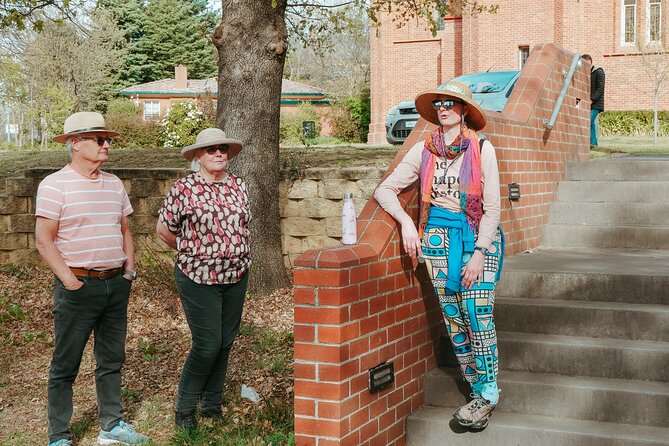
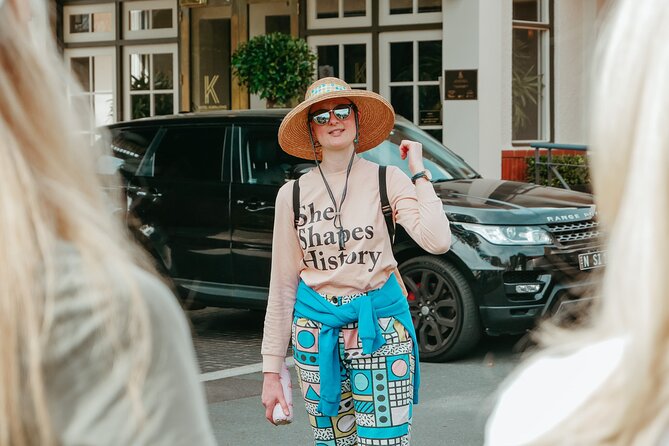
The guide quality is a consistent strength. Tash and Samantha are both mentioned as standout guides, with praise focused on warmth, storytelling delivery, and keeping the information engaging.
There is also an emphasis on verifiable material. One review highlighted that the facts and stories presented are verifiable, and that you get a bibliography at the end. That is a real plus. It means you can be skeptical in a good way, and you have a path to check details later.
The best part of the guiding style is how it balances entertainment with clarity. The tour keeps moving, but it does not rush the meaning. You are not just collecting spooky anecdotes. You are building a coherent picture of how covert operations can intersect with politics and everyday systems.
Should you book Spies in the Capital: Women in Espionage?
Book it if you want Canberra with sharper edges. This is not a standard monuments loop. You get a focused theme, a small group format, and a walk that connects real addresses to real Cold War stories, with women taking center stage.
Skip it if you only want classic sightseeing, or if walking distances make you cranky. With the around 3 km route and a 3:00 pm start, it is still manageable, but it is not designed as a sit-and-smell-the-roses stroll.
If your idea of a great travel day includes turning the city into a living puzzle, this tour is an easy yes.
FAQ
How long is the tour?
The tour lasts approximately 2 hours.
Where do I meet for Spies in the Capital: Women in Espionage?
You meet at Hyatt Hotel Canberra – A Park Hyatt Hotel, 120 Commonwealth Ave, Yarralumla ACT 2600, Australia.
What time does the tour start?
The start time listed for this activity is 3:00 pm.
What is the maximum group size?
The tour has a maximum of 20 travelers.
Does the tour run in poor weather?
This experience requires good weather. If it is canceled due to poor weather, you will be offered a different date or a full refund.
Are service animals allowed?
Yes, service animals are allowed.
Added lately from Canberra
- Australian Institute of Sport: The AIS Tour
★ 4.5 · 54 reviews - Spies in the Capital: Women in Espionage
★ 5.0 · 65 reviews - Private Canberra Winery Tour with lunch
★ 5.0 · 68 reviews - Canberra Day Trip from Sydney
★ 4.5 · 98 reviews - Badass Women of Canberra: Meet the Women Who Shaped the Nation
★ 5.0 · 112 reviews - Canberra: City Highlights Day Tour with Entrance Fees
★ 4.8 · 114 reviews