
REVIEW · SYDNEY WALKING & SIGHTSEEING TOURS
Sydney’s Chinatown Street Food and Stories Walking Tour
Street food and stories are a perfect combo here. This Sydney Chinatown walking tour ties Chinese-Australian history to the foods you actually see and smell, from market beginnings to modern restaurant corners.
I especially like the small group size (max 12) and the focus on keeping the walk relaxed and easy to follow, even on busy streets. The tour also works for dietary requirements, with at least four tastings included, but one drawback to consider is that you’ll want to share preferences early so the snacks line up with your comfort zone.
In This Review
- Key Things I’d Prioritize on This Tour
- Entering Sydney Chinatown Through Food and Real Places
- Paddy’s Markets: The Start of Chinatown’s Story
- Dixon Street on Foot: Stories That Make Chinatown Make Sense
- Chinese Garden of Friendship: A Pause That Adds Meaning
- Darling Square at the End: Connecting Old and New
- The Snack Plan: 4 to 5 Regional Chinese Street Foods
- Guides, Hearing Every Story, and the Small-Group Advantage
- Price and Value: Why $60.97 Can Make Sense
- What to Expect During the Walk (And How to Prepare)
- Dietary Requirements and Drink Breaks: Making It Work for You
- Getting the Most From Your Restaurant Guide at the End
- Who This Sydney Chinatown Food and Stories Tour Is For
- Should You Book This Tour?
- FAQ
- Where does the Sydney Chinatown Street Food and Stories Walking Tour start?
- How long is the tour?
- What snacks are included?
- Can the tour accommodate dietary requirements?
- Is this a small-group tour?
- Do I get tickets on my phone?
- Does the tour share photos?
- What happens if weather is poor?
Key Things I’d Prioritize on This Tour
- Max 12 people keeps the guide’s attention on you and helps with hearing every story.
- Paddy’s Markets start gives you a clear Chinatown origin point before you hit Dixon Street.
- Dixon Street is treated like a living timeline, with decades of change woven into what you see.
- 4 to 5 street-food snacks cover more than one style and region, route dependent.
- Chinese Garden of Friendship pause adds depth beyond restaurant-hopping.
- Darling Square finish helps you link old Chinatown to where people eat and linger now.
Entering Sydney Chinatown Through Food and Real Places
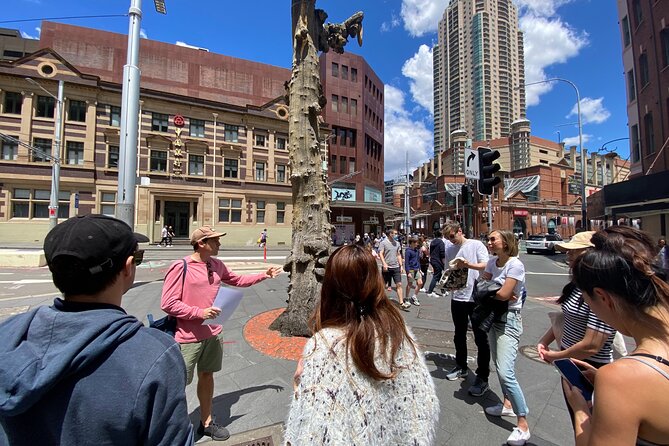
Sydney’s Chinatown is not just one street, it’s a chain of places that changed with migration, laws, and community effort. This tour uses food as your entry point, so you’re not stuck listening to history as abstract ideas. You walk, you snack, and you hear how the area became what it is today.
For me, the biggest value is that you get context while you’re still in the neighborhood. When a guide explains why certain foods show up where they do, it turns a casual stroll into something you remember.
The other win is pacing. With a 2-hour walk and multiple stops, it stays social without feeling like you’re rushing from one photo op to the next. I’d expect you’ll cover key sights along the way, without needing to be a marathon walker.
Walked, driven and bussed: other Sydney days
- Sydney: Big Bus Hop-On Hop-Off Tour with Optional Cruise★ 4.4 · 2,697 reviews
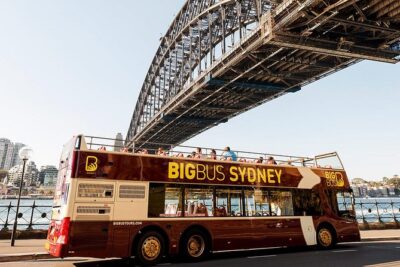
- Big Bus Sydney and Bondi Hop-on Hop-off Tour★ 4.0 · 2,690 reviews
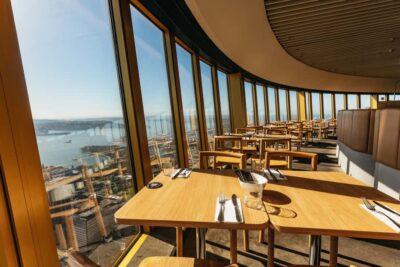
- Sydney: Unlimited Skyfeast at Sydney Tower★ 4.6 · 1,969 reviews
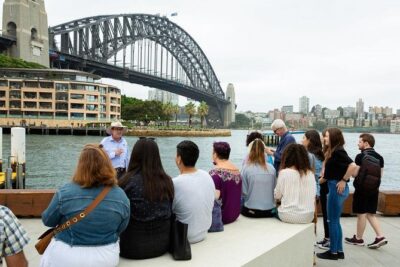
- Sydney The Rocks Guided Walking Tour★ 5.0 · 1,546 reviews
Paddy’s Markets: The Start of Chinatown’s Story
The tour kicks off outside Paddy’s Markets at 17 Hay St, Haymarket, a natural place to begin. Markets are where food culture becomes everyday culture, and that’s exactly the angle you get here.
You start with a quick 15-minute orientation that frames the early Chinatown era. It’s a good setup because it gives you a “why we’re here” before you move into the main Chinatown streets.
Practical note: Paddy’s Markets is a busy area. Wear shoes you can stand in, and arrive a few minutes early so you’re not scrambling to find the group once things get loud.
Dixon Street on Foot: Stories That Make Chinatown Make Sense
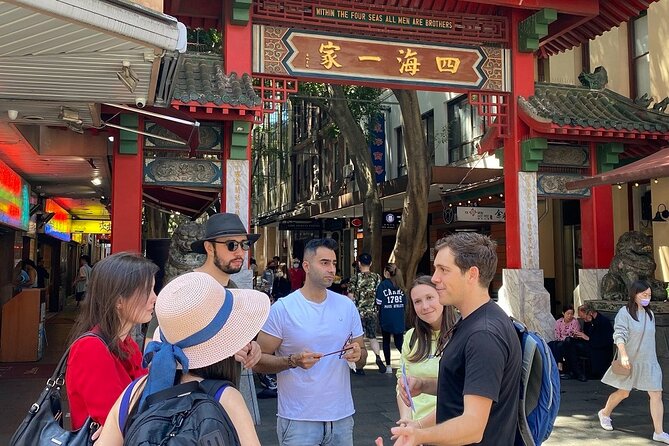
Next comes the heart of Sydney’s Chinatown on Dixon Street. This is where the tour earns its keep, because you’re not only looking at restaurants, you’re learning how the neighborhood grew over decades.
The walk is the main event, about 1 hour 30 minutes focused on stories and street-level observations. The guide connects Chinese-Australian history to the way the area evolved, so when you see signage, shopfronts, and food stalls, you can read the place instead of just passing through it.
This is also where the small group matters. When the tour is capped at 12 travelers, the guide can keep an eye on the group and maintain a flow that feels conversational rather than lecture-style.
Chinese Garden of Friendship: A Pause That Adds Meaning
You also pause outside the Chinese Garden of Friendship, described as a lesser-known stop in the overall experience. It’s positioned as a look at a piece of Southern Chinese style influence, and it’s over 30 years old.
Even if you do not spend long here, the stop is useful because it broadens the tour beyond food. It helps you understand Chinatown as more than restaurants, it’s also space, symbolism, and community memory.
If you’re the type who likes seeing places that locals use, this brief pause can give you something to look for later on your own.




Darling Square at the End: Connecting Old and New

The last named stop is Darling Square, a newer precinct full of restaurants and cafes. You get a 15-minute walk-through here, and the payoff is momentum.
This is where you can shift your mindset from historical roots to modern dining patterns. After learning how the area formed, it’s satisfying to end in a place that feels current and lively.
It’s also a nice “where to go next” landing zone, because you’re finishing near more options. You can use the guide’s restaurant recommendations to pick a return trip that fits your taste.
The Snack Plan: 4 to 5 Regional Chinese Street Foods
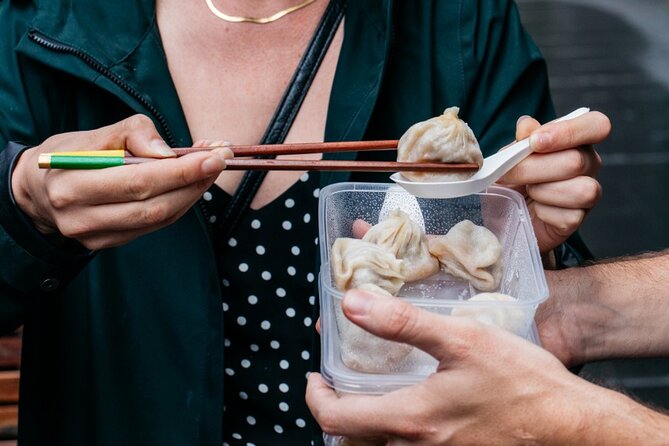
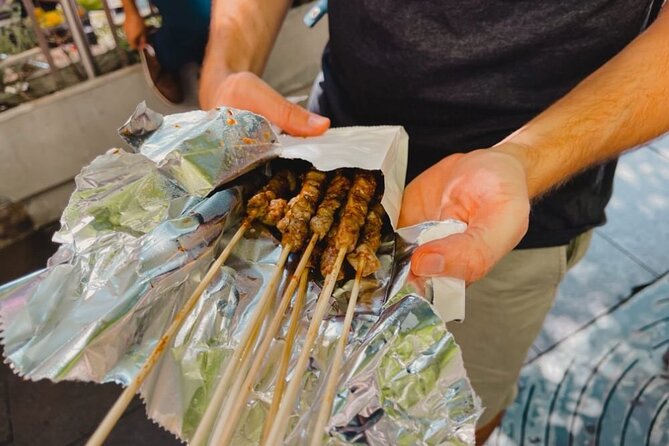
You should expect at least four snacks, up to five, and they’re Chinese regional street-food style. The exact lineup is route dependent, which is common for street-food tours where vendors can change offerings.
This snack count is meaningful. With four to five tastings, you get variety without turning the walk into a full meal. It’s enough sampling to make you notice differences in seasoning, texture, and how each dish functions as a street snack.
I also like that food is not treated as an afterthought. The snack stops are tied to the stories, so you’re learning what you’re eating and why it belongs in that part of Chinatown.
If you’re a picky eater, plan for the reality that street food can include flavors you do not pick for yourself. The tour does accommodate dietary requirements, but your best results come when you communicate clearly.
Guides, Hearing Every Story, and the Small-Group Advantage
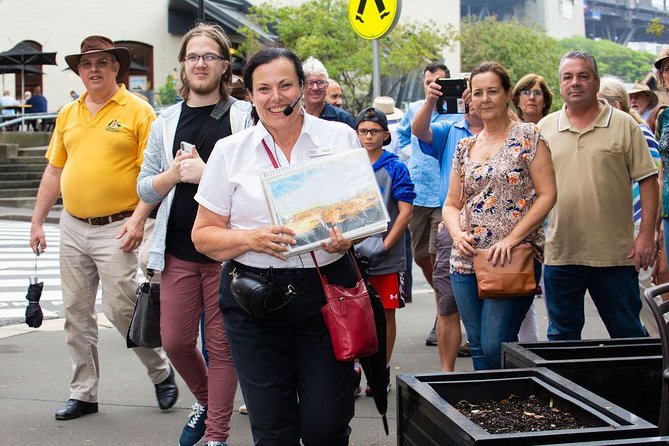
A recurring strength in the experience is the guide format. The tour is designed so you don’t have to fight to hear, and that matters in a crowded Chinatown setting where street noise is constant.
The maximum of 12 travelers helps keep the conversation steady. You can ask questions without the guide having to constantly herd the group. And when the guide is walking you through history, it’s easier to follow when you can actually catch every detail.
In the past, guides like Justin, Bruce, Bunny, and Eddie have led tours, and the common thread is storytelling that connects food with Chinese-Australian experience. That’s the difference between tasting culture and just eating snacks.
Price and Value: Why $60.97 Can Make Sense
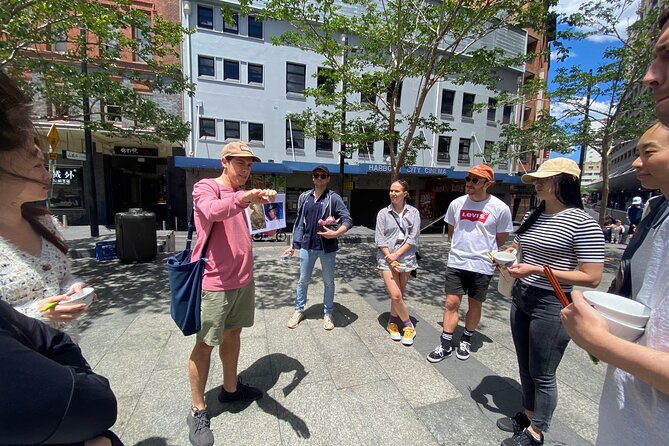
The price is $60.97 per person for about 2 hours, with 4 to 5 included snacks and a guide to Chinatown’s best restaurants. You’re also getting photos shared after the tour, which is a small touch, but it helps you remember what you tried.
How is that value? Think of it as buying three things at once:
- guided walking through key Chinatown sites
- multiple tastings so you can sample widely without paying for each one separately
- a practical shortlist of places to eat after the tour
If you were to try this on your own, you’d likely spend time figuring out what to order and where to go. This tour compresses that effort into a structured route, while also giving you the historical context that makes the neighborhood more than a food stop.
What to Expect During the Walk (And How to Prepare)
This is a walking tour, so comfortable shoes are not optional. Chinatown streets can involve small uphill sections and short stretches where you’re standing near shopfronts while you snack.
I’d also plan your appetite. Since you’re eating four to five snacks, you probably don’t want to arrive starving and then end up too full to enjoy the tastings. If you arrive mildly hungry, you’ll get the best experience.
Water is another practical point. Even though the tour includes snacks, it’s smart to bring water with you. The experience is weather dependent, so if the day is warm, dehydration becomes the real enemy long before the next food stop.
Dietary Requirements and Drink Breaks: Making It Work for You
The tour states that dietary requirements can be accommodated, including vegetarian, vegan, and other dietary requirements. That’s excellent news, but it also means you should communicate early and clearly.
If you have allergies or strong dislikes, don’t assume the guide will guess correctly from general statements. Send specifics in advance so the team can adjust the route-dependent snacks.
On drinks, there’s a reasonable expectation you should plan for hydration during the walk. The tour encourages you to bring water, and it also includes a drink stop halfway through. Still, I’d treat that as a helpful bonus, not a reason to skip your own water bottle.
Getting the Most From Your Restaurant Guide at the End
The tour ends back at the meeting point and includes a guide to Chinatown’s best restaurants, plus a souvenir. That final package is your payoff for the entire walk.
Use it like this: scan the guide right away after the tour and circle two or three places for your next meal. You’ll remember what you learned about the area, and you’ll be able to order with confidence rather than relying on random menu guessing.
Also, the photos shared after the tour can be useful if you want to recreate the snack lineup later, especially if you’re traveling with friends and want to coordinate where to eat next.
Who This Sydney Chinatown Food and Stories Tour Is For
This tour is a great fit if you want two things at once: food that you can actually taste and history that explains why the neighborhood looks the way it does.
It also suits:
- first-time visitors who want a fast way to understand Chinatown beyond the obvious sights
- people who like small-group attention and fewer crowds
- locals who think they know Chinatown but want the story behind what they already see
If you dislike walking through busy areas or you need a very quiet, minimal stimulation experience, you may find Chinatown sidewalks energetic. But the group size and pacing are designed to keep it manageable.
Should You Book This Tour?
I’d book this tour if you want a high-value Chinatown introduction that combines Chinese-Australian history with real street-food tastings. The small group size, the structure of key stops like Paddy’s Markets, Dixon Street, and Darling Square, plus the included restaurant guide, make it easier to turn one walk into multiple great meals.
Skip it if you’re only looking for a casual food crawl with no interest in the story side, or if your schedule or energy level can’t handle a steady two-hour walk. If that’s you, you’d do better with a lighter self-guided plan.
FAQ
Where does the Sydney Chinatown Street Food and Stories Walking Tour start?
The tour starts at 17 Hay St, Haymarket NSW 2000, Australia.
How long is the tour?
The tour duration is about 2 hours.
What snacks are included?
You’ll get 4 to 5 Chinese regional street food snacks (the exact selection depends on the route).
Can the tour accommodate dietary requirements?
Yes. The tour can be adapted for vegetarian, vegan, and other dietary requirements.
Is this a small-group tour?
Yes, it has a maximum of 12 travelers.
Do I get tickets on my phone?
Yes. The tour uses a mobile ticket.
Does the tour share photos?
Yes. Photos are shared after the tour.
What happens if weather is poor?
This experience requires good weather. If it’s canceled due to poor weather, you’ll be offered a different date or a full refund.
Covering Sydney on Foot




Added lately from Sydney
- Sydney Private Food Walking Tour With Locals: The 10 Tastings
★ 4.0 · 53 reviews - Shuttle Transfer from Cruise Ship Terminal at Circular Quay to Sydney Airport
★ 4.0 · 53 reviews - Paint and Sip Classes Sydney: Acrylic Art, Canvas & Wine
★ 5.0 · 53 reviews - Historical True Crime Walking Tour of East Sydney
★ 5.0 · 53 reviews - Hunter Valley Wine Tour from Sydney with Lunch and 3 Cellar Door Tastings
★ 4.5 · 54 reviews - Hunter Valley: Wine, Chocolate and Lunch All Inclusive Tour
★ 4.3 · 54 reviews
Sydney Walking & Sightseeing Tours, compared.
 ★ 4.4Sydney: Big Bus Hop-On Hop-Off Tour with Optional CruiseFrom $512,697 reviews
 ★ 4.0Big Bus Sydney and Bondi Hop-on Hop-off TourFrom $522,690 reviews
 ★ 4.4Sydney Tower Eye: Entry with Observation DeckFrom $222,315 reviews
 ★ 4.6Sydney: Unlimited Skyfeast at Sydney TowerFrom $701,969 reviews
 ★ 5.0Sydney The Rocks Guided Walking TourFrom $321,546 reviews
 ★ 5.0Sydney Bike ToursFrom $851,125 reviews
 ★ 4.7Sydney: The Rocks 90-Minute History Walking TourFrom $321,092 reviews
 ★ 4.9Sydney Cricket Ground (SCG) and Museum Walking TourFrom $23616 reviews
Browse the lists this tour appears in