
REVIEW · BYRON BAY & THE NSW NORTH COAST
Byron Bay: Nguthungulli Julian Rocks Snorkeling Tour
Sea turtles and sharks, close to shore. This tour is a fun, focused way to explore the Nguthungulli Julian Rocks Marine Reserve for about an hour, with a guide who helps you spot wildlife without feeling rushed. I really like the Turtle School citizen-science workshop, because you learn how to identify local turtles and help with photo ID for conservation. One consideration: you must be a confident open-water swimmer and handle boats launching from The Pass when conditions are a bit choppy.
In a small group (up to 10), you get a boat ride, full gear, transport to the launch, lockers, and a snorkel guide for the session. The reserve is known for big variety, so your odds are decent for seeing turtles, rays, and sharks. Just read the fine print on who it is not suitable for, especially kids under 10, wheelchair users, and people with certain medical or mobility limitations.
In This Review
- Key highlights at a glance
- Why Nguthungulli Julian Rocks feels special in Byron Bay
- The 3-hour flow, from 5 Marvell Street to the snorkeling spot
- What the snorkel feels like in the water (and why the guide matters)
- Turtle School citizen science: learning before you look
- Seasonal animal odds in Byron Bay’s marine reserve
- Price and logistics: is $91 good value?
- Who this tour suits best, and who should skip it
- Weather and currents: what you can do on a windy day
- Should you book the Byron Bay Nguthungulli Julian Rocks tour?
- FAQ
- How long is the Byron Bay Nguthungulli Julian Rocks snorkeling tour?
- Where do I meet the tour?
- What is included with the tour price?
- Do I need to bring my own food or drinks?
- What should I bring with me?
- How big is the group?
- Is there a swim requirement?
- Can children join?
- Is the tour wheelchair accessible?
- What happens if the tour is canceled due to weather?
Key highlights at a glance
- Up to 10 people keeps the snorkel experience calmer and easier to manage in the water
- One hour snorkeling time in the marine reserve, not just a quick “look and leave” stop
- Turtle School citizen science teaches identification, then you practice with responsible interactions and photo ID
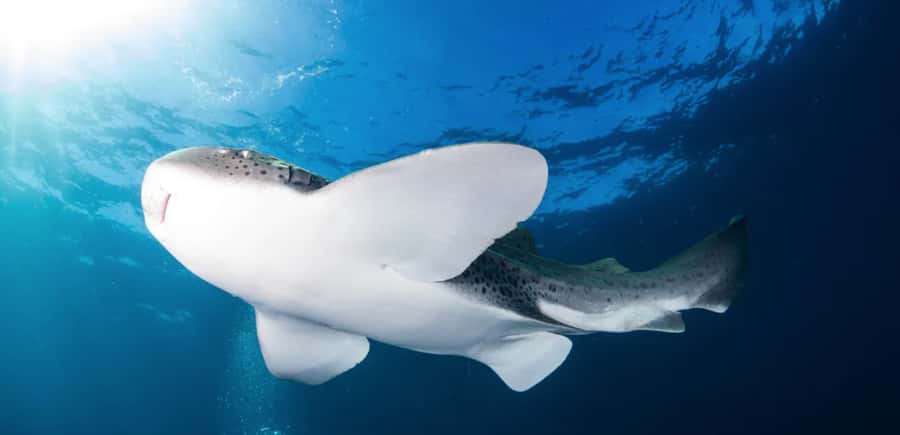
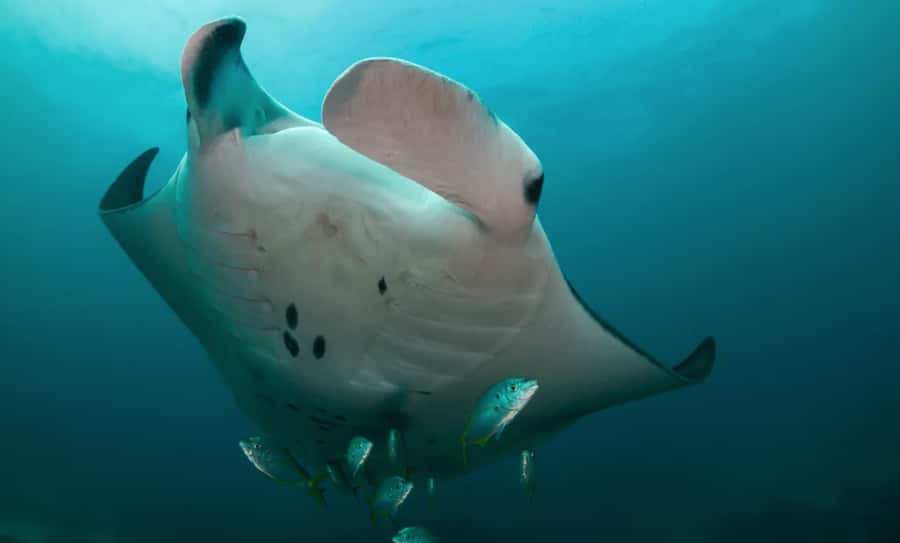
- Seasonal animal chances can include leopard sharks and manta rays in summer, grey nurse sharks and humpback whales in winter
- Full gear plus wetsuit means you can travel light and still get comfortable in the water
- Boat launch at The Pass requires you to step in from shore when water is about waist deep
Why Nguthungulli Julian Rocks feels special in Byron Bay
Byron Bay is famous for beaches and viewpoints, but this is a different angle on the coast. Nguthungulli Julian Rocks Marine Reserve sits offshore and is protected, which helps explain why you can see so many different animals in a relatively small area. The tour leans into this, with a snorkel designed around the reserve’s best chances of wildlife you can actually enjoy seeing up close.
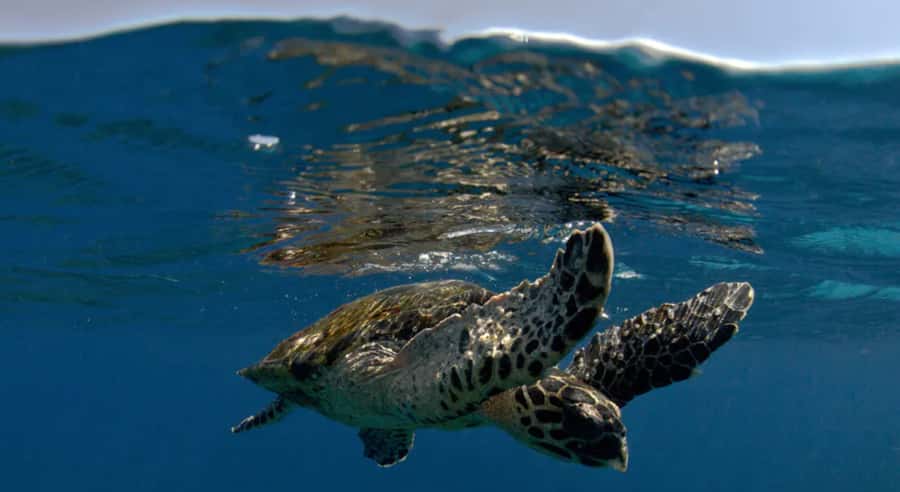
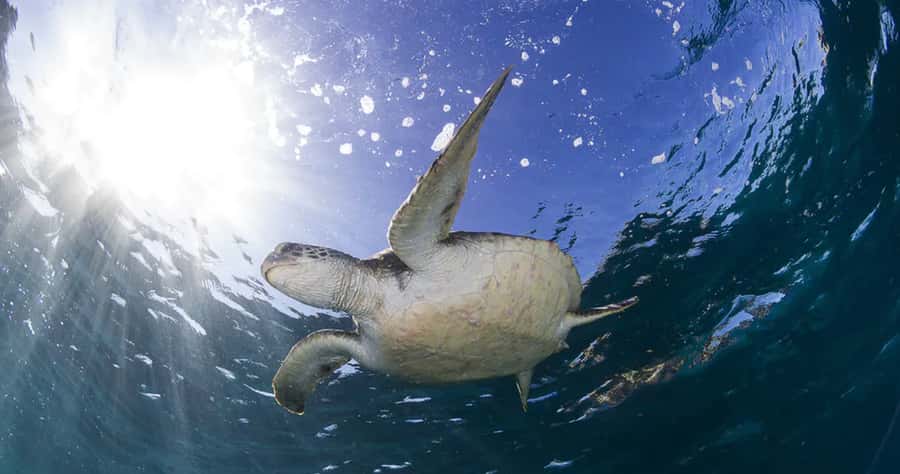
The reserve is listed as home to 1000+ marine species, including sharks and rays, plus loggerhead, green, and hawksbill sea turtles. That matters because you are not just hoping for one memorable animal. You are snorkeling in a place built for variety, so even if one species is shy on the day, you still have strong odds for other sightings like turtles, rays, and schools of colorful fish.
I also like the conservation angle here. The Turtle School part is not just a lecture, it is connected to real-world photo-identification and education, and you learn the basics of ecology and biology for the local sea turtles. If you enjoy learning while you travel, this gives your photos and observations a purpose beyond souvenir memories.
The practical side is important too. You do need to be comfortable in open-water conditions, and the day can include waves, surge, and current, even though it stays within safety limits. If you want a totally calm, beginner-only splash-and-stand experience, this may not match your expectations.
Other north coast days, from the lighthouse down
- Byron Bay: The Byron Bay Sea Kayak Tour★ 4.6 · 1,207 reviews
- Byron Bay: 2-Hour Small Group Surf Lesson★ 4.8 · 657 reviews
- Byron Bay: Glowworms, Waterfalls & Rainforest Experience★ 4.8 · 497 reviews
- Byron Bay: Behind The Bay Waterfalls & Hidden Gems Day Tour★ 4.9 · 432 reviews
The 3-hour flow, from 5 Marvell Street to the snorkeling spot
This is a short day by design: about 3 hours total with a single main water session. You meet at 5 Marvell Street in Byron Bay, then you ride by van to the launch area. The transfer is kept tight, roughly 15 minutes each way, so you are not spending the day commuting.
Once at the launch, you board the boat and head out to the reserve. There is water available onboard, and you also get lockers plus wet and dry storage, which is handy if you want a straightforward routine for your towel, wetsuit, and gear. Then you spend about one hour snorkeling around the Julian Rocks area, guided the whole time.
That one hour is a good sweet spot. Too short and you feel like you barely got started. Too long and it turns into exhaustion management. Here, you get enough time to settle in, watch for animals, and practice the identification stuff from Turtle School without the session dragging.
You should plan to manage your own comfort as well. Bring swimwear, a towel, and sunscreen. If you use a waterproof camera, pack it so you can reach it quickly once you are in the water.
One more detail: the boats launch from The Pass, and the requirement is that you or someone in your group must be able to step up into the boat from shore when the water reaches about waist depth. That is not “hard” for everyone, but it is something to know before you show up in flip-flops and hesitation.
What the snorkel feels like in the water (and why the guide matters)
Your snorkeling time happens around the Nguthungulli Julian Rocks Marine Reserve, not far out in open ocean where navigation becomes the main battle. Still, the conditions can be rough at times, with waves, surge, and current, and you are expected to be able to swim at least 200 meters unassisted in open ocean.
That swim requirement is one of the biggest determinants of whether this feels fun or stressful. If you can handle swimming confidently, you will likely enjoy the guided pace and the focus on wildlife. If you are only comfortable in shallow water, the physical demands and currents can quickly ruin the experience.
The guide’s job is also key. The best part of these trips is rarely the boat ride. It is the moment you are in the water and you realize you are close enough to actually see how animals behave. With this tour, the snorkel guide stays with you for the duration of the snorkeling session, and the overall vibe is calm and attentive. When something interesting shows up, the guide helps you find it and stay oriented so you do not miss your chance.
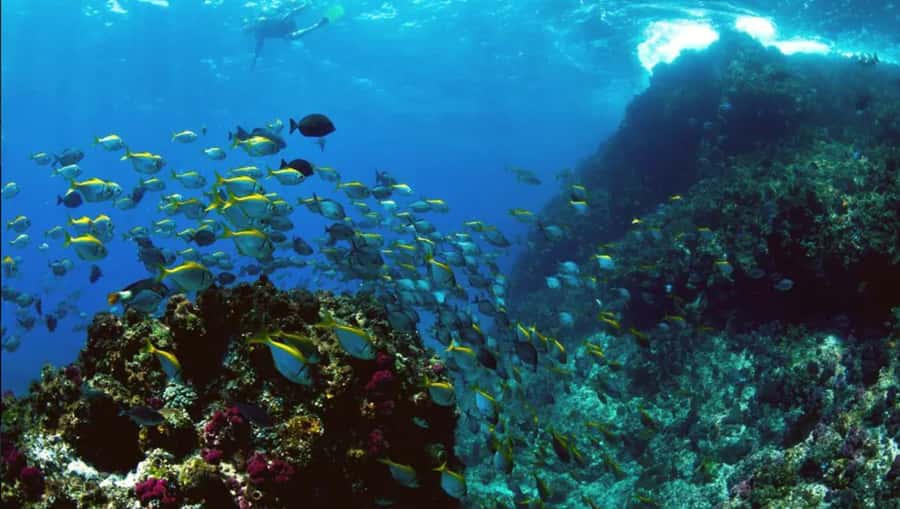
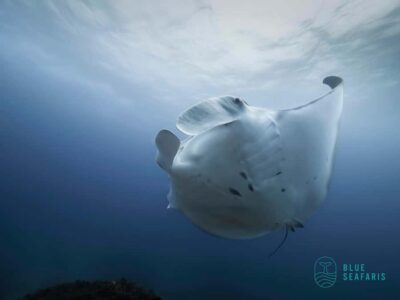
Expect to see a mix of larger animals and fish life. The reserve is described as having rays and sea turtles all year round, plus more fish species than most people can name. In summer, leopard sharks and manta rays may swim around peacefully. In winter, the spotlight shifts toward grey nurse sharks and humpback whales aggregating in these waters. Even though you cannot guarantee a specific animal, the tour is built around these seasonal patterns.
Gear helps a lot too. You get fins, mask, snorkel, and a wetsuit, so you are not stuck with borrowed equipment that fits poorly. Better fit equals more time watching and less time adjusting.
Turtle School citizen science: learning before you look
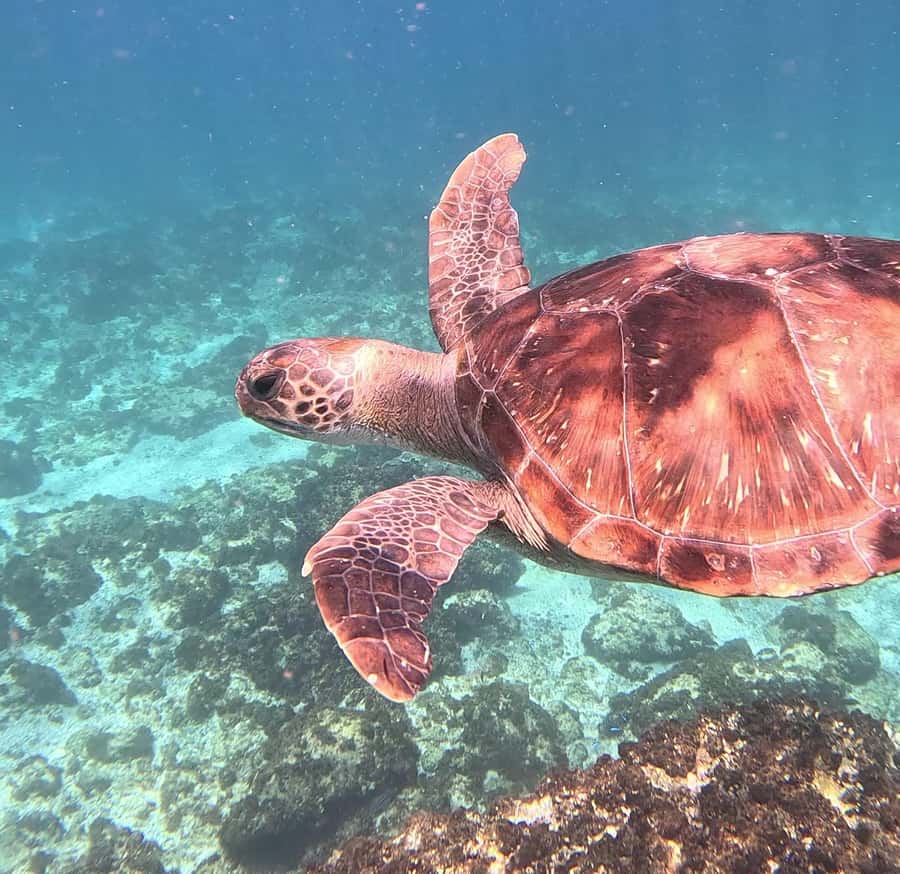
Turtle School is the part that turns a standard snorkel into something you can talk about later. The workshop teaches ecology and biology of local sea turtle species, how to identify them, and how to interact responsibly. Then, once you are in the water, you get to practice your identification skills.
The goal is not just to take a nice photo. The tour is built around photo-identification contributions that support conservation of critically endangered sea turtles. That is where the citizen-science piece becomes more than a slogan. Your observations and photos help researchers track individuals and learn more about these animals in the marine reserve.
Another reason this is worth your time is that it gives you a framework for what you are seeing. Instead of floating and hoping you recognize what’s swimming by, you learn how to look. That makes the wildlife feel less random and more meaningful.
The experience also notes that Turtle School conducts scientific research under an NSW government permit. If you care about legitimacy and real involvement, this matters.
Practical note: if you want to follow along with photo ID, a waterproof camera helps. The tour specifically suggests bringing one, and this is one of the easiest ways to make the Turtle School workshop pay off after you leave the water.
Seasonal animal odds in Byron Bay’s marine reserve
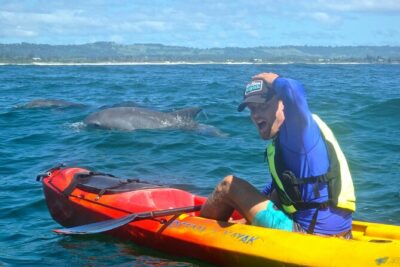
The reserve’s seasonal patterns are a big part of the “what will I see?” equation. All year, you can find rays, sea turtles, and more than 500 species of fish. That alone means you are not banking the whole day on one headline animal.
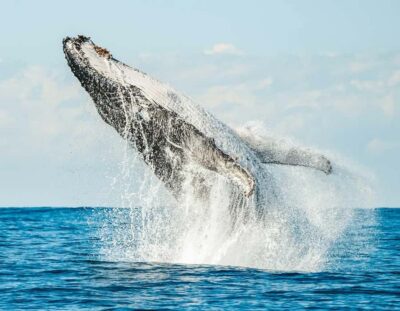
In summer, the tour description highlights leopard sharks and manta rays swimming around peacefully. In winter, the focus shifts toward grey nurse sharks and humpback whales aggregating in these waters. That seasonal difference is not just trivia. It changes what you should keep your attention on during your hour in the water.
You should also keep your expectations flexible. You can have a fantastic day without the exact animal you hoped for. The real value of this tour is the combination of guided searching, a protected reserve, and education that helps you notice what is actually there.
If you are traveling specifically to see manta rays, summer tends to be the better bet based on the tour’s seasonal notes. If your dates land in winter, you might prioritize watching for grey nurse sharks and being alert for whales in the broader water around the area.
The good news: even when the “headline” animals are missing, fish life and turtle/ray sightings can still be a highlight. And because you are in the water for about an hour with a guide, you are more likely to get meaningful sightings than a quick in-and-out stop.
Price and logistics: is $91 good value?
At $91 per person for a roughly 3-hour tour, you should judge value by what is included, not just the headline cost. Here, you get full snorkeling equipment, a wetsuit, a boat ride to the reserve, a snorkel guide during your water time, plus transport to and from the dive store to the launch site. You also get onboard water and locker access with both wet and dry storage.
For many visitors, the biggest savings is equipment and wetsuit. If you are only in Byron Bay for a short window, hiring gear can quickly add up. Here, you show up, fit into provided equipment, and spend your time on snorkeling and wildlife.
Parking and food are the two obvious extra costs. Parking fees apply for public parking in Byron Bay, and food is not included. If you are driving, check parking options near the meeting point so you are not stressed right before you go.
There is also a clear logistics advantage: the tour is limited to a small group of up to 10, and the transport is part of the package. That reduces decision fatigue and makes it easier to focus on the experience.
Now for the part you must consider: this is not a casual activity for everyone. You need open-water swimming ability and comfort stepping into the boat from shore. If you meet those requirements, the price is easier to justify. If you do not, you might spend less money by choosing a different, more suitable activity.
Who this tour suits best, and who should skip it
This is best for people who genuinely want to snorkel and can handle the environment. The tour requires participants be able to swim 200 meters unassisted in open ocean, and it notes conditions can include waves, surge, and current (still within safety limits). If you are an experienced swimmer, you will likely find the guided hour in the water both manageable and rewarding.
It is also a good fit for travelers who like learning while they do. Turtle School is a strong match if you care about sea turtles beyond just seeing them once. The educational piece also improves your ability to photograph responsibly and understand what you are looking at.
If you are traveling with kids, check ages carefully. The activity is not suitable for children under 10, and children must be accompanied by an adult. The tour does not allow unaccompanied minors.
The activity is also not recommended for pregnant women, people with serious medical conditions, people over 70, and anyone with back problems. It is not suitable for wheelchair users and non-swimmers.
Finally, pets are not allowed. That is a normal rule for marine wildlife tours, but it is worth noting if you are planning a family trip with a pet.
If you are unsure about your comfort level, the requirement about open-water swimming plus the step-into-boat condition at waist-deep water is the fastest way to decide. If those sound like a no, then skip this one and look for a different style of water activity.
Weather and currents: what you can do on a windy day
This type of snorkeling is at the mercy of conditions. The tour says it runs subject to favorable weather conditions. If it is canceled due to poor weather, you will get an option of an alternative date, a gift voucher, or a full refund.
It is also possible for conditions like strong currents to force changes with short notice. In practice, that means you should keep your schedule flexible enough to accept a rebook on another day if needed. If you are the type who hates uncertainty, you may want to plan your other activities with buffer time on either side.
My practical advice: make sure you are reachable and ready to confirm changes quickly on the day. Also, have waterproof and towel gear ready so you can step right back into the plan if you get moved to the next session.
Because you must complete a health questionnaire prior to snorkelling, do not wait until the last minute. Filling it out early helps the day stay smooth.
Should you book the Byron Bay Nguthungulli Julian Rocks tour?
Book this tour if you want a guided snorkel in a protected marine reserve, with a strong chance of seeing sea turtles, rays, sharks, and plenty of fish life. The small group format, the one hour in the water, and the Turtle School citizen-science workshop make it feel like more than just a transfer and a quick swim.
Do not book it if open-water currents and the boat step-up requirement sound risky for you, or if you fall into the list of groups the tour states it is not suitable for. This is not a “stand in the shallows” tour, and the swim ability requirement is non-negotiable.
If your dates line up with your target animals, use the seasonal notes to guide your timing. Summer is more associated with leopard sharks and manta rays, while winter is more associated with grey nurse sharks and humpback whale aggregation. Either way, rays and sea turtles are listed as present year round, which gives you a solid baseline expectation.
FAQ
How long is the Byron Bay Nguthungulli Julian Rocks snorkeling tour?
The tour duration is 3 hours.
Where do I meet the tour?
You meet at 5 Marvell Street, Byron Bay.
What is included with the tour price?
The tour includes full snorkel equipment (fins, mask, snorkel, wetsuit), a boat ride to the reserve, a snorkel guide, transport between the dive store and launch site, water onboard, and access to lockers and wet and dry storage.
Do I need to bring my own food or drinks?
Food is not included. Water is provided onboard.
What should I bring with me?
Bring swimwear, a towel, sun hat, sunscreen, and a waterproof camera (recommended).
How big is the group?
The group is small, limited to 10 participants.
Is there a swim requirement?
Yes. You must be able to swim at least 200 meters unassisted in open ocean.
Can children join?
Children under 10 are not suitable, and children must be accompanied by an adult.
Is the tour wheelchair accessible?
No. It is not suitable for wheelchair users.
What happens if the tour is canceled due to weather?
If canceled due to poor weather, you are given the option of an alternative date, a gift voucher, or a full refund.
North Coast, Beyond the Lighthouse
Added lately from Byron Bay
- 2-Night Byron Bay Surf Camp
★ 5.0 · 68 reviews - Private Surf Lessons Kool Katz 1 Day
★ 4.5 · 70 reviews - Byron Bay: Nguthungulli Julian Rocks Snorkeling Tour
★ 4.7 · 80 reviews - Byron Bay Wildlife Safari
★ 5.0 · 81 reviews - Byron Bay Brewery & Distillery Tour: Tastings, Lunch & transfers
★ 5.0 · 97 reviews - Afternoon Brewery and Distillery session: Tastings & transfers
★ 5.0 · 98 reviews
Byron Bay & the NSW North Coast, compared.
 ★ 4.6Byron Bay: The Byron Bay Sea Kayak TourFrom $631,207 reviews
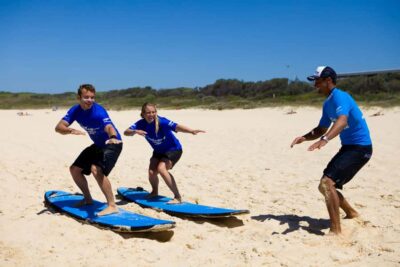 ★ 4.8Byron Bay: 2-Hour Small Group Surf LessonFrom $60657 reviews
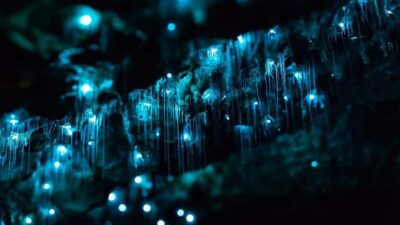 ★ 4.8Byron Bay: Glowworms, Waterfalls & Rainforest ExperienceFrom $91497 reviews
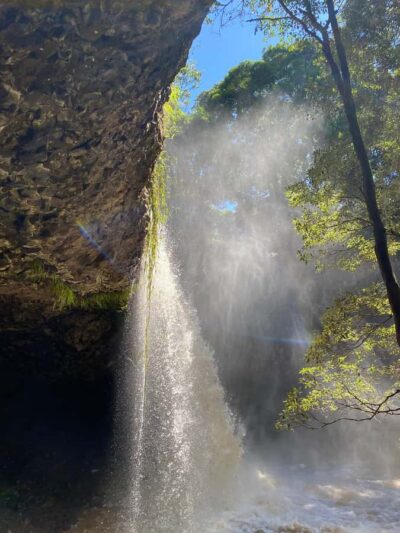 ★ 4.9Byron Bay: Behind The Bay Waterfalls & Hidden Gems Day TourFrom $91432 reviews
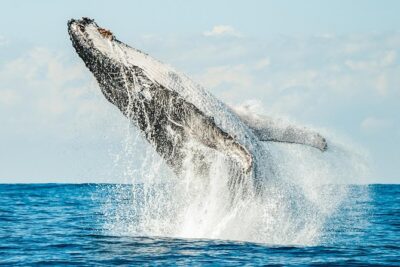 ★ 5.0Premier Whale Watching Byron BayFrom $92413 reviews
 ★ 4.5Kayaking with Dolphins in Byron Bay Guided TourFrom $63384 reviews
 ★ 4.5Byron Bay: Snorkelling Tour of Julian Rocks “Nuthungulli”From $91357 reviews
 ★ 5.0Behind The Bay – Explore Like a Local: Waterfalls/paddleboardingFrom $92275 reviews
Browse the lists this tour appears in