
REVIEW · BYRON BAY & THE NSW NORTH COAST
Byron Bay: Snorkeling Tour at Julian Rocks, Nguthungulli
Sea life feels close here, not far away. This snorkeling tour at Julian Rocks (Nguthungulli), guided by marine biologists, takes you to one of Australia’s best places to see big wildlife close to the surface. I like the setup because you get a proper boat ride from Brunswick Heads Boat Harbour plus in-water guidance, not just a quick drop-and-sail.
Two things I especially like: the chance to snorkel with leopard sharks, manta rays, and turtles, and the fact that your guides are there for safety and spotting animals, not just collecting a headcount. The only real drawback is you must be comfortable in real ocean conditions, because Julian Rocks can be too deep to stand and currents can make beginner snorkeling harder.
In This Review
- Key things you should know before you go
- Why Julian Rocks (Nguthungulli) is such a magnet for snorkelers
- From Brunswick Heads to the snorkel zone, the ride matters
- Boat-time wildlife, from dolphins to whale chances
- The in-water part: what marine biologists change for you
- What you might actually see: sharks, rays, turtles, and more
- Gear and comfort: what’s included and what you should bring
- Safety rules that are not optional at Julian Rocks
- Price and value: is $91 per person worth it?
- Timing: how the 150 minutes usually feels in real life
- Who this snorkeling tour fits best
- Quick, practical checklist before you go
- Should you book this Julian Rocks snorkeling tour?
- FAQ
- Where is the tour meeting point?
- How early should I arrive?
- What snorkeling gear is included?
- Is food and drinks included?
- How long is the tour?
- Do I need to be able to swim?
- Is the tour always snorkeling?
- What if conditions are rough or the crew thinks I am not safe to snorkel?
- Who should not book this tour?
Key things you should know before you go
- Nguthungulli waters bring life to the surface, thanks to cold water meeting nutrient-rich tropical water
- Marine biologists plus two in-water guides help you spot wildlife and stay within a safe swim zone
- Gear is included: mask, fins, wetsuit, and reef-safe sunscreen
- You snorkel multiple spots rather than one long, boring drift
- Wildlife variety is the point, with sharks, rays, turtles, dolphins, and lots of reef fish possible
- Strong swimmers only: you must be able to swim 200 meters unassisted
Why Julian Rocks (Nguthungulli) is such a magnet for snorkelers
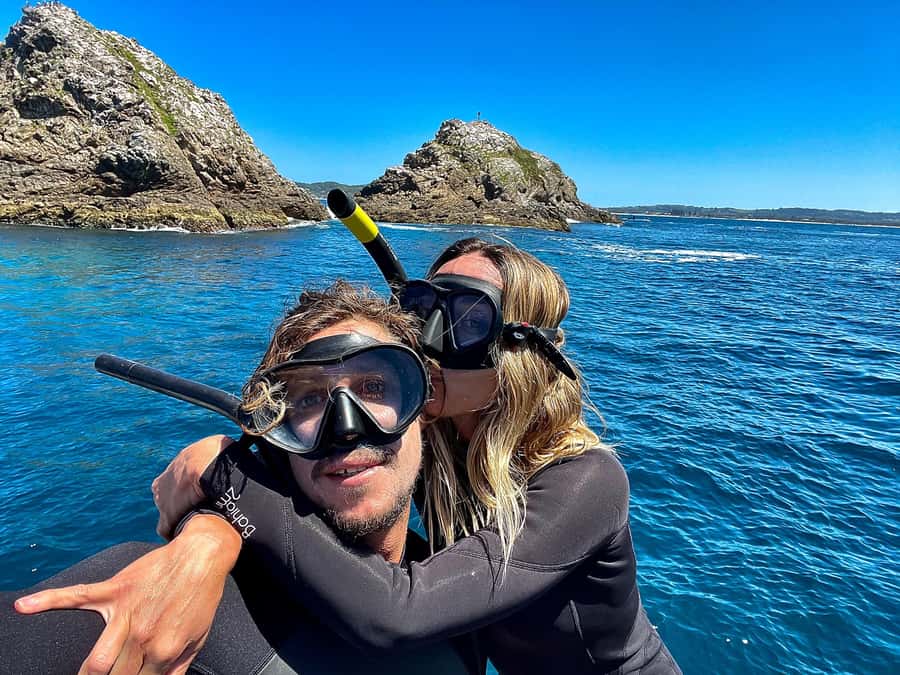
Julian Rocks is famous for a simple reason that you can feel as soon as you are in the water. It sits at a meeting point where cold water and nutrient-rich tropical water mix. That combination pulls food into the area, which means animals show up in numbers, and different species can share the same space.
What makes this a great snorkeling choice for Byron Bay is that Julian Rocks is not just about a pretty reef wall. It is about watching animals behave naturally while you float above them. You are snorkeling in protected, shallow, safer conditions compared to open water, but you are still in a real marine ecosystem. Even when you have a calm day, you are usually not staring at the same handful of fish.
The name Nguthungulli matters too. It reflects the local cultural connection to the area, and it is one more reminder that this is a managed nature reserve, not a random spot someone threw a tour onto.
Other north coast days, from the lighthouse down
- Byron Bay: Snorkeling Tour at Julian Rocks, Nguthungulli★ 4.6 · 149 reviews
- Byron Bay Whale Watching with Marine Biologist★ 4.9 · 66 reviews
- Brunswick Heads: Snorkelling in Byron Bay★ 4.8 · 56 reviews
- Julian Rocks: Premier Snorkeling Tour Byron Bay★ 4.5 · 47 reviews
From Brunswick Heads to the snorkel zone, the ride matters
The tour starts at Brunswick Heads Boat Harbour. The team meets you on the jetty about 20 minutes before departure, and you should build your day around getting there early enough for the safety briefing and wetsuit time. The cruise segment is not just transport, it is part of the experience.
The boat trip is short, about 15 minutes out before you reach Julian Rocks. That pace keeps the day from dragging, but it also gives you a buffer for seasickness management. If you know you get queasy in boats, consider eating lightly before you go and planning your breathing and posture once you leave the harbor.
On the way to the reserve, you are in a good position to scan the coastline and marine life. Dolphin sightings are part of the plan, and whale watching is also mentioned as a possible bonus depending on conditions. Even if you do not get whales, dolphins can be an early payoff that sets the tone for what you will see in the water.
Boat-time wildlife, from dolphins to whale chances
I like that this is not a one-note tour that starts and ends at the snorkel stop. The marine life viewing starts before you even gear up. Dolphins often show up around the route, and the staff will point out what they see as you travel.
You also get a “you are actually in Byron Bay” moment. The coastline views are part of the value because you are not just heading for a spot in the ocean. You are cruising along a dramatic stretch of New South Wales coast, and that makes the whole morning or afternoon feel like a mini outing, not a chore.
One practical consideration: the water can be busy on good days. A few guests noted that multiple tour groups are often in the same general area, including scuba divers. If you hate crowds in the water, you may feel it. Still, the guides help you with direction and pacing so you can enjoy your own snorkeling rhythm.
The in-water part: what marine biologists change for you
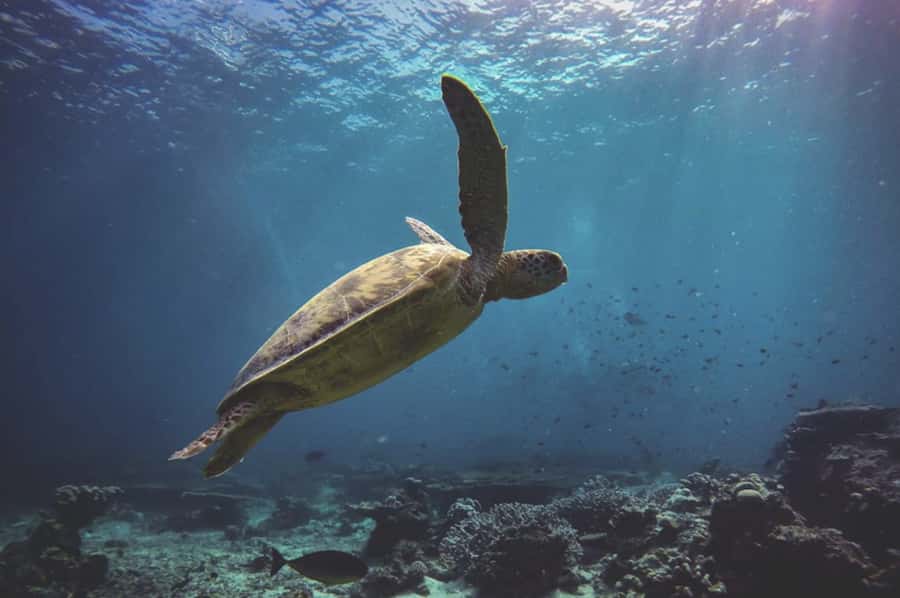
Once you arrive at Julian Rocks, the guided snorkeling is the main event. You get about 1.5 hours in the reserve area, with guidance to multiple snorkeling spots. That matters because wildlife is not always spread evenly. If you only snorkel one line, you can miss the action.
This is where having marine biologists and two in-water guides makes a real difference. The job is not only to tell you what to look at. It is also to help you move safely, stay together, and avoid wasting time. In strong water, good guidance helps you stop flailing and start gliding.
People have specifically praised the way guides manage safety and instructions, and you can see why. Julian Rocks snorkelers are in conditions where you cannot simply stand up if you get tired. That pushes the experience from casual “float and hope” snorkeling to guided “see more, safely” snorkeling.
You should also know the tour expects active participation. Some guests reported being checked on frequently during snorkeling, which is a fair trade for safety. If you are the kind of person who hates interruptions, you may feel the pace is slower than solo snorkeling. But if you are learning confidence in the water, that check-in style is reassuring.
What you might actually see: sharks, rays, turtles, and more
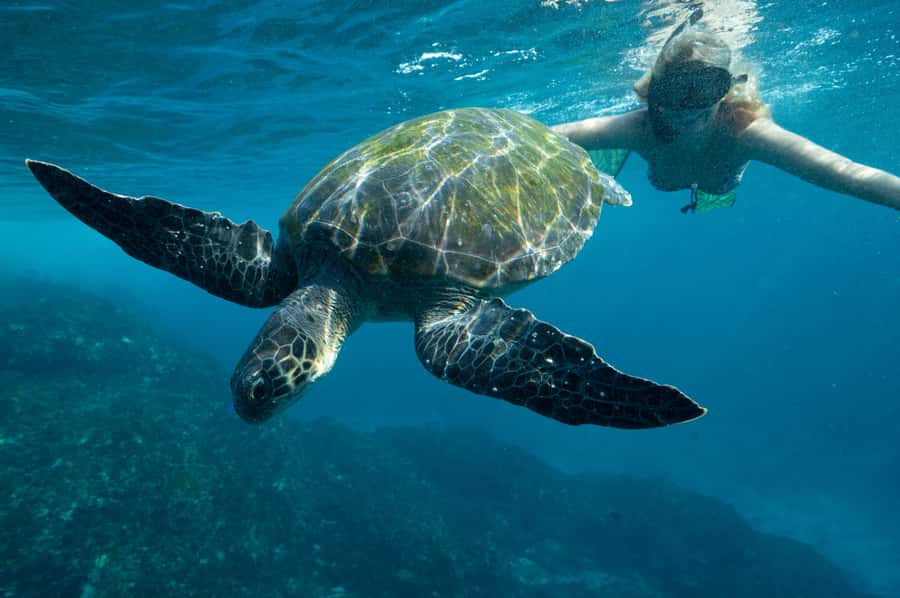
Julian Rocks is popular because you can see a lot of different types of wildlife in one session. The tour highlights several star animals, and the real value is that you are not limited to small fish that look the same after 10 minutes.
Here is the range the tour is built around:
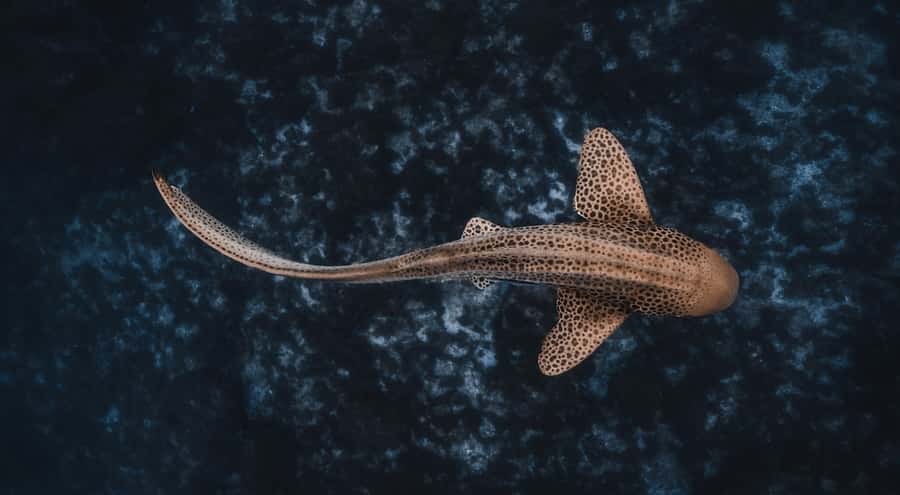
- Leopard sharks (including sightings close enough to feel exciting, not just a distant silhouette)
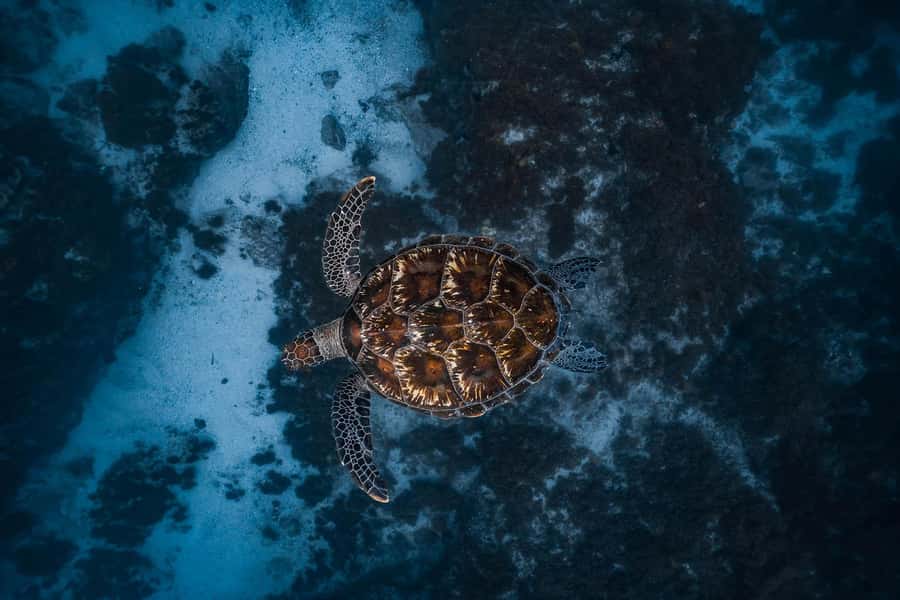
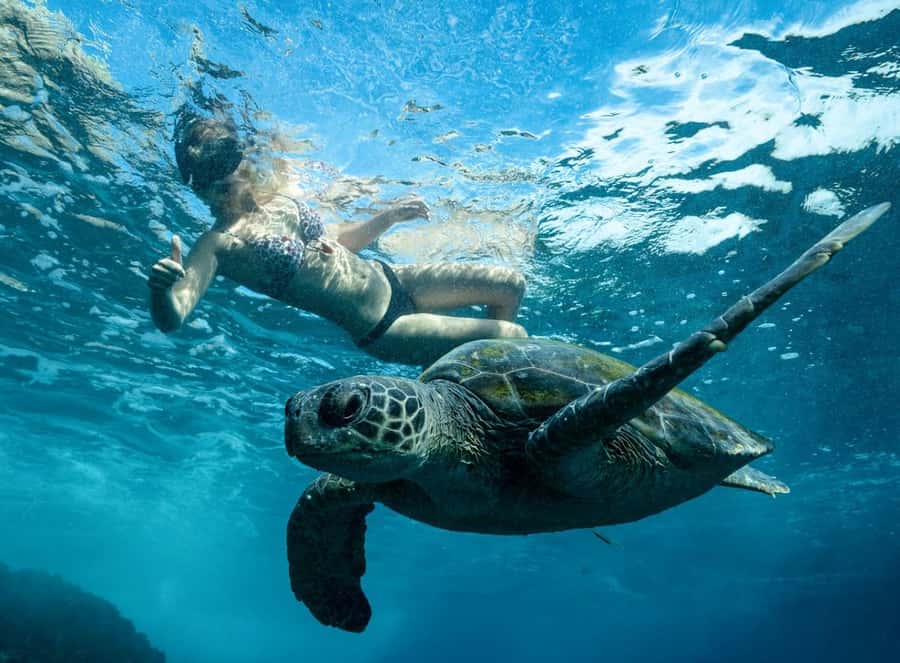
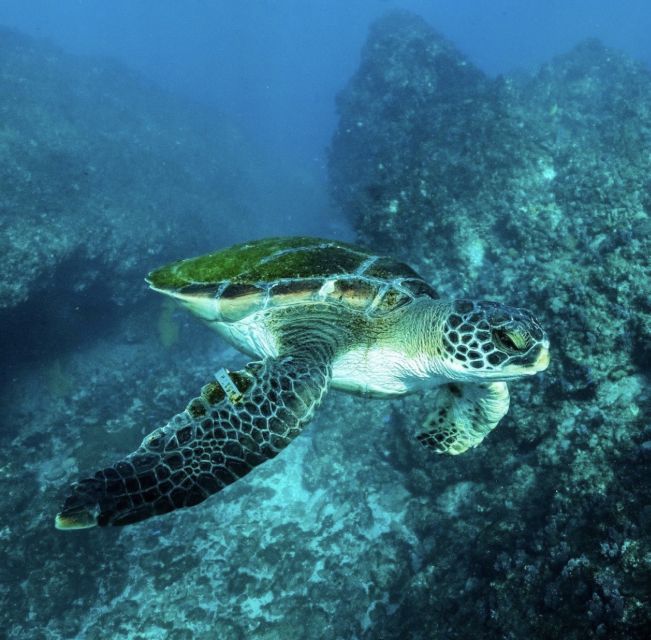
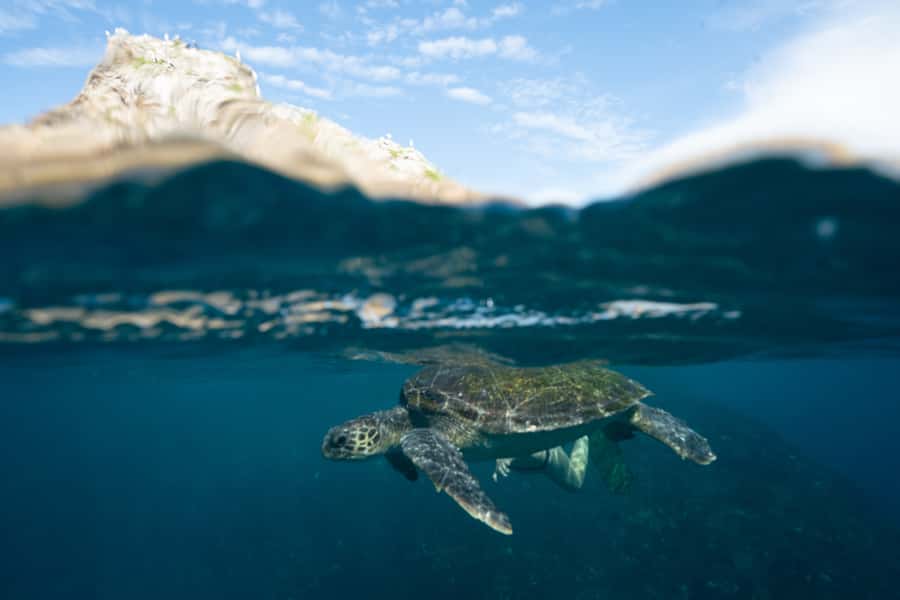
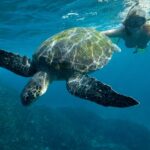
- Turtles (sometimes cruising nearer the surface)
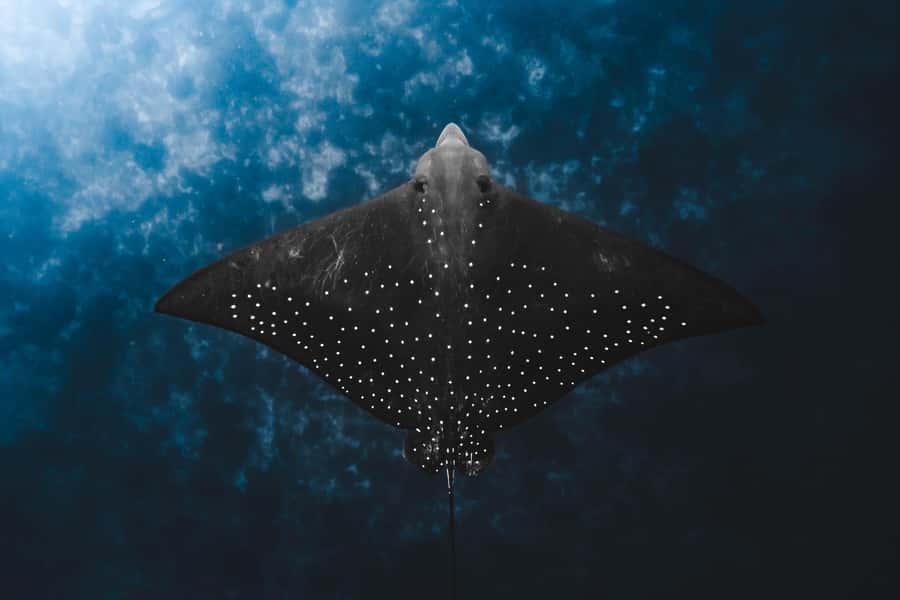
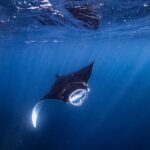
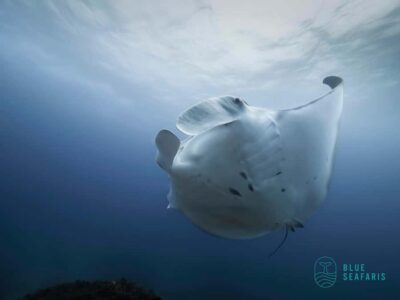
- Manta rays (not guaranteed, but possible when conditions line up)
- Eagle rays and other ray species
- Grey nurse sharks and other shark life
- Wobbegongs (a flatter, very camouflaged shark type that is always a treat to spot)
- Corals and reef structure, which makes the fish viewing more interesting
- Hundreds of marine species in the area, including lots of colourful reef fish
- Dolphins during the cruise segment, and sometimes other larger marine sightings as conditions allow
One review note I found especially useful is that the boat ride itself can bring surprises, like a turtle appearing near the vessel. That means even if the surface snorkeling moment is quiet, you still have chances to spot something.
Also, keep your expectations flexible. Julian Rocks is a living system. Some days the turtles are more visible, some days rays are active deeper or turn up at a different moment. When a tour is this biologically rich, the experience is less about ticking off a single animal and more about watching the ecosystem move.
Gear and comfort: what’s included and what you should bring
This tour includes the practical snorkeling items that usually make or break the experience:
- Mask
- Fins
- Wetsuit
- Reef-safe sunscreen
They also provide marine biologist guides and two in-water guides, which means you are not doing “gear plus vibes” on your own.
What you need to bring is simpler:
- Swimwear
If you are prone to cold, you will still want a wetsuit experience that feels like enough. The tour includes a wetsuit for you, so you are not stuck improvising. Still, when the water is cooler, even with a wetsuit, your comfort can change your ability to snorkel with ease. If you get cold quickly, plan for that and keep your energy smooth.
One more practical tip from the vibe of guest feedback: if you are a beginner, the biggest comfort challenge is usually the snorkeling technique, not the gear. Fins can feel awkward at first. The guides can help, and that support is part of why this tour is a safer bet than self-guided snorkeling.
Safety rules that are not optional at Julian Rocks
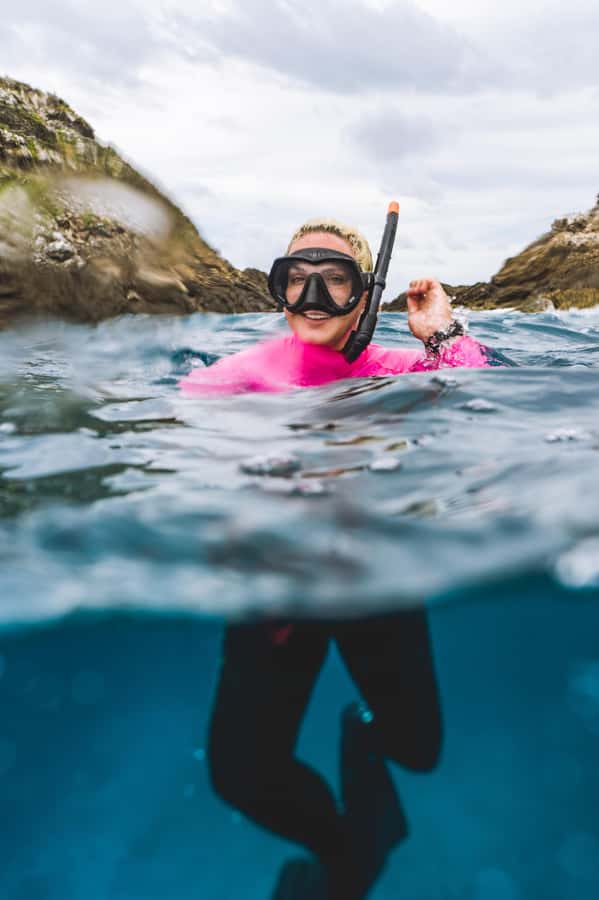
Julian Rocks is too deep to stand in. That is the key safety reality. You are snorkeling, so if you get tired, you cannot simply pop up and rest on your feet. Currents can also show up, and they can be stronger than they look from the surface.
That is why the tour has a clear swimmer requirement: you must be able to swim 200 meters unassisted. If crew determine you cannot meet that at any point, you will not be able to participate and you will be asked to remain on the vessel. A refund will not be offered.
The other important safety point is that the activity is subject to ocean and weather conditions. If conditions change, you must be reachable so the team can contact you. That means giving a valid phone number with country code so they can reach you quickly.
I also appreciated how the tour sets expectations for who should not book. It is not just “hard snorkeling.” It is snorkeling in a place where staying within the safe area matters:
- children under 7
- pregnant women
- people with back problems
- non-swimmers
- people with low level of fitness
- people over 70
If any of those apply, skip this one. There are other ways to enjoy Byron Bay marine life without turning your day into a safety puzzle.
Price and value: is $91 per person worth it?
At $91 per person for about 150 minutes, you are paying for three things you normally do not get together:
- A guided biological experience led by marine biologists
- In-water support, including two in-water guides
- Full snorkeling gear, including wetsuit and reef-safe sunscreen
If you have ever bought your own mask and fins, or tried to cobble together a self-guided day, you know the hidden costs add up fast. Here, the gear is included, and you are also paying for the boat access to a specific reserve that is not a casual swim from shore.
Is it expensive compared to a generic boat cruise? Yes. But compared to a guided wildlife snorkeling trip with professional coaching and multiple snorkeling stops, it is a reasonable price point. The best “value signal” is what people repeatedly get excited about: they come back describing the variety, not just one good moment. When a tour is built around a place that naturally concentrates wildlife, good guiding turns that concentration into more sightings.
The one price-related drawback is timing and conditions. If the ocean is rough, snorkeling can be less comfortable. But the tour is transparent that it is weather dependent, and safety comes first.
Timing: how the 150 minutes usually feels in real life
Your total time on the experience is listed as 150 minutes. In practice, that breaks down into:
- a short speedboat segment out
- about 1.5 hours in and around the snorkel area
- a short speedboat segment back
This matters because you are not committing to a full day of heat and waiting. You also get back to Brunswick Heads while you still have enough time left to enjoy Byron Bay itself.
If you are planning other activities, consider the sea conditions and your own energy. Some people feel great after snorkeling and go for lunch right away. Others feel wiped out or a bit seasick. If you tend to get motion sickness, plan for a slower second half of the day.
Who this snorkeling tour fits best
This is a strong fit for you if:
- you can swim confidently for 200 meters unassisted
- you want wildlife-focused snorkeling, not just scenic reef
- you like a guide who explains what you are seeing while keeping you safe
- you want gear provided, so you can travel lighter
It can also work for less-experienced snorkelers, as long as you meet the swimmer requirement and are willing to follow guidance. Several guests noted that guides were helpful for people who were not as confident, including using support when needed.
You should skip it if:
- you are looking for a stand-and-chat snorkeling day
- you do not meet the swimmer requirement
- you have physical limitations like back problems
- you hate boats and get strongly seasick
Quick, practical checklist before you go
- Bring swimwear, not just a towel.
- Plan to arrive early for briefing and wetsuit time. The boat cannot wait if you are late.
- Bring a phone number where the team can reach you if conditions change.
- If you get cold or seasick, plan for that early. Comfort affects how well you snorkel.
- Mentally prepare for a guided experience where you might pause for safety checks and signals.
Should you book this Julian Rocks snorkeling tour?
I think you should book if your goal is to see serious marine life in a guided, safety-first way. The combination of Julian Rocks biodiversity, marine biologist-led guiding, and included gear makes this one of the easier ways to get a high-quality snorkel day from Byron Bay. It is also a smart choice if you want your time in the water to feel productive, with multiple spots and active animal spotting.
Do not book if you are not a confident swimmer, or if you cannot handle currents and the fact that you cannot stand in the snorkel area. If you match the physical requirement, this tour is a strong value for what you get, especially for the chance to see sharks, rays, and turtles in one session.
If you want, tell me your swimming comfort level and when you plan to go (rough month is fine), and I will help you decide if this is the right fit for your day in Byron Bay.
FAQ
Where is the tour meeting point?
The tour departs from Brunswick Heads Boat Harbour. The team is waiting on the jetty about 20 minutes before the scheduled departure.
How early should I arrive?
You must arrive 30 minutes before departure for the safety briefing and to get into your wetsuit.
What snorkeling gear is included?
You get snorkeling gear including a mask, fins, and a wetsuit, plus reef-safe sunscreen.
Is food and drinks included?
No. Food and drinks are not included.
How long is the tour?
The duration is 150 minutes total.
Do I need to be able to swim?
Yes. You must be a competent swimmer and be able to swim 200 meters unassisted.
Is the tour always snorkeling?
It includes a boat cruise to the reserve plus guided snorkeling in Julian Rocks Nguthungulli Nature Reserve.
What if conditions are rough or the crew thinks I am not safe to snorkel?
The activity is subject to ocean and weather conditions. If crew determine you cannot swim 200 meters unassisted, you will be asked to remain on the vessel, and no refund will be offered.
Who should not book this tour?
It is not suitable for children under 7, pregnant women, people with back problems, non-swimmers, people with low level of fitness, or people over 70.
North Coast, Beyond the Lighthouse
Added lately from Brunswick Heads
- Julian Rocks: Premier Snorkeling Tour Byron Bay
★ 4.5 · 47 reviews - Brunswick Heads: Snorkelling in Byron Bay
★ 4.8 · 56 reviews - Byron Bay Whale Watching with Marine Biologist
★ 4.9 · 66 reviews - Byron Bay: Snorkeling Tour at Julian Rocks, Nguthungulli
★ 4.6 · 149 reviews
Byron Bay & the NSW North Coast, compared.
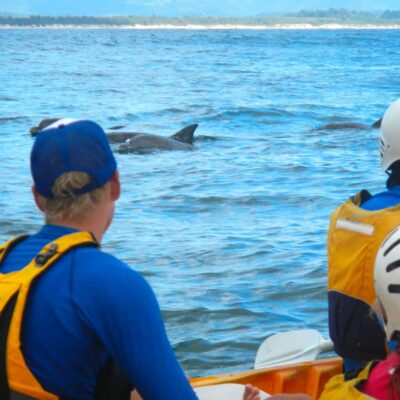 ★ 4.6Byron Bay: The Byron Bay Sea Kayak TourFrom $631,207 reviews
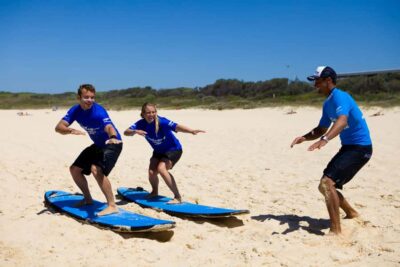 ★ 4.8Byron Bay: 2-Hour Small Group Surf LessonFrom $60657 reviews
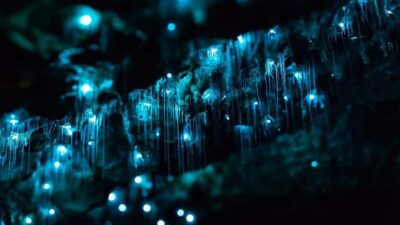 ★ 4.8Byron Bay: Glowworms, Waterfalls & Rainforest ExperienceFrom $91497 reviews
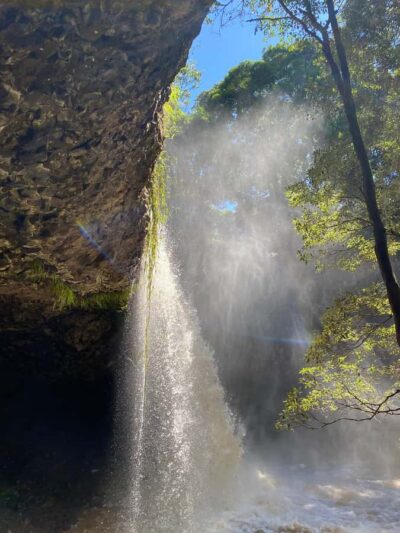 ★ 4.9Byron Bay: Behind The Bay Waterfalls & Hidden Gems Day TourFrom $91432 reviews
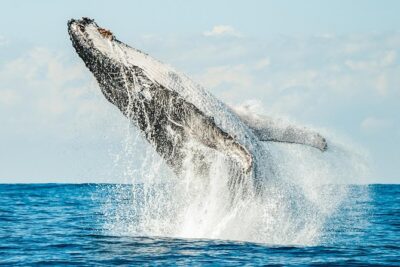 ★ 5.0Premier Whale Watching Byron BayFrom $92413 reviews
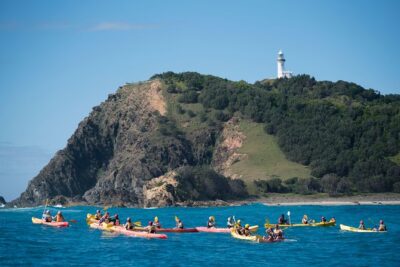 ★ 4.5Kayaking with Dolphins in Byron Bay Guided TourFrom $63384 reviews
 ★ 4.5Byron Bay: Snorkelling Tour of Julian Rocks “Nuthungulli”From $91357 reviews
 ★ 5.0Behind The Bay – Explore Like a Local: Waterfalls/paddleboardingFrom $92275 reviews
Browse the lists this tour appears in