
REVIEW · PORT ARTHUR HISTORIC SITE
From Port Arthur: Tasman Island Wilderness Cruise
Cape Pillar looks straight out of a movie. This Tasman Island Wilderness Cruise slides along the Tasman National Park coast, under the highest sea cliffs in the Southern Hemisphere, with real odds of seals, seabirds, dolphins, and migrating whales.
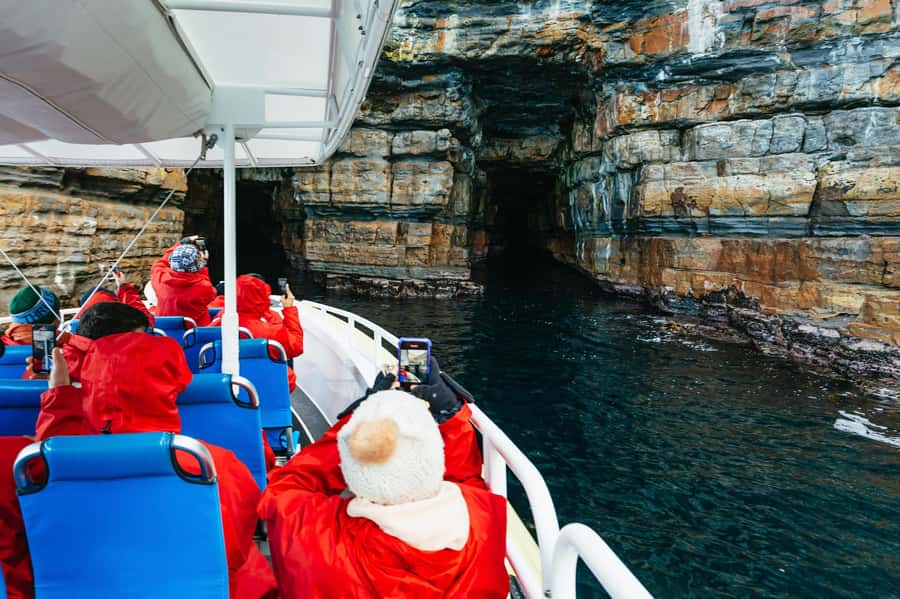
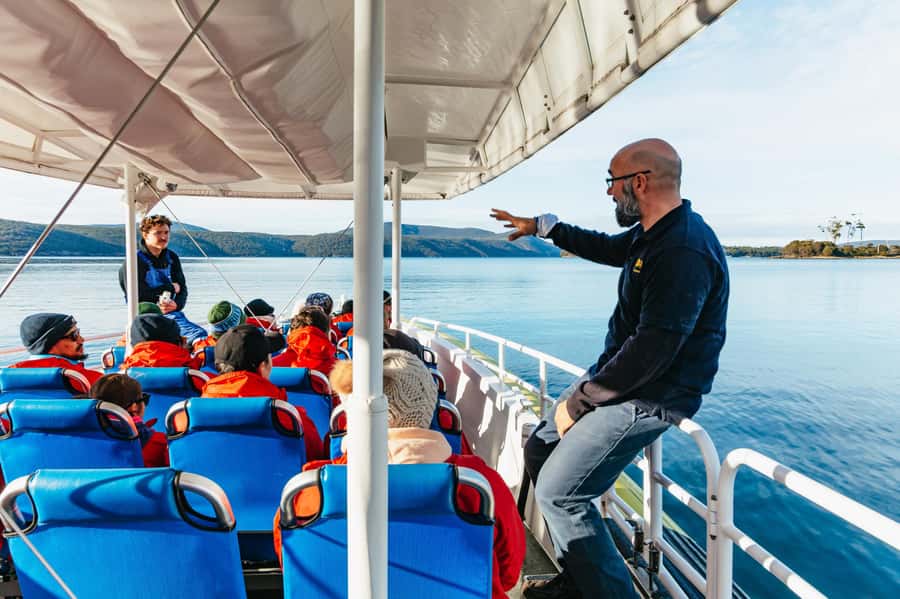
You get a close-to-the-water feel, helped by open-air tiered seating, so you can scan the cliffs and surf without blocking anyone. I also like how the captain and crew bring the coast to life with hands-on spotting and clear commentary that keeps you tuned in.
One thing to plan for: it can be cold and spray-heavy, and you will feel wind hard when the boat speeds along the water.
In This Review
- Key things that make this cruise worth your time
- Tasman Island views, powered by open-air tiered seating
- Port Arthur to Eaglehawk Neck in 3 hours, with route shifts for conditions
- Cape Pillar cliffs, sea caves, archways, waterfalls, and blowholes
- Wildlife spotting that actually feels like wildlife, seals, birds, dolphins, and whales
- Cold, spray, and motion, what to wear on the water
- Crew operation at speed, captain commentary, and safety checks
- Value math for $127, what you’re really buying
- Should you book this Tasman Island Wilderness Cruise from Port Arthur?
- FAQ
- Where do I meet for the Tasman Island cruise?
- How long is the cruise?
- Is there a minimum age?
- What should I bring?
- Can I reserve and pay later?
- Is there free cancellation?
Key things that make this cruise worth your time
- Cape Pillar cliffs with huge vertical drop-offs and sea-level views you cannot get from land
- Caves and formations you’ll pass through, including sea caves, archways, waterfalls, and blowholes
- Wildlife on scale: hundreds of seals, thousands of seabirds, and chances at dolphins and migrating whales
- Open-air tiered seating for a better sightline all around the boat
- Layer-first comfort with guidance to wear warm clothing, thermal gear, and gloves for icy air and off-spray
Tasman Island views, powered by open-air tiered seating
This cruise is built for sea-level looking. You are not stuck behind glass, and you are not far from the action. The open-air design plus tiered seating is a big deal because it keeps your view up toward the cliffs and out over the water, not just straight ahead.
In practice, that means you can watch two things at once: the rocks where birds cling and wheel, and the water line where seals pop up, or where dolphins may surf near the bow. Even when the day is cloudy, the contrast is strong. Dark rock, pale birds, and white spray makes spotting easier than you’d expect.
And yes, the ride is close. One review described it as fast at times, with spray in the mix. So this is not the “sit back and float” cruise. If you like your nature experiences with a bit of speed, you’ll probably have a great time.
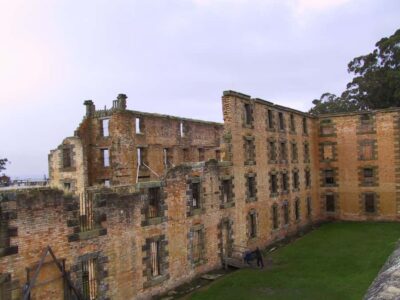
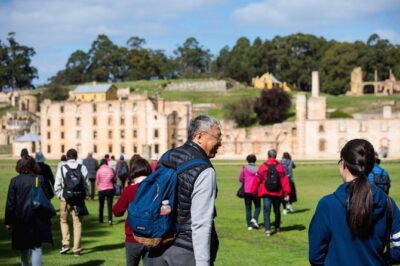
Convict ruins on the peninsula, other visits
- From Port Arthur: Tasman Island Wilderness Cruise★ 4.9 · 704 reviews
- Port Arthur Historic Site Admission and Tour Options★ 4.8 · 509 reviews
- Tasman Peninsula Wilderness Cruise from Port Arthur★ 5.0 · 285 reviews
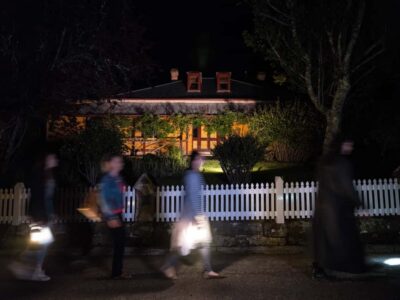
- Port Arthur Ghost Tour★ 4.0 · 214 reviews
Port Arthur to Eaglehawk Neck in 3 hours, with route shifts for conditions
The cruise runs for about 3 hours, sailing between the Port Arthur area and Eaglehawk Neck along this rugged stretch of southern Tasmania. The coastline is part of Tasman National Park, which is exactly the reason the scenery and wildlife feel so concentrated.
In real life, the captain will adjust the route based on conditions. Some days you might get more sheltered sections; other days you’ll push into more dramatic angles around formations. That flexibility is valuable, because wildlife viewing can depend on where the boat can safely go and where animals are feeding.
You should also expect a rhythm of cruising plus time spent slowing down or turning when wildlife appears. The best moments tend to happen quickly: a pod of dolphins showing up for a short run, or a feeding flurry of seabirds wheeling low over the sea. When that happens, the crew’s job is to help you find the action fast without turning the trip into chaos.
Cape Pillar cliffs, sea caves, archways, waterfalls, and blowholes
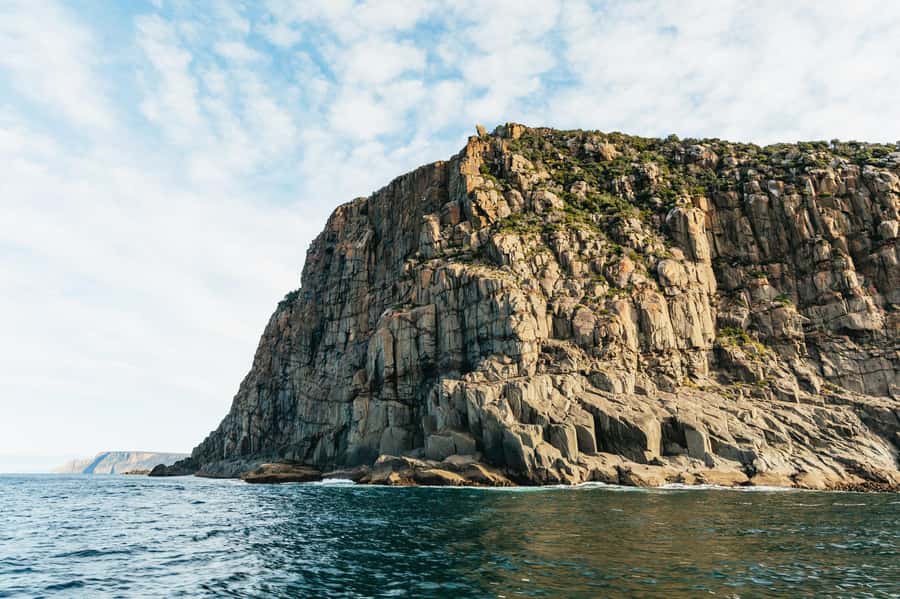
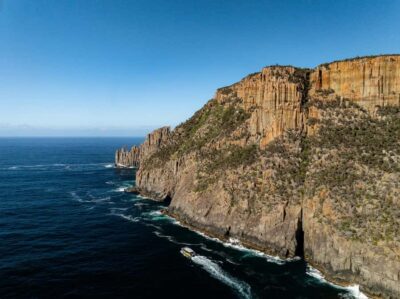
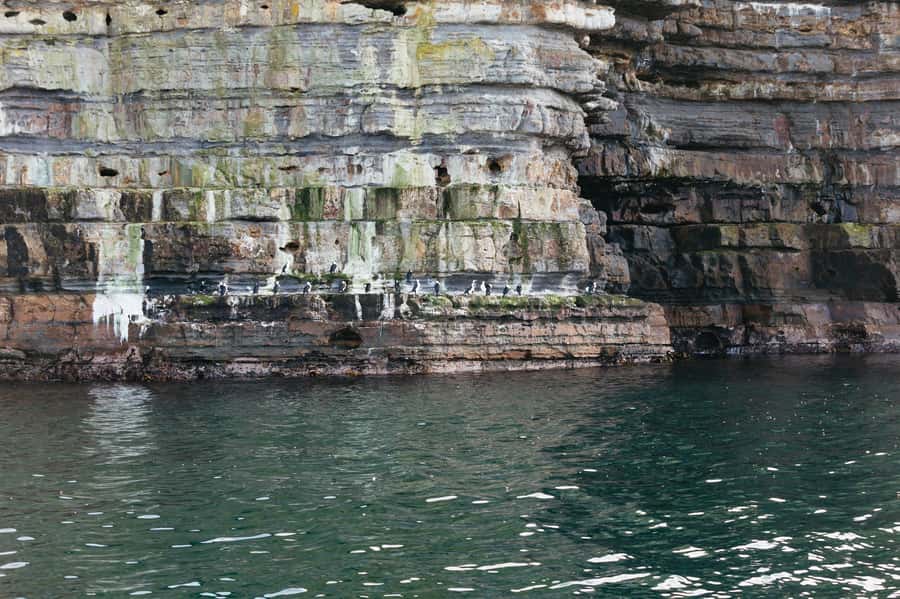
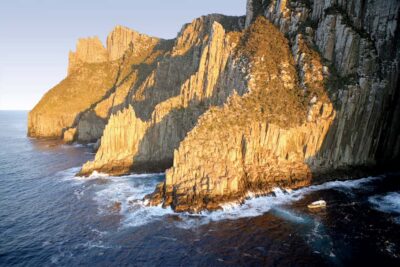
If you’re picturing “crazy coast,” Cape Pillar is the anchor point. This cruise sails beneath the highest vertical sea cliffs in the Southern Hemisphere, and that perspective changes how you understand the coastline. From boat level, the cliffs look less like a backdrop and more like a living wall, carved by waves and weather over time.
You’ll also go through or near areas with sea caves and rock archways. When you approach these features, keep your eyes both on the rock and on the water. A cave entrance is often easy to miss if you’re watching only the cliff face. Then a rock tunnel or arch frames the sea behind it, and suddenly you get that classic Tasman Peninsula feel: sudden depth, strong shapes, and spray.
The route also includes waterfalls and blowholes. These are the kind of formations that can feel dramatic or subtle depending on the tide and how the swell is landing. Either way, they are a strong reason to book this specific cruise instead of choosing a general sightseeing boat.
Wildlife spotting that actually feels like wildlife, seals, birds, dolphins, and whales
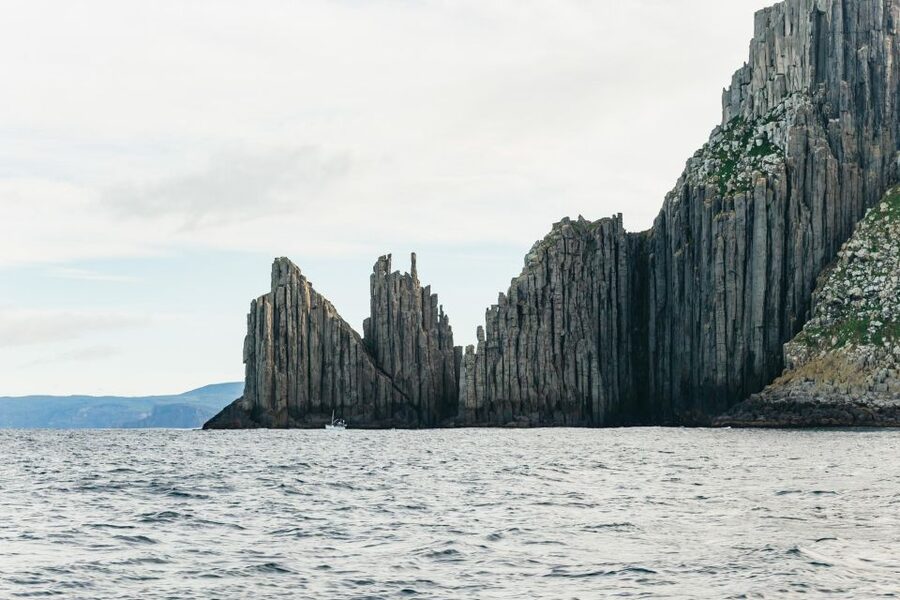
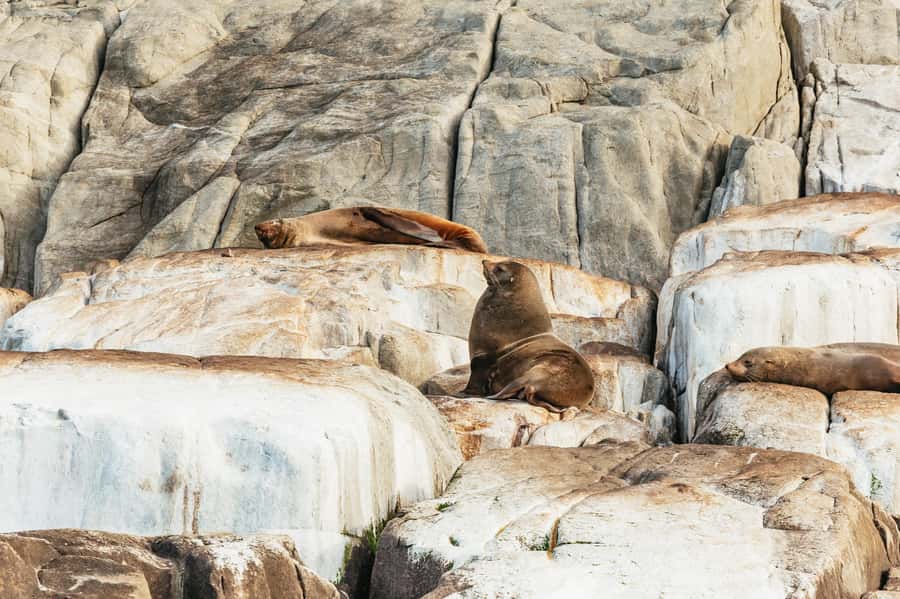
This is the wildlife-focused part of southern Tasmania. The cruise is set up for encounters with hundreds of seals and thousands of seabirds, plus the possibility of dolphins and migrating whales.
Here’s what you can realistically watch for:
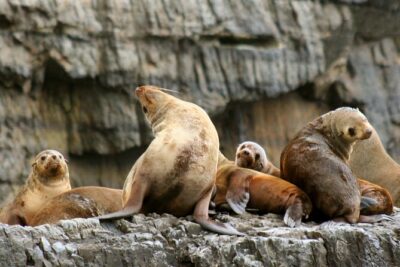
- Seals lounging along the coast, often close enough that you can see their movement and posture changes as they respond to waves and birds
- Seabirds circling and feeding around cliff edges, including gannets and albatross types, plus sea eagles, cormorants, and peregrine falcons
- Dolphins that may appear around the bow area, sometimes with that “surfing the wake” behavior people hope for
- Whales, where the timing can be seasonal and dependent on conditions, but sightings can happen
A few specific review details are worth taking seriously. Some cruises included dolphins and albatross right during the feeding moments. Others turned into whale moments when the captain chased sightings offshore. The key is that the crew seems ready to act when the opportunity shows up, as long as the conditions allow it.
Two practical tips for wildlife spotting:
- Look where food is likely to be, not just where animals are sitting. Flying birds often cue you to action below or ahead.
- Keep your layers on and your hands warm. You’ll spot more when you are comfortable enough to hold your gaze steady for a minute.
Cold, spray, and motion, what to wear on the water
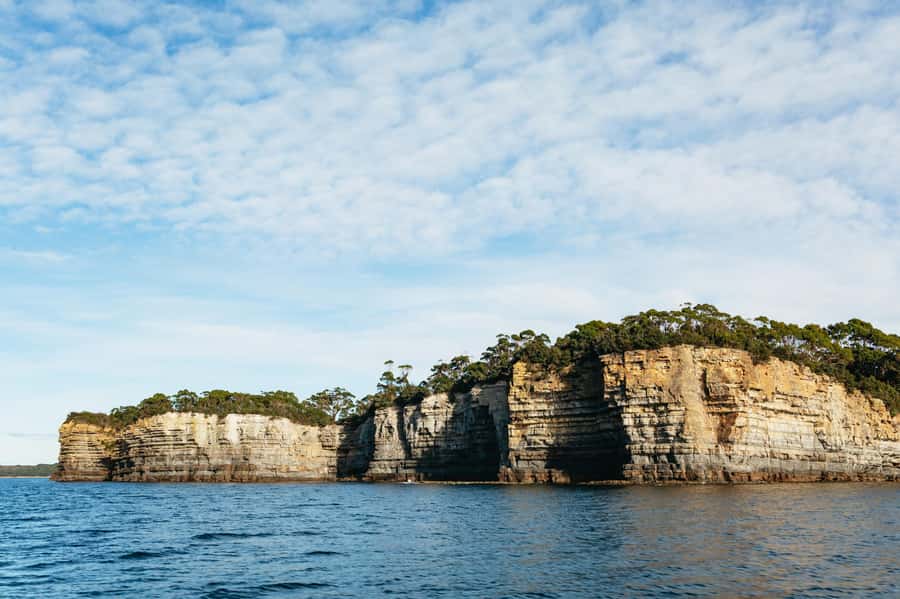
You need to treat this like a cold-water outing. Even in warmer months, people describe air that feels icy once you’re moving. Off-spray can hit, and when the boat speeds up, wind chill becomes real.
Bring or wear:
- Warm clothing and thermal layers
- Gloves (not optional if you hate numb fingers)
- Comfortable shoes that can handle wet decks and quick movements
- A warm hat or beanie is a smart extra, since people repeatedly mention the wind
The good news: you should expect a full body hooded raincoat or similarly water-resistant protection for off-spray. That helps a lot, but it does not replace the need for real warmth underneath.
Motion sickness is another consideration. This trip can feel bouncy at times, and one review suggested sitting toward the back of the boat if you are motion sensitive, plus taking sea-sickness medicine beforehand. If you’re even mildly prone, I’d plan like you’ll need it.
Also pack light. There is limited space for bags on small boats, so keep essentials small and wearable.
Crew operation at speed, captain commentary, and safety checks
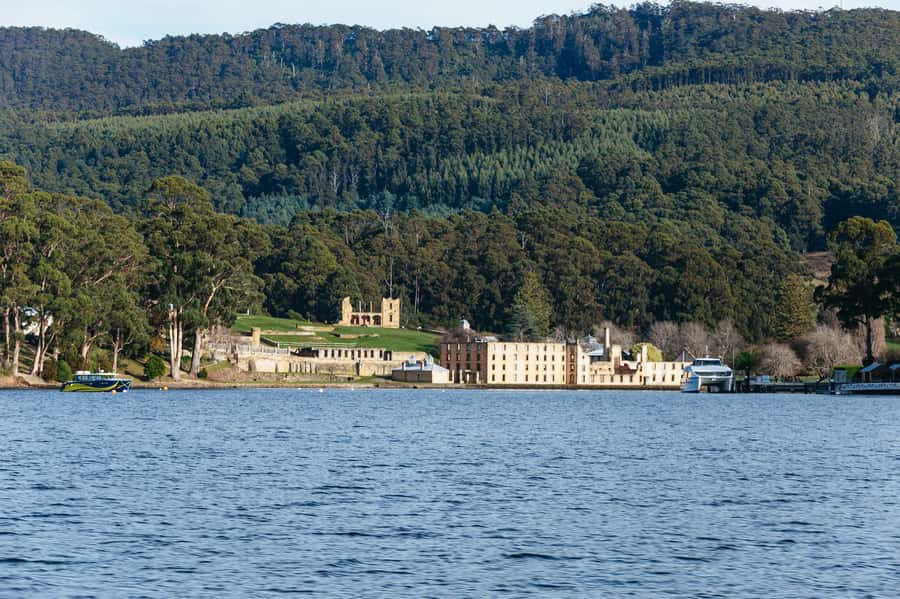
What makes this cruise feel smooth is the captain plus deck-crew teamwork. In multiple accounts, the pattern shows up clearly: one person focuses on driving the boat, while another checks on passengers and helps with safety and comfort throughout the trip.
The commentary style matters too. Several people loved the narration and the way crew members answered questions. Some noted that hearing can be harder from certain seats due to wind noise, which is a fair heads-up. If you care about the story details, choose seating that helps you hear above the spray, and don’t be shy about asking questions when the captain calls out sightings.
Safety also comes up. People described feeling totally safe even with sea conditions and a smaller craft. That matters on this kind of coastline cruise, where you want confidence around getting close to cliffs and through rougher water sections when conditions demand it.
Value math for $127, what you’re really buying
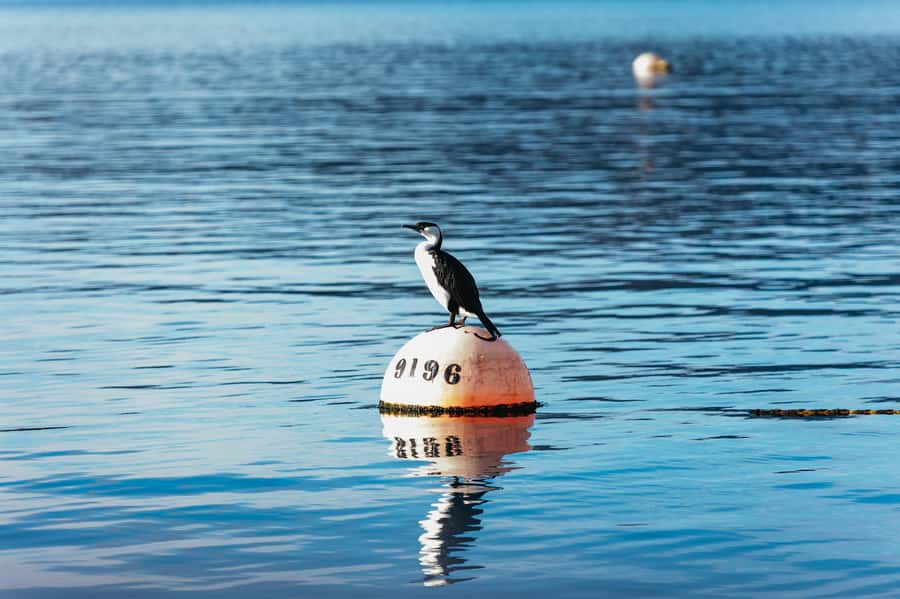
At around $127 per person for a 3-hour cruise, the price is not cheap, but the experience is tightly focused. You’re paying for three things that are hard to replicate on your own:
- A boat that can get right into the coastline action between Port Arthur and Eaglehawk Neck
- A guided run past signature formations, including Cape Pillar, sea caves, archways, waterfalls, and blowholes
- Wildlife viewing with the odds of seals, seabirds, dolphins, and possibly whales during the right conditions
In other words, you are not just paying for transport. You’re paying for access and for a crew that knows when to turn, slow, or reposition for animal encounters.
Where value can vary is weather and sea state. Even the best wildlife day depends on what the ocean allows that morning. If you book for the geology and wildlife, and you pack for cold and spray, you are set up to get your money’s worth.
This is also the kind of activity that can be a high-impact add-on to a Port Arthur and Tasman Peninsula itinerary. It’s short enough to fit, but specific enough to feel like a highlight.
Should you book this Tasman Island Wilderness Cruise from Port Arthur?
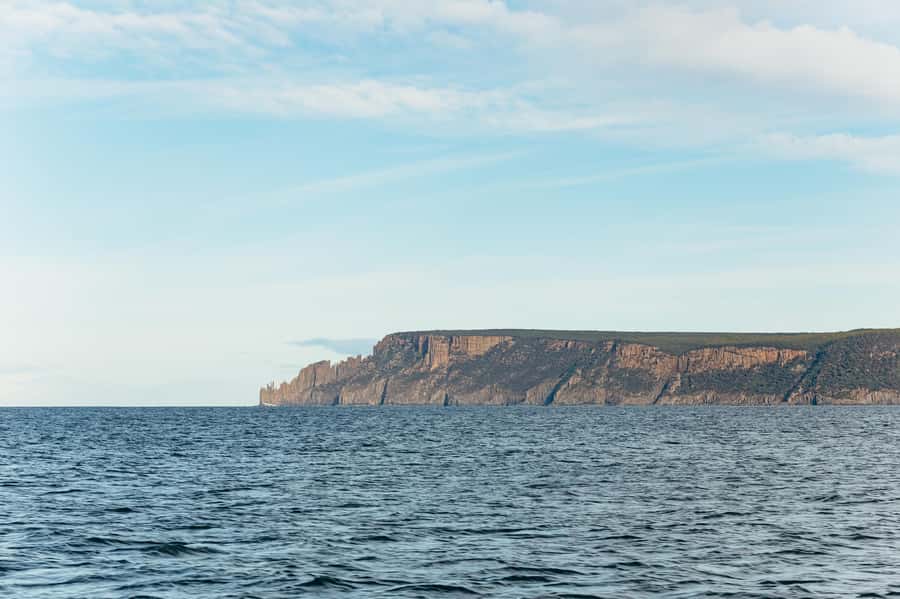
I’d book it if you want a wildlife-and-rocks combo that happens at sea level, with a crew willing to chase sightings when the water allows it. It suits people who can handle wind, cold, and spray, and who are excited to watch for seals and seabirds first, then hope for dolphins and whales when conditions line up.
I might skip it if you hate bouncy rides, feel motion sick easily, or want a totally calm, gentle tour. Also, be honest about your tolerance for chilly weather. This is Tasmania out on the water, and layers matter.
If you go, do the smart stuff: wear thermal layers, bring gloves, pack light, and plan to enjoy the coast from very close range. Then you’ll get the thing this cruise does best, big cliffs, dramatic formations, and wildlife time that feels real.
FAQ
Where do I meet for the Tasman Island cruise?
Meet at the Tasman Island Cruises office. From there, you’ll head to the boats for the departure.
How long is the cruise?
The duration is 3 hours.
Is there a minimum age?
There is no minimum age for this tour.
What should I bring?
Bring comfortable shoes, warm clothing, gloves, and thermal clothing. Dress for cold wind and possible spray.
Can I reserve and pay later?
Yes. You can reserve now and pay later, keeping travel plans flexible.
Is there free cancellation?
Yes. You can cancel up to 24 hours in advance for a full refund.
The Convict Peninsula




Added lately from Port Arthur
- Port Arthur: Cape Raoul Wilderness Cruise
★ 4.8 · 80 reviews - Hobart: Port Arthur, Harbor Cruise and Isle of the Dead Tour
★ 4.8 · 157 reviews - Port Arthur Historic Site Ghost Tour
★ 4.2 · 173 reviews - Port Arthur Ghost Tour
★ 4.0 · 214 reviews - Tasman Peninsula Wilderness Cruise from Port Arthur
★ 5.0 · 285 reviews - Port Arthur Historic Site Admission and Tour Options
★ 4.8 · 509 reviews
Port Arthur Historic Site, compared.
 ★ 4.5Port Arthur Full-day Guided Tour with Harbour Cruise and Tasman National ParkFrom $121585 reviews
 ★ 4.8Port Arthur Historic Site Admission and Tour OptionsFrom $37509 reviews
 ★ 5.0Tasman Island Cruises and Port Arthur Historic Site Day Tour from HobartFrom $236477 reviews
 ★ 4.6Hobart: Port Arthur & Tasman Park Full-Day Trip with CruiseFrom $120442 reviews
 ★ 5.0Port Arthur and Tasman Sights with Harbour CruiseFrom $35352 reviews
 ★ 4.8Hobart: Port Arthur, Richmond & Tassie Devil – Active TourFrom $138351 reviews
 ★ 4.9Tasman Peninsula Tour, Cruise & Port Arthur Historic SiteFrom $233339 reviews
 ★ 4.5Port Arthur Historic Site [official]From $38288 reviews
Browse the lists this tour appears in