
REVIEW · ULURU & AYERS ROCK TOURS
Best of Uluru & Segway
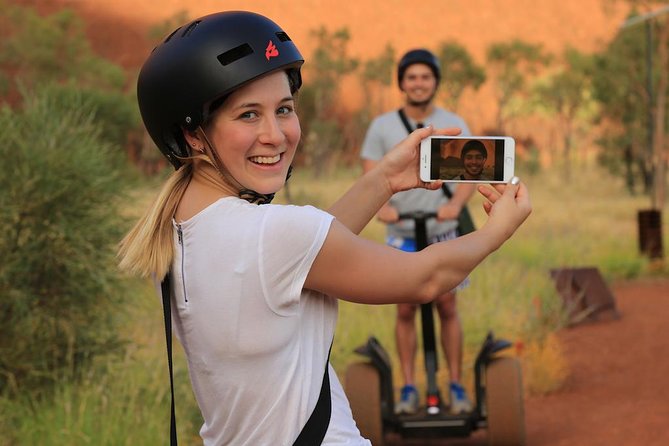
Uluru feels big in real life. This half-day Segway tour turns that size into something you can actually cover, with a guide steering you along the most scenic stretch of the base. I like that the tour is built for a small group and includes hotel pickup, so you spend less time organizing and more time looking at red rock.
Two things I particularly like. First, you get proper safety gear and real training before you set off, even if you have never ridden a Segway before. Second, you are not just cruising, your guide weaves in Aboriginal culture and local history at each stop, with examples from guides like Lisa, Nick, Sye, and Harley.
One possible drawback to plan for: a chunk of the time is spent on the safety lesson and practice, so if you expect wall-to-wall Segway minutes, you might feel it runs long on prep.
In This Review
- Key points to know before you go
- Uluru on a Segway: why this way works
- What the small-group format feels like in practice
- Price and value: what you are paying for
- The 4 to 5 hour plan, step by step
- Stop 1: Segway lesson and Uluru base riding (around 1.5 hours)
- Stop 2: Mutitjulu Waterhole walk (about 30 minutes)
- Stop 3: Mala Walk guided section (about 1 hour)
- Stop 4: Uluru sunset option with sparkling wine and picnic nibbles
- Guides make or break it, and here they are strong
- Heat, flies, and small comfort upgrades that matter
- Who this tour suits best
- Potential downsides to factor in before you book
- Segway prep time can feel long
- Understanding is not always uniform across guides
- Picnic expectations at sunset
- Should you book Uluru on a Segway?
Key points to know before you go
- Focused Segway time that covers roughly one quarter of Uluru’s base, with more time for learning and short walks
- Small group size (maximum 10 travelers) means your guide can give you personal attention when you need it
- Mutitjulu Waterhole walk with close-up rock art, plus story context tied to the place
- Mala Walk stops that include a guided look at caves and Aboriginal rock art
- Sunset option finishes at the base with sparkling wine and picnic nibbles for photo-ready golden light
- Heat and flies matter, and multiple guides and reviews suggest staying hydrated and using fly protection
Uluru on a Segway: why this way works
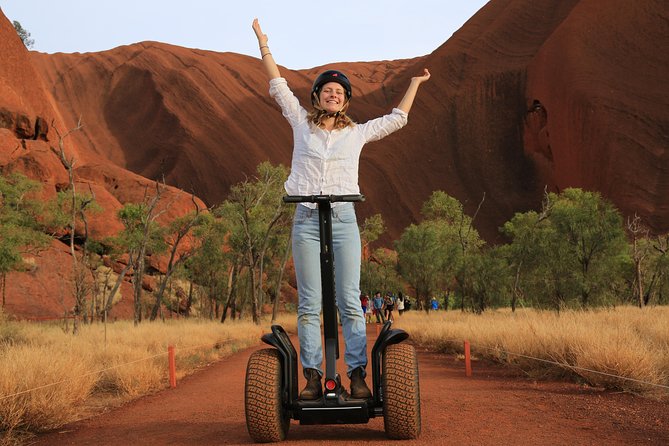
Uluru is not a quick glance-and-go sight. It is massive, sacred, and easy to underestimate. Walking the whole base takes serious time and stamina, and bus tours can move you along without slowing down for meaning. This Segway format hits a sweet spot: you move more efficiently than foot travel, but you still stop for short guided experiences along the way.
The key idea is simple. You ride the Segway along the most scenic section of the base, then you pair that with guided nature and culture stops. The result feels like sightseeing with a purpose, not just a ride for the novelty.
And yes, Segways are a smart match for Uluru. They are described as environmentally friendly and quiet, so you are not blasting around a sacred place with noise. That matters when you are in the middle of something this intensely specific.
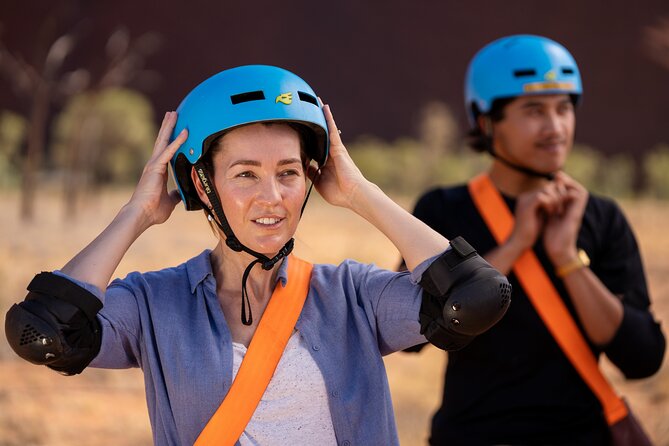
You should also know the tour is built with practical control in mind. You get helmets and safety equipment, plus training before you move into the scenic riding area. Even if you are nervous at first, the guide-led setup is designed to get you comfortable.
Sunrise and sunset slots at the rock, reviewed
- Uluru (Ayers Rock) Sunset + Outback Barbecue Dinner & Star Talk★ 4.0 · 426 reviews
- Full Uluru Base Walk at Sunrise Including breakfast★ 5.0 · 408 reviews
- Kings Canyon Day Trip from Ayers Rock (Uluru)★ 4.5 · 380 reviews
- Uluru (Ayers Rock) Field of Light Sunrise Tour★ 4.5 · 329 reviews
What the small-group format feels like in practice
This is a maximum-10 traveler tour, and that small group size shows up in two ways. First, you are not lost in a crowd. You can ask questions and your guide can correct your posture or steering without rushing through the whole line.
Second, the vibe is calmer. Uluru gets busy, and the heat can turn sharp fast. Having fewer people in your group can mean fewer bottlenecks at stops like Mutitjulu Waterhole and the Mala Walk areas, where you want space to listen and take photos.
It also helps that the tour pairs Segway riding with guided walks. If you ever feel your legs getting stiff or your brain getting tired from first-time riding, your guide can shift the rhythm with walking segments.
If you are traveling with family, this format can also work well because kids 12 and up ride the Segways with adult accompaniment, and the guide can keep everyone moving smoothly through the transitions.
Price and value: what you are paying for
At about $142.73 per person, this tour is not a budget add-on, but it is also not just a ticket to ride in a circle. For your money, you get:
- Hotel pickup and drop-off
- Use of helmet and safety equipment
- A professional guide with live commentary
- Guided Mutitjulu Waterhole walk and guided Mala Walk
- Segway time on roughly one quarter of Uluru’s base
- Optional sunset viewing with sparkling wine and picnic nibbles (if you choose that option)
The real value question is whether that mix fits what you want from Uluru. If your goal is pure speed and the most time possible on a Segway, you might find the safety training and short walks reduce the riding time. If your goal is to see highlights close up while learning what you are looking at, the structure makes sense.
Also, one cost piece you should plan for: national park entry fees are not included. That means your final Uluru spending might be a bit higher than the tour price alone, so it is worth budgeting.
The 4 to 5 hour plan, step by step
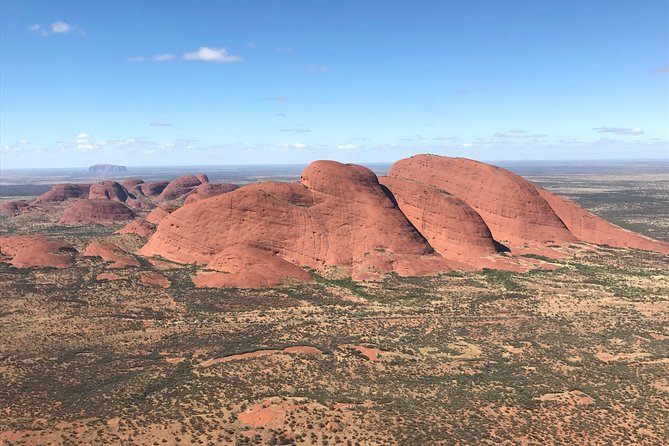
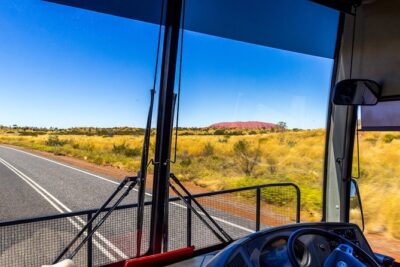
The tour runs about 4 to 5 hours from pickup to drop-off. The pacing is part of why people rate it so highly: you get training, you ride, you walk, you listen, and if you select the sunset option, you end at the base with golden-hour light.
Here is how each part tends to play out.

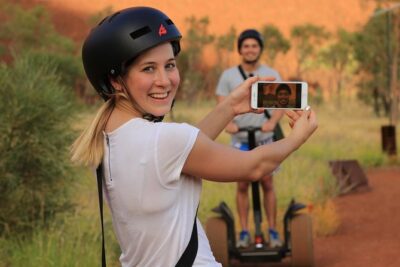
Stop 1: Segway lesson and Uluru base riding (around 1.5 hours)
You start with instruction and practice so you can handle the Segway smoothly. This is where some people feel the most time is “spent getting ready,” and it is also where you learn the exact movements that make the rest of the tour enjoyable.
Once you are set, your guide takes you along the Segway portion on a scenic stretch of Uluru’s base, roughly one quarter of it. This is the moment the tour earns its name. You get close enough to feel how sheer and detailed the rock face is, and you can pause for photos without the heavy effort of full-time walking.
Practical tip: wear something sun-friendly under your helmet. One review suggested a ball cap under the helmet to keep the sun out of your eyes. It is simple, but it changes how comfortable you feel while riding.
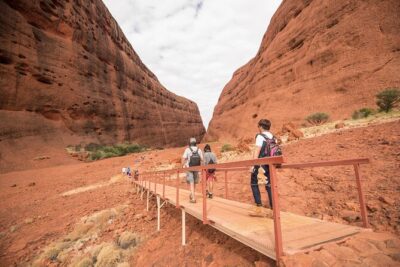
Stop 2: Mutitjulu Waterhole walk (about 30 minutes)
Next comes a guided look at Mutitjulu Waterhole, Uluru’s largest waterhole. This is where the tour slows down and becomes more than an adventure.
You get a close view of the rock art connected to Aboriginal cultural stories. The tour includes a guided waterhole walk, and you will also hear context tied to what you are seeing.
Why this stop matters: Uluru is not just a photo subject. Places like Mutitjulu Waterhole are part of living cultural knowledge, and the guided format helps you connect visuals to meaning without guessing.
Potential drawback: this is a walk segment. It is not described as a full hike, but it does mean you need to be comfortable on your feet in hot weather.
Stop 3: Mala Walk guided section (about 1 hour)
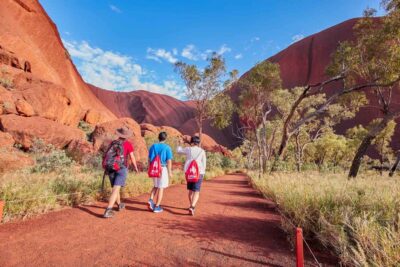
From the waterhole area, you continue with the Mala Walk. This is another guided segment focused on caves and Aboriginal rock art.
The tour notes that you can go inside some caves. That detail raises the value for many people because it turns Uluru into something you experience with more than just open-sky views. You get the sense of how the stories are embedded in the terrain itself.
What to keep in mind: cave areas and short walk segments may require careful footing. The tour is best for people with moderate physical fitness, and you should be free from balance issues.
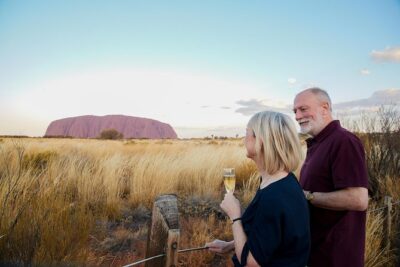
Stop 4: Uluru sunset option with sparkling wine and picnic nibbles
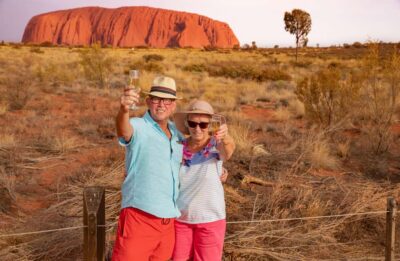
If you choose the sunset option, the tour finishes at the base of Uluru with sunset viewing. The tour includes a glass of sparkling wine and picnic nibbles right at the base.
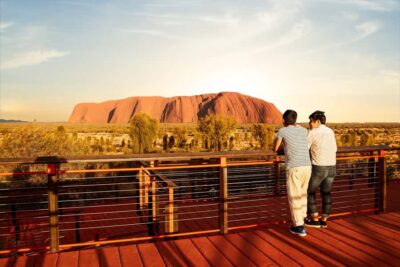
This is the photo and mood payoff. The red rock shifts in color as the light drops, and being positioned at the base gives you that classic view of the monolith in “glow” mode.
One balance note from reviews: the sunset stop gets praised, but one review felt the picnic refreshments were not quite worth expectations for the price. If you are picky about food, treat this as a light add-on rather than a full meal.
Guides make or break it, and here they are strong
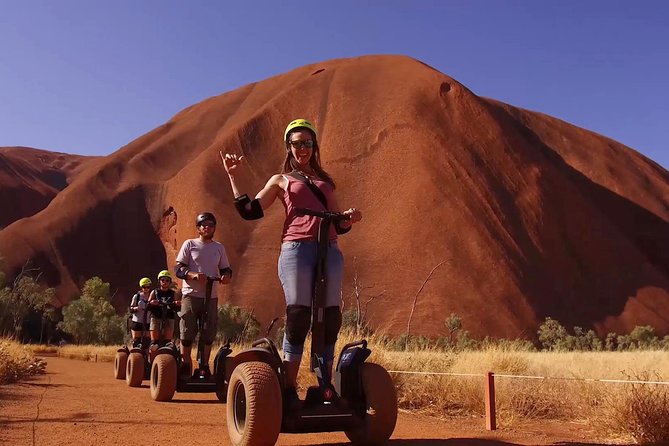
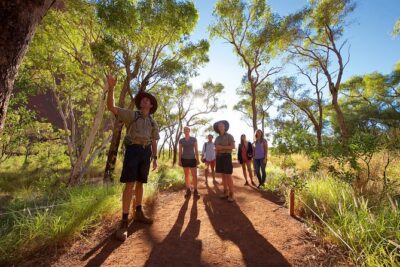
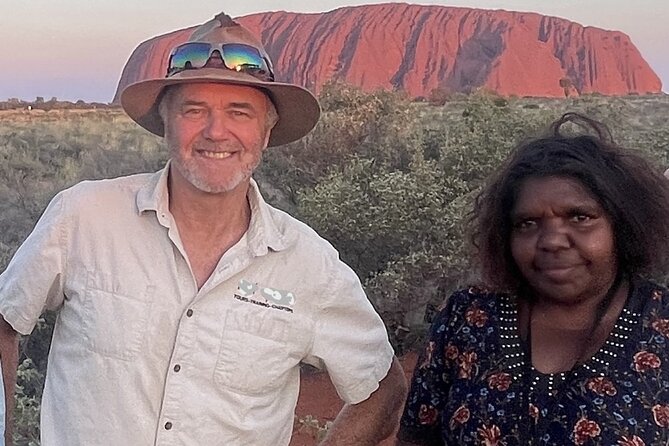
This tour is run by professional guides, and the names that pop up in feedback are a big clue. People highlight guides such as Lisa, Nick, Sye, and Harley for patient instruction and respectful storytelling.
The most repeated theme is how the guides handle first-timers. Many people feel nervous at the start, especially in the heat. The training is designed to calm that down. You should not feel thrown on a moving machine with no support.
If you want the kind of tour where you walk away knowing what you saw, these guides are a major part of the value. The narration is not just facts, it is tied to culture and local context at the places you stop.
Heat, flies, and small comfort upgrades that matter
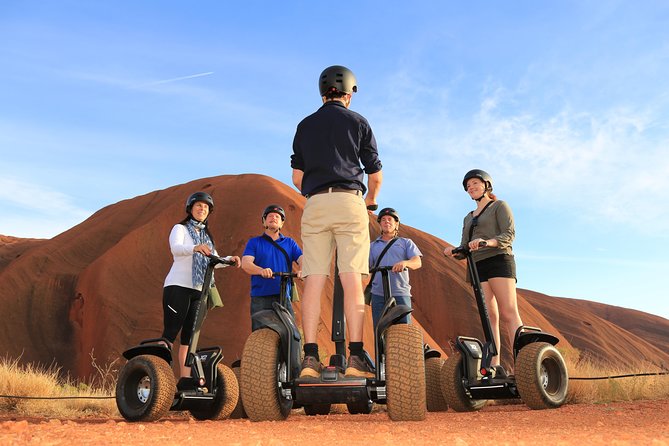
Uluru is hot, and the tour is outdoors for much of the time. You should plan for sun protection and hydration.
A couple of practical reminders that show up clearly:
- Bring or prepare for a fly net in warmer months. One review strongly suggested this, calling flies persistent.
- Keep your water supply ready. The tour does not list water as included, and one review noted self-provided water.
Also, consider clothing that works with helmets. Breathable fabric, a hat that can fit under the helmet, and sunglasses help. If you are prone to heat stress, schedule this tour early in the day when possible.
Who this tour suits best
This Segway experience is best for people who want the mix of movement and meaning. The tour includes both guided walks and guided Segway riding, so you should enjoy short listening breaks, not just motion.
It also fits well if you want:
- A small group feel
- Hotel pickup and drop-off
- Guided rock art and culture context at major Uluru areas
- A way to cover more than you could reasonably walk on your own
You should double-check the participant rules. The tour requires moderate physical fitness because you must be fit enough to ride a bicycle, and you must meet the weight range of 45 to 117 kg (99 to 257 pounds). Minimum age is 12, and kids need to be accompanied by an adult.
The tour also notes it is not recommended for those over 65 and not suitable for pregnant women or people with a history of serious spinal injury. If vision or balance is an issue, this may not be the right fit.
If you are unsure, I’d rather you ask in advance than gamble on safety.
Potential downsides to factor in before you book
No tour is perfect, and a few considerations come up clearly.
Segway prep time can feel long
Some people felt the safety briefing and practice took a big chunk of the tour relative to how long they were actually riding. It is a legit concern if your main goal is maximizing Segway minutes.
My advice: treat the training as part of the experience. A well-controlled ride helps you enjoy the views instead of white-knuckling every turn.
Understanding is not always uniform across guides
One review mentioned difficulty understanding a second guide at times. That can happen in any multi-guide setup, especially if there is accent or volume outdoors.
If you rely heavily on verbal explanation, sit where you can hear clearly, and be ready to ask for clarification when needed.
Picnic expectations at sunset
The sunset add-on includes sparkling wine and picnic nibbles. One guest felt the picnic was light compared to price expectations. If you want a hearty meal, plan to eat before the tour and treat this as a snack and a celebratory finish.
Should you book Uluru on a Segway?
I think you should book this tour if you want an efficient way to see Uluru’s highlights with real guidance, and you like the idea of riding part of the base while still making stops for Mutitjulu Waterhole and the Mala Walk. The hotel transfers, the small-group attention, and the guided cultural storytelling are the standout reasons to choose it.
You might skip it if you are mainly chasing maximum time on the Segway and you dislike the idea of spending a notable period on training first. You should also rethink if you are very sensitive to heat and flies, unless you are willing to bring protection and hydrate.
If you can handle a short walk now and then, meet the weight and health guidelines, and you want your Uluru experience to include both movement and meaning, this is a smart, value-focused way to do it.
Sunrise, Sunset and the Base Walk



Added lately from Uluru
- Uluru By Segway – Self Drive your Car to Uluru
★ 5.0 · 65 reviews - Alice Springs School of the Air Guided Tour Ticket
★ 5.0 · 66 reviews - Kata Tjuta Sunset Half Day Trip
★ 4.5 · 87 reviews - Uluru (Ayers Rock) Sunset Tour
★ 4.0 · 110 reviews - Uluru, Kata Tjuta and Kings Canyon Camping Safari from Ayers Rock
★ 5.0 · 118 reviews - Alice Springs Highlights Tour
★ 4.5 · 121 reviews
Uluru & Ayers Rock Tours, compared.
 ★ 4.6From Alice Springs: Day Trip to Uluru with BBQ DinnerFrom $254761 reviews
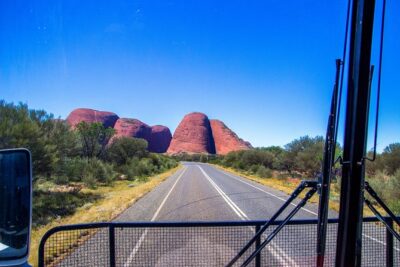 ★ 4.5Ayers Rock Day Trip from Alice Springs Including BBQ DinnerFrom $262639 reviews
 ★ 4.6Uluru: Field of Light Sunrise Tour with Hot DrinksFrom $91572 reviews
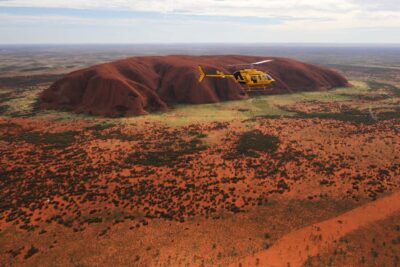 ★ 4.9Uluru 15-Minute Helicopter ExperienceFrom $145548 reviews
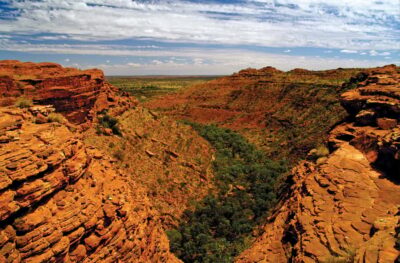 ★ 4.6Kings Canyon: Full-Day Tour from Ayers Rock ResortFrom $244541 reviews
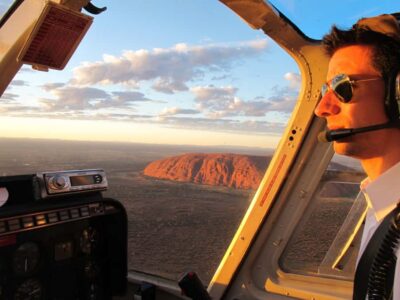 ★ 4.8Yulara: Uluru & Kata Tjuta 25-Minute Helicopter ExperienceFrom $237536 reviews
 ★ 4.5Yulara: Uluru Sunrise and Kata Tjuta Day Trip by BusFrom $140469 reviews
 ★ 4.5Uluru: Sacred Sites & Sunset Tour with Wine & CheeseboardFrom $140450 reviews
Browse the lists this tour appears in