
REVIEW · ULURU & AYERS ROCK TOURS
Uluru, Kata Tjuta and Kings Canyon Camping Safari from Ayers Rock
Uluru hits different when you camp. On this 3-day, 2-night Red Center safari, I like the guided camping itinerary that takes you to the real highlights without you juggling timing or directions, plus the dine under the stars meals that make the nights feel part of the experience. You get a lot of context too, with stops built around culture and outback life, not just photos.
One watch-out: early mornings and desert heat mean you should be comfortable with walking and camping days that start before you want to be awake.
In This Review
- Key things I’d focus on before you book
- Why this Uluru to Kings Canyon route works on a 3-day camping schedule
- Day 1: Kata Tjuta domes and Uluru sunsets, at an easier entry pace
- Kata Tjuta afternoon hike (Uluru-Kata Tjuta National Park)
- Uluru sunset snacks (Uluru)
- Day 2: Uluru sunrise, culture stops, then camping in Watarrka
- Uluru sunrise and base walk
- Uluru-Kata Tjuta Cultural Centre
- Maruku Arts interpretive cultural walk
- Travel to the Watarrka campsite
- Day 3: Kings Canyon rim walk and the payoff
- Kings Canyon rim walk
- How the day ends
- Camping reality check, comfort level, and hygiene considerations
- Price and logistics: is $713.66 per person good value?
- Who this tour fits best, and who might struggle
- Should you book the Uluru, Kata Tjuta and Kings Canyon Camping Safari from Ayers Rock?
- FAQ
- How long is the camping safari?
- Where does the tour start and where do you get dropped off on day 3?
- What are the main stops on the itinerary?
- Is pickup offered?
- What fitness level do I need?
- How big is the group?
- What is the cancellation deadline for a full refund?
Key things I’d focus on before you book
- Small group size (max 20), which helps hikes and camp logistics feel manageable.
- All the big-ticket sights in three days: Uluru, Kata Tjuta, and Kings Canyon.
- Sunrise and sunset timing that makes the rock look like it is changing colors in real time.
- Cultural stops like the Uluru-Kata Tjuta Cultural Centre and a Maruku Arts interpretive walk.
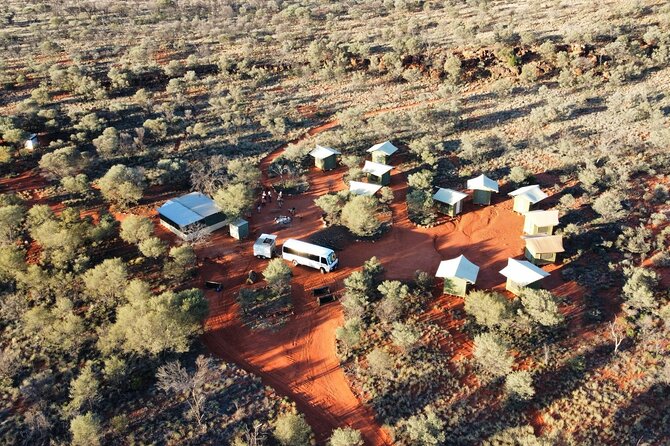
- Camping inside Watarrka National Park for that close-to-the-gorge feeling.
- Heat and distance reality: expect serious early starts and long walks.
Why this Uluru to Kings Canyon route works on a 3-day camping schedule
This is a classic Red Center combo for a reason. You are stacking three of the region’s best-known sights into one tight loop, so you are not spending days just on transfers. You start at Ayers Rock Resort at 1:00 pm, and by the time you are done on day 3, you’re back dropped off in Alice Springs between 5:30 and 6:30 pm. That rhythm is convenient if your time is limited.
What makes it feel worthwhile is that the itinerary is built around the best light and the best walking windows. You get an afternoon look at Kata Tjuta, snacks as Uluru changes at sunset, and then an Uluru sunrise with a base walk. Then you jump to Watarrka National Park, with Kings Canyon as the main act on day 3. It is not random sight-seeing. It is timed.
The other big plus is that you are not running this with a rental car and a prayer. Pickup is offered, and your guide manages the day-to-day. In practical terms, that means fewer “Which gate is it?” moments, and more time actually looking at the place you paid to see.
The trade-off is you need to show up ready. Camping days are active days. You should have moderate physical fitness, and you should plan for long walks at high temperatures. A couple of reviews mention very early departures and big mileage, including around Uluru and a long Kings Canyon rim walk.
Sunrise and sunset slots at the rock, reviewed
- Segway the FULL base of Uluru★ 5.0 · 449 reviews
- Uluru (Ayers Rock) Sunset + Outback Barbecue Dinner & Star Talk★ 4.0 · 426 reviews
- Full Uluru Base Walk at Sunrise Including breakfast★ 5.0 · 408 reviews
- Kings Canyon Day Trip from Ayers Rock (Uluru)★ 4.5 · 380 reviews
Day 1: Kata Tjuta domes and Uluru sunsets, at an easier entry pace
Day 1 is a smart warm-up. You ease into the Red Center with Kata Tjuta first, then you end the day at Uluru when the light gets dramatic.
Kata Tjuta afternoon hike (Uluru-Kata Tjuta National Park)
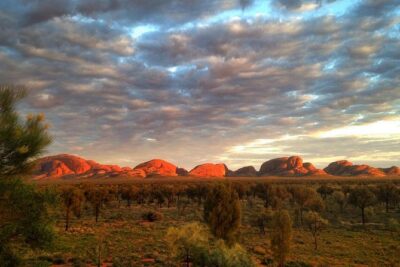
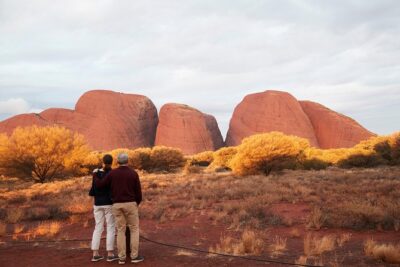
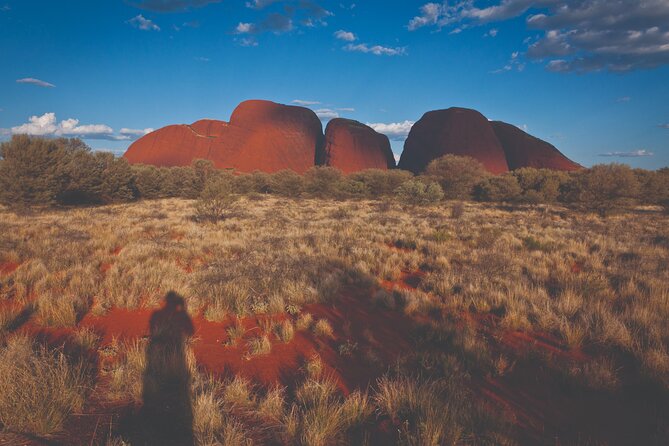
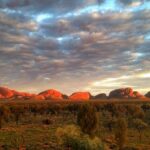
Kata Tjuta is 36 domes, and it does not really look real until you are standing among them. This stop is about a 2-hour afternoon hike, with admission noted as free. That time length matters. It is enough to get your bearings and feel the scale, but it is not so long that you are smoked before the real walking starts.
What I like about an afternoon Kata Tjuta start is the variety of surfaces and angles. From different domes, the rock formations look different. If you are the type who worries that you will get “one generic desert view,” this helps. You get multiple views close together.
Possible drawback: if you are sensitive to heat, your comfort level here depends on how the day’s weather lines up. Even though it is an afternoon slot, the Red Center can still be intense.
Uluru sunset snacks (Uluru)
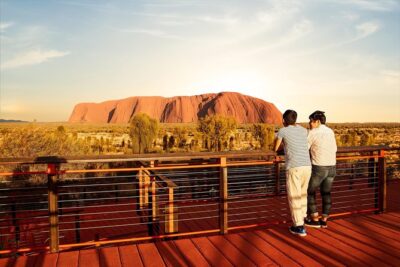
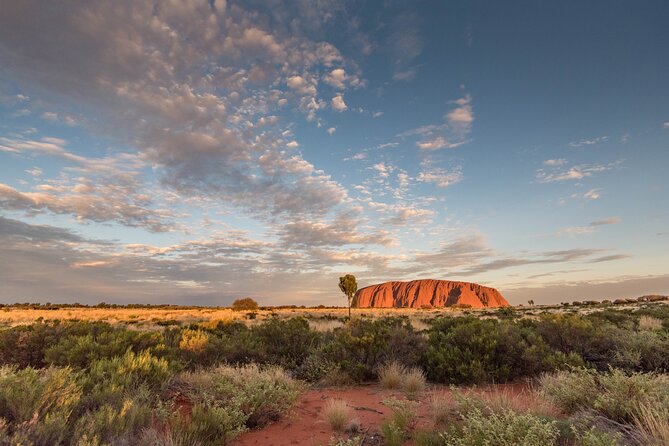
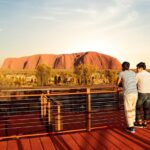
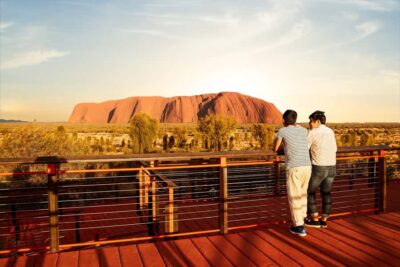
Then you shift to Uluru for a 1-hour sunset stop with admission included. This is one of those moments you cannot fully fake with a screen. As the sun drops, Uluru’s colors shift, and the rock seems to pick up new shades every few minutes.
You also get snacks. That sounds small, but it is a practical win. After hiking, it helps you keep energy steady instead of racing to find food later.
The domes and the canyon rim, in other write-ups
Day 2: Uluru sunrise, culture stops, then camping in Watarrka
Day 2 is the “worth it” day. It has the full sunrise experience, plus the cultural layer, then it lands you in Watarrka National Park where you sleep close to Kings Canyon.
Uluru sunrise and base walk
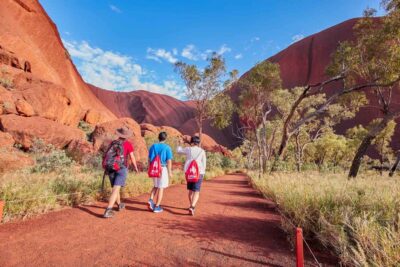
You start early for an Uluru sunrise and a walk around the base of the rock. The schedule lists a 4-hour slot, with admission included. Sunrise at Uluru is famous for a reason. The light is gentler, the rock looks softer, and the air can feel calmer than later in the day.
A key reality check from reviews: the pace can be fast, and the walking can be long. One review described a roughly 10K base walk around Uluru and mentioned a breakfast start as early as 4:30 am, with temperatures reaching around 43C. That is not meant to scare you, just to help you plan. If you hate early starts, this is the day that tests you.
My advice: if you book, treat day 2 like a fitness day. Wear proper footwear, bring a hat, and plan your hydration like it is part of the workout.
Uluru-Kata Tjuta Cultural Centre
After lunch, you have a 30-minute stop at the Uluru-Kata Tjuta Cultural Centre. Admission is free. This is where the experience gets less “look at the rock” and more “understand what people connect to here.”
You may have time to purchase art and craft from First Peoples of Australia. That can be a meaningful way to take home something that is directly tied to local cultural work. If buying is not your thing, you can still use the stop to learn from the exhibits and interpretive info.
Maruku Arts interpretive cultural walk
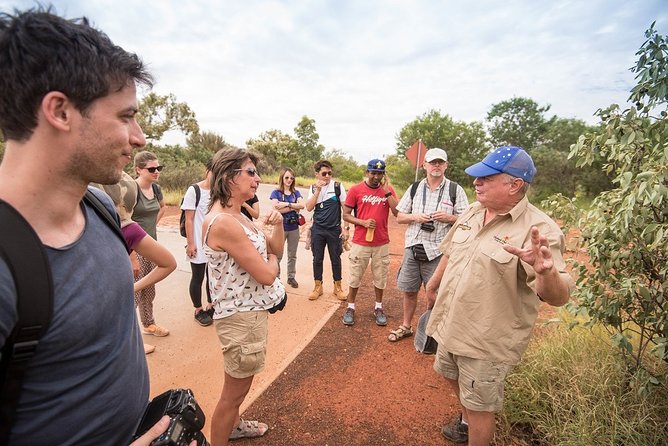
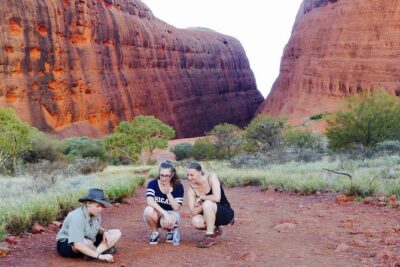
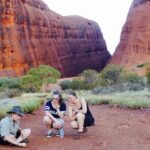
Next comes Maruku Arts, a 30-minute interpretive cultural walk with an Aboriginal and Torres Strait Islander guide, with admission included. This is one of the clearest ways the tour builds cultural context into the route. It is not just a quick photo stop. You get guided interpretation during an actual walk.
A good mindset here is to go in curious. Ask questions. Listen for the practical, everyday meaning behind what you are seeing, not just the myth-story version.
Travel to the Watarrka campsite
Then you travel to your exclusive campsite within Watarrka National Park. The listing says 12 hours for this stretch, with admission included. This is where the tone changes from daytime touring to “camp mode.”
And this is a big part of the appeal. Sleeping inside the national park area (instead of driving away each night) gives the Red Center a different feel. One review specifically called out that sleeping 2 nights in a tent on camp sites added flavor to the whole safari.
There is a trade-off. Camping means less comfort, and expectations matter. A separate review was unhappy with camp conditions, saying the campsite facilities, including bathrooms and showers, were not clean and that the experience did not clearly say they would need to help with food prep or transport of food. If hygiene and hands-on effort are deal-breakers for you, you should consider that risk and ask the operator how meals are handled and what camp facilities are like.
Day 3: Kings Canyon rim walk and the payoff
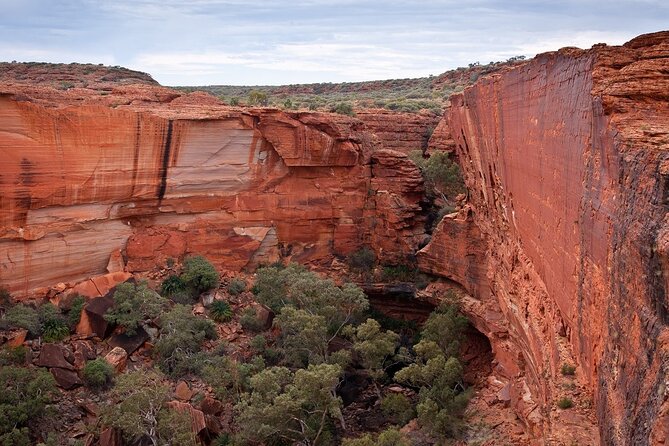
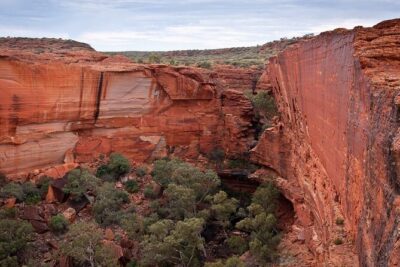
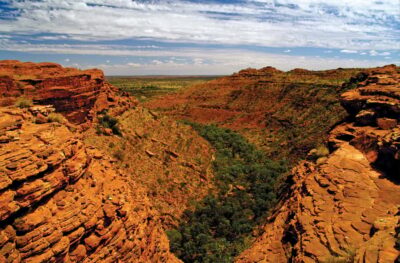
Day 3 is built around Kings Canyon. This is the main attraction: a huge gorge with sheer rock walls that rise hundreds of metres high. The schedule lists a 4-hour slot with admission included.
Kings Canyon rim walk
If you like viewpoints, this is your moment. The rim walk helps you see how the canyon walls shape the day. You get that “how is this even here?” feeling, because the scale is hard to grasp from a distance.
Also, walking demands carry over. Reviews mention a long Kings Canyon rim walk around 9K, plus heat pushing into the low 40s Celsius range. So again, this is not a gentle stroll. Bring energy, pace yourself, and use shade breaks when offered.
Why it is worth it: Kings Canyon is not just a single sight. It is a full visual story across a few hours. The gorge shapes light and shadow. That changes what you notice as you walk.
How the day ends
On day 3, you finish with drop-off at select Alice Springs hotels between 5:30 and 6:30 pm. After two nights of camping, that return into town can feel like a reset button.
Camping reality check, comfort level, and hygiene considerations
Let’s talk straight about the camp part, because it can make or break the trip.
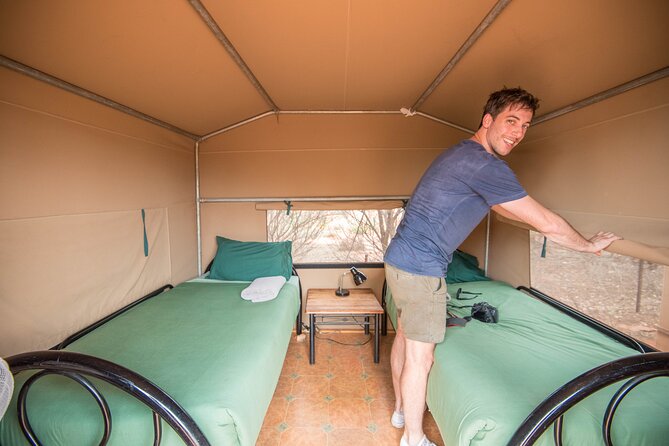
On the positive side, camping is part of what gives this safari its personality. Sleeping in tents at campsites, inside the Watarrka area, is often the difference between watching the Red Center and feeling like you are living in it for a couple nights. If you are comfortable camping, you’ll probably find the whole thing more memorable.
On the other side, one review was strongly negative about conditions, calling them lamentable and saying bathrooms and showers were not cleaned. That same review also complained about food logistics, saying they had not expected to help with cooking or transport of food. The guide, they said, was professional, but still could not handle everything.
So what should you do with this info? Plan for basic camping facilities. If hygiene and clarity around who does what with meals are important to you, message Adventure Tours Australia before booking and ask:
- what is provided at camp, and how often facilities are cleaned
- whether guests help with meal prep or transport
- what to expect for sleeping arrangements and tent setup
You do not need to be paranoid. You just need realistic expectations.
Price and logistics: is $713.66 per person good value?
At $713.66 per person, this is not a budget outing. But it is also not just a sightseeing ticket. You are paying for a guided, multi-day circuit that includes:
- guided time at Uluru, Kata Tjuta, and Kings Canyon
- a cultural centre stop and an interpretive cultural walk
- two nights of camping for the group
- pickup offered and a planned route that ends with drop-off in Alice Springs
The value angle here is mainly time and coordination. A self-planned version of this route would require car rentals, park access planning, and careful timing for sunrise and sunset. Here, those pieces are packaged.
Two more value signals: the group cap is 20, and the overall rating is 4.8 with 96% recommended. That usually means the tour is doing something right, especially with pacing and organization.
The main caution is that price does not guarantee comfort. If camping standards, hygiene, or meal involvement are your biggest worries, that is where you should do your homework, because the review record shows variation in expectations.
Who this tour fits best, and who might struggle
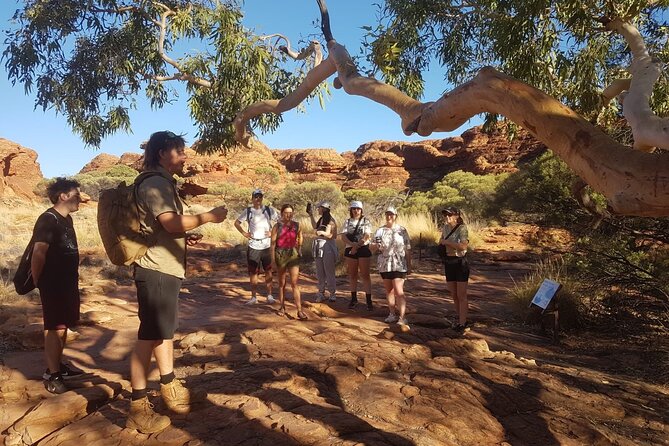
This safari is best for you if you want:
- a guided way to hit three major Red Center sights in a short window
- sunrise and sunset timing instead of random daylight stops
- cultural context through the cultural centre and the Maruku Arts walk
- camping as a feature, not a compromise
You should also be prepared for heat and hiking. The tour calls for moderate physical fitness, and the reviews show that the walks can be close to a workout, including long distances on day 2 and day 3.
This might be a poor fit if:
- you cannot handle very early starts
- you struggle with long hot walks (one review mentioned 41C to 43C days)
- you need high comfort camping facilities and guaranteed clean amenities
- you want total control over food prep and logistics with no group involvement
If you are on the fence, your best “decision tool” is honestly your tolerance for camping logistics and long, early walks.
Should you book the Uluru, Kata Tjuta and Kings Canyon Camping Safari from Ayers Rock?
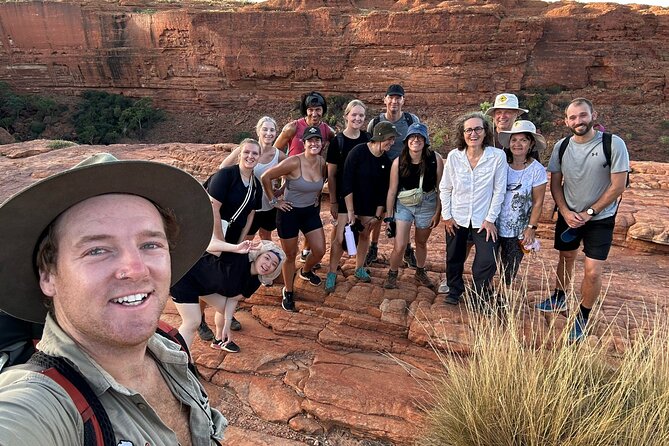
I’d book it if your priority is a guided Red Center run that hits the must-see sights plus culture, and you actually like the idea of camping as part of the story. The structure is strong: Kata Tjuta first, then Uluru sunset, then Uluru sunrise plus cultural stops, then Kings Canyon from Watarrka. That flow is efficient and it keeps the best light moments in play.
I would pause and ask questions if camping comfort, hygiene standards, or meal involvement are big concerns for you. The camp experience can be a highlight, but one review shows it can also go very wrong for some people. Use that as a prompt to confirm expectations up front.
If you do book, go in ready for early starts, bring sun protection, and treat the hikes like part of the cost. Done right, this is one of those trips where the rocks stay in your head long after you leave the desert.
FAQ
How long is the camping safari?
It runs for 3 days (approx.) and includes 2 nights of camping.
Where does the tour start and where do you get dropped off on day 3?
It starts at Ayers Rock Resort, 170 Yulara Dr, Yulara NT 0872. On day 3, you are dropped off at select Alice Springs hotels between 5:30 pm and 6:30 pm.
What are the main stops on the itinerary?
You’ll visit Kata Tjuta and Uluru, then Uluru-Kata Tjuta Cultural Centre and Maruku Arts, and finally Watarrka National Park for Kings Canyon.
Is pickup offered?
Yes, pickup is offered.
What fitness level do I need?
The tour notes a moderate physical fitness level.
How big is the group?
The maximum group size is 20 travelers.
What is the cancellation deadline for a full refund?
You can cancel up to 6 days in advance of the experience for a full refund, which means at least 6 full days before the experience start time.
Domes and Canyon Rims
Sunrise, Sunset and the Base Walk



Added lately from Uluru
- Ayers Rock Scenic Plane Flight: Desert Explorer
★ 5.0 · 22 reviews - Kata Tjuta Valley of the Winds Circuit Hike
★ 5.0 · 24 reviews - 3-Day Uluru Kata Tjuta Kings Canyon Outback Safari ex. Ayers Rock
★ 5.0 · 27 reviews - Uluru Private Tour Aboriginal guided option
★ 5.0 · 35 reviews - Aboriginal Homelands Experience
★ 5.0 · 39 reviews - Palm Valley 4WD Tour from Alice Springs
★ 4.5 · 41 reviews
Uluru & Ayers Rock Tours, compared.
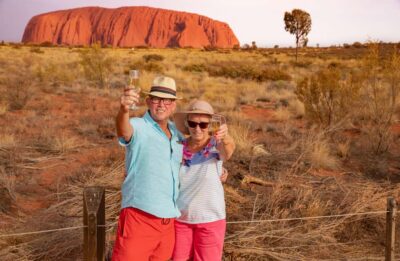 ★ 4.6From Alice Springs: Day Trip to Uluru with BBQ DinnerFrom $254761 reviews
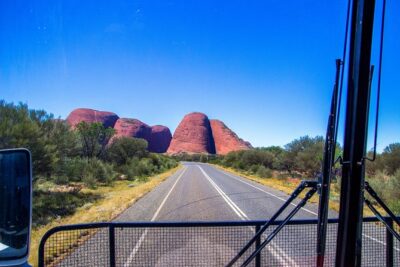 ★ 4.5Ayers Rock Day Trip from Alice Springs Including BBQ DinnerFrom $262639 reviews
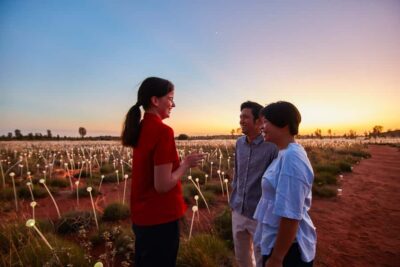 ★ 4.6Uluru: Field of Light Sunrise Tour with Hot DrinksFrom $91572 reviews
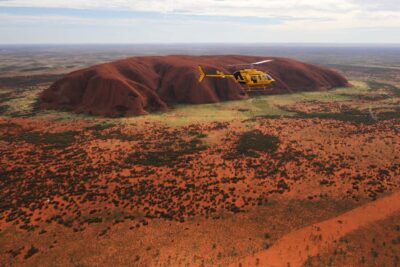 ★ 4.9Uluru 15-Minute Helicopter ExperienceFrom $145548 reviews
 ★ 4.6Kings Canyon: Full-Day Tour from Ayers Rock ResortFrom $244541 reviews
 ★ 4.8Yulara: Uluru & Kata Tjuta 25-Minute Helicopter ExperienceFrom $237536 reviews
 ★ 4.5Yulara: Uluru Sunrise and Kata Tjuta Day Trip by BusFrom $140469 reviews
 ★ 4.5Uluru: Sacred Sites & Sunset Tour with Wine & CheeseboardFrom $140450 reviews
Browse the lists this tour appears in