
REVIEW · ULURU & AYERS ROCK TOURS
Uluru Private Tour Aboriginal guided option
Uluru feels personal with the right guide. This private 4-hour tour for up to six includes air-conditioned transport, plus an optional Anangu guide on the day, when requested. If you want the story behind the rock, guides like Matt, Ruben, Samantha, and Barbara are the kind of people who make Uluru feel understandable, not just scenic.
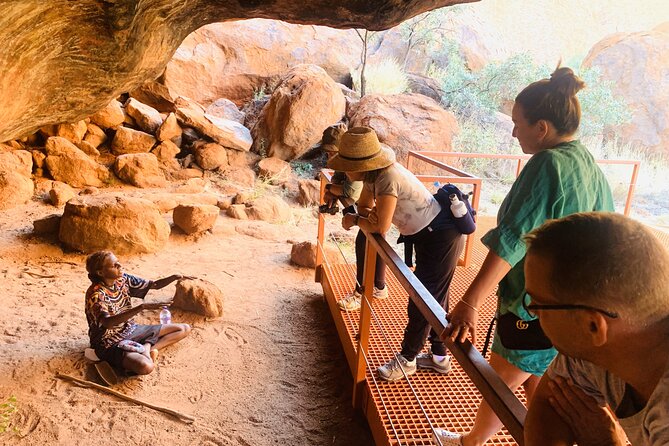
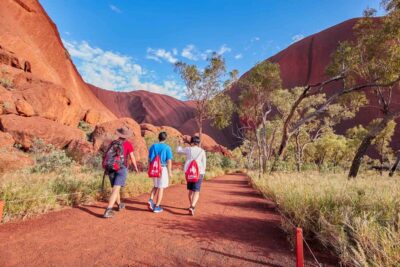
I especially like the on-foot parts of the experience. Mutitjulu Waterhole has a shaded cave area and native rock art, and the walk stops are built around cultural meanings, not a checklist.
One consideration is price and timing. At $788.97 per group plus Uluru-Kata Tjuta National Park entry at A$37 per person, it is a splurge, and the booking is non-refundable.
In This Review
- Key highlights to look for
- A private Uluru-Kata Tjuta tour that feels human
- Price and park entry: where the real cost lands
- Mutitjulu Waterhole: shaded caves and living stories
- Mala Walk: caves, color, and the bigger picture
- Kuniya Walk: stories tied to each variation of place
- Kata-Tjuta dunes viewing area for sunrise or sunset light
- Driving around Uluru: the highlights without the guesswork
- When an Anangu guide is added, the whole experience changes
- Comfort, timing, and what to eat before you go
- How the guides handle real groups, including kids and mobility needs
- Who this Uluru private tour is best for
- Should you book this Uluru private tour?
- FAQ
- How long is the Uluru Private Tour Aboriginal guided option?
- How many people are in a private group?
- Is national park entry included in the price?
- Does the tour include an Aboriginal guide?
- What should I eat before the tour?
- Is the booking refundable if plans change?
Key highlights to look for
- Optional Anangu guidance on the day: request it and your experience can include local First Nations perspectives.
- Sunrise or sunset half-day focus: pick the light you want, then plan your day around it.
- Mutitjulu Waterhole, Mala Walk, and Kuniya Walk: each stop is tied to stories and rock features.
- Real private pacing: only your group rides together, with bottled water and a cooler vehicle.
- Kata-Tjuta dunes viewing area: built for that moment when the rock glows in changing light.
- Indigenous Culture Center on request: possible add-on depending on what you ask for.
A private Uluru-Kata Tjuta tour that feels human
A bus tour can show you the main stops. This setup is different because it is private, for up to six people, and it moves at a pace that works for your group.
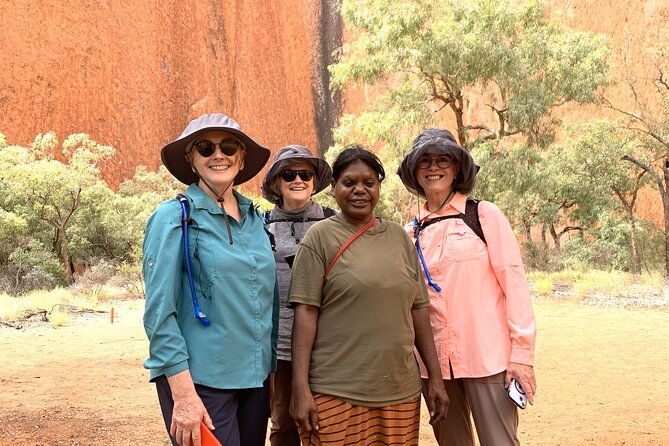
You also get a driver plus a guide, so you are not left trying to interpret everything on your own. Guides on this option have a reputation for being both respectful and engaging, including when families are involved. In real mixed-age groups, guides like Matt and Ruben have handled everything smoothly, even with a mobility issue in the group and kids who need more hands-on engagement.
Sunrise and sunset slots at the rock, reviewed
- Segway the FULL base of Uluru★ 5.0 · 449 reviews
- Uluru (Ayers Rock) Sunset + Outback Barbecue Dinner & Star Talk★ 4.0 · 426 reviews
- Full Uluru Base Walk at Sunrise Including breakfast★ 5.0 · 408 reviews
- Kings Canyon Day Trip from Ayers Rock (Uluru)★ 4.5 · 380 reviews
Price and park entry: where the real cost lands
The tour price is $788.97 per group (up to 6) for about four hours. That can feel steep, until you think about the value math: you are paying for private transport, bottled water, fuel surcharge, and GST, not per person.
You still need to pay Uluru-Kata Tjuta National Park entry separately. It is A$37 per person, valid for 3 days, and you buy it on arrival. So if you are a solo traveler, the per-person cost is high, but if you are traveling as a small group, the “per seat” cost drops fast.
Also note what is not included. Coffee or tea is not provided, so you need to plan your food before the tour. That small detail matters because sunrise and sunset tours can catch you hungry if you assume there will be a café stop.
Mutitjulu Waterhole: shaded caves and living stories
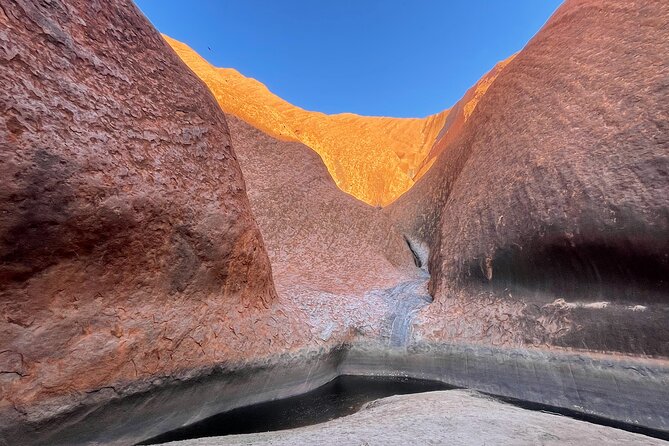
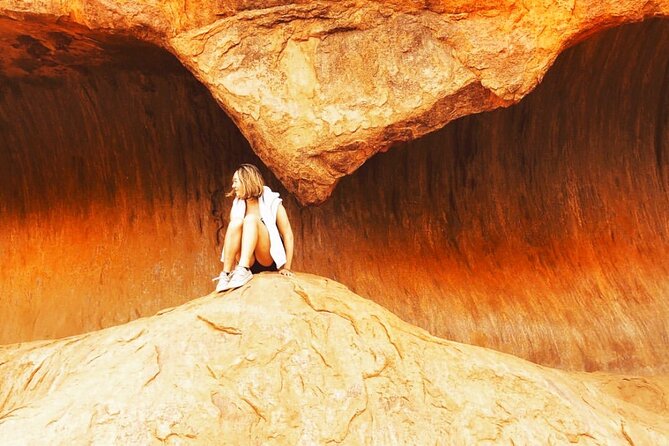
Mutitjulu Waterhole is one of those stops that changes the way you look at Uluru. It is not just a pretty spot. You walk through a narrow corridor to a cave with native rock art and shaded areas where Anangu people traditionally would meet and share stories.
What I like about starting here is that it sets the tone early. Instead of rushing straight to views, you get context first: why certain places matter, how rock features connect to people, and how story is tied to place. Then when you continue along the route, the rock feels less like a landmark and more like a map with meaning.
The timing is about an hour. That is long enough to slow down, ask questions, and take in the rock art without feeling like you are being pushed along.
Mala Walk: caves, color, and the bigger picture
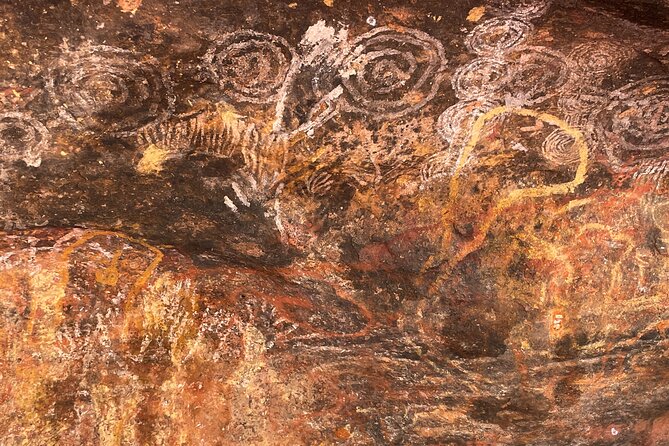
After Mutitjulu, you move into the Mala Walk area. This is where caves, rock formations, and the color variation of the outback come into focus, and the guide explains what those features mean from past and present.
I love this stop because it is a culture-and-landform combo. You are seeing the physical geology, sure. But the point is how the stories connect to the features you can point at, literally right there in front of you.
The walk is about an hour. It is structured, but it also gives you time to understand what you are seeing rather than just photographing it. And when an Aboriginal guide is part of your day, the language and storytelling approach can make things click fast.
Practical note: wear comfortable shoes. You will be walking, and even if the route is not long, you want to feel steady on uneven ground.
Cultural experiences led by the communities themselves
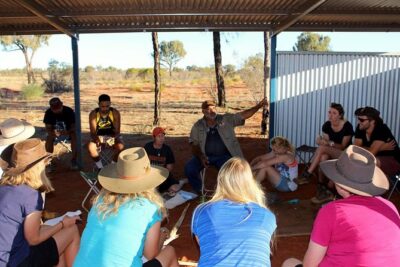
Kuniya Walk: stories tied to each variation of place
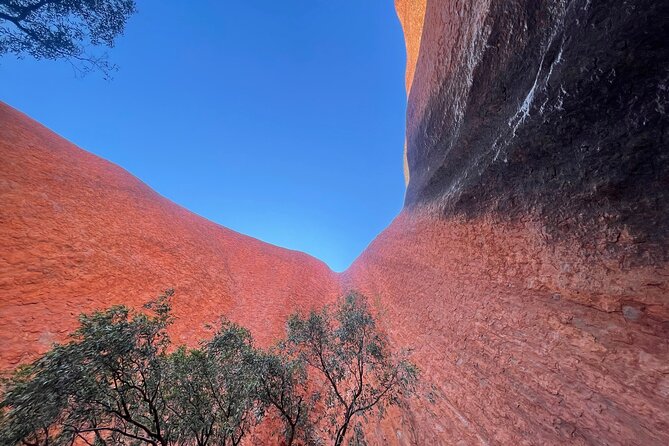
Kuniya Walk adds another layer. Uluru has variations across different areas, and the Kuniya Walk stop is built around those differences and the stories passed down by ancestors to educate the next generation.
This is where the tour becomes more than scenery. You start noticing that the same rock, viewed from different angles, can represent different story elements. The guide points out unique features that relate to those teachings, so you are not just learning one story. You are learning how many stories can share the same place.
This stop takes about an hour as well. It gives you enough time to absorb the explanations, plus time to look closely at the rock features as they appear from the walking path.
Kata-Tjuta dunes viewing area for sunrise or sunset light
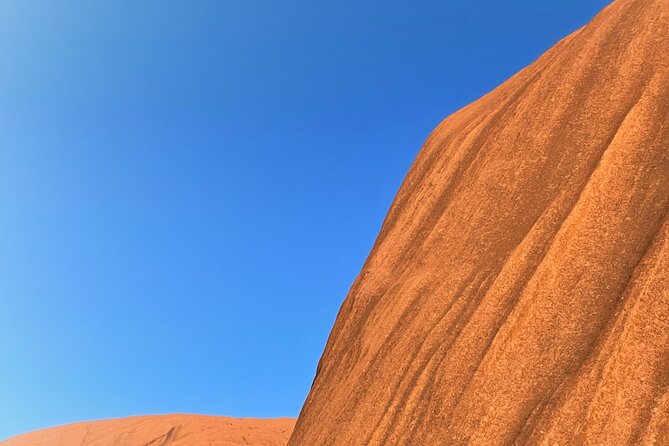
Then you switch gears to the wider view from the Kata-Tjuta dunes viewing area. The focus here is the light. Sunsets can turn the rock and sky into warm reds and glowing tones, and the open desert horizon helps the effect land.
This is also a key decision point. If you choose sunrise, you are planning for early timing and a different kind of beauty. If you choose sunset, you are planning for cooler evening air and a stronger color shift moment.
Either way, the stop is around 45 minutes. That is a sweet spot for watching the light change without feeling like you are stuck waiting forever.
Driving around Uluru: the highlights without the guesswork
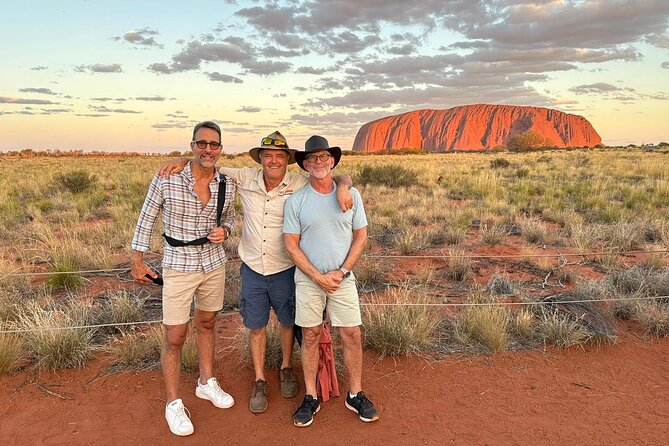
The tour includes driving too, and stopping along the way to explore Uluru from multiple angles. You are not just getting dropped at one spot and sent off. Instead, you get a guided circuit that helps you catch the highlights around Ayers Rock.
This matters because Uluru looks different from different points, and your guide can help you connect the view to the story. When you are only there for a short time, that guided “where and why” makes a big difference.
You also ride in an air-conditioned vehicle, which helps a lot in hot months or when you want to cool down between stops. Bottled water is included, and guides have a good habit of looking out for it during the walk sections.
When an Anangu guide is added, the whole experience changes
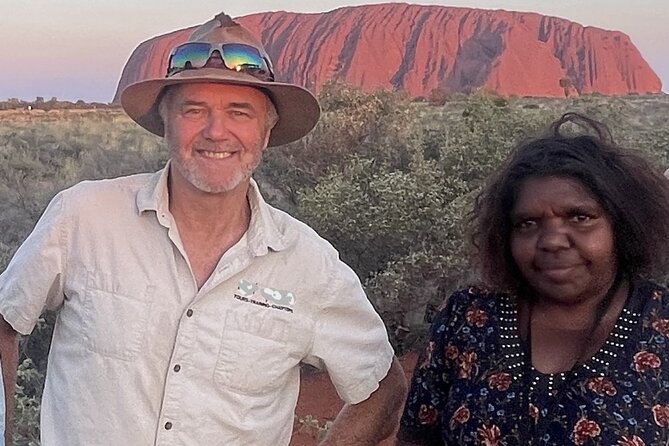
This option is designed for cultural sharing, and the rare value is the chance to be with an Anangu guide on the day when you request it. The tour provider positions this as a way to learn from locals directly, with respect for the sacred context of the place.
In practice, this often means the tone is different. Instead of generic facts, you get story framing that explains how rock features connect to language, teaching, and guardianship. Guides like Samantha and Barbara are examples of how an Aboriginal guide can bring a more direct perspective that makes the walk stops feel purposeful.
Even without an Aboriginal guide in the group, the main guide still shares cultural history from past and present, plus insights about the outback and what makes the place significant. But if your priority is deeper cultural interpretation, you should strongly consider requesting the Anangu guide add-on.
Comfort, timing, and what to eat before you go
This is a 4-hour private tour, and the exact start time can vary. You should expect the tour to start at the planned sunrise or sunset half-day window, then move through the walking stops and viewing stops in a tight, well-paced order.
You also need to plan your meal. Coffee or tea is not included, so for a sunrise tour you should have breakfast before you go. For a sunset tour, plan on lunch before you set out. This is one of those “small” details that makes the tour feel easy instead of frustrating.
On the comfort side, you have bottled water and an air-conditioned vehicle. You also get a mobile ticket, and confirmation comes within 48 hours of booking, depending on availability.
How the guides handle real groups, including kids and mobility needs
One of the most repeated strengths across the experience is how the guides meet you where you are. In a group ranging from ages 14 to 85, Matt was able to keep the explanations clear and relevant. Kids were included, with participation that did not feel like a lecture.
There is also evidence that the guide team can adapt for additional needs. One example involved an autistic son who stayed happy and engaged, which tells me the guides use pacing, care, and interaction rather than just talking at people.
Mobility needs also get attention. In one group, the guide handled a mobility issue with ease and compassion. That does not mean there are no physical walking components, but it does suggest you will not be ignored if your group includes someone who needs help.
If you have specific mobility concerns, you should contact the provider before booking and ask what the walk segments involve for your situation. The tour is described as walking parts plus viewpoint stops, so you will want clarity for your own comfort.
Who this Uluru private tour is best for
This is a great match if you want:
- A private group experience for up to six, with transport included
- A sunrise or sunset schedule that focuses on the light and the storytelling
- Proper guide-led explanations tied to real rock features, like Mutitjulu Waterhole, Mala Walk, and Kuniya Walk
- A chance to include an Anangu guide on the day
It may be less ideal if you are traveling alone and trying to keep costs down, because the price is set per group. It may also be less ideal if you want long stops at cafés or shopping, because coffee and tea are not included and this is structured around nature and culture time.
For families, this kind of guided pacing is often a win, especially if you want your kids to feel included in the story rather than just dragged between photo spots.
Should you book this Uluru private tour?
If Uluru is the centerpiece of your trip, I think this is worth serious consideration. You are paying for private transport, a guided route, bottled water, and a culture-first approach that includes meaningful stops you cannot easily interpret alone.
To decide, do two quick checks:
- Are you traveling with enough people that $788.97 per group feels reasonable for your budget?
- Do you care about the cultural stories tied to the rock features, and will you request an Anangu guide if that is important to you?
If both answers lean yes, book it. Uluru is not a place you should rush through, and this tour is built for the kind of visit where the details actually land.
FAQ
How long is the Uluru Private Tour Aboriginal guided option?
It runs for about 4 hours.
How many people are in a private group?
The tour is private for your group and fits up to 6 people.
Is national park entry included in the price?
No. National Park Entry is purchased on arrival and costs A$37.00 per person, valid for 3 days.
Does the tour include an Aboriginal guide?
On request, an Aboriginal guide (Anangu guide) can be included on the day.
What should I eat before the tour?
For a sunrise tour, have breakfast before you go. For a sunset tour, have lunch before the tour. Coffee or tea is not included.
Is the booking refundable if plans change?
No. The experience is non-refundable and cannot be changed for any reason. If you cancel or ask for an amendment, the amount you paid will not be refunded.
Led by Traditional Owners
Sunrise, Sunset and the Base Walk



Added lately from Uluru
- Ayers Rock Scenic Plane Flight: Desert Explorer
★ 5.0 · 22 reviews - Kata Tjuta Valley of the Winds Circuit Hike
★ 5.0 · 24 reviews - 3-Day Uluru Kata Tjuta Kings Canyon Outback Safari ex. Ayers Rock
★ 5.0 · 27 reviews - Uluru Private Tour Aboriginal guided option
★ 5.0 · 35 reviews - Aboriginal Homelands Experience
★ 5.0 · 39 reviews - Palm Valley 4WD Tour from Alice Springs
★ 4.5 · 41 reviews
Uluru & Ayers Rock Tours, compared.
 ★ 4.6From Alice Springs: Day Trip to Uluru with BBQ DinnerFrom $254761 reviews
 ★ 4.5Ayers Rock Day Trip from Alice Springs Including BBQ DinnerFrom $262639 reviews
 ★ 4.6Uluru: Field of Light Sunrise Tour with Hot DrinksFrom $91572 reviews
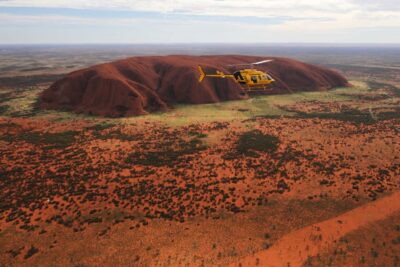 ★ 4.9Uluru 15-Minute Helicopter ExperienceFrom $145548 reviews
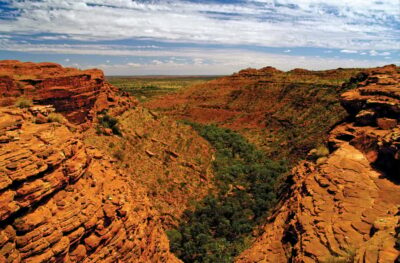 ★ 4.6Kings Canyon: Full-Day Tour from Ayers Rock ResortFrom $244541 reviews
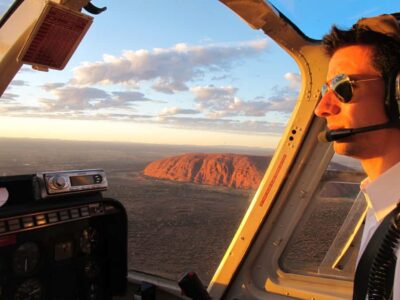 ★ 4.8Yulara: Uluru & Kata Tjuta 25-Minute Helicopter ExperienceFrom $237536 reviews
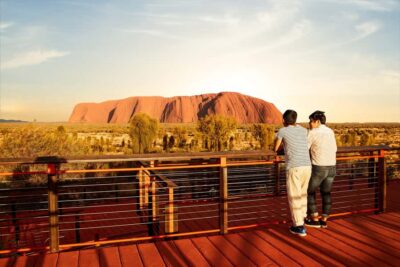 ★ 4.5Yulara: Uluru Sunrise and Kata Tjuta Day Trip by BusFrom $140469 reviews
 ★ 4.5Uluru: Sacred Sites & Sunset Tour with Wine & CheeseboardFrom $140450 reviews
Browse the lists this tour appears in