
REVIEW · ULURU & AYERS ROCK TOURS
3-Day Uluru Kata Tjuta Kings Canyon Outback Safari ex. Ayers Rock
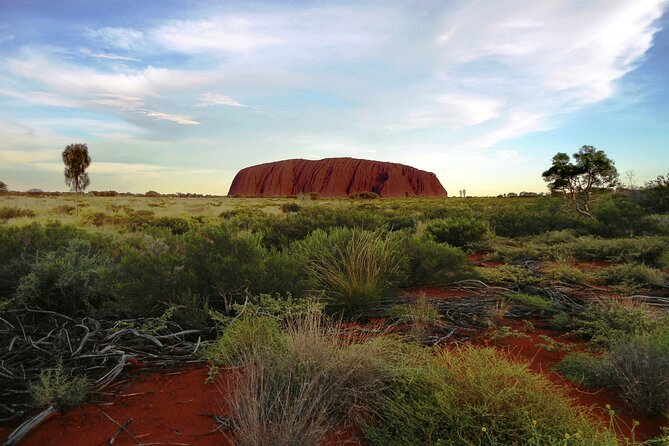
Uluru feels bigger than your photos can handle. This small-group 3 day safari strings together Uluru, Kata Tjuta, and Kings Canyon with early starts, guided walks, and night skies you will not forget. You get storytelling from an accredited local driver guide, plus time in the parks when day-trippers are still asleep.
What I like most is the pre-dawn sunrise focus around the Uluru Kata Tjuta National Park area, which means you see the rock and valley in cooler, quieter light. I also like the way the tour packs in big sights without feeling rushed, since you have 2 nights in permanent outback camps instead of “drive-by” stops. One drawback to plan for is the fitness and timing: you need moderate to advanced fitness for walks up to about 6 to 8 km, and the days start very early.
In This Review
- Key highlights worth booking for
- A 3-day Red Centre route that actually works
- Getting set up: small group coach, park pass, and what to bring
- Day 1 in the Red Centre: boarding, park time, and settling into the Uluru camps
- Day 2: Kata Tjuta sunrise and the Valley of the Winds (Walpa Gorge) walk
- Day 3: Kings Canyon Rim Walk, 100-meter cliffs, and finishing strong
- Camping style: safari tents vs swags and the comfort trade-offs
- The guide makes the trip, and the names you might hear
- Value check: what $570.93 really covers for three days
- Who should book this Uluru-Kata Tjuta-Kings Canyon safari
- Drop-off options and final-day timing you should plan around
- Should you book this 3-day Outback Safari?
- FAQ
- What is the duration and start time of the tour?
- Where does the tour start and where does it end?
- What sleeping options are included?
- Can I hire a sleeping bag if I choose the swag option?
- How much walking is involved?
- Is the Uluru-Kata Tjuta National Parks pass included?
- Are meals included?
- Is drinking water provided?
- Does the tour handle dietary needs?
- How early do you wake up on this tour?
Key highlights worth booking for
- Pre-dawn sunrise at Uluru-Kata Tjuta National Park, including Kata Tjuta The Olgas
- Kings Canyon Rim Walk with dramatic sandstone cliffs and a big early start
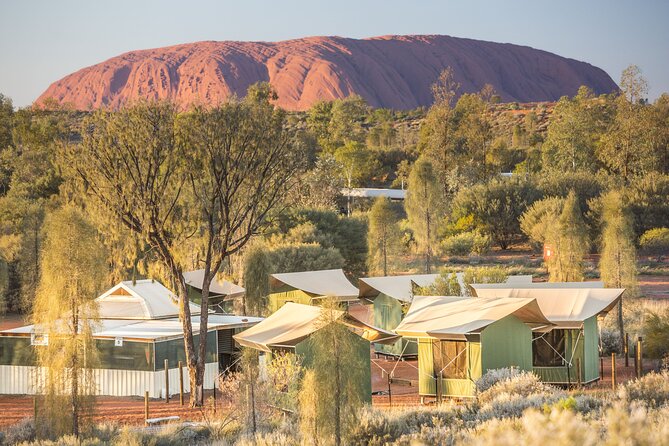
- Two nights at permanent outback camps near Uluru and Kings Canyon
- Small-group travel, max 23 travelers, with an air-conditioned mini-coach
- Flexible sleep setups, safari tent (twin shared) or a traditional single swag bedroll
A 3-day Red Centre route that actually works
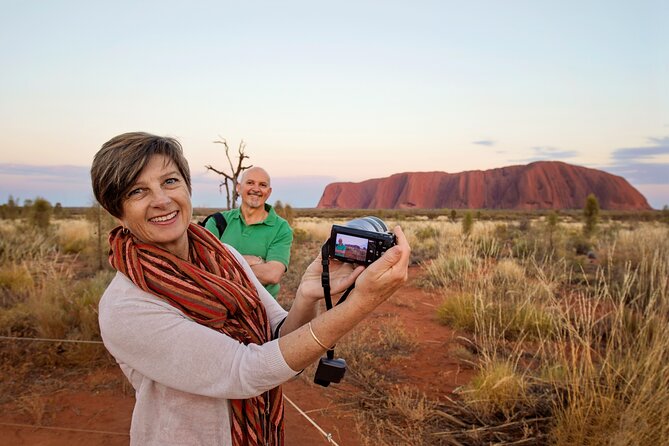
This is the kind of trip that makes sense for real life. You are not trying to cover everything in one frantic day, and you are not spending half your time in transit. In three days, you get a clean cross-section of the Red Centre, from Uluru and the Kata Tjuta rock domes to the carved sandstone drama of Kings Canyon.
What makes the schedule feel practical is the way it hits the parks at different times of day. Sunrise at Kata Tjuta means you are looking at the same terrain in changing light, not just standing there during peak crowds. Then Kings Canyon comes with an early start, so you get the cooler walking window before heat and fatigue set in. The payoff is not just the view. It is the way your brain starts connecting geology, wind-sculpted rock, and how people have lived around this place for generations, even if your own route is only a few days.
Sunrise and sunset slots at the rock, reviewed
- Segway the FULL base of Uluru★ 5.0 · 449 reviews
- Uluru (Ayers Rock) Sunset + Outback Barbecue Dinner & Star Talk★ 4.0 · 426 reviews
- Full Uluru Base Walk at Sunrise Including breakfast★ 5.0 · 408 reviews
- Kings Canyon Day Trip from Ayers Rock (Uluru)★ 4.5 · 380 reviews
Getting set up: small group coach, park pass, and what to bring
The tour starts at 1:30 pm from either Ayers Rock Airport or Ayers Rock Resort in Yulara. From there, you travel by air-conditioned small-group mini-coach, with a maximum of 23 travelers, so you are not stuck in a huge bus where you barely see your guide.
A few logistics details matter because this is remote outback country:
- Bring your own water bottle. Drinking water is provided on board, but you will want a bottle ready for walks.
- Expect limited options for anything last-minute, including food. The tour notes that dietary needs have to be shared in advance because the area you visit is not well stocked once you depart.
- You should come ready to participate. You are asked to help with meal prep, clean up, and vehicle loading and unloading, so plan for teamwork, not just sitting back.
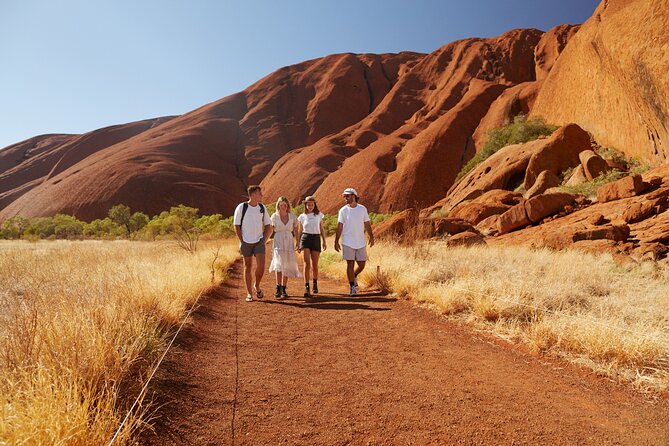
You also get the Uluru-Kata Tjuta National Parks pass included, which is one less thing to manage and budget separately. And you get guided bush walks with commentary, including stretches that can add up to roughly 6 to 8 km depending on your fitness level.
Day 1 in the Red Centre: boarding, park time, and settling into the Uluru camps
Day 1 is your “get oriented and switch into outback mode” day. You board at Ayers Rock Airport or Yulara, then head straight toward the national park area. The exact order of activities is not fully spelled out in the tour info you have, but the intention is clear: you start early in the afternoon, move into the parks setting quickly, and end the day at one of the tour’s permanent outback campsites near Uluru.
This matters because Uluru is not just a daytime photo stop. It is a place where light shifts fast, and the best moments often land in late day and evening. By camping overnight, you are not rushing off when the sun goes down. You are actually there to watch the sky change, plus you can rest before sunrise mornings.
Sleeping arrangements are split into two options:
- Safari tent, twin shared, with bed linen, mattress, and pillow provided
- Traditional swag, meaning a single canvas-covered bedroll style setup
Either way, you will be asked to help with basic camp routines. It is not a big hardship, but it is real, and it makes the group feel like a camp crew rather than a bus tour.
Day 2: Kata Tjuta sunrise and the Valley of the Winds (Walpa Gorge) walk
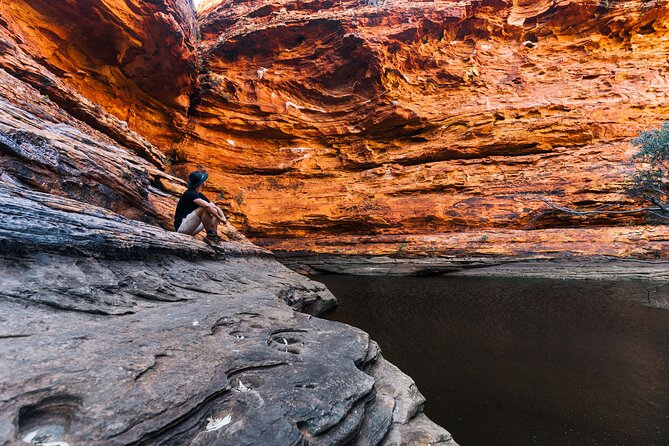
Day 2 is the big morning. You get a pre-dawn wake-up call so you can see sunrise at Uluru-Kata Tjuta National Park, with Kata Tjuta The Olgas as the star stop. The tour specifically frames this as a reward for rising early, and if you are even mildly serious about photography, it is a smart move.
Why sunrise here is worth it: when you watch the domes and ridges brighten slowly, you get depth that flat daylight can wash out. Also, being there early means you are more likely to experience the area in a calmer, more natural rhythm. You are not just watching the rocks. You are watching how the light teaches you where valleys cut in and where rock layers stack up.
After sunrise viewing, your day includes a guided walk through the Valley of the Winds / Walpa Gorge area. The walking distance can reach up to 6 to 8 km, subject to fitness level, so plan your day around that reality. Pack for changing conditions. Early mornings can feel cooler, and then you might warm up later as you walk.
Practical tip: bring your best walking shoes. If you start the day tired or underprepared, this is the moment your energy budget gets tested.
The domes and the canyon rim, in other write-ups
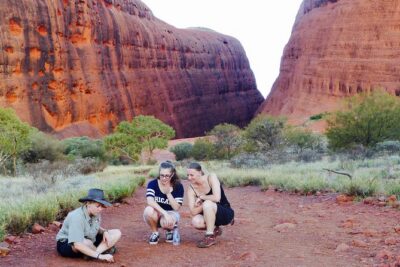
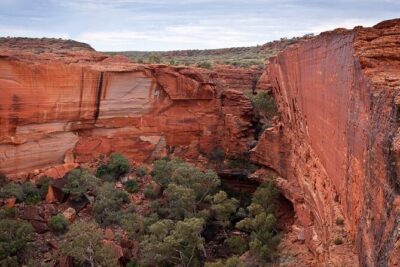
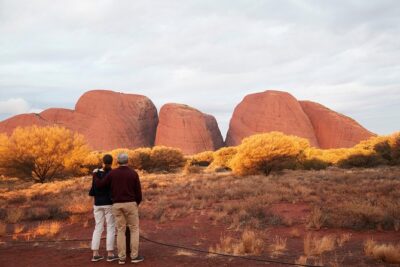
Day 3: Kings Canyon Rim Walk, 100-meter cliffs, and finishing strong
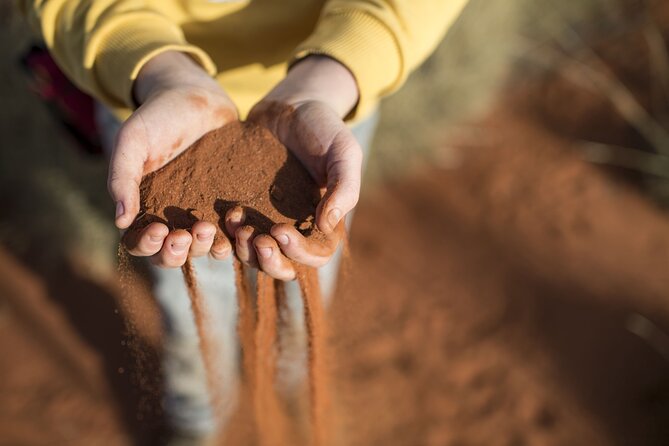
Day 3 starts early again, and it is aimed squarely at the signature view in Watarrka National Park, which is Kings Canyon. The info you have calls out the dramatic 100-meter cliffs and sandstone formations, and it also flags the Rim Walk as the highlight.
This is the part of the trip where you feel the Red Centre’s scale in a physical way. Your feet do the work, and the canyon edges do the talking. If you have the fitness for it, the Rim Walk is exactly the kind of active sightseeing that turns “I saw it” into “I remember how it felt.”
The tour day is listed at about 12 hours, including guided time on the route. Admission for the day’s park time is listed as free in the itinerary details you provided, but your main certainty should be this: you are walking in a canyon environment, with uneven ground and sustained effort.
If you are on the edge of your fitness level, I would still go, but I would go with a plan. Pace yourself. Take the breaks your body asks for. And remember, you have another full outback drive day behind you, plus camp routines earlier in the trip. This is a workout day, not a casual stroll.
Camping style: safari tents vs swags and the comfort trade-offs
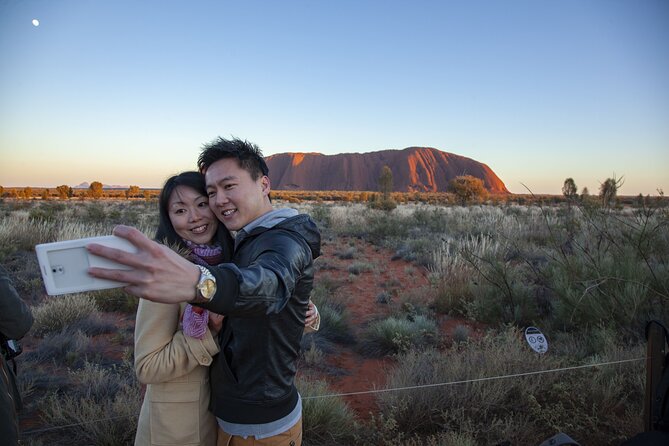
One of the reasons people book tours like this is the night part. The tour gives you two camping formats, which changes the whole feel of your evening.
With the safari tent, you get more “sleep system comfort” because bed linen, mattress, and pillow are included. If you like a more predictable bed setup and you want your gear to stay minimal, this option is usually easier.
With the swag option, you sleep in a traditional canvas-covered single bedroll setup. Some travelers love that it feels direct and outback, with campfires and open sky. The tour also notes you can hire a sleeping bag onboard for $40 AUD, and that fee includes cleaning. If you want to travel lighter, that hire can be useful.
A balanced heads-up from a prior review: one person felt that some camp comforts at a sunset moment were less than expected, like a lack of electricity, fans, and made beds. That does not mean every stop will feel the same for every person, but it does tell you the truth about the setting: you are in remote camps, not a hotel.
My advice: if you are the type who needs hotel-level comfort to enjoy nature trips, choose the safari tent setup and bring any small creature comforts you can from home (within what you can carry).
The guide makes the trip, and the names you might hear
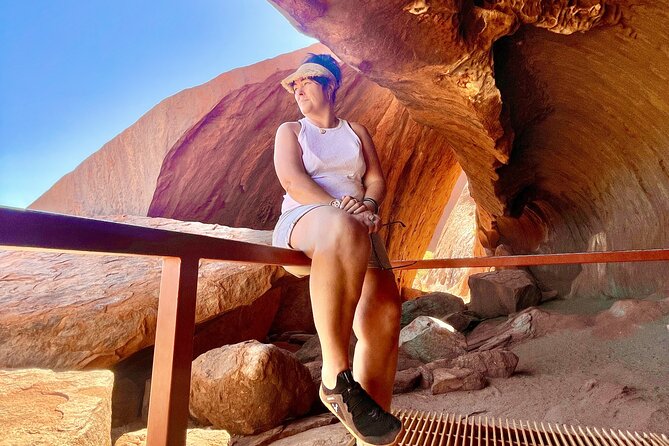
This tour includes an accredited outback driver guide with local tour commentary, and the reviews you have reflect that this is a major reason people rate it highly. You are not only getting directions. You are getting context, stories, and explanations that connect the rock formations and valleys to the wider Red Centre picture.
In the reviews data, a few guide names stand out. People specifically praised Brent for being outstanding, and Carla for being friendly and informative. Another review called out Muel as a guide who knows the area and is polite, with a suggestion that the guide could have used more support for certain tasks.
So here is the practical takeaway for you: you will get more out of this tour if you engage. Ask questions. Listen when the guide slows down to explain why a particular ridge matters or how the valley was shaped. This tour is set up for that, and the best moments usually happen when you do more than just look up at the rocks.
Value check: what $570.93 really covers for three days
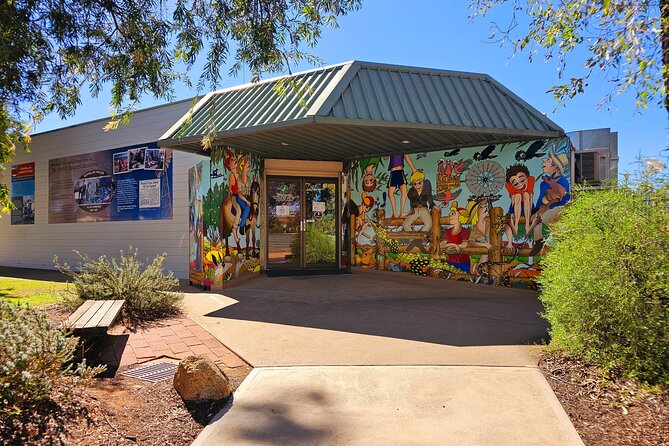
At $570.93 per person, this is not a budget day trip. But it is also not priced like a luxury private vehicle. The value sits in what is bundled together.
You are paying for:
- 2 nights at permanent outback campsites (Uluru and Kings Canyon)
- Included meals: 2 breakfasts, 2 lunches, and 2 dinners
- Park access through the Uluru-Kata Tjuta National Parks pass
- Guided bush walks, including walking that can total up to 6 to 8 km
- Transport by air-conditioned small-group mini-coach
- A driver guide with local commentary
- Drinking water on board (and you handle your bottle)
When I do the math in my head, it is less about the nightly camping and more about the fact that you are getting guided access to major sites without the stress of self-driving through remote distances and finding the right times for sunrise and walking.
Also, the tour is small, with a maximum of 23 travelers, and that tends to reduce the “herding cattle” feel that can happen on big-schedule Red Centre packages. If you are already spending money on park passes, meals, and transport separately, this one can look like the smoother bargain.
One more detail: the average booking window is about 64 days in advance, which hints that this route sells well. If your dates are firm, I would not wait.
Who should book this Uluru-Kata Tjuta-Kings Canyon safari
This tour fits best if you want a real outback rhythm: early starts, guided walks, shared camp life, and big natural sights over three focused days.
You are likely a great match if:
- You enjoy sunrise viewing and early starts
- You are okay with walking up to about 6 to 8 km on guided days
- You want a small-group experience rather than a giant bus
- You are fine with limited “hotel comforts” and are more focused on the outdoors
You might reconsider if:
- You want a mostly seated tour with minimal walking
- You dislike waking early for sunrise stops
- You need highly specialized food options and did not plan to share dietary needs in advance
- You are sensitive to remote-camp conditions and do not like the idea of participating in camp tasks
The tour info also notes service animals are allowed, and it calls for moderate physical fitness, with doctor certificate requirements for people over 75. That is not just legal text. It is a sign this is a physical, outdoors-first experience.
Drop-off options and final-day timing you should plan around
The tour ends in either Alice Springs (around 18:30) or Uluru/Yulara (around 17:00) depending on shuttle availability. When you book, you are asked to confirm your preferred drop-off location.
One practical reminder from the tour info: do not book a final-day flight too tightly. Delays happen in remote areas, and this is not a setup where you want your whole plan hanging on one exact departure time.
Should you book this 3-day Outback Safari?
I would book it if your priority is to hit Uluru, Kata Tjuta, and Kings Canyon in a way that includes sunrise timing and serious walking days, with guided commentary and overnight camp life. The combination of included meals, park pass, and guided routes makes it feel like more than a basic “transport between sites” package.
I would hesitate if you want cushy camp comforts, you hate very early wake-ups, or you do not feel confident about walks that can total up to 6 to 8 km. In that case, you might enjoy the scenery, but the tour rhythm could wear you down.
My final, practical advice: if you book, train a bit beforehand, pack for early cold-to-warm shifts, and choose your sleeping option based on your tolerance for camp-style comfort. Do that, and this kind of Red Centre trip can turn into one of your trip anchors for years.
FAQ
What is the duration and start time of the tour?
The tour runs for about 3 days. It starts at 1:30 pm.
Where does the tour start and where does it end?
It starts at Ayers Rock Airport or Ayers Rock Resort in Yulara. It ends either in Alice Springs (around 18:30) or Uluru/Yulara (around 17:00) depending on shuttle availability.
What sleeping options are included?
You can choose between twin shared safari tents or a traditional bush single swag (canvas-covered bedroll). Bed linen, mattress, and pillow are provided for the safari tent option.
Can I hire a sleeping bag if I choose the swag option?
Yes. The tour says sleeping bags can be hired onboard for $40 AUD, and it includes cleaning.
How much walking is involved?
The tour includes guided bush walks, listed as up to 6 to 8 km, depending on fitness level.
Is the Uluru-Kata Tjuta National Parks pass included?
Yes. The Uluru-Kata Tjuta National Parks pass is included.
Are meals included?
Yes. The tour includes 2 breakfasts, 2 lunches, and 2 dinners. Meals not listed are not included.
Is drinking water provided?
Drinking water is provided on board, and the tour asks you to bring your own bottle.
Does the tour handle dietary needs?
It notes that while they aim to cater to most dietary needs, you must advise requirements in advance because options are limited in remote areas.
How early do you wake up on this tour?
Day 2 is described as a pre-dawn start for sunrise at Uluru-Kata Tjuta National Park.
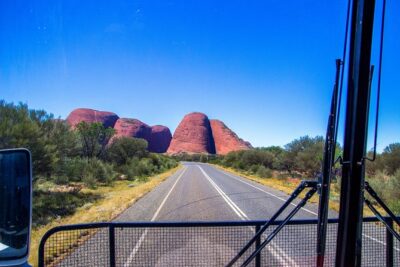
Where the Sealed Road Stops


Domes and Canyon Rims
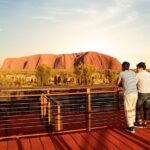
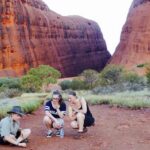
Sunrise, Sunset and the Base Walk


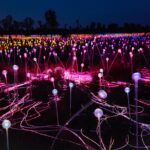
Added lately from Uluru
- Ayers Rock Scenic Plane Flight: Desert Explorer
★ 5.0 · 22 reviews - Kata Tjuta Valley of the Winds Circuit Hike
★ 5.0 · 24 reviews - 3-Day Uluru Kata Tjuta Kings Canyon Outback Safari ex. Ayers Rock
★ 5.0 · 27 reviews - Uluru Private Tour Aboriginal guided option
★ 5.0 · 35 reviews - Aboriginal Homelands Experience
★ 5.0 · 39 reviews - Palm Valley 4WD Tour from Alice Springs
★ 4.5 · 41 reviews
Uluru & Ayers Rock Tours, compared.
 ★ 4.6From Alice Springs: Day Trip to Uluru with BBQ DinnerFrom $254761 reviews
 ★ 4.5Ayers Rock Day Trip from Alice Springs Including BBQ DinnerFrom $262639 reviews
 ★ 4.6Uluru: Field of Light Sunrise Tour with Hot DrinksFrom $91572 reviews
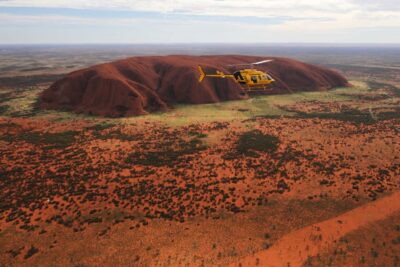 ★ 4.9Uluru 15-Minute Helicopter ExperienceFrom $145548 reviews
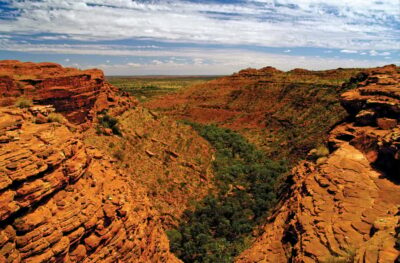 ★ 4.6Kings Canyon: Full-Day Tour from Ayers Rock ResortFrom $244541 reviews
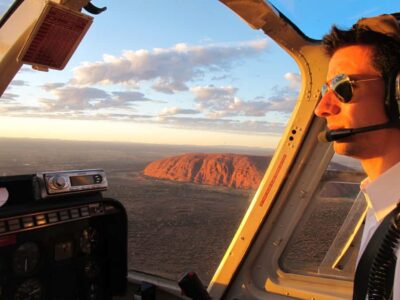 ★ 4.8Yulara: Uluru & Kata Tjuta 25-Minute Helicopter ExperienceFrom $237536 reviews
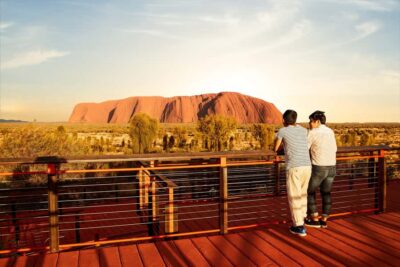 ★ 4.5Yulara: Uluru Sunrise and Kata Tjuta Day Trip by BusFrom $140469 reviews
 ★ 4.5Uluru: Sacred Sites & Sunset Tour with Wine & CheeseboardFrom $140450 reviews
Browse the lists this tour appears in