
REVIEW · ULURU & AYERS ROCK TOURS
Uluru Morning Guided Base Walk
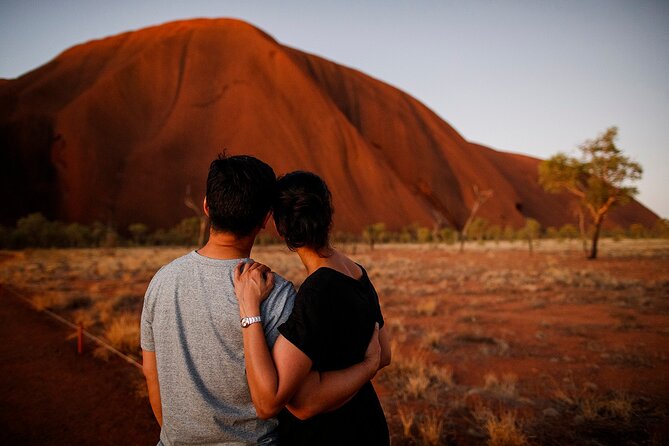
Uluru feels bigger in the morning light. This guided 11km base walk is one of the best ways to get your bearings fast and understand what makes Uluru sacred, not just famous. You’ll also get guided stops at Mutitjulu Waterhole and Kantju Gorge, with stories tied to places you can actually see.
I like that the tour moves at a human pace with an air-conditioned coach and an included light breakfast that keeps you steady for a long walk. I also really value the local storytelling, with guides like Chloe, Glen, and Lincoln turning the rocks and waterholes into meaning. The main drawback to plan for is the dry reality of the red dust, some of it heavy, plus breakfast that is more basic than a proper meal.
In This Review
- Key things I think you’ll notice right away
- Getting to Uluru early, then earning the views
- Price and value: what $142.73 really includes
- The walking plan: 11km around Uluru in about 4.5 hours
- Stop by stop: Kuniya Walk, Kantju Gorge, Mutitjulu Waterhole
- Stop 1: Kuniya Walk and a warm drink before the sand starts
- Stop 2: Kantju Gorge and the tallest waterfall view
- Stop 3: Mutitjulu Waterhole rock art and the walk’s meaning
- The real challenges: dust, flies, and keeping your pace
- Breakfast and comfort: helpful, but not gourmet
- Guides make it meaningful, and the group size helps
- What to bring (so you don’t have a red-sand surprise)
- Who this Uluru morning base walk suits best
- Quick FAQ
- FAQ
- How long is the Uluru Morning Guided Base Walk?
- How far will I walk?
- Is hotel pickup and drop-off included?
- Is the Uluru Kata Tjuta National Park entry fee included?
- What food is included?
- Is this tour suitable for beginners or only experienced hikers?
- So, should you book it?
Key things I think you’ll notice right away
- A real 11km walk, not a stroll: expect steady walking for about 4.5 hours total.
- Mutitjulu Waterhole is the cultural anchor: rock art and stories tied to Kuniya and Liru.
- Kantju Gorge is the payoff view: see the tallest waterfall in Central Australia from the lookout.
- Small group size helps: max 20 travelers means you can hear the guide and keep questions moving.
- Dust management matters: red sand and flies can turn a “morning out” into a practical exercise.
- You get comfort without luxury: pickup, coach, and warm drinks, but breakfast is simple.
Getting to Uluru early, then earning the views
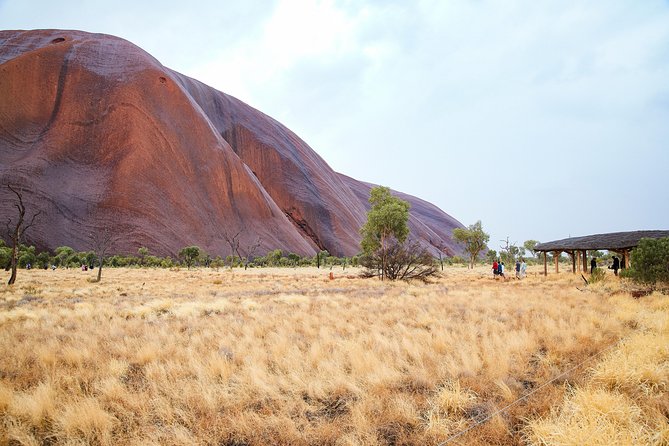
If you’re new to Uluru, starting with a guided base walk is smart. You’re not just looking at a postcard rock, you’re walking the edges of it, seeing how the terrain, water, and sacred sites link together.
The tour includes hotel pickup and drop-off, plus travel by air-conditioned coach. That matters in Central Australia because your day gets easier when you are not scrambling for transport or boiling in the sun before the walk even starts.
This is also a morning tour, and that’s not just for drama. Walking later in the day can be brutal, and an early start helps you keep your energy for the full 11km circuit. Some departures are described as starting around 5am, so treat this as an early-day commitment.
Sunrise and sunset slots at the rock, reviewed
- Uluru (Ayers Rock) Sunset + Outback Barbecue Dinner & Star Talk★ 4.0 · 426 reviews
- Full Uluru Base Walk at Sunrise Including breakfast★ 5.0 · 408 reviews
- Kings Canyon Day Trip from Ayers Rock (Uluru)★ 4.5 · 380 reviews
- Uluru (Ayers Rock) Field of Light Sunrise Tour★ 4.5 · 329 reviews
Price and value: what $142.73 really includes
At $142.73 per person, you’re paying for the guided walk experience package, not just access to Uluru. Included in the price:
- light breakfast
- experienced local guide and commentary
- hotel pickup and drop-off
- tea, coffee, or hot chocolate, plus biscuits
- coach transport in an air-conditioned vehicle
The one extra cost you should not miss: Uluru Kata Tjuta National Park entry fee is not included. The adult price is listed as AUD 38, and it’s valid for 3 consecutive days.
Here’s the value angle for you: if you plan to see more in the park during your stay, paying the entry fee once can stretch further. If Uluru is the only park stop you care about, it’s still worth factoring the extra AUD 38 into your trip budget so you’re not surprised at checkout.
The walking plan: 11km around Uluru in about 4.5 hours
The core of this experience is the guided 7-mile (11km) base walk. The total tour time is about 4 hours 30 minutes, and the walking itself is long enough that you’ll want a calm but confident pace.
A key detail from the way the walk is structured: you start with a significant stretch at Kuniya Walk, then you break it up with stops at Kantju Gorge and Mutitjulu Waterhole. That rhythm is helpful because it prevents the day from turning into one continuous grind.
If you have moderate physical fitness, you’ll likely be fine. But do be realistic: there are parts where you may feel the pace pick up, especially early on. You can still enjoy it, just don’t treat this as a casual walk you can rush or chat through without moving.
Stop by stop: Kuniya Walk, Kantju Gorge, Mutitjulu Waterhole
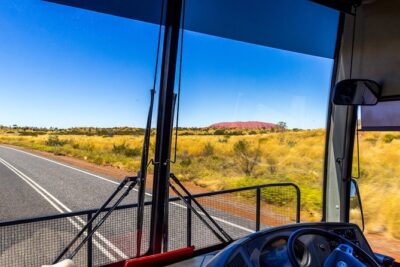
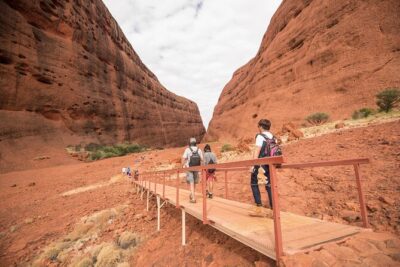
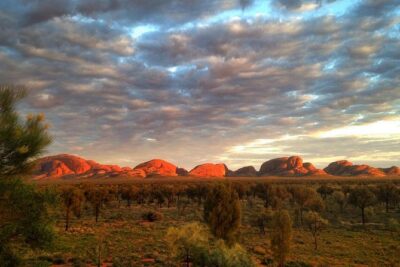
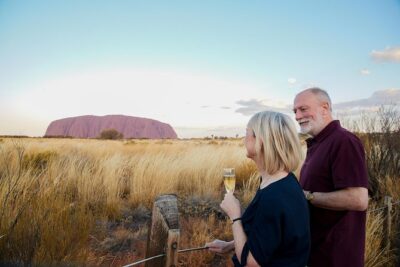
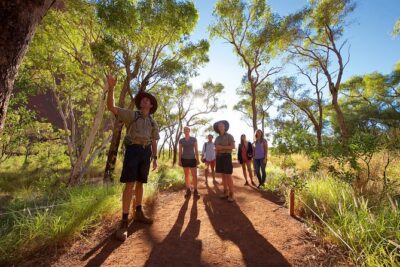
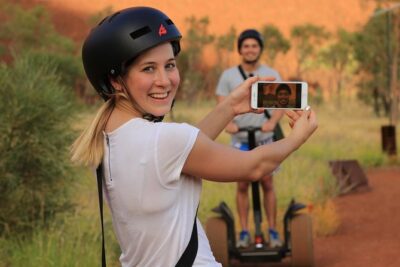
Stop 1: Kuniya Walk and a warm drink before the sand starts
This is where you begin your around 10.5km walking segment. Kuniya is sacred to the Anangu, and the guide uses the early part of the walk to set context: the desert awakening, plus stories tied to Tjukurpa and the Mala people.
Practically, you’ll also get tea, coffee, or hot chocolate here. That’s a small thing, but it helps on an early morning when you’re not fully awake yet. It’s also a good moment to use the stop to adjust your gear: sun protection, water plan, and making sure your shoes are ready for red dust.
What to watch for: you’re still in the “working” part of the walk at this stage, so don’t overpack with gadgets you’ll regret. Keep it simple.
Stop 2: Kantju Gorge and the tallest waterfall view
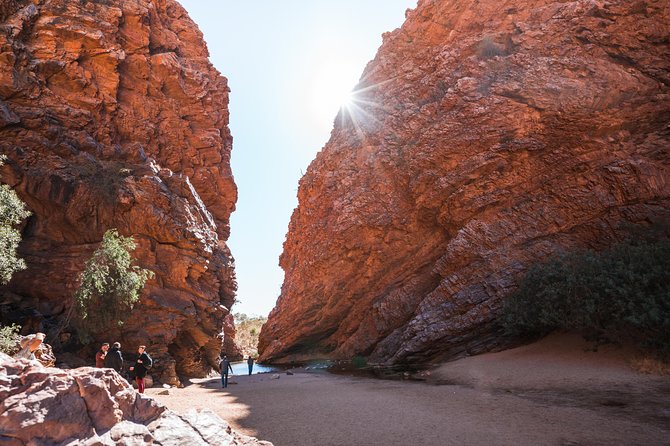
Next you reach Kantju Gorge. The big attraction here is the view of the tallest waterfall in Central Australia.
This stop is shorter, about 30 minutes. That means it’s best treated as a focused lookout moment, not a long break. Use it for photos, a quick look around, and to let your legs reset before you continue.
Also, don’t assume waterfall views mean constant water year-round. The practical value of this stop is the viewpoint and the stories tied to place. Even if conditions vary, the gorge itself still gives you a strong sense of how Uluru’s water routes shape the area.
Stop 3: Mutitjulu Waterhole rock art and the walk’s meaning
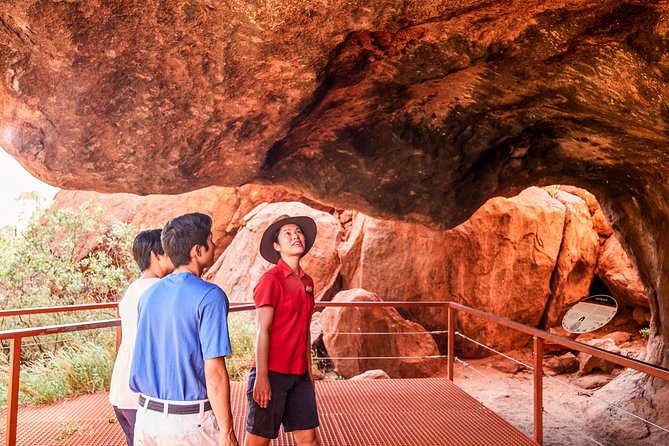
This is the cultural highlight for many people. At Mutitjulu Waterhole, you’ll see Aboriginal rock art and hear the stories of Kuniya and Liru. Expect the guide to connect the art and features to the meaning behind the landscape and the living traditions connected to it.
You’ll also return to Kuniya Piti and wrap up the walk with a sense of completion, about 30 minutes at this final stop.
From a value standpoint, this is why the guided format matters. If you only visited Uluru viewpoints without walking and without interpretation, you’d miss how the stories are anchored to specific spots you pass.
The real challenges: dust, flies, and keeping your pace
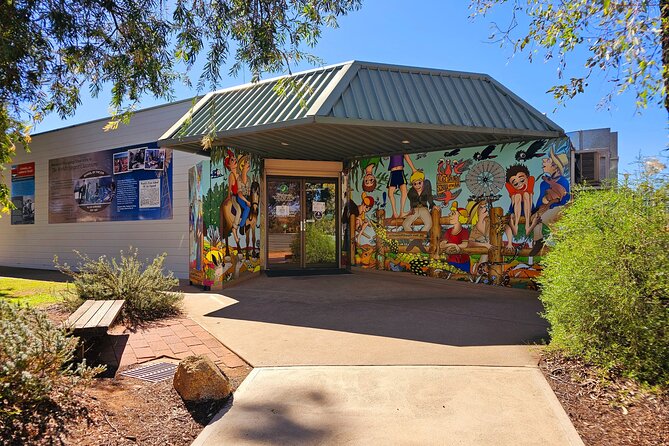
The best way to enjoy this walk is to plan for the conditions, not to hope they cooperate.
Red dust shows up. Shoes get covered, clothing picks it up, and if you’re sensitive to grit, you’ll feel it more than you expect. I’d treat dust control as part of your packing list:
- wear closed shoes you don’t mind cleaning later
- consider something to protect your socks and lower legs
- bring a small towel or wipes for after the walk
Flies are another practical issue. Some guides’ tips are very specific here, like bringing a fly net if you’re easily bothered. It’s not required in the provided details, but it is repeatedly mentioned as a smart idea based on real experiences.
For pacing: this walk is described as mainly flat, but it’s still 11km. That means your pace matters. If you go out too fast at the beginning, you’ll pay for it by the time you reach the later stops.
Breakfast and comfort: helpful, but not gourmet
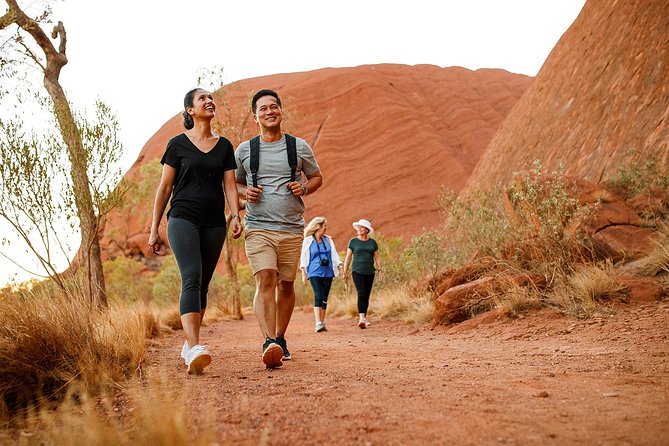
You’ll get a light breakfast, plus tea, coffee, or hot chocolate and biscuits. This is designed to keep you fueled for a long morning, not to replace a full meal.
A common theme in feedback: people appreciate the breakfast, but the offerings can feel basic, like cereals, muesli bars, and prepackaged biscuits. Coffee may be instant rather than a more classic café style drink. On the bright side, dietary restrictions are reportedly accommodated, and that’s a big deal on a walk day.
Here’s how I’d handle it: treat breakfast as “fuel,” not “a treat.” If you know you do better with richer calories, bring a small extra snack in your day bag. Just keep it light so you’re not carrying junk for 4.5 hours.
Toilets also come up as a practical need. You get opportunities tied to the day’s breaks, but this is not the kind of tour where you’ll assume frequent stops. Plan your timing and don’t wait until you’re desperate.
Guides make it meaningful, and the group size helps
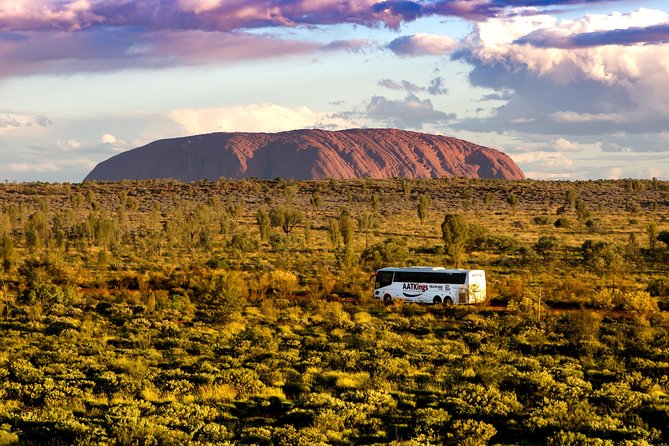
The highest praise centers on the guide experience. People consistently mention storytelling, support, and an engaging style. You’ll see names like Chloe, Glen, Michelle, Diane, Tess, and Lincoln connected to strong outcomes.
Why that matters for you: this is not a walk where you just follow a route on your own. The guide turns the route into a story tied to Tjukurpa and specific locations like Mutitjulu Waterhole and Kuniya Walk. When the guide is strong, the walk goes from exercise to understanding.
Group size can be a big part of whether that works well. With a maximum of 20 travelers, the tour tends to keep things conversational. If you hate being lost in a crowd, this setup is a plus.
What to bring (so you don’t have a red-sand surprise)
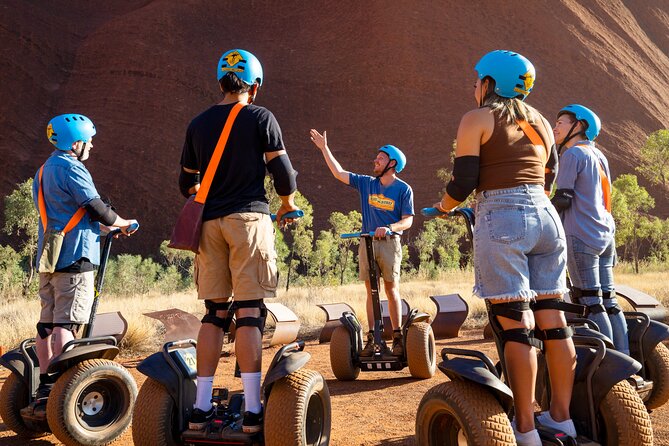
The tour description doesn’t list a gear checklist, so I’ll stick to what you can infer from how the day feels: it’s a long morning walk in dust.
Bring:
- water bottle (you’ll want it for the full walk day)
- a walking snack if you know you get hungry before the end
- sun protection (hat and sunscreen, because morning light can still hit hard)
- closed shoes you can protect from grit
- a small wipe or towel for dust after
If flies bother you, consider a fly net, since that kind of practical advice has come up directly in people’s experiences.
Who this Uluru morning base walk suits best
This tour is ideal if you:
- are visiting Uluru for the first time and want a guided introduction
- want a mix of big views and cultural interpretation at specific stops
- prefer a smaller group size for questions and listening
- like early starts if it means cooler walking
It’s less ideal if you:
- hate long walks, because 11km is a serious distance
- want total flexibility on the schedule, because the day follows a set flow
- expect breakfast to feel like a full café meal
One more note: this tour is described as requiring moderate physical fitness. If you’re on the edge, it’s worth being honest with yourself about stamina for 11km, even if the path is mainly flat.
Quick FAQ
FAQ
How long is the Uluru Morning Guided Base Walk?
It runs for about 4 hours 30 minutes (approx.).
How far will I walk?
You’ll do a 7-mile (11km) guided walk around the base of Uluru.
Is hotel pickup and drop-off included?
Yes. Hotel pickup and drop-off are included.
Is the Uluru Kata Tjuta National Park entry fee included?
No. The national park entry fee is not included. The listed adult fee is AUD 38, and it is valid for 3 consecutive days.
What food is included?
You get a light breakfast and also tea, coffee or hot chocolate, plus biscuits.
Is this tour suitable for beginners or only experienced hikers?
It’s best for people with moderate physical fitness since it’s a long walk.
So, should you book it?
Yes, if you want an efficient, guided way to see Uluru in a way that’s more than photos. The combination of a real 11km walk, stops at Mutitjulu Waterhole for rock art and stories, plus Kantju Gorge views is exactly the kind of “do it right once” outing that pays off later when you remember what you saw and why it mattered.
Skip it or rethink if you’re not comfortable with a long walk or if you’re very sensitive to dust and insects. If you do book, bring a dust plan and expect breakfast to be basic, but practical. This is the kind of morning experience that turns Uluru into a place you understand, not just a place you visit.
Sunrise, Sunset and the Base Walk



Added lately from Uluru
- Uluru By Segway – Self Drive your Car to Uluru
★ 5.0 · 65 reviews - Alice Springs School of the Air Guided Tour Ticket
★ 5.0 · 66 reviews - Kata Tjuta Sunset Half Day Trip
★ 4.5 · 87 reviews - Uluru (Ayers Rock) Sunset Tour
★ 4.0 · 110 reviews - Uluru, Kata Tjuta and Kings Canyon Camping Safari from Ayers Rock
★ 5.0 · 118 reviews - Alice Springs Highlights Tour
★ 4.5 · 121 reviews
Uluru & Ayers Rock Tours, compared.
 ★ 4.6From Alice Springs: Day Trip to Uluru with BBQ DinnerFrom $254761 reviews
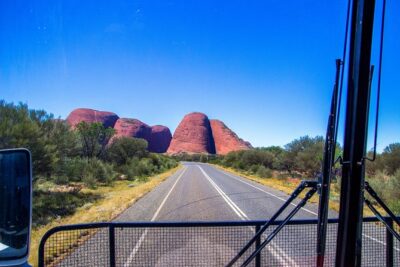 ★ 4.5Ayers Rock Day Trip from Alice Springs Including BBQ DinnerFrom $262639 reviews
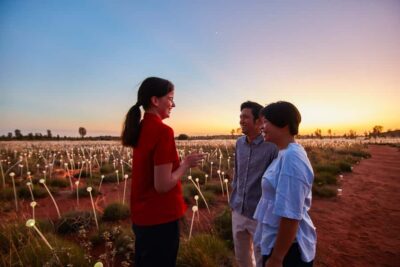 ★ 4.6Uluru: Field of Light Sunrise Tour with Hot DrinksFrom $91572 reviews
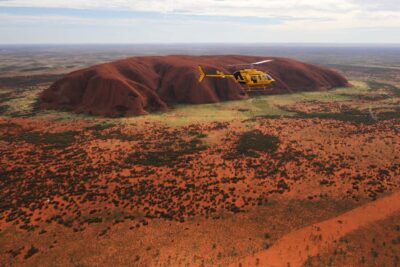 ★ 4.9Uluru 15-Minute Helicopter ExperienceFrom $145548 reviews
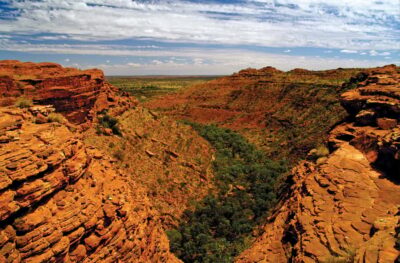 ★ 4.6Kings Canyon: Full-Day Tour from Ayers Rock ResortFrom $244541 reviews
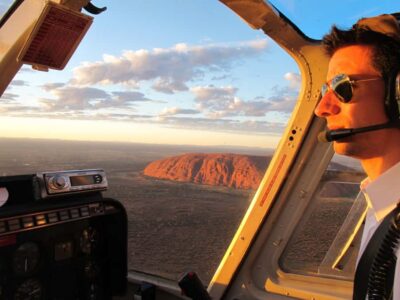 ★ 4.8Yulara: Uluru & Kata Tjuta 25-Minute Helicopter ExperienceFrom $237536 reviews
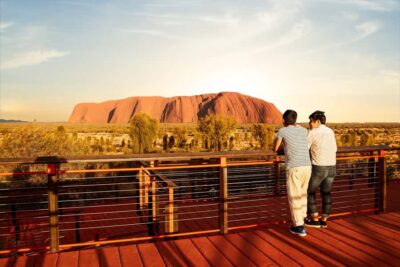 ★ 4.5Yulara: Uluru Sunrise and Kata Tjuta Day Trip by BusFrom $140469 reviews
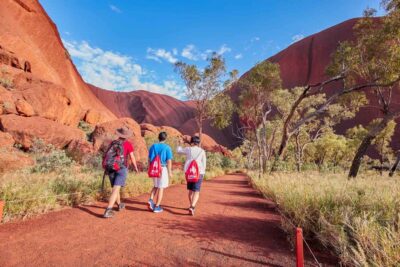 ★ 4.5Uluru: Sacred Sites & Sunset Tour with Wine & CheeseboardFrom $140450 reviews
Browse the lists this tour appears in